
5 Ways Custom Stickers Can Rebrand Your Business on a Budget


Cover before you reprint. A white opaque sticker puts the new logo on packaging, folders, signage and forms you already paid for, so the identity changes this week and the reprints wait for their natural reorder points. The five moves below run from a box seal that costs almost nothing to a holographic launch label, and every one of them prints from the same artwork file.
Five sticker moves at a glance
| The move | Where it goes | What it covers | Stock that suits it | Product at 4OVER4 |
|---|---|---|---|---|
| Reseal your packaging | Box flaps, mailers, tissue, bags | The old logo printed on cartons you already bought | White opaque, matte or gloss | Business card stickers |
| Patch the old mark | Folders, forms, binders, shelf edges, doors | Legacy collateral and interior signage | White opaque vinyl | Business card stickers |
| Make the card sticky | Laptops, notebooks, counters, mailers | The handout that carries the new identity | Coated sticker stock, matte | Business card stickers |
| Give away a shape | Laptops, bottles, helmets, shop windows | The new logo silhouette, cut to its outline | Die-cut vinyl, laminated | Shaped stickers |
| Seal the launch run | Limited editions, sample kits, press boxes | The moment the brand changes hands | Holographic film | Custom holographic stickers |
Work down the list rather than across it. The first two moves clear the visible estate for the least money, and the last two are worth doing once the old logo has stopped appearing in front of customers. You can order business card stickers in any of these sizes straight from the configurator.
Why stickers are the cheapest way to change how a brand looks
Most rebrands stall in the same place. The new identity is signed off, everyone likes it, and then someone opens the stockroom door: several thousand printed cartons, a wall of folders, two window graphics and a filing cabinet of forms, all carrying a logo that stopped being current last Tuesday. Reprinting all of it at once is what turns a design refresh into a capital expense, and it is why plenty of small businesses quietly keep using the old mark for another year.
A sticker gets around that. It is the only print format built to be applied to something that already exists, which means the new identity can go live this week on inventory you already paid for, and the reprints can wait for their natural reorder points. You spend on a run of business card stickers from $10.76 instead of on a full reprint, and the difference stays in the bank.
The catch is that a rebranding sticker has two jobs at once. It has to show the new mark and hide the old one. That second job is an opacity and adhesive question rather than a design question, and it settles the stock before anyone opens the artwork file. Our sticker pricing guide shows how stock, size and quantity move the number once you know what you need.
Covering an old logo needs an opaque stock
A clear or translucent sticker will let whatever is underneath ghost through, and a dark logo under a light sticker shows as a shadow that nobody can unsee. For covering work, ask for a white opaque stock and check the proof against the darkest surface you own before you commit the run. The test takes a minute and it is the difference between a patch that reads as intentional and one that reads as a patch.
Size the sticker to the thing it is covering, plus a margin on every side. A sticker that lands exactly on the old logo draws the eye straight to its edges. One that sits a little proud of it, centered inside a panel, looks like it was always part of the packaging.
Decide now whether it ever has to come off
Sticker adhesive is built to stay put. That is what you want on a mailer and exactly what you do not want on a leased shop window, a rented vehicle panel or a laptop lid you are handing to someone else. If the sticker has a removal date, say so when you order, because removable adhesive is a choice made before printing and not something you can retrofit with a hairdryer.
Surface matters as much as adhesive. Anything textured, powder coated or freshly painted holds a sticker badly. Clean with isopropyl alcohol, let it dry, and apply from the center outwards so the air has somewhere to go. On glass, apply from the inside where the weather cannot reach the edges.
The five ways, cheapest first
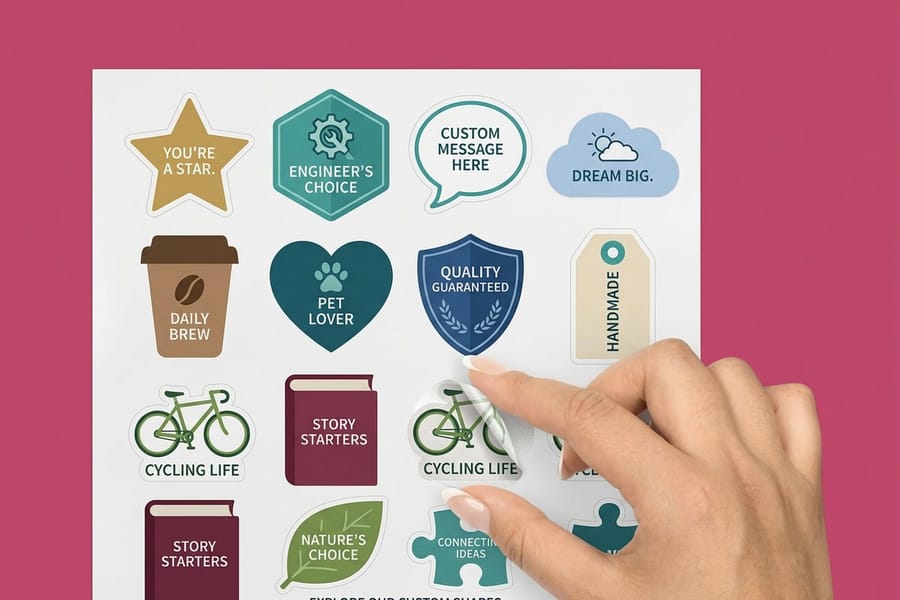
These five moves are ordered by what they cost to start, not by how much they matter. A small business can run the first two this month for the price of a single reprint line item, then add the others as the new identity settles.
Everything here is printed from the same artwork file, so you are paying once for the design and then choosing where it goes. That is the whole economics of a sticker rebrand.
One and two: cover what you already printed
1. Reseal the packaging you already own. A sticker across the flap of an old carton turns a box with a dead logo into a box with a live one, and it doubles as a tamper seal so the customer can see the parcel arrived closed. Business card stickers at $10.76 are the obvious pick here because the format is already the right size for a flap, a mailer or a tissue wrap.
2. Patch the signage, folders and forms carrying the old mark. Interior door plates, shelf edges, presentation folders, invoice pads, the sign on the back office. None of these need reprinting the day the logo changes; they need a white opaque sticker sized to the old block. Work through the list room by room and you will usually clear the visible estate in an afternoon. The floor is the surface people forget, and it takes a different laminate to survive being walked on, which our floor sticker guide covers. When a piece finally does run out, reorder it from the business basics collection with the new artwork already in place.
Three to five: put the new mark in other hands
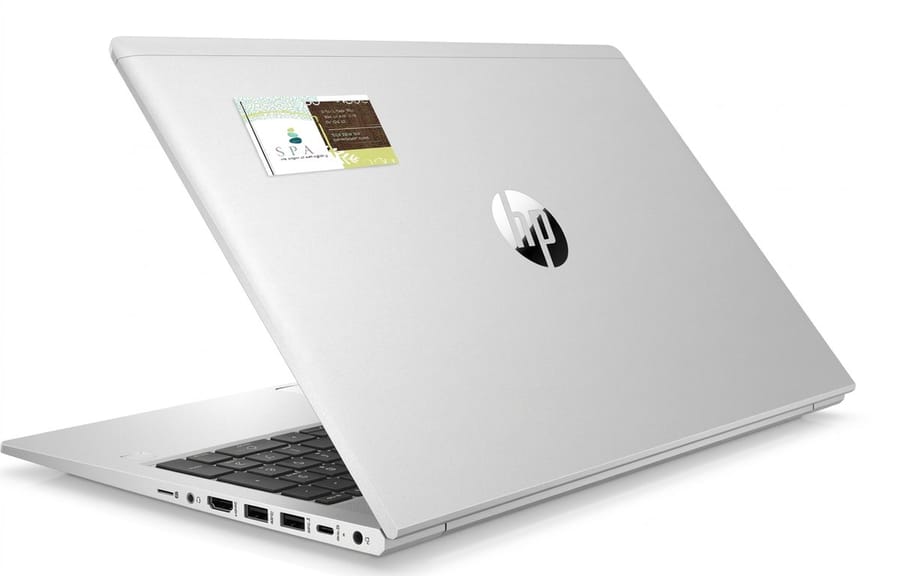
3. Make the new business card sticky. A card gets filed. A sticker gets applied to a laptop, a toolbox or a noticeboard and keeps working, and there are more places to put a logo sticker than most people list on their own. Print the new identity as business card stickers and hand them out alongside real custom business cards from $17.57, so the person who needs your number has it and the person who liked your logo keeps it in view.
4. Give away a shape rather than a rectangle. A shaped sticker from $93.37 is cut to the outline of your mark, which is why it ends up on laptops and water bottles instead of in a drawer. Cut to shape only if the mark holds up as a silhouette; a logo with fine legs or thin type needs a simple keyline around it or the cut will fight the artwork. The same silhouette logic drives custom shaped business cards from $95.56, and if the outline is not obvious yet, these custom shaped card ideas are a decent place to argue it out.
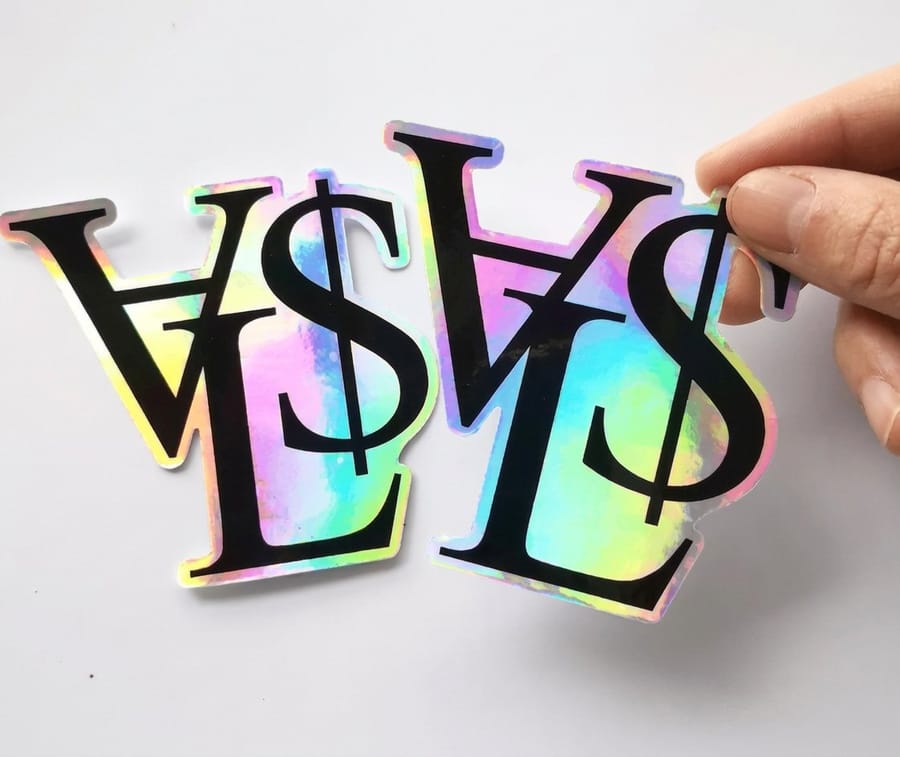
5. Seal the launch run with something that catches light. Custom holographic stickers from $322.98 are not an everyday seal, and that is the point. Put them on the first hundred orders after the relaunch, on press kits, or on a limited edition, where the shift in color as the box turns does the announcing for you. A holographic seal is also hard to copy, which is useful if your product gets counterfeited.
Stock, cut and run size, and what each one does to the price
Once you know where the stickers are going, three choices set both the invoice and the lifespan: the material, the cut, and the quantity. Artwork is the cheap part.
Material is the durability call. A coated paper sticker is fine indoors on a box that ships within weeks. Vinyl is what you want on anything that meets weather, water, a wash cycle or a wipe down, which covers windows, vehicles, bottles and equipment. A laminate on top takes the scuffing instead of the ink, and on an outdoor sticker it is also what stops the color fading.
The cut changes the impression more than the price. A rectangle or a circle is cut from a standard die and costs the least. A die cut that follows your logo outline is the single clearest way to look unlike everyone else, which is why it belongs on the giveaway sticker rather than on the box seal nobody studies.
Match the material to the surface it lands on
Indoors, on cardboard, paper or a folder, coated paper stock is enough and it is the cheapest way to cover a lot of ground quickly. Outdoors, on glass, painted metal or a vehicle panel, use vinyl with a laminate and expect it to hold its color through a full season rather than a fortnight.
Print a handful first and live with them. Stick one on the actual box, one on the shop window and one on a laptop, then look at all three a week later. Edge lift, color shift under a shop light and how the white reads against your packaging all show up on the real surface and never on screen.
Order to the rebrand, not to the price break
Sticker pricing steps down as the run grows, which tempts a new identity into ordering five thousand of a design that changes again after the first month of customer reaction. Count what you will genuinely apply between now and the next reorder, add a margin for the ones that get applied crooked, and buy that.
A practical split is a small first run across all five uses, a fortnight of watching how they perform, then one large reorder of the two that earned it. Our step by step sticker design guide covers the file setup so the second run needs no artwork changes at all.
Sticker pricing and specs at 4OVER4.COM
Sticker pricing moves with size, stock, finish and quantity, and the per unit cost falls as the run grows. The numbers below come straight from the live configurator, so you can size the rebrand budget before you order anything.
Quantity and price
Business card sticker pricing and specs
Real configurator numbers on the format most rebrands start with, where a larger run drops the per unit cost.
| Quantity | Price Per Unit | Total |
|---|---|---|
| 1 | $10.76 | $10.76 |
You can also earn coins on every order and redeem them against future printing, which stretches a rebrand budget a little further across the reprints still to come.
Stock and finish, matched to the surface
Stock and surface work together. Coated paper on a shop window lifts at the corners within a fortnight, while vinyl with a laminate holds through weather, wiping and a wash cycle. Indoors on cardboard and paper, coated stock is enough and it covers the most ground for the money. Finish is the look: gloss lifts color and photography, matte reads calmer and hides fingerprints, and a laminate over either one takes the abrasion instead of the ink.
Print it
Shaped stickers, cut to your logo
The giveaway piece, die cut to the outline of the new mark rather than to a rectangle.
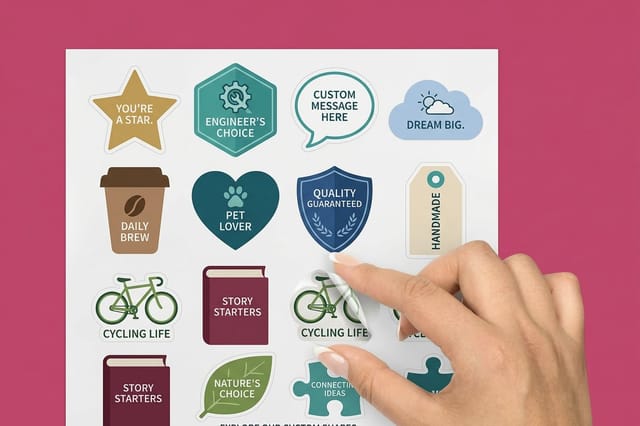
The cut is the other half of the decision. A rectangle or a circle comes off a standard die and costs the least, which is why it belongs on the box seal that nobody studies. A contour cut that follows your outline costs more and earns it on the giveaway sticker, because that is the one someone chooses to put on a laptop. If the mark has thin type or fine legs, add a keyline and cut to that instead, then carry the same silhouette across to custom shaped business cards so the two pieces look like one identity.
What a sticker rebrand looks like by business type
The five moves land differently depending on what your customers actually touch, so here is the breakdown by business type.
- Retail and boutiques. Seal the bag and the tissue with the new mark, and patch the shelf edges and door plates the same week. Customers meet a rebrand at the counter long before they meet it online.
- Ecommerce and subscription brands. The unboxing is the only physical touchpoint you get, so the seal on the flap does the work an entire shopfront does elsewhere. One sticker on plain stock beats a printed carton you cannot afford to replace.
- Cafes, bars and food trucks. Vinyl on the window, laminated stickers on the cups and jars, and a giveaway shape that ends up on a regular customer laptop. Everything gets wiped down, so laminate everything.
- Trades and service businesses. Vehicle panels, tool cases and job folders all carry the old logo. Vinyl handles the van, and business card stickers clear the paperwork and the equipment.
- Studios and agencies. Shaped stickers travel further than a deck. Pair them with matching business cards so the mark a client keeps on their laptop matches the one in their wallet.
Sticker blanks at every die size
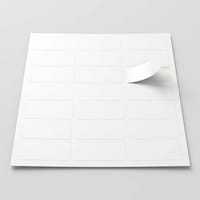
If the new mark is drawn but the print file is not, templates cut out the guesswork. 4OVER4.COM sizes its blanks to exact product specs, so the artwork lands inside the cut line with bleed and trim already marked. Grab one from the blank template library and drop the logo in.
Start fast
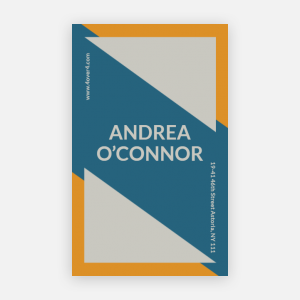
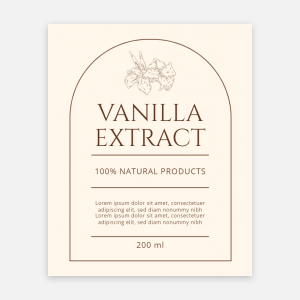
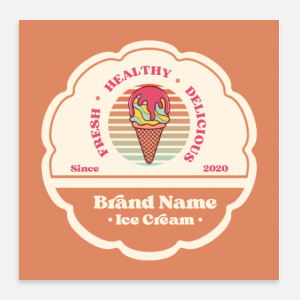
Sticker templates and print-ready blanks
Sticker design templates and exact size blanks so the new logo lands inside the cut line first time.


Wally covers the old logo before he reprints anything
Five sticker moves that carry a rebrand on a small budget
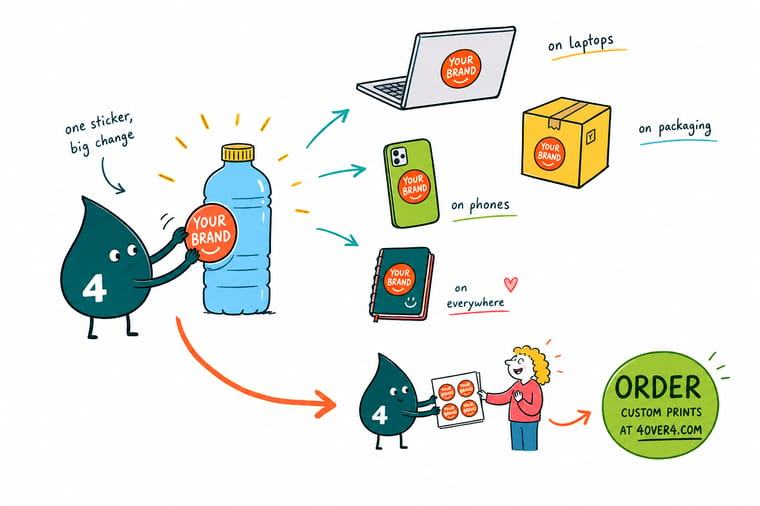
Start with a white opaque sticker over the old mark on packaging, folders and interior signage, sized a little larger than the block it covers so the edges read as deliberate. Print one proof and lay it on your darkest carton to check nothing ghosts through, choose permanent adhesive for mailers and removable for glass and laptops, then keep vinyl with a laminate for anything outdoors. Buy a small first run across all five uses, watch it for a fortnight, and reorder the two that earned it.
Order business card stickers →What to remember about rebranding with stickers
Design tips that hold up on every surface
- Test opacity before you test color. Print one proof and lay it over the darkest packaging you own. If the old mark ghosts through, no amount of color work will fix it and you need a white opaque stock.
- Leave a margin around the thing you are covering. A sticker sized exactly to the old logo draws attention to its own edges. Sit it a little proud, centered in the panel, and it reads as part of the design.
- Keep the silhouette simple if you are die cutting. Thin legs and fine type fight a contour cut. Add a keyline around the mark and cut to that instead.
- One accent, used the same way everywhere. The seal, the giveaway and the card should share a single accent color applied identically. Consistency is what makes a rebrand read as a decision instead of a phase.
- Give the code somewhere worth landing. If you add a scan code, point it at the story behind the change or the new range, not the homepage. A code that lands nowhere teaches people to stop scanning yours.
Explore more
More ways to print the new identity
Shaped stickers run 25 for $93.37 and holographic 100 for $322.98, against $17.57 for a hundred new cards.
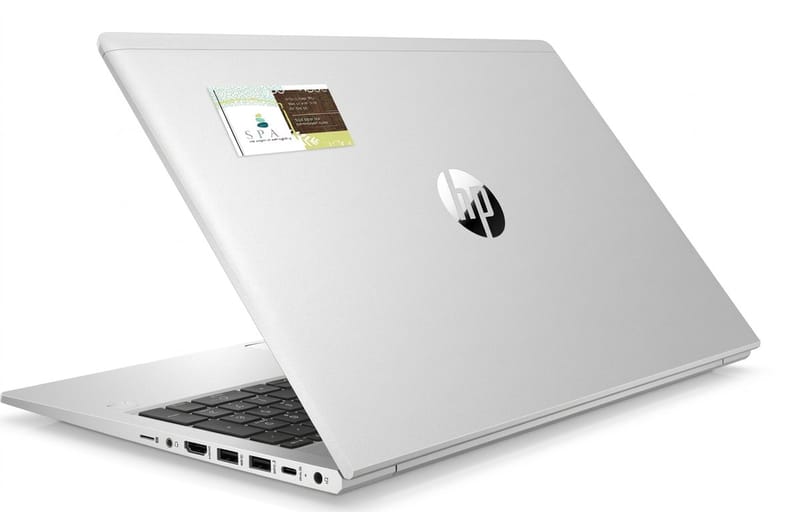 Product Business Card Stickers The default size for a sticker rebrand, from $10.76.
 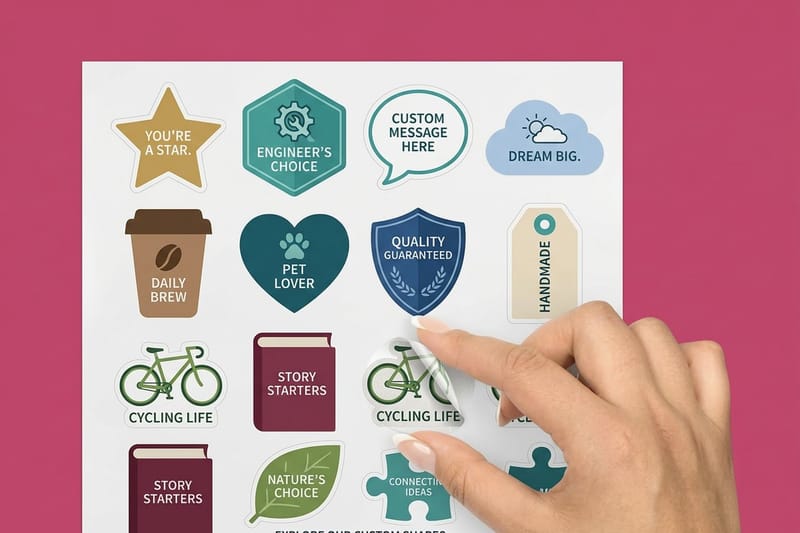 Product Shaped Stickers Die cut to your logo outline instead of a rectangle.
 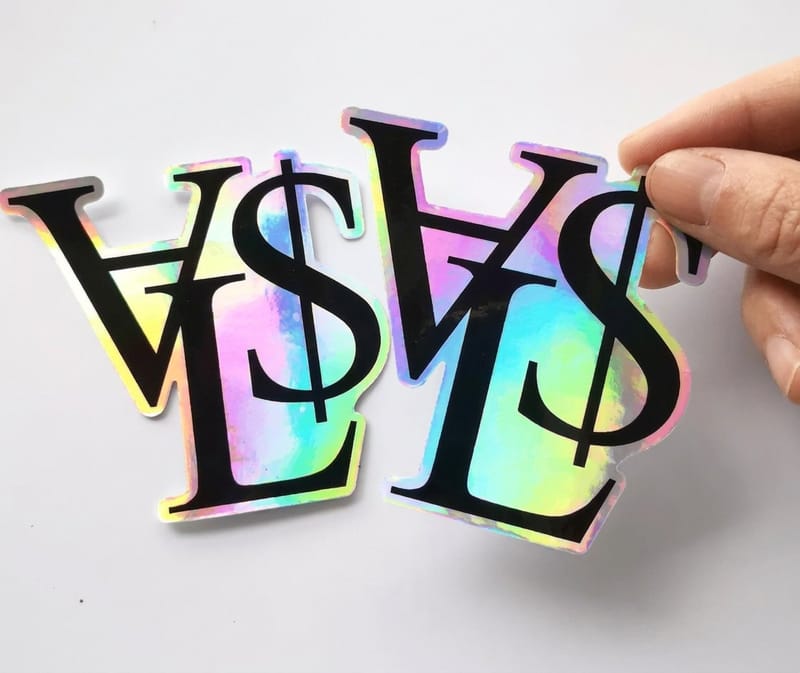 Product Custom Holographic Stickers A launch seal that shifts color as the box turns.
 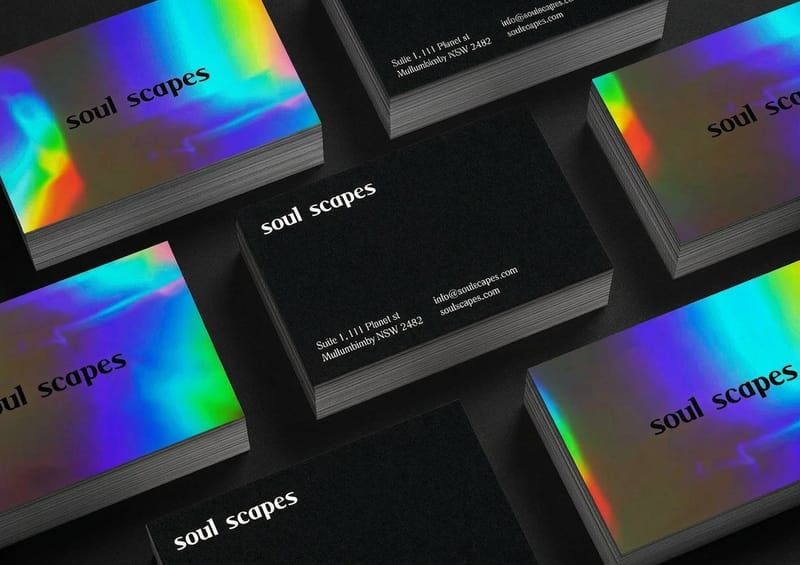 Product Custom Business Cards The card that matches the sticker you hand out.
 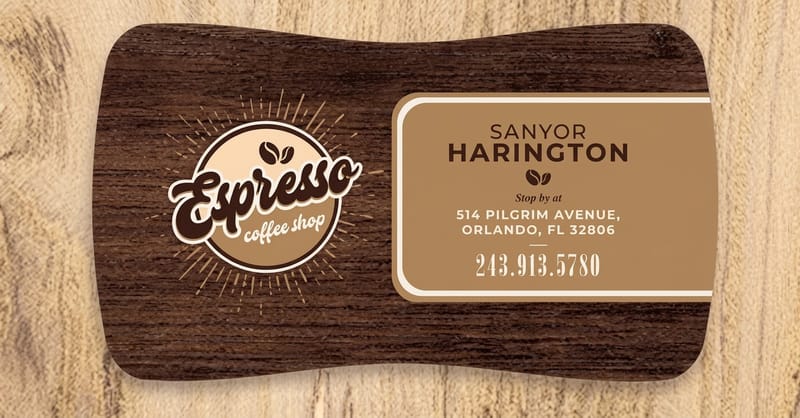 Product Custom Shaped Business Cards The same silhouette logic, in a card people keep.
 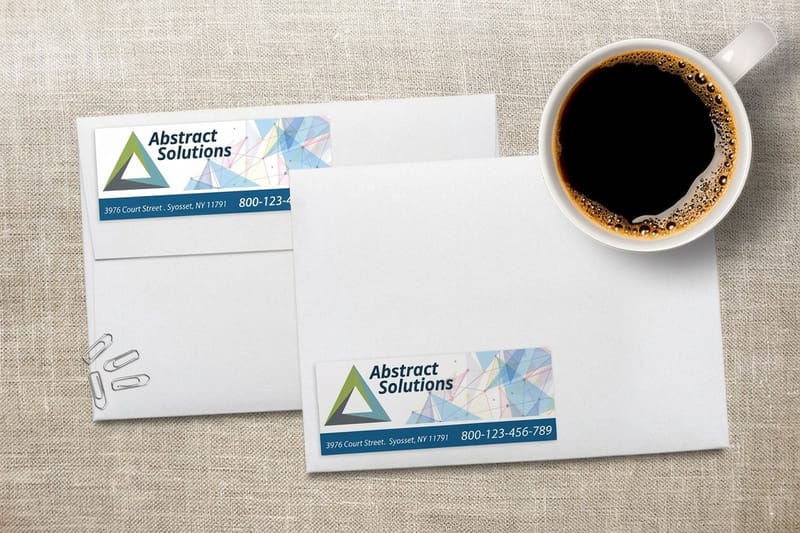 Category Business Label Printing Every sticker and label stock in one place.
 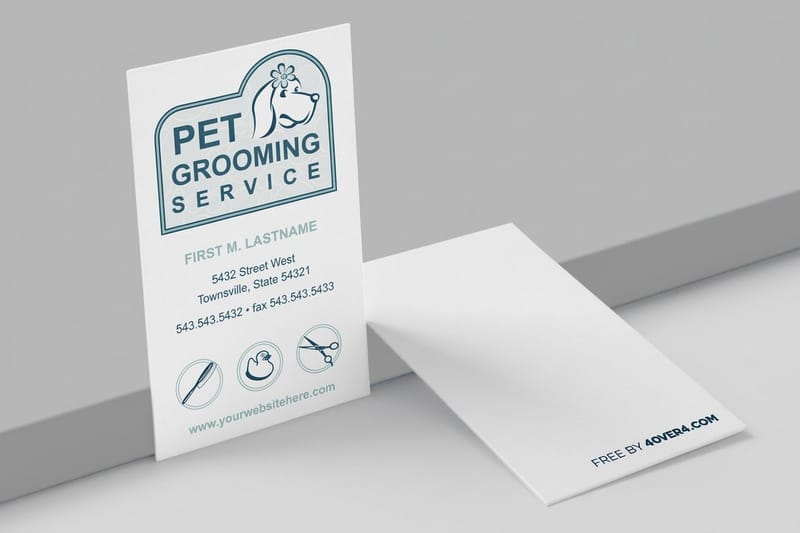 Category Business Card Printing Stocks and finishes for the new identity in hand.
  Guide How Much Custom Stickers Cost What stock, size and quantity do to the price.
  Guide How to Design Custom Stickers File setup, bleed and cut lines, step by step.
  Article 10 Fun Ways to Use Logo Stickers Where the giveaway sticker actually ends up.
  Article 20 Custom Shaped Business Card Ideas Silhouettes worth cutting a die for.
  Article 9 Ways to Attract High End Clients What the new identity has to do after launch.
 Ready to put the new logo on everything you already own?
Pick your size, drop in the new artwork or start from a free template, and 4OVER4.COM prints it sharp on the stock the surface needs, as fast as your relaunch date demands.
Common questions about rebranding with stickers
Can I sticker over my old logo instead of reprinting everything?
Yes, and for most small businesses it is the sensible order of operations. A white opaque sticker sized a little larger than the old mark covers packaging, folders, forms and interior signage, and the printed stock then runs out at its own pace instead of going in a skip. The one place to be careful is anything customer facing and permanent, such as an exterior sign, where a patched surface eventually reads as patched. Cover the consumables first, reprint the permanent pieces when the budget allows, and the rebrand looks continuous rather than half finished.
What sticker material actually covers old printing without ghosting?
A white opaque face stock. Clear and translucent stocks are made to let the surface show through, which is exactly what you do not want when the surface carries a dead logo. Even on an opaque stock, a very dark mark under a very light design can shadow slightly, so print one proof and lay it over the darkest packaging you own before ordering the run. If it still ghosts, the fix is a heavier stock or a slightly larger sticker with a solid color block behind the artwork rather than a redesign.
Will the sticker come off later without leaving a mess?
Only if you ask for a removable adhesive before it is printed. Standard sticker adhesive is made to stay, which is right for mailers and packaging and wrong for a leased shop window, a rented vehicle panel or a laptop you are handing to a client. Removable stock lifts cleanly within a reasonable window, though any adhesive left for years in direct sun gets harder to remove. Tell the printer where the sticker is going and how long it needs to stay, and the adhesive gets specified around that answer.
How many stickers should I order for a rebrand?
Count the surfaces rather than chasing the price break. Walk the stockroom and the shopfront, list what carries the old mark, add the packaging you will ship before the next reorder, then add roughly ten percent for the ones that go on crooked. Sticker pricing does step down with quantity, which tempts new identities into thousands of a design that changes again after a month of customer reaction. A small first run across all five uses, a fortnight of watching, then one larger reorder of the two that earned it is the cheaper path overall.
Do I still need new business cards if I have stickers?
Yes, because they do different jobs. A sticker gets applied to a laptop or a toolbox and keeps showing the mark to whoever walks past it, but it carries no phone number, no address and no title. A card is what someone reaches for when they need to contact you. The strongest handout is both together: custom business cards from $17.57 for the details, and business card stickers from $10.76 for the version that stays in view. Printed from the same artwork, they cost less than most brands expect.
