
7 Problems Every Small Business Hits and What Fixes Them


Emma is our prepress and print production voice, built from the knowledge of our production team, with over 20 years in printing.
The Seven Problems That Slow Most Small Businesses Down
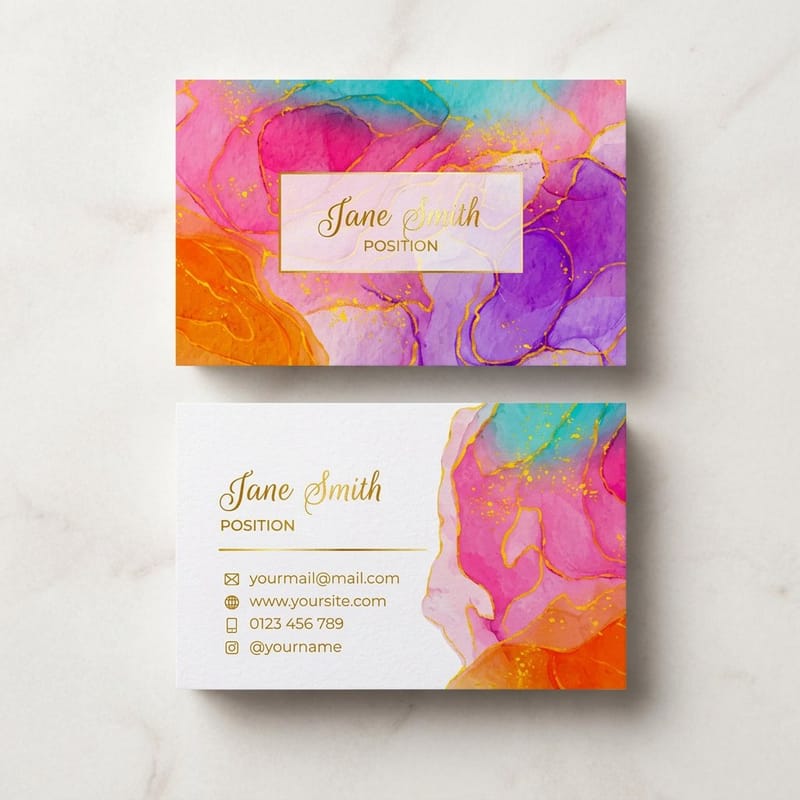
Almost every small business that stalls is stuck on one of the same seven things: visibility, bookkeeping, hiring, differentiation, time, cash flow or compliance. Nobody knows the business exists, and 100 business cards at $17.57 are the cheapest first fix for that one. The books are a guess. The first hires are wrong. The offer looks like everyone else’s offer. The owner has no time. Cash arrives later than it leaves. And somewhere in a drawer, a filing deadline is quietly going past.
The reason these problems feel enormous is that they arrive together, usually in the same month. The reason they are solvable is that they respond to small, boring fixes, and two of them respond to something you can order today for less than the cost of a week of ads.
This article walks through all seven with the fix for each, and it goes deeper on the two that print actually solves: getting the word out, and standing out once people are looking. 4OVER4.COM has printed 10 billion+ print products since 1999 for more than 150,000 businesses, and the pattern is consistent. The owners who get seen are rarely the ones with the biggest budget. They are the ones who put something physical in more hands.
Problem 1: nobody knows you exist
You can be the best plumber, baker, or designer in a five mile radius and still have a quiet week, because being good is invisible. The fix is not a bigger ad spend. It is a repeatable habit of leaving something behind: a card at the counter, a flyer on the community board, a sign in the window. Presence compounds.
Problem 2: the books are a mess
Most owners do not have a bookkeeping problem, they have a categorization problem that has been running for eleven months. Open a separate business account, connect one accounting tool, and reconcile every Friday for twenty minutes. Small and weekly beats heroic and annual every single time.
Problem 3: the first hires are the wrong hires
Hiring in a panic gets you a person who is available rather than a person who is right. Write down the five tasks the role will own before you write the job post, then hire against that list. Trial the person on a paid project first if you can. A bad first hire costs a small team more than a slow one.
Problem 4: you look like everyone else
When a customer cannot tell you apart from three competitors, they default to price, and price is a race you will lose to someone with more volume. Differentiation is a decision you make and then repeat everywhere, in your copy, your packaging, and the first physical thing a prospect touches.
Fix visibility first
The cheapest marketing you can buy
Cards that get handed over, kept, and passed on, starting under twenty dollars a run.

Fixing Visibility Without a Marketing Budget
Visibility is the one problem on this list that money solves badly and habit solves well. Owners who buy attention stop being seen the day the campaign ends. Owners who build presence keep being seen for months, because a card sits in a wallet and a sign sits on a wall long after the invoice is paid.
Start with the cheapest surface area you can put your name on. A run of Artist Business Cards starts at $17.57, which is less than most businesses spend on a single day of paid search, and every card is a conversation that outlives the conversation. If you have already tried the obvious channels, the tactics in 7 affordable small business branding strategies are the next place to look.
- Hand out cards on purpose, not by accident. Set a number, twenty a week, and treat it like a sales target rather than a nice to have.
- Put a flyer where your customer already stands. Gyms, cafes, hardware stores, and pet shops all have boards, and the audience is local and pre qualified.
- Make your vehicle or window work. A sign that faces the street is a permanent placement you paid for once.
- Leave something with every delivery. A card or a small postcard in the bag turns a single sale into a second one.
- Ask for the referral in print. A card with a written offer on the back gets passed to a friend far more often than a verbal request does.
None of this is clever. It is repetition applied to something physical, and it is the reason a one person operation can out market a funded competitor in a neighborhood. For the direct mail version of the same idea, the layouts in 10 best postcard examples for small businesses are worth borrowing from.
Print picks
Three cards that solve the visibility problem
Live prices, ready to customize with your logo, offer, and contact details.
 3D Lenticular Business Cards 500 for $690.88 A card that moves when it tilts, so prospects keep it and show it to other people.
 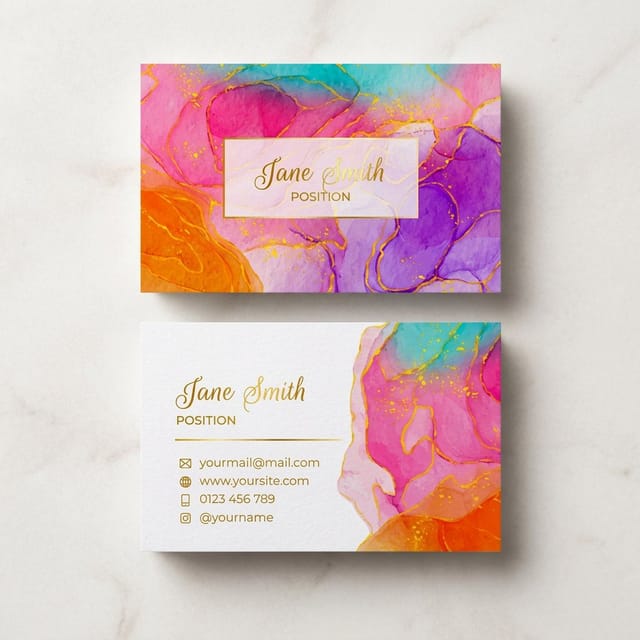 Artist Business Cards 100 for $17.57 Room for your work on the front, your details on the back, for the price of a takeout order.
 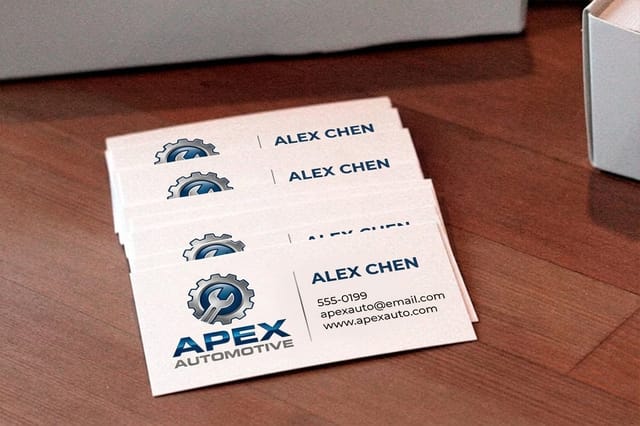 Automotive Business Cards 100 for $17.57 Built for shops and mobile services that hand out cards at the counter and in the bay.
 Problem 5: Time Runs the Owner Instead of the Other Way Around
The time problem comes from the number of decisions an owner makes that nobody else is allowed to make, such as approving every quote, every refund and every reorder. Every unwritten process is a decision you have to repeat, and repeated decisions are what eat a week.
The fix is to convert your repeated decisions into defaults. Write the process once, in ordinary words, and let someone else run it. You are not documenting for a future corporation, you are documenting so that Thursday afternoon stops being a fire.
- Track one week honestly. Write down what you actually did in thirty minute blocks, then circle everything only you can do.
- Batch the small stuff. Invoicing, ordering, and email answered twice a day beats the same work sprayed across nine interruptions.
- Write the top five processes down. Opening, closing, quoting, ordering, and handling a complaint cover most of a small operation.
- Set a default answer. If a question comes up three times, it deserves a written rule instead of your attention.
- Protect one block for growth. Two uninterrupted hours a week aimed at marketing beats twenty scattered minutes.
Owners who have already climbed out of this describe the same turning point, which is the moment the business could run a normal day without them in the room. There is a good collection of that thinking in 20 small business hacks from successful founders.
Problem 6: Cash Flow Gaps That Have Nothing to Do With Sales
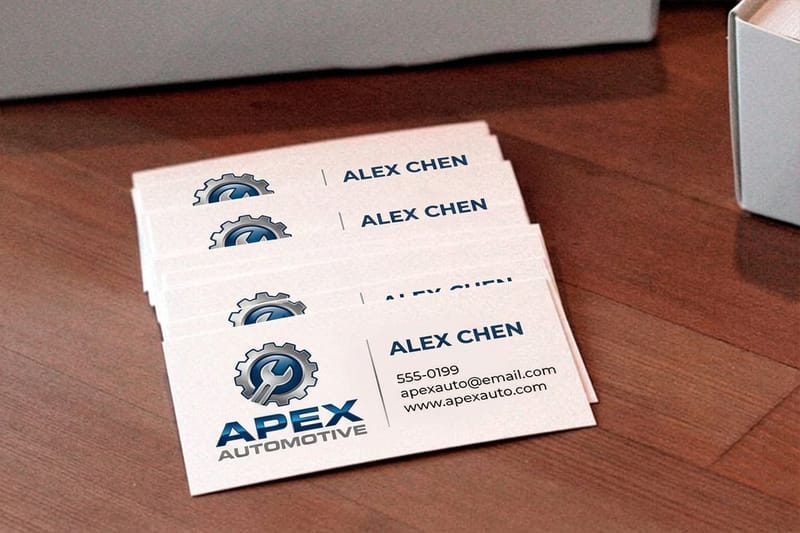
A profitable business can still run out of money, and this catches first time owners badly. Profit is an opinion about a period. Cash is a fact about a Tuesday. The gap between the two is where good businesses get into trouble.
The cure is dull and it works: shorten the time between doing the work and being paid for it, and lengthen the time between ordering and paying where a supplier will let you. Everything else is bookkeeping around the edges.
- Invoice the day the job is done. A week of internal delay is a week of your own money financing someone else.
- Take a deposit on anything custom. Thirty to fifty percent up front funds materials and filters out tire kickers.
- Make paying easy. A card payment link on the invoice gets paid faster than bank details in a footer.
- Chase on a schedule, not on a mood. A polite reminder at day three, day ten, and day twenty beats one angry call at day forty.
- Keep a thirteen week cash view. A single sheet showing money in and money out by week will predict every squeeze before it happens.
Two small habits pay for themselves within a quarter:
- Separate the tax money on the day it arrives. A second account holding sales tax and income tax makes filing a transfer rather than a crisis.
- Buy print and supplies in one planned run. Per unit costs drop hard with quantity, and one order beats five rushed ones.
- Review your prices twice a year. Most small businesses are underpriced because they set a number once and never revisited it.
Problem 7: Compliance and Paperwork Creeping Up on You
Licenses, permits, insurance renewals, sales tax filings, and payroll deadlines rarely announce themselves. They just quietly expire. The penalty is almost never fatal, but it is always avoidable, which makes it the most annoying category of problem on this list. Put every renewal and filing date on one calendar with a reminder 30 days out, and the category shrinks to a monthly ten minute check.
Treat compliance as a calendar problem rather than a knowledge problem. You do not need to become an expert. You need every recurring obligation to have a date, an owner, and a reminder that fires two weeks early.
- Build one obligations list. Every license, filing, and renewal in a single place with its date and its cost.
- Set the reminder before the deadline. Two weeks of warning turns an emergency into a task.
- Keep the documents where two people can find them. A locked folder only you can open is a single point of failure.
- Ask your accountant once a year what changed. One paid hour beats a year of guessing at new thresholds and rules.
- Keep your printed materials current. An old license number, address, or phone number on a card or a sign is a small compliance issue with a very public face.
Quantity and price
Business card pricing and specs
Real configurator numbers. Per unit cost drops hard as the quantity goes up.
| Quantity | Price Per Unit | Total |
|---|---|---|
| 100 | 17.6¢ | $17.57 |
| 200 | 11.5¢ | $23.07 |
| 300 | 9.15¢ | $27.46 |
| 400 | 7.96¢ | $31.86 |
| 500 | 7.25¢ | $36.26 |
| 600 | 6.77¢ | $40.64 |

Standing Out When You Sell What Everyone Else Sells
Differentiation is the answer to a question a customer silently asks: why you and not the other one. A plumber who promises a two hour arrival window and prints it on the back of the business card has said it out loud. Most small businesses have a real answer and never say it out loud, so the customer defaults to price and the business gets squeezed.
Find the true answer first, then make it physical. If your answer is craft, your materials should feel like craft the second they are picked up. A card with dimensional texture or a lenticular effect does more for a premium claim than a paragraph of copy ever will, because the prospect experiences the claim instead of reading it.
- Pick one thing to be known for. Fastest, most careful, most local, most specialized. One, not four.
- Say it in six words. If it does not fit on a card, it will not survive a conversation.
- Make the first touch match the claim. A premium promise on a flimsy card reads as a broken promise.
- Show proof, not adjectives. A photo of your work beats the word quality on any surface you print.
- Repeat it everywhere. Same line on the card, the sign, the invoice, and the voicemail.
If your positioning has drifted over the years and the materials no longer match the business, the sequence in 5 rebranding tips from a successful small business is a practical way to reset without starting from zero.
Premium signal
3D lenticular business cards
A card that shifts as it tilts, so a premium claim is felt before it is read.

Building a Team Without a Recruiter
Small teams live and die on the first three hires. There is no depth to absorb a mistake, so a wrong fit is felt every day by everyone. The good news is that small businesses can offer things large employers cannot, and most owners forget to say so.
Be specific about the work, honest about the stage, and generous with ownership. A candidate who wants scope and speed will take a smaller company over a bigger one, but only if you describe the role in a way that shows the scope exists.
- Write the five tasks before the job post. If you cannot list them, the role is not ready to be filled.
- Hire for the next twelve months. Not for the company you imagine in five years.
- Use a paid trial task. Two hours of real work tells you more than two rounds of interviews.
- Onboard with something physical. A card with their name on it on day one costs almost nothing and signals that they belong here.
- Say thank you in writing. Retention on a small team is built out of small, visible appreciation.
That last point is not sentiment, it is retention math. A handwritten note lands differently than a message in a chat window, and there are usable formats in 6 creative small business thank you card ideas.
For teams and trades
Cards for the counter and the bay
Give every new hire a card with their name on it on day one. It costs almost nothing and signals belonging.
What to Print First on a Tight Budget
If you are fixing visibility and differentiation at the same time, print is the money that works hardest on this list, in this order: business cards first, 100 for $17.57 in 3 business days, then a postcard or flyer for the neighborhood, then signage. Buy the pieces that get handed to a person before you buy anything decorative.
A practical first order for most small businesses is a run of business cards, a short run of flyers for local boards, and one sign for the window or the vehicle. That covers introduction, distribution, and permanent presence, and it usually lands under the cost of a single month of paid ads.
- Business cards first. The cheapest per impression asset you will ever buy, and the only one that gets stored in a wallet.
- Flyers second. Local boards, counters, and doors, printed in quantities small enough to iterate on the message.
- One sign third. A window, an A frame, or a vehicle decal that works while you sleep.
- Postcards when you know your radius. Direct mail rewards a tight, well chosen list far more than a big one.
- Upgrade the card once it is working. A textured or lenticular version is the cheapest premium signal available.
Before you order, it is worth knowing what actually goes wrong at the press, because most reprints come from avoidable file mistakes. The rundown in print quality problems covers resolution, bleed, and color the way a printer sees them.
Compare finishes
Popular business cards, side by side
Stock, finish, size, quantity, turnaround, and price in one view before you order.
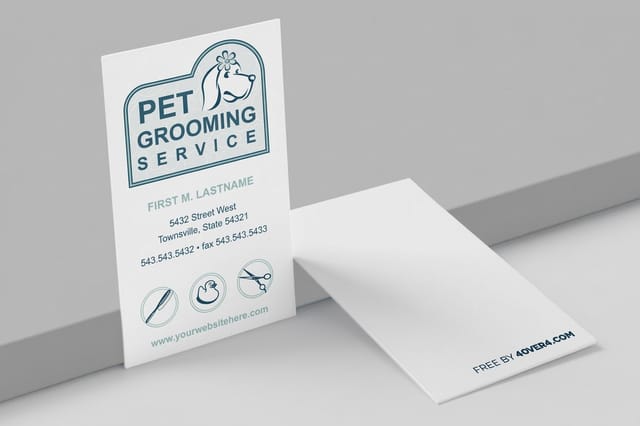 free business cards | 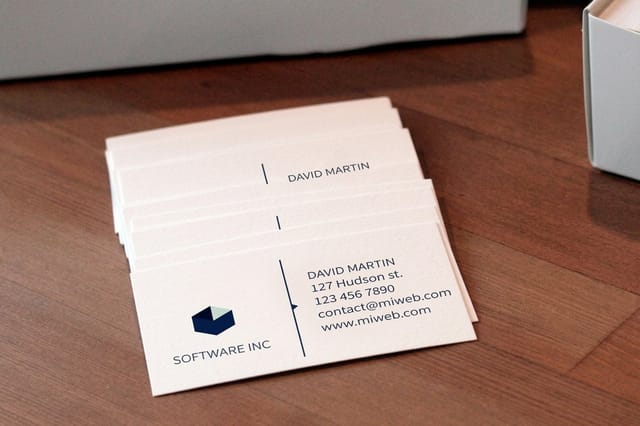 Standard Business Cards | 3D Lenticular Business Cards | 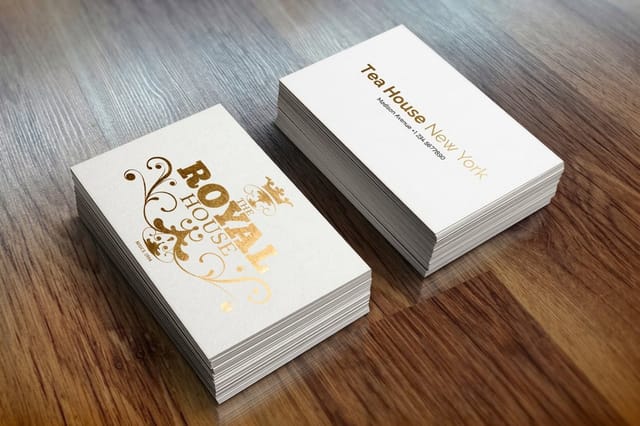 Metallic Foil Business Cards | |
|---|---|---|---|---|
| Min price | Free | $17.57 | $690.88 | $222.13 |
| Paper / stock | 14pt Gloss Cover | 14pt Gloss Cover | 31pt Lenticular Lens | 16 Point Silk Laminated |
| Finish | - | Standard Finish | - | - |
| Size | 2" x 3.5" | 2" x 3.5" | 2" x 3.5" - Vertical | 2" x 3.5" |
| Default qty | 200 | 100 | 500 | 500 |
| Turnaround | 5 business days | 3 business days | 22 business days | 7 business days |
| Rating | ||||
| View & customize | View & customize | View & customize | View & customize |
Turning Seven Problems Into a 30 Day Plan
Reading a list of problems is easy and doing something about them in the same week is not. Pick two, one that touches revenue and one that buys back time, and give yourself thirty days on those alone. The other five will still be there, and they will be easier once you have money and hours.
For most owners the revenue one is visibility, because it produces a result you can see inside a month. Set the print order in week one, distribute in weeks two and three, and count what came back in week four. If nothing did, change the offer on the card rather than the card itself.
A simple thirty day sequence
- Week one. Write the six word answer to why you, order business cards and flyers, open the separate tax account.
- Week two. Distribute in person, twenty cards and ten flyer placements, and write down where each one went.
- Week three. Document the five processes that eat your week and hand one of them to someone else.
- Week four. Build the obligations calendar, set the thirteen week cash sheet, and count the leads the print produced.
If naming the business is still an open question at the same time, work through the shortlisting method in 100 small business name ideas before you print anything, because a name change after a print run is an expensive kind of learning.
Start fast
Card templates and print-ready blanks
Free layouts plus exact-size blanks so your first order arrives right the first time.





By the numbers
Why small businesses print with 4OVER4.COM
A print partner built around small runs, fast turnaround, and repeat orders.
Wally sorts the seven problems into two piles
Fix what makes money, then fix what buys time
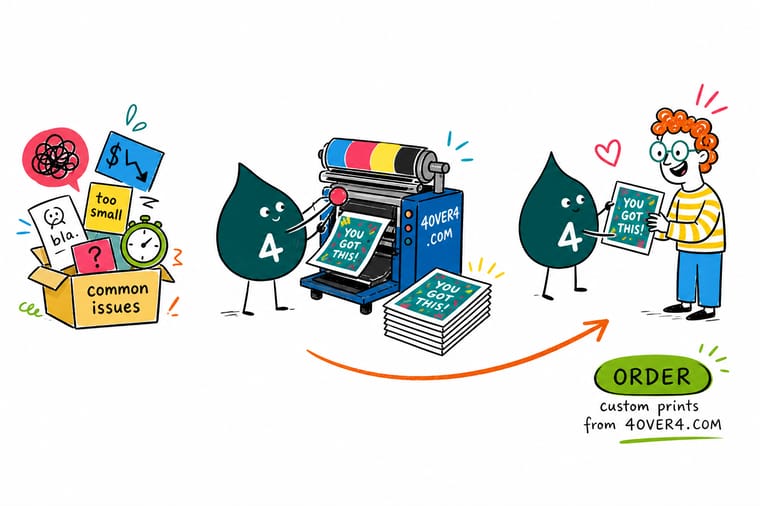
Owners get stuck because all seven problems shout at once. Wally splits them: visibility and differentiation make money, so they go first, and print solves both for the price of a lunch order. Bookkeeping, compliance, and hiring protect value, so they get a calendar and a written process instead of your Tuesday. Do two things this month, not seven, and give the first one a number you can count.
Order 100 business cards for $17.57 →The Short Version for Busy Owners
Explore more
More small business reading and print to match
Standard cards run 100 for $17.57 in 3 business days, the first piece most owners need in hand. The cards below add branding strategies, postcard examples, print quality problems and thank you card ideas.
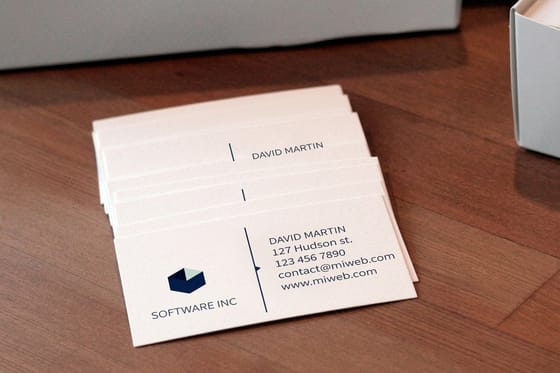 Article Affordable Branding Strategies Seven branding moves that cost very little and compound.
  Article Postcard Examples That Work Ten direct mail layouts small businesses can copy.
  Article 20 Small Business Hacks Time and process shortcuts from owners who scaled. Article Print Quality Problems Why files fail at the press and how to avoid a reprint.
  Article Rebranding Tips Reset your positioning without starting from zero.
 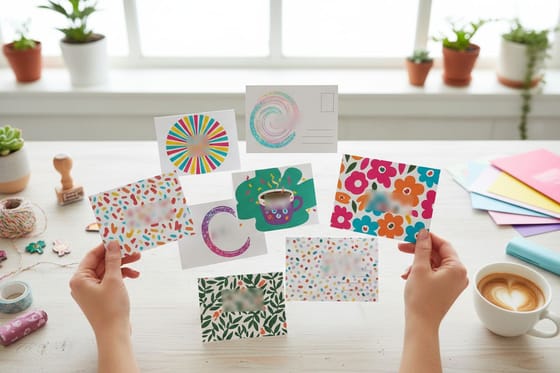 Article Thank You Card Ideas Six ways to say it in print, for staff and customers. Article 100 Business Name Ideas A shortlisting method plus a hundred starting points. Article Quotes to Inspire and Print Thirty lines worth putting on a wall or a card. Product Artist Business Cards Show the work on the front, the details on the back. Product Automotive Business Cards Built for shops, mobile services, and counter handouts. Product 3D Lenticular Business Cards A card that moves when it tilts, so people keep it.
 Ready to fix the visibility problem this week?
Pick a card, upload your logo, and put your name in twenty hands before Friday. Business cards start at $17.57, and the per unit price drops as the quantity goes up.
Small Business Problem FAQ
What are the most common small business challenges?
The recurring seven are getting the word out, keeping the books straight, building a team, standing out from similar competitors, running out of time, cash flow gaps, and compliance deadlines. They are not independent, which is why they feel overwhelming: no time makes the books worse, bad books hide the cash gap, and the cash gap is what stops you spending on visibility. Break the loop by fixing one revenue problem and one time problem in the same month. If branding is your weak point, start with 7 affordable small business branding strategies.
Which small business problem should I fix first?
Fix the one that produces visible money soonest, which for most owners is visibility. Bookkeeping and compliance are important but they protect value rather than create it, so they can wait a few weeks without damage. Print and distribute something in week one, count the response in week four, and use whatever that produces to buy the help that fixes the slower problems. If you genuinely have no time to distribute anything, fix time first by writing down your five repeated processes and handing one away.
What does it cost to print materials that fix visibility?
Less than most owners expect. Artist Business Cards and Automotive Business Cards both start at $17.57 at 4OVER4.COM, and premium formats such as 3D Lenticular Business Cards start at $690.88 for the runs where a card needs to do serious work on its own. Pricing drops steeply with quantity, so one planned order beats five rushed ones. Use the price table on this page to see the exact quantity breaks before you commit, and order the quantity you can realistically hand out in a quarter.
What sizes, stocks, and finishes can I choose for business cards?
Standard 3.5 by 2 inches is the default, with square, slim, and oversized options available depending on the product. Stocks run from lightweight uncoated card through heavy premium sheets, and finishes include matte, gloss, soft touch, spot UV, foil, and lenticular effects. The specs widget on this page lists the exact stocks, coatings, and turnaround options tied to each product, and the compare table puts the popular business card formats side by side so you can match the material to the claim you are making.
How fast can a small business get printed materials in hand?
Turnaround depends on the product, the finish, and the shipping method you choose, and it is shown per option in the configurator before you pay. Standard business cards on common stocks move fastest, while specialty finishes such as foil or lenticular need extra production time. Build a small buffer into anything tied to a date, such as an event or a store opening, and upload a print ready file with correct bleed to avoid the proof cycle that adds days. See print quality problems for the file checks that prevent delays.
