
Bookmark Business Cards That Make a Big First Impression

Emma is our prepress and print production voice, built from the knowledge of our production team, with over 20 years in printing.
What a Bookmark Business Card Actually Is
A bookmark business card is a standard business card stretched into a tall, narrow rectangle so it can sit inside a book. Everything a normal card carries stays on it, name, role, phone, site, a logo. Authors tuck one into every signed copy, bookshops drop one in each bag at the till, and tattoo artists print a flash sheet on the front so the card reads as a small piece of art. The difference is the shape. StatisticBrain found that 88% of standard 3.5 x 2 inch business cards are thrown out within a week. A 2 x 6 inch card gets slipped into whatever the person is reading and reappears every night for a month.
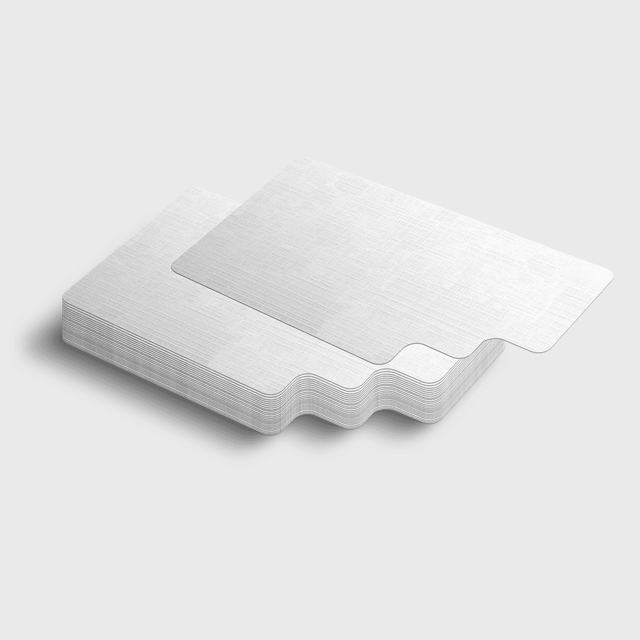
To print rounded corner bookmarks with your details on them, order custom bookmarks at 2 x 6 or 2 x 8 inches and pick a 1/8 or 3/8 inch corner radius in the configurator. A run starts at 50 pieces for $16.48 on 14pt gloss cover, and the same page offers 16pt, soft touch, linen and metallic pearl stocks plus a drilled 1/8 or 3/16 inch hole for a ribbon. Upload finished artwork, or open the online designer and build the front and back in the browser.
The format is old and quietly effective. Booksellers, libraries and publishers have used printed bookmarks as advertising for over a century, because a bookmark is the rare piece of print people are glad to receive. Adding your contact block to it simply gives the bookmark a second job.
A bookmark card runs on the same presses, papers and finishes as the classic rectangle, at 2 x 6, 2 x 7 or 2 x 8 inches instead of 3.5 x 2. That matters more than it sounds. It means a bookmark card is not a novelty item with novelty pricing. It is a normal print job in an unusual shape, so you can order a full custom run for the same money as a plain card and still get the same 16pt stocks, matte laminate and spot finishes.
The one rule that makes it work
Design it as a bookmark first and a business card second. If the front looks like an advertisement, it gets thrown away. If the front looks like something worth keeping, an illustration, a quote, a reading tracker, a color field, then the contact details on the back get kept along with it. That order of priorities is the whole trick.
Shop the category
Business cards printing
Every stock, finish and shape, including the slim vertical formats that work as bookmarks.

Why the Dual Use Format Keeps Working
Ordinary business cards fail on dwell time. Someone takes your 3.5 x 2 inch card at an event, and it goes into a pocket with six others, then a stack, then a drawer. You get one look. A 2 x 6 inch bookmark card rides inside a mass market paperback with its top edge showing above the pages, so it earns a place in an object the person handles daily, and every time they pick the book back up, your name is the first thing they see. For front designs worth keeping, browse this custom bookmark design inspiration and ideas.
It also solves the awkwardness of handing something over. A bookmark is a small gift, so the exchange stops feeling like a pitch. People say thank you for a bookmark. Nobody says thank you for a business card. That small shift in tone is worth more than any headline you could print on a standard card, and it is why the format shows up so often in creative fields where the card itself is part of the portfolio, as this look at business card psychology explains.
- Longer shelf life. A card in a drawer is dead. A card in chapter nine gets seen every evening until the book is finished.
- Higher perceived value. Thicker stock and a taller cut read as deliberate, not disposable, before anyone has read a word.
- Built in conversation. Handing someone a bookmark invites a question about what they are reading, which is a far better opening than talking about yourself.
- Shareable by accident. Books get lent out. Your card travels with them to a second reader you never met.
- Works in a stack. The vertical shape stands out in a fishbowl of standard cards at a trade show or a coffee counter.
The dual use idea is not limited to bookmarks either. Shaped and oversized cards all trade a little pocket convenience for a lot of memorability, and the leaf shaped business card is the same argument in a different silhouette. Pick the shape that fits how your audience actually lives, and the bookmark wins any time books, notebooks or planners are in the picture.
Print picks
Three slim card formats worth a look
Live prices, ready to customize with your artwork and contact block.
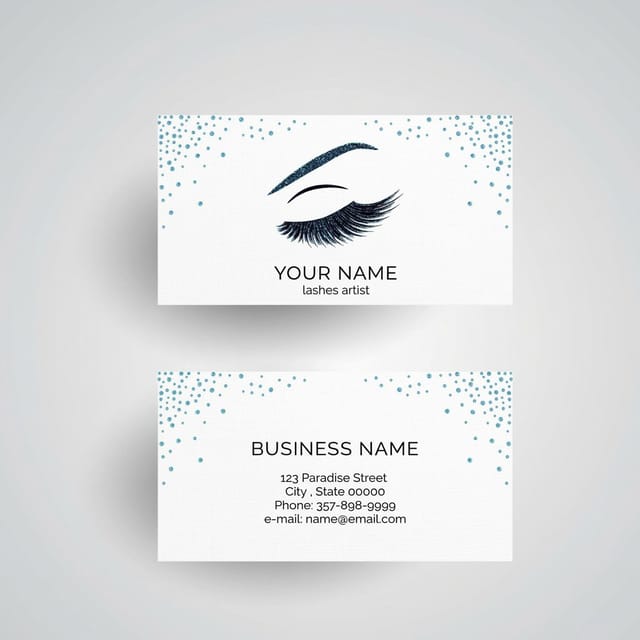 Make Up Artist Business Cards 100 for $17.57 Beauty pros who hand out a bookmark card stay next to the client’s nightstand book.
  3D Lenticular Business Cards 500 for $690.88 Motion and depth on a slim card that people pass around before they file it.
 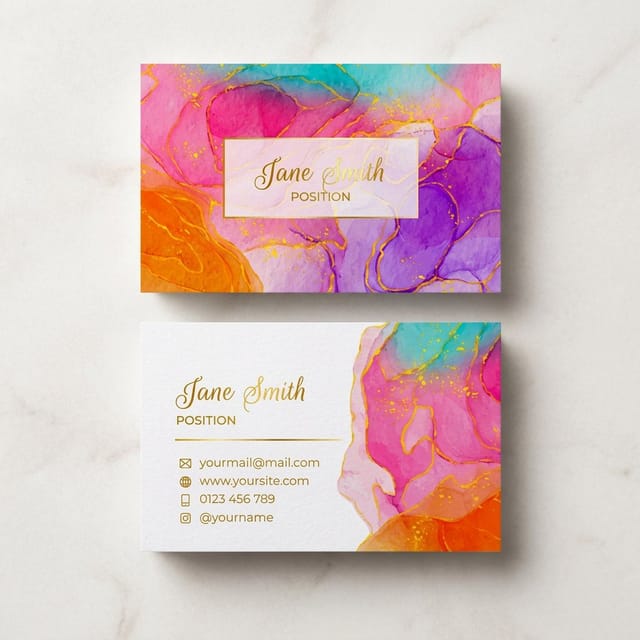 Artist Business Cards 100 for $17.57 Full bleed artwork on a tall format that reads like a mini print, not a card.
 Sizes and Formats That Fit a Book
Size is where most bookmark cards go wrong. Too short and it slides out. Too tall and it bends against the top of a paperback. Too wide and it stops being a bookmark and starts being a flyer. The sweet spot is narrow enough to sit between pages without splaying the spine and long enough that a corner shows above the page edge.
The four sizes worth ordering
- 2 x 6 inches. The default. Fits a mass market paperback with a visible tab, and two of them still fit a shirt pocket folded flat.
- 2 x 7 inches. Best for trade paperbacks and hardcovers, and it gives you room for a portfolio image on the front and a full contact block on the back.
- 2 x 8 inches. The showpiece. Enough surface for a QR code, a short bio and a service list without crowding.
- 1.5 x 5 inches. The slim version. Cheapest per piece, easiest to carry in quantity, and the friendliest for handing out at a busy booth.
Orientation matters as much as dimension. Set the contact details to read vertically along the length of the card, not sideways, so the person does not have to rotate it to find your number. Keep the top two inches clear of anything critical, because that is the part that sticks out of the book and takes the most wear from thumbs and bag zippers.
Quantity drives the unit price hard on any slim format, since the press runs the same sheet whether it holds 250 pieces or 2,500. Check the live pricing below before you settle on a run size, because the jump from a small order to a mid size one is usually smaller than people expect.
Quantity and price
Slim business card pricing and specs
Real configurator numbers. The more you print, the lower the unit cost falls.
| Quantity | Price Per Unit | Total |
|---|---|---|
| 100 | 17.6¢ | $17.57 |
| 200 | 11.5¢ | $23.07 |
| 300 | 9.15¢ | $27.46 |
| 400 | 7.96¢ | $31.86 |
| 500 | 7.25¢ | $36.26 |
| 600 | 6.77¢ | $40.64 |
Stocks and Finishes That Survive a Year of Reading
A bookmark gets handled far more than a business card, so the stock has to be chosen for abuse rather than looks alone. Thin paper curls inside a warm bag within a week and the card ends up in the bin. The floor for this format is 14pt, and 16pt is the honest recommendation for anything you want to still look good next spring.
Lamination is the single upgrade that changes the lifespan most. A matte laminate adds a soft, grippy hand and hides fingerprints, while a gloss laminate keeps color saturated and shrugs off a spilled coffee. If you want the tactile route instead, a soft touch finish makes a slim card feel considerably more expensive than it cost. The full walkthrough of the process lives in our guide to laminated business cards.
Match the finish to the job
- Matte laminate. Fingerprint resistant and easy to write on with a good pen, which is useful if you jot a note before handing it over.
- Gloss laminate. Best for photography, artwork and anything where color depth is the selling point.
- Soft touch. Velvety hand feel that makes people turn the card over twice, which is exactly the behavior you want.
- Painted edge. A color band along the long edge that shows as a bright line above the book pages. Our painted edge business card guide covers the build.
- Rounded corners. Corners on a tall card take the worst of the wear, and rounding them stops the dog ear before it starts.
Two small extras are worth the line item. A punched hole at the top with a ribbon or tassel turns the card into an object people keep on purpose. Spot gloss over a matte laminate lets you highlight a logo or a single word so it catches the light at an angle, which reads as craft without adding color to the press run.
Premium finish
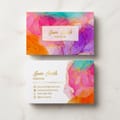
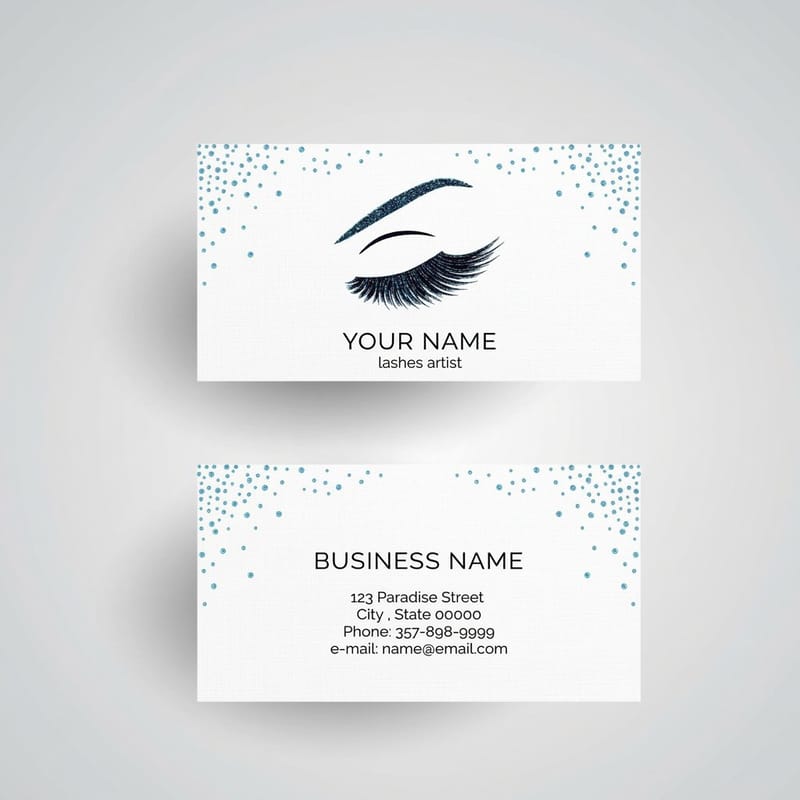
Make up artist business cards
A laminated slim card built to carry portfolio images and survive a handbag.
Design Ideas for Bookmark Business Cards
Make it move
3D lenticular business cards
When the design idea needs depth or animation, the lens does the work no flat stock can.
The best bookmark cards give the reader something in exchange for the space they take up in the book. Print a reading tracker with checkboxes down the length. Print a short quote that fits your field. Print a conversion chart, a color wheel, a knot diagram, a stretch routine, whatever a person in your audience would genuinely reach for. Then put your details along the bottom third where they belong.
Typography carries more weight on a narrow card because you have so little horizontal room to play with. A condensed sans for the name, generous line spacing and one accent color will beat a busy layout every time. If you need somewhere to start, the picks in our roundup of free business card fonts all hold up at the small sizes a slim card demands.
- Full bleed artwork. One image running the whole length, with contact details reversed out of a dark band at the base.
- The vertical stripe. A bold color column down one side that stays visible even when the card is buried between pages.
- The useful side. A checklist, ruler, chart or measurement guide on the front, your details on the back.
- The quote card. One good line in large type, your name small underneath, nothing else competing for attention.
- The photo strip. Three stacked images from your portfolio, which works particularly well for makeup, tattoo and photography work.
Whatever you land on, write a line for the card that survives out of context, because the person reading it will not have you standing there to explain. Our notes on business card slogans that stick are the fastest way to tighten that one sentence into something a stranger remembers.
Who Bookmark Cards Work Hardest For
Any business whose customers read benefits from this format, and that is a wider group than it first appears. Authors and publishers are obvious. So are bookshops, libraries, book clubs, tutors, coaches, therapists, editors, translators and anyone selling a course. The card lands in the exact object where their audience already spends attention. The usual benefits of a business card all still apply, and the bookmark shape keeps them working for as long as the book stays open.
Creative service providers are the second big group. Makeup artists, illustrators, tattooists and photographers all need the card itself to prove the work, and a tall format gives roughly twice the image area of a standard card at nearly the same price. That extra canvas is the real argument, not the bookmark function.
Compare the slim formats side by side before you commit. Stock weight, finish options, minimum quantity and turnaround all shift between products, and the right pick usually turns on whether you want the card to be quietly durable or loudly memorable.
Compare finishes
Popular business cards, side by side
Artist cards run 100 for $17.57 in 3 business days and lenticular 500 for $690.88 in 22.
 free business cards | 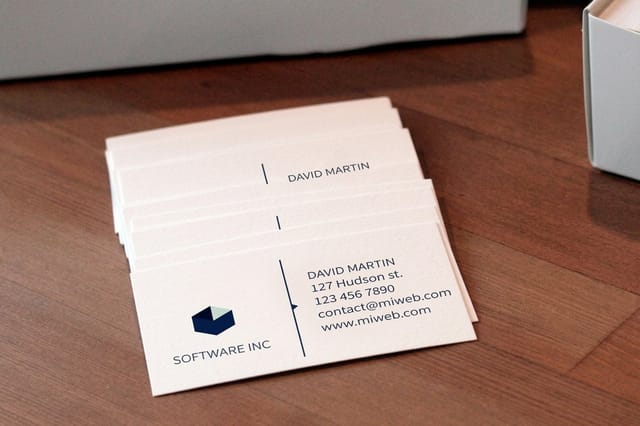 Standard Business Cards | 3D Lenticular Business Cards | 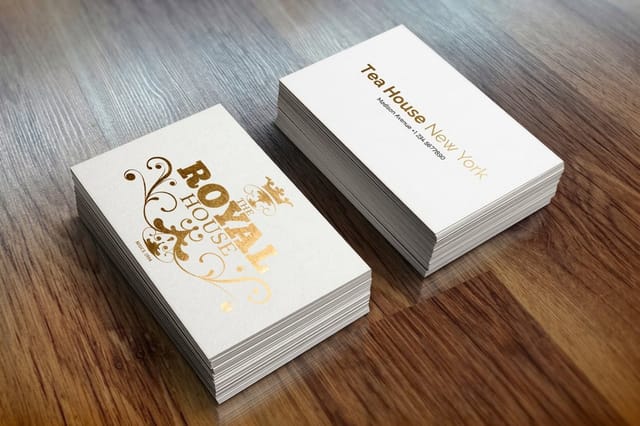 Metallic Foil Business Cards | |
|---|---|---|---|---|
| Min price | Free | $17.57 | $690.88 | $222.13 |
| Paper / stock | 14pt Gloss Cover | 14pt Gloss Cover | 31pt Lenticular Lens | 16 Point Silk Laminated |
| Finish | - | Standard Finish | - | - |
| Size | 2" x 3.5" | 2" x 3.5" | 2" x 3.5" - Vertical | 2" x 3.5" |
| Default qty | 200 | 100 | 500 | 500 |
| Turnaround | 5 business days | 3 business days | 22 business days | 7 business days |
| Rating | ||||
| View & customize | View & customize | View & customize | View & customize |
Getting Your File Print Ready
Tall narrow cards punish sloppy files more than standard ones, because every trim variance shows against a long straight edge. Build the artwork at final size, add 0.125 inches of bleed on all four sides, and keep every piece of text and every logo at least 0.15 inches inside the trim line. On a 2 inch wide card that safety margin feels tight, which is exactly why you should respect it.
Export as a press ready PDF in CMYK at 300 dpi with fonts outlined or embedded. If you are running a dark background down the whole length, ask for a heavier stock and rounded corners together, since dark ink shows edge wear first. Starting from an exact size blank removes most of these decisions for you, and the blanks below are cut to the same dimensions the press uses.
The pre flight checklist
- Bleed and safety. 0.125 inch bleed, 0.15 inch safe margin, nothing important near the top edge that sticks out of the book.
- Real resolution. 300 dpi at final size, not a web image scaled up, or the long format will show every soft pixel.
- Contrast check. Print one page at home in grayscale and read it at arm’s length. If the phone number disappears, fix it now.
- Both sides mapped. Decide which face is the bookmark and which is the card, and do not split the job between them.
- One clear action. A site, a phone number or a QR code. Three competing calls on a 2 inch wide card is two too many.
Start fast
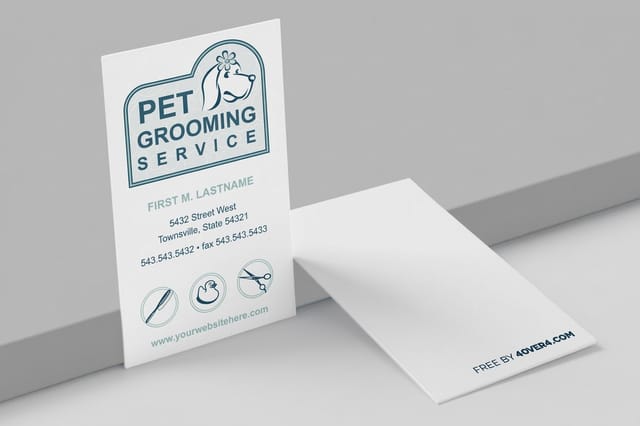
Card templates and print-ready blanks
Free layouts plus exact-size blanks so your bleed and safe area are correct before you export.
Wally explains the bookmark card
One piece of print doing two jobs at once
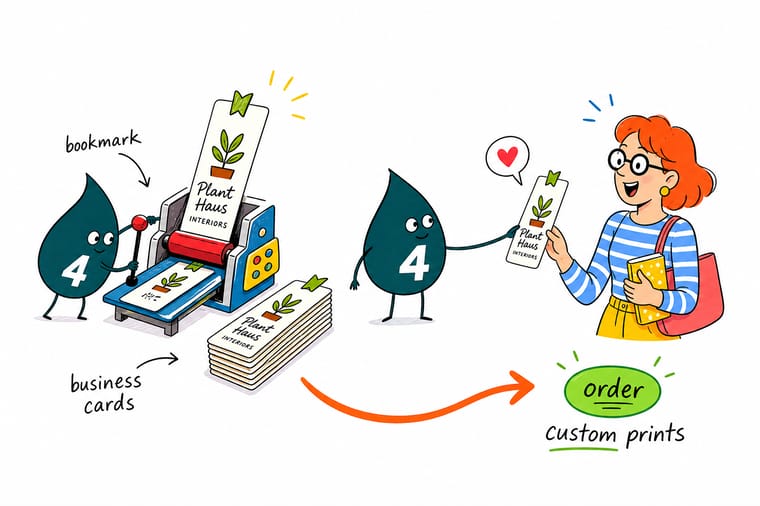
Think of it as a business card that pays rent. The front is a bookmark somebody actually wants, artwork, a quote or a reading tracker. The back is your name, number and site. Because the bookmark half is useful, the card half never gets thrown away. Print it at 2 x 6 inches on 16pt with a matte laminate and rounded corners, keep everything 0.15 inches inside the trim, and it will still look sharp a year from now.
Design your bookmark business cards →Bookmark business card takeaways
Guides
Go deeper on card finishes and layout
Lamination and painted edges for a card that lives in a book, then fonts and one line slogans that still read on a 2 inch wide face.
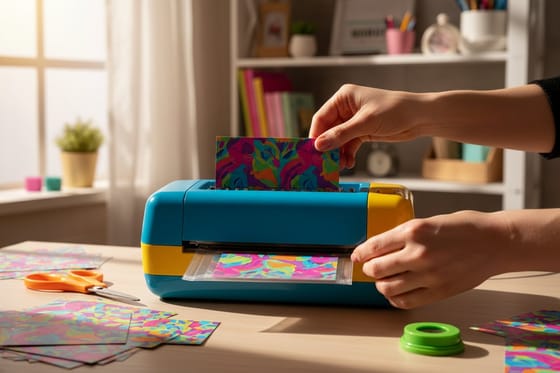 Guide How to Make Laminated Business Cards The finish that keeps a bookmark card flat and readable.
 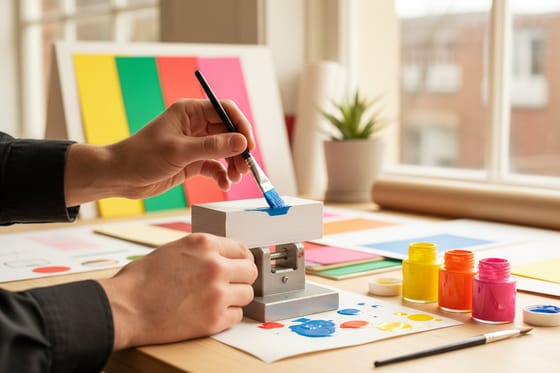 Guide How to Make Painted Edge Business Cards A color band that shows as a bright line above the pages.
 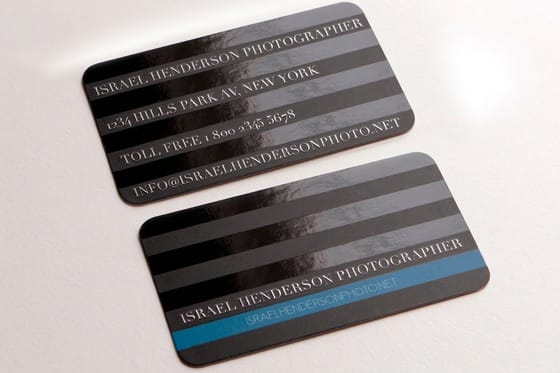 Guide 20 Free Business Card Fonts Typefaces that hold up at the small sizes a slim card needs.
 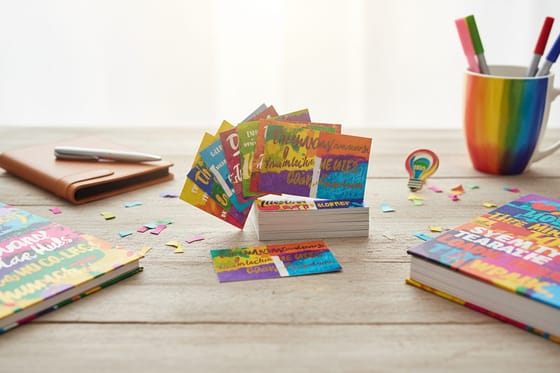 Guide Business Card Slogans That Stick Tighten your one line so it works without you there.
 Explore more
More ways to print a card people keep
Slim artist and make up artist cards from $17.57, lenticular cards from $690.88, and the shaped and rounded corner formats people weigh against a bookmark card.
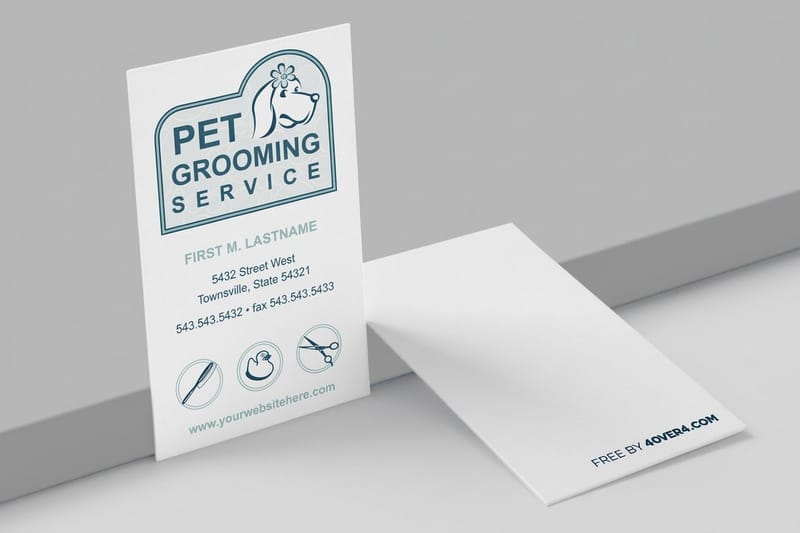 Shop Business Cards Printing Every stock, finish and shape, including the slim formats. Product Artist Business Cards Full bleed artwork on a card that reads like a mini print. Product Make Up Artist Business Cards Portfolio images and booking details on one slim card.
  Product 3D Lenticular Business Cards Depth and motion on a card people pass around.
 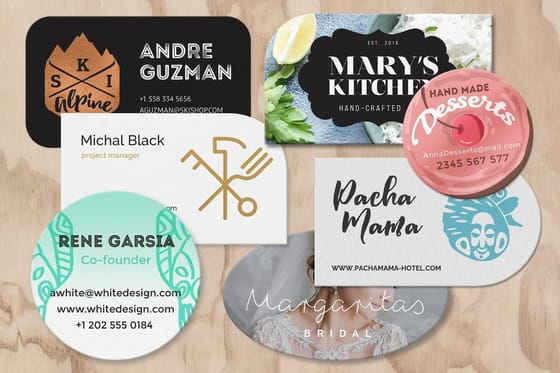 Article Leaf Shaped Business Cards The same shape argument in a different silhouette.
  Article The Psychology of Business Cards Why the handoff matters more than the layout. Article 20 Free Business Card Fonts Free typefaces that survive small print sizes. Article Business Card Slogans One line that people repeat back to you later. Guide Laminated Business Cards Matte, gloss and soft touch, start to finish. Guide Painted Edge Business Cards How the color edge is built and what it costs.
  Alternative A Cheaper Vistaprint Alternative Business card pricing compared line by line. Alternative Rounded Corner Card Alternative Rounded corners without the upsell, side by side.
 Ready to hand out a card that ends up in a book instead of a bin?
Pick your size, choose a laminate, upload your artwork and let the shape do the rest. Live pricing, real stocks and fast turnaround on every slim format.
Bookmark business card FAQ
What is a bookmark business card?
It is a business card printed in a tall, narrow format, usually around 2 x 6 or 2 x 7 inches, so it doubles as a bookmark. It carries the same contact details as a standard card, but the shape lets the recipient slide it into whatever they are reading. That keeps your name in front of them every evening instead of once at the moment you handed it over, which is the entire reason the format exists.
What is a dual use card and bookmark?
Dual use means one printed piece doing two jobs. The front is designed as a bookmark that someone would keep on its own merits, a piece of artwork, a quote, a reading tracker or a useful chart. The back carries the business card content, name, role, phone, site and a QR code if you want one. Because the recipient values the bookmark half, they keep the business card half without ever deciding to.
What formats do bookmark business cards come in?
The four common sizes are 2 x 6, 2 x 7 and 2 x 8 inches, plus a slimmer 1.5 x 5 inch version for handing out in volume. Stock runs from 14pt up to heavy 16pt and thicker specialty boards. Finish options include matte and gloss lamination, soft touch, spot gloss, painted edges, rounded corners and a punched hole for a ribbon. Slim cards can also be printed on lenticular or foil stocks.
How do I choose the right bookmark business card?
Start with the reader. If your audience carries paperbacks, a 2 x 6 inch card at 16pt with a matte laminate is the safe default. If the card has to prove creative work, go longer at 2 x 7 or 2 x 8 inches and use gloss so images stay saturated. If you hand out hundreds at events, the 1.5 x 5 inch slim card costs less per piece and still reads as a gift. Then pick the finish for durability, not for looks alone.
What does a bookmark business card cost and how are prices set?
Price is set by quantity, stock weight, finish and turnaround rather than by the shape itself. Slim card products such as Artist Business Cards start at $17.57 for a custom run, while specialty formats like 3D Lenticular Business Cards start at $690.88 because the lens material and setup cost more. The 3D lenticular business cards video overview shows the lens effect in motion. Unit price drops sharply as quantity rises, so check the live price table before locking a run size. For layouts that treat the card as a small print, see these artist business card examples.
