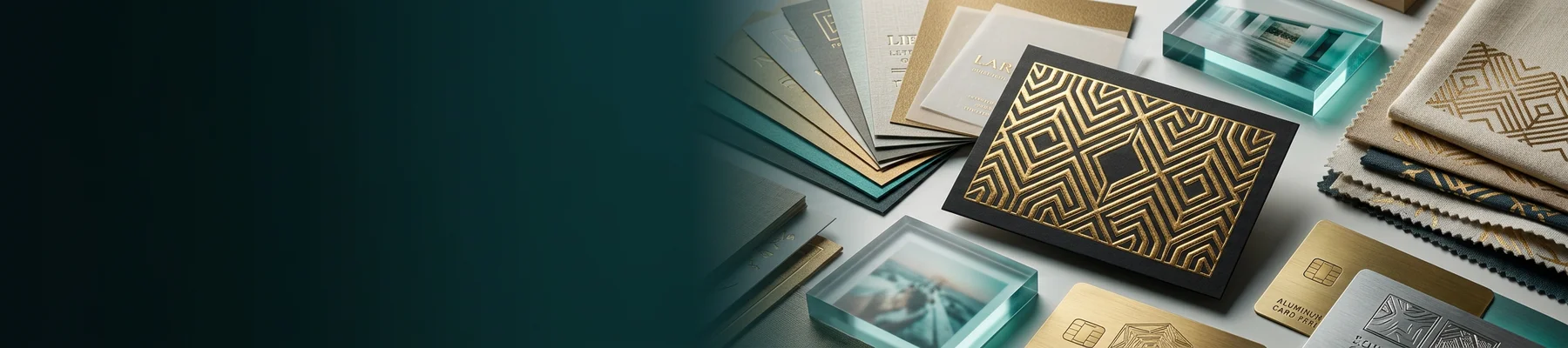
Event Promotional Material Ideas That Work

Event Promotional Material Ideas That Actually Drive Attendance and Engagement
Event promotional material ideas start with one truth: your printed and branded assets do more heavy lifting than any social media post. They're the first thing attendees touch, the last thing they take home, and the reason your brand sticks in their memory weeks later. 4OVER4 has printed over 10 billion cards and serves 150,000+ businesses - many of them event planners, trade show exhibitors, and festival organizers who know that the right physical materials change everything.
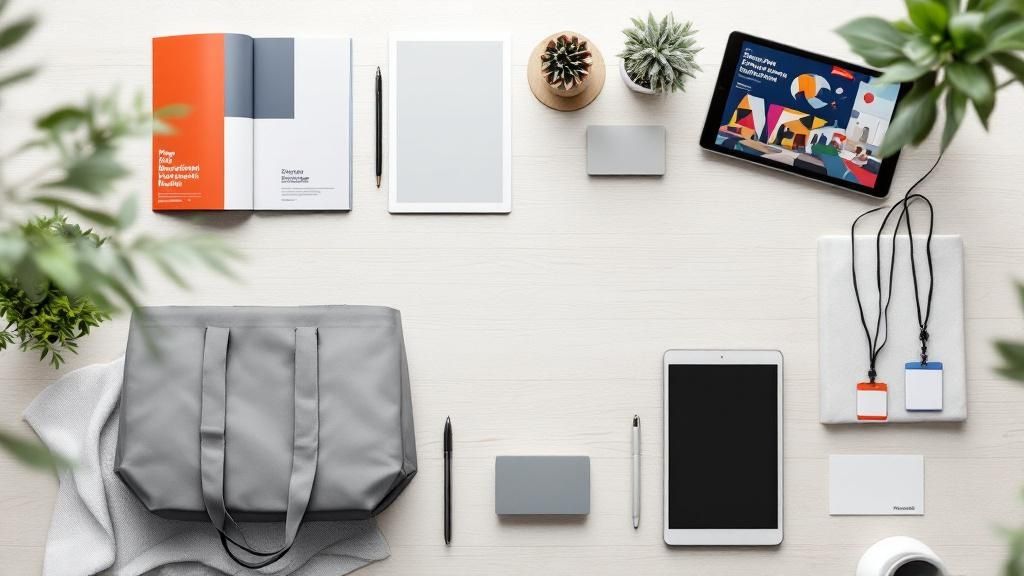
Planning an event is a big job. But the real challenge? Cutting through noise to grab attention and keep people engaged once they show up. The right promotional materials aren't just accessories. They're the backbone of your marketing strategy. These assets shape perceptions, guide attendee experiences, and create impressions that last long after the doors close.
"We handed out custom bookmarks and branded stickers at our annual conference. People were posting photos of them on social media for days. Physical materials create digital buzz you can't buy." - Rachel K., Event Coordinator
A strong promotional plan blends tangible and digital elements to build an immersive brand journey. This guide goes beyond generic checklists. It's a strategic deep-look at the most impactful promotional assets for events. We'll cover the "why" behind each item, share practical use cases, and give honest advice to help you spend your budget where it counts. For more creative inspiration across print categories, check out our full library of Printing Articles.
Think of this as your blueprint for promotional success. Whether you're organizing a corporate conference, a packed trade show, or a community festival, this toolkit will help you pick the materials that make your next event not just successful - but genuinely memorable. Let's dig in.
Banner Displays and Signage for Events
High-quality banner displays and signage are non-negotiable event promotional material ideas. They're the primary visual anchors of any event space. They do double duty: building strong brand presence and delivering logistical info that keeps people moving. From large-format backdrops at trade shows to clean directional signs at conferences, banners are often the first physical touchpoint an attendee has with your brand. That first impression sets the professional tone before anyone shakes a hand or grabs a name badge.
Why Banners Matter at Every Event
Good signage directly shapes the attendee experience. A well-designed retractable banner at the entrance communicates key branding instantly. Consistent directional signs reduce confusion and improve foot traffic flow. This creates a smooth, positive environment where guests focus on content - not on figuring out where to go.
- Best use cases: Trade show booths, festival entrance archways, conference wayfinding, pop-up retail displays, and stage backdrops.
- Key consideration: Placement matters more than size. Position banners in high-traffic areas like entrances, registration desks, and main halls. Consider lighting too - especially indoors, where a poorly lit banner is basically invisible.
Picking the Right Banner Type
Your choice of material depends on the event environment, your budget, and whether you plan to reuse the display. Vinyl works great outdoors. Fabric gives a premium look for indoor settings. Retractable banners hit the sweet spot between portability and reusability. If you need something truly unique for your event, explore Custom Projects for tailored solutions that go beyond standard sizes and formats.
Here's a breakdown of how the most popular banner options compare across the factors that matter most to event planners.
Branded Promotional Swag and Giveaways
Tangible branded items - the stuff people call "swag" - are some of the most powerful event promotional material ideas because they create lasting connections. Unlike digital ads or temporary signage, a well-chosen giveaway travels home with your audience. It extends brand exposure for weeks, sometimes months. Every time someone uses a branded pen, wears a custom t-shirt, or carries a logoed tote bag, they're a walking billboard for your event and brand.
Why Swag Works Better Than You Think
Good promotional swag builds goodwill and reinforces brand messaging in a practical, physical form. A useful item - like a power bank from a tech conference or a reusable water bottle from a wellness retreat - integrates your brand into someone's daily routine. That continuous, subtle exposure builds familiarity and positive associations. It makes your brand more memorable than competitors who handed out nothing or gave away junk that ended up in the trash.
- Best use cases: Conference welcome kits, trade show booth traffic drivers, VIP gift bags, contest prizes, and post-event thank you gifts.
- Key consideration: Usefulness beats novelty every time. A cheap stress ball gets tossed. A quality notebook or phone stand gets used daily. Spend a bit more per item and order fewer - the ROI is better.
For a creative twist on giveaways, consider 3D Lenticular Bookmarks. They're eye-catching, lightweight, and the kind of item people actually keep because the 3D effect makes them fun to show off.
Custom Business Cards for Networking Events
Business cards remain one of the most effective event promotional material ideas for professional gatherings. They're compact, personal, and create a physical exchange that digital contact sharing can't replicate. At networking events, conferences, and trade shows, a well-designed card does more than share your phone number. It communicates your brand's quality and professionalism in a single tactile moment.
Making Your Card Stand Out in a Stack
The trick isn't just having a business card. It's having one people don't throw away. Thick, textured stock makes a card feel big. A soft-touch matte finish invites people to hold it longer. Bold color choices and clean typography make your info easy to read at a glance. If you're looking for design direction, browse Classy Business Card Design Inspiration to see what's working right now.
4OVER4 offers 60+ paper types for business cards, so you can match your card's feel to your brand's personality. A real estate agent at a luxury home expo might go with 32pt ultra-thick stock with gold foil. A tech startup at a pitch event might choose a clean, minimal design on smooth uncoated paper. The material tells a story before anyone reads a word.
New to 4OVER4? You can try the platform risk-free with Free Business Cards - a great way to test paper stocks and finishes before committing to a large event order.
Stickers and Labels as Event Marketing Tools
Stickers are the unsung heroes of event promotional materials. They're cheap to produce, easy to distribute, and people genuinely enjoy them. A well-designed sticker turns into free advertising when someone slaps it on a laptop, water bottle, or phone case. For events, stickers work as booth giveaways, product labels, bag seals, and even interactive elements in scavenger hunts or gamified experiences.
Strategic Sticker Use at Events
Don't just toss stickers in a bowl and hope for the best. Be intentional. Die-cut stickers in custom shapes grab more attention than standard rectangles. Holographic or metallic finishes make them feel collectible. Limited-edition event stickers create urgency - "only available at this event" messaging drives people to your booth. For more ideas on how brands use stickers effectively, read Logo Sticker Design Ideas.
- Best use cases: Booth giveaways, product packaging seals, name tags, swag bag additions, and social media photo props.
- Pro tip: Include a QR code on your sticker that links to event-exclusive content, a discount code, or your social profiles. It bridges the gap between physical and digital engagement.
Printed Programs, Brochures, and Schedules
Even in 2026, printed event programs and brochures remain valuable. Yes, event apps exist. But a physical program doesn't need Wi-Fi, doesn't run out of battery, and doesn't get lost in a sea of notifications. Attendees use them to plan their day, take notes in the margins, and reference speaker bios. A well-designed printed program also reinforces your event's branding at every touchpoint.
When Print Beats Digital
For multi-day conferences, workshops, and festivals, a printed schedule is a lifeline. Attendees flip through it during sessions, mark their favorites, and keep it as a reference. The tactile experience of holding a beautifully designed program adds a sense of occasion that a phone screen can't match.
Consider different formats based on your event type. A tri-fold brochure works for a half-day seminar. A saddle-stitched booklet suits a two-day conference. A single-sheet schedule with a bold design is perfect for music festivals or food events where simplicity matters.
Greeting Cards and Thank-You Notes for VIP Engagement
Personalized greeting cards and thank-you notes are event promotional material ideas that most planners overlook - and that's exactly why they work so well. In a world of automated emails, a handwritten or custom-printed thank-you card stands out. Send them to speakers, sponsors, VIP attendees, and key partners before or after your event. The personal touch builds relationships that lead to repeat participation and word-of-mouth referrals.
For design inspiration that goes beyond the generic, check out Diy Greeting Card Design Ideas. Many of those concepts adapt beautifully to event-specific messaging.
How to Use Thank-You Cards Strategically
- Pre-event: Send personalized invitations to VIPs and top-tier sponsors. A physical card in the mail gets opened - unlike the 47th email in someone's inbox.
- Post-event: Mail thank-you cards within 48 hours. Reference something specific about the recipient's participation. "Your panel on sustainable packaging was the most-attended session" hits different than "Thanks for coming."
- At the event: Place branded cards at each seat for keynote sessions or gala dinners. Include a QR code linking to a feedback survey or exclusive post-event content.
Creative Print Ads and Flyers That Get Noticed
Flyers and print ads still drive event attendance when they're designed with intention. The key is standing out in physical spaces where people already are - coffee shops, coworking spaces, university bulletin boards, partner businesses. A bold, well-designed flyer with a clear call to action and essential event details can reach audiences that digital ads miss entirely.
Design Principles That Work
The biggest mistake? Cramming too much information onto one flyer. Keep it focused: event name, date, location, one compelling reason to attend, and a QR code or short URL for details. Use high-contrast colors, bold typography, and plenty of white space. If you want to see how humor and creativity can make print advertising memorable, browse these Funny Print Ad Examples for inspiration you can adapt to event promotion.
For trade shows and expos, consider leaving flyers at partner booths with a "Visit us at Booth #247" message. Cross-promotion between exhibitors is one of the most underused strategies at events.
Portfolio-Quality Materials for Creative Events
Art shows, design conferences, photography exhibitions, and creative industry events demand promotional materials that double as portfolio pieces. Your printed assets need to demonstrate the same level of craft and attention to detail that your event celebrates. Thin, flimsy handouts won't cut it when your audience is full of designers, artists, and creative directors who notice every detail.
For guidance on presenting creative work professionally in print, review these Graphic Design Portfolio Examples. The principles of strong portfolio presentation apply directly to event collateral for creative industries.
Matching Material Quality to Audience Expectations
Use premium paper stocks - think uncoated textured papers, thick cardstock, or specialty finishes like spot UV and embossing. These tactile details signal quality before anyone reads a word. For a photography exhibition, print postcards featuring select works on a rich, saturated paper that does justice to the images. For a design conference, create a program booklet with thoughtful typography and generous margins that attendees want to keep.
Loyalty Programs and Coin-Based Incentives for Repeat Attendees
If you run recurring events - monthly meetups, annual conferences, quarterly workshops - building a loyalty loop with your promotional materials is smart strategy. 4OVER4's loyalty program lets you Earn Coins on every order, which you can redeem toward future event materials. This means your promotional budget stretches further with each event cycle.
Building a Promotional Material System
Instead of treating each event as a one-off, build a system. Create a consistent visual identity across all your event promotional materials - same color palette, same typography, same logo placement. Then customize the details for each specific event. This approach saves design time, strengthens brand recognition, and lets you order in larger quantities (which drops your per-piece cost).
"We order event materials from 4OVER4 three or four times a year for our conference series. The consistency across banners, programs, and name badges has made our brand instantly recognizable in our industry." - David L., Conference Director
"Ordered event promotional material ideas from 4OVER4 and the quality blew me away. Sharp colors, premium feel, arrived 2 days early."
"Been using 4OVER4 for event promotional material ideas for a year. Consistent quality every time. The online designer made it easy."
"Switched to 4OVER4 and saved 40% on event promotional material ideas. Better quality than my old printer. 60+ paper options."
"4OVER4's event promotional material ideas helped us look more professional. Clients notice the difference."
Putting Your Event Promotional Material Ideas Into Action
The best event promotional material ideas share three qualities: they're useful, they're well-designed, and they're printed on materials that feel good in someone's hands. Don't spread your budget thin across a dozen mediocre items. Pick five or six materials that align with your event type and audience, then execute them at a high level.
Start with the essentials - banners, programs, and business cards. Add strategic extras like stickers, thank-you cards, and branded swag based on your budget and goals. And always, always order samples or proofs before committing to a full run. You can grab Free Business Cards to test paper quality before placing a large event order.
Here are templates and tools to help you get started with your event promotional materials.
Blank Templates
What to Remember About Event Promotional Material Ideas
- Start with banners and signage - they're the first thing attendees see and set the tone for your entire event experience.
- Choose swag people actually use. A quality item used daily beats a novelty item tossed in a drawer. Usefulness drives long-term brand exposure.
- Business cards still matter at networking events. 4OVER4 offers 60+ paper types so you can match your card's feel to your brand's personality.
- Don't skip thank-you cards. Personalized notes to speakers, sponsors, and VIPs build relationships that drive repeat participation and referrals.
- Build a system, not a one-off. Consistent visual identity across events strengthens brand recognition and reduces design costs over time.
- Test before you commit. Order samples or proofs before a full print run. 4OVER4 has printed over 10 billion cards - the quality is proven, but seeing your specific design on paper is always worth it. For a unique giveaway that doubles as a keepsake, try 3D Lenticular Magnets at your next event booth.
- Best Use Cases: Trade show booths, festival entrance archways, conference wayfinding, pop-up retail displays, and stage backdrops.
- Key Consideration: Placement is critical. Position banners and signs in high-foot-traffic areas like entrances, registration desks, and main halls for maximum visibility. Also, consider lighting to ensure your displays are vibrant and readable, especially indoors.
- Best Use Cases: Conference welcome kits, trade show booth traffic drivers, VIP gift bags, contest prizes, and post-event thank you gifts.
- Key Consideration: Align the item with your brand and audience. A luxury brand might offer high-end leather keychains, while a sustainability-focused nonprofit could provide bamboo utensil sets. The goal is utility and relevance.
- Best Use Cases: Trade show interactive product demos, corporate conference digital agendas, festival projection mapping, and fan engagement walls at sports events.
- Key Consideration: Technical readiness is paramount. Ensure you have reliable power sources, stable internet connectivity, and on-site technical support to handle any issues. The success of these displays hinges on flawless execution.
- Best Use Cases: Conference program booklets, trade show product catalogs, festival maps and schedules, corporate event welcome packets, and non-profit fundraiser leaflets.
- Key Consideration: Design for scannability. Use clear headings, bullet points, and high-quality visuals to break up text. Integrating QR codes can bridge the gap between print and digital, linking attendees to websites, videos, or social media pages.
- Best Use Cases: Conferences with live-tweet walls, festivals with Instagram-worthy art installations, product launches with branded photo booths, and corporate galas with networking QR codes.
- Key Consideration: Make participation effortless and rewarding. Clearly display your unique event hashtag on all materials, from banners to name badges. Offer small incentives, like a prize for the best photo or a shout-out from the main stage, to encourage attendees to post.
- Best Use Cases: Conference registration drives, festival lineup announcements, webinar reminder series, and corporate event invitations.
- Key Consideration: Audience segmentation is crucial. Tailor your messages to different groups (e.g., past attendees, new leads, VIPs) to increase relevance and engagement. Your subject line is the most critical element; make it compelling enough to stand out in a crowded inbox.
- Best Use Cases: Product launch events, major trade shows, music festivals, brand activation tours, and pop-up shops.
- Key Consideration: The experience must be seamlessly connected to your brand's core message. Staffing is also crucial; well-trained brand ambassadors are needed to guide attendees, facilitate the experience, and ensure every interaction is positive and on-brand.
- Best Use Cases: Large-scale conferences like SXSW, corporate summits, multi-stage music festivals, and trade shows with extensive exhibitor lists.
- Key Consideration: Promote app downloads well before the event begins. Incentivize early adoption by offering exclusive app-only content, such as early access to session registration or special networking opportunities. Ensure the user interface is intuitive and provide on-site technical support to assist attendees.
- Best Use Cases: Tech conferences featuring industry pioneers, fashion shows with style influencers, wellness retreats led by fitness gurus, and business seminars with C-suite executives.
- Key Consideration: Authenticity is paramount. Select partners whose personal brand and audience demographics align perfectly with your event's theme and target attendees. A mismatch can feel forced and damage the credibility of both your event and the influencer.
- Best Use Cases: Major public festivals, industry-wide conferences, high-profile product launches, community fundraisers, and luxury brand experiences.
- Key Consideration: The key is targeted outreach. Don't just blanket the airwaves; instead, identify the specific newspapers, radio stations, and TV programs your target audience consumes. Building genuine relationships with journalists and media outlets will yield far better results than a one-off ad buy.
- Pre-Event: An influencer partnership announces the event, driving traffic to a landing page where an email marketing campaign captures leads. This is supported by targeted digital ads and traditional PR placements to build broad awareness.
- During the Event: Attendees are greeted by impactful signage and banners that guide them. They interact with digital displays, receive valuable branded swag, and are encouraged to use the event app to navigate the schedule and connect with others.
- Post-Event: A thank you email, segmented based on attendee behavior tracked via the app, delivers a personalized message. Social media highlights and recaps keep the conversation going, extending the event's reach and impact long after the doors have closed.
Common Questions About Event Promotional Material Ideas
What are the best practices for event promotional material ideas?
Focus on quality over quantity. Pick five or six materials that match your event type and audience, then print them on premium stock. Keep designs consistent across all pieces - same colors, fonts, and logo placement. Always order proofs before a full run. Consider unique giveaways like 3D Lenticular Notebooks that attendees actually keep and use after the event ends.
How do I choose the right event promotional material ideas?
Start with your event type and audience. Trade shows need banners, business cards, and booth giveaways. Conferences need printed programs, name badges, and speaker thank-you cards. Festivals need bold signage, stickers, and wearable swag. Match material quality to audience expectations - creative industry events demand premium finishes, while casual meetups can keep it simple.
What makes event promotional material ideas effective for marketing?
Physical materials work because they engage multiple senses. A thick, textured business card or a vivid sticker creates a tactile memory that digital ads can't replicate. Effective event promotional material ideas also extend your reach beyond the venue - branded items travel home with attendees and keep your brand visible for weeks. Items like Custom Bookmarks get daily use and repeated brand impressions.
How much should I budget for event promotional material ideas?
A reasonable starting point is 10-15% of your total event budget for printed promotional materials. Prioritize high-impact items first: banners and signage, then programs or schedules, then giveaways. Per-unit costs drop a lot with larger quantities. For a 200-person conference, expect to spend $500-$2,000 on a solid mix of banners, programs, business cards, and one branded swag item.