
How Bulk Printing Services Work and Where Your Savings Come From


Emma is our prepress and print production voice, built from the knowledge of our production team, with over 20 years in printing.
Bulk printing means one setup and one press run spread across thousands of pieces, so the cost of each piece falls as the quantity rises: 100 business cards cost $17.57 and 10,000 cost $210.01. A bulk printing service builds its price from one setup, the discount arrives in steps instead of a smooth slope, and the right quantity lowers your cost per piece without leaving half the order in a storeroom.
Bulk printing services print one approved file at high quantity on commercial equipment, then finish, pack and ship the whole run as a single job. The price is fixed setup plus per-piece running cost, so the setup is divided across every piece you order. Because presses run on shared sheets and set quantities, the saving arrives at fixed quantity breaks. Order just above a break and your cost per piece drops. Order just below one and you pay the higher tier anyway.

Start here
Where the savings actually come from
A bulk printing service prints one file at volume and charges you for one setup plus the paper and press time it takes to run it. Setup is fixed, so the more pieces that share it, the less each piece carries. On Cleaning Services Business Cards, 100 cost $17.57 and 1,000 cost $65.91, so ten times the cards costs less than four times the money. Printers group jobs onto shared press sheets at set quantities, which turns that saving into fixed quantity breaks rather than a smooth curve. Your job is to match your honest annual usage to the tier just above it, keep the specs identical while you compare, and leave room in the calendar for proof approval.
What bulk printing means, and what the service does

Bulk printing means ordering one design in a quantity large enough that the fixed setup cost almost disappears from each piece. On business cards that point arrives quickly: the ladder runs from 100 cards to 100,000, and past 1,000 each card costs a few cents.
A bulk printing service handles the run from file to carton:
- File check: preflight for resolution, color mode, fonts, bleed and trim safety before anything prints.
- Proof: a digital proof you approve, and the production clock starts from that approval.
- Production: one press run on shared sheets for cards, flyers and postcards, or from rolls for banners.
- Finishing and packing: coating, trimming, folding or hemming, then the whole run boxed and shipped as one job.
What bulk printing costs at each quantity
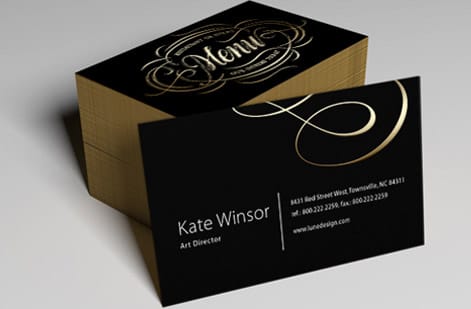
Bulk printing cost is easiest to read on one product. These are the live prices for Cleaning Services Business Cards at the configurator defaults, with 3 business days of standard production:
| Quantity | Total | Per card |
|---|---|---|
| 100 | $17.57 | About 18 cents |
| 500 | $36.26 | About 7 cents |
| 1,000 | $65.91 | About 7 cents |
| 5,000 | $131.81 | About 3 cents |
| 10,000 | $210.01 | About 2 cents |
| 100,000 | $1,844.39 | Under 2 cents |
The steep drop sits between 100 and 1,000, where the setup is still being absorbed; past 10,000 the curve is nearly flat. Stock, size, sides and finish move every row, so price your own specs at two neighboring tiers before you choose.
Why the quantity you order decides your real print cost

Two businesses order the same card, on the same stock, from the same printer, in the same week. One pays roughly three times as much per card as the other. Nothing about the design changed. The only difference is that one of them stopped at 250 pieces and the other stepped up to the next quantity tier.
That gap is the whole reason bulk printing services exist. A commercial press has to be set up, plated, color matched and run up to a good sheet before the first sellable piece comes off it. That work costs the same whether you take 100 pieces or 10,000, so the arithmetic that matters is not the total on the invoice. It is the total divided by the number of usable pieces. Once you look at print that way, ordering business cards in the right tier stops feeling like spending more and starts reading as buying the same thing for less. If you want the mechanics of the ladder itself, the guide to how price breaks work takes it apart tier by tier.
What bulk printing services actually are

A bulk printing service takes one approved file, prints it at volume on commercial offset or high-speed digital equipment, finishes it, packs it and ships the whole run as a single job. You are not buying copies one at a time. You are buying a slice of a production schedule, which is a different product with a different price shape.
Most high-volume printers also gang runs, which means several customers' jobs share one large press sheet when they share the same stock, size and coating. Sharing the sheet spreads the setup across more work, and that saving is what shows up in your quantity break. It is also why the tiers are fixed numbers rather than any quantity you type in. The press sheet holds what it holds.
The same logic runs across formats. Small format products such as cards, flyers and postcards live on shared sheets. Large format items such as 2 Sided Blockout Banners are cut from rolls, so the volume saving comes from material yield and shared finishing time rather than sheet ganging. Ready-made pieces such as a 3 in 1 Foldable Wireless Charger follow a third model again: there is no imprint or setup at all, and the item carries a flat unit price.
How bulk printing prices are set, line by line

Every quote you get is the same five ingredients in different proportions. Setup covers prepress, plates or digital imposition, and the make-ready sheets burned getting color right. Substrate is the paper, card or vinyl itself. Running cost is press time and ink coverage. Finishing is anything that happens after printing, from coating and scoring to trimming, folding, hemming and grommets. Turnaround is the premium you pay to jump the schedule.
Only two of those five scale down with volume in a meaningful way. Setup is fixed, so it dilutes fast. Substrate is bought better in quantity, so it eases gently. Running cost, finishing and turnaround stay close to linear, because they consume real minutes and real material per piece. That is why the steepest part of the savings curve sits in the early tiers and why it flattens once the setup has been fully absorbed.
The practical consequence: quote the same specs everywhere. Change the stock weight, the coating or the number of printed sides and you have changed the product, not just the price. Printers that publish live pricing let you test one variable at a time, which is worth more than any coupon. It is the point we make in our MOO promo code comparison, where a headline discount often sits on top of a higher base rate.
Where the quantity breaks kick in

Quantity breaks are steps, not a slope. Between two tiers your cost per piece barely moves, then it drops at the tier boundary. Order 90 pieces of something priced in hundreds and you pay the 100 rate anyway. Order 480 when the break sits at 500 and you have paid for 500 while taking home 480.
So the first thing to do with any bulk order is find the tier just above your honest number, then check what the extra pieces actually cost. On small format work the answer is often close to nothing, because the setup is already paid for and you are only adding paper. Cleaning Services Business Cards start at $17.57 for an entry run, and the per-card figure at a working quantity is a fraction of that entry rate. The savings chart further down this page shows the shape of the ladder without pretending to quote your specific job.
The trap is the other direction. A tier that halves your cost per piece is worthless if half the box goes in a drawer. Buy to the tier above your real twelve month usage, not to the biggest number the calculator will show you.
How to choose the right bulk printing service
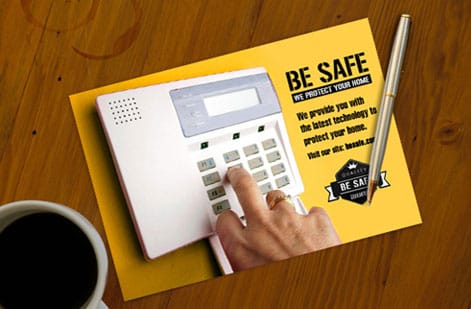
Price per piece is where most comparisons start and it should be where they end, not where they stop. Ask each printer to quote the same spec, for example 1,000 business cards on 16pt gloss cover printed on both sides, so the per-piece figures compare like for like. Before you get there, five questions separate a printer that can hold a large run from one that cannot.
Does the printer own its presses, or does it broker the work out? Owned equipment means the schedule is theirs to control, which matters most on the jobs that are hardest to reprint. What exactly is in the quote, including coating, trimming, packing and freight? Can you get physical stock samples before you commit thousands of pieces? Is there a human who will call you when a file fails preflight instead of an automated rejection at midnight? And is the production time quoted from order placement or from proof approval, because the difference is often a full business day or more.
Run those five against any shortlist. Our side by side breakdowns are built the same way, whether you are weighing a PrintPlace alternative or looking at how design help is handled in our Vistaprint design services comparison.
Sizes, stocks and finishes available in bulk

Volume does not mean a shorter menu. Small format bulk work covers standard and slim card sizes, postcard and rack sizes, letter and tabloid flyers, and folded formats from half fold to gate fold, on stocks that run from light text weight up to heavy cover weight. Finishing adds matte, gloss and soft touch laminate, spot UV, foil, painted edges and rounded corners.
Large format changes the vocabulary. Instead of paper weight you are choosing between vinyl, mesh and blockout material, and instead of coating you are specifying hems, grommet spacing and pole pockets. Blockout material carries an opaque core so a double sided banner shows two clean faces with no ghosting from the other side, which is exactly why 2 Sided Blockout Banners start at $108.75 rather than at single sided vinyl money.
Promotional products sit outside both systems. Printed merchandise cost is driven by the item, the imprint method and the imprint area, while a ready-made 3 in 1 Foldable Wireless Charger at $15.00 is a flat unit price with no print setup. Whichever family you order from, pick the stock or substrate before you finalize the artwork. Heavy coverage on uncoated stock and fine reversed type on mesh are both decisions best made while the file is still editable.
How long a bulk run takes to print and ship

The clock that matters starts at proof approval, not at checkout. Between those two points sits preflight, where the printer checks resolution, color mode, fonts, bleed and trim safety. A file that fails there waits for you, and on a large run that wait is usually the single biggest source of a missed date.
After approval, production runs in lanes. Standard is the cheapest and the most predictable. Expedited lanes buy press priority and can bring select products down to as little as one business day in production. Shipping transit then sits on top, and on a heavy bulk order freight time is not a rounding error.
Work backwards from the day the boxes need to be on site, add transit, add production, add one buffer day for proof and file corrections, and place the order at that date. If the run is going straight into the mail rather than into your storeroom, read what bulk mailing is and how it works first, because the postal requirements shape the file and the schedule. Our bulk mail service prints and mails the run as one job. Full service mailing programs are compared in our Vistaprint mailing services breakdown.
File prep that keeps a large run from going wrong
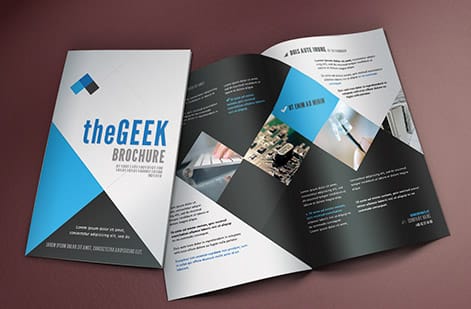
Errors do not scale politely. A soft logo on ten pieces is a shrug. The same logo on ten thousand is a reprint, and reprints erase every dollar the quantity break earned you.
Four checks catch nearly all of it. Build artwork at 300 dpi at final size, because upscaling a web image does not add detail no matter what the export dialog says. Convert to CMYK before you upload so the color you approve is the color the press can actually reach. Extend the background past the trim line and keep text well inside the safety margin, since every finished piece is cut with a small tolerance. And proofread the fixed data one more time than feels necessary, especially phone numbers, URLs and prices.
Then look at the digital proof at full size on a real screen, not as a thumbnail on a phone. It is the last cheap moment in the process.
How much to order without over-buying

Start from consumption, not from the price grid. Count how many pieces you genuinely used in the last twelve months, or estimate honestly from your events, mailings and foot traffic. Add a sensible margin for growth and waste. That number, rounded up to the next quantity break, is your order.
Then ask one question about each piece: what could make this obsolete? A card carrying a personal mobile number ages with staff turnover. A flyer carrying a price ages with your next increase. A banner carrying only a logo and a category can hang for years. Evergreen pieces deserve the deepest tier you can justify. Dated pieces deserve a shorter run and a calendar reminder.
Storage is the last input people forget. Bulk print arrives in cartons, and paper does not enjoy damp floors, direct sun or being crushed under heavier boxes. If you have nowhere dry and flat to keep the surplus, the tier that looked cheapest on paper is not the tier that ends up cheapest in practice. Consumables that get handed out fast, such as bumper stickers, tolerate deep tiers far better than reference pieces that sit on a rack.
Running the numbers on your own bulk order
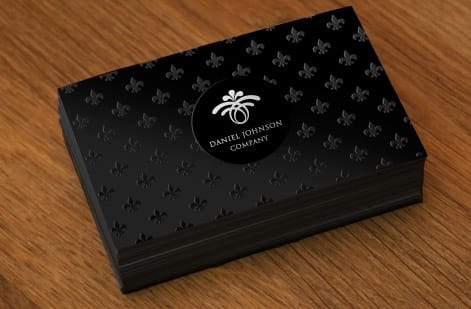
Put it together in five minutes. Write down the exact specs: product, size, stock, sides, coating, finishing. Price your honest quantity, then price the next tier up and the one after that. Divide each total by its quantity and write the three per-piece figures side by side. The point where the drop stops being dramatic is your tier, unless shelf life pulls you back a step.
Do the same exercise for the pieces you reorder most often rather than for a one-off. Cleaning Services Business Cards at $17.57 to start, a durable double sided banner at $108.75 and a promotional item at $15.00 each sit in different price families, and each one has its own point where the curve flattens. Knowing where that point is for your top three products is worth more than any single discount code. The same ladder applies to every other trade version of these printing services business cards, all listed in one category.
When the specs are set, order free paper samples before you commit a large run. Feeling the stock takes a day and prevents the one mistake volume pricing cannot undo. Layout ideas that reprint well at volume are collected in our look at medical brochure designs that work.
Wally explains bulk pricing
You are not buying copies, you are buying a press run
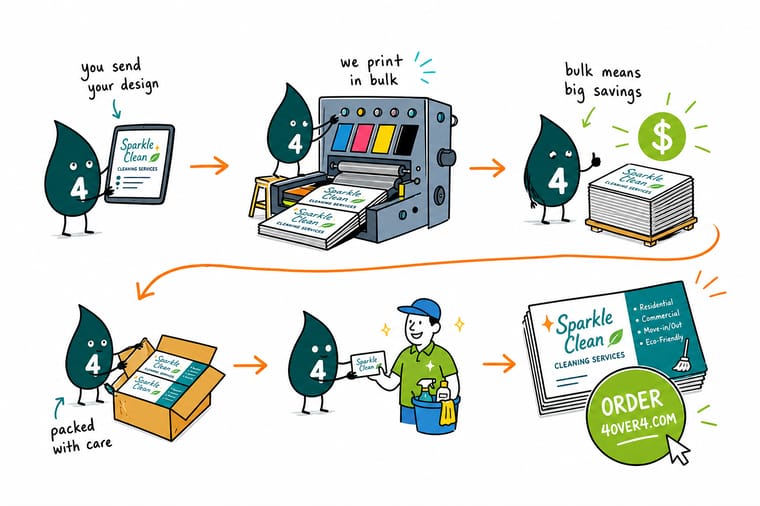
Wally thinks of every order as one bill split two ways. The setup half never changes, so it gets lighter on each piece as the pile grows. The running half follows the paper, so it stays honest no matter how big you go. Find the quantity where the first half has mostly disappeared, check that you can actually use that many, and stop there. That is the whole trick.
Configure a bulk order →
Savings chart
How cost per piece falls as the run grows
One frame, seven tiers. The bars show the shape of the savings ladder, not a quote. On our own Cleaning Services Business Cards the cost per card falls from about 18 cents at 100 to about 2 cents at 10,000. Use it to see where the steep part of the curve sits, then price your own specs to find your exact break.
The ladder is steep early and gentle late, because the fixed setup is mostly absorbed by the middle tiers. Price your own specs at three neighboring quantities to see exactly where your curve stops rewarding a bigger order.
Specs and pricing
Bulk business card specs and live pricing
Specs first, then quantity. Set the stock, size, sides and finish below, then step the quantity up one tier at a time and watch the per-piece number move.

| Quantity | Price Per Unit | Total |
|---|---|---|
| 100 | 17.6¢ | $17.57 |
| 200 | 11.5¢ | $23.07 |
| 300 | 9.15¢ | $27.46 |
| 400 | 7.96¢ | $31.86 |
| 500 | 7.25¢ | $36.26 |
| 600 | 6.77¢ | $40.64 |
| 700 | 6.43¢ | $45.04 |
| 800 | 6.18¢ | $49.43 |
Print it
Popular products to order in volume



See it in use
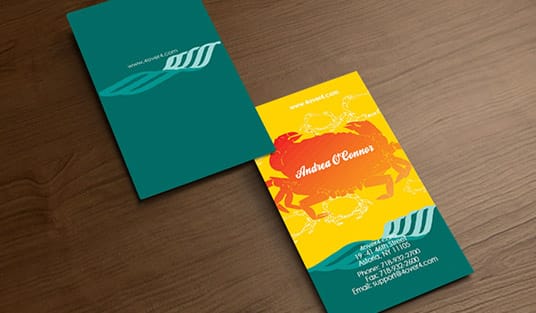
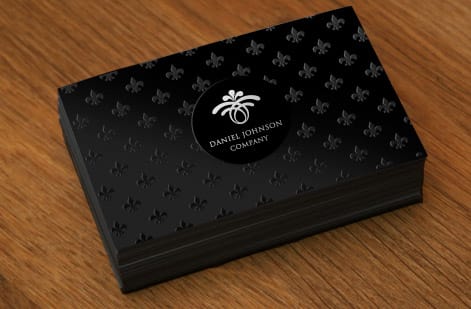
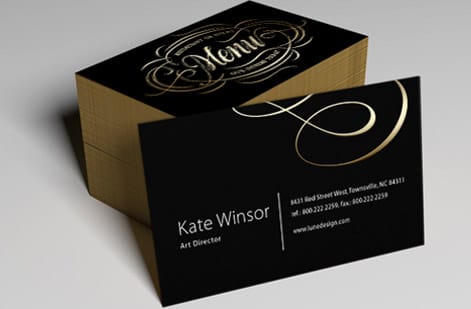
Bulk runs we printed and boxed





Explore more
Where to go next



By the numbers
What a volume run draws on here
Common Questions
Common questions about bulk printing services
What is a bulk printing service?
A bulk printing service prints one approved file at high quantity on commercial equipment, then finishes, packs and ships the whole run as a single job. Instead of paying a per-copy rate the way you do at a walk-in shop, you pay for one press setup plus the cost of running the paper. That structure is why 500 pieces almost never costs five times what 100 pieces costs.
What should I compare between two bulk printing quotes?
Compare four things on identical specs: the quantity break where the price actually drops, what is included in the quote, the production time before shipping, and whether the printer will send you the stock so you can feel it first. A printer that owns its presses controls the schedule. One that brokers your job out does not, and that shows up as slipped ship dates on large runs.
What does bulk printing cost and how are prices set?
Price is built from setup, paper, ink coverage, finishing and turnaround, then divided by quantity. Small format products carry the lowest entry point, so Cleaning Services Business Cards start at $17.57, while large format runs on heavier substrates start higher, with 2 Sided Blockout Banners at $108.75. Move only one variable at a time when you compare quotes or the numbers stop being comparable.
What sizes, stocks and finishes are available for bulk printing?
Small format runs cover standard and slim card sizes, postcard and flyer sizes, and folded formats, on stocks from light text weight up to thick cover weight, with matte, gloss, soft touch, spot UV, foil and rounded corner options. Large format moves to vinyl, mesh and blockout material with optional hems and grommets. Promotional items follow their own imprint areas rather than paper specs.
How long does bulk printing take to print and ship?
Production time starts when the file passes preflight and you approve the proof, not when you place the order. Standard lanes on common products run a few business days, and expedited lanes can drop that to as little as one business day on select items. Shipping transit sits on top of production, so count both when you set your in-hands date.
Is it cheaper to order everything in one big run?
Usually yes on cost per piece, because you pay one setup instead of several. It stops being cheaper the moment the artwork goes stale. If a price, a promotion or a staff name is printed on the piece, split the order into a long run of the evergreen version and a short run of the version that changes.
Can I split one bulk order across several designs?
On many products yes, through a versioned run where the shared elements stay identical and only one plate or one panel changes. You keep most of the volume pricing while getting distinct pieces. Ask before you design, because the answer depends on the product and it changes how you build the file.
Get Started
Order 100 business cards from $17.57 and watch the tier
Set your specs, step through the quantity tiers and watch the per-piece number drop. Everything is printed in-house, packed and shipped as one job.
Legal Disclaimer
Gold Standard guarantees apply to all standard orders placed through 4over4.com. Price match requires verifiable proof of a competitor's published price for an equivalent product with matching specifications and turnaround time. Satisfaction guarantee covers manufacturing defects and print quality issues. Contact support with order number and documentation.
