Quick Tips for Cleaning Your Rubber Stamps
Clean your Rubber Stamps after every use to keep impressions sharp and ink-free between colors. Use mild soap and water for water-based inks, and a dedicated stamp cleaner for solvent-based inks. Pat dry with a lint-free cloth - never rub the rubber surface. Store stamps face-down on a flat surface. 4OVER4 customers who maintain their stamps properly get crisp, consistent prints for years.
Why Knowing How to Clean Rubber Stamps Matters
A dirty stamp ruins everything. Ink builds up, fine details disappear, and your prints start looking muddy. Learning how to clean Rubber Stamps the right way takes less than two minutes - and it's the difference between professional-looking results and a smudgy mess.
"Rubber Stamps /5"
| Quantity | Price Per Unit |
|---|---|
| 1 | $31.29 |
| 4 | $31.29 |
| 10 | $28.01 |
| 20 | $26.34 |
Self Inking Stamp
Ink Color
Proof Options
Whether you're stamping return addresses on envelopes, branding packaging, or creating custom invitations, clean stamps produce clean impressions. It's that simple. If you're exploring stamp design options, check out 4OVER4 Rubber Stamps for inspiration on what's possible with a well-maintained stamp.
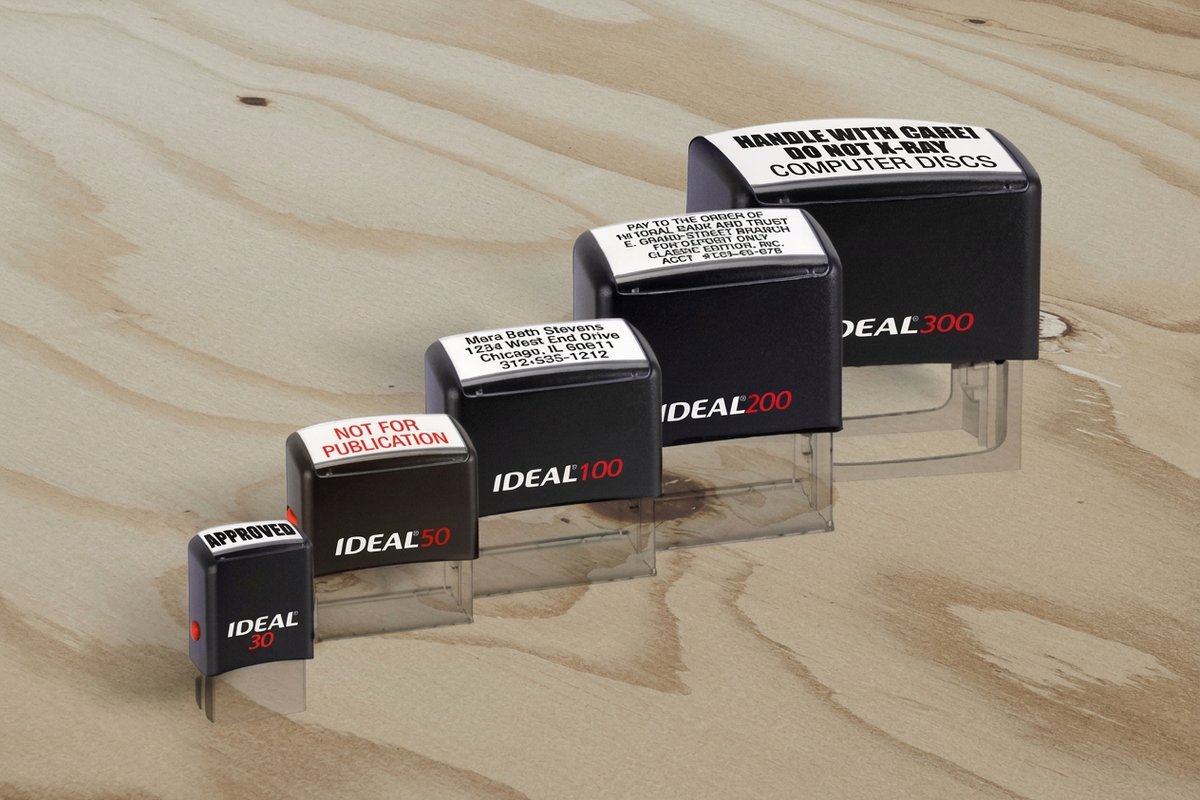
This guide covers everything from daily cleaning routines to deep-cleaning stubborn ink stains. You'll also find tips on storage and common mistakes that shorten a stamp's life. Need help with other print projects? Our Online Designer makes creating custom designs easy, and you can even learn How To Fold A Brochure for your next marketing campaign.
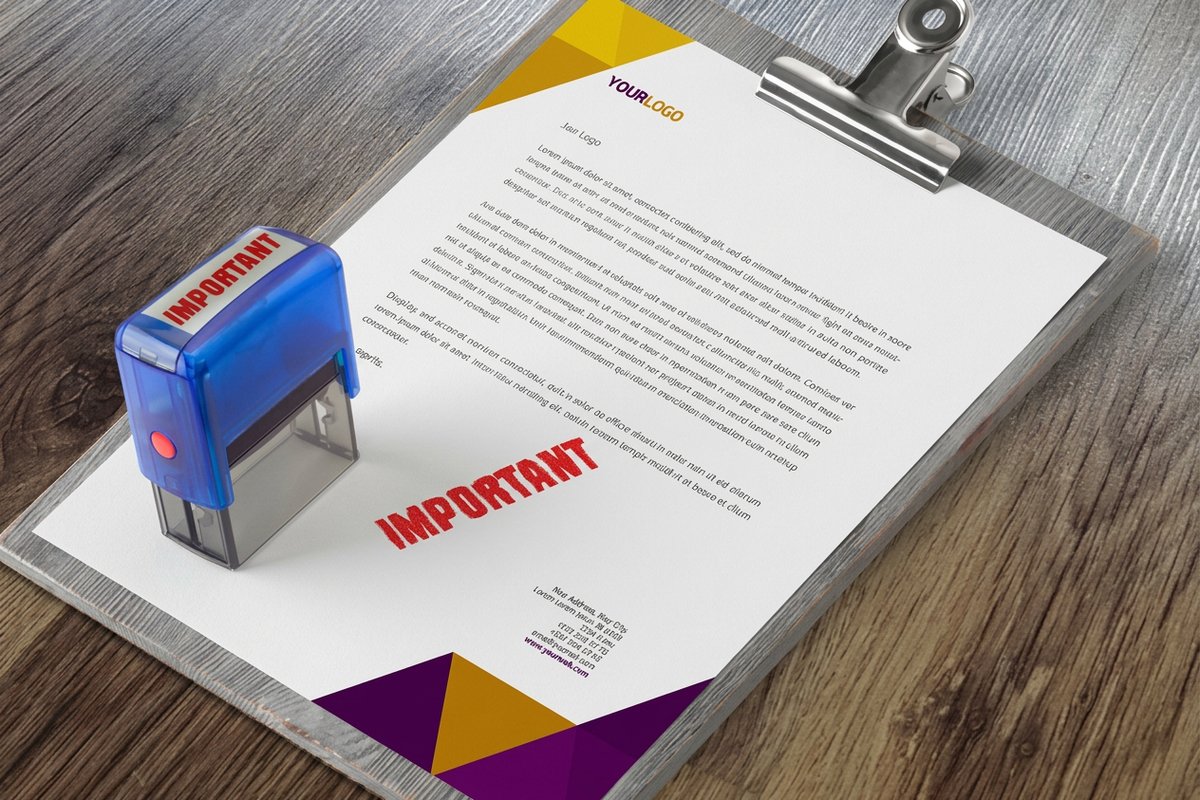
Here's a closer look at 4OVER4's Rubber Stamps and the design quality you can expect when your stamps stay clean.
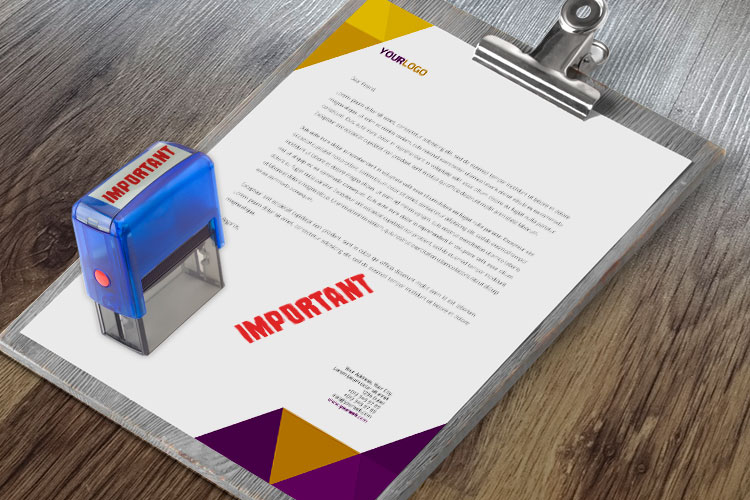
Step-by-Step: Cleaning Rubber Stamps for Lasting Quality
Understanding Your Stamp and Ink Type
Before you grab a cleaning solution, figure out what you're working with. Water-based inks (dye inks, chalk inks) clean up easily with water. Solvent-based inks (StazOn, archival inks) need a dedicated stamp cleaner or rubbing alcohol. Pigment inks fall somewhere in between - they're thicker and dry slower, so they need a bit more effort.
The stamp material matters too. Traditional vulcanized rubber handles most cleaning methods well. Clear photopolymer stamps are more delicate and can cloud or warp with harsh chemicals. Foam-mounted stamps are the most forgiving but also the least detailed. Knowing your materials helps you pick the right cleaning approach without damaging anything.
If you're using 4OVER4 Marketing Materials Printing alongside your stamps for a cohesive brand look, keeping those stamps spotless makes sure your logo and text stay consistent across every touchpoint.
Daily Cleaning: Water-Based Inks
This is the routine you'll use most often. It takes about 60 seconds.
- Stamp off excess ink onto scrap paper. Press the stamp a few times until impressions become faint.
- Dampen a lint-free cloth (or a baby wipe - they work great) with lukewarm water.
- Gently press the stamp onto the damp cloth. Don't scrub. Let the cloth lift the ink away.
- Repeat with a clean section of the cloth until no color transfers.
- Pat dry with a fresh cloth or paper towel. Never leave stamps wet.
That's it. For most crafting sessions, this handles everything. The key word is "gentle." Rubber stamp surfaces have fine grooves and details that aggressive scrubbing can wear down over time.
Deep Cleaning: Stubborn and Dried Ink
Sometimes ink dries on the stamp before you get to it. It happens. Here's how to fix it without damaging the rubber.
For dried water-based ink: Soak the stamp face-down in a shallow dish of warm (not hot) soapy water for 5-10 minutes. Use a soft-bristled toothbrush to gently work ink out of crevices. Rinse under running water and pat dry.
For solvent-based ink: Apply a commercial stamp cleaner directly to the rubber surface. Let it sit for 30 seconds. Blot with a lint-free cloth. Repeat as needed. Rubbing alcohol on a cotton pad also works, but use it sparingly on photopolymer stamps - it can cause cloudiness over time.
A quick note: never use acetone or nail polish remover on any stamp. It dissolves rubber and destroys photopolymer on contact. If you're working on other print-related projects, our Faq Hub has guides for just about everything.
Cleaning Between Ink Colors
Switching from red ink to blue? You need a clean stamp in between, or you'll get a muddy purple mess. Speed matters here because you don't want ink drying while you're cleaning.
Use a stamp scrubber pad - those textured rubber mats designed specifically for this. Spritz the pad with water or stamp cleaner, then press the stamp into it several times. The texture pulls ink out of fine lines faster than a flat cloth. Check by stamping onto white scrap paper. If you see any trace of the previous color, clean again.
For detailed stamps with very fine lines, a quick spritz of stamp cleaner followed by blotting on a folded paper towel works faster than a scrubber pad. The flat surface won't push ink deeper into tiny grooves.
Cleaning Photopolymer (Clear) Stamps
Clear stamps need special attention. They're softer than rubber and more prone to staining and warping.
- Use only water and mild dish soap. Harsh chemicals cloud the polymer.
- Avoid hot water. It can warp clear stamps permanently. Lukewarm is your ceiling.
- Don't soak them. Quick wash, quick rinse, quick dry.
- Store on their original backing sheets. This prevents curling and keeps them flat.
If a photopolymer stamp has yellowed or become sticky, that's usually UV damage or age - not a cleaning issue. You can try a light coat of cornstarch to reduce stickiness, but yellowing is permanent. Time for a replacement.
Need design ideas for your next stamp order? Learn How To Make Flyers that match your stamp branding, or explore Custom Magnets Faq for another way to get your logo out there.
DIY Stamp Cleaning Solutions
You don't always need a specialty product. Here are three effective homemade options:
Soap and water: A drop of dish soap in a cup of lukewarm water. Works perfectly for water-based inks. It's the simplest and safest option for all stamp types.
Window cleaner: A light spritz of ammonia-based window cleaner on a cloth handles pigment inks well. Don't spray directly onto the stamp - the moisture can loosen the adhesive on foam-mounted stamps.
Glycerin-based baby wipes: These are a crafter favorite. The glycerin breaks down ink without drying out the rubber. Unscented versions work best because fragranced wipes sometimes leave a residue that affects ink adhesion on the next use.
Whichever method you choose, the golden rule stays the same: pat, don't scrub.
Proper Storage After Cleaning
A clean stamp stored badly is almost as bad as a dirty stamp stored well. Here's what to do after cleaning.
Store rubber stamps face-down or in a stamp storage case with the rubber facing down. This prevents dust from settling on the stamping surface. Keep them away from direct sunlight and heat sources - both degrade rubber over time.
For wood-mounted stamps, store in a dry environment. Wood absorbs moisture, which can cause warping and loosen the adhesive holding the rubber die. If you live somewhere humid, a silica gel packet in your stamp storage box helps.
Clear stamps go back on their original acetate sheets and into a cool, dark drawer. Some crafters store them in CD cases or page protectors in a binder - both work well.
If you're organizing your workspace for multiple print projects, check out How To Make Envelopes and Signs Banners Canvas Printing for more ideas on creating a complete branded setup.
"I clean my 4OVER4 Custom Rubber Stamps after every use with just a baby wipe, and they still look brand new after hundreds of impressions. The detail holds up beautifully."
Marcus L., small business owner
When to Replace Instead of Clean
Sometimes cleaning won't fix the problem. Here are signs your stamp needs replacing:
- Impressions are consistently blurry even after thorough cleaning - the rubber has worn down.
- The rubber is cracking or crumbling. Age, UV exposure, and harsh chemicals cause this.
- The die is separating from the mount. Re-gluing sometimes works, but the alignment is rarely perfect.
- Permanent staining affects ink transfer. If old ink won't come off and it's changing how new ink applies, it's time.
A well-maintained rubber stamp can last years. But when it's done, it's done. 4OVER4 makes ordering a replacement quick and painless.
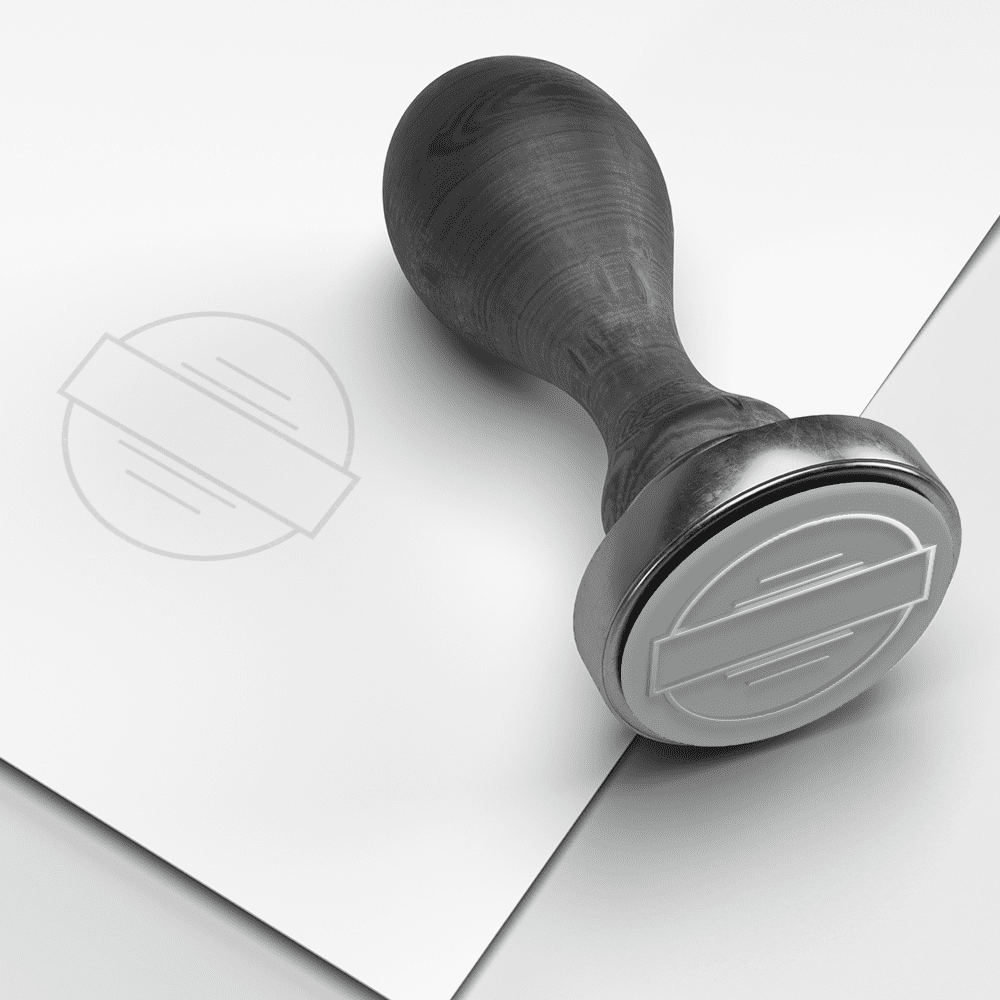
Here are some examples of sharp, clean stamp impressions and design templates to inspire your next order.
Blank Templates
Mistakes That Ruin Rubber Stamps Faster Than Dirty Ink
Even people who know how to clean Rubber Stamps make these errors. Avoid them and your stamps last much longer.
Scrubbing with abrasive materials. Paper towels feel soft, but their fibers are rough on rubber. Use lint-free cloths, microfiber towels, or baby wipes instead.
Using hot water. Hot water softens adhesive and warps photopolymer. Lukewarm is the maximum temperature you should use - ever.
Leaving stamps inked overnight. Dried ink is ten times harder to remove than fresh ink. Clean immediately after each session, even if you're tired.
Storing stamps in sunlight. UV light breaks down rubber compounds. A drawer or closed box is ideal.
Using acetone or harsh solvents. These dissolve the stamp surface. Stick to mild soap, stamp cleaner, or rubbing alcohol in small amounts.
Skipping cleaning between colors. Ink mixing creates muddy impressions and stains that become harder to remove with each use. 4OVER4 designs stamps with fine detail - protect that detail with proper care.
Your Rubber Stamp Cleaning Questions, Answered
Can I use rubbing alcohol to clean Rubber Stamps?
Yes, rubbing alcohol works well on solvent-based and pigment inks. Apply it to a cotton pad and blot the stamp surface. Use it sparingly on clear photopolymer stamps because repeated use can cause cloudiness. For water-based inks, plain soap and water is safer and just as effective.
How often should I clean my Rubber Stamps?
After every single use. This is the most important habit for stamp longevity. Ink left on the surface dries and builds up in fine details, making future impressions blurry. A quick wipe with a damp cloth takes under a minute and saves you from difficult deep-cleaning sessions later.
Will baby wipes damage my stamps?
Unscented, glycerin-based baby wipes are one of the best cleaning tools for Rubber Stamps. They're gentle, effective on water-based inks, and won't dry out the rubber. Avoid fragranced versions - the added chemicals can leave residue that affects how ink adheres to the stamp on your next use.
What's the best way to remove dried ink from a rubber stamp?
Soak the stamp face-down in warm soapy water for 5-10 minutes. Then use a soft toothbrush to gently loosen ink from grooves and fine lines. Rinse under running water and pat dry with a lint-free cloth. For solvent-based dried ink, use a commercial stamp cleaner instead of water.
Can I clean Rubber Stamps in the dishwasher?
No. The heat and water pressure in a dishwasher will warp the rubber, dissolve adhesives, and potentially destroy wood-mounted stamps. Always hand-clean your stamps with lukewarm water and mild soap. It takes less time than loading the dishwasher anyway.
How do I prevent my stamps from staining?
Clean immediately after use - that's the biggest factor. Some dark inks (especially reds and blacks) leave light staining even after cleaning. This is cosmetic and usually doesn't affect print quality. If staining bothers you, apply a thin layer of stamp cleaner before inking to create a barrier that makes cleanup easier.