Quick Takeaways for Covering Furniture With Vinyl
Learning how to cover furniture with vinyl saves you hundreds compared to buying new pieces. You'll need a clean, smooth surface, precise measurements, and a squeegee or flat card for bubble-free application. Heat guns help with tricky edges and corners. 4OVER4 offers 1,000+ products including custom vinyl options backed by 25+ years of printing experience. The right vinyl and proper prep make all the difference between a DIY disaster and a professional-looking finish.
Give Old Furniture a Fresh Look With Vinyl
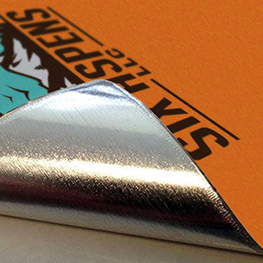
Vinyl wrapping isn't just for cars anymore. It's one of the fastest, most affordable ways to breathe new life into tired tables, cabinets, desks, and countertops. Whether you're covering a scratched-up dresser or rebranding a retail display, vinyl gives you a clean, polished result without the mess of paint or the cost of replacement.
4OVER4 has printed over 10 billion+ products since 1999, and that deep print expertise extends to custom vinyl materials perfect for furniture projects. Every order is backed by our 5 Gold Guarantees, so you know you're getting quality material that actually sticks and stays put.
This guide walks you through every step - from surface prep to final trimming. You'll also find tips on adding functional touches like scannable codes using our free QR Code Generator for branded furniture pieces. Let's get into it.
Step-by-Step: Covering Furniture With Vinyl the Right Way
Choose the Right Vinyl for Your Furniture
Not all vinyl is created equal. For furniture, you want a self-adhesive vinyl with a thickness between 3-5 mil. Thinner vinyl tears easily during application. Thicker options are harder to work around corners. Matte finishes hide imperfections better. Gloss finishes pop with color but show every fingerprint and dust speck.
Consider the furniture's purpose. A kitchen table needs waterproof, scratch-resistant vinyl. A decorative shelf can get away with thinner, more affordable material. For pieces that see heavy daily use, look for vinyl rated for high-traffic surfaces.
If you're working on a branded project - like wrapping a reception desk or trade show table - 4OVER4's custom printing options let you match exact brand colors and add logos. Check out our Free Samples to feel the material quality before committing to a full project.
Gather Your Tools Before You Start
Having everything within arm's reach prevents sticky situations (literally). Here's what you need:
- Squeegee or flat plastic card - your best friend for smoothing out bubbles
- Sharp utility knife or precision blade - dull blades cause ragged edges
- Metal ruler or straight edge - for clean, accurate cuts
- Heat gun or hair dryer - softens vinyl around curves and edges
- Spray bottle with soapy water - allows repositioning during wet application
- Measuring tape - measure twice, cut once (seriously)
- Microfiber cloths - for cleaning and drying the surface
Skip the household scissors. They create uneven edges that are impossible to hide once the vinyl is down. A fresh blade in your utility knife makes all the difference.
Prepare the Surface Properly
This is where most DIY projects fail. Vinyl sticks to smooth, clean, dry surfaces. It does not stick to textured wood grain, fabric, or flaking paint. Period.
Sand rough surfaces with 220-grit sandpaper until they're smooth to the touch. Wipe away all sanding dust with a damp microfiber cloth. Then wipe again with a dry cloth. Any remaining dust particles create bumps under the vinyl that only get more noticeable over time.
For glossy or varnished furniture, a light scuff with fine sandpaper gives the adhesive something to grip. Clean the surface with isopropyl alcohol after sanding - this removes oils from your hands and any residue from cleaning products. Let it dry completely. Even slight moisture trapped under vinyl leads to bubbling within days.
"I wrapped my entire kitchen island with matte black vinyl from 4OVER4. The prep took longer than the actual application, but the result looks like I bought a brand-new piece. Three months in and not a single bubble or peel."
- Marcus L., ★★★★★
Measure and Cut With Extra Room
Measure each surface of the furniture piece individually. A dresser top, front face, and sides are separate cuts - don't try to wrap everything with one sheet unless you're experienced.
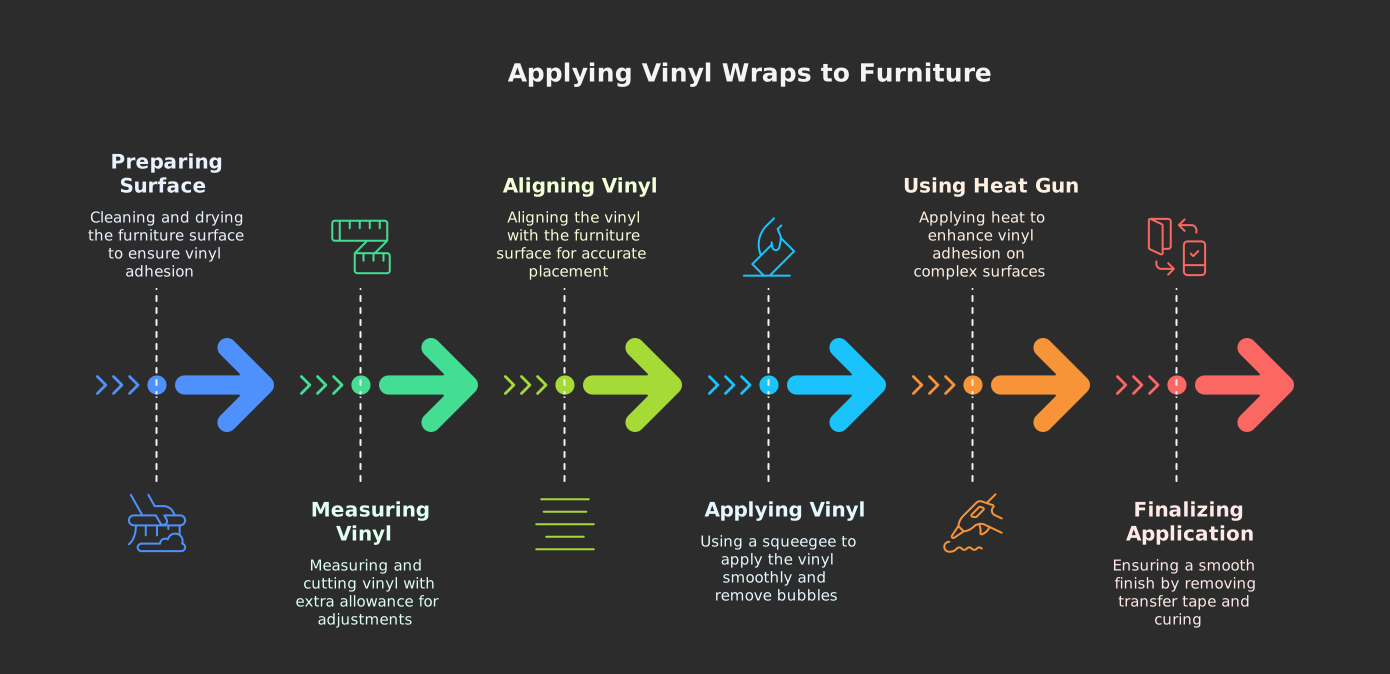
Add at least 3 cm (about 1.5 inches) of extra material on every side. This overhang gives you room to adjust alignment and wraps neatly around edges. You'll trim the excess after application. Trying to cut vinyl to exact size before applying almost always results in gaps or short edges.
Use a metal ruler and sharp blade on a cutting mat. Mark your measurements on the backing paper side with a pencil - marks on the vinyl face are permanent. For detailed craft and print projects, our Faq Hub has guides on precision cutting techniques. If you're also working on print projects, you might find our guide on How To Make Flyers helpful for understanding layout and trimming principles.
Apply the Vinyl Without Bubbles
Here's where patience pays off. Don't peel the entire backing off at once. That's the fastest route to a wrinkled mess.
The hinge method works best: Peel back about 5 cm of backing from one edge. Align that exposed edge precisely with the furniture edge. Press it down firmly with your squeegee. Now slowly peel the backing away while simultaneously pressing the vinyl down with the squeegee in smooth, overlapping strokes.
Work from the center outward toward the edges. Apply firm, even pressure. Move slowly. Rushing creates air pockets that are hard to fix later.
Wet application method: For large flat surfaces, spray a light mist of soapy water on the furniture surface before laying the vinyl. This lets you slide and reposition the vinyl before it grips. Once aligned, squeegee from the center outward to push water and air out. The vinyl bonds fully as the water evaporates over 24-48 hours.
Small bubbles (under 1 cm) often disappear on their own within a few days. Larger bubbles need attention - prick them with a pin at a 45-degree angle, then press flat with your squeegee.
Handle Edges, Corners, and Curves
This is where your heat gun earns its spot on the tool list. Vinyl becomes pliable when heated to around 150-170°F (65-75°C). Keep the heat gun moving - holding it in one spot melts or warps the vinyl.
For 90-degree edges, heat the overhanging vinyl, fold it around the edge, and press firmly. For inside corners, make a small relief cut at the corner point so the vinyl folds neatly without bunching. For rounded corners, apply heat in short bursts while stretching the vinyl gently around the curve. Tuck and press as you go.
Trim excess vinyl with your utility knife held at a shallow angle against the furniture edge. A fresh blade is non-negotiable here - dragging a dull blade tears the vinyl instead of cutting it cleanly. Precision matters just as much here as it does when learning How To Fold A Brochure or when creating Custom Magnets Faq projects.
Finishing Touches and Maintenance
After application, go over the entire surface one more time with your squeegee. Pay extra attention to edges and seams. This final pass locks everything down.
Let the vinyl cure for 24-48 hours before placing heavy objects on it or cleaning it. During this time, the adhesive reaches full bond strength. Avoid exposing newly applied vinyl to extreme heat or direct sunlight during curing.
For ongoing care, clean vinyl-wrapped furniture with a damp microfiber cloth and mild soap. Avoid abrasive cleaners, acetone, or anything with ammonia - these break down the adhesive and dull the finish over time. For more tips on maintaining your creative projects, check out our guide on How To Clean Rubber Stamps.
"We wrapped all the filing cabinets in our office with a custom wood-grain vinyl. Clients think they're real walnut. The trick was proper surface prep - we sanded and cleaned every panel before applying."
- Diana K., ★★★★★
Adding Custom Branding to Vinyl-Wrapped Furniture
If you're wrapping furniture for a business - retail displays, event tables, reception desks - custom-printed vinyl takes the project to another level. 4OVER4 prints bright, full-color vinyl that holds up to daily wear.
You can also pair vinyl-wrapped furniture with complementary print materials. Custom stickers, branded envelopes, and coordinated signage create a cohesive look. Our guide on How To Make Envelopes covers branded stationery that matches your wrapped furniture aesthetic.
Below are some examples of custom vinyl work and blank templates to inspire your furniture project.
Blank Templates
Mistakes That Ruin Vinyl Furniture Projects
Even experienced DIYers make these errors when learning how to cover furniture with vinyl. Avoid them and you'll save material, time, and frustration.
- Skipping surface prep. Dust, moisture, and oils cause bubbles and peeling within days. Clean and dry every time. No shortcuts.
- Peeling all the backing off at once. The vinyl sticks to itself, wrinkles, and becomes unusable. Peel gradually as you apply.
- Using dull blades. Ragged cuts along edges look amateur and start peeling first. Swap blades often.
- Applying to textured or porous surfaces. Vinyl needs smooth surfaces. Raw wood, fabric, and heavily textured paint won't hold adhesive.
- Overheating with the heat gun. Too much heat warps, melts, or discolors vinyl. Keep the gun moving and use short bursts.
- Not leaving overhang for trimming. Cutting vinyl to exact size before applying almost always results in gaps. Add 3 cm minimum on every side.
4OVER4 has helped 150,000+ businesses with custom print and vinyl projects. That experience shows in the material quality - proper vinyl from a trusted printer makes application easier and lasts longer than bargain-bin alternatives.
Best Vinyl Products for Your Furniture Project
When you're ready to cover furniture with vinyl, the right material makes the job easier and the results more durable. 4OVER4 offers Custom Die Cut Stickers and custom vinyl prints that work beautifully for accent details, branded panels, and decorative elements on wrapped furniture.
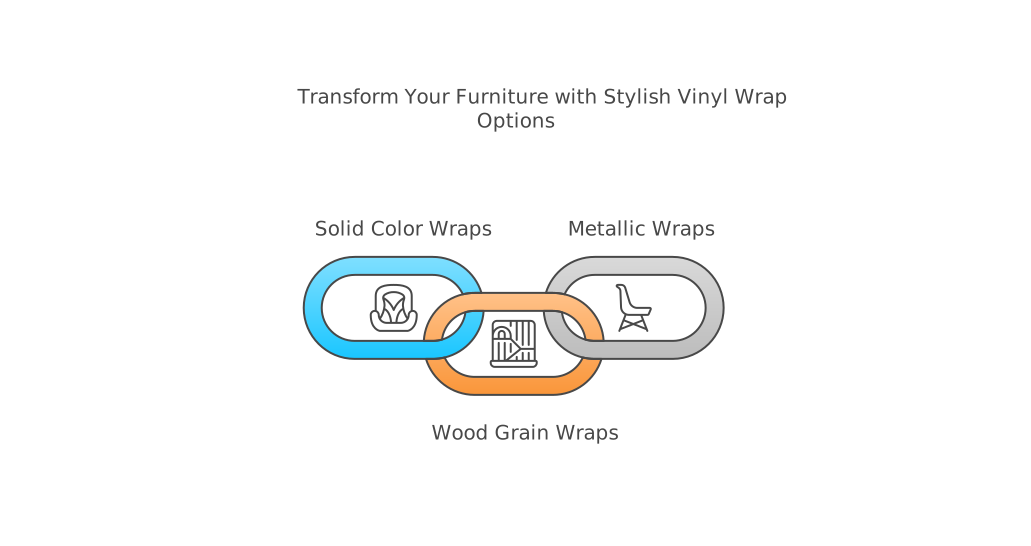
- Solid Color Vinyl Wraps: Available in a wide array of colors, they work well for clean, simple updates. For example, a bright blue or pastel pink wrap can completely transform a dull side table.
- Wood Grain Vinyl Wraps: Designed to replicate real wood textures, they offer an affordable way to achieve rustic or traditional looks on furniture like cabinets or shelves.
- Metallic Vinyl Wraps: These wraps add a modern, futuristic touch, perfect for accent pieces like bar carts or coffee tables.
With 10,000+ reviews and a 4.8/5 star rating, 4OVER4 customers trust the print quality for projects that need to look sharp and last. Here's a closer look at recommended products and what real customers have to say.
"Ordered how to cover furniture with vinyl from 4OVER4 and the quality blew me away. Sharp colors, premium feel, arrived 2 days early."
"Been using 4OVER4 for how to cover furniture with vinyl for a year. Consistent quality every time. The online designer made it easy."
"Switched to 4OVER4 and saved 40% on how to cover furniture with vinyl. Better quality than my old printer. 60+ paper options."
"4OVER4's how to cover furniture with vinyl helped us look more professional. Clients notice the difference."
Your Vinyl Furniture Questions, Answered
What type of vinyl works best for covering furniture?
Self-adhesive vinyl between 3-5 mil thickness works best for furniture. Matte finishes hide surface imperfections, while gloss finishes deliver bolder color. For high-use surfaces like tables and countertops, choose vinyl rated for scratch and water resistance. 4OVER4 custom vinyl prints give you exact color matching for branded furniture pieces.
Can I remove vinyl from furniture later without damage?
Yes. Most quality adhesive vinyl removes cleanly when heated with a hair dryer or heat gun. Apply heat at a low setting, then peel slowly at a 45-degree angle. Any residual adhesive comes off with rubbing alcohol or a citrus-based adhesive remover. Cheaper vinyl tends to leave more residue.
How long does vinyl last on furniture?
Quality vinyl on properly prepared furniture lasts 3-7 years with normal use. Indoor pieces last longer than outdoor ones. Avoid placing vinyl-wrapped surfaces in direct sunlight for extended periods - UV exposure fades colors over time. Regular cleaning with mild soap extends the life of your wrap.
Does vinyl work on all furniture materials?
Vinyl adheres best to smooth, non-porous surfaces like laminate, metal, glass, and sealed wood. It does not stick well to raw wood, fabric upholstery, or heavily textured surfaces. Sand and seal rough surfaces before applying vinyl for the best results.
Can I add QR codes or branding to vinyl-wrapped furniture?
Absolutely. Custom-printed vinyl with logos, patterns, or QR codes is perfect for branded retail displays, event tables, and office furniture. Use 4OVER4's free QR Code Generator to create scannable codes that link to menus, promotions, or contact info right on your furniture surface.
How do I fix air bubbles after applying vinyl to furniture?
Small bubbles under 1 cm often disappear on their own within 48 hours. For larger bubbles, prick the center with a fine pin at a 45-degree angle, then press flat with a squeegee working outward from the puncture. Prevention is better than fixing - use the hinge method and squeegee firmly during application.