
How to Create Loyalty Cards That Keep Customers Coming Back


A loyalty card turns a one-time buyer into a regular. Here is how to create one: the punch-versus-points formats, paper versus plastic and which lasts, the right size, and how to design a rewards program people actually finish.
To create a loyalty card, pick a format (a punch card that stamps toward a free item, or a plastic points card tied to a system), size it to fit a wallet at 3.5 by 2 inches, and design a clear reward that is easy to track. Choose paper punch cards for a cheap, fast start, or durable plastic cards for a program meant to last. Make the reward obvious and the path to it short.
Start here
Loyalty cards in one paragraph
A loyalty card is a wallet-size card that rewards repeat customers, either by stamping toward a free item (a punch card) or by tracking points and membership. Create one by choosing the format, printing it at the 3.5 by 2 inch business-card size on paper for a cheap start or plastic for durability, and designing a reward so clear anyone can see the finish line. Keep the path short and the terms plain, and regulars will carry it.
Punch cards vs points cards
Loyalty comes in two shapes. A punch card is the simplest program in retail: every purchase earns a stamp or a punch, and a full card earns a free item. There is no software, no account, just a card and a stamp at the counter, which is exactly why coffee shops, salons, and sandwich counters lean on them. A points or membership card connects to a system, a point-of-sale or an app, that tracks spending and unlocks rewards, tiers, or member pricing.
Pick the one you can actually run. If you want to start today with almost no setup, punch cards win. If you already have a POS that can track members, a durable plastic membership card ties into it and lasts. For a deeper look at the strategy behind either path, our companion guide your guide to loyalty cards covers the program side in full.
Paper vs plastic, and which lasts
The material decision is really a lifespan decision. Paper punch cards print on firm 14pt to 16pt cardstock, cost very little, and are perfect for a program where the card gets filled over a few weeks and then redeemed. They are the cheapest, fastest way to test whether loyalty moves your numbers.
Plastic cards are built to survive a wallet for years. Printed on 20mil or 30mil PVC, they shrug off bending, moisture, and daily wear, and they feel premium the moment a customer holds one. That durability is why membership and points programs use them. 4OVER4 prints plastic in holographic and other finishes, and the full range lives in the plastic cards collection. If you want the material science, our guide on 30mil plastic card materials breaks it down.
Rule of thumb: short-lived stamp card, print paper. Long-term member card, print plastic.
Size and the two sides of the card
Loyalty cards use the 3.5 by 2 inch business-card size for one simple reason: it fits every wallet, slot, and card reader on earth. Design at that size with a safe margin so nothing important sits near the trim, and bleed any edge color past the cut.
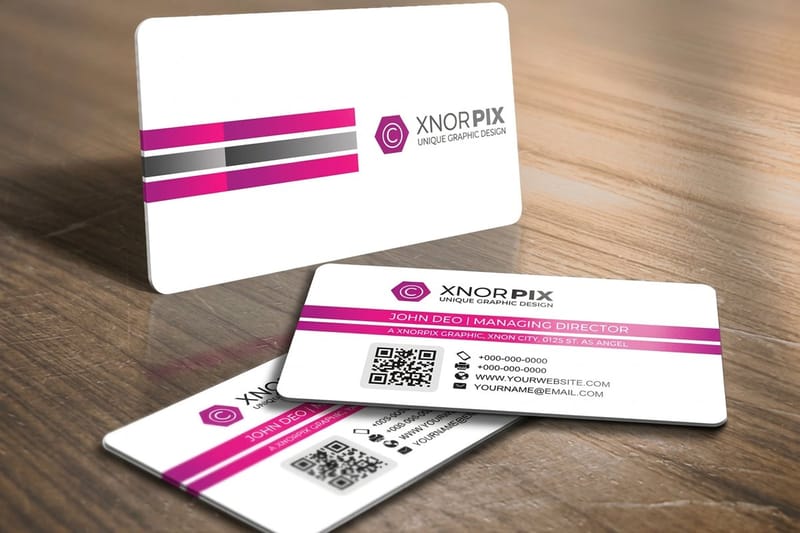
Think of the card as two working faces. The front sells the program: your logo, the offer in plain words, and enough brand to be recognizable across a counter. The back does the tracking: the punch grid for a stamp card, or a barcode or QR for a points card, plus the terms, any expiration, and your address, hours, or handle. Because a loyalty card is really a branded business card that keeps working, the layout fundamentals in our guide on how to lay out a business card apply directly here.
Loyalty card design rules that survive a wallet
A loyalty card is read in a second at a counter and lives for weeks in a wallet, so the design has to be plain and tough. These rules cover most of it.
- One offer, in six words or fewer. Buy 9, get the 10th free. Put it on the front in the largest type, under the logo, and let everything else go small.
- Contrast over color. Dark type on a light card, or the reverse, and one brand color for the accents. Two colors of similar lightness vanish under shop lighting.
- Punch cells at least 0.4 inches. A stamp or a hole punch needs room. Two rows of five at that size fit a 3.5 by 2 inch back with the terms underneath, and numbering the cells shows how close the reward is.
- Keep the back matte or uncoated. Ink stamps smear on gloss. If you want a gloss front, order it one side only.
- Safe margin and bleed. Nothing you need within 0.125 inch of the trim, and any background color run 0.125 inch past it. Rounded corners are standard on plastic and worth adding on paper, because square corners fray first.
- A scannable code at 0.8 inch or larger. A QR or barcode on a points card needs that size to read from a phone or a scanner at the till.
Design a rewards program people finish
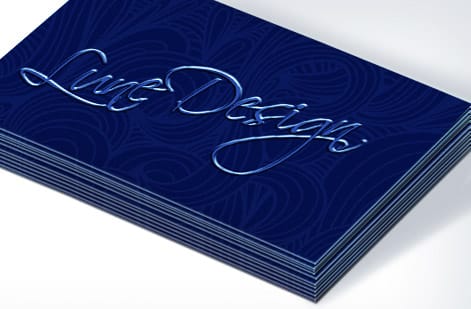
A card is only as good as the program printed on it. Two rules decide whether people finish. First, make the reward obvious: buy nine, get the tenth free reads in a second, while earn tier status through accumulated engagement does not. Second, keep the path short. A grid of 8 to 12 slots feels reachable; a 20-slot card feels like a chore and gets abandoned in a drawer.
Give the reward real value, print an expiration only if you truly need urgency, and put the terms in plain language on the back. A small first punch, given free at signup, is a proven trick: a card that already has one stamp feels started, and started things get finished. Build the layout in the online designer or start from the template library so the whole set stays on brand.
Loyalty card design ideas by business type
The strongest designs make the punch grid part of the brand instead of a row of boxes. A few that work, by the kind of shop that prints them.
- Coffee shop. Ten cup outlines that fill in with each stamp, the free drink drawn as the last cup. The card reads as a picture, not a form.
- Bakery. Cookie or cupcake icons in a grid, a kraft-look stock, and the reward printed as the pastry itself.
- Salon and barber. A five-visit card with a scissors or comb icon per cell, plus a line for the stylist's name so the client books the same chair.
- Restaurant and food truck. A check-mark stamp on a plate icon, six to eight visits, and the menu handle or QR on the back for ordering.
- Retail and boutique. A points card on plastic with a barcode, tiers printed as three small badges, and a member number.
- Gym and studio. A durable plastic membership card at credit card size, 30mil, with a barcode for check-in and a matte finish that takes a signature.
Paper punch cards suit the first four, since the card is filled and redeemed within weeks. The last two are wallet cards for years, so print them on plastic and let the design lean on the finish, a silk matte or UV gloss, rather than on a grid.
Print your loyalty cards at 4OVER4
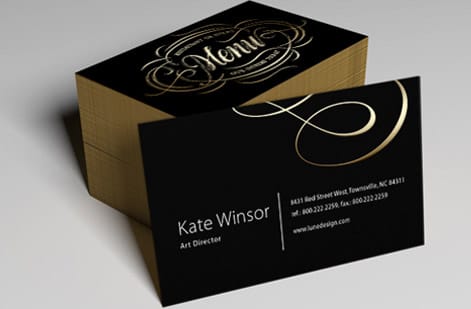
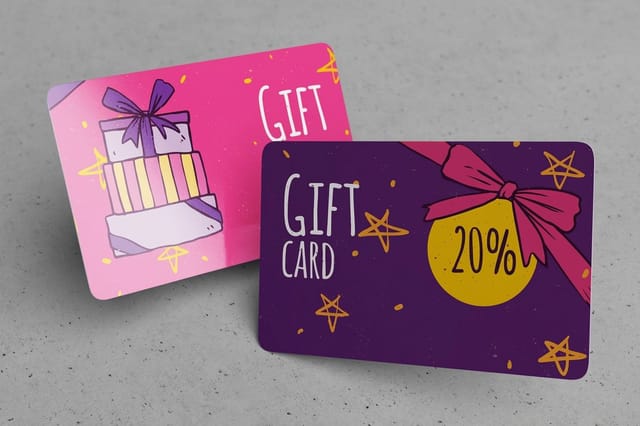
With the format, material, and program decided, ordering is quick. Choose paper for a punch card or plastic for a membership card, set the finish, add a barcode, QR, or a gift-card style companion if your program needs one, and pick your quantity. Price scales with material, finish, extras, and run size, and updates live as you choose.
Not sure how a stock feels, order free paper samples before a big run so you can judge paper against plastic in hand. When your file is ready, upload it or design in the browser, confirm the offer and grid read clearly, and print a run on the loyalty card page.
Wally starts your loyalty program
Short path, obvious reward
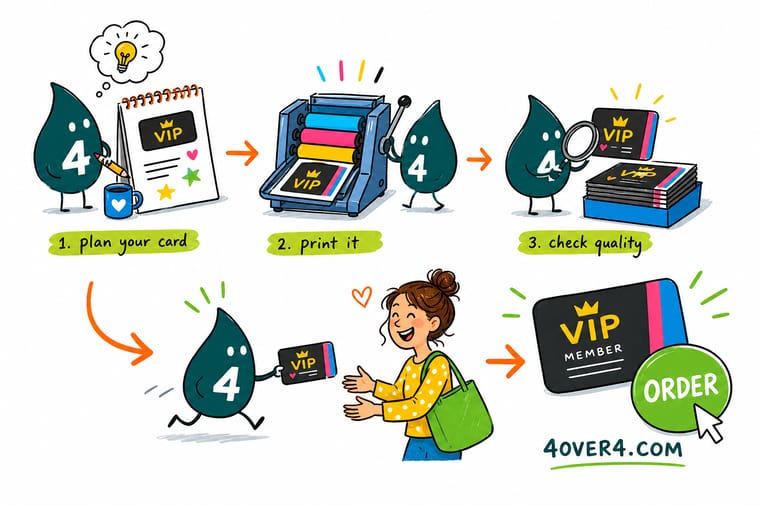
Wally keeps it simple: pick punch or points, make the reward something anyone can read at a glance, and keep the path short enough to finish. Paper punch cards launch a program cheap and fast; plastic member cards ride a wallet for years. Size it to 3.5 by 2, put the offer up front and the tracking on the back, and 4OVER4 prints cards your regulars actually carry.
Order loyalty cards →Quick reference
Loyalty card formats, at a glance
Match the format and material to how long the program should run and how premium it should feel.
| Choice | Best for | Why it matters |
|---|---|---|
| Paper punch card | 14pt to 16pt cardstock | Cheapest, fastest way to launch a stamp-toward-a-reward program. |
| Plastic member card | 20mil or 30mil PVC | Survives a wallet for years; feels premium and reusable. |
| Wallet size | 3.5 x 2 in | Fits any wallet, slot, and card reader, the universal card size. |
| Punch grid | 8 to 12 slots | Short enough to feel reachable, long enough to drive repeat visits. |
| 6-punch layout | Buy 5, get the 6th free | Shortest path to the first reward. Use it for daily, low-ticket buys like coffee so a regular finishes a card in a week or two. |
| 8-punch layout | Buy 7, get the 8th free | Built for weekly visits: salons, car washes, sandwich shops. Two rows of four sit comfortably on a 3.5 x 2 in back. |
| 10-punch layout | Buy nine, get the tenth free | The classic grid. Two rows of five read instantly and leave room for terms and your hours underneath. |
| 12-punch layout | Buy 11, get the 12th free | For programs where the reward costs a lot next to the average purchase and you need more visits to pay for it. |
| Points card layout | Barcode or QR, no grid | No slots to print. The back stays clear for the barcode or QR, a member number, and the terms while your POS or app does the tracking. |
| Finish | Gloss, matte, or holographic | Gloss resists smudging; holographic signals a premium program. Matte takes pen and stamp ink best if staff mark the card by hand. |
| Extras | Barcode, QR, or key tag | Ties a card to a digital system or clips to a keychain. |
Step by step
How to create a loyalty card in 6 steps
- Choose punch or pointsA punch card is simplest: stamp toward a free item. A points or membership card ties to a POS or app. Pick the one you can actually run.
- Set the reward and the pathDecide the reward and how many purchases earn it. Buy nine get the tenth free is a proven, readable structure.
- Pick paper or plasticPaper punch cards launch a program cheaply. Plastic cards last for years and feel premium, worth it for a long-running program.
- Size and lay out the frontWork at 3.5 by 2 inches. Put your logo, the offer, and the brand up front so the card sells the program at a glance.
- Design the back to trackAdd the punch grid or a barcode or QR, the terms, any expiration, and your contact info and hours.
- Proof and printCheck the offer reads clearly and the grid is easy to mark, then upload your file and print the run.
Specs and pricing
Loyalty card specs and live pricing
Once you have picked a format and material, the rest is size, finish, and quantity. Here are the live specs and price-per-unit for plastic membership cards at 4OVER4, straight from the configurator.

| Quantity | Price Per Unit | Total |
|---|---|---|
| 250 | 90.4¢ | $226.11 |
| 500 | 55.3¢ | $276.63 |
| 1,000 | 37.8¢ | $377.68 |
| 2,000 | 34.7¢ | $693.46 |
| 2,500 | 35.3¢ | $882.94 |
| 3,000 | 33.6¢ | $1,009.25 |
| 3,500 | 32.4¢ | $1,135.55 |
| 4,000 | 31.5¢ | $1,261.87 |
Order it
Print your loyalty cards at 4OVER4


See it in use
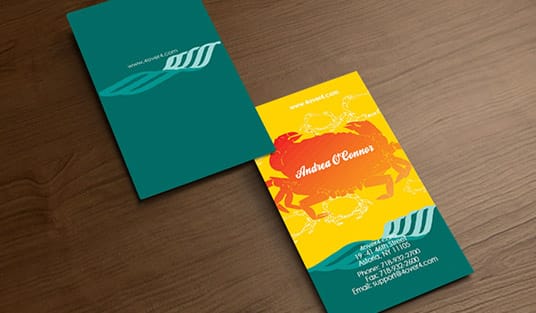
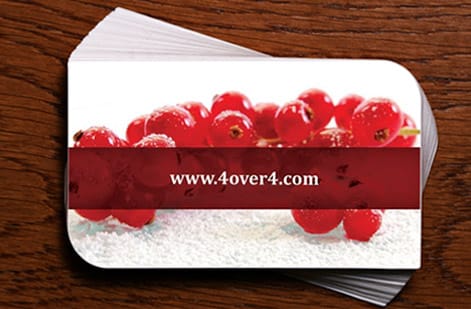
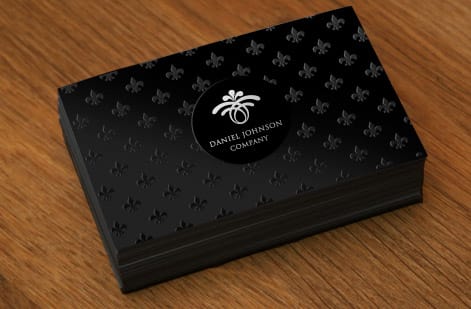
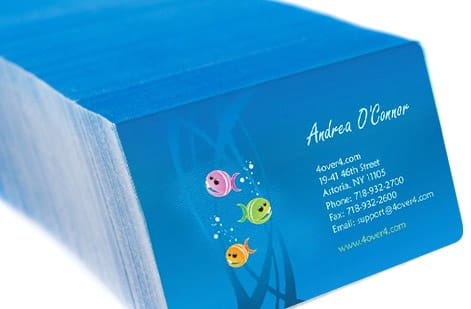
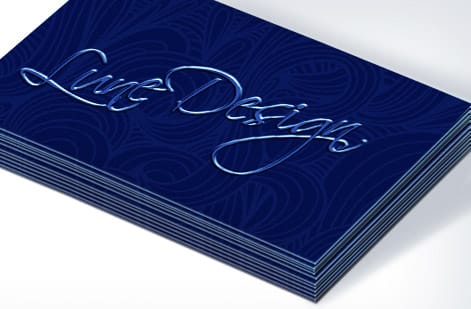
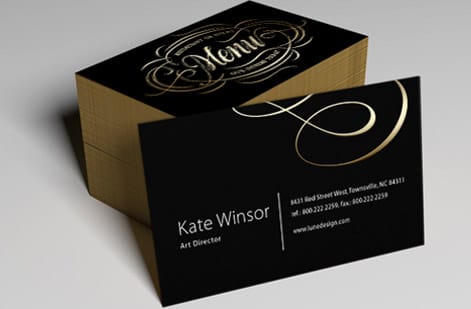
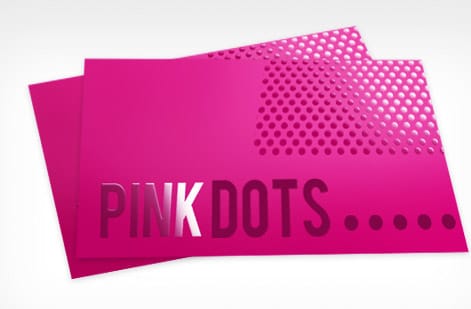
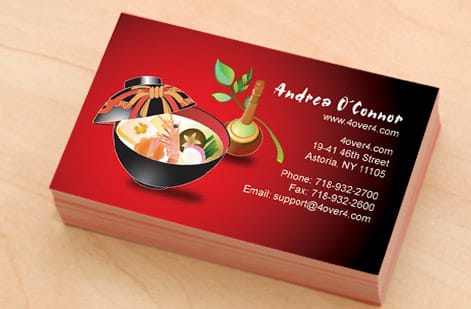
Plastic membership cards on 20mil and 30mil PVC
Explore more
Where to go next

By the numbers
60+ stocks and 1,000+ products behind one loyalty card
Common Questions
Common questions about loyalty cards
What is the best design for a card?
For a loyalty card, the best design is the one a customer understands across a counter in one second. Logo and the offer in plain words on the front, the punch grid or the code on the back with the terms in small type, strong light-to-dark contrast, one brand color, and nothing important within 0.125 inch of the trim. Make the punch cells big enough for a real stamp, number them, and give the reward cell its own look so the finish line is obvious.
What are some creative ideas for loyalty cards?
Turn the punch grid into the brand: cups that fill up for a coffee shop, cookies for a bakery, plates for a food truck, scissors for a salon. Give the first stamp free at signup so the card feels started. Print the reward as a picture of the thing rather than a word. On a plastic points card, show the tiers as three small badges and add a QR that opens the menu or the booking page, so the card does a second job every time it comes out of the wallet.
How can I design my own card online for free?
Open the online designer on the card you want to print, pick a 3.5 by 2 inch template, and drop in your logo, the offer and a punch grid or a code. The designer is free to use, it lays in the bleed and the safe margin for you, and you pay only when you order the run. Save the file with the text still editable so you can change the offer next season without rebuilding the card, then proof both sides at 100 percent before you place the order.
What are loyalty cards?
Loyalty cards are wallet-size cards a business gives customers to reward repeat visits. The two common types are punch cards, where each purchase earns a stamp or punch toward a free item, and points or membership cards, where the card ties to a system that tracks spending and unlocks rewards or member pricing. The goal is the same: give a regular a reason to come back to you instead of a competitor. A good loyalty card is easy to carry, easy to track, and makes the reward obvious at a glance.
Can I create my own loyalty card online?
Yes. Open the card you want to print, choose the stock and the quantity, and lay the artwork out on a 3.5 by 2 inch canvas, the same wallet size as a business card. Front: logo, the offer in plain words, and your brand, so the card sells the program at a glance. Back: the punch grid or a barcode or QR, the terms, any expiration, and your contact info and hours. Keep the text you cannot lose held in from the trim edge so nothing gets cut, pick 14pt to 16pt cardstock for a paper punch card or 20mil or 30mil PVC for a plastic member card, preview both sides, then place the run. If you already design in your own software, skip the online build and upload a print-ready file instead. Either path ends at the same place, plastic membership cards or a paper punch card printed in-house.
How many punches should a loyalty card have?
8 to 12 slots is the working range, and the right count comes from your ticket size and how often people walk in. Ten, buy nine and get the tenth free, is the classic: short enough to feel reachable, long enough to drive repeat visits, and two rows of five print clean on a 3.5 x 2 in back. Drop to 6 when the item is bought almost daily and the reward is cheap, so a regular finishes the card fast and starts a second one. Go to 12 when the reward is expensive next to the average purchase and you need more visits to cover it. Whatever count you choose, print the slots big enough for a stamp or a hole punch, keep them in one row or two even rows, and number them, so a customer can see progress without counting.
How do I choose the right loyalty card format?
Match the format to how you run the business. If you want to launch fast and cheap and you can stamp or punch a card at the counter, a paper punch card is the simplest choice. If you want the program to last for years, feel premium, or connect to a point-of-sale or app, go with a durable plastic membership card that carries a barcode or QR. Decide the reward first, keep the number of purchases short enough to feel reachable, then pick paper for a light program or plastic for a serious, long-running one.
What do loyalty cards cost and how are prices set?
Cost depends most on material and quantity. Paper punch cards are inexpensive and drop further per unit as the run grows, which is why they are the easy on-ramp for a new program. Plastic cards cost more per card because of the durable PVC and finishes like holographic, but they last far longer. Beyond material, price scales with the finish, any extras like a key tag or barcode, and the quantity. You set each option in the configurator and the price updates live so you can compare paper and plastic before you commit.
What sizes, stocks and finishes are available for loyalty cards?
Loyalty cards center on the 3.5 by 2 inch wallet size so they fit any wallet and card slot. Paper punch cards print on firm 14pt to 16pt cardstock, while plastic loyalty and membership cards use 20mil or 30mil PVC in white, frosted, clear, or holographic. Finishes include gloss and matte for paper and a range of premium looks for plastic, and you can add a barcode, a QR code, or a key tag. The live specs panel shows the current options and pricing.
How long do loyalty cards take to print and ship?
Turnaround depends on whether you choose paper or plastic, the finish, and the quantity, and the configurator shows the production time for your exact card before checkout. 4OVER4 prints in-house and ships from Queens, New York, with fast production on paper punch cards and slightly longer lead times on plastic cards with premium finishes. If you have a launch date, check the estimated ship date in the cart and choose a faster option when the timeline is tight.
Paper or plastic loyalty cards, which lasts longer?
Plastic wins on durability by a wide margin. A paper punch card is meant to be filled over a few weeks and then redeemed, so 14pt to 16pt cardstock is plenty, and its low cost is the point. A plastic loyalty or membership card is built to ride in a wallet for years, resisting bending, moisture, and wear, which is why programs that track ongoing membership or points use 20mil or 30mil PVC. If the card is short-lived, paper is smart. If it is a long-term member card, print it in plastic.
Get Started
Ready to print loyalty cards that bring people back?
Pick punch or plastic, design a reward people can finish, and print loyalty cards that come back exactly as you set them. Adjust every option and watch your price update live.
Legal Disclaimer
Gold Standard guarantees apply to all standard orders placed through 4over4.com. Price match requires verifiable proof of a competitor's published price for an equivalent product with matching specifications and turnaround time. Satisfaction guarantee covers manufacturing defects and print quality issues. Contact support with order number and documentation. On-time delivery rate based on tracked orders 1999 to 2026. Individual results may vary based on shipping carrier performance.
