
How to Make Greeting Cards from Design to Print


Choose a paper that feels like a gift, design a layout with room to breathe, set up the file the right way, then print. Here is the full path from a blank page to cards people keep on the shelf.
To make greeting cards, start with the purpose and audience, then pick a size and fold, choose a paper stock that fits the occasion, design the artwork with a bleed in CMYK color mode, and print a proof before the full run. Thick 16pt or 32pt stock and a matte or soft-touch finish are what turn a printed card into one people keep.
Quick tips
Quick tips for making greeting cards
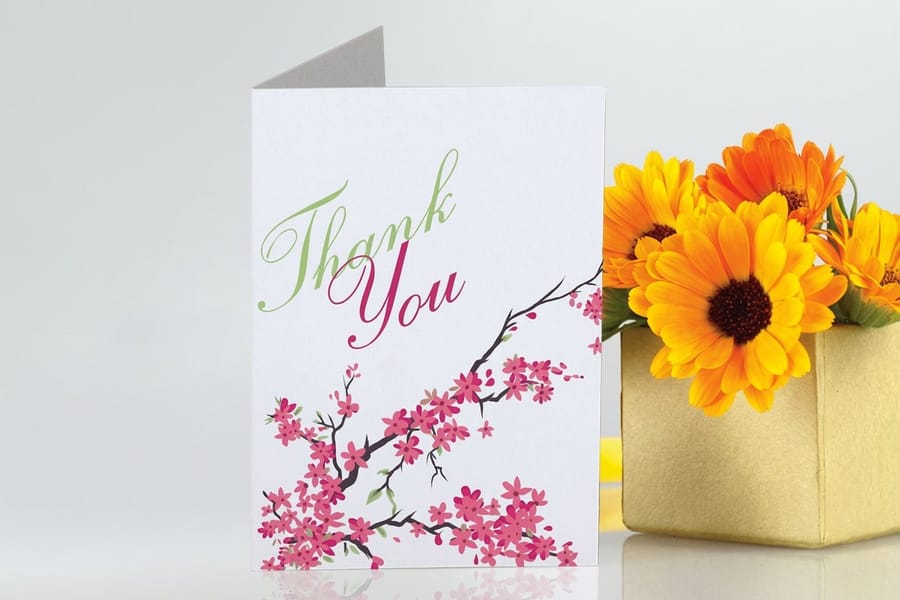
Decide the card's purpose first, then match the paper to the occasion. Use 16pt or 32pt stock for a premium feel, keep your layout to two fonts with real white space, and set the file up with a 0.125 inch bleed in CMYK at 300 DPI. Order a proof before the full run. 4OVER4.COM customers who follow these steps get greeting cards that feel like a gift and print exactly like the proof.
Why a custom greeting card lands differently
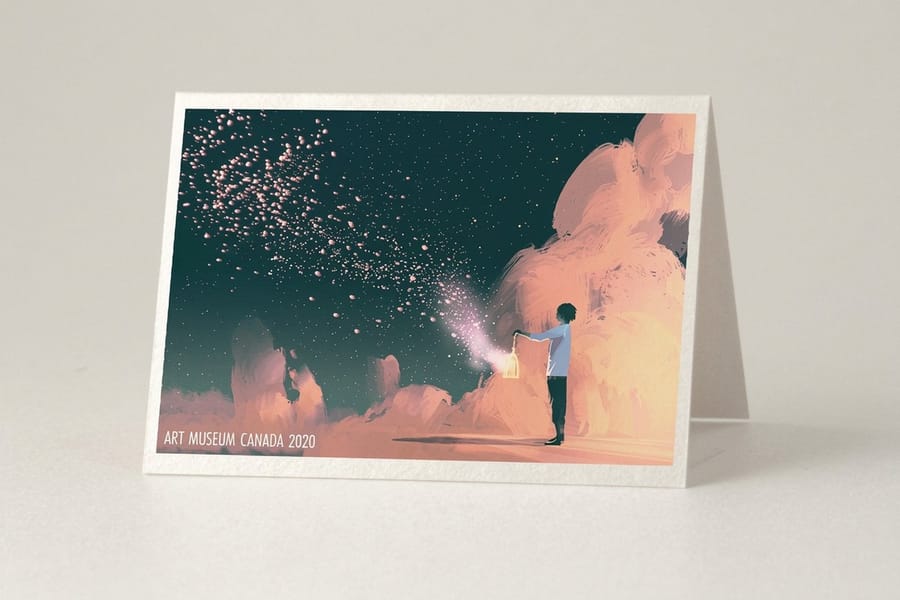
A store-bought card says a nice thing. A custom greeting card says you thought about the person, and that difference is the whole point. Whether the card marks a birthday, a holiday, a thank-you, or a quiet business touchpoint, the steps are the same and the result feels personal.
Learning how to make greeting cards comes down to three moves this guide walks through in order: choose a paper that feels good in the hand, design a layout that balances a strong image with room to breathe, then set the file up so it prints exactly the way you see it. 4OVER4.COM has printed cards for more than 150,000 businesses, so the printing side is handled once your design is ready.
You can also make a card do more than sit on a shelf. Drop in a link with the free QR code generator so the inside opens a video message, or pair the card with an unexpected keepsake like a custom magnet insert. Small touches like these are what people remember.
Start with the card's purpose and audience
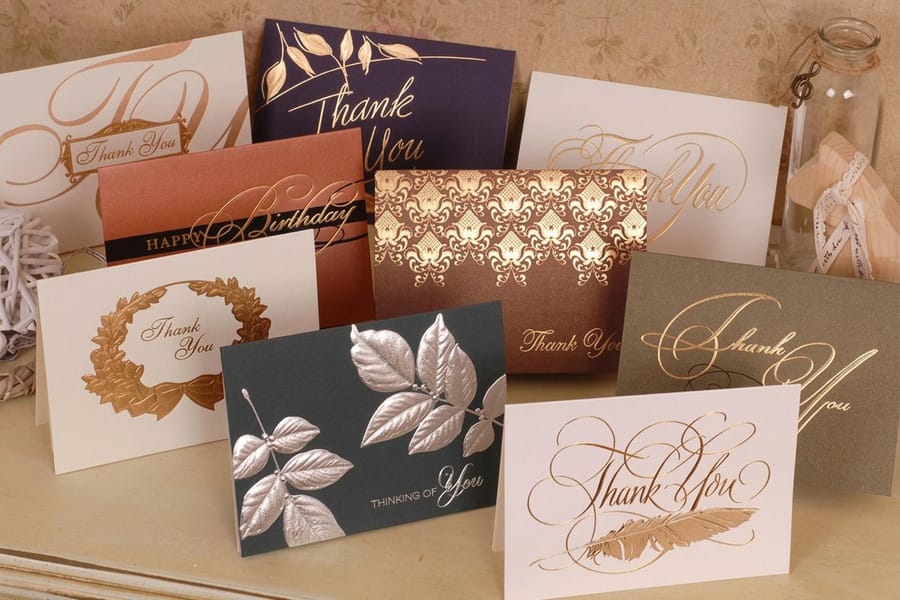
Before you open any design tool, get clear on who the card is for and what it needs to say. A birthday card for a close friend looks nothing like a holiday thank-you from your business, and that gap should be obvious the second someone picks it up. Purpose drives every choice that follows, from size and paper to imagery and tone.
Business cards lean clean and professional. Personal cards can run loud with color, hand-lettering, or a favorite photo. Event cards sit somewhere in between, so if you are designing for something like a bridal shower, browse flat bridal shower invites for layout and sizing cues you can borrow. Write down three things before you start: who receives it, what the occasion is, and the feeling you want when they open it.
Choose your card size and fold style
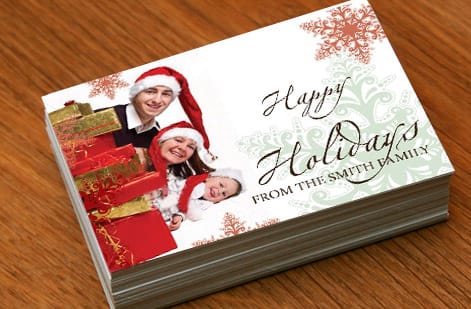
The classic greeting card is 5 by 7 inches, which fits a standard A7 envelope and leaves plenty of room for artwork and a message. A2 cards at 4.25 by 5.5 inches suit quick notes, and 4 by 6 inches is a tidy middle ground. The fold matters just as much as the size. A single fold down the center is the most common, though a flat card with no fold works well for postcards and simple announcements.
Always think about the envelope early, because the card size sets the envelope size and you want a snug fit rather than a card that slides around. Many people order matching envelopes alongside the cards so the whole set looks intentional. If you would rather build your own, our guide on how to make envelopes covers the sizing and folds step by step.
What cardstock is best for handmade greeting cards? A cover stock in the 100lb to 130lb range. 100lb cover folds cleanly by hand and still stands up on a mantel, 130lb cover gives you the weight of a store bought card. Printed, that is the same territory as 14pt for budget runs and 16pt for an everyday card. Anything lighter than 100lb cover buckles at the fold and shows the crease through the front panel.
How do I make my homemade cards look professional? Score the fold line before you fold it, run the artwork 0.125 inch past the trim so there is no white sliver at the edge, keep the inside margins even on both panels, and mail it in a matching A2, A6 or A7 envelope. Those four habits do more for the finished card than any amount of extra decoration.
Pick the right paper stock
Paper is where a greeting card moves from nice to memorable. Thin, flimsy stock feels cheap the moment it is in someone's hand, while a thick, textured sheet feels like a gift on its own. Match the weight and texture to the occasion rather than defaulting to whatever is cheapest.
- 14pt cardstock is the standard weight, about as thick as a cereal box panel, and a smart pick for budget runs or large mailings.
- 16pt cardstock steps things up and feels sturdy, close to a credit card in thickness.
- 32pt ultra-thick is premium and rigid. People prop these up on a desk instead of tossing them.
- Linen and textured stocks add a tactile, handcrafted feel even on a professionally printed card.
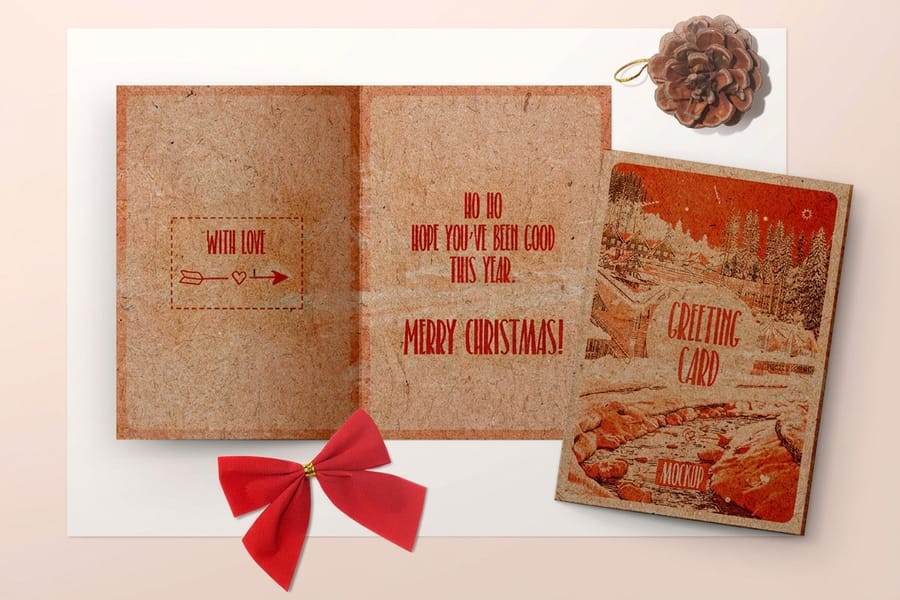
4OVER4.COM offers more than 60 paper types, so you are never stuck with the standard four. Kraft paper brings a rustic, earthy look, while pearl and metallic stocks catch the light beautifully on holiday cards. Let the occasion pick the paper.
Tools and supplies for professional looking cards
Cards made at home look homemade for one reason: the cutting and folding, not the artwork. Five supplies fix that, and none of them are exotic.
- Cardstock, 100lb or 130lb cover. 100lb cover folds by hand without a fight, 130lb cover gives you the heft of a bought card and is worth the extra effort at the fold. Printed with us that is the 14pt and 16pt range, with 32pt when the card has to stand on its own.
- A bone folder or a scoring board. Score the fold line first, then fold along the score. This is the one step that separates a crisp spine from a cracked, flaking one, and it matters more the heavier the stock gets.
- A guillotine trimmer. Scissors wander and rotary cuts drift. A guillotine trimmer gives you a square edge, so both panels line up when the card is closed and the finished size is the same on every card in the batch.
- Envelopes, sized to the card. A2 for 4.25 by 5.5 inch cards, A6 for 4 by 6 inch cards, A7 for 5 by 7 inch cards. Buy them at the same time as the stock so the white or cream tone matches instead of clashing.
- Adhesive that does not warp paper. A double sided tape runner or a dry adhesive for photos, vellum and layered panels. Wet glue swells the fibers, the card dries wavy, and it never lies flat in the envelope again.
If you would rather not score, trim and fold a whole run by hand, professional greeting card printing does all three in house on any of the 60 plus stocks.
Design your artwork
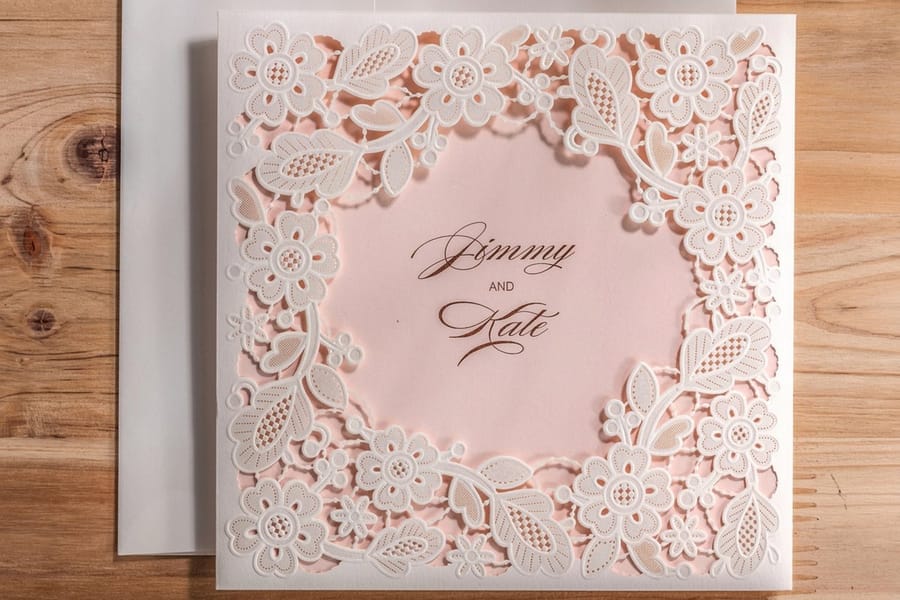
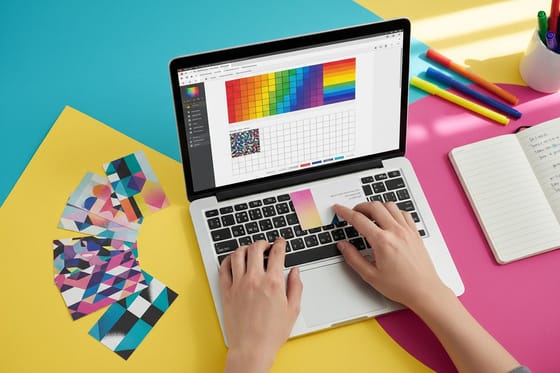
This is where the creative part kicks in, and you have a few paths depending on how comfortable you are with design. The fastest route is a template. 4OVER4.COM provides ready-to-customize greeting card templates and kraft greeting card templates that handle the layout, bleed lines, and safe zones for you, so you just swap in your text, photos, and colors.
If you want full control, tools like Canva, Adobe Illustrator, or InDesign let you build from scratch. Set the document to the correct dimensions with a 0.125 inch bleed on every side, work in CMYK color mode for accurate print color, and keep important text at least 0.25 inch from the trim edge. Prefer a true handmade feel? Sketch on paper, scan at 300 DPI, and clean it up digitally, which works beautifully for watercolor, ink, or calligraphy. The same instincts carry over from learning how to make flyers, where strong visuals, clear hierarchy, and readable text do the heavy lifting.
A few habits separate good cards from great ones. Leave breathing room instead of cramming every inch. Limit yourself to two fonts, one for headings and one for body. Use images at 300 DPI or higher so nothing prints blurry, and give the inside as much thought as the front, because that is where your message actually lives. If you would rather design in the browser, the online designer takes you from a blank card to print-ready in one place.
Add the finishing touches
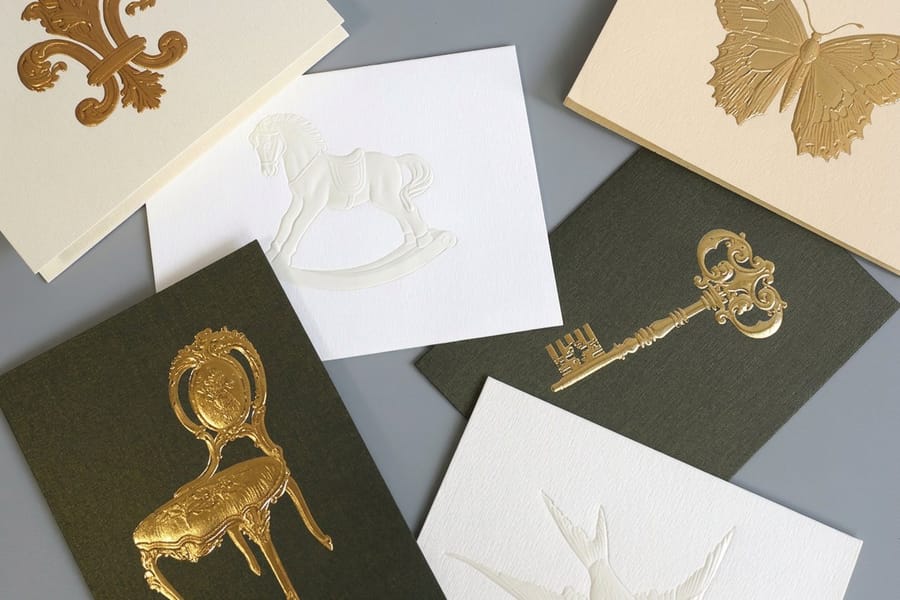
Finishes are what turn a printed card into something special. A matte finish gives a soft, smooth surface with no glare, which suits sympathy cards, formal invitations, and minimalist designs. A gloss finish makes color pop and adds a light shine that flatters photo-heavy or bright holiday cards. Soft-touch lamination lands somewhere richer, with a velvety texture that people cannot stop running a thumb across.
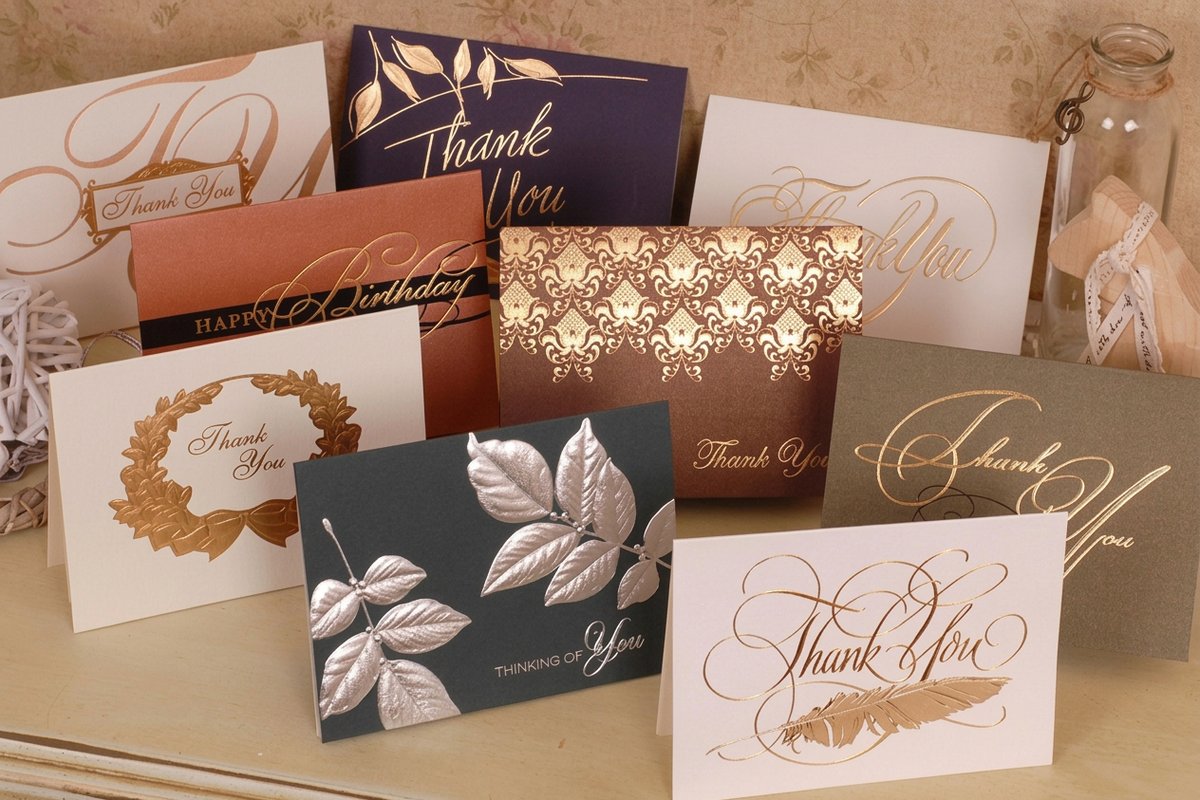
From there you can layer on accents. Spot UV coating highlights a single element, like a glossy logo sitting on an otherwise matte card. Foil stamping in gold or silver adds a genuine metallic shine for a luxury feel. If you reach for rubber stamps to add a hand-finished mark, our guide on how to clean rubber stamps keeps them crisp between uses.
What makes a greeting card look professional
Six checks, run before the card goes in the envelope. Miss one and the card reads as homemade no matter how good the artwork is.
- Score before you fold. A scored crease folds straight and the ink sitting on it will not crack or flake open along the spine.
- Bleed the artwork off the edge. Carry the background and any photo 0.125 inch past the trim on all four sides, so the trimmed card has color right to the edge instead of a white hairline down one side.
- Use 100lb cover or heavier. 16pt and 32pt hold their shape standing on a shelf. Lighter sheets curl in a warm room and go soft at the fold.
- Match the envelope to the card. A2 for 4.25 by 5.5 inches, A6 for 4 by 6 inches, A7 for 5 by 7 inches, in a shade that belongs with the stock rather than fighting it.
- Keep the interior margins even. The same space left and right of the inside message, text no closer than 0.25 inch to the trim, and the message sitting where the eye lands when the card opens.
- Hold one type treatment. Two fonts at most, the same alignment on the front and inside, one size for headings and one for body. Consistency is what reads as printed rather than pieced together.
For a full run where every card has to come out identical, professional greeting card printing handles the scoring, trimming and finishing for you.
Set up your print file correctly
This is where most do-it-yourself card makers hit trouble, because a design that looks perfect on screen can arrive with white edges or clipped text. A few rules keep that from happening. Extend your background and images 0.125 inch past the trim on all sides for bleed, and keep every bit of text and any important element at least 0.25 inch inside the trim in the safe zone.
- Color mode: convert everything to CMYK, since the RGB colors your screen shows often shift in print.
- Resolution: 300 DPI at minimum, with no exceptions.
- File format: export a PDF, which preserves fonts, color, and layout better than anything else.
If you have ever set up a folded piece before, like when learning how to fold a brochure, this will feel familiar. The panels need the right order and the fold lines need to be marked clearly so the finished card reads the way you planned.
Print, proof, and review
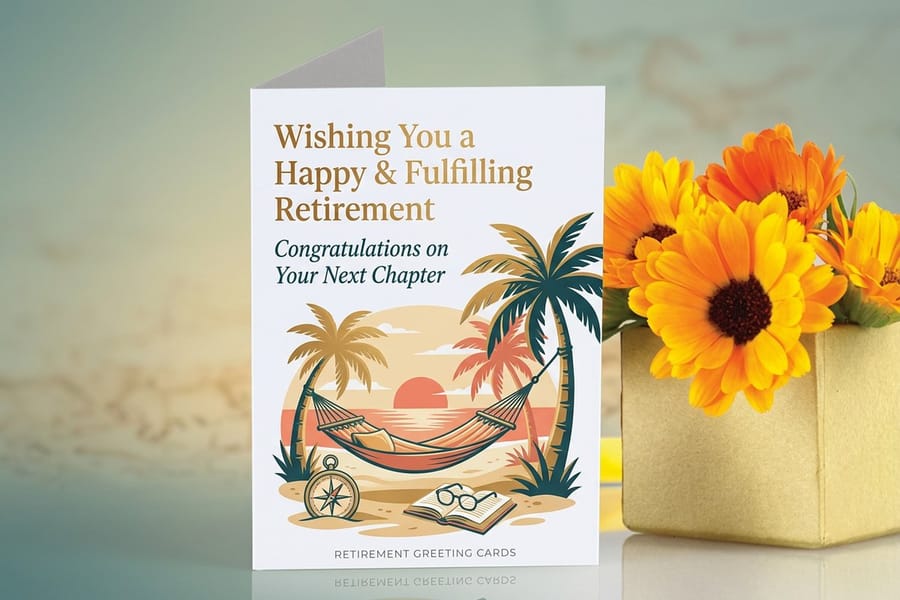
With the file ready, upload it, select your paper stock and finish, choose a quantity, and order a proof. Always review that proof rather than trusting the screen. Check for typos, color accuracy, and alignment, and ask someone else to read it too, because a fresh pair of eyes catches the mistake you have stopped seeing.
4OVER4.COM ships with a 99.8% on-time delivery rate, so once you approve the proof, the cards arrive when you expect them. For more step-by-step walkthroughs on dozens of print products, the guide hub is the place to browse next.
Mistakes that ruin greeting cards
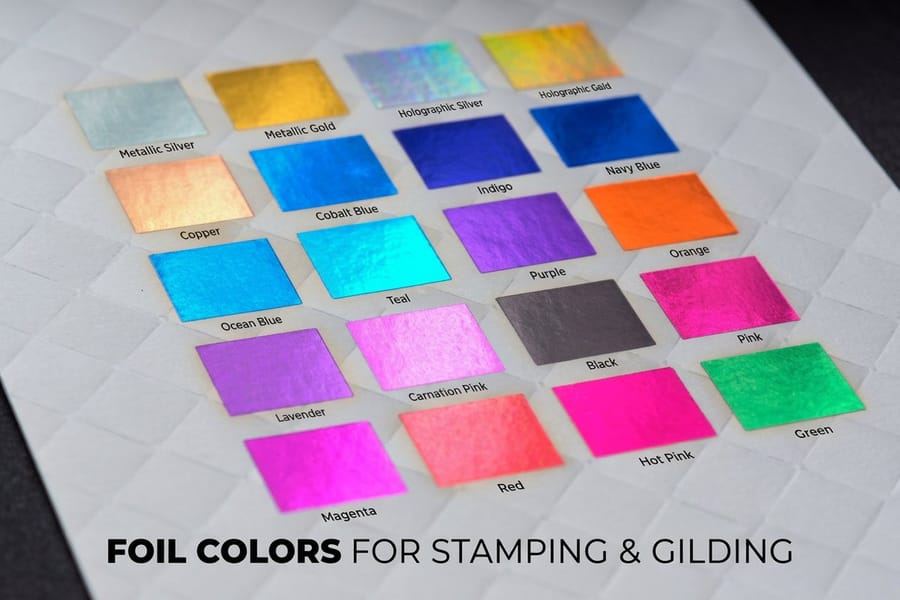
Even seasoned designers slip up on greeting cards, and the same handful of mistakes show up again and again. Ignoring bleed and safe zones is the big one. A design looks flawless on screen, then lands with text cut off or thin white edges where the blade fell, so set bleed at 0.125 inch and keep text inside the safe zone every time.
Designing in RGB instead of CMYK is the next trap. That bright neon green on your monitor can print as a dull olive, so convert to CMYK before you export. Two more worth naming: choosing the wrong paper for the moment, like a glossy, colorful stock on a sympathy card, and overcrowding the layout when one strong image and a short, heartfelt line would land harder.
Last, never skip the proof. Catching a typo before you print 500 cards saves money and a fair bit of embarrassment. A quick review is the cheapest insurance in the whole process.
Choosing the right greeting card product
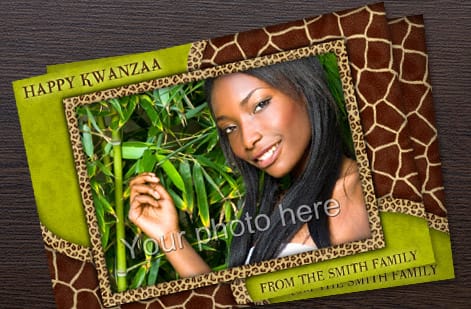
Once you know how to make greeting cards, the last decision is which product brings the design to life. 4OVER4.COM runs several options, from classic flat and folded greeting cards to premium majestic greeting cards with foil and lamination, and eye-catching 3D lenticular greeting cards that add motion and depth.
If your cards tie into an event, the wider invitations printing collection keeps everything on brand and helps you stock up for recurring occasions at a lower per-unit price. Browse the full greeting cards range to compare stocks, finishes, and sizes side by side before you order.
Wally explains greeting cards
Paper and finish do the talking before anyone reads a word
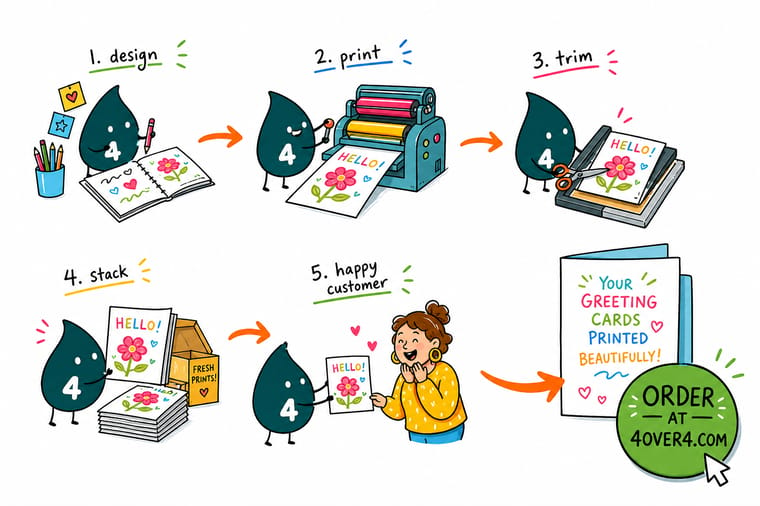
Wally treats a greeting card like a tiny gift: the weight of the stock and the feel of the finish carry the message before your handwriting ever does. Pick a 16pt or 32pt paper, add a matte or soft-touch finish, and leave room to breathe on the layout. When the design is ready, 4OVER4 prints it in CMYK with a real proof so the card in the mailbox looks exactly like the one on your screen.
Order greeting cards →Specs and pricing
Custom greeting card specs and pricing
Here is what a made-to-order greeting card gives you at 4OVER4.COM, with live specs and price-per-unit pulled straight from the configurator.
| Quantity | Price Per Unit | Total |
|---|---|---|
| 50 | $1.12 | $56.02 |
| 100 | 78.0¢ | $77.99 |
| 200 | 50.0¢ | $99.95 |
| 300 | 40.6¢ | $121.92 |
| 400 | 36.0¢ | $143.89 |
| 500 | 33.2¢ | $165.86 |
| 600 | 31.9¢ | $191.12 |
| 700 | 30.9¢ | $216.38 |
Print it
Order greeting cards at 4OVER4
See it in use
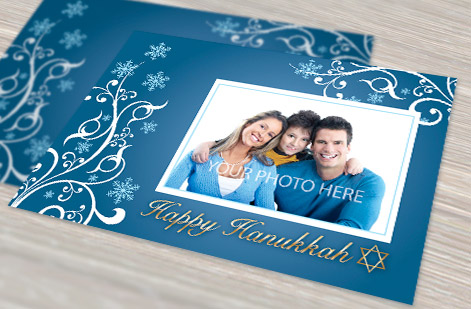
Real greeting card work, printed in-house


Explore more
Where to go next
By the numbers
Printing you can count on at 4OVER4
Common Questions
Common questions about making greeting cards
What's the best paper thickness for greeting cards?
For most greeting cards, 16pt cardstock hits the sweet spot between quality and cost. It feels sturdy and professional in the hand. If you want a premium, gift-like feel, go with 32pt ultra-thick stock. For large-quantity mailings on a budget, 14pt works fine.
Can I print greeting cards with my own artwork or photos?
Yes. Upload your own design as a print-ready PDF at 300 DPI in CMYK color mode, with a 0.125 inch bleed on all sides. 4OVER4.COM also offers templates if you would rather start with a pre-built layout and customize from there.
What size should I make my greeting cards?
5 by 7 inches is the most popular greeting card size. It fits standard A7 envelopes and gives you plenty of room for artwork and a message. Smaller A2 cards at 4.25 by 5.5 inches work well for short thank-you notes or quick personal messages.
How do I add a QR code to my greeting card?
Use the free 4OVER4.COM QR code generator to create a code that links to a video message, website, or digital gift. Place it on the back of the card or inside near your written message. Keep the QR code at least 1 by 1 inch so phones can scan it easily.
What's the difference between matte and gloss finish on greeting cards?
Matte finish has no shine and feels smooth and understated, which is ideal for elegant or formal cards. Gloss finish reflects light and makes colors appear more vivid, so it suits photo cards and bright holiday designs. Soft-touch lamination adds a velvety texture that feels premium.
How long does it take to get greeting cards printed and delivered?
4OVER4.COM maintains a 99.8% on-time delivery rate. Standard turnaround is typically a few business days depending on quantity and finishing options, and rush or same-day printing options are available for tight deadlines.
Get Started
Ready to print your greeting cards?
Pick a size, choose your paper and finish, upload your design or start from a template, and we print cards that feel like a gift.
Legal Disclaimer
Gold Standard guarantees apply to all standard orders placed through 4over4.com. Price match requires verifiable proof of a competitor's published price for an equivalent product with matching specifications and turnaround time. Satisfaction guarantee covers manufacturing defects and print quality issues. Contact support with order number and documentation. On-time delivery rate based on tracked orders 1999 to 2026. Individual results may vary based on shipping carrier performance.
