Quick Takeaways for Making Scratch Off Cards
Scratch off cards turn ordinary printed pieces into interactive experiences. You'll need a solid card stock base, your hidden message or prize printed underneath, and a scratch-off coating applied on top. 4OVER4 has printed over 10 billion cards for 150,000+ businesses, so the process is well-tested. Whether you're building a promotional game, a fundraiser reveal, or a loyalty reward, the steps below walk you through every detail.
Why Scratch Off Cards Work - and How to Make Your Own
Scratch off cards tap into something simple: people love surprises. That little silver panel hides a discount, a prize, or a personal message, and the act of scratching it off creates a moment of excitement no QR code or email can match. Learning how to make scratch off cards doesn't require a design degree. It does require understanding the right materials, print setup, and coating process.
This guide breaks down every step, from designing your hidden layer to choosing the right card stock and applying the scratch-off material. If you've ever explored projects like creating Custom Magnets Faq or figuring out How To Make Envelopes, you already know that print projects reward careful planning. You can start your layout using 4OVER4's Design Templates or build something from scratch in the Online Designer.
Below, you'll find card options that work perfectly as a base for scratch off projects.
"Appointment Cards /5"
| Quantity | Price Per Unit |
|---|---|
| 100 | $0.18 |
| 4,000 | $0.03 |
| 35,000 | $0.02 |
| 100,000 | $0.02 |
Ink Color
Finish
Rounded Corners
Total Sets
Proof Options
Step-by-Step: Building Scratch Off Cards from Design to Finish
Understanding What Goes Into a Scratch Off Card
A scratch off card has three layers. The base layer is your card stock - thick, sturdy, and printed with your brand design on the front and back. The hidden layer sits on top of the base. This is where your prize, message, or code gets printed. The scratch-off coating covers the hidden layer, concealing it until someone scratches it away with a coin or fingernail.
That's the anatomy. Simple in concept, but each layer needs to be handled correctly or you'll end up with cards that scratch too easily, don't scratch at all, or look sloppy. Let's walk through each piece.
Step 1: Choose Your Card Stock
Your card stock is the foundation. Thin paper won't hold up to scratching - it'll bend, tear, or look cheap. Go with a minimum of 14pt card stock. If you want something that feels big in someone's hand, 16pt or 32pt is even better. Thicker stock signals quality and holds the scratch-off coating more reliably.
A matte or uncoated finish on the area where the scratch coating will be applied gives the coating something to grip. Glossy surfaces can cause adhesion problems. If you want a glossy look everywhere else on the card, you can use spot UV or gloss coating on specific areas while leaving the scratch zone matte.
For related print projects that use heavy card stock, check out 3D Postcards - they show what thick, premium stock can do for a printed piece.
Step 2: Design the Hidden Layer
This is the fun part. The hidden layer is what your customer reveals when they scratch. It could be a discount code ("20% OFF"), a prize announcement ("YOU WON!"), a personal message, or a unique serial number for tracking.
Design tips for the hidden layer:
- Use bold, large fonts - the text needs to be readable even if the scratch coating doesn't come off perfectly clean around the edges
- High contrast colors work best. Black text on a white or bright background pops immediately
- Keep the hidden area a defined shape - circle, rectangle, or rounded rectangle. Irregular shapes make coating application harder
- Leave at least 3mm of margin between the hidden text and the edge of the scratch area
If you're running a promotion with multiple prize tiers, plan your print run carefully. Decide how many "winner" cards versus "try again" cards you need before you send files to print. You can't change the ratio after the hidden layer is printed.
Step 3: Design the Visible Card Face
The visible side of your scratch off card needs to do two things: look professional and clearly communicate what the card is for. Don't make people guess. A clear headline like "Scratch to Reveal Your Prize" or "Your Surprise Is Hiding Below" tells the recipient exactly what to do.
Include your logo, brand colors, and any terms or conditions in small print. If it's a promotional card, add an expiration date and redemption instructions. If it's a fundraiser scratch card, include the organization name and cause.
Your file should be set up in CMYK color mode at 300 DPI minimum. Include bleed (typically 0.125" on all sides) and keep critical text inside the safety zone. These are standard print-ready requirements. If you're new to setting up print files, the Faq Hub has walkthroughs for file preparation across different product types.
Step 4: Apply the Scratch-Off Coating
This is where scratch off cards diverge from regular printed cards. The scratch-off coating is typically a silver or gold metallic ink applied over the hidden message area. There are two main approaches:
Professional printing method: A screen-printed or digitally applied opaque metallic ink covers the hidden area. This is what commercial printers use. The coating is applied as a spot layer, meaning it only covers the defined scratch zone. It's precise, consistent, and durable. 4OVER4 handles this type of specialty coating for business clients who need professional-grade results.
DIY method (small batches): For small quantities or prototypes, you can use scratch-off sticker labels. These are pre-made adhesive circles or rectangles with the silver scratch coating already on them. You print your cards normally, then peel and stick the scratch-off labels over the hidden message. It works, but it's not as clean or durable as professional coating. The edges of the sticker are visible, and they can peel off prematurely in humid conditions.
For anything beyond a handful of cards, professional printing is worth it. The finish looks sharper, the coating stays put, and you avoid the tedious hand-application process.
Step 5: Test Before You Print the Full Run
Always request a proof or print a small test batch first. Scratch it. Does the coating come off cleanly? Can you read the hidden message clearly? Does the coating scratch off too easily just from handling? These are problems you want to catch before printing 5,000 cards.
Check that the coating is fully opaque. Hold the card up to a light. If you can see the hidden text through the scratch layer, the coating is too thin. This ruins the surprise and makes the card useless for promotions.
Step 6: Plan Your Distribution
Scratch off cards work across dozens of scenarios. Here are a few that get real results:
- Retail promotions: Hand them out at checkout. "Scratch to see your discount on your next visit." Drives repeat traffic
- Event giveaways: Trade shows, grand openings, product launches. Everyone loves a scratch card at a booth
- Direct mail campaigns: Include a scratch card in your mailer. It practically guarantees the recipient interacts with your piece instead of tossing it
- Fundraisers: Sell scratch cards at a set price ($5 each) with prizes hidden underneath. Simple, effective, and fun
- Employee rewards: Quarterly scratch cards for team members with prizes ranging from gift cards to extra PTO
If you're building a broader marketing campaign, scratch off cards pair well with other printed materials. Consider how they'd work alongside projects like How To Make Flyers or How To Fold A Brochure for a multi-touch approach.
Choosing the Right Size and Shape
Standard scratch off cards are typically the size of a business card (3.5" x 2") or a postcard (4" x 6"). Business card size works well for in-person handouts and point-of-sale distribution. Postcard size gives you more room for branding, instructions, and a larger scratch area.
Custom die-cut shapes are an option too. A scratch card shaped like a ticket, a gift tag, or your product silhouette stands out. Just keep in mind that custom shapes cost more and require a die-cut setup.
Print Finishes That Complement Scratch Off Cards
The area around your scratch zone can feature premium finishes. Spot UV adds a glossy raised texture to specific design elements. Soft-touch lamination gives the card a velvety feel that people notice immediately. Foil stamping adds metallic accents to your logo or headline.
These finishes make the card feel like something worth keeping, even after the scratch area has been revealed. That means your brand stays in someone's wallet or on their desk longer. For inspiration on specialty print finishes, you might explore resources like How To Clean Rubber Stamps for understanding how different materials interact with ink and coatings.
"We ordered scratch off cards for our restaurant's anniversary promotion. The 16pt stock felt sturdy and the silver coating scratched off perfectly clean. Customers loved them - we saw a 30% redemption rate."
Below you'll find card templates that can serve as a starting point for your scratch off card design.
Blank Templates
Mistakes That Ruin Scratch Off Cards (and How to Dodge Them)
Using thin paper stock. Anything under 14pt bends when scratched and feels flimsy. Go thicker. Your recipients will scratch with coins, keys, even fingernails pressed hard. The card needs to survive that.
Skipping the opacity test. If your scratch coating isn't fully opaque, people can see the hidden message before scratching. Hold every proof up to bright light before approving the full run.
Making the scratch area too small. Tiny scratch zones are frustrating. People's fingers slip, they scratch outside the lines, and the reveal feels anticlimactic. Give the scratch area at least 1" x 1" minimum.
Forgetting redemption instructions. A scratch card that says "You won 15% off!" but doesn't explain how or where to redeem it is a wasted opportunity. Include clear next steps on every card.
Not planning prize distribution. When learning how to make scratch off cards for promotions, map out your winner-to-loser ratio before printing. 4OVER4 prints cards in the order your files are submitted, so randomize your hidden layer files yourself.
"First batch we made, the scratch coating was see-through under fluorescent lights. Lesson learned - always test opacity. Second batch through 4OVER4 was flawless."
Card Products That Work as Scratch Off Bases
The best scratch off cards start with a solid printed card. 4OVER4 offers card products on heavy stock that hold up to scratch-off coatings. If you want to test the waters, grab a set of Free Business Cards to experiment with your design before committing to a large order. Need them fast? Same Day Printing gets cards out the door quickly.
For larger promotional runs, Free Business Cards also let you prototype different hidden message layouts without spending a dime on test prints.
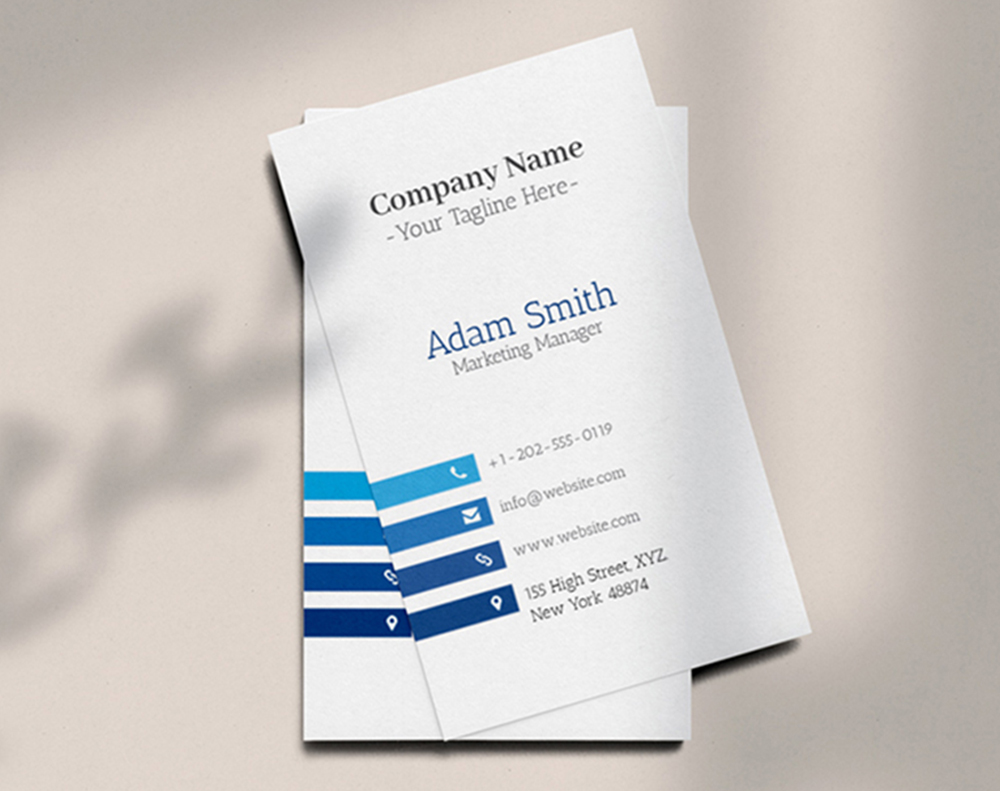
Here's a look at pricing and specs for card products that pair well with scratch off projects.
Free Cards Templates
Ink Color
Finish
Rounded Corners
Total Sets
Proof Options
"Ordered how to make scratch off cards from 4OVER4 and the quality blew me away. Sharp colors, premium feel, arrived 2 days early."
"Been using 4OVER4 for how to make scratch off cards for a year. Consistent quality every time. The online designer made it easy."
"Switched to 4OVER4 and saved 40% on how to make scratch off cards. Better quality than my old printer. 60+ paper options."
"4OVER4's how to make scratch off cards helped us look more professional. Clients notice the difference."
Scratch Off Card Questions, Answered
What material do I need for the scratch-off coating?
Professional scratch off cards use a screen-printed metallic ink, usually silver or gold. For DIY projects, you can buy pre-made scratch-off sticker labels that peel and stick over your hidden message. The professional method gives a cleaner finish and better durability.
Can I print scratch off cards at home?
You can print the base card and hidden message at home on heavy card stock, then apply adhesive scratch-off labels over the hidden area. For anything over 50 cards, professional printing saves time and looks a lot better.
What card thickness works best for scratch off cards?
14pt card stock is the minimum. 16pt and 32pt are better choices. Thicker stock resists bending during scratching and feels more premium in the hand. Think credit card thickness or heavier.
How do I make sure the hidden message stays hidden?
Test opacity by holding your proof under bright light and fluorescent lighting. The scratch coating should completely block the text underneath. If you can read even a shadow of the message, the coating layer is too thin.
How many scratch off cards should I order for a promotion?
Plan for 10-20% more cards than your expected audience. Not everyone will participate, but running out creates a worse impression than having extras. Most businesses order 500-5,000 cards per promotion cycle.
Can scratch off cards be mailed?
Yes. Scratch off cards on 14pt or thicker stock mail well. Use a protective sleeve or envelope so the scratch coating doesn't get accidentally scratched during transit. Postcard-sized scratch cards meet USPS mailing requirements when properly formatted.
"We mailed 2,000 scratch off cards for our salon's summer promo. The response rate blew our email campaigns out of the water. People actually kept them in their purses until they came in."