
How to Remove Sticker Residue


Sticky residue that will not budge is a question about the surface underneath. Glass takes a solvent, wood does not, and that is the whole decision.
Remove sticker residue by matching the method to the surface. Glass takes a warm soapy soak then a razor scrape, hard plastic takes rubbing alcohol, sealed wood takes a warm oil, and fabric takes a freeze then a peel. Start gentle, test a hidden spot first, and add heat for stubborn glue. Better still, print on removable stock so it peels clean next time.
Start here
Match the method to the material
Three things take sticker residue off: heat, oil and isopropyl alcohol, tried in that order. Warm the glue with a hair dryer, work a cooking oil into whatever is left, then wipe the rest away with rubbing alcohol. From there, match the method to the surface and work gentle to strong. Glass takes a warm soapy soak and a razor, hard plastic takes rubbing alcohol, sealed wood takes a warm oil, and fabric takes a freeze then a peel. Test a hidden spot first, keep harsh solvents off plastics and paint, and warm stubborn glue with a hair dryer before you reach for force. The lasting fix is a removable or low-residue stock that peels clean. The matrix below maps each surface to its method.
Removal methods by surface
Sticker residue is not one problem, it is a different problem on every surface, because the surface underneath decides everything. Use the wrong method and you can cloud plastic, dull paint, or smear glue deeper into fabric. Match the method to the surface and it lifts off in minutes.
Glass and windows
On glass, soak the residue in warm soapy water to soften the adhesive, then lift it with a flat razor blade held at a low angle. Glass is the one surface that takes a blade, because it is harder than the steel is. Keep the glass wet the whole time, keep the angle shallow, and push in one direction instead of scrubbing back and forth.
Hard plastic
On hard plastic, skip the razor and use rubbing alcohol on a cloth, which cuts the glue without scratching. Let the alcohol sit on the residue for a minute so it can work into the adhesive, then rub in small circles with a soft cloth. Nail polish remover is not a substitute here, because the acetone in it clouds and softens plastic.
Clothes and fabric
On fabric, freeze the item so the adhesive hardens, then peel it off in a single piece. An hour in the freezer inside a bag is usually enough for a garment. Whatever is left goes with rubbing alcohol dabbed through the back of the fabric onto a paper towel, then a normal wash.
Metal
Bare metal is the forgiving one. Warm the residue with a hair dryer, wipe it while it is still soft, then clear the haze with rubbing alcohol. On brushed or anodized finishes, wipe with the grain and stay away from abrasive pads, because the scratch pattern they leave is more obvious than the glue ever was.
Painted and sealed wood
On sealed wood, work a warm cooking oil into the residue and wipe it away, dissolving the glue while sparing the finish. Give it five minutes to soak before the first wipe, and finish with a drop of dish soap on a damp cloth so the surface is not left greasy. Unsealed wood is a different job: do not soak it at all, because water raises the grain.
Car paint
Car paint is clear-coated, so heat and oil do the work and a blade never touches it. Warm the residue with a hair dryer, roll it off with your thumb or a plastic trim tool, lift the rest with oil or a purpose-made automotive adhesive remover, then wash the panel and re-wax the spot so the finish is even again.
Laptops and electronics
On a laptop lid, a screen bezel or a painted case, nothing gets poured. Dampen a cloth with rubbing alcohol away from the device, wipe the residue with the cloth rather than the surface, and keep every drop clear of seams, ports and speaker grilles.
The pattern across every one of them is the same: start gentle, and let the surface guide the tool. The matrix above lines up each surface with its safest method so you can find yours at a glance.
What to avoid, and how to work up
The golden rule is to start with the gentlest method and only escalate if you must. Warm soapy water first, then rubbing alcohol or a warm oil, then a stronger solvent as a last resort on surfaces that can take it. Jumping straight to a harsh solvent risks damage you cannot undo.
Keep acetone and aggressive solvents away from plastics and painted finishes, where they can cloud, melt, or strip the surface. Avoid soaking anything that water can warp, like unsealed wood or paper-backed materials. And always test your chosen method on a hidden patch before you treat a spot people will see.
When adhesive is old and stubborn, reach for heat before force. A hair dryer warms and softens baked-on glue so the surface method works on the second pass, saving you from scratching and scrubbing at a hard, set residue.
Which household products actually work
| What you have | What it does | Safe on | Keep it off |
|---|---|---|---|
| Rubbing alcohol (isopropyl) | Dissolves most adhesive within a minute and evaporates without a film | Hard plastic, glass, metal, sealed surfaces, fabric dabbed from the back | Painted or varnished surfaces you have not spot tested |
| White vinegar | Softens light, fresh residue and cuts the sticky film left behind | Glass, ceramic tile, most hard plastic | Natural stone and unsealed wood, which it etches and swells |
| Cooking oil | Soaks into the glue and floats it off without touching the finish | Sealed wood, painted surfaces, car paint, plastic | Fabric and paper, which absorb it and stain |
| WD-40 | Breaks down old, baked-on adhesive faster than anything else in the cupboard | Metal, glass, tools | Fabric always, and plastic or clear coat unless you test a hidden patch first |
| Citrus adhesive remover | Purpose-made solvent for residue the gentle methods will not move | Glass, metal, sealed wood, most hard plastic after a test patch | Screens, unfinished wood and anything porous |
| Baking soda paste | Mild abrasive that clears the last haze once the glue is already soft | Glass, stainless steel, ceramic | Gloss paint, plastic, screens and any polished finish that marks |
Two habits go with all of them: wet the cloth, not the object, and stop the moment the residue starts to move. Nothing on this list needs pressure to work.
The real fix: residue-free stocks
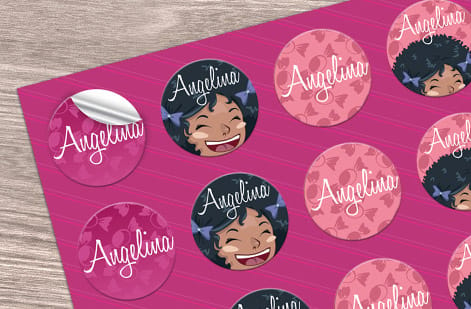
Every method above is a cure. The prevention is choosing the right stock in the first place. A removable or low-residue adhesive is engineered to peel away clean, leaving nothing to scrub, which is exactly what you want for anything temporary: window promos, product samples, wall graphics, and seasonal labels.
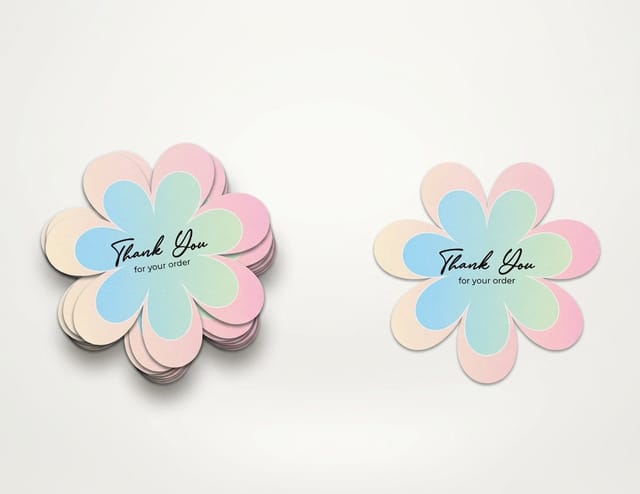
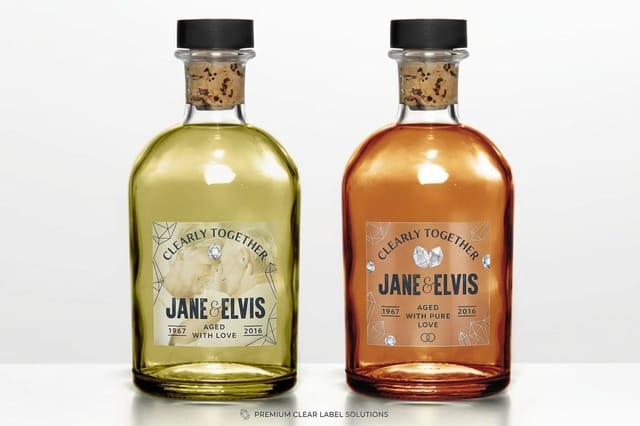
At 4OVER4, that choice is built into the order. Our premium stickers and die-cut stickers offer materials that lift clean, and our clear labels come in removable options so jars, bottles, and packaging can be relabeled without a sticky mess.
Pick the stock by how long the sticker has to stay put. A window promo or a shelf talker that changes every month wants a removable adhesive on premium stickers or die-cut stickers. A jar, bottle or box you expect to relabel wants a removable clear label. Anything that has to survive a season outdoors stays permanent, because a removable adhesive left to bake in the sun stops being removable.
Choosing a removable stock usually costs no more than a permanent one, so if you know a sticker or label will come off later, it is the easy call. The configurator prices removable and permanent side by side, and the live specs and pricing panel further down this page lists the exact materials and the price per unit. Our guide on choosing sticker material walks through when a removable adhesive is the right fit.
Order stickers that peel clean
If sticker residue keeps costing you afternoons with a razor, the answer is not a better solvent, it is a better sticker. Order your next run on a removable or low-residue stock and the problem disappears at the source.
Pick your material, size, and finish, and choose a removable adhesive where you know the sticker or label is temporary. Keep permanent stock for the things meant to stay, and reserve removable for windows, promotions, samples, and anything you will peel later.
Use the live specs and pricing below to compare materials and see how a removable option prices against a standard one for custom stickers at 4OVER4.COM. Print it right once, and skip the scrubbing for good.
Wally peels it clean, then prevents it
Right method now, right stock next time
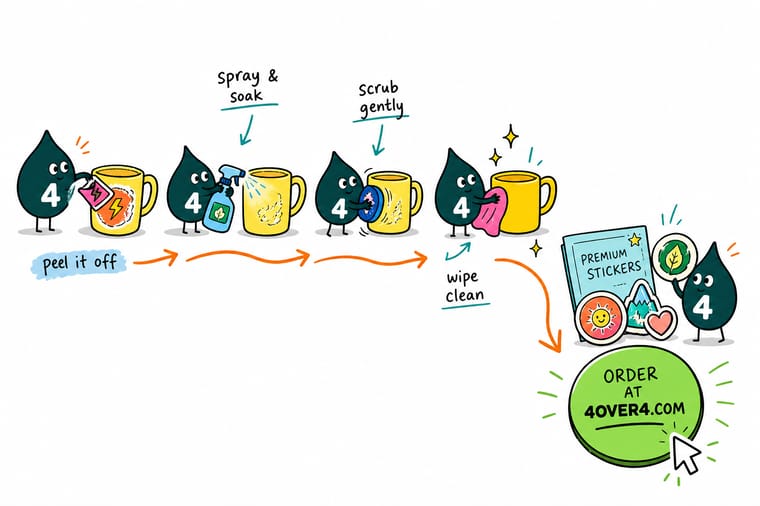
Wally matches the method to the surface: a soak and a razor on glass, alcohol on plastic, warm oil on wood, a freeze on fabric. He starts gentle and tests a hidden spot first. But the real Wally move is prevention, printing on a removable or low-residue stock so the next sticker lifts off clean with nothing to scrub.
Order clean-peel stickers →Quick reference
Residue removal by surface, at a glance
Find your surface, use its method, and start with the gentlest option that works.
| Surface | Method | Why it works |
|---|---|---|
| Glass | Soak, then razor scrape | Warm soapy water softens the glue, and a flat razor lifts the rest cleanly from a hard surface. |
| Hard plastic | Rubbing alcohol | Alcohol on a cloth cuts adhesive without the scratching or clouding harsh solvents cause. |
| Sealed wood | Warm oil, then wipe | A warm cooking oil dissolves the glue while protecting the finish, unlike water or solvent. |
| Fabric | Freeze, then peel | Cold hardens the adhesive so it lifts off in a piece instead of smearing into the weave. |
| Stubborn glue | Heat then re-treat | A hair dryer softens aged adhesive so the surface method works on the second pass. |
| Next time | Removable stock | A removable or low-residue sticker stock peels clean and leaves nothing to scrub. |
Step by step
Remove sticker residue in 7 steps
- Identify the surface Name what the residue is stuck to, since glass, plastic, sealed wood, and fabric each want a different method. The surface decides the approach.
- Test a hidden spot Before you treat a visible area, try your chosen method on an out-of-sight patch to be sure it does not dull, cloud, or lift the finish.
- Start with warm soapy water Soak or wet the residue with warm soapy water first, since the gentlest method often loosens fresh adhesive on its own.
- Step up to alcohol or oil If water is not enough, move to rubbing alcohol on hard plastic or a warm oil on sealed wood, working it in with a cloth.
- Add heat for stubborn glue For aged or baked-on residue, warm it with a hair dryer to soften the adhesive, then repeat the surface method.
- Scrape and clean carefully On glass, lift the softened glue with a flat razor at a low angle, then wash the area so no oily film is left behind.
- Switch to removable stock next time Order removable or low-residue sticker and label stocks so future stickers peel clean and skip the scrubbing entirely.
Specs and pricing
Premium sticker specs and live pricing
Print on a removable or low-residue stock and residue never happens. Premium stickers ship in 3 business days on repositionable vinyl.
| Quantity | Price Per Unit | Total |
|---|---|---|
| 1 | $29.16 | $29.16 |
Print it
Order stickers that peel clean at 4OVER4
See it in use
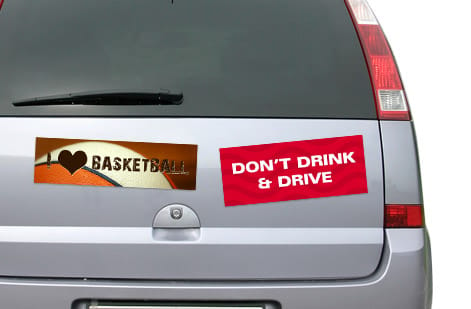
Sticker jobs our customers ordered, adhesive and all

Explore more
Where to go next

By the numbers
The sticker side of a 25 year old print shop
Common Questions
Common questions about sticker residue
What is the best way to remove sticker residue?
The best method depends entirely on the surface. On glass, soak the residue in warm soapy water, then lift it with a flat razor blade at a low angle. On hard plastic, use rubbing alcohol on a cloth, since it cuts adhesive without scratching or clouding. On sealed wood, work a warm cooking oil into the residue and wipe it away, which dissolves the glue while protecting the finish. On fabric, freeze the item so the adhesive hardens, then peel it off in a piece. Across all of them, start with the gentlest method, test a hidden spot first, and add heat from a hair dryer to soften stubborn, aged glue before you try again.
What is the surface under the residue?
Start by identifying the surface and how delicate it is, then work from gentle to strong. Warm soapy water is the safest first try on almost anything hard. Move to rubbing alcohol for plastics and glass, or a warm oil for sealed wood and finishes that water might not touch. Reserve stronger solvents for glass and metal where they will not cause damage, and keep harsh acetone away from plastics and painted surfaces. Heat loosens aged adhesive on any surface, so a hair dryer is a useful first step before scrubbing. When in doubt, test on a hidden area before treating anything visible.
What does it cost to avoid sticker residue, and how are sticker prices set?
The cheapest way to avoid residue is to print on the right stock from the start, and choosing a removable or low-residue material usually costs no more than a standard one. Sticker and label prices then scale with the usual levers: quantity, where larger runs lower the per-piece price, plus the size, the material, and any finish or lamination. You set the size, stock, and quantity in the configurator at 4OVER4.COM and the price updates live, so a removable stock that saves you scrubbing later is easy to compare against a permanent one before you order.
What sticker and label stocks peel off clean?
Removable adhesive stocks are designed to peel away without leaving residue, which makes them ideal for windows, walls, product samples, promotions, and anything temporary. Low-residue and repositionable options do the same for labels. Clear and vinyl removable stocks add durability while still lifting clean, and many label materials offer a removable adhesive so jars, bottles, and packaging can be relabeled without a sticky mess. If you know a sticker or label will come off later, choosing a removable stock at 4OVER4.COM is the difference between a clean peel and an afternoon with a razor.
How long do custom stickers and labels take to print and ship?
Custom stickers and labels are produced to order, so the timeline covers printing, cutting, and any lamination before the order ships, and it depends on the material, finish, and quantity you choose. The live product page at 4OVER4.COM shows the current production and shipping estimate for your selected options, and specialty finishes or die-cut shapes can add a little time. You always see the estimate before checkout, which makes it easy to plan around a launch, an event, or a promotion.
Get Started
Tired of scrubbing off sticker residue?
Print your next run on a removable or low-residue stock at 4OVER4.COM and it peels clean every time. Set your material, size, and quantity and watch your price update live.
Legal Disclaimer
Gold Standard guarantees apply to all standard orders placed through 4over4.com. Price match requires verifiable proof of a competitor's published price for an equivalent product with matching specifications and turnaround time. Satisfaction guarantee covers manufacturing defects and print quality issues. Contact support with order number and documentation. On-time delivery rate based on tracked orders 1999 to 2026. Individual results may vary based on shipping carrier performance.
