
How to Remove, Preserve, and Reuse Stickers Without Damage


A sticker you like does not have to be a one-surface commitment. Here is how to lift it without tearing, keep the adhesive alive, reapply it on something new, and pick stock that is built to move in the first place.
To reuse a sticker, warm it to soften the glue, peel low and slow at about thirty degrees, and keep the sticky side clean. Reapply only to a clean, dry, smooth surface, pressing from the center out. For stickers you move often, print on repositionable vinyl or a wall graphic that is engineered to lift and reapply many times.
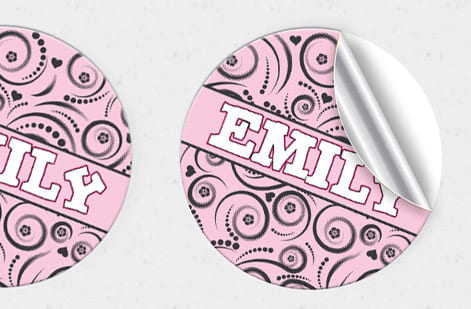
Start here
Reusing a sticker in one paragraph
Warm the sticker, peel it low and slow, protect the adhesive, and reapply to a clean smooth surface. Heat softens the glue so the film lifts intact, a shallow peel angle keeps it from stretching, and wax paper keeps the sticky side clean until you press it down from the center out. The removal blueprint below shows the peel angle and the gentle heat that make it work.
Watch it printed
See die-cut stickers on the press, in 124 seconds
How to remove stickers without damage

The reason stickers tear on removal is that the adhesive is still holding firm while you pull. Soften it first and the whole job gets easy. Warm the sticker with a hair dryer on low, held a few inches away for twenty to thirty seconds. The heat relaxes the glue so it releases from the surface rather than splitting the film.
Once it is warm, lift one corner with a fingernail, a plastic card, or a strand of dental floss sawed gently underneath. Then peel back low and slow, keeping the pull at a shallow angle of about thirty degrees. A fast, straight-up yank stretches vinyl and leaves adhesive behind; a patient low peel keeps the sticker whole. If it resists at any point, stop and add more heat instead of forcing it.
These same moves work on laptops, water bottles, glass, and painted metal. They also work far better on die-cut vinyl stickers than on paper stickers, because vinyl flexes and keeps its adhesive together while paper tends to shred. The removal method is only half the battle, though; what you do with the sticker in the next minute decides whether it can grip again.
How to preserve the adhesive for reuse
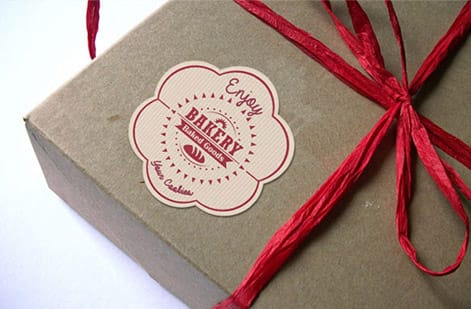
A lifted sticker keeps its second life only if the adhesive stays clean. The moment glue picks up dust, lint, or a fingerprint, its tack drops and it will not grip a new surface. So the instant a sticker comes off, set it face down on wax paper, parchment paper, or its original backing sheet. That shields the sticky side and keeps it flat.
Store it away from heat and direct sun, both of which can cure or dry the adhesive and turn a reusable sticker into a permanent one. Flat storage matters too, since a curled sticker is hard to reapply smoothly. A little care here is the difference between a sticker that snaps back onto a new laptop and one that slides off an hour later.
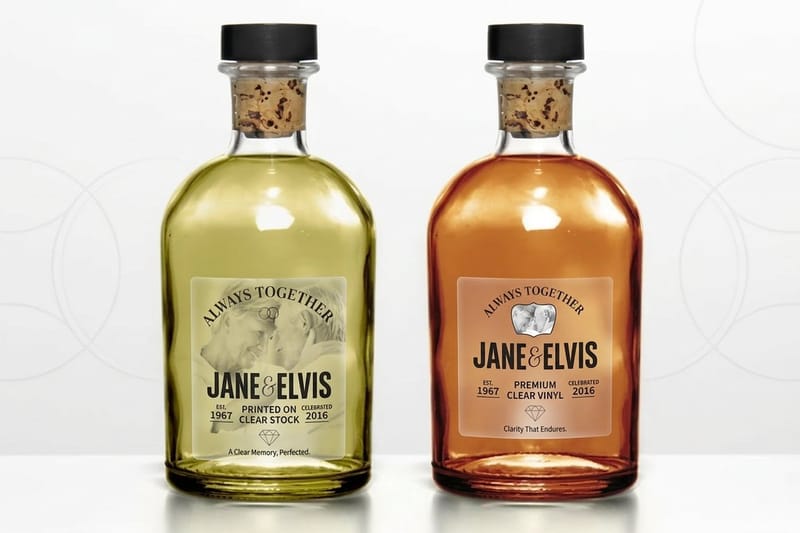
This is also where the choice of stock shows its value. Our clear vinyl stickers and vinyl wall graphics hold their tack through repeated moves far better than bargain paper stickers, because the adhesive is formulated to release cleanly and re-bond rather than to grab once and tear.
How to reapply a sticker on a new surface
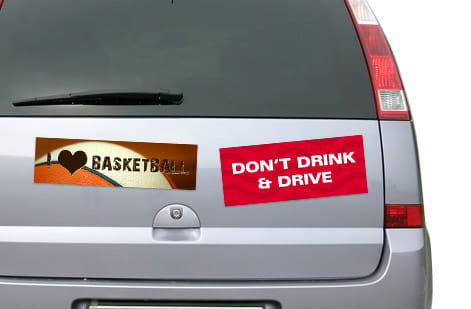
Reapplying well is mostly about the surface. Adhesive bonds to surfaces that are clean, dry, smooth, and non-porous, so glass, painted metal, and hard plastic are ideal, while textured walls, dusty gear, and fabric are not. Before you press the sticker down, wipe the target with a little rubbing alcohol or soapy water and let it dry, so the glue meets a fresh, oil-free face.
Then apply from the center out. Set the middle of the sticker down first and smooth toward the edges with a fingertip or a card, pushing air bubbles ahead of you so none get trapped. Working outward like this keeps the film flat and gives the adhesive full contact, which is what makes it hold.
If the tack has weakened from an earlier move, the sticker may hold lightly rather than permanently, which is fine for a temporary spot. For anything you plan to move often, it is worth reaching for stock made to reposition, covered next, instead of nursing a tired permanent adhesive.
Repositionable sticker options built to move
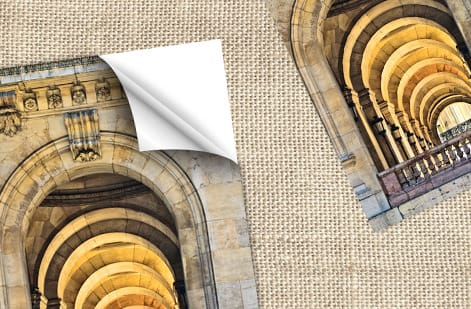
If reuse is the whole point, the reliable answer is to print on a stock designed for it rather than to salvage a permanent sticker. Repositionable and low-tack vinyl stickers use an adhesive that lifts and re-bonds many times without curing hard or leaving residue. They are the honest solution to the reuse problem, because the material does the work instead of a heat gun.
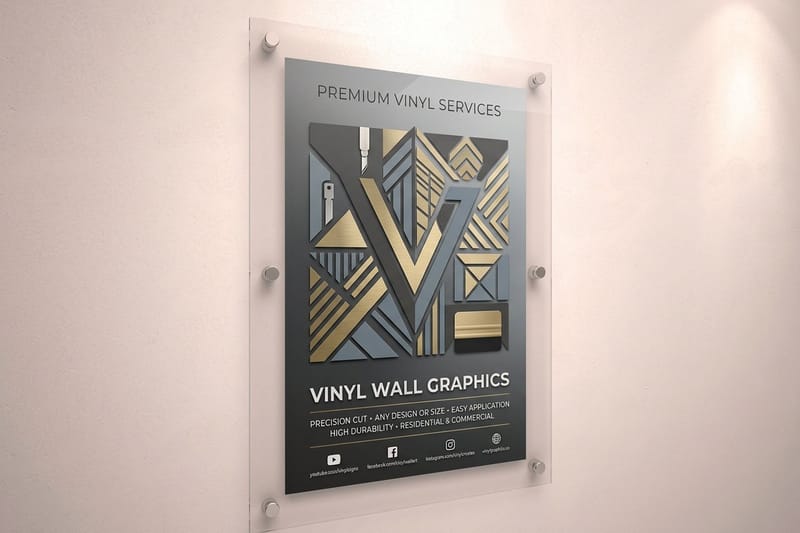
Wall graphics take this further. Our vinyl wall graphics are engineered to peel off and reapply on painted walls and glass without damaging either the surface or the graphic, which is why they are used for seasonal displays and rearranging decor. For products and gear, die-cut stickers on a quality vinyl flex and re-stick better than any paper alternative.
Choosing the right stock up front removes the guesswork. Instead of hoping a sticker survives a move, you order one that is meant to move, and it behaves the same on the fifth surface as it did on the first. The specs and pricing panel below shows the material and cut options so you can pick a reusable build.
Order stickers built to move at 4OVER4
When you want stickers that reuse cleanly, the configurator lets you pick the material, size, cut, and quantity that suit it. Vinyl over paper, a repositionable finish where offered, and a die-cut or kiss-cut shape all point toward a sticker that lifts and reapplies well. The price updates live as you choose, and larger runs bring the unit cost down.
Design in our free online Designer or upload your own artwork, and each file runs through a free print check before it prints. Whether you need clear stickers for a subtle look or bold die-cut stickers for gear, printing on the right stock from the start is the surest way to a sticker you can move again and again.
Use the live specs and pricing below to compare materials and cuts, then order the build that fits how you plan to use, and reuse, your stickers.
Wally lifts it clean and sticks it again
Warm it, peel it low and slow, keep the glue clean
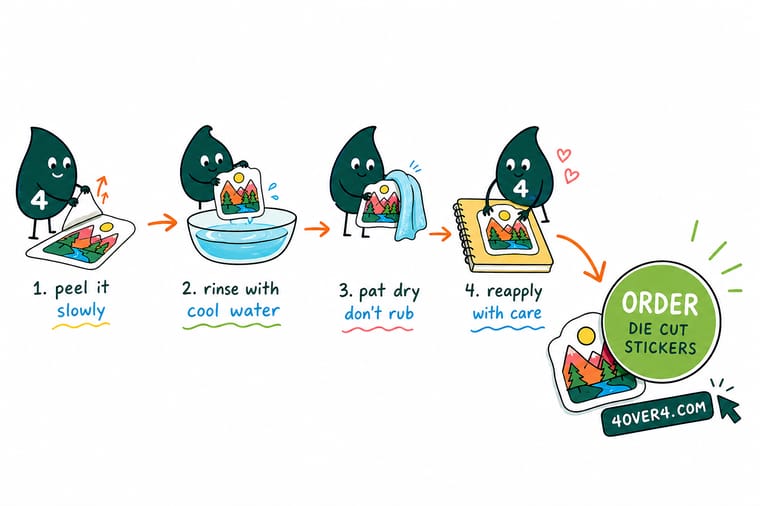
Wally treats a sticker like it has a second life waiting. Warm it so the glue lets go, peel back at a shallow angle so nothing stretches, rest it sticky side up on wax paper, then press it onto a clean surface from the center out. Better yet, start on repositionable vinyl and skip the fuss. 4OVER4 prints the stock that is built to move.
Order reusable vinyl stickers →Method comparison
Ways to remove a sticker, side by side
Match the method to the sticker and the surface. Heat is the safe first move on almost everything, and the right stock removes the guesswork entirely.
| Method | Best for | Why it works |
|---|---|---|
| Gentle heat | Best first move | A hair dryer on low softens the adhesive so the sticker lifts cleanly. Works on laptops, glass, and painted metal. |
| Warm soapy water | Glass and hard plastic | Soaking loosens the bond and floats the sticker off. Great for jars and windows, wrong for anything that hates water. |
| Dental floss or fishing line | Stubborn edges | Sawing floss under a corner separates the sticker from the surface without gouging either one. |
| Slow low-angle peel | Vinyl stickers | Pulling at about thirty degrees keeps the film from stretching and leaves the adhesive on the sticker, not the surface. |
| Repositionable vinyl | Made to reuse | Low-tack stock is designed to lift and reapply many times, so there is no trick needed. This is the reliable long-term answer. |
Step by step
Remove and reuse a sticker in 6 steps
- Warm the sticker first Hold a hair dryer on low a few inches away and heat the sticker for twenty to thirty seconds so the adhesive softens and lets go.
- Lift a corner Use a fingernail, a plastic card, or a length of dental floss to get one corner started without creasing the film.
- Peel low and slow Pull back at a shallow angle, roughly thirty degrees, keeping the motion steady. If it resists, add more heat rather than force.
- Preserve the adhesive Set the sticker face down on wax or parchment paper so the sticky side stays clean and dust free until you are ready to reapply.
- Prep the new surface Choose a clean, dry, smooth, non-porous surface. Wipe off oils and dust so the adhesive has a fresh face to grip.
- Reapply from the center out Press the sticker down from the middle toward the edges, working out air bubbles as you go, so it lays flat and holds.
Specs and pricing
Die-cut sticker specs and live pricing
Pick the vinyl, size, cut, and quantity that reuse best, and watch the price update live. Here are the specs and pricing for die-cut stickers at 4OVER4.COM.
| Quantity | Price Per Unit | Total |
|---|---|---|
| 25 | $3.73 | $93.37 |
| 50 | $1.91 | $95.56 |
| 100 | 100.0¢ | $99.95 |
| 200 | 56.3¢ | $112.59 |
| 300 | 41.4¢ | $124.13 |
| 400 | 33.9¢ | $135.65 |
| 500 | 29.2¢ | $146.10 |
| 600 | 26.4¢ | $158.17 |
Print it
Print stickers that move with you
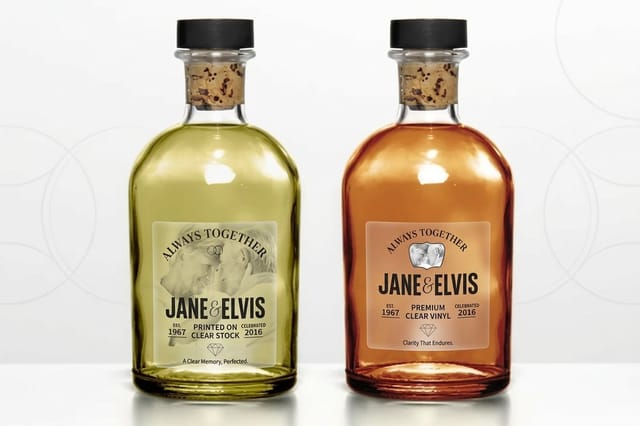

See it in use
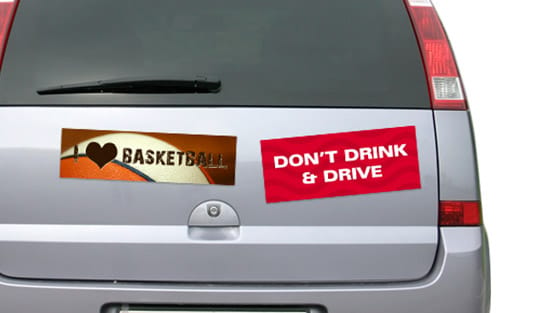
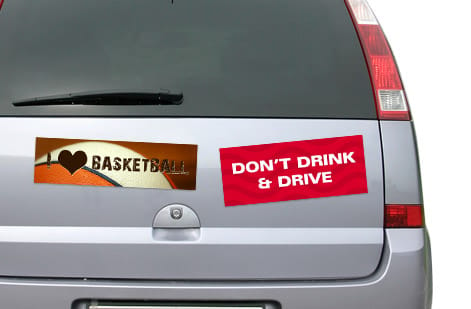
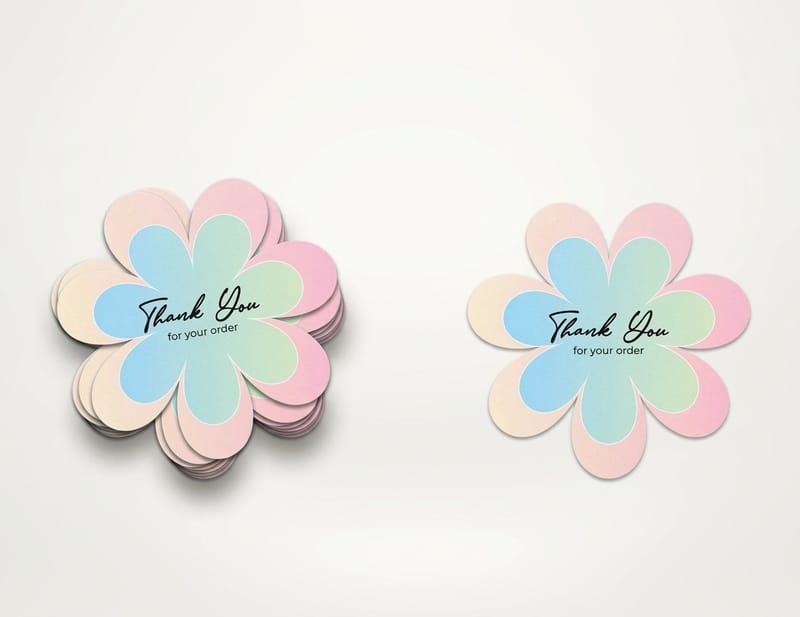
Stickers our customers ordered and kept
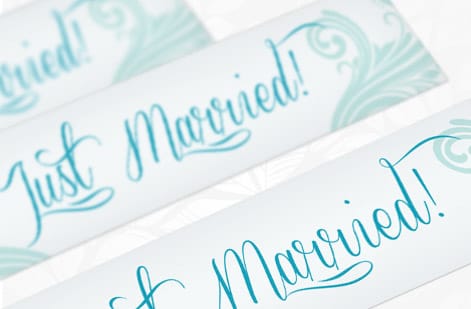

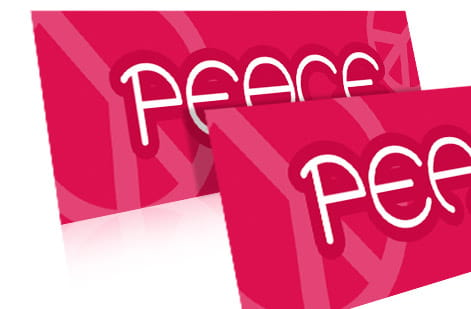
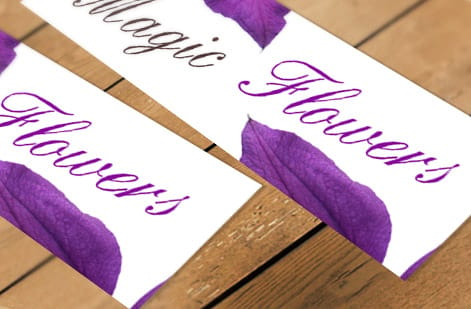
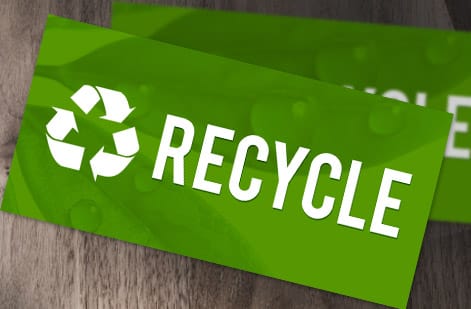
Explore more
Where to go next

By the numbers
Where the sticker came from before you peeled it
Common Questions
Common questions about reusing stickers
How can I turn stickers into reusable stickers?
You cannot convert a permanent adhesive into a repositionable one, and the salvage tricks people suggest, dabbing water or fresh glue on the back, tend to ruin the film. What does work is mounting. Stick the sticker onto a piece of repositionable vinyl or a magnet sheet, trim around it, and move that carrier instead of the sticker. If you are printing your own, the honest answer is to order repositionable or low-tack vinyl from the start so the material does the work.
Can I move a sticker from a laptop to a phone case?
Usually yes, and a phone case is one of the friendlier targets because it is smooth, hard and non-porous. Warm the sticker on the laptop lid first so it lifts in one piece, rest it face down on wax paper while you clean the case with rubbing alcohol, then press it on from the center out. The one thing to watch is curve. A case with a tight radius will lift the edges of a stiff sticker, so a smaller sticker sits better on a curved case than a large one.
Will a reused sticker stay on a water bottle?
It will if the bottle is smooth and the tack is still good, but a bottle is harder than a laptop for two reasons. It curves in one direction, so a wide sticker fights the barrel, and it gets wet and cold, which works against a partly spent adhesive. Wipe the bottle dry and clean before you press, keep to the straight middle section rather than the shoulder, and expect a reused sticker to hold more lightly than it did the first time. For anything that goes in a cooler, printing on vinyl is the reliable route.
Can you reuse stickers?
Many stickers can be reused if you remove them carefully and protect the adhesive. The trick is to warm the sticker so the glue softens, peel it back slowly at a shallow angle so the film does not stretch, and keep the sticky side clean while it waits by resting it face down on wax paper. Permanent adhesives and paper stickers are harder to reuse because the glue tears or stays behind, while vinyl and repositionable stickers lift and reapply far more reliably.
Can you reuse a sticker after it loses its stick?
Usually yes, because a sticker that will not hold has almost always picked up dust rather than lost its glue. Clean the new surface first: oils and dust are the most common reason a sticker refuses to sit down, so wipe the glass, painted metal, or hard plastic dry before you press from the center outward. If the sticky side itself has collected lint, rest it face down on wax paper or its original backing so it stops picking up more, and reapply to a smooth, non-porous surface rather than a textured or fabric one. There is one case you cannot rescue: adhesive that has been baked hard by heat or dried out in direct sun does not soften again, and no amount of pressing brings the tack back. When you know a sticker has to move more than once, print it on vinyl or a repositionable low-tack stock from the start rather than trying to salvage a permanent one.
How do I remove a sticker without damaging it?
Start with gentle heat. A hair dryer on low, held a few inches away for twenty to thirty seconds, softens the adhesive so the sticker releases instead of tearing. Lift one corner with a fingernail or a strand of dental floss, then peel back low and slow at about a thirty degree angle. If the sticker fights you, stop and add more heat rather than pulling harder. This keeps both the sticker and the surface underneath intact.
How do I preserve a sticker for reuse?
Protect the adhesive and keep the film flat. Once you have lifted the sticker, place it sticky side down on wax paper, parchment paper, or its original backing so dust and lint do not contaminate the glue. Store it flat, away from heat and direct sun, which can cure or dry the adhesive. A clean, protected adhesive is what lets a sticker grip a second surface, so the preservation step matters as much as the removal.
How do I reapply a sticker to a new surface?
Pick a surface that suits adhesive: clean, dry, smooth, and non-porous, like glass, painted metal, or hard plastic. Wipe it down to remove oils and dust first. Then press the sticker on from the center outward, smoothing toward the edges to push out air bubbles. Avoid textured, dusty, or fabric surfaces, since the adhesive cannot make full contact there. If the tack has weakened, the sticker may hold lightly rather than permanently.
Which stickers are easiest to reuse?
Vinyl stickers reuse far better than paper because the film is flexible and the adhesive stays with the sticker instead of tearing. Better still are repositionable and low-tack stickers and wall graphics, which are engineered specifically to lift and reapply many times without losing their grip. If you know you will want to move a sticker around, printing it on the right stock from the start, rather than trying to salvage a permanent one, is the dependable route.
What do reusable stickers cost and how are prices set?
Sticker pricing scales with quantity, size, material, and finish. Larger runs lower the unit price, vinyl and specialty stocks cost more than paper, and cuts like die-cut or kiss-cut add a small step. You choose the size, material, quantity, and cut in the configurator and the total updates live, so you can see exactly what a repositionable vinyl or a bigger run does to the price before you order.
Get Started
Ready for stickers you can actually move again?
Print on repositionable vinyl and wall graphics at 4OVER4.COM that lift and reapply cleanly. Pick the material, size, and cut, and watch your price update live.
Legal Disclaimer
Gold Standard guarantees apply to all standard orders placed through 4over4.com. Price match requires verifiable proof of a competitor's published price for an equivalent product with matching specifications and turnaround time. Satisfaction guarantee covers manufacturing defects and print quality issues. Contact support with order number and documentation. On-time delivery rate based on tracked orders 1999 to 2026. Individual results may vary based on shipping carrier performance.
