
Real Estate Print Marketing That Wins Listing Appointments


Marcus is our print marketing voice, built from the knowledge of our production team, with over 20 years in printing.
Real estate print marketing is the set of printed pieces, postcards, yard signs, brochures, flyers and door hangers, that brings a seller to the table: which ones, in what order, at what size, and where each one stops working. Sizes, limits and starting prices from the 4OVER4.COM catalog, with the job each piece does in the campaign.
Print wins listings by reaching the same small area over and over, not by covering a city once. Four pieces do nearly all of the work: a farm postcard mailed monthly to 300 to 800 homes, a just sold card sent to those same homes within ten days of closing, a pre-listing brochure you leave on the kitchen table, and a yard sign with a rider that changes as the status changes. Door hangers add a specific local message on the streets around a sale, and the cost there is the walk, not the printing.

Quick answer
Repetition in one farm, and proof mailed back into it
The listing goes to the agent the seller already recognizes, and print buys that recognition street by street. Mail the same 300 to 800 homes every month, put a yard sign and a status rider on every listing, hand a pre-listing brochure to every seller you sit with, and mail a just sold card to the farm within ten days of each closing. The sold card is the piece that pays: it reports a result on their own street, which is the evidence a homeowner actually weighs. Skip it and the farm never learns you sell anything.
What it includes
The printed pieces in a listing campaign and the job each one does
Real estate print marketing is five core pieces working one farm: postcards, yard signs, brochures, flyers and door hangers. The type that pays best is the just sold postcard mailed back into the farm within ten days of a closing, because it reports a result on the reader's own street.
| Piece | Its job in the campaign | Starts at |
|---|---|---|
| Postcards | Monthly farm mail to the same 300 to 800 homes, then the just sold card | $16.48 |
| Yard signs | An 18 by 24 inch coroplast panel working 24 hours a day for the whole listing | $25 |
| Brochures | The pre-listing piece you hand every seller you sit with | $57.11 |
| Flyers | Property details at the showing, printed short and reprinted when details move | $39.54 |
| Door hangers | A walked drop, with no postage, on the two blocks around a closing | $290.41 |
| Business cards | The card that goes into every one of the above | $17.57 |
Why Print Still Wins Listing Appointments

A listing is won months before the seller calls anyone. By the time a homeowner decides to sell, they usually have one or two names in their head, and those names got there through repetition in the places the owner already lives: the mail, the sign at the corner, the hanger on the door the week the house behind them sold.
Print holds a position no digital channel can copy here. You can address a mailing to every owner on nine specific streets without those people ever having given you an email, followed an account, or clicked anything. That is precisely the audience a listing comes from, and it is the reason a small farm mailed relentlessly beats a citywide blast.
The trade-off is real and worth saying out loud. Print costs more per touch, takes days rather than seconds to reach anyone, and does not report a click. You buy back the measurement with a dedicated phone number or a short URL on each piece, and you buy back the cost by shrinking the audience until you can afford to repeat. An agent who mails 400 homes twelve times will out-earn one who mails 4,000 homes once, on the same budget. The full mailing mechanics sit in our guide to running a real estate postcard mailing, and the channel strategy behind it in real estate direct mail.
Just Listed and Just Sold Postcards, and Which One Pays

Postcards carry most of the weight in real estate print marketing because they need no envelope, get read at the mailbox, and cost little enough to send every month. Standard postcards start at $16.48.
Size is the first decision and it has a hard edge to it. Anything over 4.25 by 6 inches falls outside the USPS postcard rate and mails at letter or flat pricing, so 4 by 6 is the low cost default and every larger size is a deliberate choice to pay more for presence in the stack.
| Size | What it is good for | What it costs you |
|---|---|---|
| 4 x 6 in | High frequency farm mailings where the point is showing up every month. | Qualifies for postcard rate. Room for one photo and one line. |
| 5 x 7 in | Just sold cards that need a property photo plus the numbers. | Above postcard size, so it mails at the higher rate. |
| 6 x 9 in | The common farm size. Visible in a handful of mail, still cheap to print. | Higher postage, and more copy than most readers finish. |
| 6 x 11 in | Market reports and multi property recaps once a quarter. | Highest postage of the four. Wasted unless the content earns it. |
Now the part most agents get backwards. A just listed card announces something the neighbors can already see from the sidewalk. A just sold card reports a result on their street, which is the only evidence a homeowner genuinely weighs when deciding who to call. Send it inside about ten days of closing, put the sale on the front in plain numbers, and mail it to the same farm every time. If the budget covers one card per transaction, it should be the sold one. Templates and layout choices are covered in our real estate postcard templates guide, and you can start from a correctly sized file in the blank template library.
The Pre-Listing Brochure and the Flyers That Follow

Mail gets you the appointment. The brochure is what wins it. A pre-listing piece you hand over at the kitchen table does something a tablet cannot: it stays in the house after you leave, and it is still there when the seller talks it over that evening with the person who was not in the room.
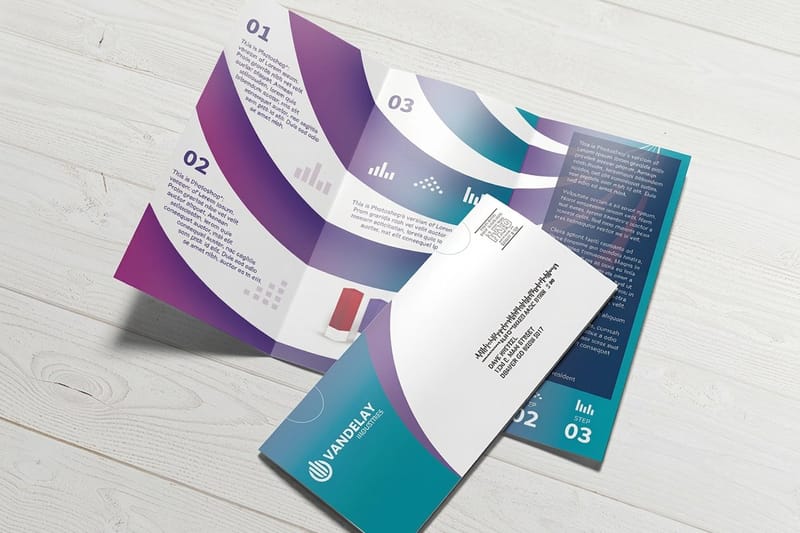
Keep it to the four things a seller actually asks. What you did on comparable homes nearby, what your pricing approach is, what marketing the property gets, and what the seller pays. Standard brochures start at $57.11 and a half fold or tri fold in a 100lb gloss text feels substantial without becoming a booklet nobody opens.
Listing flyers are a different animal and they cost agents money through overprinting. A flyer is consumable: it sits in the box at the curb, on the counter during an open house, and it is dead the day the price changes. Start at $39.54, print short, reprint when the details move. On a home that sells in nine days, 500 flyers is 400 flyers in the recycling. Our open house print guide covers what to bring on the day and how many to run.
Yard Signs, Riders and Open House Directionals
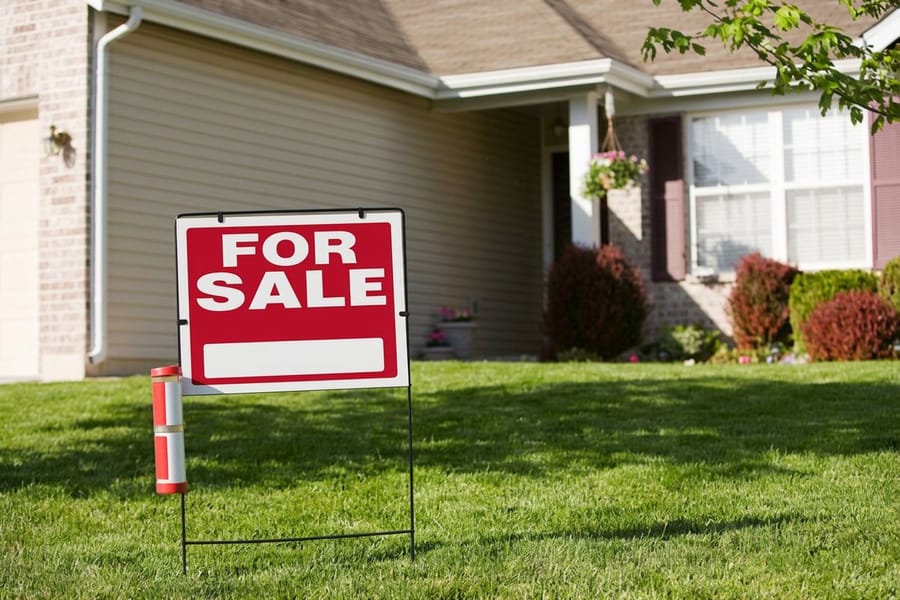
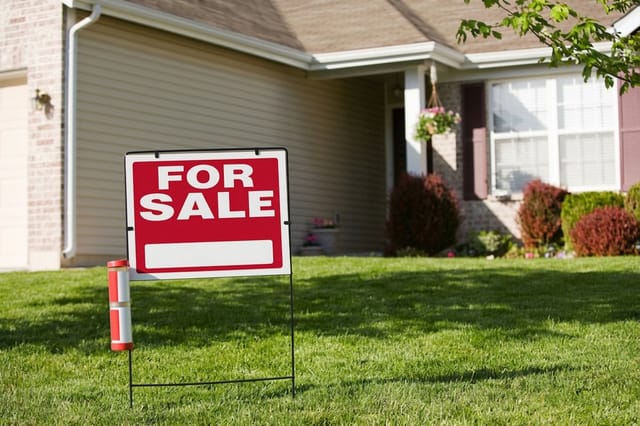
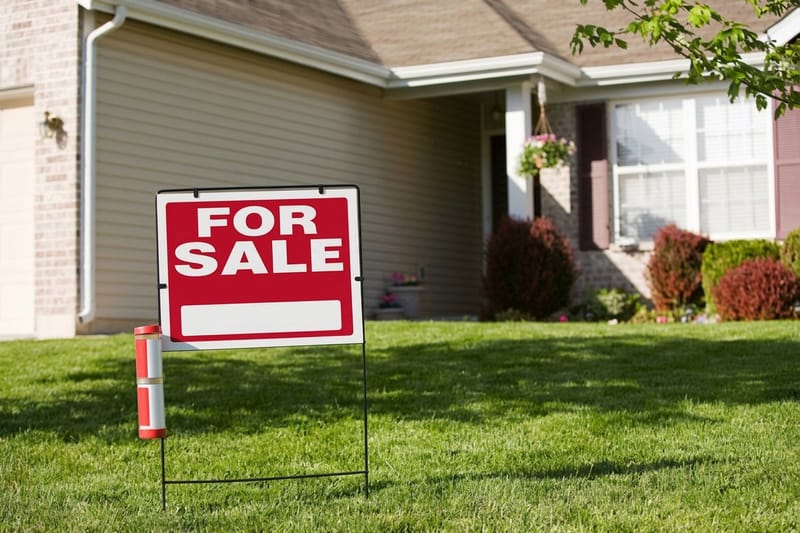
A yard sign is the cheapest advertising an agent buys, because it works every hour the listing is live and it is read by exactly the people who live nearby. Yard signs start at $25, and the standard listing panel is 18 by 24 inches on coroplast, printed both sides so it reads from either direction on the street.
Riders are what make one sign do several jobs. The panel carries your brand for the whole listing while a swappable rider changes with the status, from open Sunday to under contract to sold. That sequence is visible to the whole block, and it is the same story your just sold postcard tells a week later. Sizing and hardware are in the sign riders guide.
Two limits nobody mentions until it costs you a weekend. First, sign rules are local: many HOAs and municipalities restrict post signs, directional signs, or how long either can stand, and the fine lands on you. Check before the shoot, not after. Second, signs go missing, especially directionals left out overnight on a Sunday, so order spares in the same run rather than paying a rush later. The design side, from color contrast to how much text survives at 30 miles per hour, sits in yard sign rules and design tips and the whole family is in the real estate signage guide.
Door Hangers for Farming a Block on Foot

Door hangers reach a household without postage and without competing with a stack of mail, which is why they still work on a tight, walkable farm. Door hangers start at $290.41, and that is the small number in this campaign. The real cost is the walk: 400 doors is most of a day, and it is your day.
Because the labor is the expense, timing decides whether it pays. Walk the streets around a home you just sold, while the message is specific and local. A hanger that says a house two doors down closed last week, and names the number, gets read. A generic call me if you are thinking of selling gets binned with the pizza menus.
One hard rule: nothing goes in, on, or near the mailbox. A mailbox is reserved for postage paid mail, and hanging a piece off the flag is both a violation and the fastest way to get reported by the neighbor you were trying to impress. Hang it on the handle or clip it to the frame. If you want the mailbox, print a postcard and mail it. Layout ideas that suit the format are collected in real estate door hanger ideas.
One Look, and a Calendar You Can Actually Keep
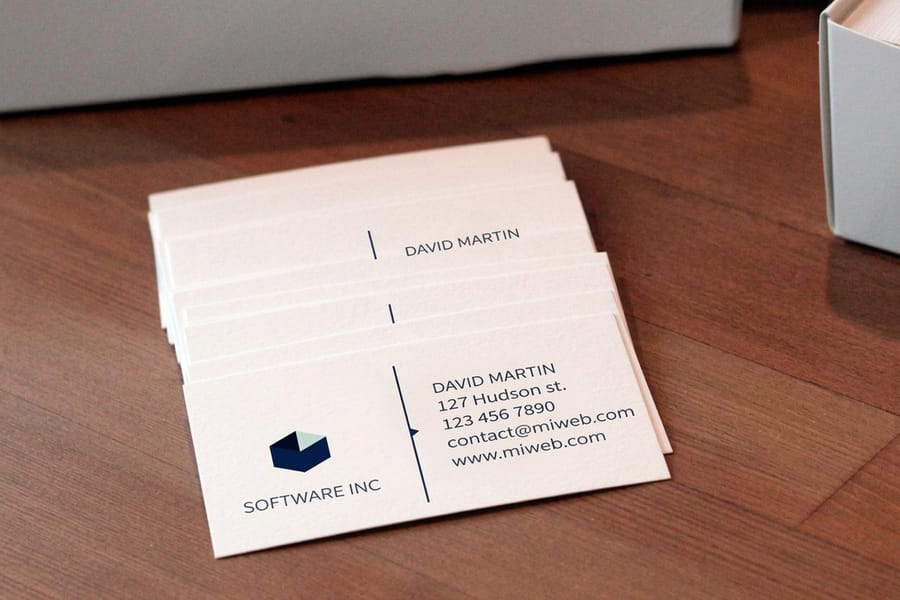
Repetition only counts if the pieces look related. Same headshot, same two colors, same typeface, same phone number, on the postcard, the sign, the brochure and the card. Twelve touches that look different are twelve strangers, and the recognition you paid for never accumulates. Standard business cards start at $17.57 and standard magnets at $19.68, which is the closing gift that quietly stays on a fridge for years.
The calendar is the other half. Most campaigns die because they were built for a good month. Build one you can fund in a slow month instead, and let volume rise when you can afford it.
| Piece | When it runs | Who gets it | What it has to do |
|---|---|---|---|
| Farm postcard | Every month, all year | The same 300 to 800 homes | Keep your name in front of an owner who is not selling yet. |
| Just sold postcard | Within 10 days of closing | The farm plus adjoining streets | Turn one result into proof, and proof into a call. |
| Door hangers | The week a nearby home sells | Two or three walkable blocks | Say something specific about that street. |
| Yard sign and rider | Day one to closing | Everyone who drives past | Advertise around the clock and show the status change. |
| Pre-listing brochure | At every appointment | One seller | Stay in the house after you leave the room. |
Order the year in two or three runs rather than twelve, because per unit cost falls hard with quantity and postcards do not expire. Print the farm cards for a quarter at once, keep the just sold layout ready to drop a photo and an address into, and buy signs in pairs. If you want the whole set assembled in one pass, our real estate print marketing kit guide lists it piece by piece, and property marketing in print walks a single listing from sign day to sold. Seasonal cards belong in the same runs, like the 4 patriotic 4th of July real estate postcards you can send each summer.
Wally works one neighborhood
Same streets, every month, then proof
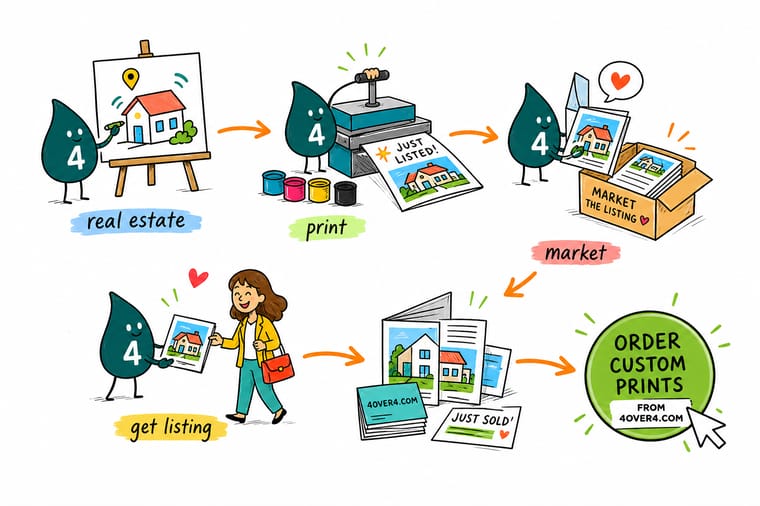
Wally picks nine streets he can afford to mail all year, then sends the same card every month whether or not anything is for sale. When a house on those streets closes, he mails a just sold card to every neighbor inside ten days and hangs door hangers on the two blocks around it. The sign in the yard carries a rider that changes from open Sunday to sold, so the whole street watches the story finish. Twelve postcards to four hundred homes beats one postcard to four thousand, every time.
Order just sold postcards →
Specs and pricing
Sizes, stocks and starting prices for the core pieces
Postcards, yard signs and door hangers side by side, with live configuration choices and starting prices straight from the 4OVER4.COM configurator. Postcards run in 14 sizes from 2.5 x 2.5 in to 6 x 11 in, yard signs from 12 x 18 in to 18 x 24 in on 4mm coroplast, and door hangers from 3.5 x 8.5 in to 4.25 x 14 in on 14pt or 16pt gloss cover with an optional tear-off perforation.


Print it
Order the pieces that carry a listing campaign
Postcards from 50 for $16.48 and brochures from 50 for $57.11 take 3 business days at standard turnaround, and yard signs from $25 take 5, so a new listing can have its sign, its brochure and its first mailing inside one week.


%22%2F%3E%3Ccircle%20cx%3D%2242%22%20cy%3D%2245%22%20r%3D%2227%22%20fill%3D%22%23f59e0b%22%20opacity%3D%220.15%22%2F%3E%3Ccircle%20cx%3D%2280%22%20cy%3D%2262%22%20r%3D%2226%22%20fill%3D%22%23f59e0b%22%20opacity%3D%220.1%22%2F%3E%3Crect%20x%3D%2272%22%20y%3D%2221%22%20width%3D%2227%22%20height%3D%2232%22%20rx%3D%224%22%20fill%3D%22%23f59e0b%22%20opacity%3D%220.08%22%20transform%3D%22rotate(7%2080%2030)%22%2F%3E%3C%2Fsvg%3E)
Explore more
Where to go next
Three guides cover running a postcard mailing, choosing listing signs and building the kit, and the direct mail article and two category pages price the pieces.




By the numbers
Agent marketing printed on time at 4OVER4
Common Questions
Your real estate print marketing questions, answered
Does print marketing still win listings?
It does, for one structural reason: a mailing route is a geography and an email list is not. You can put a postcard in front of every owner on nine specific streets whether or not those people ever gave you an address, follow you, or open anything. That is exactly the audience a listing comes from. Print is slower and costs more per touch than email, so it earns its place through repetition in a small area rather than through reach.
How many homes should I farm, and for how long?
Pick a boundary you can afford to mail every month for at least a year, which for most agents lands between 300 and 800 homes. Mailing 2,000 homes twice and stopping produces nothing, because the seller who lists in month nine never saw you. Choose the area by turnover you can observe rather than by size: streets where homes actually change hands give you just sold cards to send, and those are the cards that work.
What size postcard should I mail?
A card larger than 4.25 by 6 inches does not qualify for the USPS postcard rate and gets priced as a letter or a flat, so 4 by 6 is the cheap default and anything bigger is a deliberate spend. Most agents run 6 by 9 for farm mailings because it stands out in a stack of mail and still leaves room for a photo, an address and a call to action that a reader can absorb in the walk from the mailbox. Standard postcards start at $16.48.
Just listed or just sold, which card matters more?
Just sold, by a wide margin. A just listed card tells the neighbors something is for sale, which they can see from the sidewalk. A just sold card reports a result, and a result on their street is the only evidence a homeowner really weighs when deciding who to call. If your budget only covers one card per sale, send the sold one.
Can I put a door hanger in a mailbox?
No. A mailbox is reserved for mail that carries postage, so anything hung on the box, tucked in the flag or slipped inside is a violation and a fast way to get reported. Hang it on the door handle or clip it to the frame. If you want the piece to land in the mailbox, print it as a postcard and mail it, which also removes the walking.
What does a starter print campaign cost to print?
Printing is the small line in the budget. Standard postcards start at $16.48, a yard sign at $25, business cards at $17.57, flyers at $39.54, brochures at $57.11 and refrigerator magnets at $19.68. Postage on a monthly farm mailing and the hours you spend walking door hangers will both exceed the print bill, which is the argument for a farm small enough that you can keep mailing it in a slow month.
Get Started
Door hangers run 250 for $290.41, or $1.16 each
Pick a size, upload the card, and we print postcards, signs and hangers that go out together and look like they came from the same agent.
Legal Disclaimer
Gold Standard guarantees apply to all standard orders placed through 4over4.com. Price match requires verifiable proof of a competitor's published price for an equivalent product with matching specifications and turnaround time. Satisfaction guarantee covers manufacturing defects and print quality issues. Contact support with order number and documentation.
