What You Need to Know About Soft Touch Laminated Cards
Soft Touch Laminated Cards feel like velvet or the skin of a ripe peach. A thin matte film is applied over the printed card, creating a smooth, tactile surface that resists fingerprints, scratches, and scuffs. 4OVER4 offers this finish across 60+ paper types, giving you full control over thickness and design. With 10,000+ reviews and a 4.8/5 star rating, it's a finish trusted by professionals who want their cards kept - not tossed.
Standard Business Cards
Starting from $17.57
Free Design Templates:
Why Soft Touch Lamination Changes How People Experience Your Card
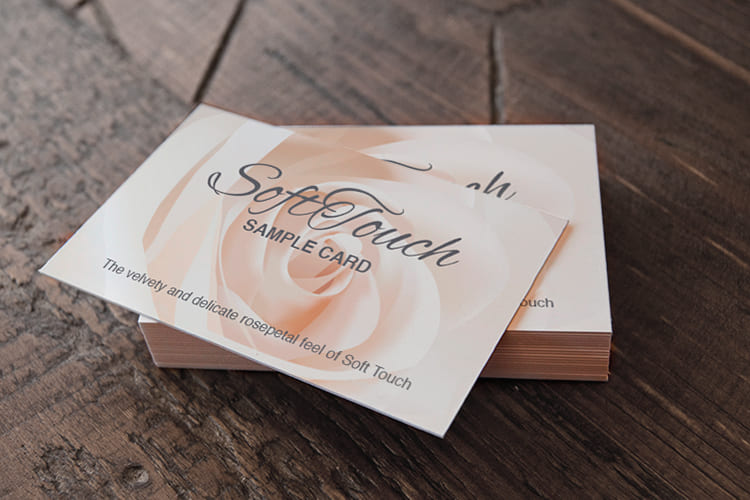
Soft Touch Laminated Cards explained in one sentence: they're business cards coated with a thin matte laminate film that creates a velvety, anti-glare surface people can't stop touching. That tactile reaction is the whole point. When someone runs their thumb across your card and pauses, you've already made an impression no glossy card can match.
"Standard Business Cards /5"
| Quantity | Price Per Unit |
|---|---|
| 100 | $0.18 |
| 4,000 | $0.03 |
| 35,000 | $0.02 |
| 100,000 | $0.02 |
Ink Color
Finish
Variable Data (Codes, Names, Etc.)
Rounded Corners
Total Sets
Proof Options
4OVER4 has printed 10 billion+ cards over 25+ years, and soft touch lamination remains one of the most requested finishes for professionals in real estate, beauty, finance, and creative industries. The finish pairs beautifully with foil stamping, spot UV, and embossing for layered, high-end designs.
"Free Business Cards With Free Shipping /5Paper Type14pt Gloss Cover14pt Uncoated Cover (30% PCW)Proof OptionsStraight To ProductionFree Online Proof"
Whether you're upgrading your current cards or starting from scratch, browse the Showcase for real examples of soft touch cards in action. You can also grab ready-to-customize layouts from Design Templates. And if you're curious about maintaining your other print tools, check out How To Clean Rubber Stamps for quick tips.
"Die-Cut Any Shape Business Cards /5"
Ink Color
Finish
Die Cutting
Total Sets
Proof Options
Below, you'll find a detailed breakdown of how soft touch lamination works, when to use it, what mistakes to avoid, and which card options pair best with this finish.
How Soft Touch Lamination Works - and Why It Feels So Different
Soft touch lamination is a post-print finishing process. After your card design is printed using standard CMYK on your chosen paper stock, a thin polypropylene film with a matte texture is heat-bonded to one or both sides of the card. This film is what creates that distinctive velvety surface. It's not ink. It's not coating. It's a physical layer fused to the paper.
The result? A card that feels like suede. Run your finger across it and you'll notice zero glare, zero fingerprint smudges, and a subtle resistance that makes you want to keep touching it. That sensory reaction is exactly what separates soft touch from standard matte or gloss lamination.
"I handed out my soft touch laminated cards at a real estate conference and three people commented on how the card felt before they even read my name. That's never happened with my old glossy cards."
- Derek L., ★★★★★
Soft Touch vs. Gloss vs. Matte - What's the Real Difference?
Gloss lamination gives your card a shiny, reflective surface. Colors pop, but fingerprints show up fast. It works well for photo-heavy designs or bold graphics where you want maximum color vibrancy.
Standard matte lamination cuts the shine and reduces glare. It's a step up from uncoated paper, but it doesn't have the tactile quality that soft touch delivers. Matte feels flat. Soft touch feels alive.
Soft touch lamination goes further. It adds that rubbery, velvety texture that people associate with luxury packaging - think high-end cosmetics boxes or premium tech product packaging. The anti-glare properties make text easier to read under any lighting. And because the film is scuff-resistant, your cards look fresh even after sitting in a wallet for weeks.
For guidance on other printed materials, the Faq Hub covers everything from folding techniques to envelope creation.
Who Should Use Soft Touch Laminated Cards?
This finish isn't for everyone - and that's the point. Soft touch lamination signals quality. It tells the person holding your card that you pay attention to details. Here's where it works best:
- Real estate agents handing cards to homebuyers at open houses - the tactile quality makes your card the one they keep in their pocket, not the stack they recycle.
- Beauty professionals and salon owners who want their brand to feel as polished as their services. A soft touch card mirrors the premium experience clients expect.
- Financial advisors and attorneys where trust and professionalism matter from the first handshake. The understated elegance of soft touch says "I take this seriously."
- Creative directors and designers who want their card to demonstrate their design sensibility before a single portfolio piece is shown.
- Startup founders pitching investors - a thick, soft touch card at a networking event signals you're building something big.
If you're exploring other print projects alongside your cards, learn How To Make Flyers or discover How To Fold A Brochure for complementary marketing materials.
Pairing Soft Touch With Other Finishes
Soft touch lamination is powerful on its own. Combined with other finishes, it becomes unforgettable. Here are the most popular combinations:
Soft touch + spot UV. This is the classic combo. The matte velvet background contrasts sharply with glossy raised elements - your logo, a pattern, or key text. The visual and tactile contrast grabs attention instantly. People notice the difference between the smooth gloss and the soft matte with every touch.
Soft touch + foil stamping. Metallic gold, silver, rose gold, or holographic foil pressed into a soft touch surface creates a dramatic effect. The matte background makes the foil shimmer even more. This pairing works especially well for luxury brands, high-end salons, and boutique businesses.
Soft touch + embossing or debossing. Adding raised or recessed elements to a soft touch card creates a multi-dimensional experience. Your logo literally stands out. Combined with the velvety texture, it's a card people will run their fingers over repeatedly.
Soft touch + edge painting. Colored edges on a thick soft touch card create a striking side profile. Stack a few on a table and the colored edges draw the eye before anyone picks one up.
For unique card shapes that maximize these finish combinations, check out 30Mil Clear Plastic Cards as an alternative material option, or explore Custom Magnets Faq for other creative print ideas.
Choosing the Right Paper Stock for Soft Touch Lamination
The paper underneath matters just as much as the finish on top. Soft touch lamination works best on thicker stocks because the film adds rigidity and weight, amplifying the premium feel.
14pt cardstock is the standard starting point. It's about the thickness of a standard business card you'd get anywhere. With soft touch lamination added, it feels noticeably more big than an uncoated 14pt card. Good for budget-conscious orders where you still want that velvet touch.
16pt cardstock is roughly the thickness of a credit card. Add soft touch lamination and you've got a card with real heft. This is the sweet spot for most professionals - thick enough to impress, affordable enough for large orders.
32pt ultra-thick cardstock is three times the thickness of standard stock. With soft touch lamination, this card doesn't bend. It doesn't flex. It sits in someone's hand like a statement. If you're in luxury real estate, high-end consulting, or any field where perception of quality directly impacts your close rate, this is your stock.
4OVER4 offers soft touch lamination across its full range of paper options. Download setup files from Blank Templates to make sure your artwork is print-ready before ordering.
"We ordered 32pt soft touch cards with gold foil for our boutique hotel's concierge team. Guests actually ask if they can keep extra cards. That's never happened with our old cards."
- Monica R., ★★★★★
Design Tips for Soft Touch Laminated Cards
Designing for soft touch requires a slightly different approach than designing for gloss or uncoated stock. Keep these principles in mind:
Dark colors shine. Deep blacks, navy blues, charcoal grays, and rich burgundies look incredible under soft touch lamination. The matte film deepens dark tones and gives them a saturated, almost inky quality. Light pastels work too, but the dramatic impact is strongest with darker palettes.
Minimize busy patterns. The texture itself is a design element. Let it breathe. Clean layouts with generous white space (or dark space) let the soft touch finish do its job. Cluttered designs compete with the tactile experience.
Use spot UV strategically. If you're adding spot UV on top of soft touch, don't coat everything. Pick one element - your logo, a single line of text, a geometric accent - and let the contrast between matte and gloss tell the story.
Keep text readable. The anti-glare properties of soft touch lamination already improve readability. Pair that with clean sans-serif fonts at a reasonable size and your contact info will be effortless to read in any lighting.
Need envelope designs to match your soft touch cards? Learn How To Make Envelopes for a cohesive brand presentation.
How Durable Are Soft Touch Laminated Cards?
Very. The lamination film acts as a protective barrier against everyday wear. Here's what you can expect:
- Scratch resistance - the film absorbs surface contact without showing marks. Cards survive pockets, wallets, and card holders without visible damage.
- Fingerprint resistance - unlike gloss lamination, soft touch doesn't show oily fingerprints. Your card looks clean every time it's handled.
- Scuff resistance - rubbing against other cards, keys, or phone screens won't leave marks the way uncoated or standard matte cards would.
- Moisture resistance - the lamination creates a barrier against light moisture. A few drops of water won't ruin your card.
- Color protection - UV exposure fades uncoated prints over time. The lamination film slows this process a lot.
The trade-off? You can't write on soft touch laminated cards with a regular pen. The film repels ink. If you need a writable surface, leave one side unlaminated or skip lamination on a designated notes area.
See how other businesses have used soft touch lamination in the Showcase gallery below for real-world design inspiration.
Below you'll find showcase examples, ready-to-use templates, and blank template downloads to get your soft touch card project started.
Blank Templates


Mistakes That Ruin Soft Touch Laminated Cards
Even with the right finish, a few common errors can undermine your results. Here's what to watch for when ordering Soft Touch Laminated Cards:
Using low-resolution artwork. Soft touch lamination doesn't hide flaws - it highlights them. Pixelated images or blurry logos look worse under the smooth matte film because there's no gloss reflection to distract the eye. Always design at 300 DPI minimum with proper bleed.
Laminating both sides when you need to write on one. Ballpoint and gel pens slide right off soft touch film. If you need a writable area for appointment cards or handwritten notes, leave that side unlaminated.
Choosing thin stock. Soft touch on anything below 14pt feels flimsy. The finish is designed to boost thickness and rigidity. Pairing it with thin paper defeats the purpose.
Overloading the design. Too many colors, gradients, and elements compete with the tactile finish. Let the texture be a feature, not an afterthought. 4OVER4's quality guarantee covers print accuracy, but design choices are yours - keep it clean and intentional.
"I made the mistake of laminating both sides on my first order. Clients couldn't write their appointment times. Second order, I left the back uncoated. Problem solved - and the front still feels amazing."
- Tanya K., ★★★★
Best Card Options for a Soft Touch Finish
Now that soft touch laminated cards explained in detail makes the choice clearer, here are the 4OVER4 products that pair best with this finish. Whether you want ultra-thick stock for maximum impact or need cards fast through Same Day Printing, there's an option built for your timeline and budget.
-
It provides additional protection from chipping
-
It prevents wear and tears after extended use.
-
It has a distinct look and feel, which is different from non-laminated paper
-
It is scuff, scratch, and fingerprint resistant.
-
It gives off a premium finish
-
It has a rubbery feel which gives an extra grip.
-
Pay attention to the size. The size of the soft-touch card is an important factor. A good business card is small, but "small" has various dimensions.” Your cards should generally have room for the individual's name, company logo, and contact information. You can choose the standard card size of 2.0’ X 3.5” or stand out with a unique dimension of your liking.
-
The paper type is important. If you want quality soft-touch laminated cards, you need to pay attention to the paper you use for printing. A hard card-like paper is a good option because it will be difficult to tear or fold. It is also durable and easy to write and print.
-
Choose the right color: If the color of your soft-touch business cards goes wrong, things can go downhill for you. You must be specific about the color and design so that it doesn't contradict your brand image or message.
-
Foil stamping
-
Edge painting
-
Die cutting
-
Spot UV coating
-
Embossing
-
Digital foil
-
Debossing
-
Duplexing
-
Letterpress
"Ordered soft touch laminated cards explained from 4OVER4 and the quality blew me away. Sharp colors, premium feel, arrived 2 days early."
"Been using 4OVER4 for soft touch laminated cards explained for a year. Consistent quality every time. The online designer made it easy."
"Switched to 4OVER4 and saved 40% on soft touch laminated cards explained. Better quality than my old printer. 60+ paper options."
"4OVER4's soft touch laminated cards explained helped us look more professional. Clients notice the difference."
Below you'll find detailed specs, pricing across quantity tiers, and verified customer reviews to help you choose the right soft touch laminated card for your needs.
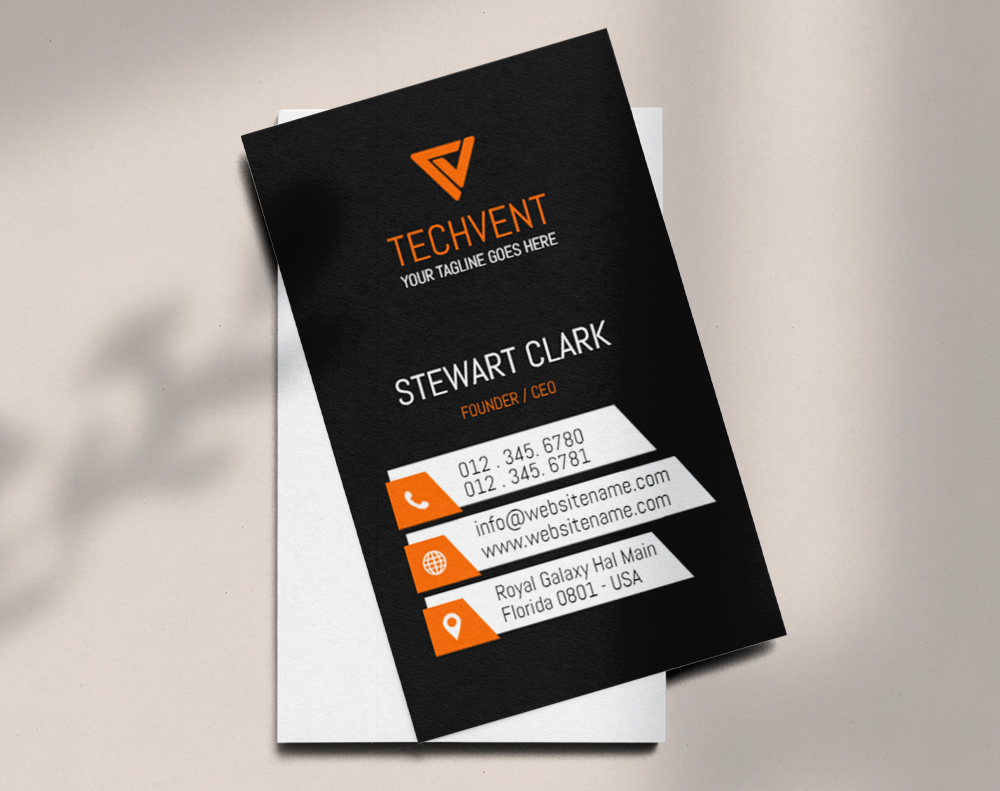
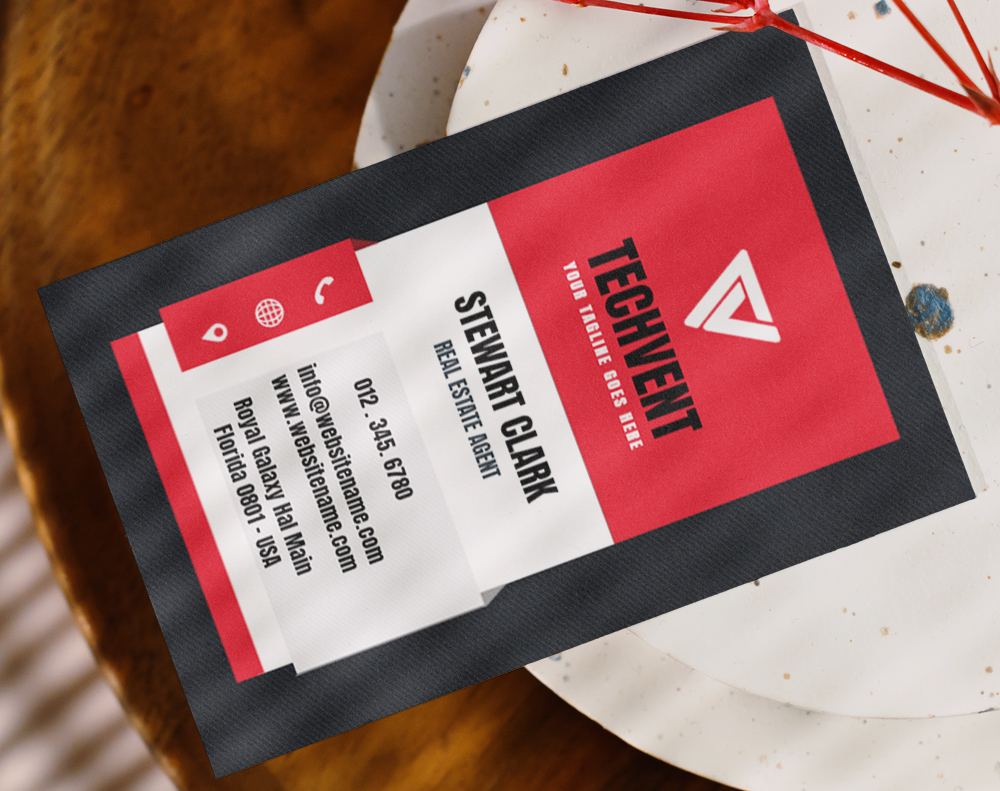
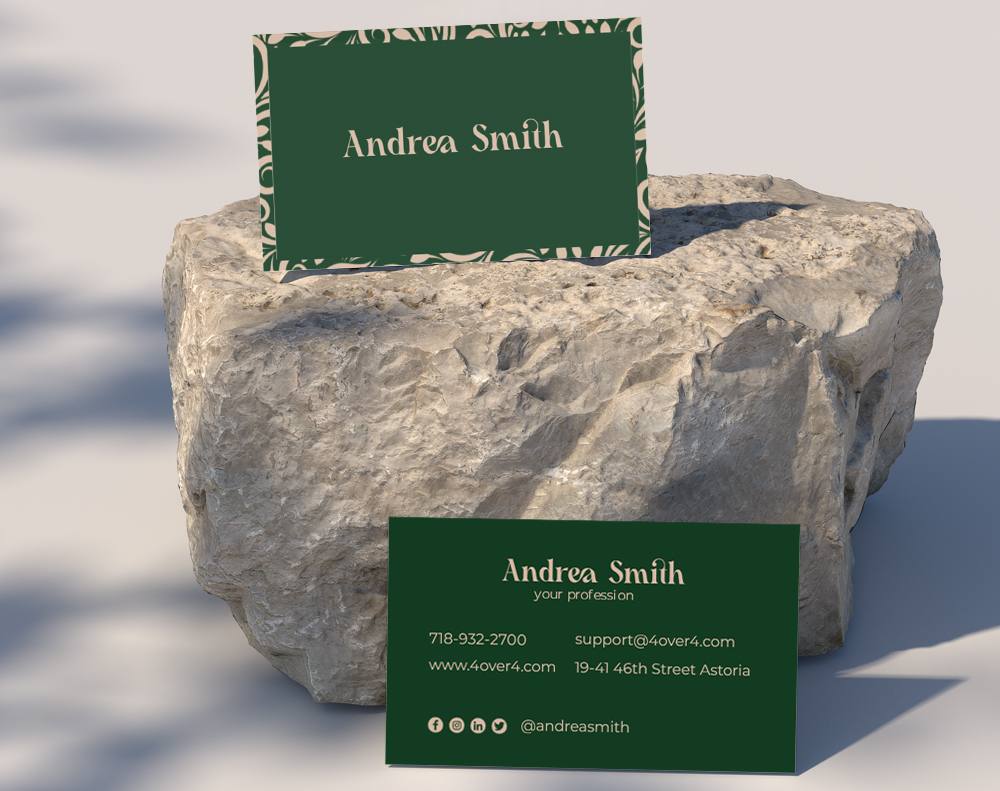
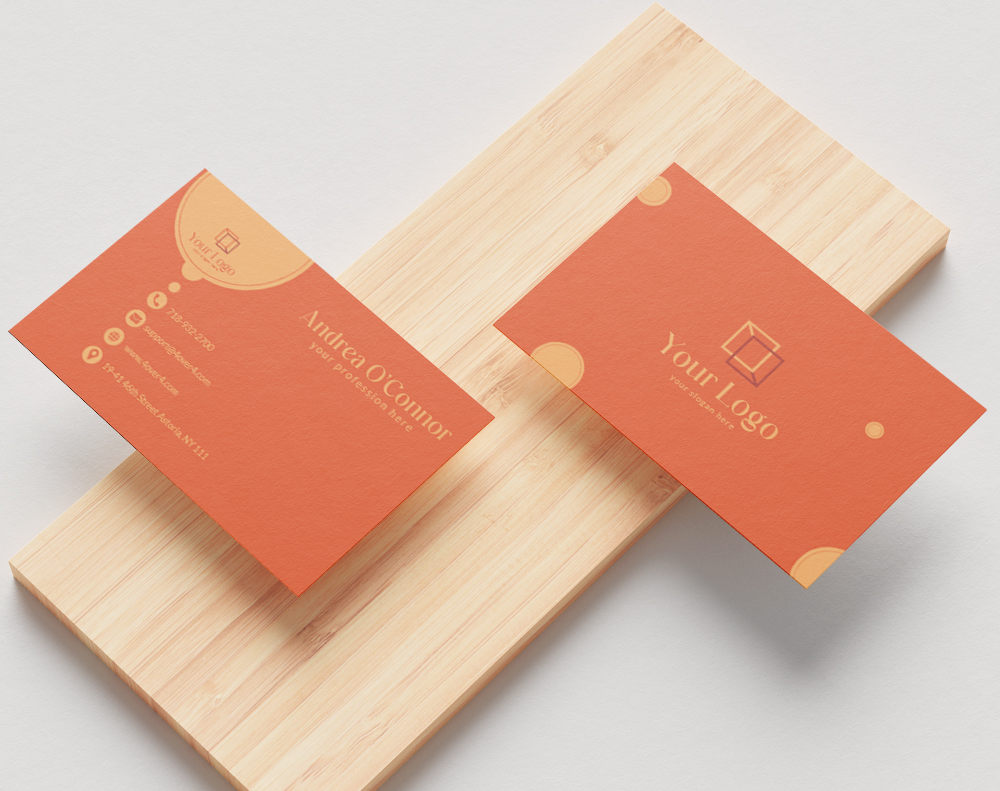
Free Design Templates
Common Questions About Soft Touch Laminated Cards
What does soft touch lamination feel like on a business card?
Soft touch lamination feels like velvet or suede. It creates a smooth, matte surface with a subtle rubbery grip. The texture is similar to premium cosmetics packaging. 4OVER4 applies this finish using a heat-bonded polypropylene film that resists fingerprints and scratches while maintaining that distinctive tactile quality.
Can you write on soft touch laminated cards?
No - standard pens won't write on the laminated surface because the film repels ink. If you need a writable area for appointment times or notes, request lamination on one side only. The uncoated side accepts pen ink normally while the front keeps its velvety soft touch finish.
Is soft touch lamination the same as matte lamination?
They're different. Standard matte lamination reduces glare and adds a flat, non-reflective surface. Soft touch lamination goes further with a textured, velvety feel you can physically sense when you hold the card. Both are anti-glare, but only soft touch delivers that tactile experience people associate with luxury products.
What paper thickness works best with soft touch lamination?
16pt cardstock is the most popular choice - it's about credit card thickness. For a luxury feel, 32pt ultra-thick stock creates a rigid, big card. 14pt works for budget orders but won't deliver the same premium impression. The lamination film adds slight thickness to whatever stock you choose.
Does soft touch lamination work with foil stamping and spot UV?
Yes, and these combinations are among the most popular at 4OVER4. Spot UV creates a dramatic gloss-on-matte contrast. Foil stamping (gold, silver, rose gold) pops even more against the matte soft touch background. Embossing and edge painting also pair well for a multi-sensory card experience.
How long do soft touch laminated cards last?
A lot longer than uncoated or standard coated cards. The lamination film protects against scratches, scuffs, light moisture, and UV fading. Cards stay looking fresh after weeks in a wallet or card holder. The finish is built for durability - your card should outlast the networking event by months.