
What Is Gator Board? Rigid Foam-Core Explained


Gator board is a rigid foam-core panel wrapped in wood fiber. It stays flat, resists dents, and prints sharp, which is why it beats plain foam board for signs, displays, and mounted prints.
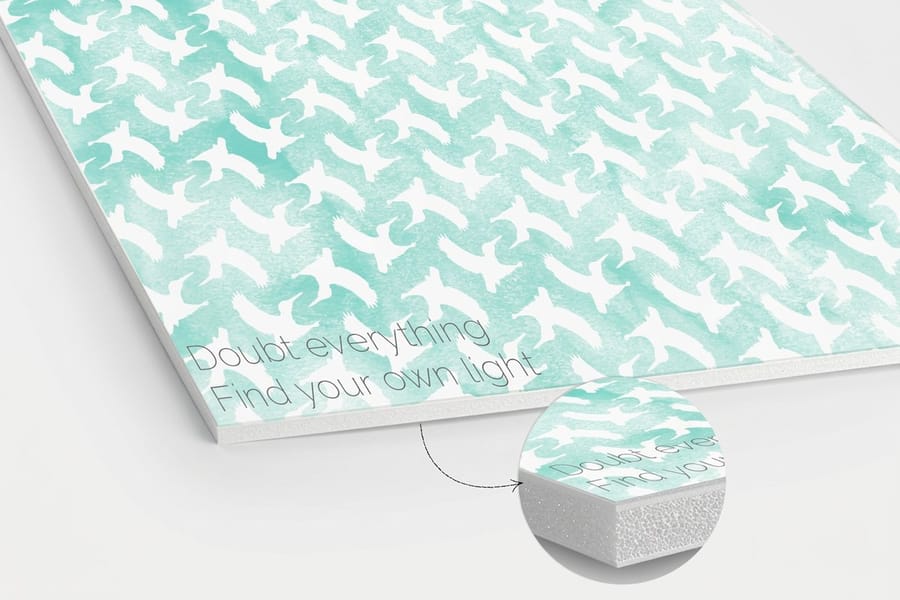
Gator board is a rigid, lightweight substrate made from a dense polystyrene foam core bonded between two layers of wood-fiber veneer. It is stronger and more durable than standard foam board, so it is a go-to choice for signage, displays, and mounted prints. It will not warp, dent, or bend the way cheaper foam alternatives do, which makes it built to last for indoor use.
Quick answer
A dense polystyrene core between wood-fiber faces
Gator board is dense polystyrene foam sandwiched between two wood-fiber faces. That build makes it far stronger and more durable than standard foam board, so it holds flat for signage, displays, and mounted prints without denting or warping. It is an indoor material at heart. For anything that has to face rain or long sun exposure, step up to Sintra or Dibond. 4OVER4.COM prints on rigid substrates like foam core for businesses that need displays built to last.
Understanding gator board and why it matters for print
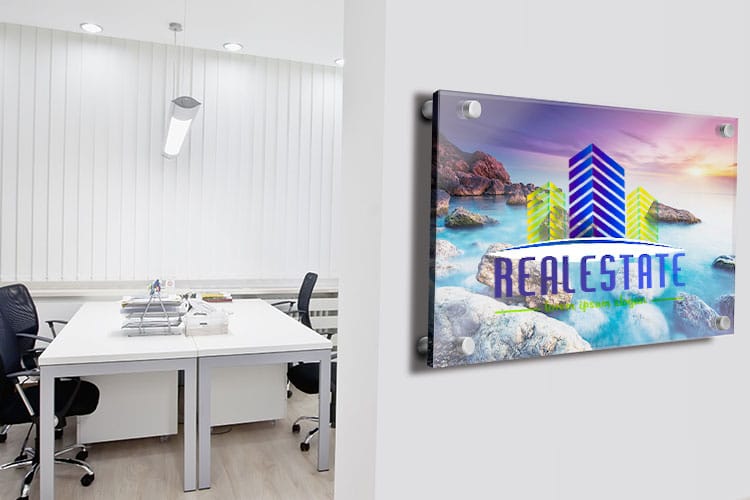
So what is gator board, exactly? It is foam board's tougher older sibling. A dense polystyrene core gives it rigidity, and the wood-fiber facing gives it a smooth, professional surface that takes ink beautifully. You get something light enough to hang on a wall but sturdy enough to stand on an easel for weeks without bowing.
If you are exploring specialty print materials, gator board sits in the same conversation as other high-impact techniques. Understanding options like what is lenticular printing or what is spot color printing helps you pick the right approach for each project. 4OVER4.COM provides design templates that make it easy to set up files for rigid substrates. Trade show displays and retail signage ask the same thing of a panel: stay flat and take a knock.
Gatorboard vs foam board, the short answer
Gatorboard is the stronger of the two, and the difference is the facing, not the foam. Both panels are foam in the middle. Gator board faces that foam with wood-fiber veneer; standard foam board faces it with paper. Press a fingernail into paper-faced foam board and you leave a dent. Press the same nail into gator board and the surface pushes back. Foam board is the cheaper panel for a one-week interior sign you recycle after the event. Gator board is what you buy when the same artwork has to be packed, shipped, leaned against a wall and set up again.
The practical split we see on the floor: foam board for short-run interior posters, backing boards and mock-ups; gator board for trade show panels, easel-mounted displays, menu boards, and anything past 24 by 36 inches that has to stand without bowing. A 1/2-inch gator board panel is the safe default for signage, 3/16 inch is enough for a lightweight wall-mounted print, and 1 inch is what keeps a 40 by 60-inch piece flat when nothing supports the middle. Humidity is where foam board gives up first: the paper facing draws moisture and the panel curls, while the wood-fiber face and dense polystyrene core of gator board hold their shape through a hot exhibit hall or a cold loading dock.
Both substrates cut clean and both take the same direct print, so image quality is not the deciding factor and neither is a burden to carry. Choose on how many times the piece gets handled and how long it has to stay flat. If the sign is going outside on a lawn or a stake, neither one belongs there: see yard sign sizes and materials for the outdoor substrates, and foam core signs or foam core board printing when the piece stays indoors.
How gator board is made and what sets it apart
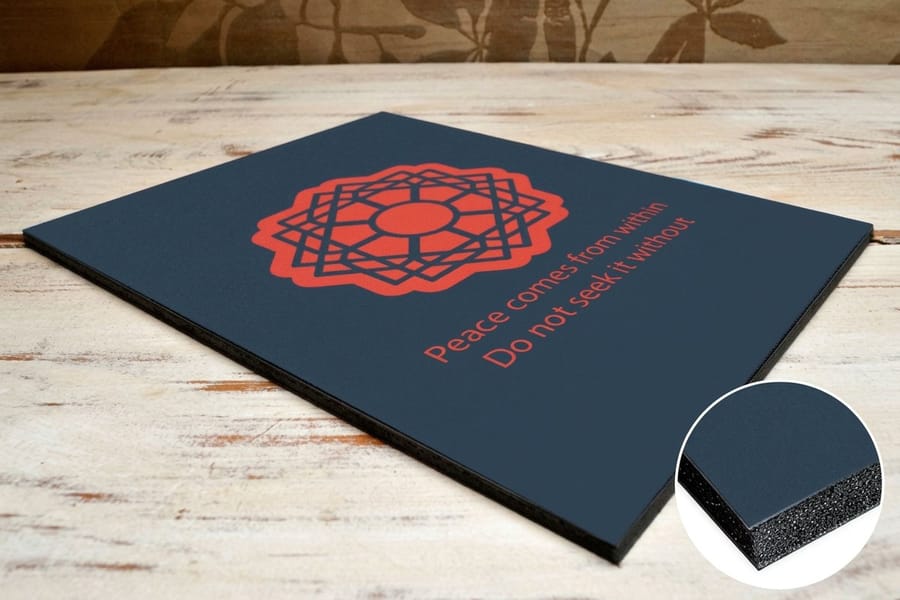
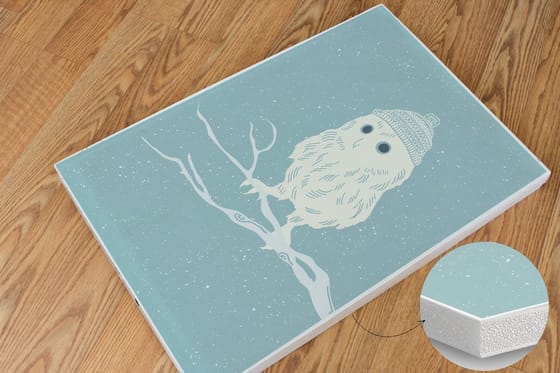
Gator board starts with a core of extruded polystyrene foam, the same dense material used in architectural insulation. That core gets bonded on both sides with a thin layer of wood-fiber veneer. This sandwich construction is what gives gator board its signature mix of low weight and high rigidity.
Standard foam board uses paper facings over a softer foam core. That is fine for a school project. But for professional signage, event displays, or mounted photography, paper-faced foam board dents with a fingernail and warps in humidity. Gator board does not. The wood-fiber surface resists denting, and the dense polystyrene core holds flat even as temperatures change.
Common thicknesses and sizes

Gator board typically comes in three thicknesses: 3/16 inch, 1/2 inch, and 1 inch. The 3/16-inch option works well for lightweight wall-mounted prints. The 1/2-inch version is the most popular for general signage and displays. And the 1-inch thickness handles large-format pieces that need to stand unsupported without flexing.
Standard sheet sizes range from 24 by 36 inches up to 48 by 96 inches. Most print shops can cut gator board to custom dimensions, so you are not locked into standard sizes. If you are creating something unique, like a shaped standee or an oversized display, custom cutting is straightforward.
Where gator board gets used
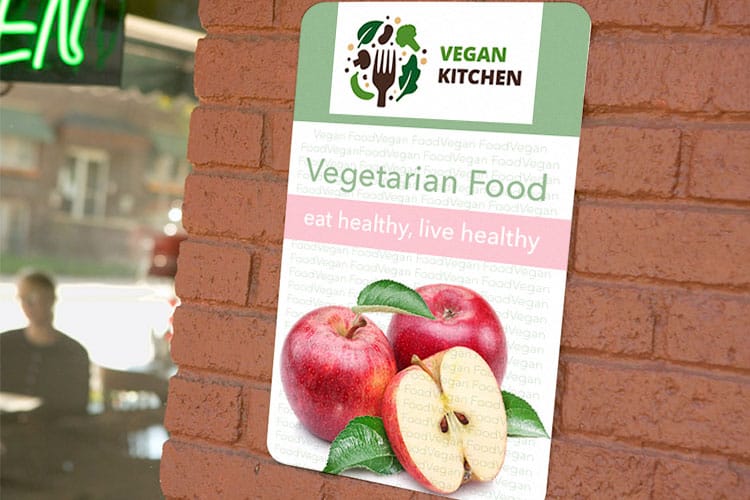
Trade shows and exhibitions are probably the single biggest use case. Gator board prints look sharp, travel well, and set up fast. A 40 by 60-inch gator board panel weighs a fraction of what an acrylic or wood panel would, which matters when you are hauling materials through a convention center.
Retail environments love gator board for point-of-purchase displays. It is rigid enough to stand in an easel or hang from ceiling hooks. Restaurants use it for menu boards. Real estate offices print property photos on it. Photographers mount portfolio pieces on it for gallery shows. If you are curious about other print projects, the guide hub covers dozens of related topics.
Event planners reach for gator board for welcome signs, seating charts, and directional signage. It props easily on an easel at a wedding reception or corporate event. For those events you will also want supporting materials like invitations and programs, and learning how to make flyers helps you promote the events where your gator board displays will shine.
Gator board vs foam board vs Sintra vs Dibond
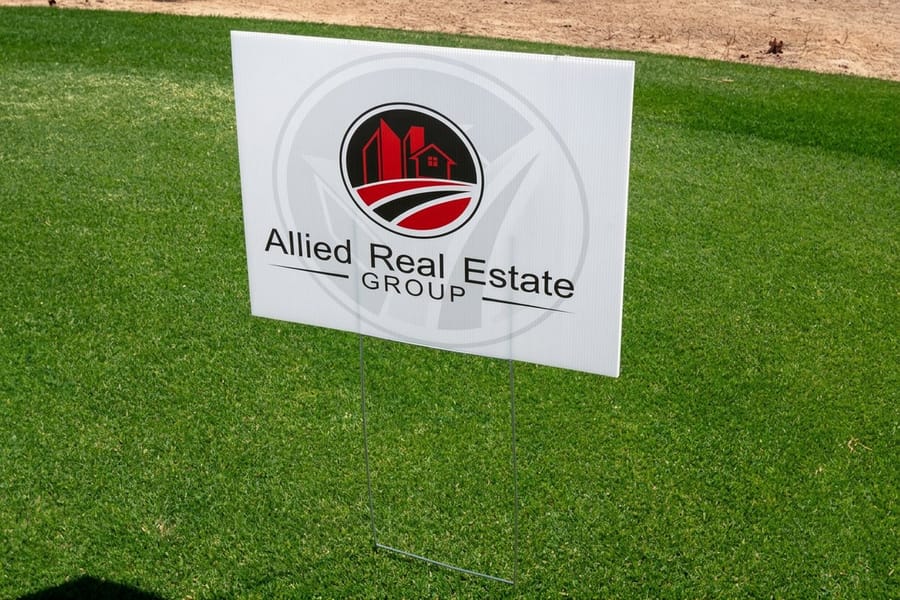
These are the other rigid substrates you will run into, and how gator board compares.
Foam board, also called foam core, is the budget option. It is lighter and cheaper, but it dents easily, warps in heat, and does not hold up to repeated handling. It is good for temporary indoor use and not much beyond a few days.
Sintra is expanded PVC, a solid plastic sheet. It is waterproof and works outdoors, but it is heavier than gator board and does not have the same smooth print surface. Sintra makes sense for outdoor signs that face rain. Gator board makes more sense for indoor displays where print quality matters most.
Dibond is aluminum composite, two thin aluminum sheets bonded to a polyethylene core. It is the premium pick, extremely rigid, weather-resistant, and sleek. It is also the heaviest and most expensive. Dibond is overkill for a trade show booth, while gator board gives you most of the rigidity at a fraction of the weight and cost.
Gator board sits in the middle ground between cheap foam board and expensive aluminum composite. It is the practical middle ground for most indoor display and signage jobs.
Printing on gator board
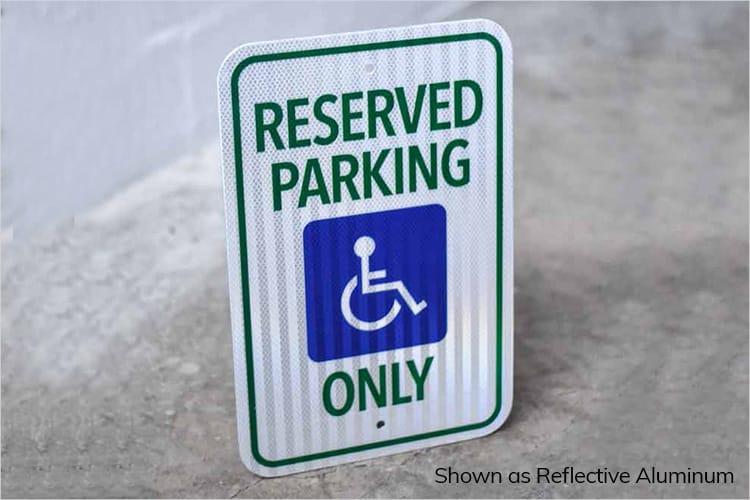
There are two main ways to get graphics onto gator board. Direct printing uses UV-cured flatbed inkjet printers to lay ink straight onto the board surface. This gives you a clean, integrated look with no bubbling or peeling. The wood-fiber surface takes UV ink well, producing vivid colors and sharp detail.
The second approach is mounting. You print your graphic on vinyl or paper, then adhesive-mount it to the gator board surface. Mounting gives you more flexibility with finishes like glossy, matte, and satin, but it adds a production step. Both methods work. Direct print is faster, and mounting gives you more finish options.
When preparing files, use CMYK color at 150 to 300 DPI depending on viewing distance. Large pieces viewed from several feet away do not need 300 DPI, since 150 DPI looks sharp at arm's length. Include bleed if your design runs to the edge. Browse the showcase to see printed displays and signage on rigid substrates, and grab ready-made banner stands or double retractable stands templates to set your files up correctly.
Cutting, shaping, and finishing gator board
Gator board cuts cleanly with a utility knife, table saw, or CNC router. For straight cuts, score the surface with a sharp blade and snap it. For curves and custom shapes, a CNC router gives you precise edges without chipping the wood-fiber veneer.
You can also die-cut gator board into custom shapes like standees, arrows, speech bubbles, and product silhouettes. Die cutting works best on the 3/16-inch thickness. Thicker boards need router cutting for clean edges.
Edge finishing matters if your gator board will be seen from the side. Raw cut edges show the white foam core. You can paint the edges, apply edge tape, or use a router bit that creates a beveled edge. For display pieces, painted edges look the most polished.
If you work with other print materials alongside your gator board displays, these guides help: how to fold a brochure for companion handouts, how to make envelopes for direct mail pieces, and custom magnets for promotional giveaways at the same events.
Durability, storage, and lifespan
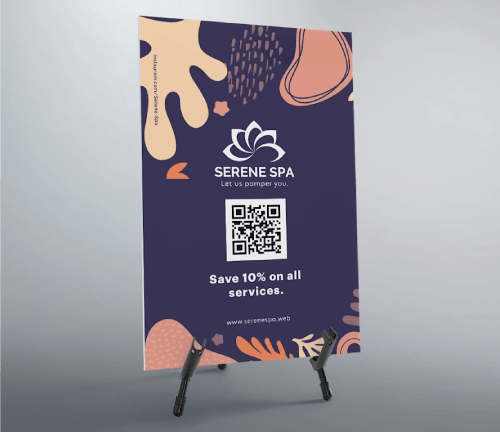
Gator board lasts years indoors when stored and handled properly. Keep it flat or upright and never leaned at an angle, which can cause bowing over time. Store it in a cool, dry space away from direct sunlight. UV exposure will fade prints and can yellow the board surface over long periods.
For repeated use like trade shows and rotating retail displays, gator board holds up well to handling. The wood-fiber surface resists the scratches and dings that would destroy foam board. That said, it is not indestructible. Sharp impacts can crack the foam core, and long moisture exposure will eventually compromise the wood-fiber facing.
One practical tip is to transport gator board prints face-to-face with a sheet of kraft paper between them. This prevents surface scratching in transit. For larger pieces, cardboard corner protectors keep the edges clean. If you like to maintain your print tools and materials, how to clean rubber stamps covers care tips for another common print accessory.
What gator board costs

Gator board costs more than foam board but less than Sintra or Dibond. Expect to pay roughly 2 to 3 times the price of standard foam board for the same size. The 3/16-inch thickness is the most affordable, and the 1-inch thickness costs more because of the extra material.
For most businesses, the price difference between gator board and foam board pays for itself in durability. A foam board sign that warps after one event costs you a reprint. A gator board sign that lasts through five events saves money over time. 4OVER4.COM helps businesses choose the right substrate for their budget and use case.
Mistakes to avoid when working with gator board
Using gator board outdoors without protection. It is an indoor material. Rain, snow, and long sun exposure will damage it. If you need outdoor signage, choose Sintra or Dibond instead.
Storing boards at an angle. Gator board should sit flat or perfectly vertical. Leaning it against a wall at a slant causes gradual warping that is hard to reverse.
Submitting low-resolution files. For prints viewed up close, like tabletop displays and mounted photos, you want at least 200 to 300 DPI. Low-res files look fine on screen but blurry on a 24 by 36-inch print.
Ignoring bleed. If your design extends to the edge, include at least 0.125 inches of bleed on all sides. Without it, you will get white edges after trimming.
Skipping edge treatment. Raw foam edges look unfinished. Paint them, tape them, or ask your printer about edge finishing options. 4OVER4.COM can advise on the best finishing approach for your specific gator board project.
Wally explains gator board
Same idea as foam board, built to actually hold up
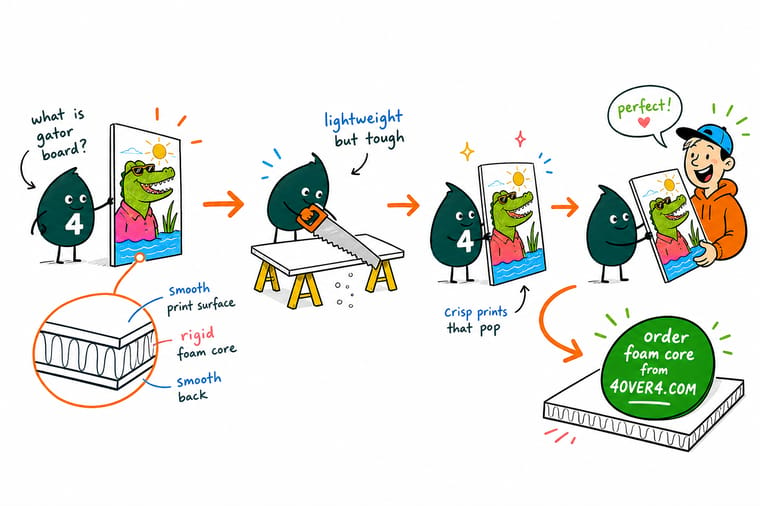
Wally puts it simply: foam board is the school-project version, and gator board is the one that survives the trade show. A dense foam core wrapped in wood fiber stays flat, resists dents, and prints crisp, so your booth still looks sharp after the third flight and the rainy loading dock. Keep it indoors, store it flat, and it earns its keep for years. When you need a display built to last, print foam core at 4OVER4.
Order foam-core prints →
Side by side
How rigid substrates compare on price and lead time
Gator board sits between cheap foam board and premium aluminum composite. Here are real rigid-substrate options from 4OVER4.COM with live starting prices, so you can see where foam core lands against its neighbors.
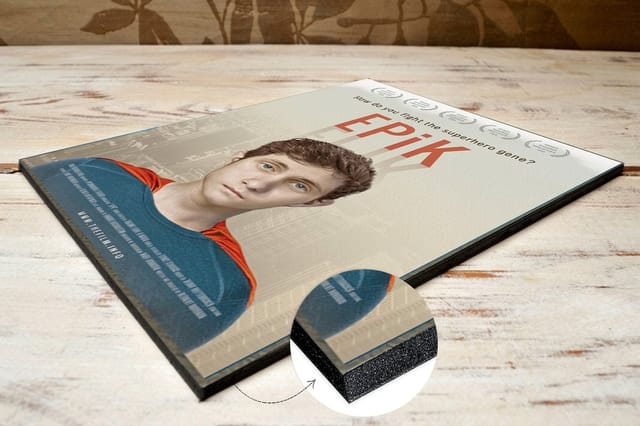 Foam Core | 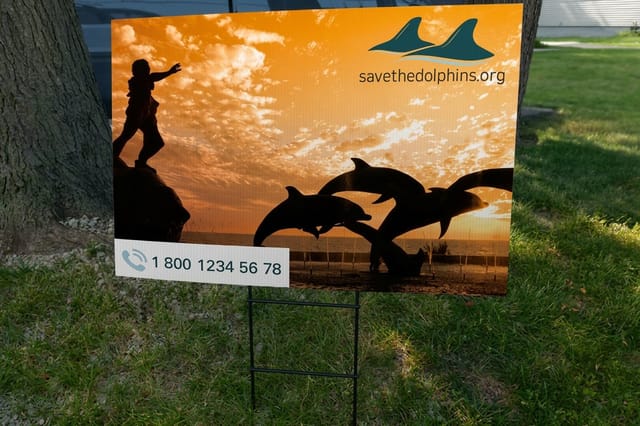 Standard Coroplast Signs | 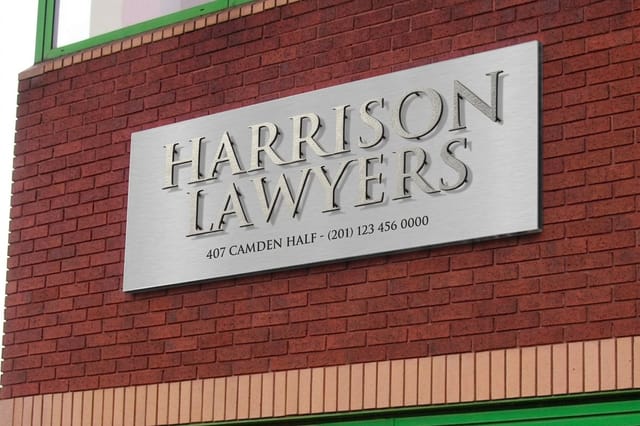 Aluminum Sign Panels |  Backlit Film | |
|---|---|---|---|---|
| Min price | $49.99 | $25.00 | $29.00 | $29.20 |
| Paper / stock | 10.4 mil Semi Gloss | 4mm White Coroplast | 1/8" Aluminum Sign Panel | 10 mil Backlit Film |
| Size | 16" x 20" | 11" x 17" | 11" x 17" | 18" x 24" |
| Default qty | 1 | 1 | 1 | 1 |
| Turnaround | 4 business days | 3 business days | 4 business days | 2 business days |
| Rating | ||||
| View & customize | View & customize | View & customize | View & customize |
Why crews choose gator board
- Resists denting and warping far better than paper-faced foam board
- Light enough to hang on a wall, rigid enough to stand on an easel for weeks
- Smooth wood-fiber face takes UV ink with vivid color and sharp detail
- Cuts and die-cuts cleanly into custom shapes, standees, and silhouettes
- Costs less than Sintra or Dibond while lasting through many events
Where it falls short
- Indoor only, since the wood-fiber facing absorbs moisture
- Not waterproof, so rain and snow will damage it over time
- Sharp impacts can crack the foam core
- Raw cut edges show white foam and need painting or taping
Print it
Order rigid boards and mounted prints at 4OVER4
Gator board signs work best as part of a bigger print strategy. Pair your rigid displays with a full range of marketing materials printing that travels alongside them to trade shows, events, and retail spaces. Planning a launch or corporate event? Add event invitations to drive attendance, and browse all signs and banners when you need more surface area.

See it in use
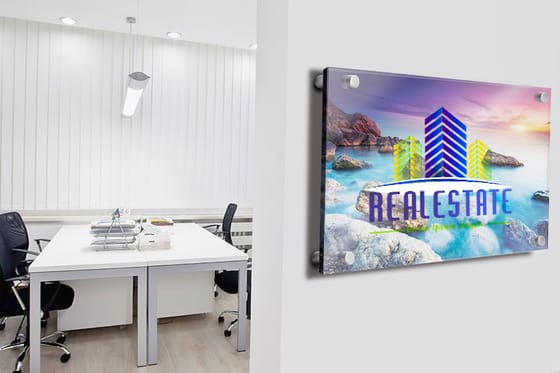
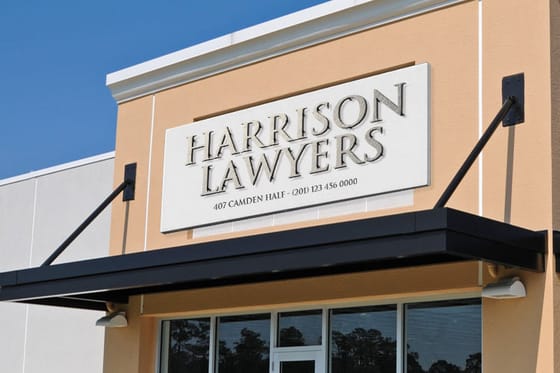
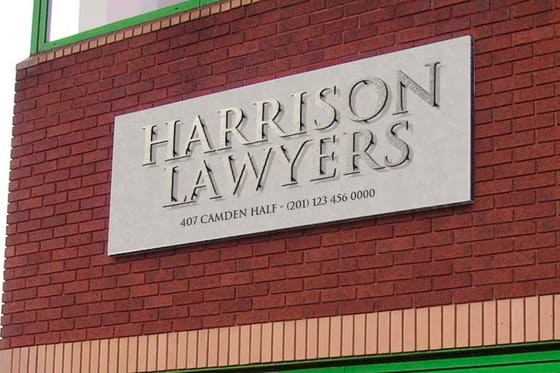
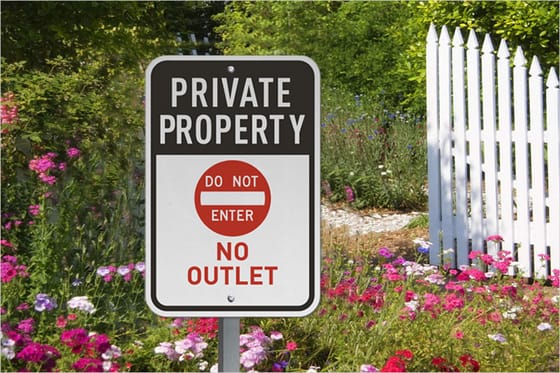
Rigid foam core signs from customer files





Explore more
Where to go next

By the numbers
The wide-format side of our shop
Common Questions
Your gator board questions, answered
What is gator board made of?
Gator board is a dense extruded polystyrene foam core bonded between two layers of wood-fiber veneer. That construction makes it lighter than solid wood or plastic but far more rigid and durable than standard paper-faced foam board.
Can you print directly on gator board?
Yes. UV-cured flatbed inkjet printers apply ink straight to the wood-fiber surface, which produces vivid, durable graphics with no mounting or lamination. You can also mount printed vinyl or paper onto gator board when you want more finish options.
Is gator board waterproof?
No. The wood-fiber facing absorbs moisture over time, which can cause warping and surface damage. Gator board is built for indoor use. For outdoor signage, choose a waterproof substrate like Sintra, which is expanded PVC, or Dibond, which is aluminum composite.
How long does gator board last?
Stored indoors away from direct sunlight and moisture, gator board prints can last several years. For trade show use with regular handling, expect solid performance across multiple events. Store it flat or upright to prevent warping.
What thickness of gator board should I choose?
Use 3/16 inch for lightweight wall-mounted prints. Choose 1/2 inch for general signage and easel displays, which is the most popular option. Go with 1 inch for large freestanding pieces that need maximum rigidity without support.
Can gator board be cut into custom shapes?
Absolutely. A utility knife handles straight cuts on thinner boards. CNC routers cut precise custom shapes like standees, silhouettes, and arrows with clean edges. Die cutting works well on 3/16-inch gator board, while thicker boards need router cutting for the best results.
Is gatorboard stronger than foam board?
Yes, and the strength comes from the facing rather than the foam. Gator board bonds wood-fiber veneer to both sides of a dense extruded polystyrene core, so the surface takes a fingernail without denting and the panel resists bowing. Standard foam board uses paper over a softer core, which dents under the same pressure and curls once it picks up moisture. At 1/2 inch, the thickness most signage is printed on, gator board stands in an easel or hangs from ceiling hooks without waving. At 1 inch it holds a 40 by 60-inch panel flat with no frame behind it. Foam board still earns its place for short-run interior posters, backing boards and mock-ups that get handled once.
Is gatorboard waterproof?
No. The polystyrene core does not soak up water, but the wood-fiber facing does, and a soaked edge will swell and lift away from the core. Wiping a spill off the printed face is fine, and a panel that catches light spray on the way into a venue dries without damage. Standing water, rain and sprinklers are what ruin it. Keep the board indoors or under cover, store it flat and dry between shows, and if the artwork has to live in wet conditions, print it on an outdoor substrate instead: yard sign sizes and materials covers those options.
Can gatorboard be used outdoors?
For short stretches under cover, yes: a covered entrance, a shaded sidewalk easel, a one-day event. Think days, not seasons. Direct rain, sprinklers and weeks of full sun will separate the wood-fiber facing from the core and fade an uncoated print, and no thickness fixes that, not even the 1-inch board. Anything staked in a lawn or left out through a season belongs on a weatherproof material. Browse rigid signs printing for the panels we print in-house, or foam core signs for indoor display work.
Get Started
Pick a rigid board and upload your art
Pick your size, upload your art, and we print sharp, rigid foam-core boards that stay flat through show after show.
Legal Disclaimer
Gold Standard guarantees apply to all standard orders placed through 4over4.com. Price match requires verifiable proof of a competitor's published price for an equivalent product with matching specifications and turnaround time. Satisfaction guarantee covers manufacturing defects and print quality issues. Contact support with order number and documentation. On-time delivery rate based on tracked orders 1999 to 2026. Individual results may vary based on shipping carrier performance.
