
Custom Printed Paper Bags and Mailers for Every Brand


Nadia is our customer education voice, built from the knowledge of our production team, with over 20 years in printing.
What Printing on Paper Bags and Mailers Really Means
Custom printed paper bags and mailers are a packaging decision before they are a design decision. The bag is a flat sheet until it is cut, creased, folded and glued, so everything you print has to survive that journey. Ink lands on the sheet first, the structure comes second, and the artwork that looks perfect on screen has to still read cleanly after two folds and a gusset.
Paper mailer bags follow the same logic with a different job. A retail bag has to look good for the walk from the counter to the car. A mailer has to look good after a sorting facility, a truck, a porch and a rainy afternoon. Same paper family, very different demands on coating and adhesive.
4OVER4.COM has been printing packaging and print collateral for businesses since 1999, and the most common mistake is still the same one. Brands pick a stock size first, then squeeze the product into it. Working the other way around is cheaper and looks better. Measure the product, add the clearance you actually need, then order paper cut to that size with Any Shape Size Paper Die-Cut printing so the package fits the thing inside it.
Start from the product, not the bag
Lay the item flat, measure length, width and depth, then add roughly a quarter inch of breathing room per side for a snug retail bag and half an inch for a mailer with any padding. Those two numbers set your die line before a single pixel of artwork exists.
Decide where the brand actually shows
On a bag carried by a handle, the top third of the front panel is what people see across a room. On a mailer sitting on a doorstep, the top face is everything. Put the logo and the one line you want remembered there, and let the rest of the panel breathe.
Choose the finish for the environment
Uncoated kraft feels honest and takes a stamp or a handwritten note beautifully. A coated face resists moisture and scuffing, which matters the moment a bag holds anything from a bakery case or a mailer meets weather.
Prove it with one physical sample
Print one, fold it, fill it, carry it. Ten minutes with a real sample catches the problems no proof will show you, like a handle punch landing on your tagline or a fold line splitting the logo in half.
Shop the range
Custom printing collection
Any size, any shape print for packaging built around the product
Paper Bags and Paper Mailers Compared
The two formats get lumped together because both are printed paper carrying a product, but they answer different questions. A bag is a handoff at the point of sale, carried out by its handle. A mailer is a shipping container that happens to be flexible, closed with a self seal strip or a length of printed tape. Choosing the wrong one costs you either damaged goods or an oversized shipping bill. Both can carry the same die-cut insert, cut in any of 16 sizes from 2 x 2 to 11 x 11 inches on stocks such as 14pt uncoated cover or 18pt kraft uncoated cover with 100% recycled content.
If your customers walk out with the purchase, a handled bag wins. If the purchase travels, a paper mailer with a self seal strip wins on weight and on dimensional pricing. Plenty of brands run both, printed from the same artwork, so the in store experience and the doorstep experience match.
- Retail paper bags. Flat handles or twisted handles, a rigid base, and a front panel sized for a logo people can read from a distance.
- Paper mailer bags. Lighter, flatter, self sealing, and cheaper to ship because there is no void space for a carrier to charge you for.
- Padded paper mailers. A honeycomb or recycled paper liner instead of plastic bubble, for anything with a corner that can dent.
- Die-cut paper inserts. The card, sleeve or wrap that goes inside either one and does most of the storytelling work.
- Reusable totes. The premium tier for launches, events and loyalty gifts, where the carrier is the marketing.
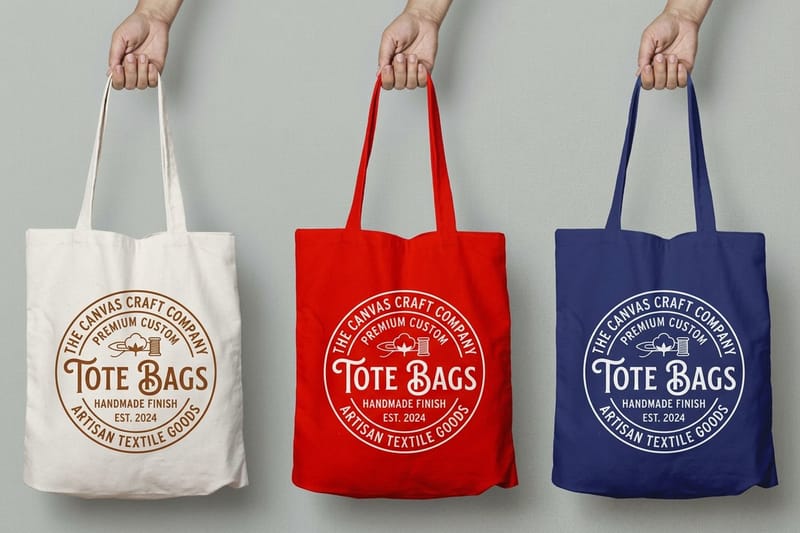
Cost per unit favors the mailer, brand impression favors the bag, and longevity favors a Canvas Tote Bag. Most brands land on a simple rule. Everyday orders ship in a printed mailer, in store purchases and higher value orders go in a printed bag, and the tote is reserved for the customers you want to keep.
Print picks
Three packaging formats worth pricing
Live prices, ready to configure with your own dimensions
 Any Shape Size Paper Die-Cut 50 for $87.00 Cut paper to any outline you supply, from bag gussets to mailer inserts.
 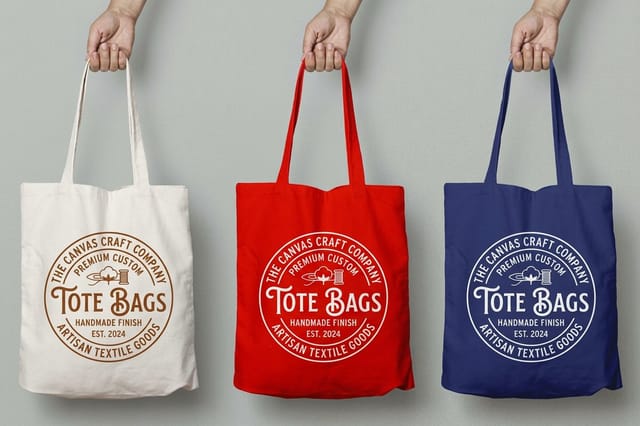 Canvas Tote Bags $22.73 each The reusable upgrade for shoppers who carry your logo around all week.
 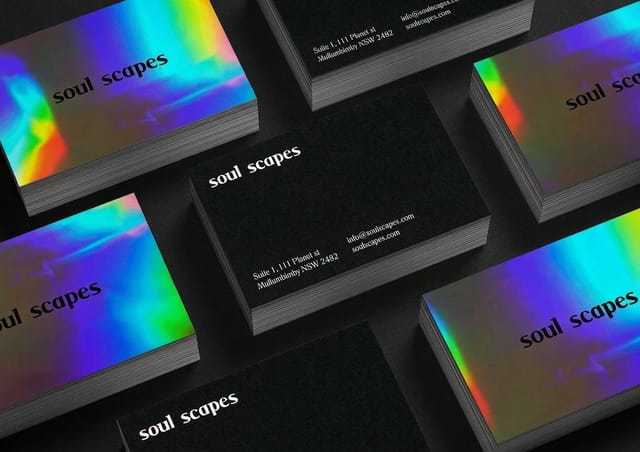 Custom Business Cards 100 for $17.57 Drop one in every bag so the sale carries a reorder link home.
 Sizes, Paper Weights and Handles That Hold Up
Paper weight is where most packaging projects quietly go wrong. Too light and the bag creases under a bottle. Too heavy and the fold lines crack, the glue sits proud, and the whole thing feels stiff rather than premium. The right weight depends entirely on what goes inside.
As a working guide, light apparel and paper goods sit happily on a thinner kraft. Glassware, candles, jars and anything with weight need a heavier stock and a reinforced base. Mailers can run lighter than bags because the contents carry no load, but the seal strip needs a smooth enough surface to bond properly.
- Small gift and jewelry bags. Light kraft with a twisted handle, sized so a single item does not slide around inside.
- Apparel and boutique bags. Mid weight paper with flat handles and a wide front panel for a large, simple mark.
- Grocery, bakery and takeout. Grease resistant or coated faces, square bases, no handle if the bag is carried by the top edge.
- Ecommerce mailers. Thin, flexible paper with a strong adhesive strip and a tear line so opening does not need scissors.
- Heavy or fragile orders. Padded paper mailers or a heavier bag with a double thickness base card slipped in.
Handles deserve their own thought. Twisted paper handles look craft and cost less. Flat paper handles distribute weight better and sit flush when bags are stacked. Die-cut handles punched straight into the bag face are the cheapest and the most modern looking, but they eat into your print area, so plan the artwork around the punch instead of discovering it at proof stage.
Retail Counter Bags and Ecommerce Mailers Serve Different Moments
A bag handed across a counter is a two second brand moment repeated hundreds of times a week, mostly seen by people who did not buy anything. That is free advertising walking down a sidewalk, and it rewards bold, legible design over detail nobody can read at ten feet.
A mailer is the opposite. It is seen by exactly one person, up close, at the highest attention moment your brand ever gets. Detail pays off here. A printed inside face, a short line under the tear strip, a thank you where the seal opens. Those are the touches customers photograph and post.
Design accordingly. Keep the retail bag simple enough to survive a glance, and put the personality inside the mailer where somebody is actually looking. If you sell both ways, the outside artwork can be identical while the inside treatment changes, which keeps the print run efficient without making the unboxing feel generic.
The same thinking carries into everything else you hand over. Branded packaging works best as a set, so the wrap, the seal and the card inside read as one idea. If you also serve food or drink, the logic extends straight to printed paper cups and deli paper and food wrap.
What Custom Paper Bags and Mailers Cost
Packaging pricing is driven by four things and none of them is the artwork. Quantity, sheet size, stock, and finishing. Ink coverage barely moves the number on a digital press, which is why a full bleed color bag often costs the same as a one color logo on kraft. Design boldly, it is usually free.
Quantity is the lever with the most travel. Every packaging job carries setup work that is spread across the run, so the per unit price drops fast between a small test batch and a real order. On die-cut paper inserts, 50 pieces cost $87.00, 1,000 cost $190.00 and 10,000 cost $891.20, so each piece falls from $1.74 to 19 cents to about 9 cents. Order the quantity you will genuinely use in six months rather than the smallest one you can justify.
- Quantity. The single biggest factor. Doubling the run rarely doubles the price.
- Cut size. Any size printing means you pay for the paper you use, not a rounded up stock size.
- Stock and weight. Heavier and specialty papers cost more per sheet and can change the finishing method.
- Finishing. Die cutting, scoring, coating and any handle punch each add a step to the job.
- Turnaround. Standard production is the cheapest lane. Compressed schedules cost more.
Use the live pricing table below rather than an estimate. It reflects the real configurator, so you can see exactly where the per unit price breaks and choose the quantity that sits on the right side of that line.
Quantity and price
Die-cut paper pricing and specifications
Real configurator numbers. The more you print, the lower the per unit cost
| Quantity | Price Per Unit | Total |
|---|---|---|
| 50 | $1.74 | $87.00 |
| 100 | 91.0¢ | $91.00 |
| 200 | 51.2¢ | $102.50 |
| 300 | 37.7¢ | $113.00 |
| 400 | 30.9¢ | $123.50 |
| 500 | 26.6¢ | $133.00 |

Kraft, Recycled and Lower Impact Paper Options
Paper packaging carries an environmental expectation now, and customers notice when the claim and the material do not match. The honest version is simple. Uncoated kraft and recycled stocks recycle cleanly in ordinary curbside streams. Heavy coatings, laminates and plastic windows complicate that, so use them only where the product genuinely needs the protection.
If sustainability is part of your positioning, let the material do the talking instead of a badge. Uncoated recycled paper with a single color logo reads as considered. Full gloss lamination with a leaf icon printed on it reads as marketing. Customers are good at telling those apart.
- Uncoated kraft. Recycles easily, takes a stamp or handwriting, and hides scuffs better than any coated face.
- Recycled content stock. Slightly flecked, warmer in tone, and a visible signal without a single claim printed on it.
- Water based inks on uncoated paper. Keeps the sheet in the paper stream at end of life.
- Paper based padding. Honeycomb or shredded paper liners in place of bubble film for fragile shipments.
- Reusable carriers. A tote that gets used for two years beats any single use bag on impact, by a wide margin.
The most effective sustainability move is usually the least glamorous one. Order the right size. Oversized packaging wastes paper, wastes void fill, and costs more to ship, so a bag or mailer cut to the product is greener before you change a single material.
Reusable option
Canvas tote bags
The carrier customers keep, which beats any single use bag on real world impact
Designing Artwork That Survives Folding and Handling
Add the insert
Cards that ride inside the package
A printed card in every bag or mailer carries the thank you, the care note and the reorder code home
Flat artwork and folded packaging are two different objects. A logo centered on the flat file can end up wrapped around a corner once the gusset folds in. Before you commit, get the die line, place your artwork on it, then mentally fold the thing and check what lands on a crease.
Keep critical elements well inside the safe area, at least a quarter inch from any fold, punch or glue tab. Glue strips do not take ink reliably, so leave them clear. Handles are punched after printing, so anything within the punch radius disappears. None of this is difficult, it just has to happen before the file is approved.
- Build at full size. Set the document to the finished cut size plus bleed, never scale artwork up afterward.
- Bleed everything that touches an edge. An eighth of an inch minimum, so a slight cut shift never shows white.
- Convert type to outlines. It removes every font substitution risk between your file and the press.
- Watch small reversed type on kraft. Uncoated paper spreads ink slightly, so thin white text can fill in.
- Keep the die line on its own layer. Marked clearly, not printing, so production reads it as a cut path.
Every piece that goes inside the package deserves the same treatment. A card tucked into the bag is the cheapest brand impression you can buy, and Custom Business Cards handle that job at a price that lets you include one in every single order.
Seals, Labels and the Details That Finish the Package
A plain kraft bag closed with a printed sticker looks more considered than an expensively printed bag left gaping open. Closure is the last thing a customer touches and the first thing they photograph, so it earns more attention than most brands give it. On a mailer or the carton shipping beside it, custom printed packaging tape does the same job along the seam: 2 or 3 inches wide, 55 or 110 yards a roll, white or clear polypropylene, one or two ink colors, from $347.11 a case.
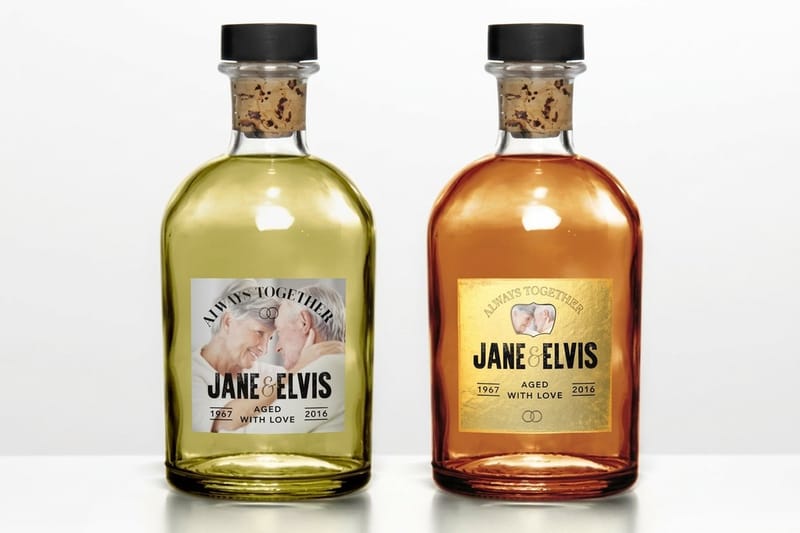
Labels and seals also solve a practical problem. They let you run one neutral bag or mailer across every product line and then differentiate with a sticker, which is far cheaper than printing separate packaging for each range. Change the sticker for a season or a launch, keep the bag inventory the same.
- Seal stickers. One circular sticker closing the fold turns a plain bag into finished packaging.
- Address and product labels. Printed once, applied on demand, and easy to update between runs.
- Printed tape. Branding along the full length of the seam on anything corrugated shipping alongside the mailer.
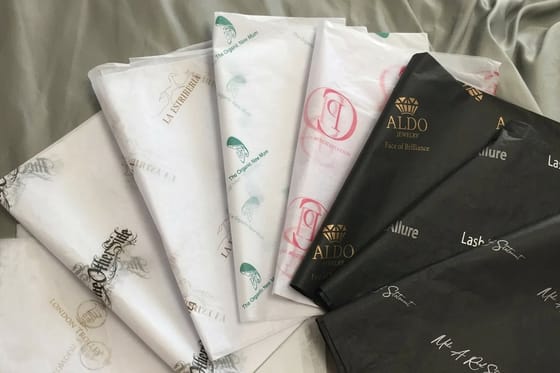
- Tissue and wrap. The layer that turns opening the bag into an actual moment rather than a retrieval.
- Insert cards. A care card, a reorder code, or a short thank you note in the sender voice.
Kraft tape and printed wrap are the natural companions here. If you want the full picture on those, the custom kraft tape guide and the piece on branded wrapping and tissue paper cover the practical details.
Compare seals and labels
Popular sticker formats, side by side
Stock, finish, size, quantity, turnaround and price for the pieces that close a package
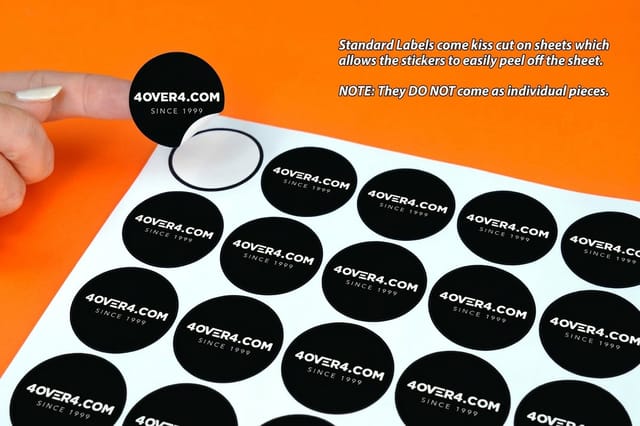 Standard Stickers | 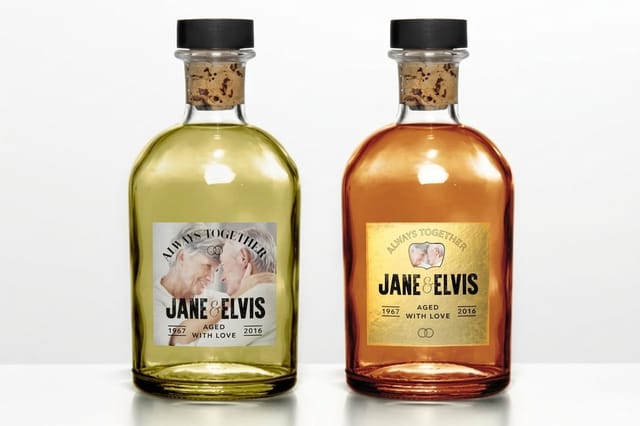 Premium Stickers | 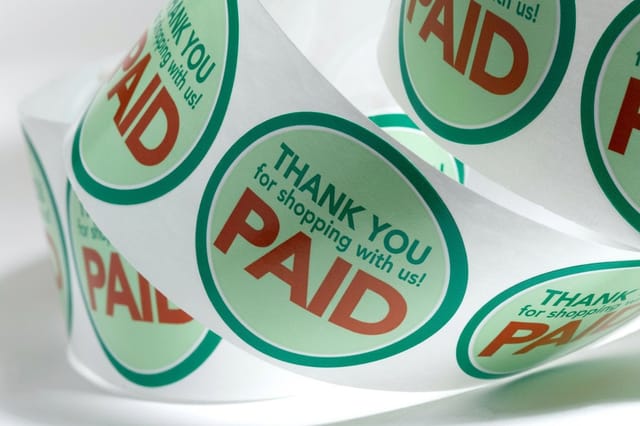 Roll Stickers | 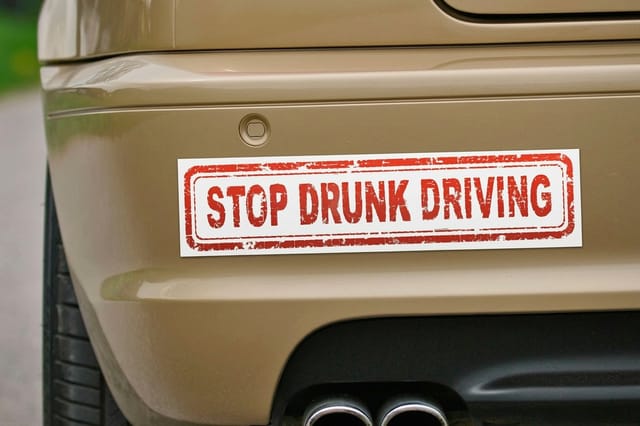 Bumper Stickers | |
|---|---|---|---|---|
| Min price | $23.88 | $29.16 | $322.98 | $38.44 |
| Paper / stock | Standard Uncoated Label | Uncoated Label | White Gloss (Indoor) | White Vinyl Permanent |
| Finish | - | - | - | UV Coating |
| Size | .375" x 1" | 3" x 5" | 1" x 1" | 2" x 5" |
| Default qty | 25 | 25 | 100 | 25 |
| Turnaround | 3 business days | 3 business days | 6 business days | 5 business days |
| Rating | ||||
| View & customize | View & customize | View & customize | View & customize |
Getting Files Print Ready and Into Production
Once the structure and artwork are settled, production is the easy part. Supply a press ready PDF at full size with bleed, fonts outlined, images at 300 dpi and the die line on a separate non printing layer. Files built that way move straight into production without a round of queries.
Give yourself a real timeline. Packaging with die cutting and folding takes longer than flat printing, and the first order of any new die takes the longest because the cutting form has to be made. Once that exists, reorders are quick. Build the first run into your launch schedule rather than against it.
A short pre press checklist
- Correct cut size. Finished dimensions confirmed against a physical measurement of the product.
- Bleed and safe area. Nothing important inside a quarter inch of a fold, punch or glue tab.
- Color mode. CMYK throughout, with any brand color matched to a printed reference rather than a screen.
- Resolution. 300 dpi at final size, including any logo dropped in from a website.
- One physical sample. Folded and filled before the full quantity is committed.
Start from a print ready layout rather than a blank canvas. The template library below has correctly sized files with the bleed and safe area already marked, which removes the single most common cause of a delayed packaging job.
Start fast
Packaging templates and print-ready blanks
Free layouts plus exact-size blanks so the bleed and safe area are right before you begin
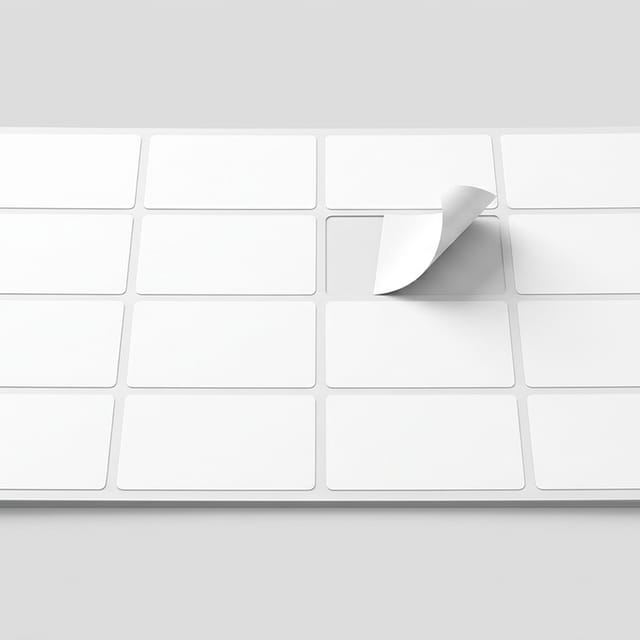
Wally sizes the bag before he prints it
Measure the product, then print the packaging around it
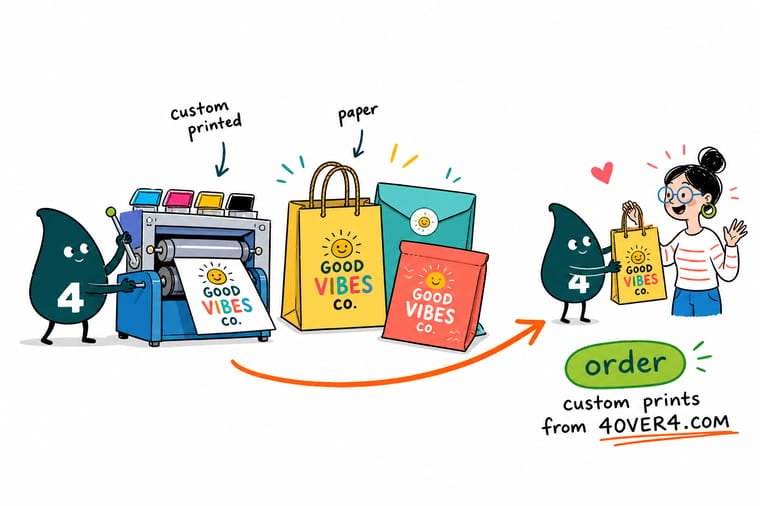
Most packaging problems start with a stock size. Measure the product, add a quarter inch of clearance per side for a retail bag or half an inch for a mailer, and order paper cut to that number. A snug package protects better, ships cheaper, and wastes less paper. Once the size is locked, keep logos a quarter inch clear of every fold, glue tab and handle punch, and the print will look exactly as you designed it.
Price your custom packaging →Key Takeaways for Branded Bags and Mailers
Explore more
More branded packaging across 4OVER4.COM
Totes, tape, tissue, gift bags, food wrap and die-cut inserts, the rest of the handoff around your bag or mailer
 Article 9 Ecommerce Packaging Solutions That Protect Orders and Sell Your Bran Compare 9 ecommerce packaging solutions on cost, protection, and unboxing appeal, from mailers to printed inse
  Collection Custom Printing Collection Any size, any shape print built around your product.
  Guide Custom Printed Food Wrappers Grease resistant wrap printing from artwork to production. Article Custom Deli Paper Printed food wrap that holds up to grease and heat.
  Article Custom Printed Paper Cups Branding the cup that leaves your counter every day.
  Guide Custom Gift Bags Sizes, handles and finishes for printed gift bags. Article Branded Wrapping and Tissue The layer that turns opening a bag into a moment.
  Article Custom Printed Notebooks Branded notebooks for gifting, events and welcome kits.
  Article Custom Water Bottles A reusable brand carrier for events and loyalty gifts. Guide Custom Kraft Tape Guide Brand the seam and seal the package in one pass. Product Any Shape Size Paper Die-Cut Paper cut to the exact outline your packaging needs. Product Canvas Tote Bags The reusable carrier customers keep using for years.
 Order paper cut to your product, from 50 pieces
Measure the product, choose a stock, and order paper cut to your exact dimensions. Add a seal, tuck in a card, and the whole handoff feels deliberate from counter to doorstep.
Paper Bag and Mailer Printing FAQ
What is print on paper bags?
Print on paper bags means printing your artwork directly onto the flat paper sheet that is then cut, creased, folded and glued into a finished bag or mailer. Because the printing happens before the structure is formed, the design has to be planned against the die line, with logos and type kept clear of folds, glue tabs and handle punches. The same process produces retail carrier bags, self sealing ecommerce mailers, and the die-cut inserts, sleeves and wraps that go inside them.
How do I choose the right print on paper bags?
Start with how the package travels. If customers carry it out of a store, choose a handled bag with a rigid base and a bold front panel. If it ships, choose a paper mailer, which weighs less and avoids the void space carriers charge for. Then match the paper weight to the load, since a thin stock creases under a bottle and an over heavy stock cracks along the folds. Finally, size the bag to the product rather than to a stock size, because a snug package protects better and ships cheaper.
What does print on paper bags cost and how are prices set?
Pricing rests on quantity, cut size, stock and finishing rather than artwork, which is why a full color design usually costs the same as a one color logo on a digital press. Quantity is the biggest lever, since setup work is spread across the run and the per unit price falls sharply as the order grows. At 4OVER4.COM, Any Shape Size Paper Die-Cut printing starts at $87.00, Canvas Tote Bags start at $22.73, and Custom Business Cards for inserts start at $17.57. The live pricing table on each product page shows the exact quantity breaks. To pick the bag before you price it, read our custom bags buying and design guide.
What sizes, stocks and finishes are available for print on paper bags?
Any size printing means you are not limited to a stock catalog. You supply the finished dimensions and the die line, and the paper is cut to that outline. Stocks run from uncoated kraft and recycled sheets through to coated papers that resist moisture and scuffing, and each can print on the outer face, the inner face, or both. Finishing options cover die cutting, scoring, handle punches, seal strips and protective coatings, and closure details such as printed seal stickers or branded tape complete the package.
How long does print on paper bags take to print and ship?
Turnaround depends on the finishing involved. Flat printed inserts and cards move fastest, while anything that needs die cutting, creasing and folding takes longer, and a brand new die adds time to the very first run because the cutting form has to be produced. Reorders on an existing die are much quicker. Each product page shows the available production speeds and shipping options at the point where you configure quantity, so build the first packaging run into your launch schedule and keep reorders on a standing cycle.
