
Paper Weight Guide to GSM, Points & Thickness


Points measure thickness, pounds measure a ream, and GSM measures the sheet. Here is how to read all three and pick the right stock for cards, postcards, flyers, and everything you print.
Paper weight comes in three systems: points measure thickness (14pt cardstock is about as thick as a credit card), pounds measure the weight of 500 sheets and split into thin text and thick cover, and GSM measures grams per square meter where higher simply means heavier. Read points to judge feel, use GSM to compare brands, and always name text or cover when you order in pounds. Match the weight to the job and every printed piece feels intentional.
Quick tips
Quick tips for choosing paper weight
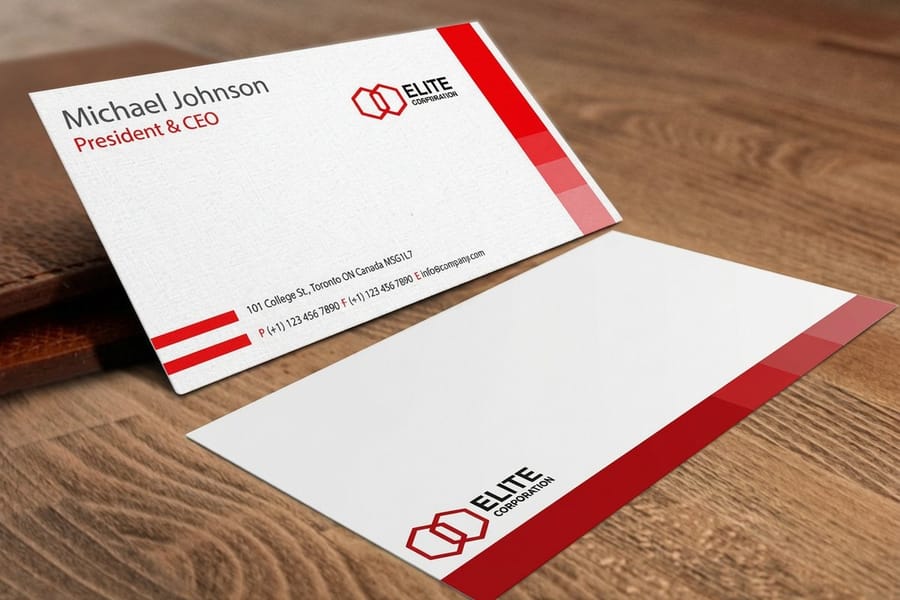
Read points for thickness, GSM for a clean cross-brand comparison, and always name text or cover when you order in pounds. 14pt is the safe standard for business cards and postcards, 16pt and 32pt add premium heft, and 80lb to 100lb text keeps flyers and brochures light enough to hand out. Score anything 14pt or thicker before it folds, and order a sample before a big run so you feel the weight before you commit.
Why paper weight matters for every print job
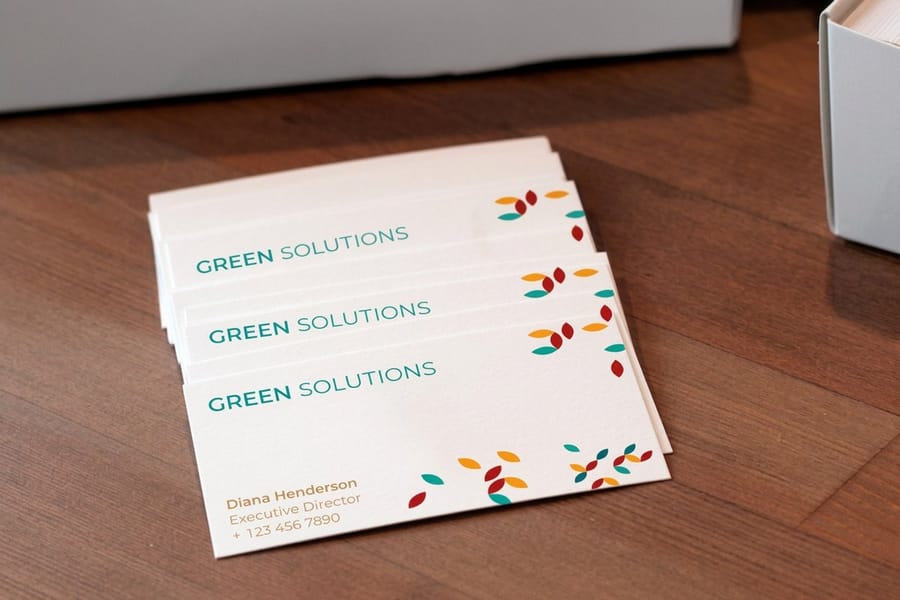
Paper weight is the fastest way to change how people feel about your brand in print. Hand someone a flimsy business card and they forget you by lunch. Hand them something thick and textured and it stays in the wallet. That is not opinion, it is how print works, and it starts with the stock you pick.
This paper weight guide walks through the terminology, points versus pounds versus GSM, and turns it into plain recommendations for real projects. Whether you print business cards, postcards, brochures, or flyers, the stock you choose drives durability, print quality, and mailing cost. For a deeper look at each stock type, read our paper weight guide explained, and browse the printing paper stock guide for substrate-specific detail.
At 4OVER4.COM you can compare 60+ paper types side by side before you order, so the weight you picture in your head is the weight that lands on your desk.
Points (pt): the real thickness measurement
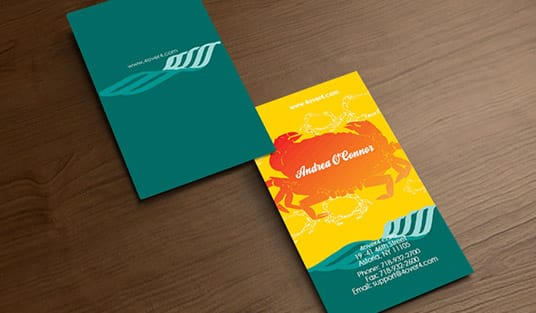
Points measure the physical thickness of a single sheet. One point equals one thousandth of an inch, so 14pt cardstock is 0.014 inches thick, roughly the thickness of a standard credit card. When you want to know how a printed piece will actually feel in the hand, points are the number to read.
Here is how the common point values translate into real-world feel:
- 10pt is thin but sturdy, close to cereal-box card. Good for postcards mailed in bulk.
- 14pt is the standard for business cards and postcards. Solid, professional, never flimsy.
- 16pt is noticeably thicker, popular for premium business cards and heavy postcards.
- 24pt is heavy and rigid, the kind of card that makes a statement when someone picks it up.
- 32pt is ultra thick, about three times a standard sheet. People notice it the moment they touch it.
So when someone asks what 14pt cardstock is, the short answer is the everyday professional weight. Sturdy enough to feel solid, affordable enough for large runs. Most business cards, rack cards, and standard postcards use 14pt as their baseline.
Pounds (lb): why text and cover feel so different
Pound measurements describe how much 500 sheets, one ream, of a paper's base size weigh. The catch is that different paper categories use different base sizes, so 80lb text and 80lb cover are two completely different thicknesses even though the number matches.
Text weight papers are the thinner, more flexible stocks used for letterhead, flyers, and book pages. An 80lb text sheet folds easily without cracking. Cover weight papers are thicker and stiffer, the stocks used for business cards, postcards, and book covers. An 80lb cover sheet is far heavier and more rigid than 80lb text.
This is the distinction that trips people up most. Designing a brochure, you might want 100lb text for the inner pages and 80lb cover for the outer panel. Knowing the difference saves you from ordering stock that is too flimsy or too rigid for the job. For folded pieces, our guide on how to fold a brochure covers how the right weight keeps a fold clean.
GSM: the global standard that removes the guesswork
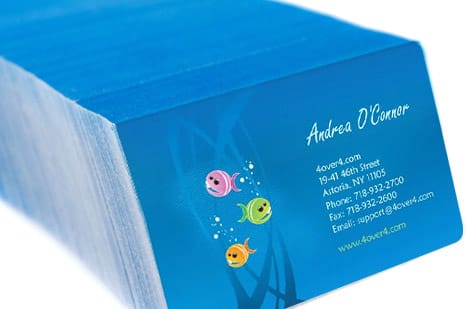
GSM stands for grams per square meter. It is the international standard and the most straightforward system of the three. Higher GSM means heavier paper, full stop, with none of the confusing categories that the pound system carries.
- 80 to 120 GSM covers standard copy paper and lightweight printing.
- 130 to 170 GSM suits flyers, brochures, and promotional handouts.
- 200 to 300 GSM is postcard, greeting card, and light cardstock territory.
- 300 to 400 GSM covers business cards, heavy postcards, and premium prints.
- 400 GSM and up is for ultra-thick specialty cards and rigid signage.
If you work with international printers or compare specs across brands, GSM is the most reliable reference point you have, because it measures the sheet itself rather than a ream at some base size.
Choosing paper weight by project: cards and mail
Knowing the measurements is one thing. Knowing what to actually order is another. Start with the two projects most people print first.
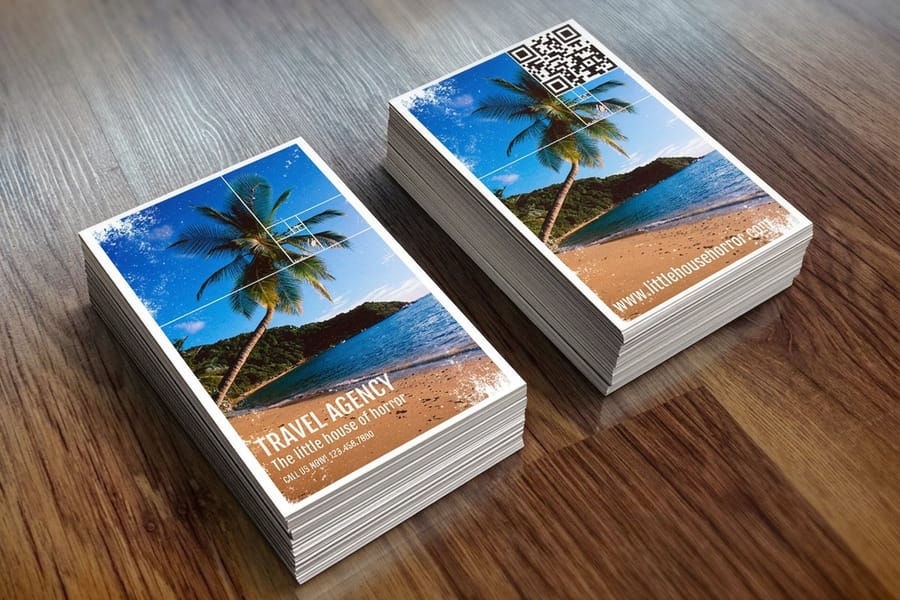
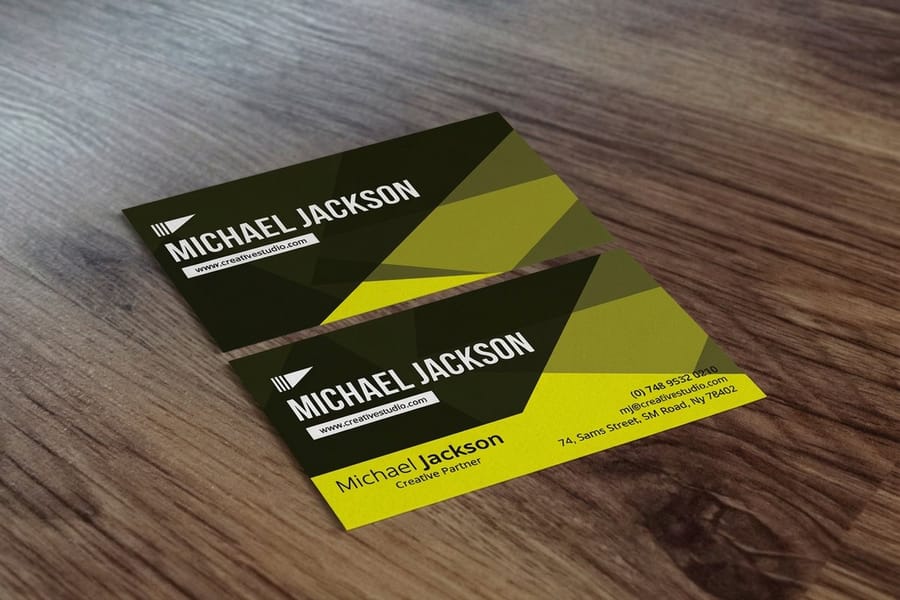
Business cards. 14pt is the industry standard and what most professionals expect. To stand out, go thicker. A 16pt or 32pt card feels heavier and more deliberate in the hand, and people read that weight as quality and credibility. Add a finish like Soft Touch or Spot UV to a thick card and you have something people keep in the wallet instead of the recycling bin. For another leave-behind idea, see our guide to custom magnets.
Postcards and direct mail. Here weight affects both feel and postage. USPS requires mailable postcards to be at least 7pt thick, and most printed postcards use 14pt or 16pt stock. For a large campaign, 14pt keeps the cost per piece manageable while still feeling professional. For premium mailings like real estate announcements or event invitations, step up to 16pt so the piece reads as something worth opening. Pair the mailer with the right envelope using our guide to making envelopes.
Flyers, brochures, booklets, and catalogs
Flyers work best on text-weight paper, typically 80lb to 100lb text. They need to stay light enough to hand out in volume but thick enough that they do not feel cheap. A 100lb gloss text flyer has a satisfying snap, catches the light, holds color, and resists wrinkling better than thinner stock. Our guide to making flyers covers the design side that pairs with your paper choice.
Brochures are trickier because they fold, and thick paper cracks at the fold line without care. For tri-fold brochures, stay with 80lb to 100lb text or ask for scoring on heavier stock. Scoring presses a clean crease so the paper folds without splitting, which our brochure folding guide shows step by step.
Booklets and catalogs usually run 80lb or 100lb text on the interior pages, with a heavier 80lb or 100lb cover for structure and protection. Glossy text works beautifully for photo-heavy catalogs, while uncoated text is easier on the eyes for reading-heavy content like manuals and lookbooks.
Invitations, greeting cards, and specialty pieces
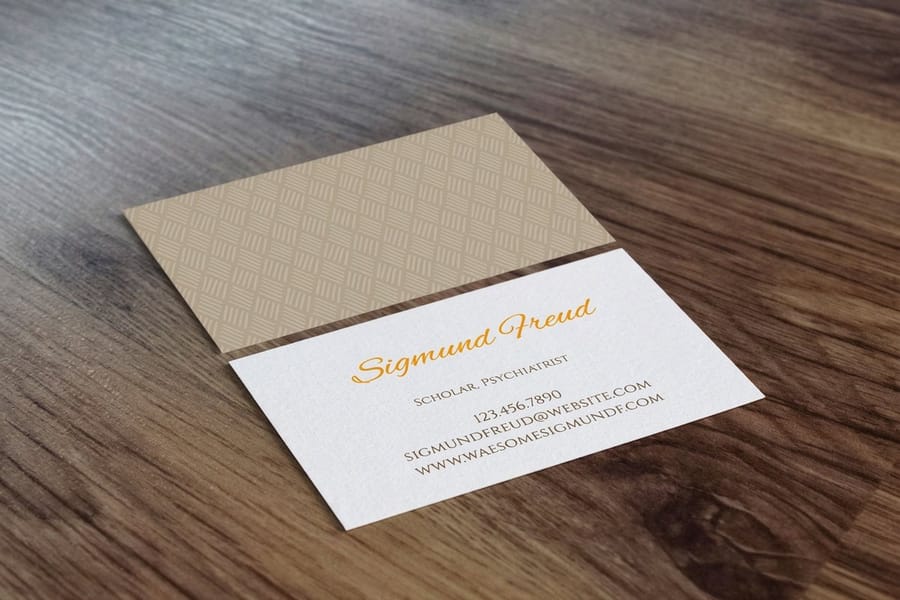
Invitations and greeting cards are the place to go heavy. 16pt is a sensible minimum, and 32pt delivers real drama the moment someone opens the envelope. Uncoated and cotton stocks add a texture that makes an invitation feel personal and handcrafted. This is one project where spending more on paper weight pays you back in perceived value.
Stamps and specialty print items care about weight too, just from the other side. If you work with custom rubber stamps, the paper you stamp onto changes how the ink absorbs and how crisp the impression reads. Uncoated stocks in the 80lb to 100lb text range tend to take stamp ink evenly for a clean mark. To keep those impressions sharp on any stock, follow our guide on how to clean rubber stamps.
How finish works together with weight
Weight is only half the story. Finish changes how a paper feels and performs even at the same weight, so the two choices work together.
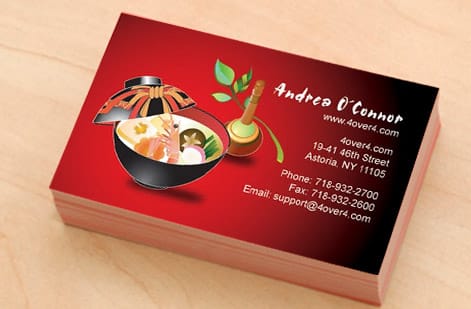
Gloss makes color pop and adds a light sheen, ideal for photo-heavy designs, though it shows fingerprints on dark backgrounds. It works well on 14pt and 16pt cards and postcards. Matte gives a smooth, non-reflective surface that keeps text easy to read and feels understated and modern, perfect for minimalist layouts or copy-heavy pieces.
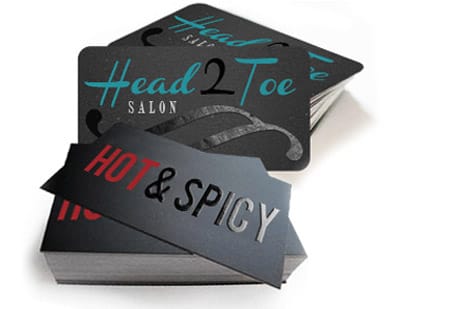
Uncoated has a natural, slightly rough texture. Ink sinks into the sheet rather than sitting on top, so colors read softer and warmer, a favorite of craft brands and bakeries. Soft Touch lamination adds a velvety coating over the printed surface that people cannot stop touching, and paired with a 16pt or 32pt stock it creates one of the most memorable tactile experiences in print.
At 4OVER4.COM you can mix and match weights and finishes across 60+ paper types. Browse every product guide at our guide hub, and grab a set of blank templates so your artwork is set up correctly for whatever stock you choose.
Paper weight mistakes that cost you money
Even experienced designers get tripped up by paper weight. These are the errors that show up most, and how to sidestep each one.
- Confusing text weight with cover weight. Ordering "80lb" without saying text or cover is the number one mistake, and it lands you paper that is either far too thin or far too thick. Always specify both the weight and the category.
- Going too thin for double-sided printing. Heavy ink on both sides of a thin sheet causes show-through, which reads as cheap. Use at least 100lb text or 14pt cardstock for double-sided work with dark backgrounds.
- Ignoring fold requirements. Stock at 14pt or thicker cracks along a fold without scoring, so request scoring for any fold line and set your file up to show where the folds go.
- Skipping paper samples. A screen cannot show thickness. What looks perfect on the monitor can feel wrong in the hand, so request samples or order a small test run before a large job.
Match paper weight to your next print order
With the basics down, put the knowledge to work. 4OVER4.COM carries 60+ paper types across every weight class in this guide, from lightweight text stocks for flyers to ultra-thick 32pt for premium cards.
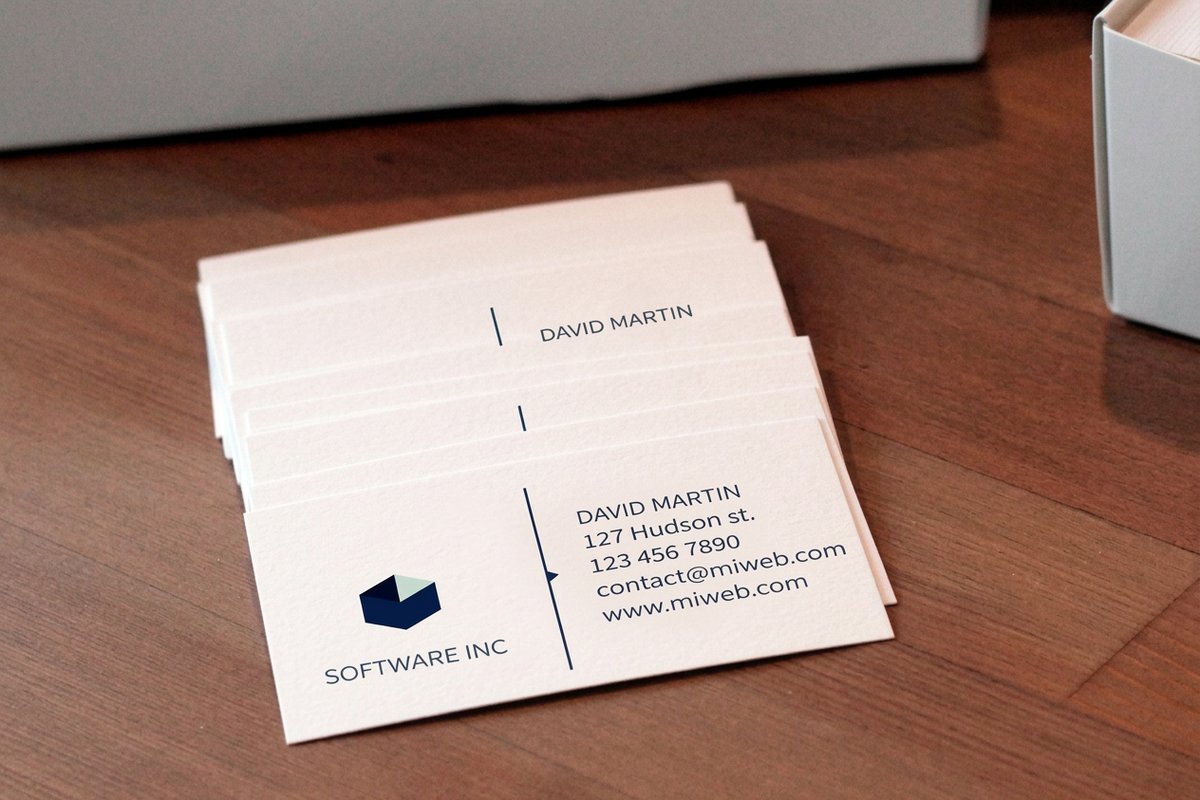
Browse the full range of marketing materials printing to find the stock that fits your project. Want to feel the quality before you commit to a bigger run? Order a set of free business cards on 14pt stock and judge the weight with your own hands.
Wally weighs it up
The number on the spec sheet is really about how it feels in the hand
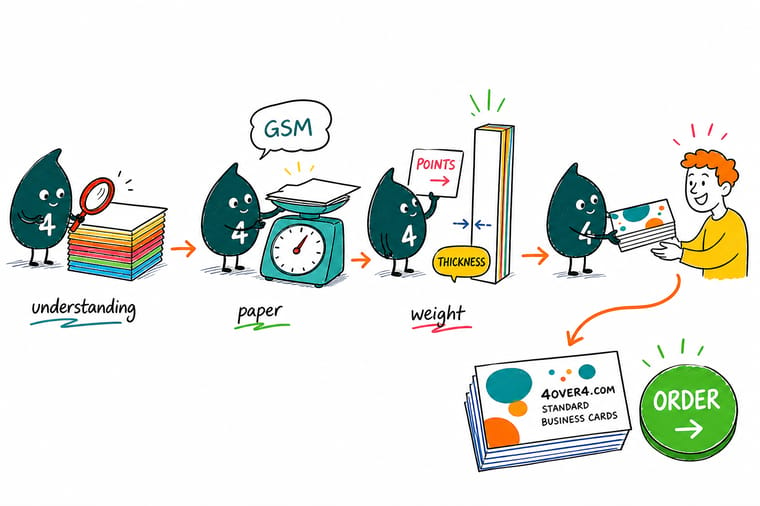
Wally sorts the three systems in one breath: points measure thickness, pounds measure a ream, and GSM measures the sheet itself. Pick the weight for the job, not the biggest number. 14pt for everyday cards, 16pt or 32pt when you want people to keep it, and lighter text stock when you are handing out flyers by the hundred. Match the weight to the moment and every piece feels intentional.
Order business cards →Specs and pricing
Standard business card specs and pricing
14pt is the baseline, with 16pt and 32pt upgrades when you want more heft. Here are the live specs and price per unit for standard business cards at 4OVER4.COM, straight from the configurator.
| Quantity | Price Per Unit | Total |
|---|---|---|
| 100 | 17.6¢ | $17.57 |
| 200 | 11.5¢ | $23.07 |
| 300 | 9.15¢ | $27.46 |
| 400 | 7.96¢ | $31.86 |
| 500 | 7.25¢ | $36.26 |
| 600 | 6.77¢ | $40.64 |
| 700 | 6.43¢ | $45.04 |
| 800 | 6.18¢ | $49.43 |
Print it
Order across every weight class
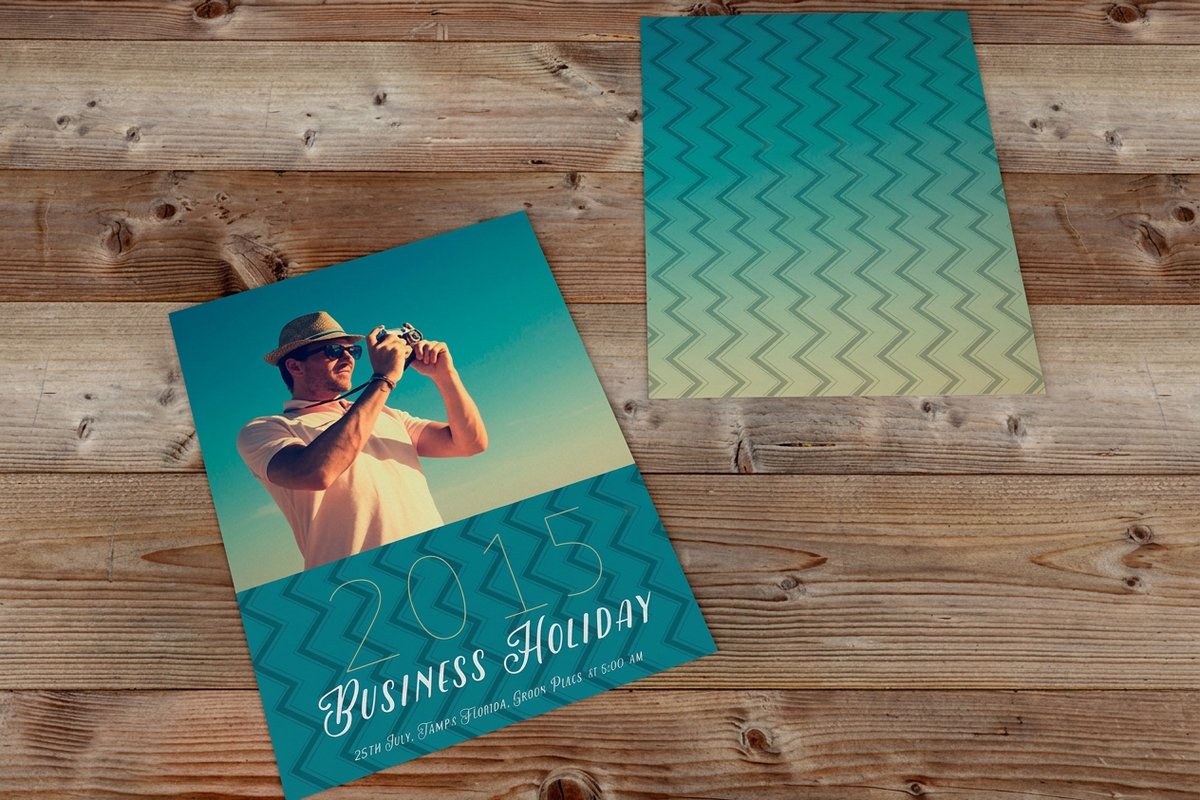
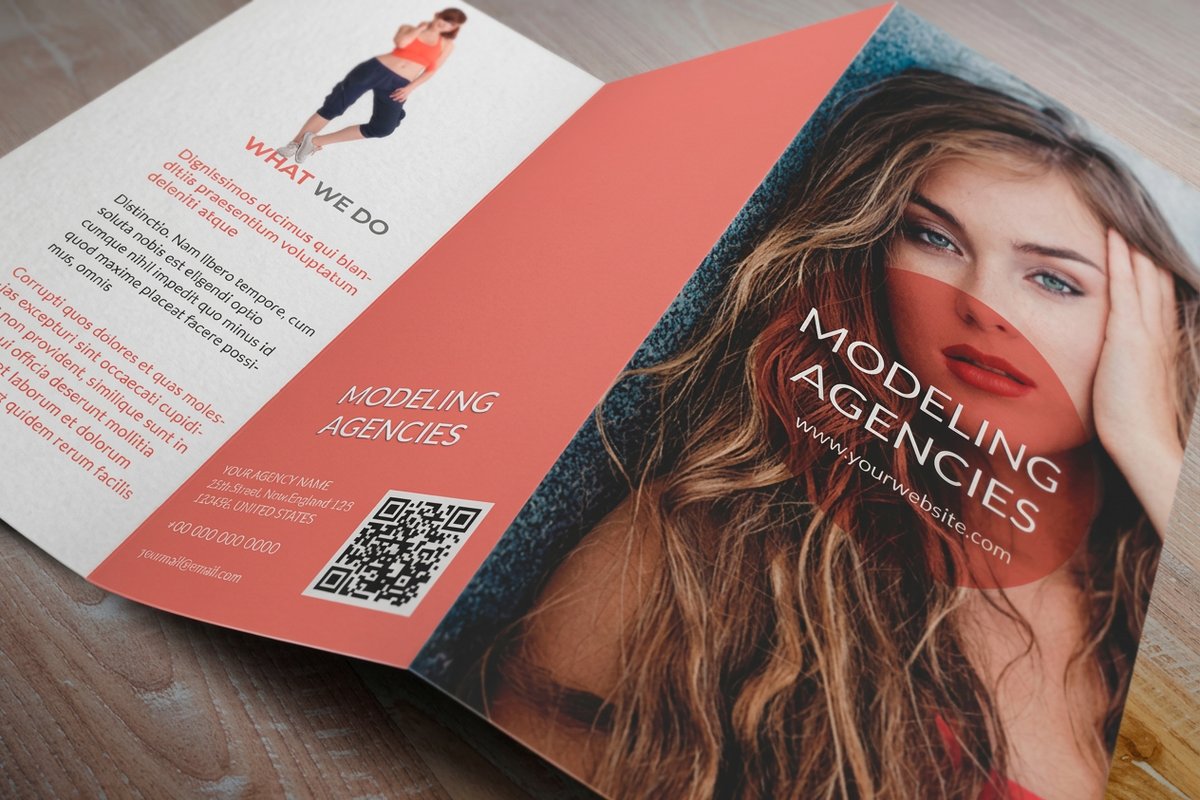
See it in use
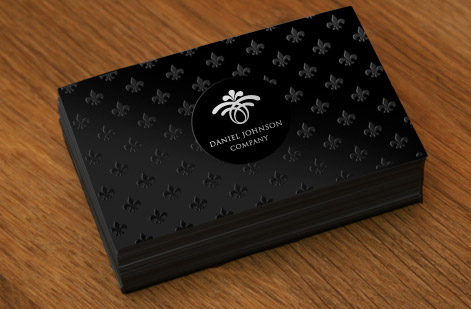
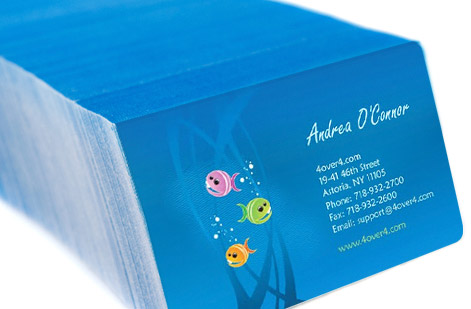
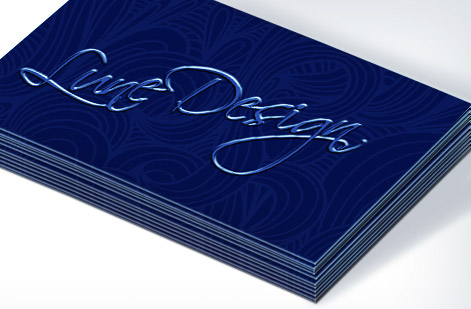
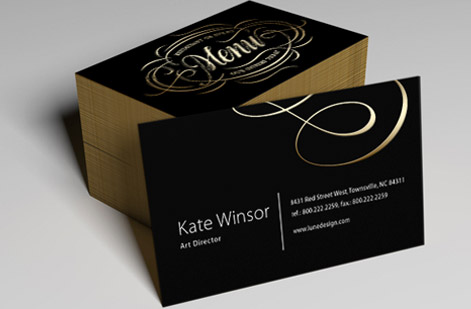
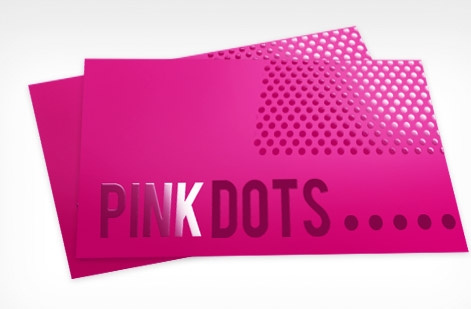
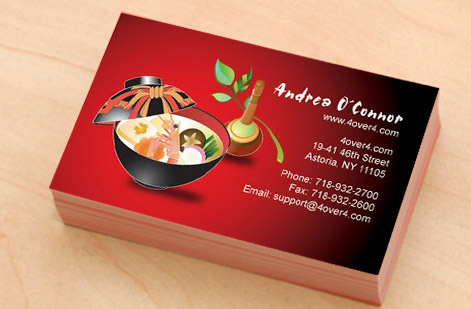
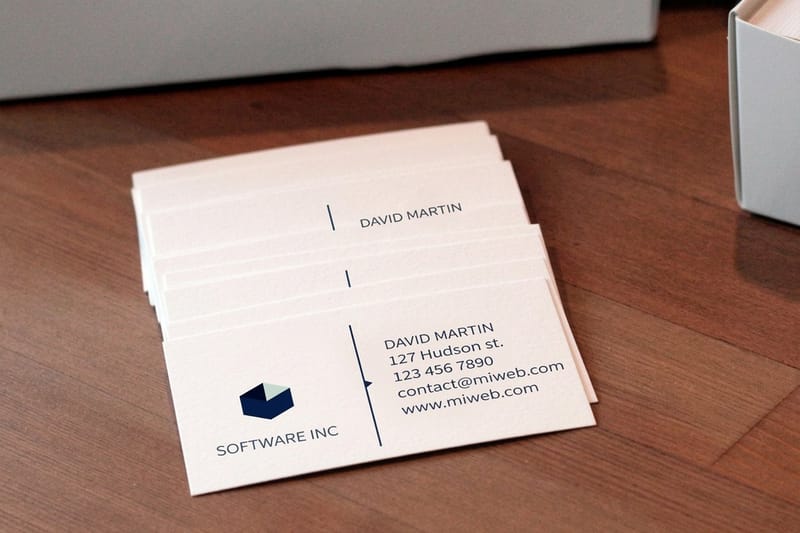
Real business card work, printed in-house
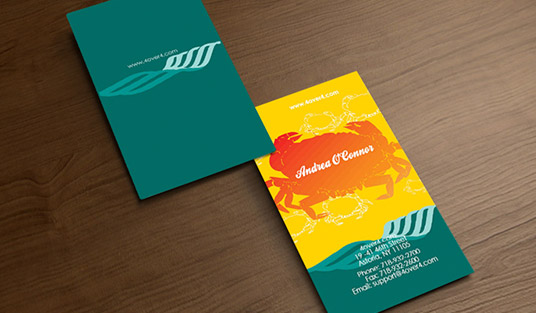
Explore more
Where to go next
By the numbers
Printing you can count on at 4OVER4
Common Questions
Common questions about paper weight and thickness
What is 14pt cardstock and what is it used for?
14pt cardstock is 0.014 inches thick, about the same as a credit card. It is the standard weight for business cards, postcards, and rack cards, sturdy enough to feel professional yet flexible enough for large runs. Most people start here when they order from 4OVER4.COM.
What is the difference between text weight and cover weight paper?
Text weight is thinner and flexible, good for flyers, brochures, and book pages. Cover weight is thicker and rigid, used for business cards, postcards, and book covers. An 80lb text sheet is much thinner than an 80lb cover sheet even though the number is identical, so always specify which category you need.
How do I convert between points, pounds, and GSM?
There is no exact formula because the three systems measure different things. Points measure thickness directly, pounds measure the weight of 500 sheets at a base size, and GSM measures weight per square meter. As a rough reference, 14pt is close to 300 GSM or 80lb cover. 4OVER4.COM lists most products in points, which is the most practical number to shop by.
What is the difference between 80gsm and 90gsm paper?
Ten grams per square meter, and the difference you actually notice is opacity. 80gsm is standard office copy paper: fine for internal handouts and single sided prints, but heavy ink coverage shows through when you print both sides. 90gsm carries that same ink with less show-through and still folds and staples without fuss, which is why it gets used for letterheads and multi-page handouts. Both are text weights, not card. For scale, 14pt cardstock is close to 300 GSM or 80lb cover, roughly three to four times the weight of an 80gsm sheet, so neither 80gsm nor 90gsm will stand up on its own the way a business card does.
Is 100gsm paper thick?
No. 100gsm is a light text weight, closer to letterhead than to card. It feels more substantial than 80gsm copy paper and hides show-through better on a two sided flyer, but it stays flexible, it will not stand upright on a table, and it falls well short of the USPS 7pt minimum for postcards. If you want a piece that holds its shape, step up to cover weight: 14pt is 0.014 inches, roughly 300 GSM or 80lb cover, the standard for business cards, postcards, and rack cards at 4OVER4.COM. Use 100gsm for pages people read and hand back, use 14pt and up for pieces people keep.
Does thicker paper always mean better quality?
Not always. The right weight depends on the project. A 32pt business card signals luxury, but a 32pt flyer is overkill and expensive. Match weight to purpose. Brochures need flexibility, business cards need rigidity, and posters need durability without bulk.
Will thick paper crack when I fold it?
Any stock above 12pt can crack along a fold line without proper scoring. Scoring presses a groove so the paper folds cleanly. When you order folded products from 4OVER4.COM, scoring is built into production, so just make sure your file marks where the folds go.
How do I choose a paper weight for direct mail?
USPS requires postcards to be at least 7pt thick. Most direct mail uses 14pt for cost efficiency or 16pt for a premium feel. Heavier stock does not automatically cost more to mail, since size and shape set the mailing class. Check current USPS guidelines for your exact piece dimensions.
Get Started
Ready to print on the right paper weight?
Pick your stock, drop in your design, and we print it on the exact weight and finish your project calls for.
Legal Disclaimer
Gold Standard guarantees apply to all standard orders placed through 4over4.com. Price match requires verifiable proof of a competitor's published price for an equivalent product with matching specifications and turnaround time. Satisfaction guarantee covers manufacturing defects and print quality issues. Contact support with order number and documentation. On-time delivery rate based on tracked orders 1999 to 2026. Individual results may vary based on shipping carrier performance.
