
12 Sales Collateral Examples That Fuel Your Funnel


Emma is our prepress and print production voice, built from the knowledge of our production team, with over 20 years in printing.
Twelve sales collateral examples cover a full funnel, each matched to its stage: business cards, flyers and posters to earn attention, brochures, catalogs, sales sheets and case studies to answer questions, a printed deck and a proposal folder to close, and mugs, totes and seasonal postcards to keep the customer. The sales folder example most B2B teams need is a 9 x 12 inch pocket folder that carries the proposal, a sales sheet and a card as one object. For all twelve, the table below gives the format, the run length and the price each one starts at, so you can build the set and order it in the same afternoon.
The 12 examples at a glance
| # | Piece | Funnel stage | Print format | Typical run | Starts at |
|---|---|---|---|---|---|
| 1 | Business cards | Awareness | 3.5 x 2 in, 14pt or 16pt | 500 to 2,500 | $17.57 |
| 2 | Flyers | Awareness | 8.5 x 11 in, one or two sides | 1,000 to 5,000 | $39.54 |
| 3 | Posters | Awareness | 18 x 24 in and larger | 10 to 100 | $108.75 |
| 4 | Brochures | Consideration | Flat or half fold, 4 pages | 250 to 1,000 | $57.11 |
| 5 | Product catalogs | Consideration | Saddle-stitched, 8 to 60 pages | 100 to 500 | $240.55 |
| 6 | Sales sheets | Consideration | One page, two sides | 100 to 500 | $75.80 |
| 7 | Case-study four-pagers | Consideration | Folded flyer, 4 panels | 100 to 250 | $68.54 |
| 8 | Deck leave-behind | Decision | Booklet, 8 to 24 pages | 25 to 100 | $240.55 |
| 9 | Proposal folders | Decision | 9 x 12 in pocket folder | 250 and up | $844.54 |
| 10 | Branded mugs | Loyalty | 11 oz or 15 oz | 1 to 108 | $20.86 |
| 11 | Tote bags | Loyalty | Cotton canvas, one or both sides | 25 to 250 | $22.73 |
| 12 | Seasonal postcards | Loyalty | 6 x 9 in, mailed | 250 to 2,500 | $89.68 |
Prices are the starting configurator price for the smallest stock and quantity, so $17.57 buys a first run of business cards and $844.54 a first run of 250 pocket folders, and the price per piece falls as the run grows. Run lengths are a guide for each stage, from thousands of flyers down to a few dozen printed decks, not a rule. You can price a sales sheet run in the configurator in under a minute.
Every piece in the table prints from the same file setup: a PDF in CMYK at 300 DPI with 0.125 inch bleed on every side. Pieces handed over one at a time, like the business card, run on 14pt or 16pt card; pieces handed out by the hundred, like the flyer, run on text weight such as 100lb gloss. Gloss suits catalogs and flyers, matte suits decks and sales sheets, and an uncoated folder cover stays writable for the buyer's notes.
What sales collateral is, and what separates a set from a pile
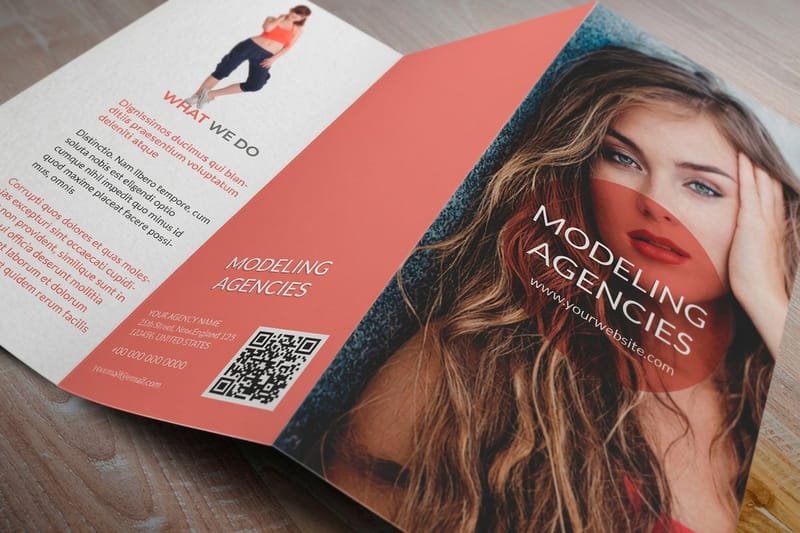
Sales collateral is anything a seller hands a buyer to move them one stage closer to signing: a card, a flyer, a brochure, a case study, a folder, a mug. The word covers a lot of ground, which is why most companies end up with a drawer full of pieces that do not add up to anything.
A set is different from a pile in one way. Every piece in a set knows which question it answers and at which stage, and no two pieces answer the same question. The flyer earns attention. The sales sheet settles a spec argument. The folder carries the proposal into the room and stays on the desk after you leave.
That is also the honest test for whether a piece is worth printing. If you cannot say out loud what the buyer knows after reading it that they did not know before, the piece is decoration. Our companion piece on marketing collateral types works through the same set from the format side rather than the funnel side. For the basics, start with what marketing collateral is and the print pieces every business needs.
Why funnel stage decides the format
The number of people you are talking to falls at every stage, and the amount you can afford to spend on each one rises to match. A flyer handed to two thousand strangers has to survive being read for four seconds. A proposal folder handed to one buyer at the end of a six month cycle can carry twenty pages and a wet signature.
Get that backwards and the money goes to the wrong place. Printing a heavy folder for a trade show hand-out burns budget on people who have not asked for anything. Printing a thin flyer for a final pitch tells a buyer the deal is not worth much to you.
The two pieces most sets are missing
Two gaps are common: the sales sheet and the case study. Companies jump from a brochure straight to a proposal, which leaves the buyer with nothing to forward to a colleague who was not in the room. A single page they can email a photo of does more work than a brochure nobody wants to scan.
The other gap is anything at all after the sale. Loyalty collateral is cheap, and it is the only category where a customer keeps your brand on their desk without being asked.
Awareness: business cards, flyers and posters
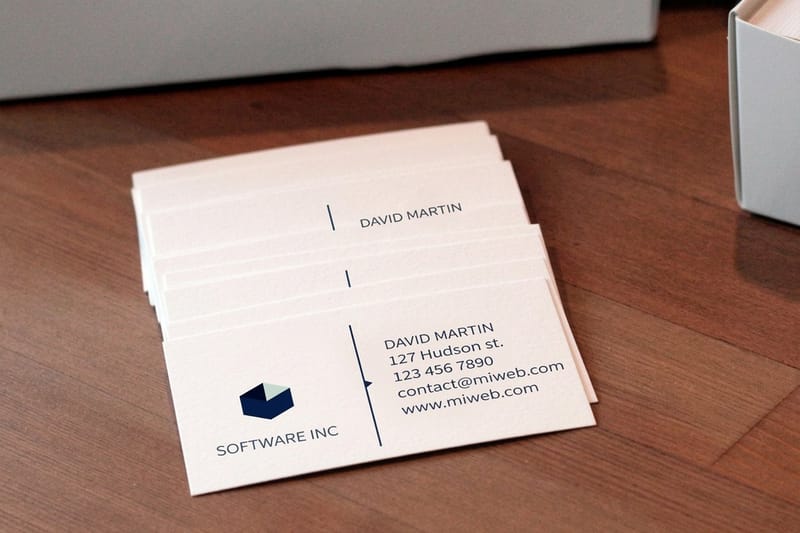
Awareness collateral has one job: to be handed to someone who did not ask for it and still get kept. That rules out density. One offer, one reason, one way to respond.
Print these in the largest quantity you can genuinely distribute, because the unit price falls sharply with the run and the artwork rarely changes between reprints.
1. Business cards, the cheapest piece that never gets thrown away
Standard business cards start at $17.57 for 100 and are the only collateral a buyer keeps in a wallet. Use 16pt stock rather than 14pt if the card is being handed over at events, because a thin card curls in a pocket and a curled card reads as a cheap company.
The back is free space that most companies waste on a repeat of the logo. Put the one thing you want remembered there: a service list, a QR to a booking page, or a note field a buyer can write on. Our business card printing range covers the finishes, and the stock guide explains what each weight feels like in the hand.
2. Flyers, the piece that has four seconds to work
Standard flyers start at $39.54 for 50 and are the cheapest way to put an offer in front of a lot of people. The failure mode is always the same: too much copy. A flyer read while walking gets one headline, one image, one offer and one instruction.
Print two sided only if the second side carries something a reader will turn over for, like a map, a menu or a coupon. Otherwise pay for a heavier stock instead, because a flyer on 100lb gloss text feels like a document and a flyer on light stock feels like litter.
3. Posters, awareness that stays up
Standard posters start at $108.75 for 50 and behave differently from every other piece here: you print ten, not a thousand, and each one works for weeks. That makes the cost per exposure lower than a flyer even though the unit price is much higher.
Size to the reading distance, not to the wall. Copy meant to be read from across a room needs headline type around two inches tall, which means the poster carries roughly eight words and nothing else.
Consideration: brochures, catalogs, sales sheets and case studies
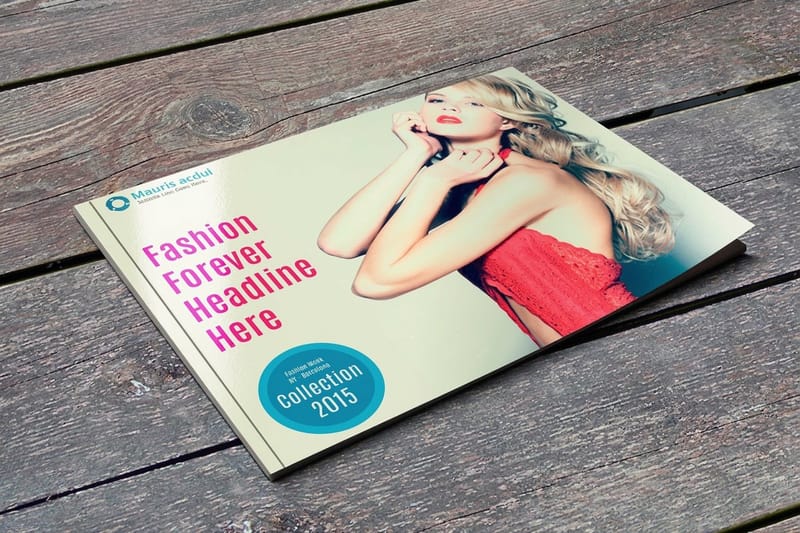
By the consideration stage the buyer has raised a hand and is comparing you against two or three others. The collateral job changes from getting noticed to answering questions in the order a buyer asks them, and to being forwardable inside the buying company.
These four pieces overlap on the surface and do completely different jobs in practice. Ordering all four at once is normal for a B2B set; ordering the wrong one and expecting it to cover the others is where budgets get wasted.
4. Brochures, the story across a folded spread
Standard brochures start at $57.11 for 50. A half fold gives you four pages, and the page structure is the argument: cover earns the open, inside spread carries the explanation, back panel carries the contact and the next step.
Brochures fail when they are treated as a company biography. Nobody is reading about your founding year. Write the inside spread as an answer to the question the buyer asked on the call. The fold types guide shows what each fold does to the reading order, and brochure paper types covers which stock holds a fold without cracking.
5. Product catalogs, for ranges nobody can hold in their head
Standard catalogs start at $240.55 for 25 and only earn their place when the range is genuinely large. If you sell six things, a catalog is a brochure with padding. If you sell six hundred, a catalog is the only format that lets a buyer browse and compare without a screen.
Page count runs in multiples of four because of how sheets fold, so plan the content at 16, 20 or 24 pages rather than trimming to an awkward number at the end. Booklets versus catalogs covers where the line sits between the two.
6. Sales sheets, one page that settles one argument
Sales sheets start at $75.80 for 50 and are often missing from a set. One product or service, specs on one side, proof and pricing on the other. A buyer can photograph it and send it to a colleague, which is the actual mechanism by which deals move inside a company.
Print a family of them rather than one. Eight sheets that each answer a real question beat one brochure that answers none of them properly, and reprinting a single sheet when a spec changes costs a fraction of reprinting the brochure. Brochures versus sales sheets goes into when each one wins.
7. Case studies, printed as a four-page fold
A case study printed as a folded flyer starts at $68.54 for 50 and gives you four panels: the situation, what was done, the result, and who to call. Four panels is enough for a real story and short enough that a busy buyer finishes it.
The discipline is naming the customer and the number. A case study without a named client and a measured outcome is a testimonial in a longer costume, and buyers have learned to skip those.
Decision: the leave-behind and the proposal folder
At the decision stage you are usually talking to two or three people, one of whom was not at any earlier meeting. Everything you print here has to survive being read by a stranger after you have left the room.
This is where print beats a follow-up email outright. An emailed deck sits in an inbox with forty others. A printed one sits on a desk, and desks have limited space, which is exactly why being on one matters.
8. The printed deck leave-behind
A pitch deck printed as a saddle-stitched booklet starts at $240.55 for a short run. Print the version with the appendix, not the version you presented: the slides you talked over need the words you said written back in, or the booklet reads as a set of headlines. If you used to print a booklet at Vistaprint, the bindery-grade alternative page compares the stitching and the stocks.
Keep runs small. Twenty five to a hundred covers most sales cycles, and a deck that has not changed in a year is usually a deck nobody is reading.
9. Proposal folders
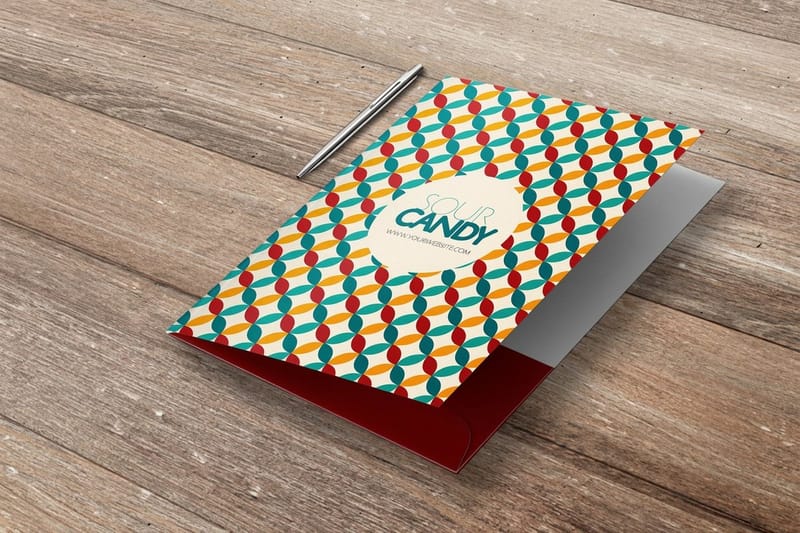
Pocket folders start at $844.54 for 250, and that number is the whole trade-off. They are printed in minimum runs in the hundreds, so the cost per deal only makes sense when you close enough deals to use them. A firm sending out fifteen proposals a year should not buy folders; a firm sending out three hundred should.
When they do make sense, they work because they solve a physical problem. The proposal, the sales sheets, the case study and a business card arrive as one object instead of a loose stack, and the folder is what the buyer picks up when they gather the competing bids on their desk.
A working sales folder example looks like this: 9 x 12 or 9 x 14.5 inches, on 14pt or 16pt gloss cover, 14pt uncoated cover with 30% post-consumer waste, or 14pt white linen. You choose print on the outside only or on both sides, a standard finish or high gloss UV, and business card slits on the left pocket, the right pocket or both. The first run is 250 at $844.54 and 500 cost $1,086.18, with standard production in 7 business days and faster options down to 2.
Loyalty: the collateral that stays after the sale

Loyalty collateral is the cheapest per exposure of anything on this list, and it is the category most companies skip because it has no line in a campaign plan. A mug on a customer desk is seen every working day for years.
The rule that makes it work is restraint. A subtle mark on something genuinely useful gets used. A large logo on something mediocre goes in a drawer, and you have paid to be ignored.
10 and 11. Mugs and tote bags
Standard mugs start at $20.86 for one and tote bags at $22.73 for one. Both survive the drawer test for the same reason: they replace something the person already owns and would otherwise buy.
Print the wrap on a mug so the mark is visible from both sides, since you cannot control which way it faces on a desk. On a tote, keep the print to one side and the brand small enough that someone would carry it to a supermarket.
12. Seasonal postcards
A direct mail postcard starts at $89.68 for 500, printed, addressed and handed to the mail for you, and a plain postcard starts at $16.48 for 50 if you are handing them over rather than posting them. Sent twice a year to a list of past customers, they land in a channel with no competing tabs.
Give the card a reason to exist beyond the season. A dated offer, an early access window, or a genuine piece of news. A card that only says happy holidays is polite and forgettable.
Collateral pricing and specs at 4OVER4.COM
A full collateral set spans a wide price range: postcards you hand over start at $16.48, a run of business cards at $17.57, a mug at $20.86 and a run of posters at $108.75. Each of those prices moves with size, stock, finish and quantity, and the per unit cost drops as the run grows. The brochure sits in the middle of the set, and its numbers below come straight from the live configurator, so you can size a consideration-stage budget before you commit to the whole set.
Quantity and price
Brochure pricing and specs
Real configurator numbers for the brochure, where ordering the year in one run beats four small reprints.
| Quantity | Price Per Unit | Total |
|---|---|---|
| 50 | $1.14 | $57.11 |
| 100 | 82.4¢ | $82.38 |
| 200 | 53.3¢ | $106.55 |
| 300 | 41.0¢ | $123.02 |
| 400 | 34.9¢ | $139.49 |
| 500 | 31.2¢ | $155.97 |

You can also earn coins on every order and redeem them against the next reprint, which matters when a collateral set gets refreshed on a yearly cycle.
Stock and finish across a collateral set
Stock is the part of a collateral set buyers judge without knowing they are judging it. A flyer on light text weight feels disposable, which is fine when you print five thousand. A leave-behind on the same stock feels like a photocopy, and the buyer draws a conclusion about the deal from it. Use 14pt or 16pt card for anything handed over one at a time, and text weight for anything handed out by the hundred.
Print it
Sales sheets, ready to hand over
One page per product, printed in short runs so a spec change costs one reprint instead of a whole brochure.
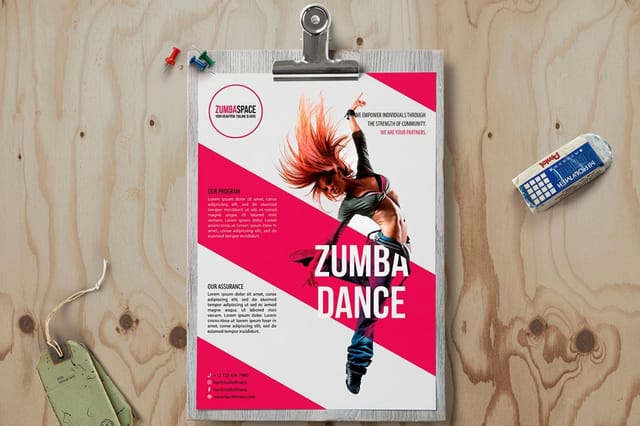
Finish does two jobs. Gloss lifts photography and shrugs off handling, which suits catalogs and flyers that pass through a lot of hands. Matte reads calmer under office lighting and is easier on long stretches of text, so it suits decks and sales sheets. Uncoated stays writable, which is why a proposal folder with an uncoated cover often comes back with the buyer’s notes on it. If the piece will be folded, check the format comparison first, because heavier stocks crack on a fold unless they are scored.
Which pieces your industry actually needs
No business needs all twelve. Here is where the money usually belongs, by business type.
- B2B services. Sales sheets and case-study four-pagers do the heavy lifting, because the buying decision happens between meetings and needs something forwardable. Add proposal folders only once you are sending proposals weekly.
- Manufacturers and distributors. A catalog is unavoidable when the range runs to hundreds of SKUs, and sales sheets carry the top twenty sellers for reps who cannot lug a catalog.
- Local trades and home services. Business cards, flyers and seasonal postcards cover the whole funnel. Skip the brochure entirely; the buying cycle is too short to read one.
- Agencies and studios. A printed deck leave-behind and a short case-study set. Awareness is handled by referral, so put the money where the pitch happens.
- Retail and hospitality. Posters and flyers for footfall, mugs and totes for the customers who already like you. The middle of the funnel barely exists.
For a booth where the whole funnel happens across three days, the mix shifts again: our notes on print products for trade show booths cover what to carry, and print marketing examples that still win customers shows the pieces working in the wild.
Blanks for every piece in the set
This set runs across at least five trim sizes, from the 3.5 x 2 inch business card and the 8.5 x 11 inch flyer to the 6 x 9 inch postcard and the 9 x 12 inch folder, and it only looks like a set if the margins and type sizes repeat on every one of them. Templates are the cheapest way to enforce that. 4OVER4.COM sizes its blanks to exact product specs so your artwork lines up with the cut lines and the 0.125 inch bleed. Grab a print ready blank for each size from the blank template library with bleed and trim already marked.
Start fast
Blanks for every piece in the set
Brochure design templates and exact size blanks so your artwork lands inside the cut line on every panel.

Wally maps each piece to the stage it works in
Twelve formats, four stages, one budget
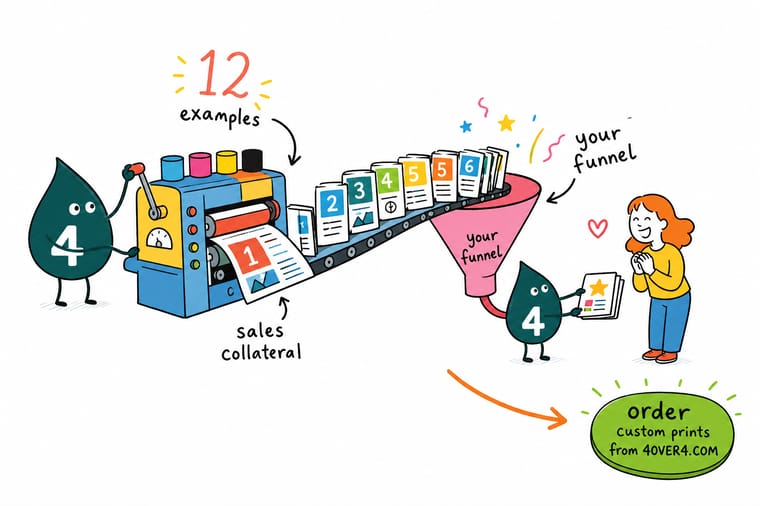
Print awareness pieces by the thousand on text weight, consideration pieces by the hundred, and decision pieces by the dozen on 14pt or 16pt card. Keep one grid and one logo position across the whole set, add 0.125 inch bleed on every side, and design at 300 DPI in CMYK so the colors match from the business card to the folder.
Order your collateral set →What to remember about a collateral set
Design rules that hold across every piece
- One question per piece. Write the question at the top of the layout before you design, then delete anything on the page that does not answer it. Pieces that try to do two jobs get read for neither.
- Match stock to stage. Light stock for the thousand-piece run, heavy stock for the ten-piece run. The weight in a buyer’s hand is a signal about how much the deal matters to you.
- Keep one grid across the set. Same margins, same type sizes, same logo position on every piece. A set that looks like a set reads as a company that has its act together.
- Version the sheets, not the brochure. Put the details that change into single-page sales sheets so a spec update costs one reprint, not a whole brochure run.
- Print one and carry it for a week. Order a short run first and use it in a real meeting before committing to thousands. Folds, weight and legibility all reveal themselves on a table, never on a screen.
Explore more
More ways to print and promote
Flyers run 50 for $39.54, brochures 50 for $57.11, and booklets 25 for $240.55.
Product Standard Brochures Six panels to carry the story from cover to call. 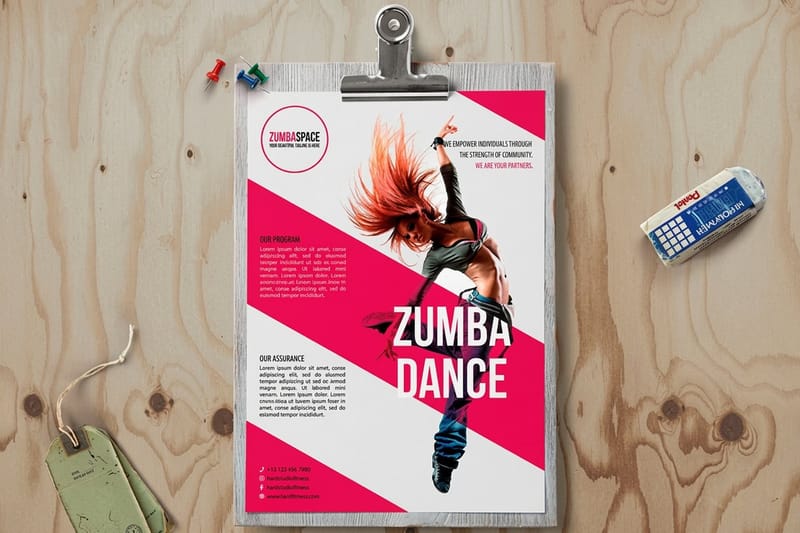 Product Sales Sheets One page, one product, forwardable inside a buying team.
 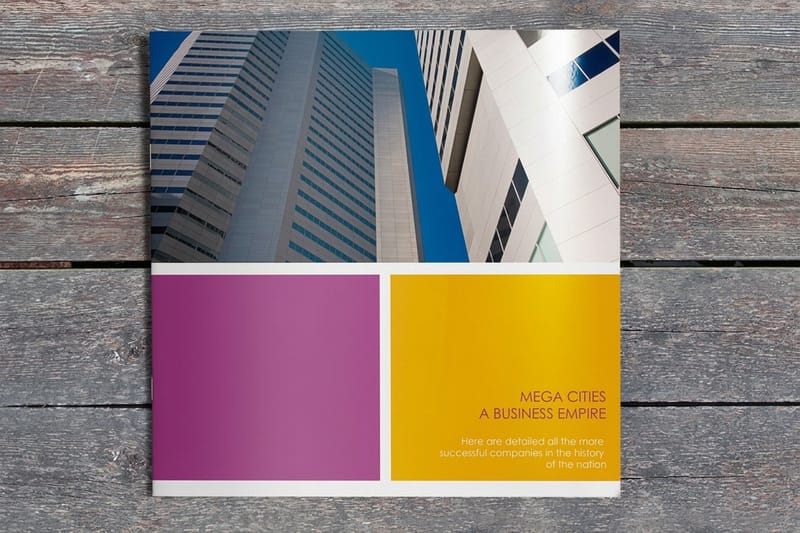 Product Standard Booklets Saddle-stitched decks and case-study sets in short runs. Product Pocket Folders Carry the proposal in as one object, not a loose stack.
 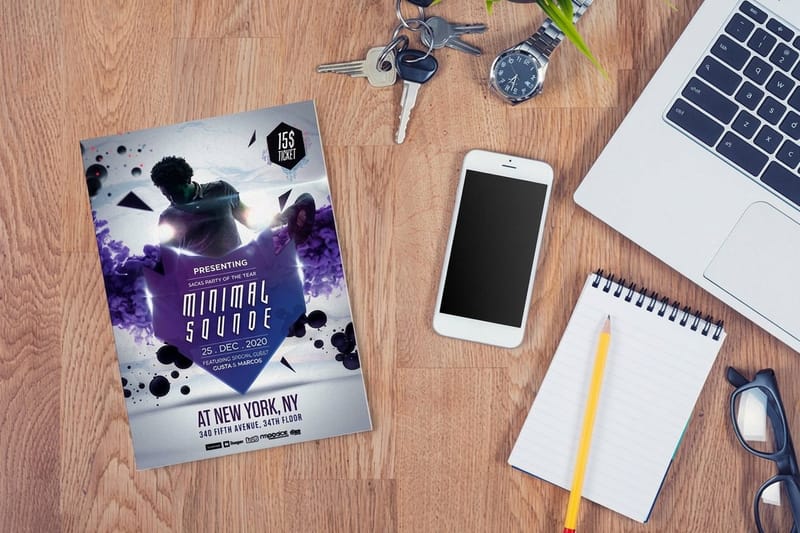 Product Standard Flyers The cheapest way to put one offer in a lot of hands.
  Product Standard Posters Ten prints that keep working for weeks on a wall.
 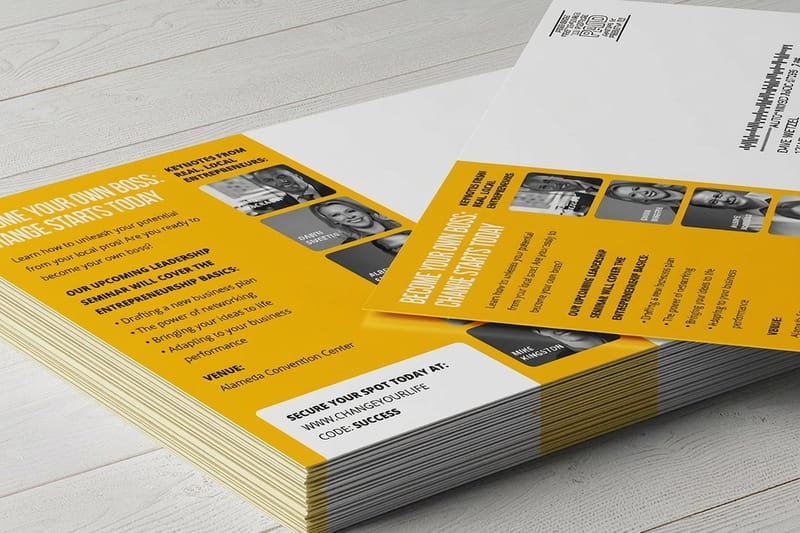 Product Direct Mail Postcards Printed and mailed to your past-customer list.
 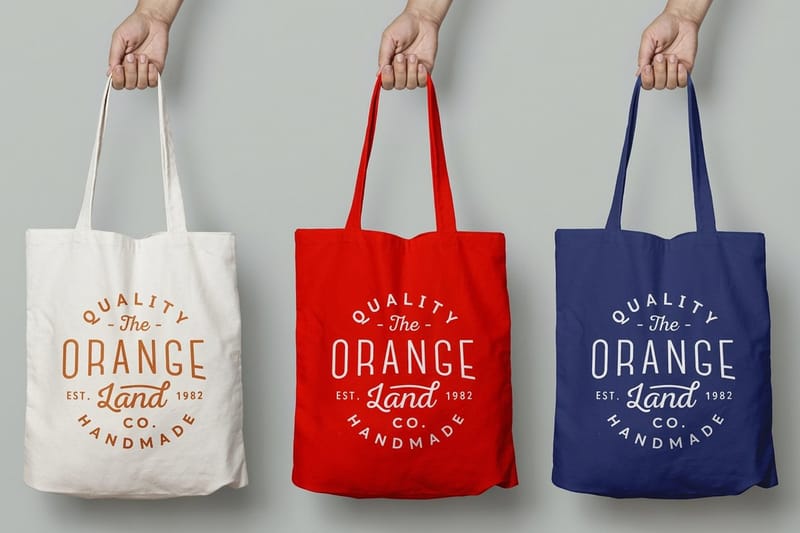 Product Tote Bags Loyalty collateral people actually carry outdoors. Category Brochure Printing Every fold, stock and size in one place.
  Category Business Card Printing Stocks, finishes and shapes for the piece buyers keep.
  Article Print for Trade Show Booths What to bring when the whole funnel happens in three days.
  Guide Brochures vs Sales Sheets Which of the two formats wins, and when.
 Ready to print your collateral set?
Pick the pieces your funnel actually needs, drop in your design or a free template, and 4OVER4.COM prints them sharp on matching stock, as fast as your deadline needs.
Common questions about sales collateral
What counts as sales collateral?
Any piece a seller hands over to move a buyer one stage closer to signing. In print that covers business cards, flyers, posters, brochures, catalogs, sales sheets, case studies, printed decks, proposal folders and the branded items you give a customer after the sale. The test is not the format, it is whether the buyer knows something after reading it that they did not know before. A piece that only repeats your logo and your founding year is branding, not collateral, and it will not move anybody through a funnel.
What is the difference between a sales sheet and a brochure?
A sales sheet is one page covering one product or service, with specs on one side and proof or pricing on the other. A brochure folds into a spread and tells a longer story across its pages. The practical difference is what happens after the meeting: a buyer can photograph a sales sheet and send it to a colleague in seconds, while a brochure has to be handed over physically or scanned page by page. Most teams should print a family of sales sheets and one brochure, not the reverse.
How many pieces does a small business actually need?
Four is enough for most small businesses: business cards, flyers, one sales sheet per main service, and a seasonal postcard for past customers. That covers the top of the funnel, the middle, and the return visit, and it comes in well under the cost of a single catalog. Add a brochure only when buyers ask questions your sales sheets cannot answer, and add a proposal folder only when you are sending proposals often enough that a run of two hundred and fifty gets used inside a year.
Is print still worth it when everything is digital?
It is worth it at the two ends of the funnel, and it is usually a waste in the middle. At the top, a flyer or a poster reaches people who will never see your ads. At the decision stage, a printed deck and a folder sit on a desk where an emailed PDF sits in an inbox with forty other things. A custom folder in vinyl keeps the deck together on that desk. Mid-funnel research genuinely happens on screens, so the brochure that used to do that job now does less of it than it did ten years ago. Print what gets handed over or kept, and let the website carry the browsing.
What run length should I order for each piece?
Match the run to how many people are genuinely at that funnel stage in a year. Awareness pieces go out in the thousands because the audience is large and the unit cost falls hard with quantity. Our 11 print brand awareness ideas that keep you top of mind cover what those big runs can carry. Consideration pieces sit in the hundreds. Decision pieces belong in the dozens, because a deck reprinted every quarter beats a cupboard of a thousand outdated ones. Loyalty items track your customer count rather than a campaign. Order a small first run of anything new and use it in a real meeting before you commit to the bigger quantity.
