
The Seven Marketing Collateral Pieces That Win Customers


Marcus is our print marketing voice, built from the knowledge of our production team, with over 20 years in printing.
Marketing collateral is the printed and digital material you hand over after you already have somebody’s attention, and a working printed set is seven pieces: postcards, business cards, flyers, rack cards, brochures, catalogs and a presentation folder. The part that decides whether the set pays is the run size, not the design. Print the cheap pieces deep and the expensive pieces shallow.
The printed collateral set, piece by piece
| Piece | The job it does | Run we would print | Starts at | Where it falls down |
|---|---|---|---|---|
| Postcards | Reach a list, then reach it again | Deep, 500 to 5,000 | $16.48 | On a mailed card, roughly a third of one face belongs to the address block |
| Business cards | Handed over in person and kept | Deep, 500 to 1,000 | $17.57 | Nothing to say on the back is worse than a blank back |
| Flyers | One offer, one deadline, left in volume | Deep, 1,000 to 5,000 | $39.54 | Text-weight stock curls in a rack and reads as disposable |
| Rack cards | Sit in a display beside competitors | Medium, 250 to 1,000 | $42.84 | In a rack only the top third shows, so the bottom is wasted |
| Brochures | Answer the second and third question | Medium, 250 to 1,000 | $57.11 | A panel break in the wrong place cuts a headline in half |
| Presentation folders | Carry a proposal and hold a desk | Shallow, 100 to 250 | $108.75 | Highest cost per piece in the set, and the easiest to over-order |
| Catalogs | Show the full range with prices | Shallow, 100 to 500 | $240.55 | Printed prices go stale, so put them on a loose insert |
Each starting price is the smallest run in the live configurator: 50 postcards, flyers, rack cards or brochures, 100 business cards, 25 catalogs and 10 folders, on 14pt gloss cover or 100# gloss text. Every piece except the catalog ships in 3 business days, and the catalog takes 7. Size, paper weight, finish and quantity move the price from there. You can configure standard brochures and see the full quantity ladder before you commit to a run.
What marketing collateral actually is
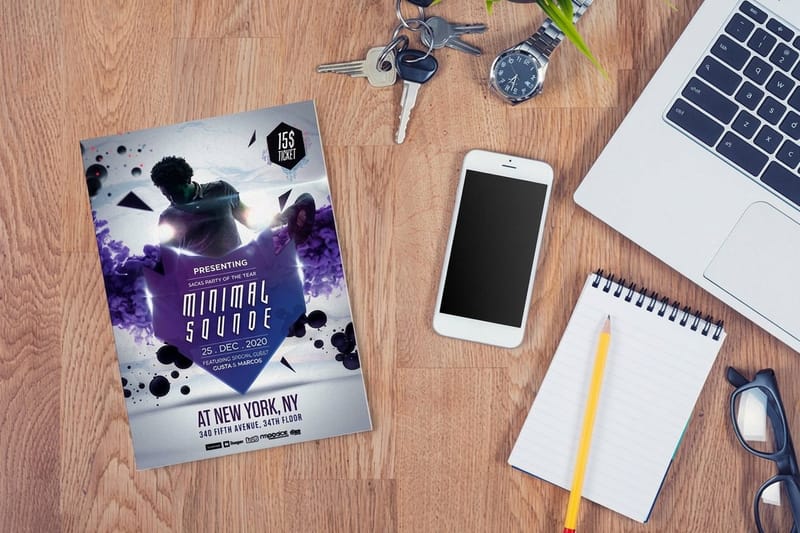
Collateral is what you give somebody once they are already paying attention. An advert buys the attention. A flyer, a brochure, a folder or a card is what carries the argument afterwards, in the prospect’s hands, at their pace, without you in the room. That distinction decides how each piece should be written: an advert has one job and about two seconds, while collateral gets read slowly and has to survive the questions.
Which is why collateral fails in a predictable way. Somebody designs a beautiful brochure, hands out nine of them, and never prints a postcard. The brochure was the piece that needed the smallest run, and the postcard was the piece that needed the biggest. Getting that backwards is the most expensive mistake in the whole category, and it has nothing to do with design.
If you want the plain definition and the three standard buckets before the shopping list, our guide to marketing collateral types covers the taxonomy. This page is about the set: which pieces to print, how many of each, and what each format costs you when it goes wrong.
Order the presentation folder last. It is the piece almost everyone starts with, and it is the piece that ends up in a cupboard.
4OVER4.COM print desk
Collateral, advertising and content are three different budgets
Advertising is rented attention: a mailed postcard to a bought list, a poster on a wall, a paid post. Content is attention you earn and keep online. Collateral is the middle layer, the material a salesperson, a booth, a counter or an envelope needs in order to close what the other two started. Confusing them is how a business ends up with a gorgeous brochure and no way to get it into anyone’s hands.
One piece can play two roles. A postcard mailed cold is advertising; the same postcard handed to a customer at the counter with a reorder code is collateral. Design it for the harder job, which is almost always the mailed one, because that version has to work with no context and a stranger holding it.
Printed collateral is the part that gets kept
A PDF is free to send, free to change, and free to ignore. Paper costs money, which is exactly why it gets treated as though it is worth something. A business card goes into a wallet, a folder sits on a desk through a decision cycle, and a rack card gets picked up in a hotel lobby by somebody who was not searching for you.
The trade-off is honest and worth stating. Print cannot be edited after it ships, cannot be split-tested cheaply, and has a production floor of a few days before anything reaches you. If your offer changes weekly, print the pieces that do not carry the offer and keep the offer on an insert.
The core printed types and the job each one does
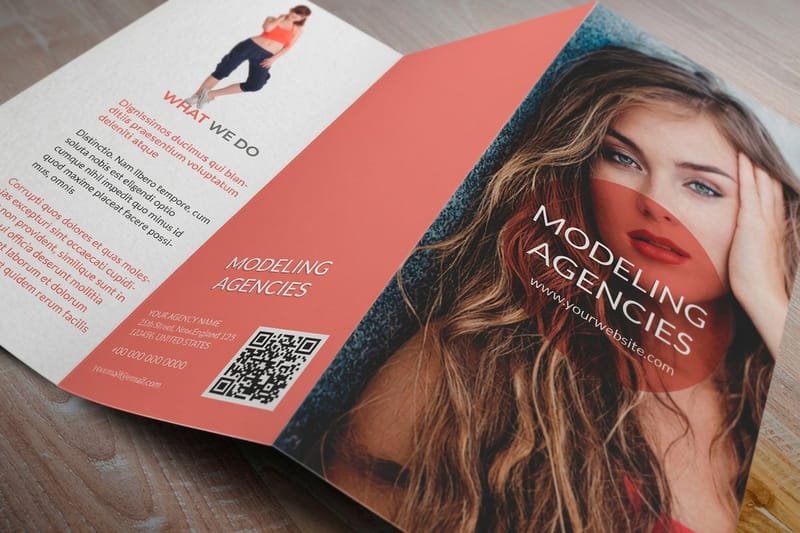
Seven pieces cover almost every business. They are listed here in the order most companies should buy them, which is cheapest and highest volume first, because those are the pieces that create the conversations the expensive pieces later close.
Every price below is the live starting price in our configurator, so you can build a real budget rather than a guess.
The volume pieces: postcards, cards and flyers
Postcards. The most flexible piece in print. Mail them, hand them out, leave them at a counter, staple them to an invoice. Standard Postcards start at $16.48, and the one rule that matters is that a mailed card gives up roughly a third of one face to the address block and the barcode clear zone. Design that space away first, not last.
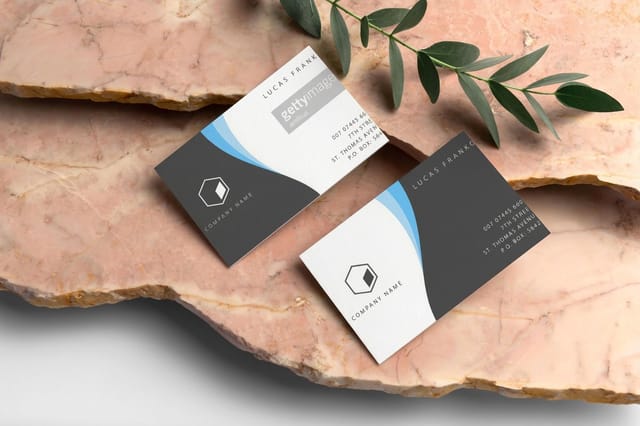
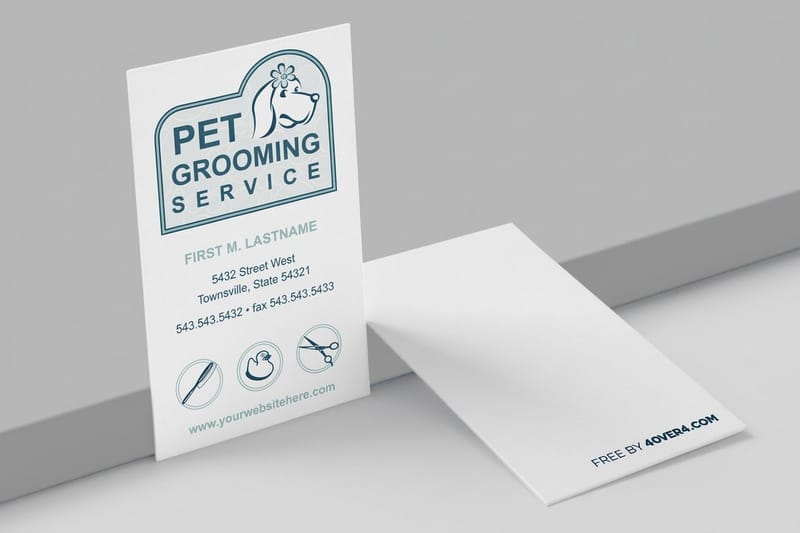
Business cards. The cheapest contact you will ever print. Classic Business Cards start at $17.57 on 14pt or 16pt stock, and 16pt is noticeably more rigid in a wallet. Use the back. A blank back is half a card thrown away, and a single line of what you actually do beats a repeated logo. The finish comparison guide is worth ten minutes before you order, because matte, gloss and soft touch feel like three different companies.
Flyers. One offer, one deadline, one way to respond. Standard Flyers start at $39.54. Flyers are meant to be read once and thrown away, so spend nothing on finish and everything on the headline. If you need it to survive a rack or a windscreen, move up to a card stock instead.
The explaining pieces: rack cards, brochures and catalogs
Rack cards. At 4 by 9 inches, a rack card is built for a display, and in a display only the top third is visible. Put the name, the promise and the location in that top third, and treat the rest as the part somebody reads once they have already picked it up. Starts at $42.84.
Brochures. The piece that answers questions two and three. Standard Brochures start at $57.11. Fold placement is the thing that breaks brochures: a panel edge running through a headline or a photograph is the most common file we send back. Lay the copy out on the folded panels, never on the flat sheet, and read the brochure paper guide before you pick a weight, because a heavy gloss on a trifold cracks at the fold.
Catalogs. Catalog Printing start at $240.55 and earn their keep only when the range is genuinely wide and the buyer wants to compare. Keep prices on a loose insert so a price change does not kill the whole print run.
The closing piece: the presentation folder
Presentation folders. A folder is not really collateral on its own, it is the container that makes a stack of loose paper feel like a proposal. Short Run Presentation Folders start at $108.75, which is the highest cost per piece in the set, and short runs exist precisely because nobody needs a thousand of them.
The inserts are what change. Print the folder once with the brand and nothing time-sensitive on it, then update the sheets inside as often as you like. Our guide to using marketing folders goes through what belongs in each pocket, and the sell sheet guide covers the single most useful insert.
Print and digital do different jobs, not the same job twice
The useful question is not which one wins. It is which one you can afford to be wrong about. Digital is cheap to publish and cheap to correct, so put anything volatile there: prices, availability, dates, staff names. Print is expensive to correct and hard to throw away, so put anything durable there: what you do, who you do it for, why you are worth calling, and how to reach you.
Digital also gives you numbers that print does not. You know who opened an email. You do not know who read a brochure. The way around that is a tracked path on the printed piece: a QR code pointing at a page that exists only for that piece, or a phone number, or a code word at the counter. Without one, the printed set is doing work you cannot see and cannot defend at budget time.
The reverse is also true and less often admitted. A printed piece does not compete for a slot in a feed, does not get filtered into promotions, and does not need permission to arrive. That is why direct mail keeps earning its place in mixed campaigns, and why our direct mail printing and mailing service exists as one step rather than two.
What to keep off the printed piece
Anything with a date on it, unless the date is the point. Anything that depends on stock levels. Anything you are still arguing about internally. Every one of those belongs on the page the QR code points at, where it costs nothing to change at four in the afternoon.
This is also the reason to keep the offer on an insert rather than on the folder or the brochure cover. The container lasts years; the offer lasts a quarter.
Mapping collateral to the buyer journey
Every piece in the set belongs to a stage, and the stage tells you the run size. The audience gets smaller as you move down, the cost per piece gets larger, and those two facts move in opposite directions on purpose. A flyer is meant to be thrown away. A folder is meant to sit on a desk for a month.
| Stage | Who is in it | What to put in their hands |
|---|---|---|
| Reach | Strangers, thousands of them, cents per piece | Postcards, flyers, posters. One offer, one deadline, one reply path. |
| Explain | Interested people, hundreds | Brochures, rack cards, catalogs. The piece that answers the second question. |
| Close | People in the room, dozens | Presentation folder, sell sheet, business card. Handed over one at a time. |
| Keep | Buyers you already own | Thank-you postcards, calendars, stickers. Cheapest audience you will ever print for. |
The last row is the one most sets forget. Printing for people who have already bought is the cheapest marketing in the building, because you own the list, the address is verified, and the response rate on a reorder card has nothing in common with a cold drop. A postcard to past customers costs the same $16.48 to start as a postcard to strangers and does considerably more work. Our marketing postcard examples show reorder layouts and offers you can copy onto that card. For the wider argument, fifteen print marketing examples that still win customers is worth a read.
Collateral pricing and specs at 4OVER4.COM
The four core pieces start at $130.70 together, and a single order of 10 presentation folders starts at $108.75, close to the price of the other four combined. That gap is why the folder comes last. Brochures show the quantity ladder best: 500 on 100# gloss text cost less than three times as much as the first 50, so each brochure costs about 70 percent less at the longer run. The table has the full ladder and every stock.
Quantity and price
Brochure pricing and specs
Real configurator numbers for the explaining piece, where the more you order the lower the per unit cost drops.
| Quantity | Price Per Unit | Total |
|---|---|---|
| 50 | $1.14 | $57.11 |
| 100 | 82.4¢ | $82.38 |
| 200 | 53.3¢ | $106.55 |
| 300 | 41.0¢ | $123.02 |
| 400 | 34.9¢ | $139.49 |
| 500 | 31.2¢ | $155.97 |

You can also earn coins on every order and redeem them against the next piece in the set, which matters when you are buying six or seven products rather than one.
Designing a set that looks like one company
Coherence is not a logo repeated seven times. It is a shared paper family, a shared margin, a shared type scale and one accent color used the same way on every piece. Get those four right and a postcard, a folder and a business card read as one brand even when the artwork on each is completely different.
Print it
Business cards, the piece that gets kept
14pt and 16pt stock, matte or gloss, and the cheapest contact in the whole set.
The failure mode is ordering pieces one at a time over a year. Each order looks fine on its own, the white shifts slightly between paper batches and suppliers, and eighteen months later the set is three near-identical whites that read as carelessness. Where budget allows, print the whole set in one job on one stock family. Where it does not, at least lock the stock and the finish in writing so every reorder matches. Our print design guide for advertising and marketing goes further into grids, margins and color builds.
- One paper family across the set. Two different whites sitting side by side read as two different companies. Pick a stock family and hold it, even where a cheaper sheet would have done.
- Build color in CMYK, not RGB. A brand blue chosen on screen usually prints duller. Ask for a hard proof on the actual stock before a big run rather than after it.
- Same margin, same grid, every piece. A shared margin and a shared type scale do more for coherence than a logo repeated on every panel. It is also free.
- Uncoated prints darker than you expect. Uncoated stock absorbs ink, so heavy solids go muddy and fine reversed type fills in. Use it for text-led pieces, not for photography.
- One tracked response per piece. A QR code to a page that exists only for that flyer tells you what the run did. A second call to action splits the response instead of doubling it.
- Proof the fold, not the flat sheet. Print the brochure at size, fold it by hand, and read it. Panel breaks that look fine flat cut headlines in half once folded.
What the set looks like by business type
Nobody needs all seven pieces. Here is the set most worth printing first, by the kind of business doing the printing.
- Local services. Flyers and postcards deep, one brochure, one box of business cards. The van and the door hanger do more than a catalog ever will.
- Professional services. Folder plus sell sheets is the whole set. Skip the flyer, print the cards heavy, and let the inserts carry anything that changes.
- Retail and hospitality. Rack cards for the lobby displays, postcards for the reorder list, and a menu or price list on an insert so a price change costs one reprint, not five.
- Trade shows and events. Postcards to hand out, folders for the ten conversations that matter, and business cards for everyone else. Nobody carries a catalog home from a show.
- Nonprofits. Postcards for the appeal, a single brochure that explains the work, and thank-you cards for donors. The thank-you card is the piece that gets kept.
If you want ideas for the pieces themselves rather than the structure, ten brochure ideas and fifteen business card examples are the two we send people to most often, and print brand awareness ideas covers what to do once the set exists.
Building your collateral kit with 4OVER4.COM
Start from a template rather than a blank artboard. Our blanks are cut to the exact product specs, with bleed and trim already marked, so the artwork lands inside the cut line on every piece in the set. Pick the size before you open the file: brochure blanks come in the six flat sizes we print, from 5.5 by 8.5 up to 11 by 25.5 inches, rack card blanks at 3.5 by 8.5 or 4 by 9 inches, and the short run folder blank at 9 by 12 inches. Grab a print ready blank from the blank template library, or start from a finished layout in the design template library.
Start fast
Templates and print-ready blanks
Brochure design templates and exact size blanks so your artwork lands inside the cut line.

Wally builds the collateral set in the right order
Cheap pieces deep, expensive pieces shallow
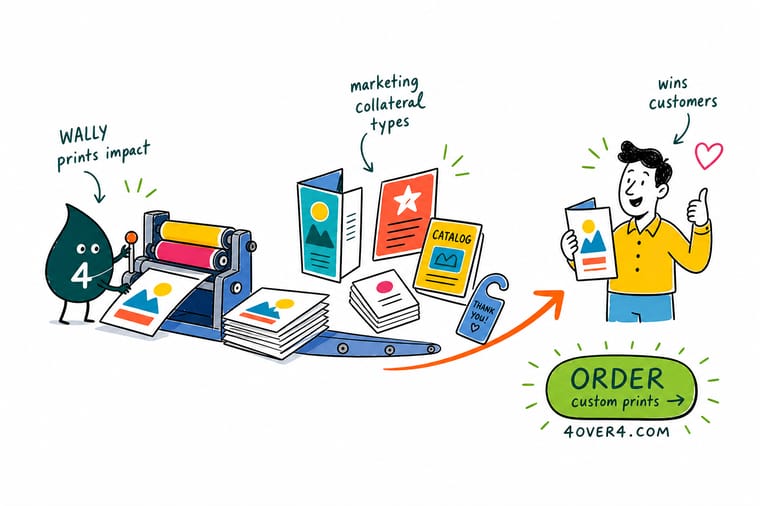
Start with Standard Postcards at $16.48 and Classic Business Cards at $17.57 in the hundreds or thousands, add Standard Flyers at $39.54 and Standard Brochures at $57.11 in the low hundreds, and only add a Short Run Presentation Folder at $108.75 once you are handing over proposals. Keep every piece on one paper family, build color in CMYK, and put anything with a date on it on a loose insert.
Order standard postcards →What to remember about a collateral set
Explore more
Every piece in the set, ready to order
Standard catalogs run 25 for $240.55 in 7 business days and rack cards 50 for $42.84 in 3.
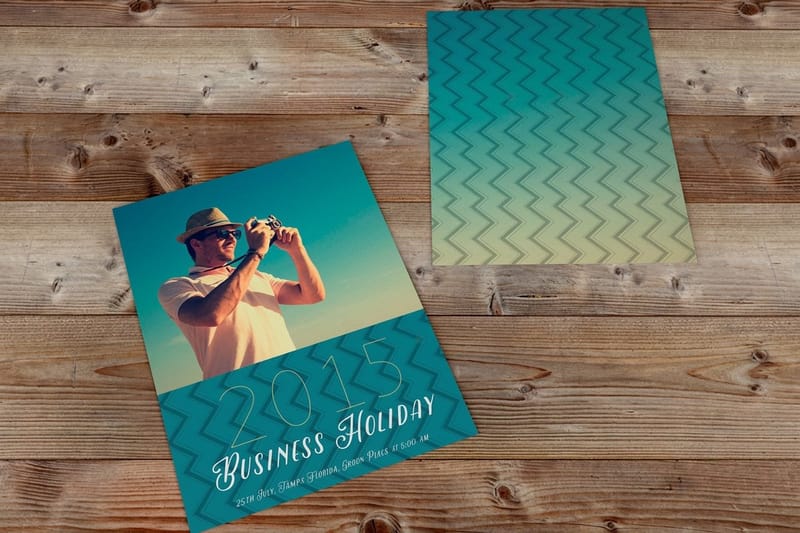 Product Standard Postcards From $16.48. The most flexible piece in any collateral set.
 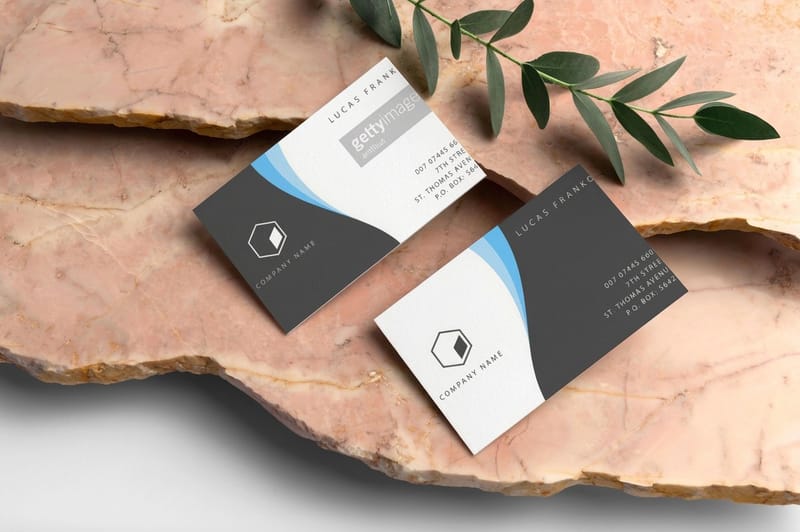 Product Classic Business Cards From $17.57 on 14pt or 16pt stock. Cheapest contact you can print. Product Standard Flyers From $39.54. One offer, one deadline, printed deep.
 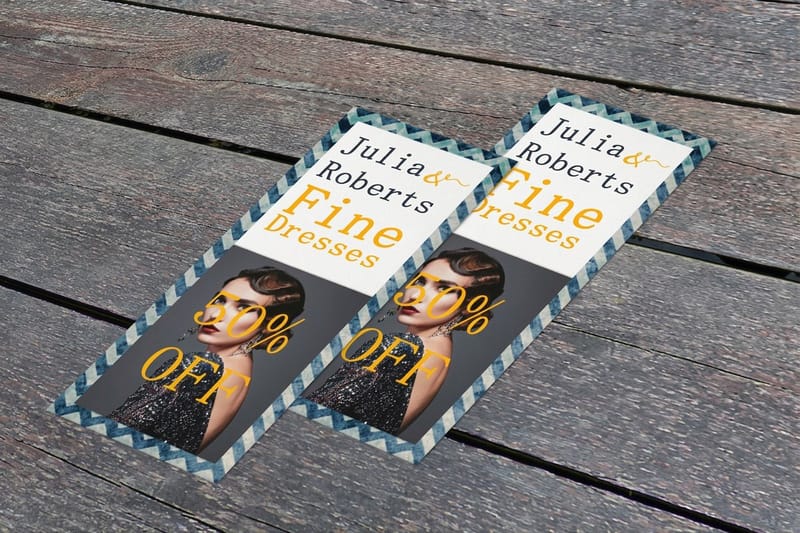 Product Standard Rack Cards From $42.84. Built at 4 by 9 inches for lobby displays. Product Standard Brochures From $57.11. The piece that answers the second question. Product Short Run Presentation Folders From $108.75. Small runs, so nobody stores 900 spares.
  Category Business Card Printing Every stock, finish and shape we print, in one place. Category Brochure Printing Folds, paper weights and sizes for the explaining piece.
 Ready to print the set?
Pick the pieces, drop in your design or a free template, and 4OVER4.COM prints the whole set on one paper family so it reads as one company.
Common questions about marketing collateral
What counts as marketing collateral?
Anything you hand over, mail or leave behind that carries your argument once you already have somebody’s attention. In print that usually means postcards, business cards, flyers, rack cards, brochures, catalogs, presentation folders and the sell sheets that go inside them. Adverts are not collateral, because an advert buys the attention rather than using it, and blog posts are not collateral either. The practical test is simple: if a salesperson, a booth or an envelope could not do its job without the piece, it is collateral.
How much does a basic printed collateral set cost?
At 4OVER4.COM the four pieces most businesses actually need start at $130.70 in total: Standard Postcards at $16.48, Classic Business Cards at $17.57, Standard Flyers at $39.54 and Standard Brochures at $57.11. Those are starting prices at the smallest run and the standard stock, and they climb with size, paper weight, finish and quantity. Add a Short Run Presentation Folder at $108.75 only if you are handing over proposals, because it is the highest cost per piece in the set.
Do I still need printed collateral if I sell online?
You need less of it, and the pieces you keep change. Most online sellers drop the brochure and the catalog and keep two things: a card or insert that goes in the box, and postcards for the customer list they already own. The insert is the one that pays, because it reaches somebody at the moment they are opening your product, which is the highest attention you will ever get from them. Put a reorder code on it, point it at a page built for that code, and you can measure what the run did.
How many of each piece should I order on a first run?
Order to the number you will genuinely hand out in the next quarter, not to the point where the unit price looks best. In practice that means postcards, flyers and business cards deep, in the high hundreds or thousands, and brochures, catalogs and folders shallow, in the low hundreds. The cheap pieces create conversations, and the expensive pieces close them, so you always need more of the first kind. A cupboard of unused folders is the standard result of ordering by unit price.
How do I keep colors matching across different pieces?
Print everything in the same paper family, build the artwork in CMYK rather than RGB, and ask for a hard proof on the actual stock before a large run. The same file prints differently on gloss and on uncoated, because uncoated absorbs ink and reads darker and softer, so a brand color that looks right on a gloss brochure can look flat on an uncoated card. If a set has to be exact, print the whole set at once on one stock rather than reordering pieces one at a time over a year.
