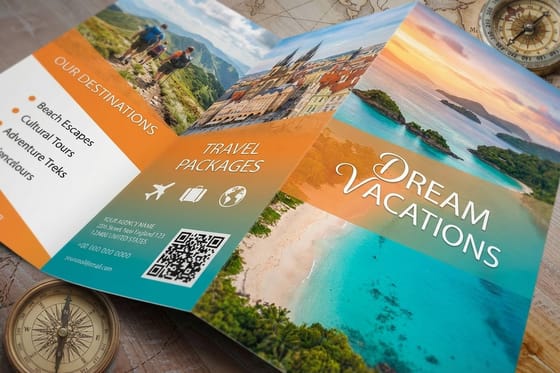
What should you write on the front of a hotel brochure?
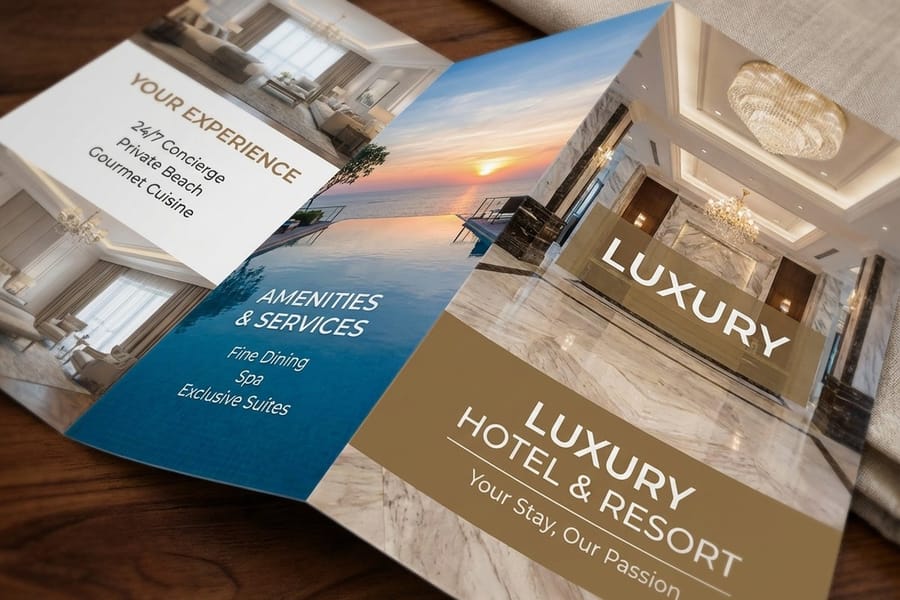
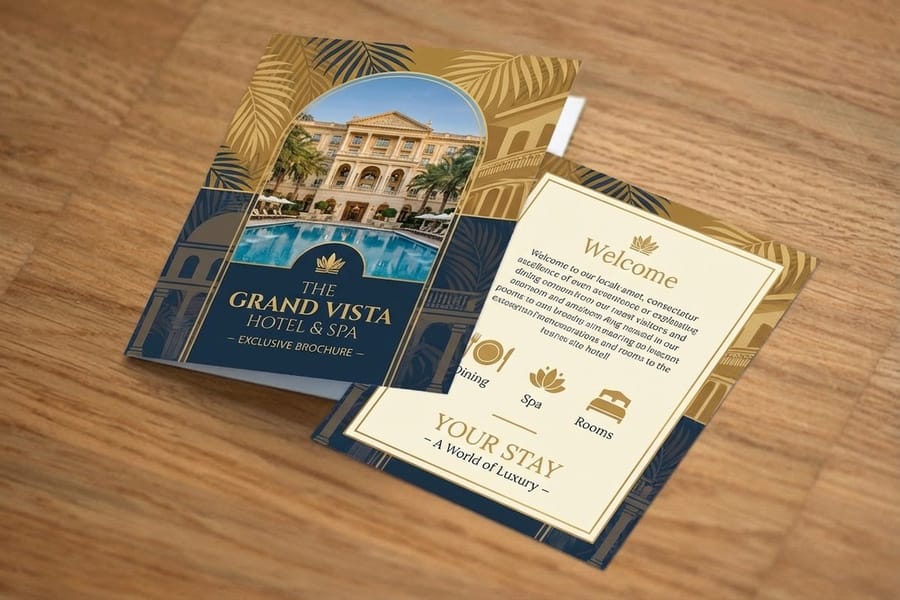
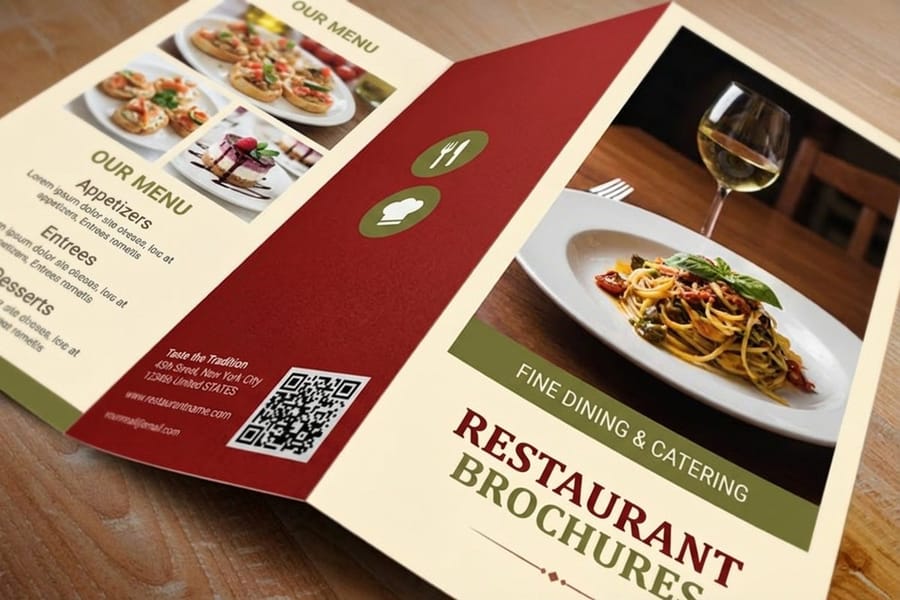
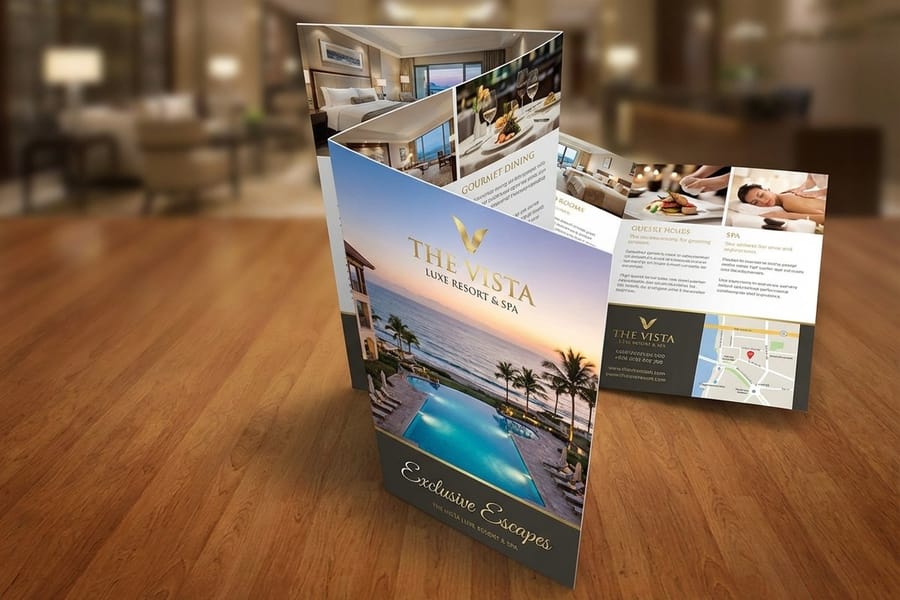
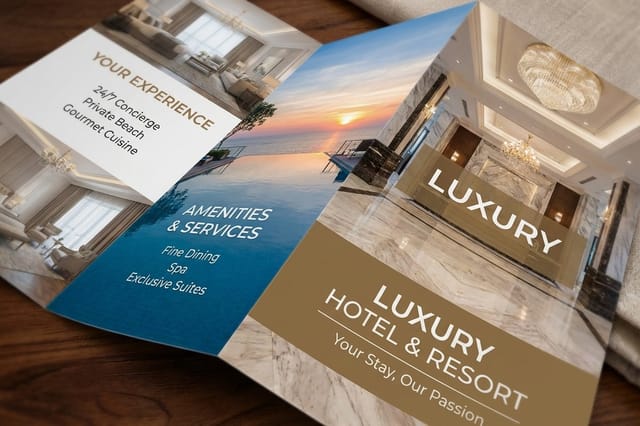
Keep the cover simple and confident. Put your hotel name, one short tagline that captures the experience (think "Beachfront rooms, five minutes from the pier" rather than a paragraph), and a single strong hero photo. That is it. The cover exists to earn the open, not to list every detail. Save the rooms, rates, and amenities for the inside panels where a guest expects to slow down and read.
What information do guests look for most in a hotel brochure?
In order: rates and room types, location and how to get there, amenities, and how to book. Guests scan a hotel brochure the way they scan a booking site, so lead with the answers to the two questions they always have, which are "what does it cost" and "where exactly is it." Everything else supports those two. If a guest can find the price, the neighborhood, and a booking link in under ten seconds, the brochure is doing its job.
Should a hotel brochure list room rates?
Yes, at least a starting-from rate. A brochure with no prices makes guests assume the worst and put it down. You do not need a full rate card for every season, a clear "rooms from $149 per night" sets expectations and still leaves room to sell up. If your rates move a lot seasonally, print the low-season anchor and point guests to your website or a QR code for live availability and current pricing.
What size and fold works best for a hotel brochure?
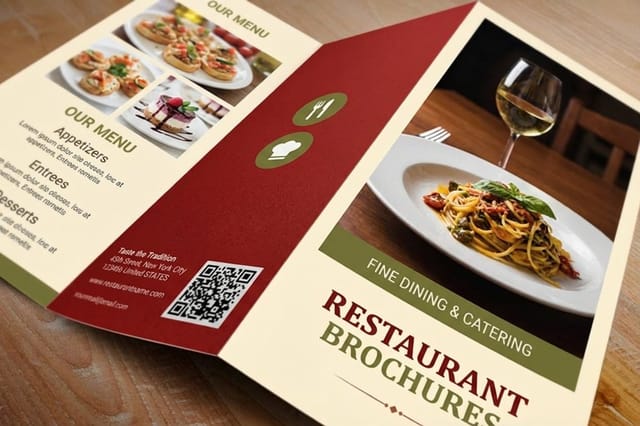
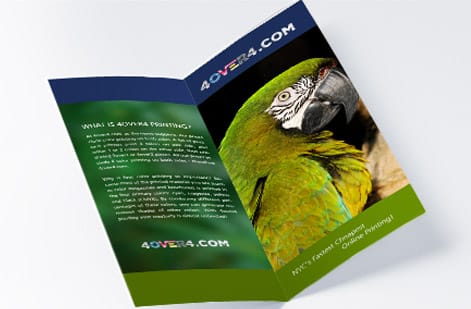
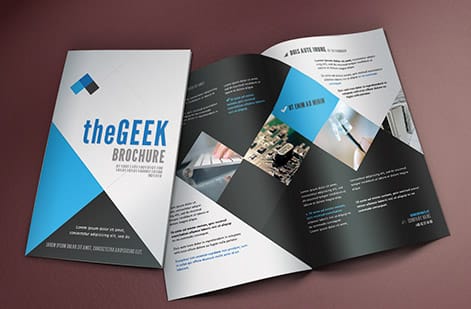
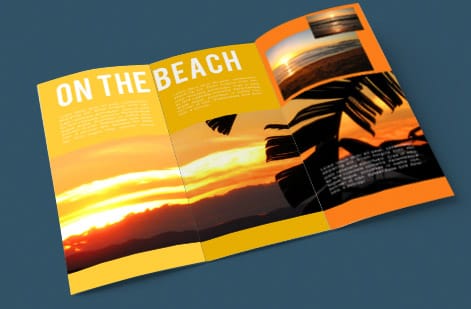
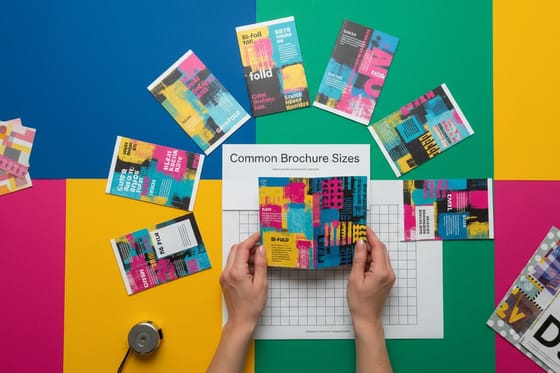
A half fold or a tri-fold in a rack-friendly size is the standard for a reason. It fits a lobby or concierge rack, opens to a clean spread for rooms and amenities, and closes to a tidy cover. At 4OVER4.COM, hotel brochures come in six sizes with a half-fold option and even a perforated tear-off panel for a reservation slip or a discount coupon, which is handy for front-desk handouts.
How much text should a hotel brochure have?
Less than you think. A hotel brochure sells a feeling first and details second, so write in short, scannable chunks: a headline, two or three sentences, and a bulleted list of amenities or room features. White space is a feature, not wasted paper. If a panel feels crowded, cut a sentence or move it to your website. Let the photography carry the emotion and let the copy carry the facts.
How do I turn a hotel brochure into bookings?
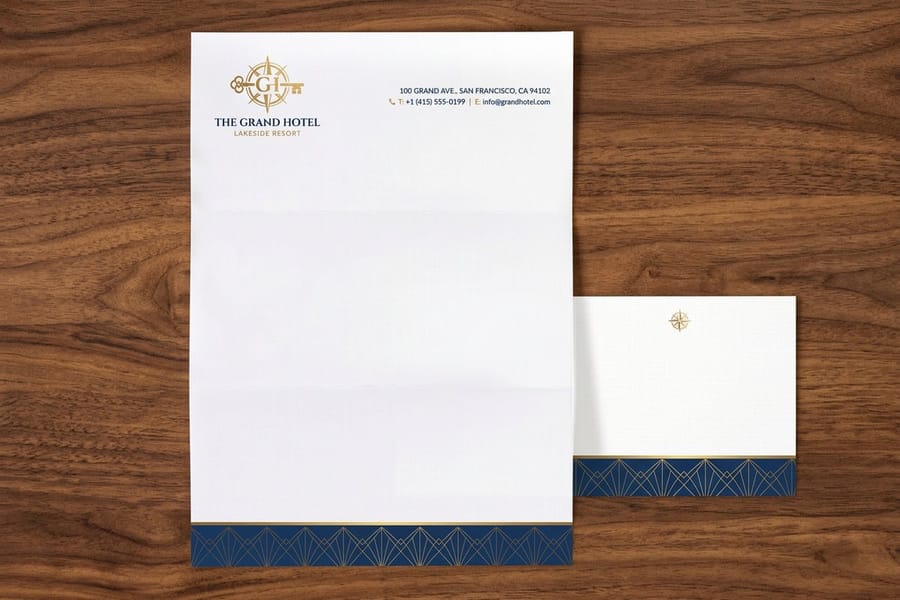
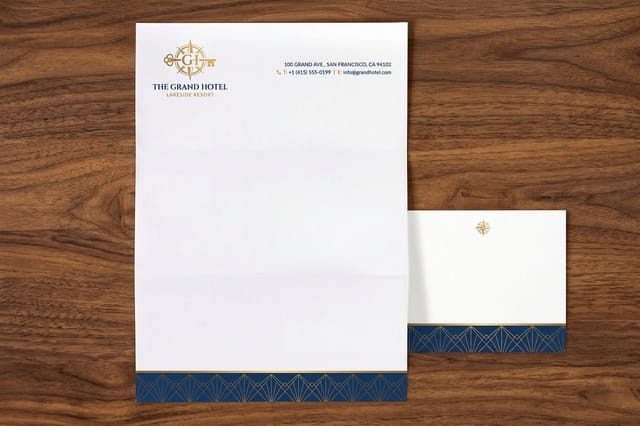
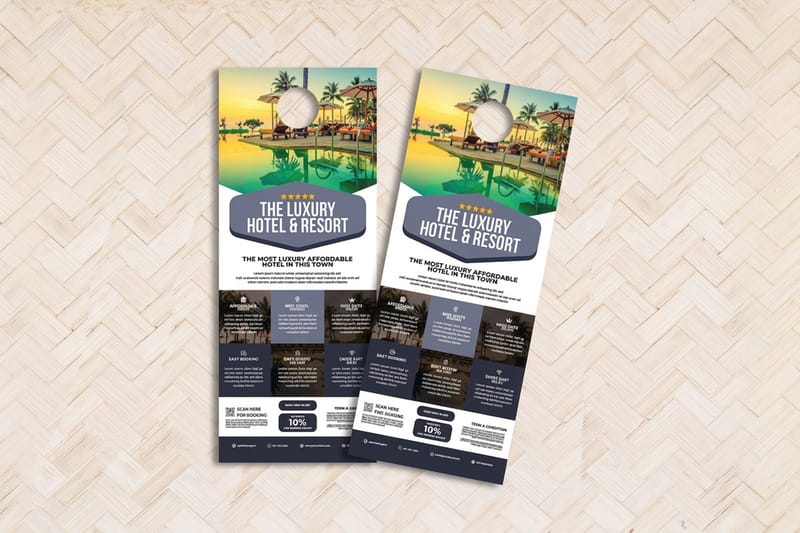
Give every panel an exit ramp. Repeat your phone number and website, add a QR code that opens your booking page directly, and include one clear call to action such as "Reserve your stay." Pair the brochure with matching hotel stationery, key cards, and signage so the brand feels consistent from the rack to the room. A brochure that looks and reads like a premium stay makes the booking feel like the obvious next step.
How do you make a hotel brochure?
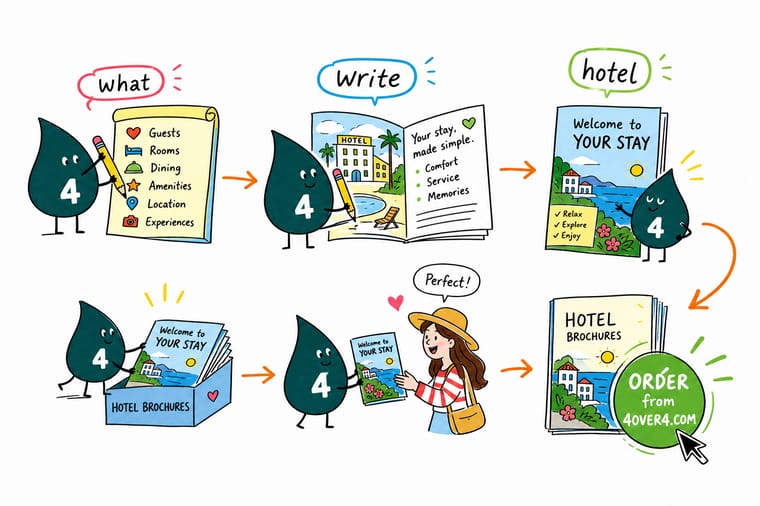
Pick the fold first, because it sets how many panels you have to fill: one 11 x 8.5 inch flat sheet gives four panels at 5.5 x 8.5 inches as a half fold, or six panels at 3.67 x 8.5 inches as a tri-fold or z-fold. Map the content to those panels next: the cover promise and highlights outside, room types with starting rates plus amenities and location inside, contact details and a booking QR code on the back. Then write short copy, place real photography at 300 dpi at final printed size, add 0.125 inch of bleed and keep text 0.25 inch off the folds and trims, and export a print-ready CMYK PDF. Set stock, quantity and turnaround on the hotel brochure printing page, and order free paper samples before the full run so the paper matches the property.
Which fold suits a hotel brochure?
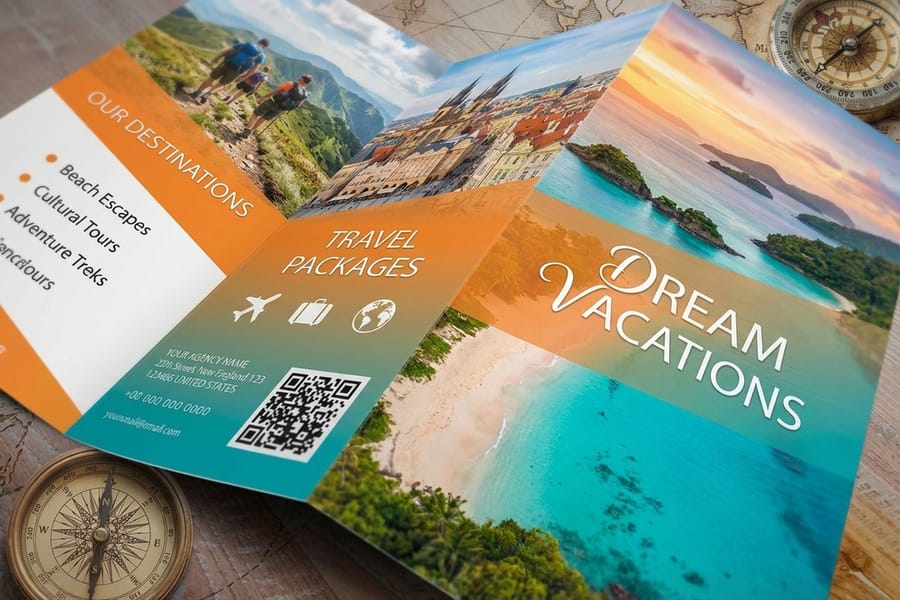
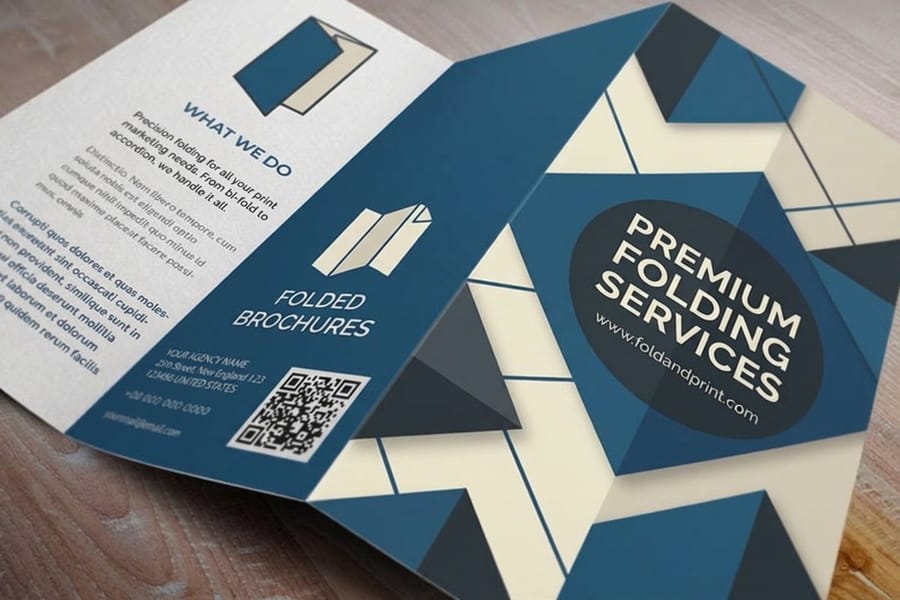
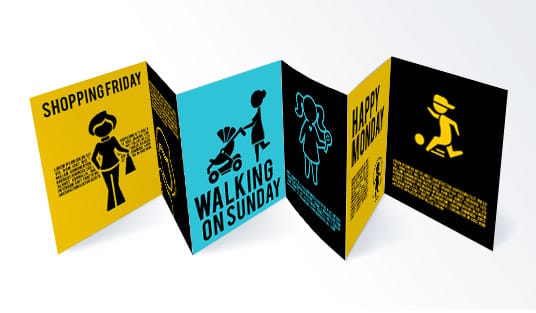
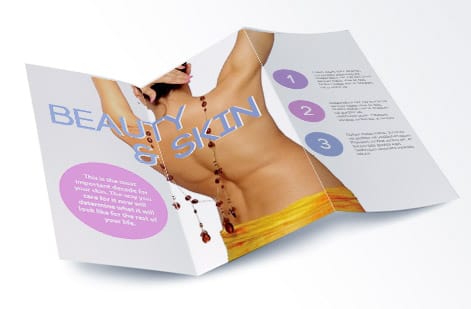
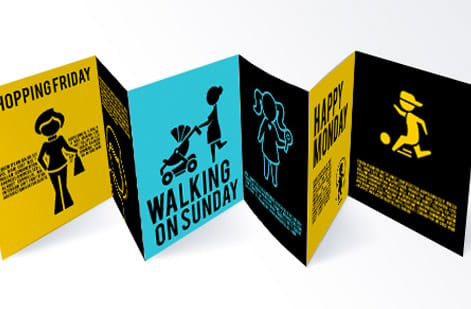
The tri-fold is the default: folded to 3.67 x 8.5 inches it fits lobby and visitor-center racks, and its six panels hold rooms, amenities and location without crowding. Choose a half fold when you have few room types and want the photography large, since four panels at 5.5 x 8.5 inches give each image real space. Choose a z-fold when the stay reads as a sequence, arrival to rooms to amenities to booking, because it opens flat and the six panels run left to right with nothing to flip. Brochure fold styles shows how each one folds on press.