
10 World Kindness Day Postcard Ideas Worth Printing and Mailing


Why a Postcard Is the Right Format for This Particular Day

World Kindness Day falls on 13 November each year, and it is an unusual occasion in that it has no gift attached, no expected purchase, and no established etiquette. That freedom is exactly why it is easy to get wrong. Without a convention to follow, most people reach for the format they use for everything else, which is usually an email.
A postcard is a better fit, and the reasons are practical rather than sentimental. It is read the instant it is picked up, with no envelope to open and no decision about whether it is worth the time. It is short by construction, so it cannot drift into a speech. And crucially, it creates no obligation. An email invites a reply and a letter implies one, while a postcard can simply be received, which is the correct emotional shape for an unprompted kind message.
The other advantage is that a postcard is physical in a week when almost nothing else is. It sits on a desk, a fridge, or a noticeboard for days or months rather than scrolling out of view in an hour. Ten ideas follow, grouped by who is sending them, along with the wording problems each one runs into.
Four Ideas for Schools and Classrooms
Schools do more with this day than anyone, partly because kindness is already part of the curriculum and partly because children take the exercise more seriously than adults do.
- 1. The peer compliment exchange. Every pupil draws a classmate's name and writes one specific thing they appreciate about that person. The rule that makes it work is specificity, since anything vague reads as filler. Print the cards blank on one side with a light prompt line on the other.
- 2. Cards to the people who keep the school running. Caretakers, kitchen staff, office staff, and drivers are thanked far less often than teachers. A class writing to them by name is one of the most reliably affecting versions of this exercise.
- 3. The care home or hospital mailing. A batch of cards to a local care home or hospital ward, written to nobody in particular so staff can hand them out. Keep the design cheerful and the wording free of anything seasonal or religious so any recipient can receive it comfortably.
- 4. The future self card. Pupils write a kind message to themselves, and the teacher stores the cards and posts or hands them back months later. It teaches the same skill and lands twice, which is unusual for a classroom activity.
For classroom use, print on a stock that takes pen and pencil without feathering, and leave considerably more writing space than feels necessary, because children write large. Our postcard paper and cardstock guide covers which surfaces take handwriting well.
Print picks
Four formats that suit a kindness message
Live starting prices from the configurator, for cards meant to be read rather than filed.
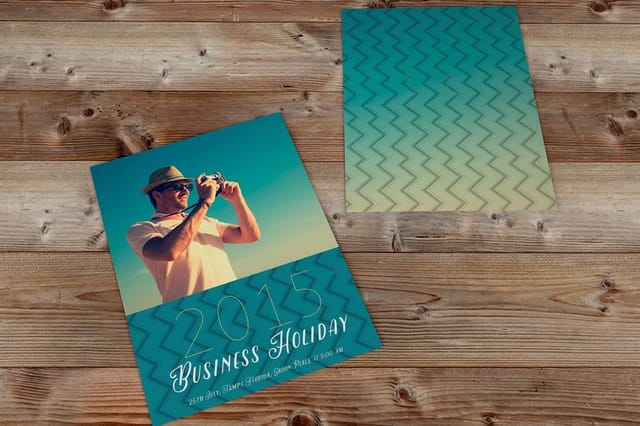 Standard Postcards From $16.48 The plain, honest format, read the moment it is picked up with nothing to open first.
 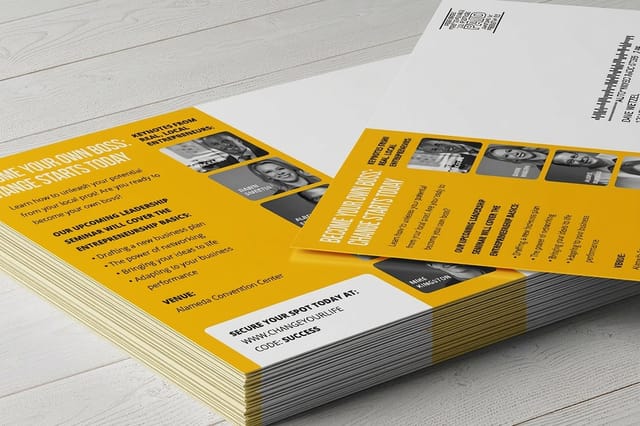 Direct Mail Postcards From $18.94 Built for mailing at volume when the cards are going out to a real list of addresses.
 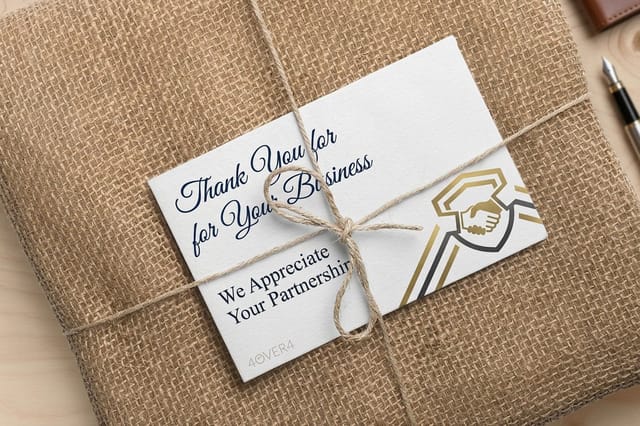 Business Thank You Cards From $19.77 When the message is specifically gratitude to customers, staff, or partners.
 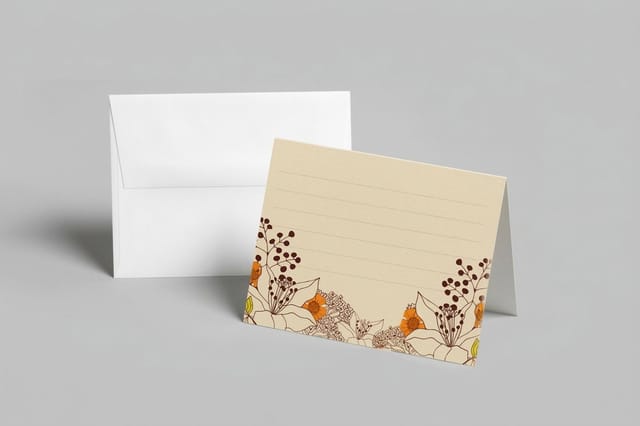 Folded Notecards From $38.22 A folded card for the longer, more personal note that should stay private.
 Three Ideas for Teams and Workplaces
Workplace versions of this day fail more often than school versions, and almost always for the same reason. Someone turns it into a scheme with a name, a hashtag, and a form to fill in, and the moment it becomes a program it stops reading as kindness.
- 5. The anonymous appreciation wall. Blank cards left in a common area for anyone to write to anyone, collected and delivered internally. Anonymity matters because it removes the suspicion that a message is politically motivated or performative.
- 6. Cards to people outside the org chart. Suppliers, cleaners, security staff, the couriers who turn up every day. These are the people a business depends on and almost never thanks, and a card from a named person rather than from the company lands very differently.
- 7. The manager's specific note. Not a card to every direct report, which is transparently an exercise, but a card to two or three people describing something specific they did that mattered. Fewer cards, more particular, is the entire trick.
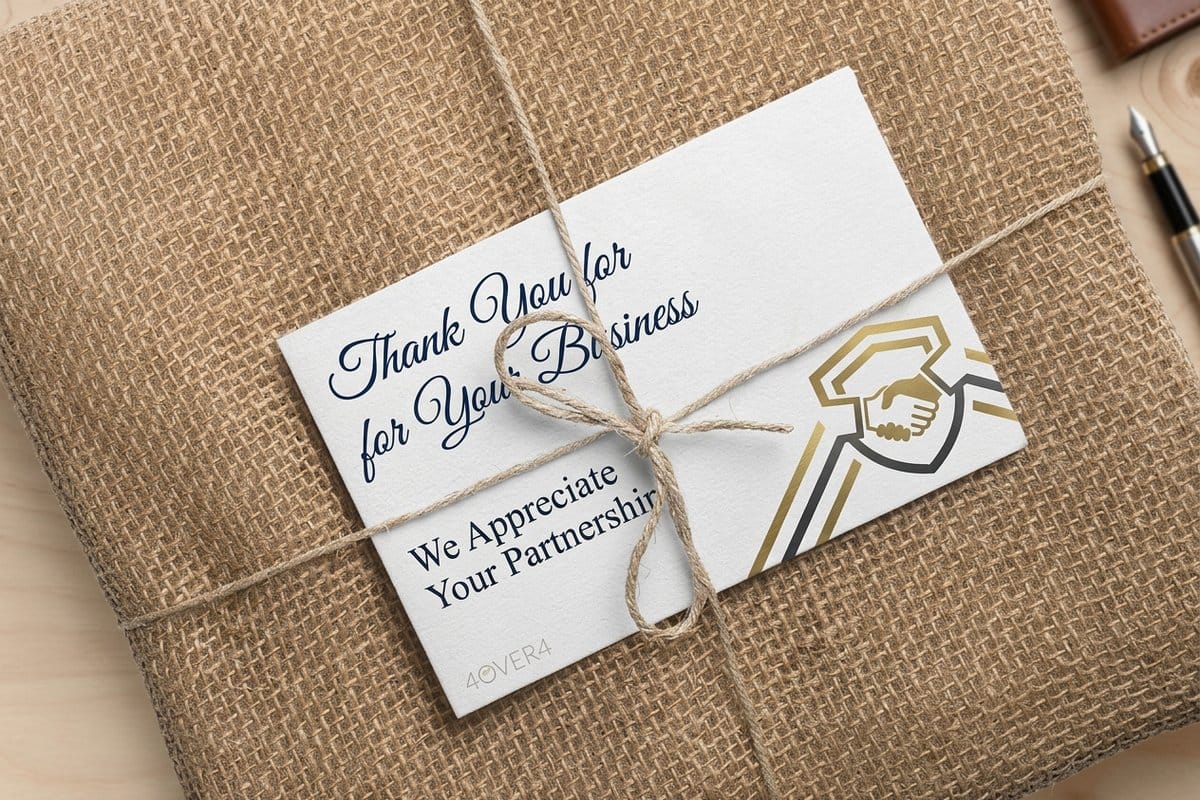
One firm rule for workplace cards. Do not put the company logo on them. The instant a piece of branding appears, the card becomes internal communications, and the recipient reads it as policy rather than as a person saying something true. If the cards must be printed centrally, print them plain and let people write on them. Business thank you cards work well here precisely because they are quiet.
Three Ideas for Small Businesses, and the Trap to Avoid
This is the section that needs the most caution, because a small business sending kindness cards is one step away from sending marketing, and customers detect the difference immediately.
- 8. A card to long standing customers with no offer attached. The whole point is that nothing is being asked for. No discount code, no reminder that you are open, no invitation to book. Just a specific thank you for the years, signed by a named person.
- 9. Cards to other local businesses. The cafe that sends a card to the bookshop, the plumber to the hardware shop. It costs almost nothing, it is genuinely uncommon, and it tends to be remembered far longer than any advertising with the same price tag.
- 10. A card supporting a local cause, sent quietly. A card to a food bank, a shelter, a volunteer group, thanking the people running it. Sent without a press release and without being posted about, which is the part that makes it credible.
The trap is simple and almost irresistible. Someone will suggest adding a small logo, then a website address, then a modest offer on the back since the card is going out anyway. Each addition seems harmless and the cumulative effect is a piece of direct mail wearing a kindness costume, which is worse than sending nothing because it is transparently insincere.
If you want a mailing that sells, send one and be honest about it. Our guide to postcard marketing and our roundup of postcard examples for small businesses cover doing that well. Keep the two mailings separate and both will work.
Mailing at volume
Getting a stack of cards to real addresses
If the cards are going out to a list rather than being handed over, the format and the mailing rules both change.
Wording That Sounds Like a Person Wrote It
The writing is where most of these cards succeed or fail, and the failure mode is consistent. Faced with a blank card, most people produce a sentiment so general it could be sent to anyone, which is precisely what makes it land as nothing.
What separates a card that works
- Name one specific thing. Not that someone is kind, but the particular thing they did and roughly when. Specificity is the only reliable signal that a real person thought about this.
- Write in your own voice. If you would not say the sentence out loud, do not write it. Formal phrasing reads as a template even when it is not.
- Keep it short. Three or four sentences is plenty. Length starts to feel like an obligation being discharged.
- Sign it as a person. A first name, not a department or a company. The signature is what makes it a message rather than a communication.
- Ask for nothing. No reply requested, no follow up, no next step. The absence of an ask is the entire gesture.
Handwrite it if there is any way to do so. A printed message signed by hand is acceptable, and a fully handwritten card is meaningfully better, because the visible effort is a large part of what is being communicated. This is why the design brief matters: leave real, generous open space on the back rather than filling it with a decorative border. Our article on writing thank you notes covers the same problem in more depth.
Quantity and price
Postcard pricing and specs, straight from the configurator
Real numbers on standard postcards, with the sizes and stocks that survive a trip through the mail.
| Quantity | Price Per Unit | Total |
|---|---|---|
| 50 | 33.0¢ | $16.48 |
| 100 | 24.2¢ | $24.16 |
| 200 | 15.9¢ | $31.86 |
| 300 | 12.8¢ | $38.45 |
| 400 | 11.3¢ | $45.04 |
| 500 | 10.3¢ | $51.62 |

Designing the Card So It Can Be Written On
A kindness postcard has an unusual design brief, because the printed part is deliberately the less important half. Most postcard design advice assumes the printed message is the message. Here the printing is a frame for handwriting, and that changes several decisions.
Keep the front to one image or one simple graphic idea with little or no text. Warmth without slogan is the target, and anything that reads as a tagline pushes the card toward advertising. On the back, the temptation is to add decorative borders, a pattern, a printed greeting, and a footer, all of which steadily eat the space the sender actually needs. Leave more room than looks right on screen, because handwriting is larger and less regular than set type.
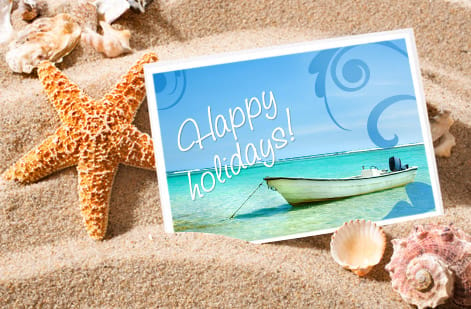
Stock matters more than usual for the same reason. A heavily coated gloss surface resists pen ink, smears under a ballpoint, and can be genuinely unpleasant to write on. Uncoated or lightly coated stock takes ink cleanly and feels better under a hand. If the cards are going through the mail unenveloped, they also need enough weight to survive sorting machinery without arriving creased. Our guide to the anatomy of a postcard covers laying out the back correctly, including the mailing panel.
Mailing Them, and Getting the Timing Right
If the cards are being handed over in person, none of this applies and you can stop reading. If they are going into the mail, two practical things decide whether the effort arrives.
The first is the postal rules. A card mailed without an envelope has to meet size and thickness requirements to qualify for postcard rates, and it needs the address side laid out correctly with the mailing panel kept clear. Our guides to postcard mailing rules and addressing a postcard cover the specifics, and for a larger list direct mail postcards are built for the job.
The second is timing, and 13 November has a particular hazard. It sits just far enough ahead of the holiday mail surge that you have a clear window, and just close enough that leaving it late means competing with it. Work backwards properly. Order in October, allow production and delivery time, then leave several days for the writing itself, which is the step everyone underestimates because handwriting fifty cards takes considerably longer than expected.
If the date has crept up, Same Day Printing covers qualifying orders, though the honest advice is to send ten well written cards on time rather than a hundred rushed ones. Start from a print ready layout in the blank templates library so the trim and mailing panel are already correct.
Wally writes a kindness card that lands
Say one specific thing, and leave the logo off
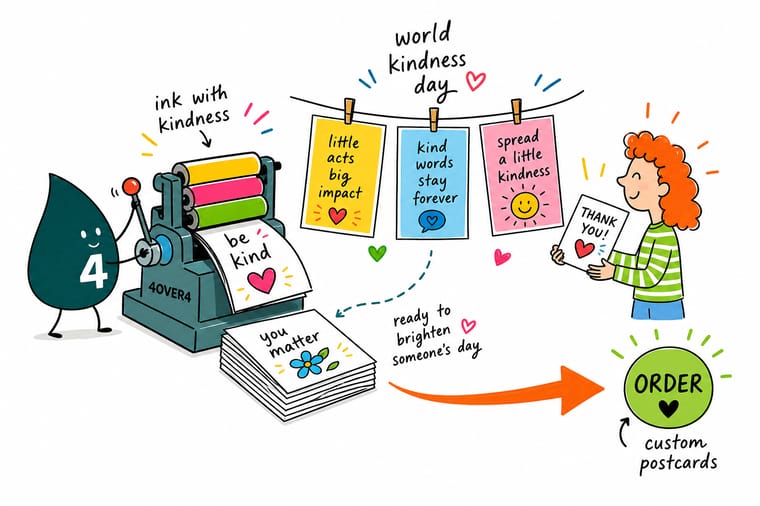
A kindness card fails the moment it starts selling. No logo in the corner, no offer on the back, no call to action. Say one specific true thing to one person, in your own words, and let that be the whole message. Leave real space on the back for handwriting, because handwriting is most of the effect. World Kindness Day is 13 November, so print in October and give yourself room to write and mail without rushing.
Print your postcards →Making a kindness card that does not feel like marketing
Explore more
More on postcards, mailing, and printed notes
Standard postcards run 50 for $16.48 in 3 business days, and 500 mailed ones cost $89.68.
 Article 8 Travel Photographers to Follow for Print Worthy Inspiration Eight travel photographers worth following for composition, color, and storytelling ideas you can borrow for y
  Article Automotive Poster Printing Ideas for Dealerships and Shops Automotive poster printing ideas for dealerships, repair shops, and detailers: showroom promos, service specia
  Article Eco Friendly Hanukkah Card Ideas on Recycled Paper Eco friendly Hanukkah card ideas on recycled paper, with personalization options, menorah motifs, envelope cho
  Article Postcard Examples Ten cards broken down by offer and call to action.
  Guide How to Design a Postcard The ten elements a card needs to work.
  Guide Anatomy of a Postcard Front, back, and the mailing panel explained.
 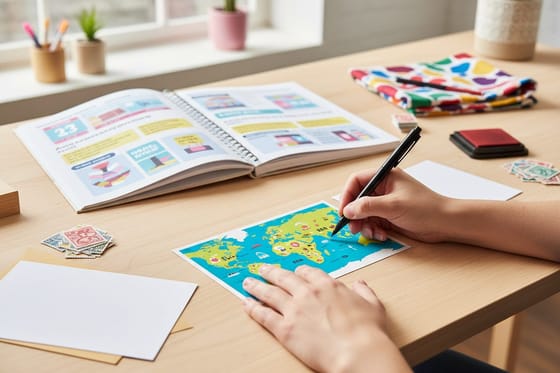 Guide How to Address a Postcard Get the front right so every card arrives. Guide Postcard Mailing Rules Stamps, sizes, and what USPS requires.
 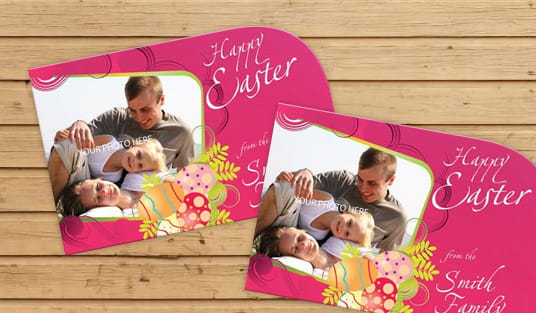 Guide Postcard Paper Guide Stocks that take pen ink and survive the mail.
 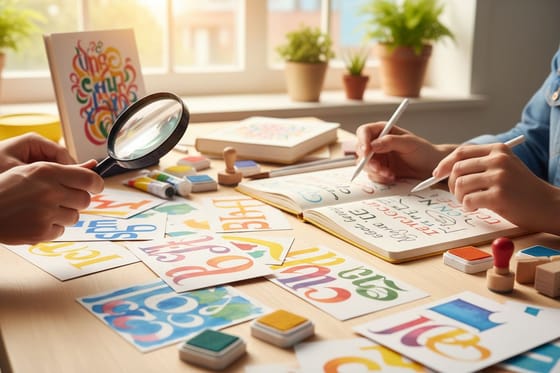 Guide Best Postcard Fonts Type that stays readable in a stack of mail.
 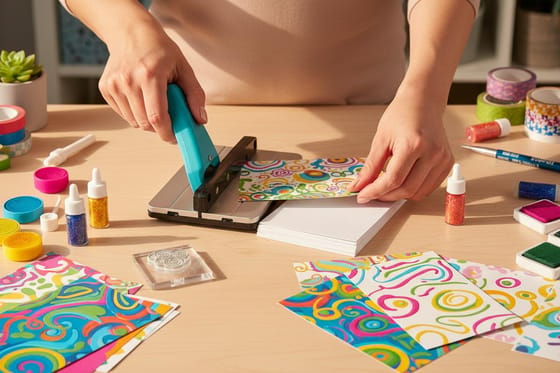 Guide How to Make Postcards From design through to mailing, step by step.
 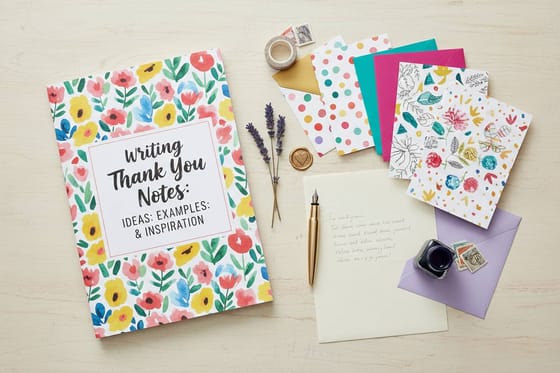 Article Writing Thank You Notes Wording that sounds like a person wrote it.
 Ready to print cards worth writing on?
Pick a size, keep the front simple, leave real room on the back for handwriting, and 4OVER4.COM prints them in time for 13 November.
World Kindness Day postcard questions
When is World Kindness Day?
World Kindness Day falls on 13 November each year. For anyone planning to print and mail cards, that date has a useful and a tricky quality. It sits just far enough ahead of the holiday mail surge to give you a clear window, and close enough that leaving preparation late means competing with it. Work backwards from the date: order the cards in October, allow for production and delivery, then leave several days for the writing itself, which is the step people consistently underestimate because handwriting a stack of cards takes far longer than expected.
What should I write on a World Kindness Day postcard?
One specific thing, in your own voice, in three or four sentences. The most common failure is writing something so general it could be sent to anyone, which is exactly why it lands as nothing. Instead of saying someone is kind, name the particular thing they did and roughly when. Write only sentences you would actually say out loud, since formal phrasing reads as a template. Sign it with a first name rather than a company or department, and ask for nothing at all, because the absence of any request is the whole gesture.
Can a business send kindness cards without it seeming like marketing?
Yes, but only by giving up the things that make it marketing. No logo, no website address, no discount code, no reminder that you are open, and no call to action of any kind. Send it to long standing customers as a specific thank you signed by a named person, or to other local businesses, or quietly to a local cause. The trap is that each small addition seems harmless, and the cumulative result is direct mail wearing a kindness costume, which reads as insincere and does more damage than sending nothing. If you want a mailing that sells, send a separate one and be honest about it.
What kind of postcard stock is best for handwritten messages?
Uncoated or lightly coated stock, because a heavily coated gloss surface resists pen ink, smears under a ballpoint, and is unpleasant to write on. Since the printed side of a kindness card is really a frame for handwriting rather than the message itself, the surface has to work for a pen first. If the cards are going through the mail without envelopes, they also need enough weight and thickness to survive sorting machinery without arriving creased or bent. Leave far more open writing space on the back than looks right on screen, since handwriting is larger and less regular than set type.
Are postcards better than emails for a kindness message?
For this particular purpose, yes, and the reasons are practical rather than sentimental. A postcard is read the moment it is picked up, with no envelope to open and no decision about whether it deserves the time. It is short by construction, so it cannot drift into a speech. Most importantly it creates no obligation, since an email invites a reply and a letter implies one, while a postcard can simply be received. It is also physical in a week when almost nothing else is, so it sits on a desk or a fridge for months rather than scrolling out of view within an hour.
