
10 Print Products That Power Nonprofit Marketing Campaigns


Two pieces raise the money: a mailed appeal, either a postcard or a letter package, and a reply device the donor can act on without hunting. The other eight on this list do the surrounding work, signage that makes an event findable, badges that make a team look organized, brochures that answer a corporate sponsor, and thank you cards that turn a first gift into a second.
Ten nonprofit print pieces at a glance
| Piece | Typical format | The job it does | When to print it |
|---|---|---|---|
| Donor appeal postcard | 6 x 9 in or 6 x 11 in, full color both sides | Ask for money with no envelope to open | Year end, spring appeal, lapsed donor reactivation |
| Letter package | Letter, reply slip, #9 reply envelope in a #10 outer | Carry a longer story and a signature | Major gift asks and renewals |
| Case for support brochure | Tri fold or bi fold, 8.5 x 11 in flat | Explain the program and the money trail | Board meetings, corporate pitches, tabling |
| Event banner | 2 x 6 ft or 3 x 8 ft vinyl with hems and grommets | Make the event findable and photographable | Walks, galas, festivals, ribbon cuttings |
| Yard and A frame signs | 18 x 24 in coroplast, one or two sided | Directional and neighborhood awareness | Campaign season, drive routes, parking |
| Volunteer badges | 3.5 x 2.25 in card, lanyard or clip | Tell staff, volunteers and guests apart | Any event with more than 20 people working it |
| Program booklet | 8 to 24 pages, saddle stitched | Run the night and sell sponsor recognition | Galas, auctions, annual meetings |
| Door hangers | 4.25 x 11 in with a die cut hole | Reach a household with no postage | Canvassing, food drives, service reminders |
| Table tents and counter cards | 4 x 6 in tent or 5 x 7 in card | Borrow a partner business storefront | Restaurant nights, round up campaigns |
| Thank you notecards | 4.25 x 5.5 in folded, blank inside | Keep the donor for a second gift | Within a week of every gift over your threshold |
Sizes here are the common starting points, not limits. Set the quantity to what a specific campaign will use rather than to the cheapest unit price, because a carton of dated leftovers is not a saving. You can configure nonprofit postcards in any of these sizes directly.
What print is actually good at when the budget is small
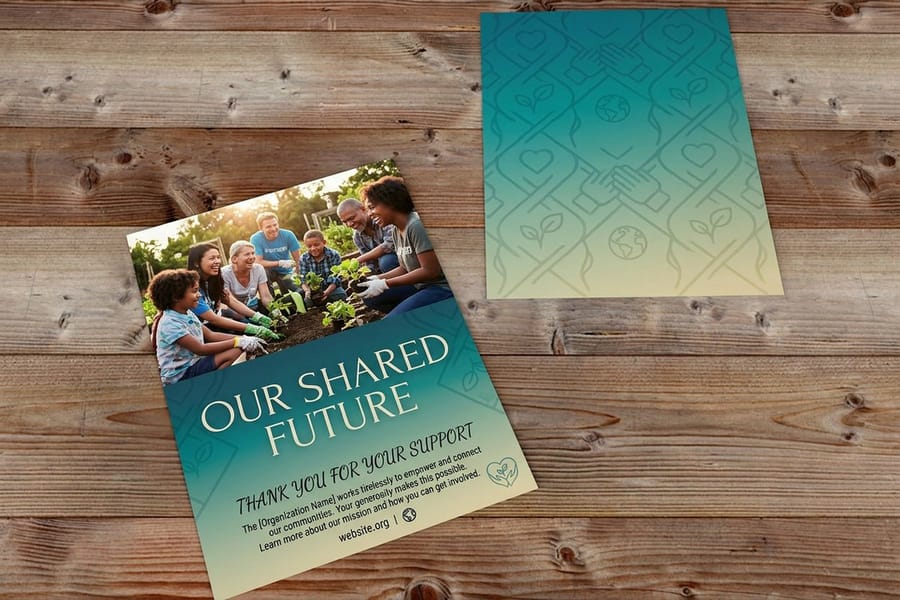
Print earns its place in a nonprofit budget for two reasons, and neither is nostalgia. A mailed piece reaches an older donor base that does not open email at the rate a development director hopes it does, and a physical piece sits on a kitchen counter for days instead of scrolling out of view in nine seconds.
The trade off is real and worth naming. Print costs money per unit before anyone responds, while email costs almost nothing until it works. So the honest rule is to put print where the gift size justifies the unit cost, and leave the cheap frequent touches to email. A $12 average gift does not carry a $1.10 mail piece. A $250 average gift carries it easily.
The second thing print does better is credibility at an event. Nobody trusts a folding table with a laptop on it. A banner behind the table, a badge on every volunteer and a brochure in the hand of anyone who stops changes how a stranger reads the whole operation, and none of those pieces cost much. Our rundown of local print campaigns covers the same logic for small businesses working a neighborhood.
Which list gets the mail
The list decides the result far more than the design does. A house file of people who have already given at least once responds at a multiple of a cold rented list, and a segment of donors who gave twice responds better again. If the budget only covers 2,000 pieces, mail the 2,000 warmest names rather than spreading a thin cold mailing across 10,000.
Lapsed donors are the most underrated segment on the list. Someone who gave eighteen months ago and stopped already believes in the work, and a postcard that says so plainly, with no envelope to open, is the cheapest way to find out whether they will come back.
Set the reply path before you set the artwork
Every piece that asks for money needs one obvious way to give and one backup. A reply envelope and a short URL is enough. A QR code that lands on a general homepage is not, because the donor then has to hunt for the donate button and a share of them will not.
Point the code at a page built for that appeal, with the amounts you suggested on the piece already shown. Matching the ask on the paper to the amounts on the screen removes the one moment where people quietly abandon the gift.
The ten pieces, and the job each one does
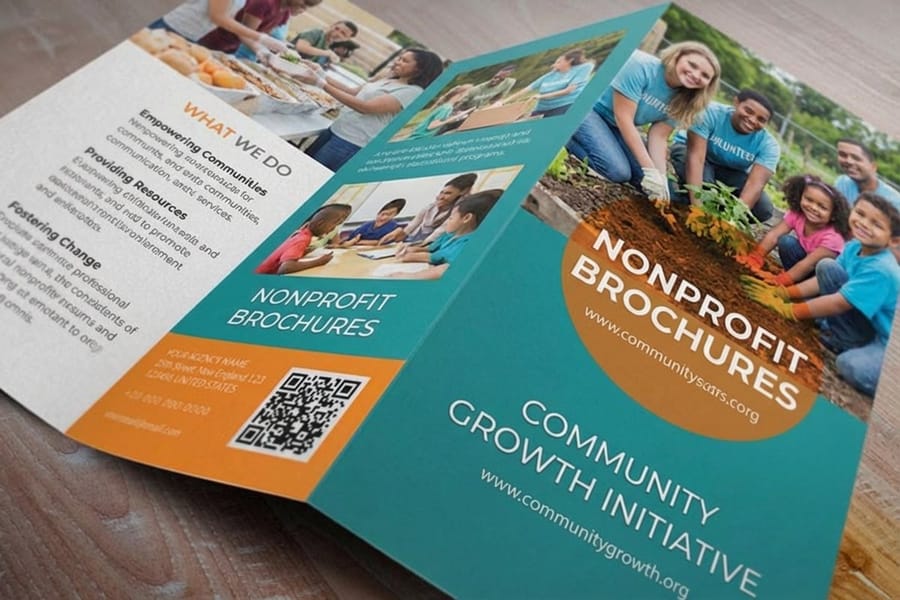
These ten cover almost every campaign a small or mid sized organization runs in a year. They are ordered by the job they do rather than by price, because the wrong piece printed beautifully still fails.
Two of them carry most of the fundraising weight. Nonprofit postcards start at $16.48 and nonprofit brochures at $57.11, which puts a real test of both inside the budget of a single grant line.
Pieces one to five: the ask and the crowd
1. The donor appeal postcard. No envelope, no opening decision, and the message is visible the second it leaves the mailbox. It is the strongest tool for reactivating lapsed donors and for a short seasonal ask. It is the weakest tool for a complicated story, because you have two sides and no room to build a case.
2. The letter package. A letter, a reply slip, a reply envelope and an outer envelope. It costs more per piece and it still wins on renewals and larger asks, because a signed letter reads as a person writing to a person. The envelope size guide covers the standard #10 outer and #9 reply pairing that makes the package work.
3. The case for support brochure. This is the piece a board member hands to a company, and the one that sits on a table at an event. It carries the program description, the outcomes you can actually prove, and where the money goes. Keep the budget breakdown honest and specific, because a vague pie chart reads as a hidden one.
4. The event banner. A 3 by 8 foot vinyl banner behind a registration table does more for photographs and for wayfinding than anything else you will print. Hem it and grommet it, and set the type large enough to read from across a parking lot. The banner sizing guide covers how to set the file up so the artwork does not land inside a hem.
5. Yard and A frame signs. Coroplast at 18 by 24 inches, one message per sign. They point people to parking, mark a route on a walk, and carry a campaign into neighborhoods where nobody is reading your newsletter. Print more than you think you need, because the ones that go out on a route rarely all come back.
Pieces six to ten: the event and the follow up
6. Volunteer and staff badges. A printed badge tells a guest who to ask for help, and it tells a volunteer they are part of something organized. Print the role in large type and the name underneath, not the reverse, because the role is what a stranger needs at ten feet.
7. The program booklet. Saddle stitched, eight to twenty four pages, and it does two jobs at once: it runs the room and it sells sponsor recognition that funds the printing. Our multipage printing guide covers why page counts run in multiples of four and how to set the file up so spreads land correctly.
8. Door hangers. No postage, no address list, and a volunteer team can cover a neighborhood in an afternoon. They suit food drives, service reminders and canvassing. They are a poor fit for a direct ask, because there is no reply device in the reader hand. The door hanger effectiveness guide works through where they pay off and where they do not.
9. Table tents and counter cards. Restaurant nights, round up campaigns and partner storefronts all run on a small printed piece sitting where a customer already is. One message, one code, one amount. A tent card asking three things asks nothing.
10. Thank you notecards. The cheapest piece on this list and the one that changes retention. A handwritten card inside a printed folded notecard, sent within a week, is the single most reliable way to turn a first gift into a second one. Set a gift threshold your team can genuinely keep up with and hold to it.
Where nonprofit print budgets get wasted
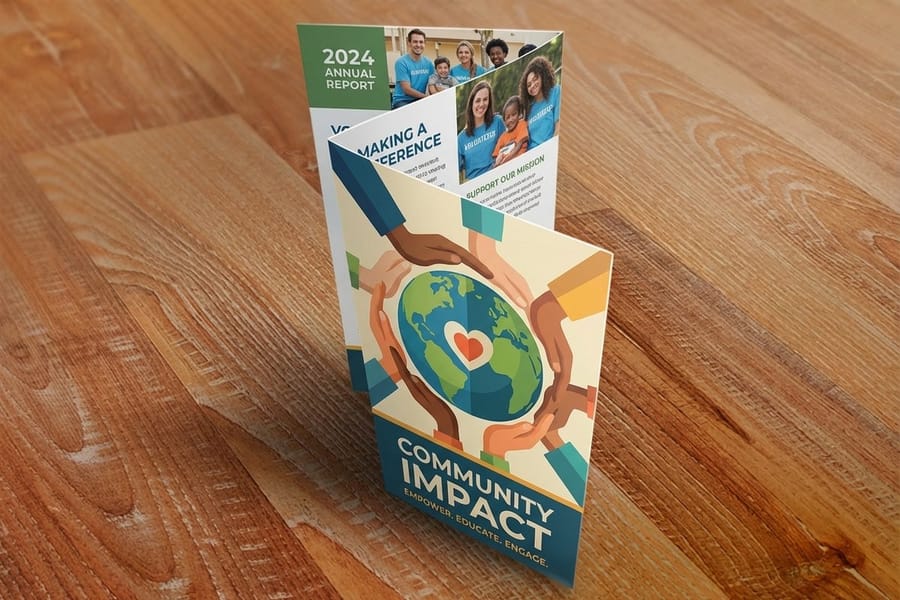
Three mistakes account for most of the money that disappears from a print line, and none of them are about the printing.
The first is overprinting a dated piece. An event banner with the year on it is one event. The same banner without the year is five. Put the date on a small separate sign or a stick on panel and the banner keeps working, which turns one purchase into a fixture.
The second is rush freight. A large banner ordered three days before the walk costs more in expedited shipping than the banner itself, every time. Two weeks of lead time is free. The third is the piece that ships without a proof: a phone number with a transposed digit, a QR code that was never scanned before it went to press, a donation URL that redirects to a 404. Print one, check it against the live page, then run it. Our print ready file guide covers bleed, resolution and the checks that catch the rest before the plate.
What to reprint every year, and what not to
Reprint the appeal pieces and the thank you cards, because those are consumables tied to a specific ask. Do not reprint the banner, the A frames or the badge holders unless the branding changed, and design them undated so the decision never comes up.
Brochures sit in the middle. The program description holds for a couple of years; the numbers inside do not. Keep the outcome figures on a single inserted sheet you can reprint cheaply, and the outer brochure survives three annual reports instead of one.
What a nonprofit print run actually costs
Print pricing moves with size, stock, finish and quantity, and the per unit cost falls as the run grows. The numbers below come from the live configurator, so you can budget the appeal before you commit the artwork.
Quantity and price
Nonprofit postcard pricing and specs
Live configurator numbers, showing where the per piece cost drops as the mailing grows.
| Quantity | Price Per Unit | Total |
|---|---|---|
| 50 | 33.0¢ | $16.48 |
| 100 | 24.2¢ | $24.16 |
| 200 | 15.9¢ | $31.86 |
| 300 | 12.8¢ | $38.45 |
| 400 | 11.3¢ | $45.04 |
| 500 | 10.3¢ | $51.62 |
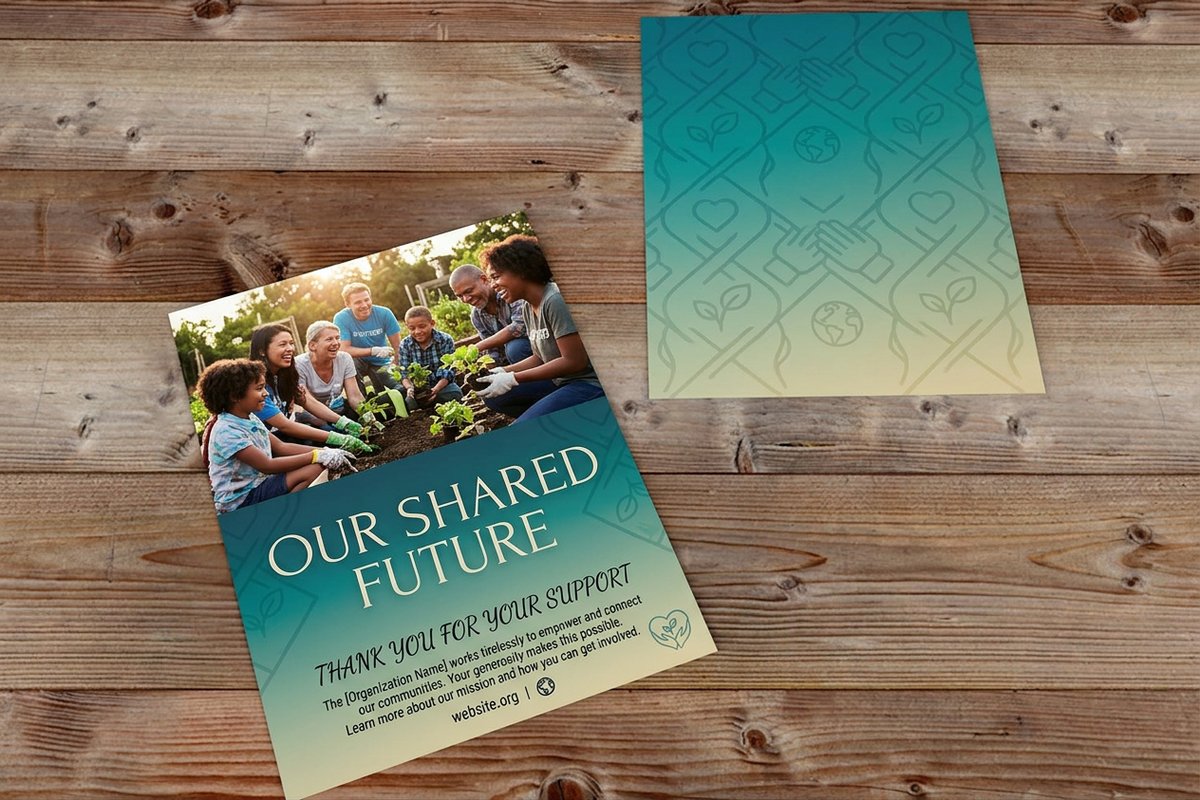
Orders also earn coins you can redeem against future printing, which is worth tracking when a single organization runs four or five campaigns a year. For a wider view of what a small budget can cover, the nonprofit printing collection lists the full set of pieces in one place.
Stock and finish choices that matter for mail
For a mailed appeal, stock does two jobs: it survives the postal system and it signals something about the organization before a word is read. A 14pt card is the practical floor for a postcard that goes through automated sorting equipment, and 16pt is noticeably more rigid on anything above 6 by 9 inches. Gloss lifts photography and color; matte and uncoated read quieter, which some organizations prefer for a serious appeal, and uncoated has the practical advantage of taking a pen so a volunteer can add a line by hand.
Print it
Nonprofit postcards, ready to mail
Preset appeal sizes on cardstock heavy enough for automated postal sorting.
Brochures follow a different rule. A tri fold on text weight paper feels flimsy in a hand at a board meeting, and the difference between that and a cover weight fold is the entire impression a sponsor forms in the first second. Spend the money there and save it on the pieces nobody keeps. For anything that folds, scores and page counts need setting up before the design is locked, which the multipage printing guide works through step by step. Branded giveaways for the same campaign sit in the promotional products collection, and the physical items for tabling and drives are in the physical products collection.
What each kind of organization prints
The mix changes with the kind of work and the way donors first meet you.
- Food banks and pantries. Postcards to the house file for seasonal drives, door hangers for collection routes, and undated A frames that mark the drop off point every year.
- Schools and PTAs. Program booklets that pay for themselves through sponsor pages, plus yard signs on the route to the event and badges for the parent volunteers running it.
- Animal rescues. Brochures at partner vet clinics and pet stores, counter cards at the register, and postcards to adopters who have already taken one animal home.
- Faith organizations. Letter packages for pledge renewals, thank you notecards on a weekly cadence, and banners for seasonal services that stay undated so they run for years.
- Health and advocacy groups. Case for support brochures for corporate meetings, walk day banners and route signage, and postcards timed to an awareness month.
Templates and print-ready blanks
If the organization has no designer, templates close most of the gap. 4OVER4.COM sizes its blanks to exact product specs, so artwork lines up with the cut line and the bleed instead of getting trimmed into. Pull a print ready blank from the blank template library before you start laying anything out.
Start fast
Templates and print-ready blanks
Postcard design templates and exact size blanks with bleed and trim already marked.
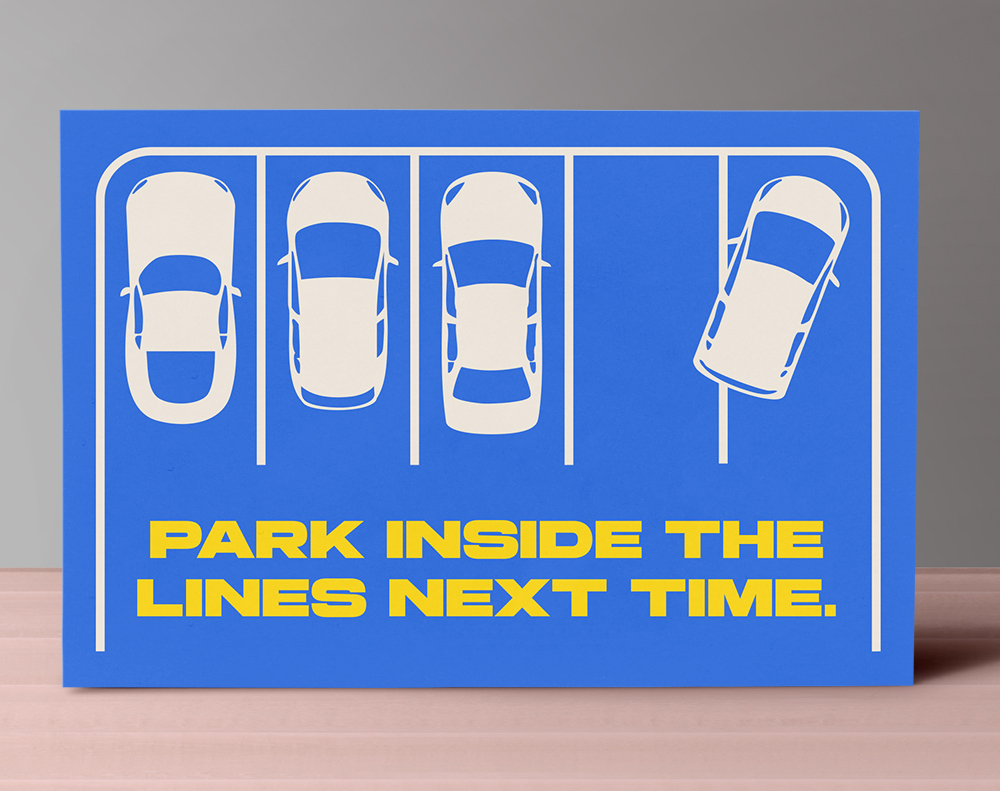
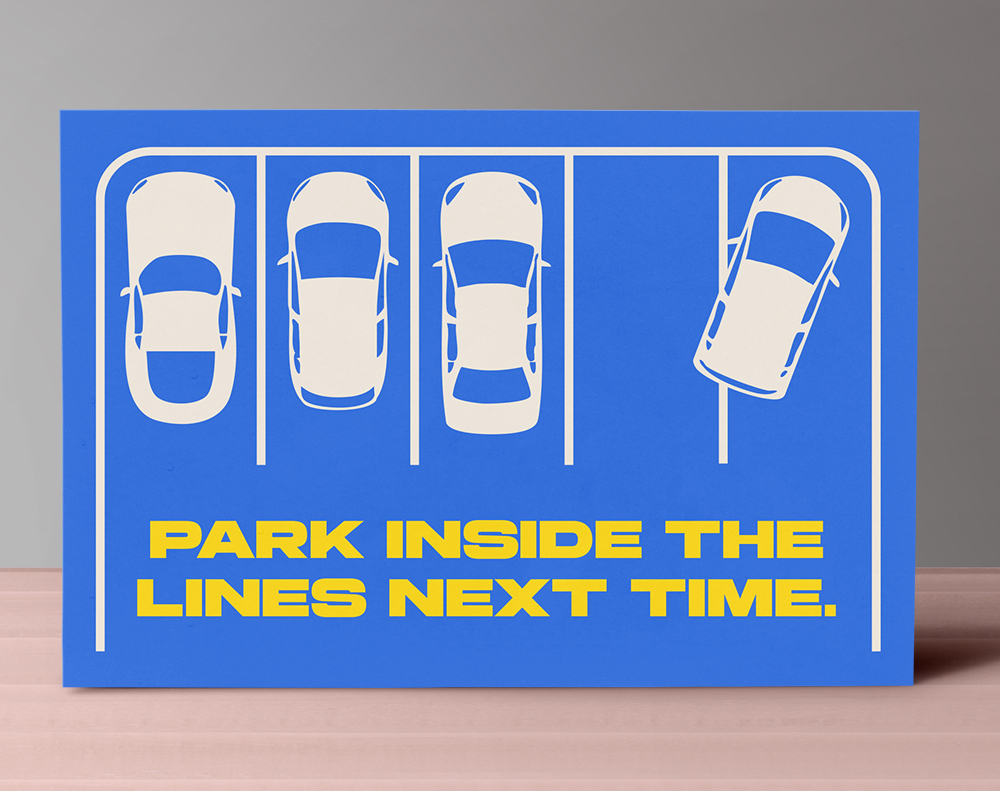
Wally sorts the ask from the atmosphere
Two pieces raise the money, the rest build the room around it
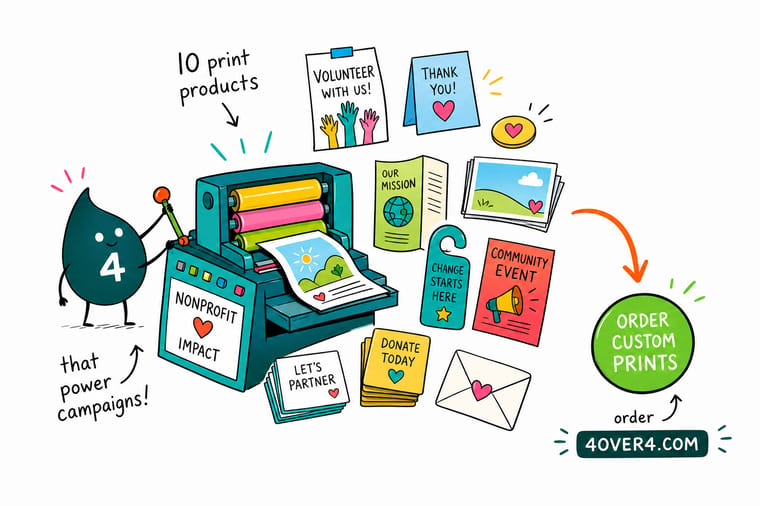
Put the budget into the mailed appeal and the reply device first, because that is the piece that brings a gift back. Print the banner, the badges and the A frames undated so they run for five seasons instead of one, order them two weeks out so freight does not eat the line, and keep thank you notecards stocked so every first gift gets answered inside a week.
Order nonprofit postcards →What to remember about nonprofit print
Design decisions that hold across every piece
- One ask per piece. Give, volunteer and follow us on three channels is three campaigns fighting each other. Pick the one action that matters and let the rest live on the website.
- Show a person, not a building. A single face at a readable size outperforms a facility photo or a logo lockup. The reader is deciding whether to help someone, not whether your office is nice.
- Put the amounts on the paper. Suggested gift amounts printed on the reply device anchor the decision. A blank line asks the donor to invent a number, and most people invent a small one.
- Design the piece undated where you can. Banners, A frames and badge holders without a year on them run for five seasons. Move the date to a small panel you reprint for a few dollars.
- Proof against the live page. Scan the QR code from a printed proof, dial the phone number, and load the donation URL before the run goes to press. This catches the errors that cost a whole mailing.
Explore more
More ways to print and promote
Related products, collections and guides on 4OVER4.COM, one card each, so you can keep planning the campaign.
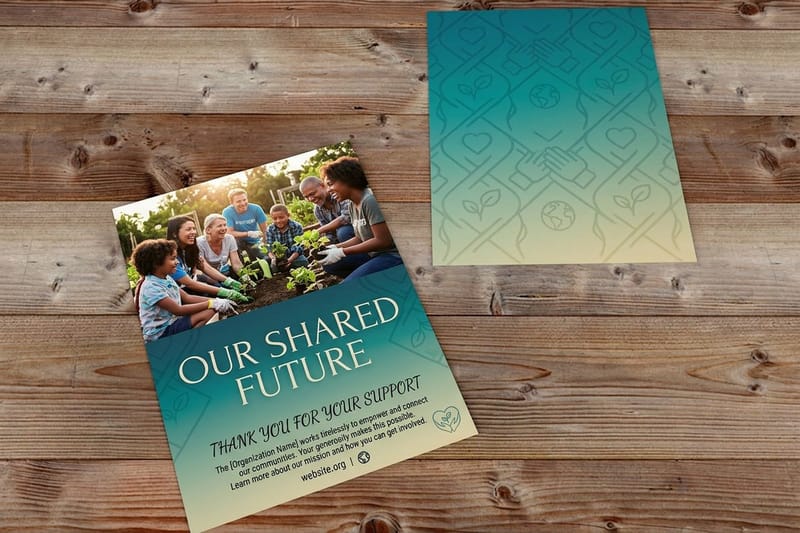 Product Nonprofit Postcards Full color appeal cards that land without an envelope.
 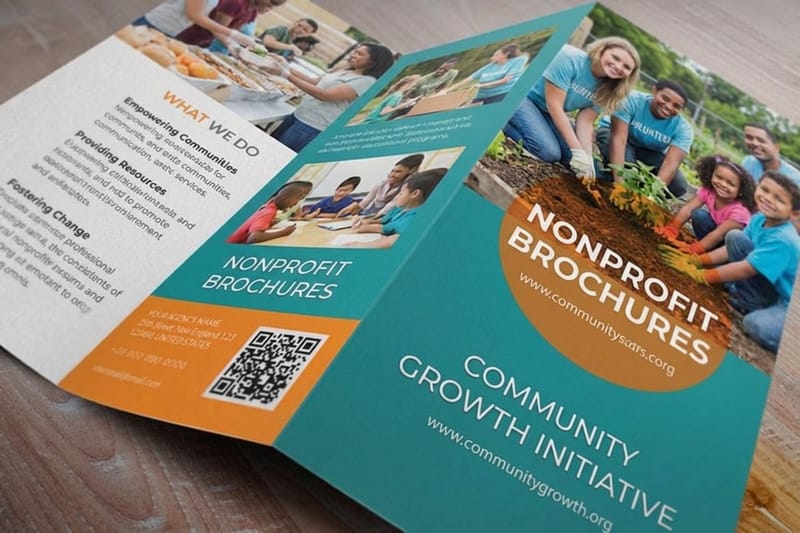 Product Nonprofit Brochures Fold out case for support pieces for boards and donors. Category Nonprofit Printing Every piece a campaign needs, in one collection.
  Category Promotional Products Giveaways and branded items for events and drives.
  Guide Banner Sizes Explained Pick a size and set the file up so nothing lands in a hem.
 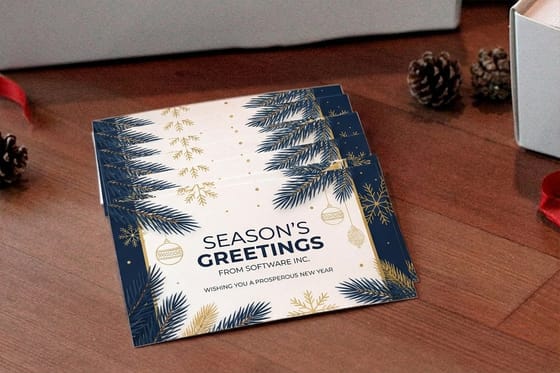 Article 10 Holiday Campaigns Worth Stealing Seasonal campaign ideas that translate to a year end appeal.
 Ready to print your campaign?
Pick your size, drop in your design or a free template, and 4OVER4.COM prints it sharp on premium stock, as fast as your event date needs.
Common questions about nonprofit printing
Should a nonprofit send a postcard or a letter for a fundraising appeal?
Send a postcard when the ask is short and the goal is to reactivate people who have gone quiet, and a letter package when the ask is larger or the story needs room. A postcard has no envelope, so there is no decision to open it and the message is visible from the mailbox, which is why it performs on lapsed donor segments. A letter package costs more per piece and still wins on renewals and major gifts, because a signed letter and a reply envelope read as a person writing to a person. Many organizations run both in a year: postcards for the spring and reactivation drops, a letter for the year end appeal. Nonprofit postcards at 4OVER4.COM start at $16.48.
How far in advance should we order event signage?
Two weeks before the event, and earlier if the artwork still needs board approval. The printing itself is fast; what costs money is expedited freight on a large banner three days out, which regularly runs more than the banner. Build the sign order into the event timeline at the same point you confirm the venue, and design the banner without the year on it so the same piece runs the next season. Keep the dated information on a small separate panel that costs a few dollars to reprint.
What should go in a nonprofit brochure?
What the organization does, who it serves, one proof point you can actually document, where the money goes, and one clear way to act. The section people skip most often is the money, and it is the section a corporate sponsor reads first. Give a specific breakdown rather than a vague pie chart, because vagueness reads as concealment to anyone evaluating you. Keep the volatile numbers on an inserted sheet so the outer brochure survives more than one annual report. Nonprofit brochures start at $57.11.
Do we need a separate donation page for a print campaign?
Yes, if the piece carries a QR code or a short URL. Pointing a code at the general homepage forces the reader to hunt for the donate button, and a measurable share of them stop there. Build a landing page for that appeal with the same suggested amounts printed on the piece, so the number in their head matches the number on the screen. It also gives you a clean way to attribute the response to the mailing rather than guessing.
How many print pieces does a small nonprofit actually need?
Four will carry most organizations through a year: an appeal postcard, a brochure, an undated event banner, and thank you notecards. Everything else on this list is worth adding when a specific campaign calls for it, such as door hangers for a canvassing drive or a program booklet for a gala with sponsors to recognize. Starting with four keeps the artwork budget small and lets you find out which pieces move your donors before you commit to a full suite.
More frequently asked questions →
Keep reading: eight campaigns that worked over the holidays, print campaigns built around an awareness day, and the print ready file guide before your artwork goes to press.
