
How to Choose the Right Packaging for Your Product


The right box protects the product, survives the trip, fits the budget, and sells on the shelf. Decide those four things first, match them to a box style, and building the custom box becomes the easy part.
Choose packaging by working through four basics in order: the material the product needs, how it will be transported, your budget, and the audience you are selling to. Then match those answers to a box style, from straight tuck and roll end tuck for light retail items to rigid presentation boxes for premium goods. Once the style is set, you build and print the custom box to your exact dimensions at 4OVER4.
Start here
Packaging is a decision, not a default
The most common packaging mistake is picking a box first and forcing the product into it. Work the other way. Decide what the product needs, how it travels, what you can spend, and who is buying, then let those four answers point to a box style. This guide walks that framework, runs through twelve box styles, and ends where the decision gets built, a custom box printed to your exact size at 4OVER4.
Determine the basics: material, transport, budget, audience
Every good packaging choice starts with four questions. What material does the product need to stay safe? How will it be transported, shipped far or handed over locally? What is your budget per unit at your run size? And who is your audience, the buyer whose expectations the box has to meet? Answer those four and most box styles rule themselves out.
Material comes first because it is about protection. A heavy or fragile item wants a stronger board and a snug fit, while a light accessory can travel in something thin and simple. Food and cosmetic products add their own stock requirements. Start from the packaging collection to see the board weights and structures available before you commit to a style.
Weigh transport and budget together
Transport and budget pull against each other, so decide them together. A box that ships across the country through a carrier network needs more structure, a tighter fit, and often an outer mailer, all of which cost more. A box handed to a customer at a market or counter can be lighter and lean into looks rather than armor. Be honest about the journey before you price anything.
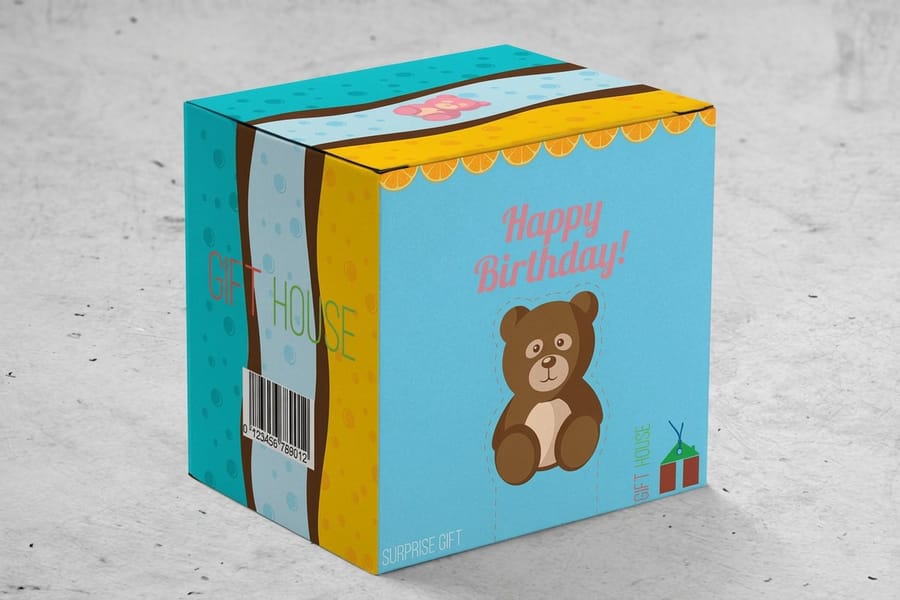
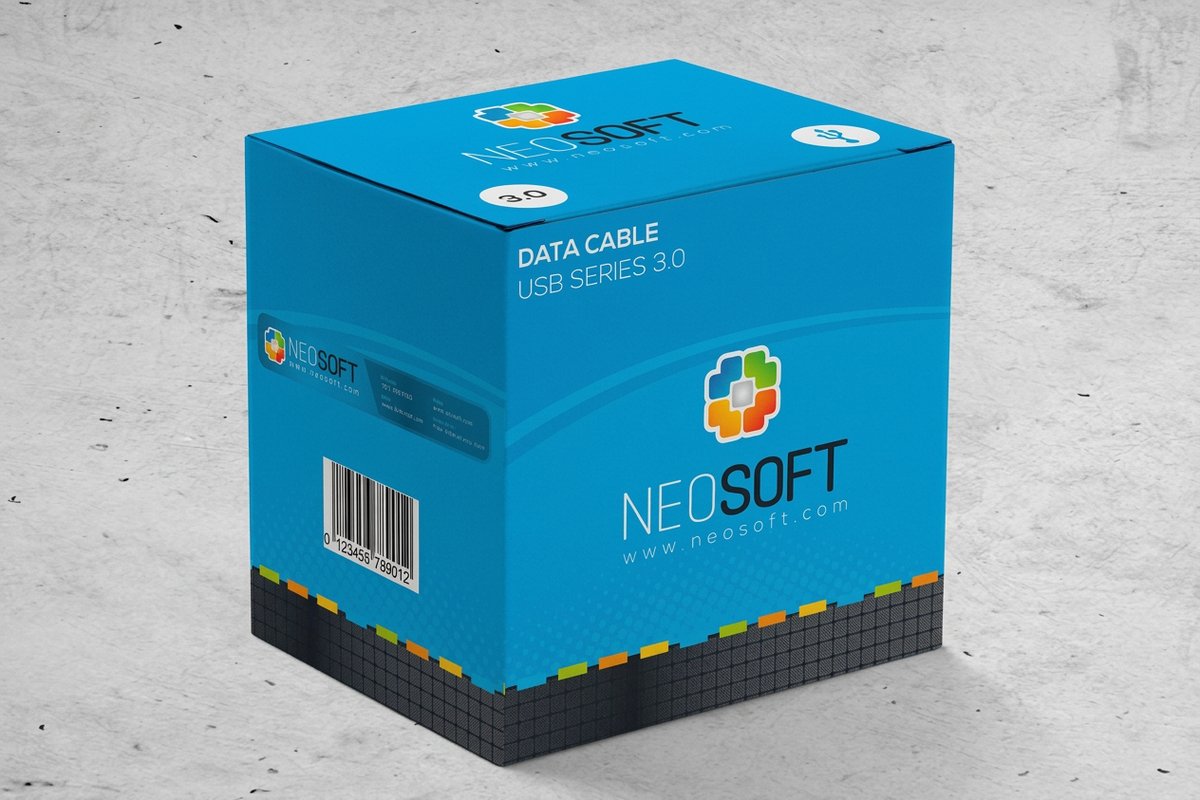
Then set a real budget per unit by dividing your packaging spend by your run size. Larger runs lower the cost of each box, which is why quantity is one of the biggest levers on the final price. A sturdy cube box or a roll end tuck top box can each be built heavier for shipping or lighter for hand-off, so the same style often stretches across both scenarios once you set the board weight.
Let the audience set the finish
Two products of the same size can call for completely different packaging because of who buys them. A value product wants clean, efficient packaging that keeps cost down, while a premium or gift product earns a heavier board, a richer finish, and an unboxing that feels like an event. The audience, not the item, decides how much the box should perform.
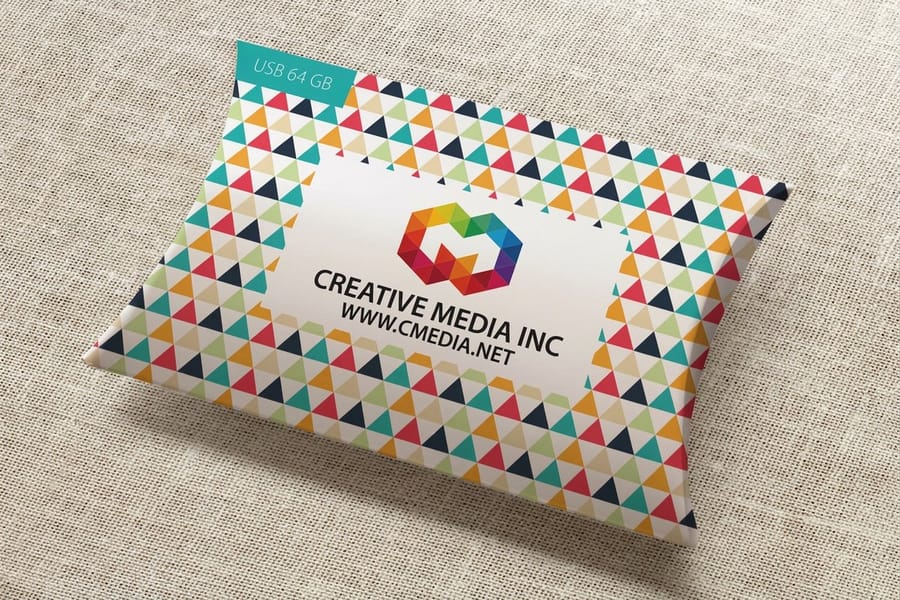
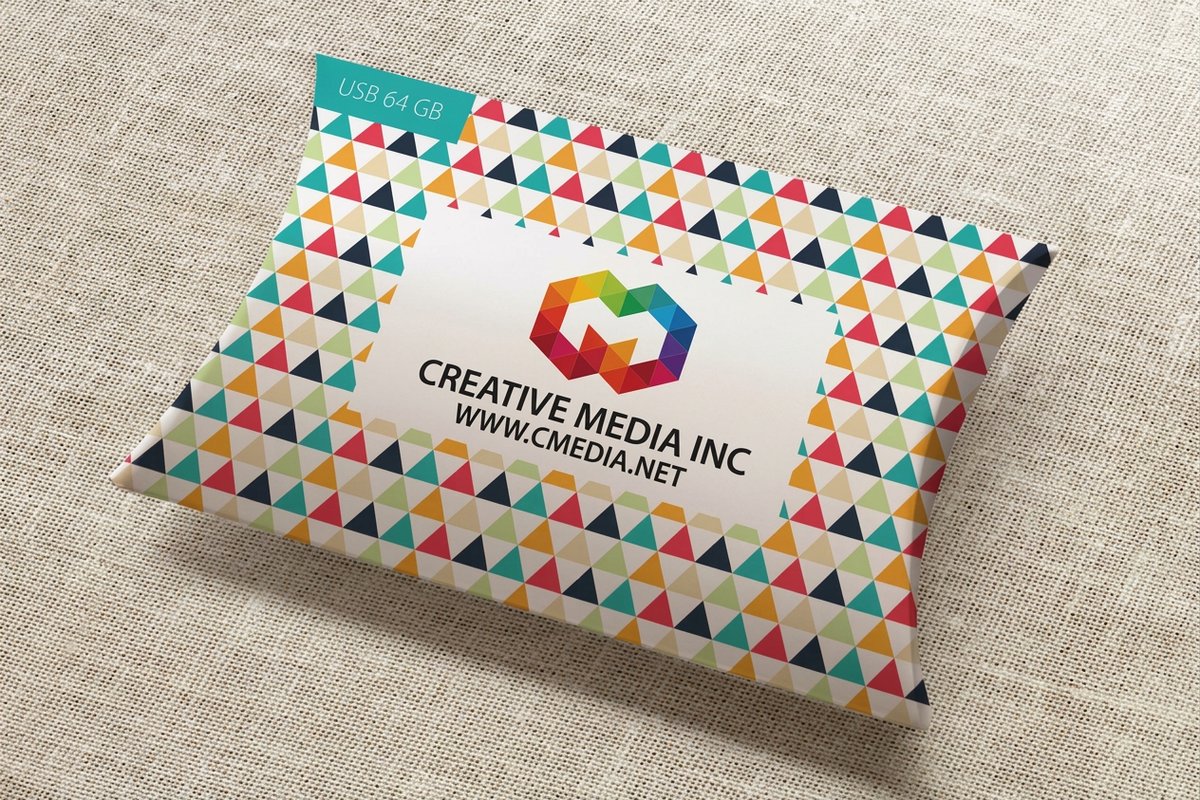
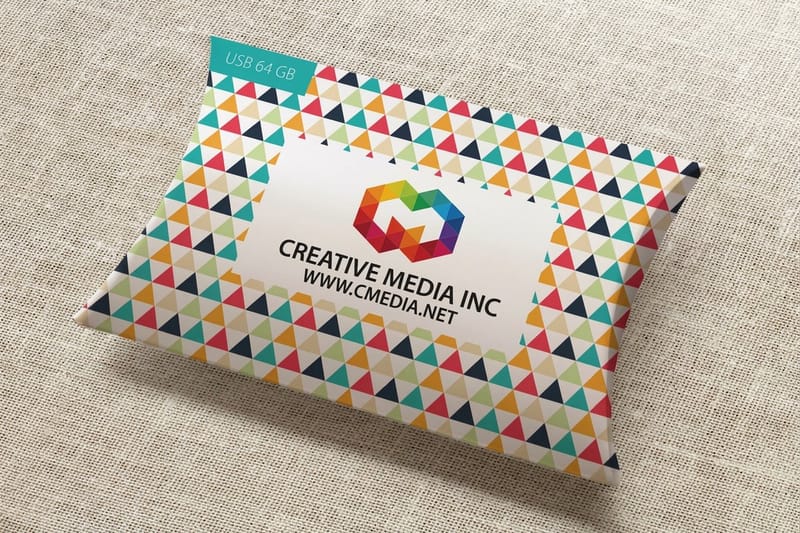
This is where finish matters. A matte or soft-touch coating, a rigid presentation box, or a special structure signals quality the moment a customer picks it up. If your product is a gift or a small luxury, a pillow box can turn a simple item into something that feels considered. For a deeper look at designing the printed surface, pair this with our guide on designing packaging for a product.
The 12 box styles and what each is for

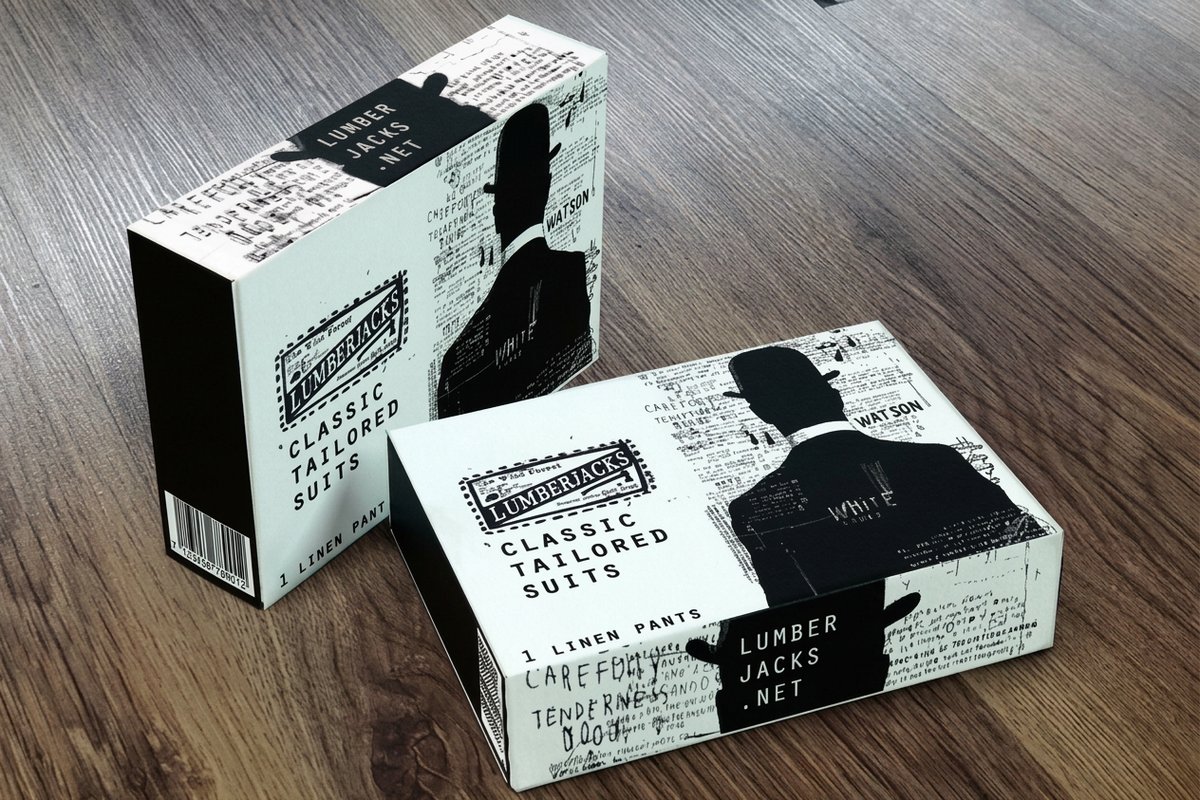
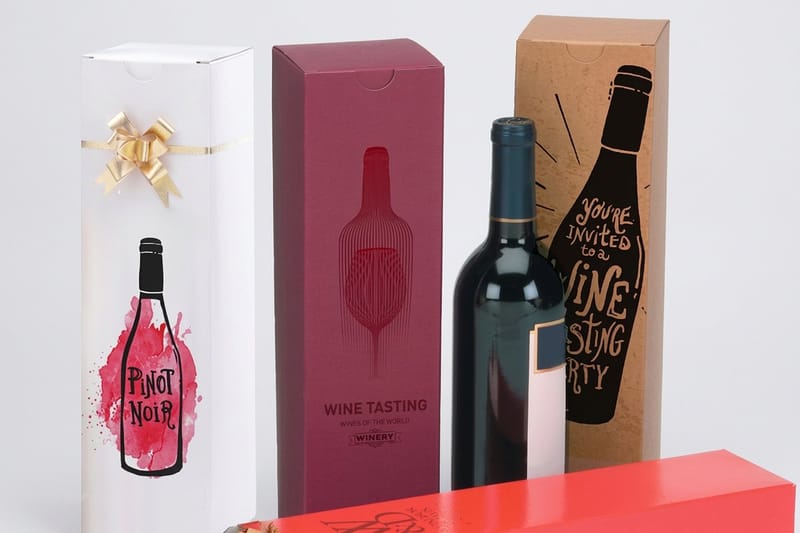
Most packaging comes down to a dozen recurring styles. Tuck-end boxes like the straight tuck and reverse tuck suit light retail goods. The roll end tuck top adds strength for shipping. Cube and rectangular boxes hold gifts and kits. Pillow boxes and sleeves dress up small items. Mailer and shipping styles armor products for transit. Rigid presentation boxes carry premium goods, and shaped boxes like wine and golf ball boxes fit specific product forms.
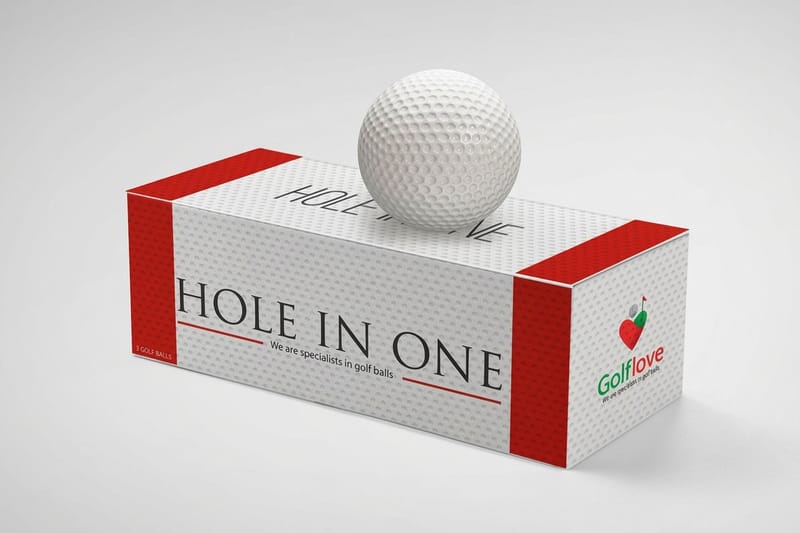
You do not need all twelve, just the one that clears your four basics. A round product points straight to a golf ball box, a bottle to a wine box, and a subscription kit to a sturdy cube. For boxes that fold flat and assemble cleanly, our guide on folding carton boxes shows how the structure comes together.
Match the style to the product, then to the file
With a style chosen, confirm the fit. Measure the product with any padding and pick a box that holds it snugly, since a loose fit lets contents shift and a tight one strains the seams. Check that the board weight matches the transport plan, and that the finish matches the audience you named. When all three line up, you have the right box on paper.
The last step before ordering is the file. Packaging prints on a flat dieline that folds into the finished box, so your artwork has to account for panels, flaps, and glue tabs. Our guide on preparing files for packaging products walks that panel-by-panel setup so your design lands correctly once the box is assembled.
Build and print your custom box
Now turn the decision into a real box. In the configurator you enter your exact dimensions, choose the board and finish, set the quantity, and watch the price update live so you can balance protection against budget in real time. Larger runs drop the per-unit cost, so it is worth pricing a couple of quantities before you commit.
Use the specs and pricing panel below to size your box, then compare the coordinating styles so you land on the right structure. Order free samples first if you want to feel the board in hand, and if you would rather not build the artwork from scratch, our online design tool gives you a head start on the printed panels.
Wally chooses the box before he builds it
Four basics decide, twelve styles deliver
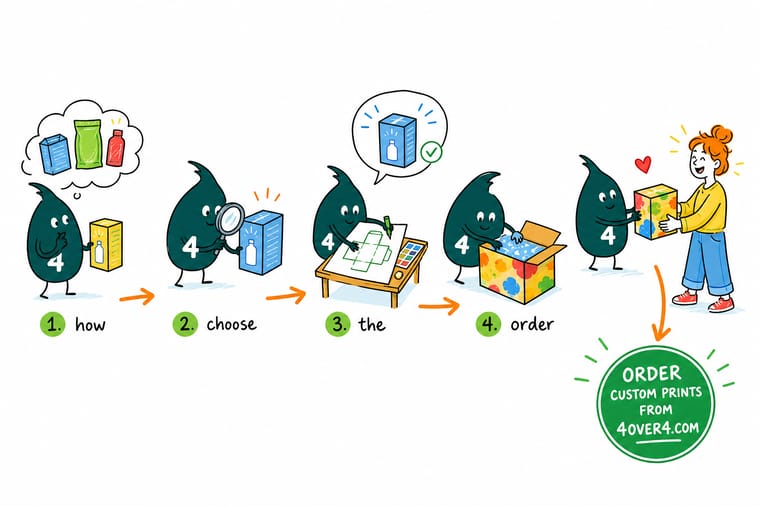
Wally never grabs a box off the shelf. He checks what the product needs to stay safe, how far it travels, what the budget allows, and who is buying, then lets those four answers pick the style. A round product gets a golf ball box, a bottle gets a wine box, a premium item gets a rigid presentation box. Then 4OVER4 prints it to your exact dimensions.
Build your custom box →Quick reference
Match a box style to your product
Twelve styles cover most products, but a handful do the heavy lifting. Here are the workhorses, what each is best for, and the 4OVER4 box that delivers it.
| Box style | Best for | Build it at 4OVER4 |
|---|---|---|
| Roll end tuck top | Light retail goods, subscription items | roll-end-tuck-top-boxes |
| Cube box | Gifts, candles, subscription kits | cube-boxes |
| Pillow box | Small favors, jewelry, accessories | pillow-boxes |
| Wine box | Bottles and tall, narrow products | wine-boxes |
| Presentation box | Premium and high-value products | sales-presentation-boxes |
| Golf ball box | Round or spherical products | golf-ball-boxes |
Step by step
Choose and build your packaging in 6 steps
- Weigh and measure the product Get the exact dimensions and weight of what goes inside, plus any padding, before you look at a single box.
- Match the material to the contents Fragile or heavy items want a sturdier board, food items want a food-safe stock, light goods can go thinner.
- Decide how it will travel Shipped long distance needs more structure and a snug fit, handed over a counter can be lighter and showier.
- Set the budget per unit Divide your packaging budget by your run size so you know the real cost ceiling for each box.
- Pick the style that fits all four Cross material, transport, budget, and audience, and one or two box styles will clearly win.
- Build and print the custom box Enter your exact dimensions, choose the stock and finish, and order the box printed to size at 4OVER4.
Specs and pricing
Custom box specs and live pricing
Once the style is chosen, the print choices are size, board, and finish. Here are the live specs and price per unit for cube boxes at 4OVER4.COM, straight from the configurator.
| Quantity | Price Per Unit | Total |
|---|---|---|
| 50 | $4.26 | $213.09 |
| 100 | $2.50 | $250.42 |
| 150 | $1.89 | $283.38 |
| 200 | $1.59 | $317.44 |
| 250 | $1.43 | $356.98 |
| 500 | 76.7¢ | $383.34 |
| 1,000 | 42.7¢ | $427.27 |
| 2,500 | 29.0¢ | $723.84 |
Print it
Build the box your product deserves
See it in use
Real custom packaging, printed in-house


Explore more
Where to go next
By the numbers
Custom packaging you can count on at 4OVER4
Common Questions
Common questions about choosing packaging
What are the main product packaging options?
Most products fit one of about a dozen box styles. Tuck-end boxes suit light retail goods, roll end tuck top boxes add shipping strength, cube and rectangular boxes hold gifts and kits, pillow boxes and sleeves dress up small items, mailer styles armor products for transit, rigid presentation boxes carry premium goods, and shaped boxes like wine and golf ball boxes fit specific forms. You choose among them by matching the box to your material, transport, budget, and audience.
How do I determine the basics before choosing a box?
Work four questions in order. Material: what board and structure does the product need to stay safe? Transport: is it shipped far or handed over locally, which sets how strong the box must be? Budget: what is your realistic cost per unit at your run size? Audience: who is buying, and what unboxing feel do they expect? Answer those four and most box styles rule themselves out, leaving one or two clear fits.
How do I choose the right packaging for my product?
Measure and weigh the product with any padding, then match a box that holds it snugly, since loose contents shift and tight ones strain seams. Confirm the board weight suits how it travels and the finish suits your audience, from a plain kraft look to a soft-touch premium coating. When material, transport, budget, and audience all point to the same style, that is your box. Order samples first if you want to judge the board in hand.
What does custom packaging cost and how are prices set?
Packaging price scales with size, board weight, finish, and quantity, with larger runs lowering the cost of each box. You enter your exact dimensions and options in the configurator and the total updates live as you adjust them, so you can balance protection against budget before you commit. Because quantity moves the number the most, it is worth pricing a couple of run sizes to find the sweet spot for your order.
What sizes and finishes are available for custom boxes?
Custom boxes are built to your exact interior dimensions rather than fixed sizes, so the box fits the product instead of the other way around. Board weights range from lighter cartons to rigid presentation stock, and finishes include matte, gloss, and soft-touch coatings for a premium feel. The live specs panel on this page and the product page shows the current options, and free samples let you feel the board before printing a full run.
Get Started
Ready to build a box that fits and sells?
Bring your product dimensions to 4OVER4.COM, choose the style, board, and finish, and print a custom box to your exact size. Adjust every option and watch your price update live.
Legal Disclaimer
Gold Standard guarantees apply to all standard orders placed through 4over4.com. Price match requires verifiable proof of a competitor's published price for an equivalent product with matching specifications and turnaround time. Satisfaction guarantee covers manufacturing defects and print quality issues. Contact support with order number and documentation. On-time delivery rate based on tracked orders 1999 to 2026. Individual results may vary based on shipping carrier performance.
