
How to Find the Cheapest Printing Services Without Cutting Quality


The cheapest print does not have to be the worst print. Here is how professional shops keep prices low with gang-run presses, and how to lock in the lowest total on your next order.
The cheapest printing services stay cheap by ganging many customers' jobs onto one large press sheet, so everyone shares the setup cost. To find the real lowest price, compare the total for your exact quantity and stock rather than a teaser rate, order in the quantity break that fits, and use a shop that runs its own presses so there is no middleman markup.

Start here
Cheap printing in one paragraph
The cheapest online printing comes from a shop that owns its presses and gangs many customers' jobs onto one large sheet. The cheapest printing services are the ones that print in-house, because that shared setup is what lets a shop print full color on real stock for a few cents a piece. To get the lowest total, price your exact quantity and paper instead of the headline rate, buy the quantity break that fits, choose standard turnaround when you can, and skip resellers who add a markup on top of somebody else's press. Price the same four jobs at every shop, 500 flyers, 1,000 business cards, 100 posters and 500 postcards, and the real winner shows up in a few minutes. Do that and cheap stops meaning flimsy.
Why gang-run printing is the secret to cheap prices

Every print run carries a fixed setup cost: mounting plates, mixing ink, and calibrating the press before a single good sheet comes off. On a small solo job, that cost is spread across only your pieces, which is why one hundred cards from a boutique shop can feel expensive. Gang-run printing flips that math by placing your artwork on a large sheet alongside dozens of other customers' jobs, then running them all at once.
Because the press setup is shared, the cost of getting started is split many ways, and each order pays only its slice. You still get the same commercial press, the same ink, and the same stock as a solo run, but at a fraction of the price. That is the engine behind nearly every cheap print offer worth taking, and it is exactly how 4OVER4 keeps standard business cards low without dropping to office-printer quality.
Compare the real total, not the teaser rate

The loudest number in any cheap print ad is usually a floor price that only applies to a tiny quantity on the thinnest stock. It is a real price, but rarely the one you will pay once you pick a usable quantity and a paper you would hand to a client. The only fair way to compare shops is to price your actual job: the same quantity, the same size, and the same stock at each one.
Do that and the ranking often changes. A shop with a higher teaser can win on the quantity you actually need, while a low headline price climbs once you add a heavier stock or a coating. Use the live configurator to set your real specs and read the total, and if cost per piece is the goal, pair this with our breakdown of what business cards cost so you know where each dollar goes.
Buy the right quantity break to drop your unit price
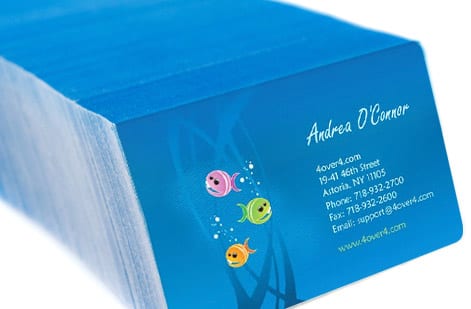
Quantity is the strongest lever you have. Since setup is fixed, doubling a run almost never doubles the price, and the per-piece cost falls steadily as the quantity climbs. Printers publish these steps as quantity breaks, and landing just above a break is where the savings hide: ordering two hundred and fifty when five hundred costs only a little more leaves real value on the table.
Before you check out, nudge the quantity up one step and watch the unit price. If your pieces will get used, the larger run is usually cheaper per piece and saves a second setup fee later. This is true across categories, from cards to custom printed products, so it is worth a ten second check on every order.
Skip resellers and markups by going straight to the press

Plenty of online print storefronts do not print anything. They collect your order and send it to a wholesale printer, then add their own margin on top. You pay for a layer that adds no quality, only cost. A shop that owns and runs its own presses removes that layer, which is one reason its cheap price can be genuinely cheaper than a reseller's.
4OVER4 prints in its own Queens, New York facility, so your order goes straight to the press with no wholesale middleman between your file and the paper. That also means one team stands behind the color, the cut, and the timeline. For the definitions behind any spec you see while comparing, our printing terms page keeps the language plain.
Stack a price match, daily deals, and free samples

Once you have picked a shop, a few tools push the price lower still. A price match lets you bring a competitor's written quote on the same product and specs so you never overpay for going with a printer you trust. Rotating daily deals and seasonal discounts knock money off popular products, and they are worth checking before you commit, since the same card can be cheaper this week than last.
Free paper samples protect you from the most expensive mistake of all, which is ordering a big cheap run on a stock you end up hating. Feel the paper first, confirm it is right, then buy in volume with confidence. Combine a quantity break, a deal, and the right stock and the cheapest option and the best option finally become the same order.
When cheap professional printing beats printing at home
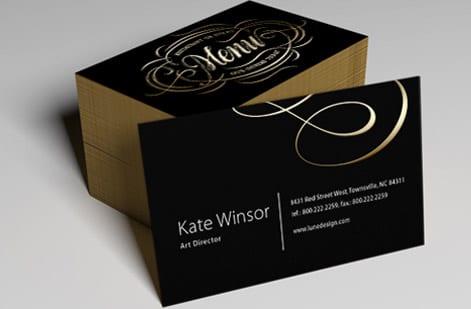
Printing at home feels free until you count the ink, the special paper, the failed sheets, and your time. For a handful of pages it can make sense, but the cost per piece on a home printer is high and the finish rarely matches a commercial press, especially on coated stock or across a large solid color. For anything you hand to a customer, cheap professional printing usually wins on both price and looks.
The move is simple: build a clean, print-ready file, pick your quantity break, choose standard turnaround, and let a gang-run press do the work. You get commercial color and crisp cuts for a few cents a piece. Start with business cards or any product in the configurator, and read how to choose paper so your cheap run still feels premium in hand.
Wally splits the setup cost so you do not have to
Cheap just means everyone shares the sheet
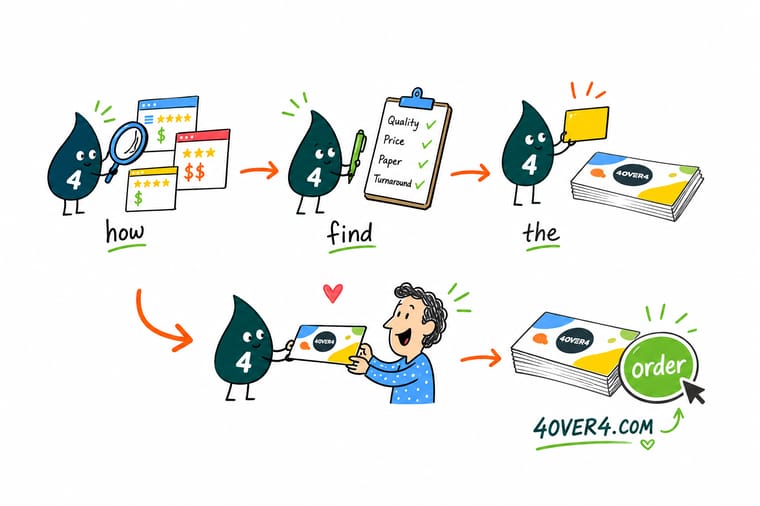
Wally packs your job onto one big press sheet next to dozens of others, so the setup cost gets split many ways and each order pays only its slice. Same ink, same press, same stock as a solo run, a fraction of the price. Pick your quantity break, skip the reseller markup, and let 4OVER4 print it cheap and clean.
Order cheap business cards →Quick reference
Six levers that lower your print price
Cheap printing is not one trick. Pull these levers together and the total drops without touching the quality of the ink or the stock.
| Lever | What it does | How to use it |
|---|---|---|
| Gang-run press | Shares setup cost | Choose a shop that gangs jobs so you pay a slice of setup, not all of it. |
| Quantity break | Drops unit price | Nudge the quantity up one step and compare the per-piece cost before checkout. |
| Own presses | Removes reseller markup | Order from a printer that runs its own presses, not a storefront that resells. |
| Standard turnaround | Avoids rush fees | Plan ahead and skip rush production and expedited shipping when you can. |
| Price match | Meets a lower quote | Bring a written competitor quote on the same product and specs to match it. |
| Free samples | Prevents costly reprints | Confirm the stock in hand before committing to a large cheap run. |
Step by step
Get the lowest total in 6 steps
- Define the exact job Lock your product, size, stock, and the quantity you truly need before you compare a single price.
- Price your real specs Enter those exact specs in each shop's configurator and read the total, ignoring the headline teaser rate.
- Test the next quantity break Bump the quantity up one step and check whether the per-piece price falls enough to justify the larger run.
- Confirm it is a real printer Choose a shop that owns its presses so no reseller markup sits on top of your price.
- Apply a deal or price match Check current daily deals and, if a competitor is lower on the same job, use a price match.
- Order standard and plan ahead Pick standard turnaround, order free samples if the stock is new to you, then place the run.
Specs and pricing
Live pricing for cheap business cards
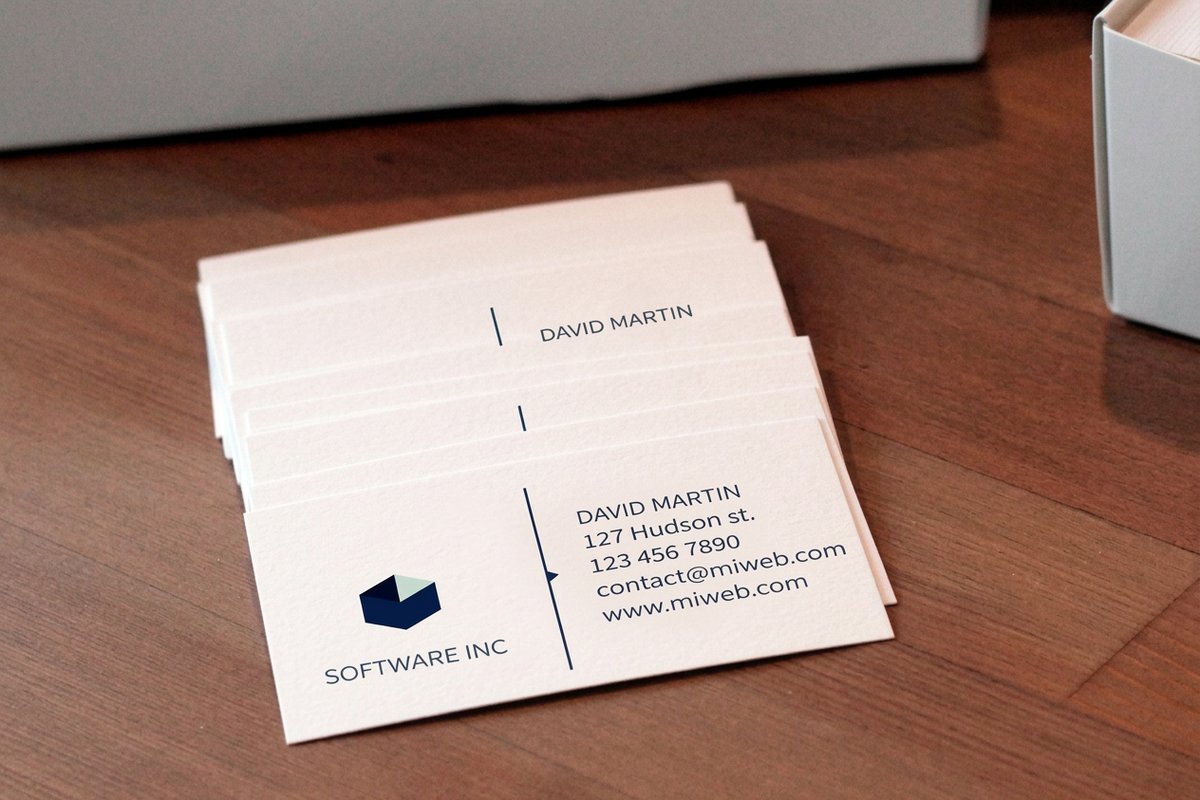
Business cards are the classic gang-run bargain. Here are the live specs and price-per-unit at 4OVER4, straight from the configurator, so you can watch quantity move the number.
| Quantity | Price Per Unit | Total |
|---|---|---|
| 100 | 17.6¢ | $17.57 |
| 200 | 11.5¢ | $23.07 |
| 300 | 9.15¢ | $27.46 |
| 400 | 7.96¢ | $31.86 |
| 500 | 7.25¢ | $36.26 |
| 600 | 6.77¢ | $40.64 |
| 700 | 6.43¢ | $45.04 |
| 800 | 6.18¢ | $49.43 |
Order it
Cheap print products that still look professional
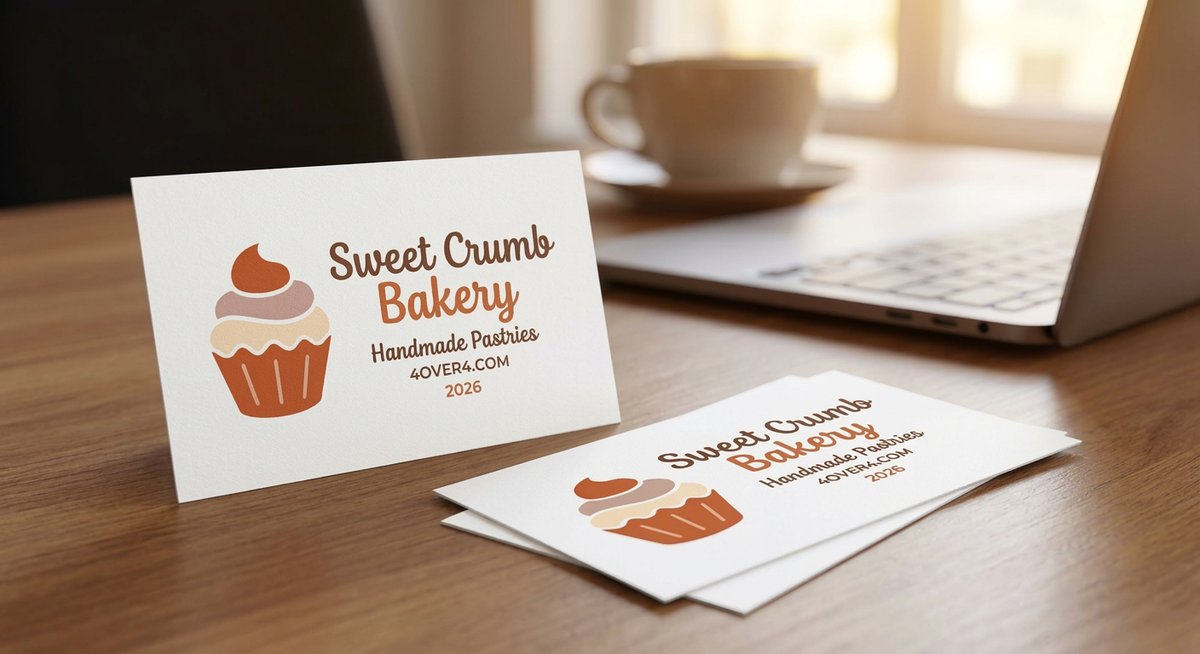
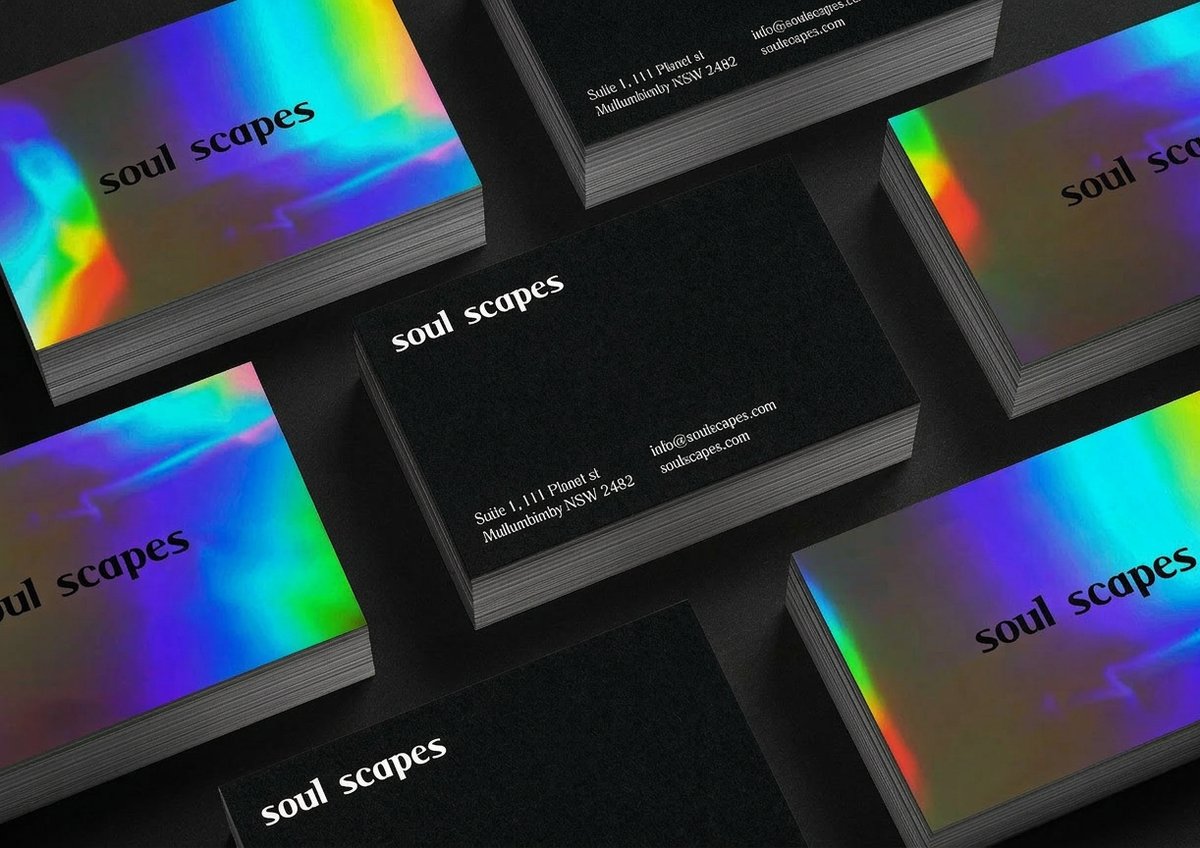
See it in use
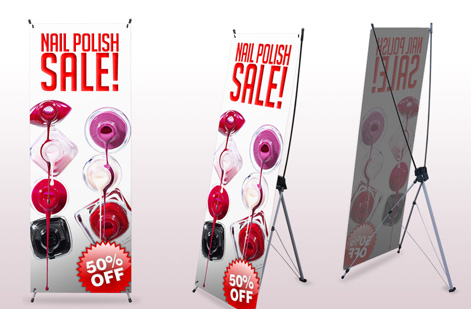
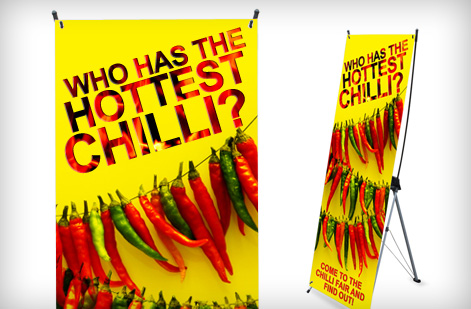
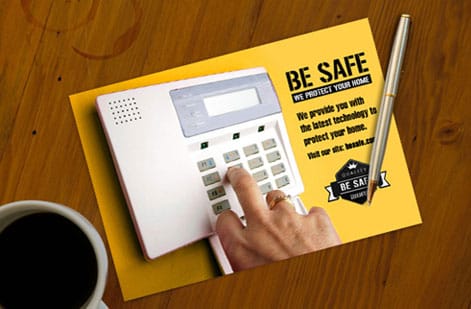
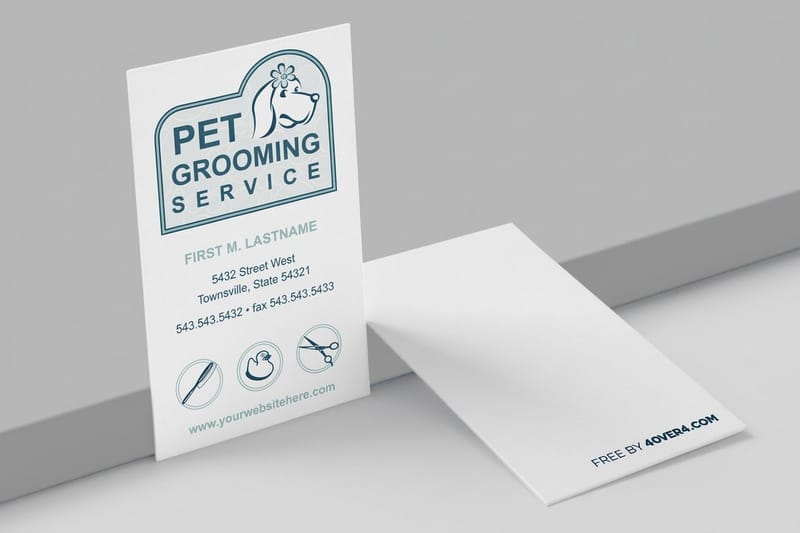
Real low-cost work, printed in-house




Explore more
Where to go next



By the numbers
Value you can count on at 4OVER4
Common Questions
Common questions about cheap printing services
What are the cheapest printing services?
The cheapest printing services are shops that own their presses and use gang-run printing, where many customers' jobs share one large press sheet so everyone splits the setup cost. Business cards, flyers, and postcards are usually the lowest cost per piece because they gang efficiently. At 4OVER4, printing happens in-house with no reseller markup, which is what keeps the price genuinely low rather than just low-looking.
How do I choose the right cheap printing service?
Price your exact job at each shop, the same quantity, size, and stock, and compare the total rather than the teaser rate. Favor a printer that runs its own presses so you are not paying a reseller's margin, check whether it offers a price match and current deals, and order free samples before a big run so a cheap order does not become an expensive reprint.
What does cheap printing cost and how are prices set?
Price scales with a few levers: quantity, size, stock, finish, and turnaround. Because setup is a fixed cost, the per-piece price drops as the quantity climbs, so the biggest savings come from ordering the right quantity break. You set each option in the configurator and the total updates live, so you can see exactly how a heavier stock or a rush changes the number before you commit.
What sizes, stocks, and finishes keep printing cheapest?
Standard sizes gang most efficiently, so a standard business card, a common flyer size, or a standard postcard prints cheaper than an unusual cut. Lighter and standard stocks cost less than premium or specialty papers, and skipping add-on coatings or foil keeps the price at its floor. You can always start standard and cheap, then step up one option at a time and watch what each adds.
How long does cheap printing take to print and ship?
Standard turnaround is the cheapest because it lets the shop gang your job on its normal schedule. Rush production and expedited shipping carry real cost, so planning ahead and choosing standard delivery keeps the all-in price lowest. If you do need it fast, same-day options exist, but the trade-off is a higher price for the speed.
Is cheap printing lower quality?
Not when it is done through gang-run on a commercial press. The ink, the press, and the stock are the same as a solo run; the only thing shared is the setup cost. Quality drops when you cut stock weight too far or skip proofing, not when you share a sheet, so a cheap gang-run order on good stock looks the same as an expensive one.
Get Started
Ready to get the cheapest price without the cheap look?
Set your quantity, size, and stock in the configurator and watch the per-piece price fall as the run grows. Same commercial press, same ink, a fraction of the setup cost.
Legal Disclaimer
Gold Standard guarantees apply to all standard orders placed through 4over4.com. Price match requires verifiable proof of a competitor's published price for an equivalent product with matching specifications and turnaround time. Satisfaction guarantee covers manufacturing defects and print quality issues. Contact support with order number and documentation. On-time delivery rate based on tracked orders 1999 to 2026. Individual results may vary based on shipping carrier performance.
