
How to Start a Jewelry Business From Home in 11 Steps


Launch a jewelry brand from your kitchen table: find a niche, build a look, price for profit, and sell. The step most makers skip is the one that makes you look established, and it is a print order you can place today.
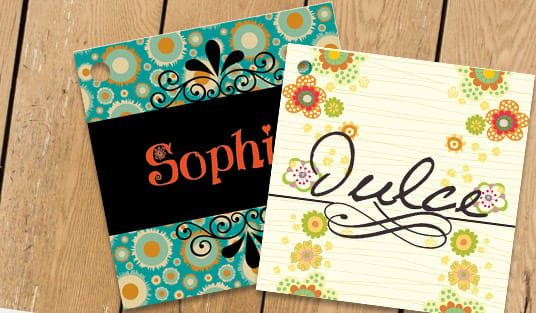
To start a jewelry business from home, pick a niche, build a brand, price for real profit, and sell on one channel first. Study the market, choose one lane you can own, name and design the brand, price to cover materials, labor, and overhead, then make it look pro with custom hang tags, product labels, and thank-you cards before you open your shop.
Start here
A home jewelry business in one paragraph
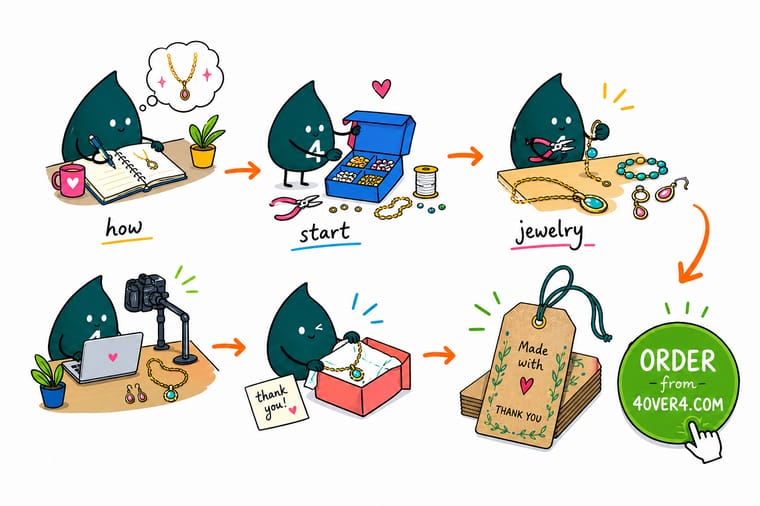
A home jewelry business is a focused niche, a brand a buyer can feel, and a price that pays you, sold on one channel at a time. Study the market, own one lane, design a look that carries onto your tags and packaging, price for profit, and make it look professional with printed hang tags, labels, and cards. Then launch to your circle and grow one channel at a time. The roadmap below maps the eleven steps in order.
Understand the jewelry market before you spend a dollar
Before you melt a single ring or string a single bead, spend time learning the market you are about to enter. That does not mean a formal report. It means noticing what actually sells: which materials keep showing up, what price bands buyers are comfortable with, and which independent makers your ideal customer already follows and buys from.
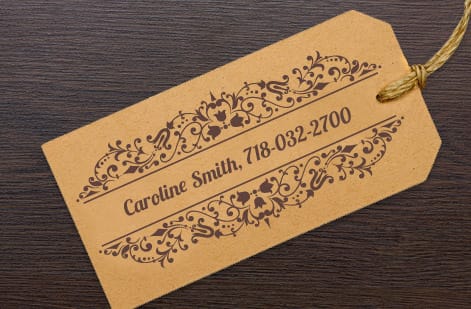
Two behaviors matter most. First, jewelry is an emotional and visual purchase, so it lives and dies on photography and story. Second, buyers pay a real premium for anything that feels personal, whether that is a birthstone, an initial, or a small-batch material. Those two facts shape every later decision, from the pieces you make to the hang tag that carries your price.
Do light research the cheap way: browse marketplaces, read the reviews on pieces like yours to learn what buyers praise and complain about, and note the packaging that makes a brand look established. You are mapping the shape of demand so your first pieces land in a lane that already has buyers, not inventing one from scratch.
Find a niche you can genuinely own
The single biggest advantage a home maker has is focus. A large brand has to serve everyone. You get to serve one person perfectly. That is why a tight niche, minimalist gold-fill, statement resin, permanent jewelry, reworked vintage, or birthstone-personalized, out-markets a shop that makes a little of everything.
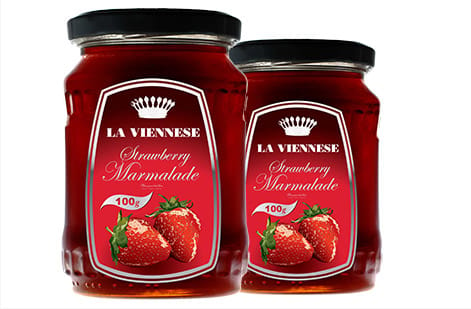
Ask what sets your jewelry apart and who it is for. If your answer is a specific material, a specific style, and a specific buyer, you have a niche. If it is a lot of styles for a lot of people, you have a hobby that will be hard to advertise. The narrower lane also makes your product labels and packaging easier to design, because a clear identity gives the designer something to say.
Popular niches change, but the durable ones share a trait: they solve an emotional job. Personalized pieces mark a moment. Permanent jewelry sells an experience. Sustainable and upcycled lines carry a value. Pick the lane where your skill and a real buyer emotion overlap, then commit to it long enough to become known for it. Our guide on designing a product label shows how a focused niche translates straight into stronger packaging.
Build a brand your buyer can feel
Your brand is more than a logo. It is the whole impression a customer forms, and for jewelry a huge part of that impression is physical: the tag on the piece, the label on the box, the card tucked in the pouch. Those printed touches are the first thing a buyer holds, and they decide in a second whether your work feels like a gift or a guess.
Start with a name that is easy to spell, available as a social handle and a domain, and true to your niche. Then set a small visual system: one or two brand colors, a clean logo that stays sharp when it shrinks onto a tiny tag, and a tone of voice that matches your buyer. Keep it simple enough to reproduce everywhere, from a website header to a 1-inch business card corner.
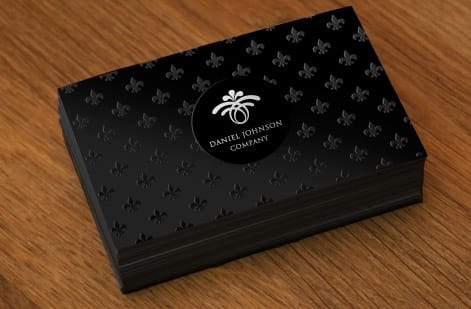
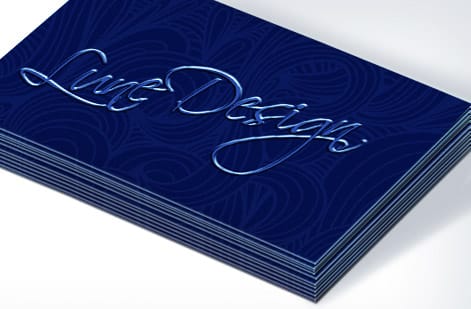
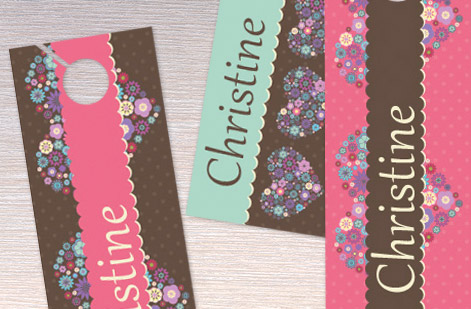
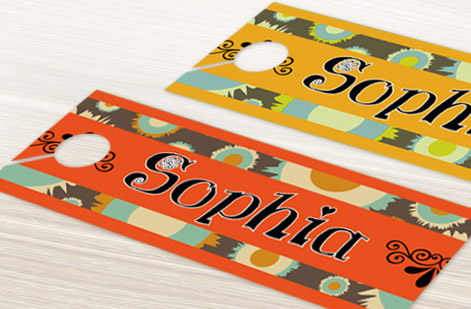
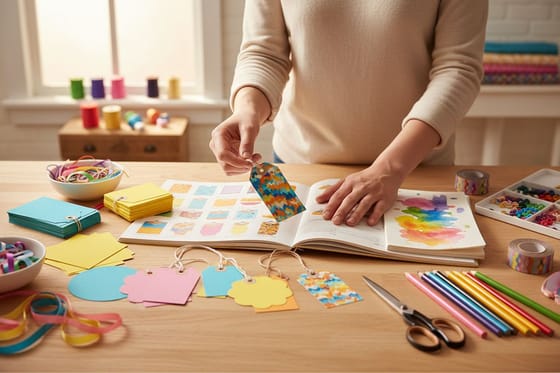
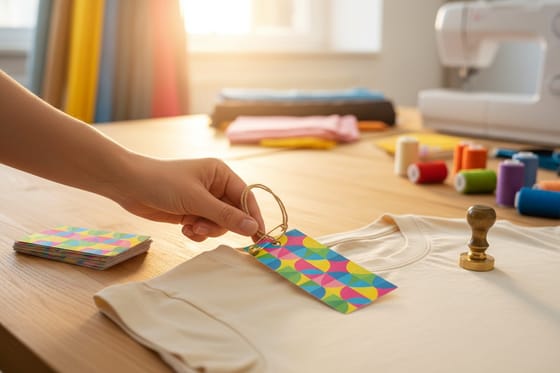
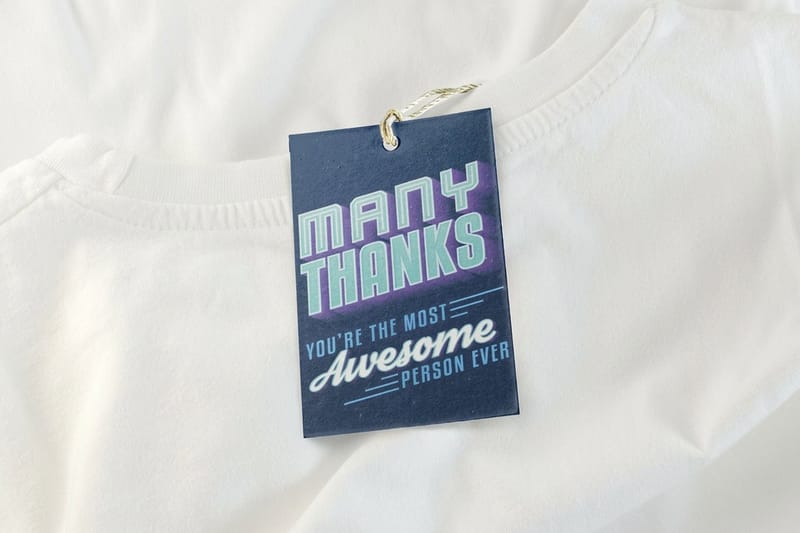
Where the brand becomes real is on paper. A custom-shaped hang tag reads as handmade and premium. A clear or waterproof label makes your box look designed. A heavier business card feels like the jewelry inside. You can order all of it before your first sale, and our online design tool or a free proof helps you get the look right the first time. Type discipline that keeps a mark crisp at any size is covered in our logo design best practices.
Price your pieces so the business actually pays you
Pricing is where most home jewelry brands quietly fail, because they charge for materials and give their time away. A price that pays you covers three things: the materials in each piece, your labor at a real hourly rate, and a share of your overhead, which includes tools, packaging, marketplace fees, and yes, the tags and cards that make you look professional.
Add those three into a base cost, then apply multiples. A common approach doubles the base cost for a wholesale price and doubles again for retail, so you stay profitable whether you sell direct today or through a boutique later. The exact multiple depends on your niche and market, but the principle holds: never price below the number that pays you for your time.
Remember that packaging is part of the perceived value, not just a cost. A $40 pair of earrings in a plastic bag feels overpriced. The same earrings on a branded card in a printed pouch feel like a deal. Good hang tags and packaging let you charge more, which is exactly why they belong in your pricing math from the start.
Make it look pro with tags, labels, and cards
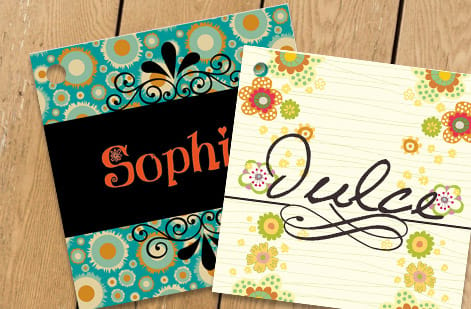
This is the step that turns a talented maker into a brand, and it is a direct, orderable action rather than a someday goal. Five printed pieces do almost all the work. Custom hang tags carry your logo, price, and care line right on the piece. Product labels, especially clear or waterproof ones, seal and brand your boxes and pouches. Business cards go in every order and every market booth.
The last two complete the unboxing. A folded thank-you card with a short handwritten line earns repeat orders and the photos that sell your next piece. Branded tissue and a printed mailer box make a small parcel feel like an event, which is what gets a customer to post it. None of this requires a big budget: print gets cheaper per unit as quantity climbs, so many makers start with a small branded run and scale up as sales prove the demand.
To get the look right without a designer, use our free file check and free proofs so a second set of eyes catches any issue before the run prints, or build your artwork in the online designer. When color accuracy matters for a brand shade, a proof lets you judge the ink on the real stock before you commit to a full run. The live specs and pricing panel below shows exactly what a run of custom hang tags costs at the quantities you are considering.
Start selling and grow one channel at a time
With pieces made, priced, and packaged, the last move is putting them in front of buyers. Resist the urge to be everywhere at once. Start with the one channel where your ideal customer already spends time. An Etsy shop gives you buyers actively searching for handmade. An Instagram or TikTok shop lets you sell straight from the content you post. Your own site keeps every dollar of margin and your customer list.
Whichever you choose, photograph your pieces cleanly on a plain background at a consistent scale so your shop looks cohesive, and lead with the story your niche gives you. Announce your launch to your existing circle first, because early sales and reviews from people who know you build the social proof strangers need. The branded packaging you ordered earns its keep here: a nicely wrapped order photographed by a happy customer is the cheapest, most persuasive ad you will ever run.
As orders come in, watch what sells, retire what does not, and reinvest early profit into better materials, more inventory, and larger print runs that lower your unit cost. Growth for a home jewelry brand is a loop: sell, learn, reinvest, and let each round of branded orders and happy-customer photos feed the next. When you are ready to scale the look, browse our ready-made products for fast branded add-ons.
Wally makes your handmade line look like a brand
The pieces sell, but the packaging closes the sale
Wally has seen a hundred makers with beautiful work and a plastic bag for packaging. The fix is small and orderable: a custom hang tag on the piece, a clean label on the box, a card in every order. Those printed touches are the first thing a buyer holds, and they decide whether your jewelry feels like a gift. Build the look once, order a starter run, and reprint cheaper as you grow.
Order your hang tags and cards →Quick reference
The home jewelry brand print kit, at a glance
Five or six printed pieces make a handmade line look established. Here is what each one does and the format that works best for jewelry.
| Printed piece | Best format | What it does |
|---|---|---|
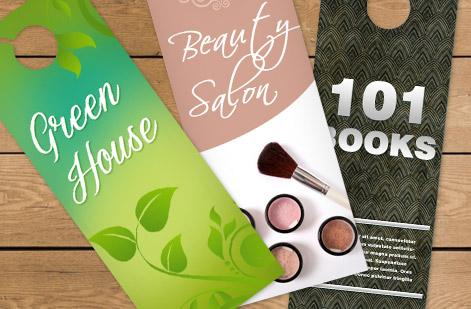
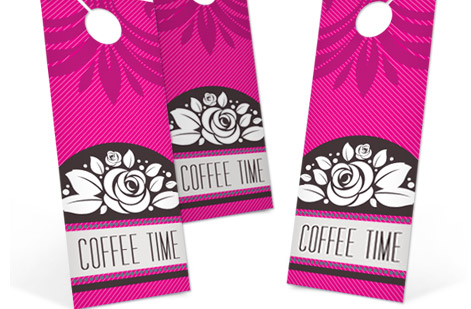
| Hang tags | Custom shape, 14pt to 16pt | The tag that hangs from a bracelet or clings to a card is where your logo, price, and care line live. Custom shapes read as handmade and premium. |
| Product labels | Waterproof or clear, die-cut | Seal a jewelry box or pouch and carry your mark onto the packaging. Clear labels look like the design floats on the material. |
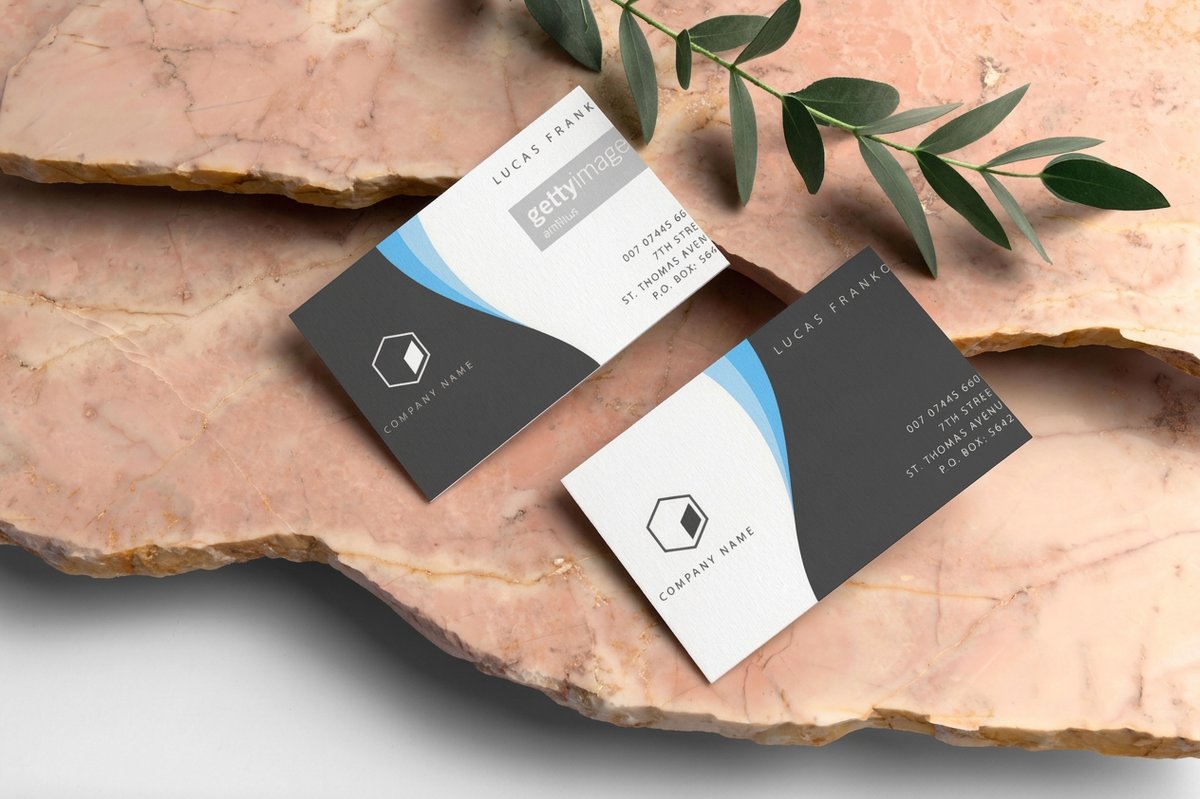
| Business cards | 16pt, matte or soft-touch | Tucked into every order and handed out at markets, a heavier card feels like the jewelry inside: considered and worth keeping. |
| Thank-you cards | Folded or flat, A2 size | A short handwritten note turns a first order into a repeat customer and earns the unboxing photos that sell the next one. |
| Tissue and mailers | Custom tissue, printed mailer box | The wrap and the box are the whole unboxing. Branded tissue and a printed mailer make a small parcel feel like an event. |
| Care and pricing tags | Small format, both sides | A back-printed tag can hold care instructions, materials, and a QR code to your shop without cluttering the front. |
Step by step
Start your home jewelry business in 11 steps
- Study the jewelry market before you make anything Look at what sells and why: material trends, price bands, and the makers your ideal buyer already follows. You are learning the shape of the market, not copying a competitor.
- Pick a niche you can own Narrow to one lane, such as minimalist gold-fill, bold resin, birthstone-personalized, or reworked vintage. A focused niche is far easier to market than a bit of everything.
- Define your ideal customer Write down who buys this: their age, their style, what they spend, and what they care about. Every later decision, from packaging to price, answers to that person.
- Name and shape your brand Choose a name that is easy to spell and available as a handle and domain, then set a look: colors, a logo, and a tone that matches the person you just described.
- Price your pieces for real profit Total your materials, your time at a real hourly rate, and your overhead. Apply a wholesale multiple, then a retail multiple, so both direct and future stockist sales stay profitable.
- Handle the business basics Register your business, separate a bank account, track expenses, and check the sales-tax and hallmarking rules for the materials and states you sell in.
- Source materials and set up your bench Line up reliable suppliers for metals, stones, and findings, and organize a small dedicated workspace so production stays consistent as orders grow.
- Make it look professional with print Order custom hang tags, product labels, business cards, and thank-you cards so every piece ships with a branded touch. This is the step that makes a home operation look established.
- Build your storefront Set up where you will sell: an Etsy shop, an Instagram or TikTok shop, your own website, or a mix. Photograph pieces cleanly on a plain background at consistent scale.
- Launch and market Announce to your existing circle first, post consistently, and lean on the photos your packaging earns. User content of a nicely wrapped order is your cheapest, best ad.
- Reinvest and grow Track what sells, retire what does not, and put early profit back into better materials, more inventory, and larger print runs that lower your unit cost.
Specs and pricing
Custom hang tag specs and live pricing
The tag that hangs on your pieces is the fastest way to look professional. Here are the live specs and price-per-unit for custom hang tags at 4OVER4.COM, straight from the configurator.
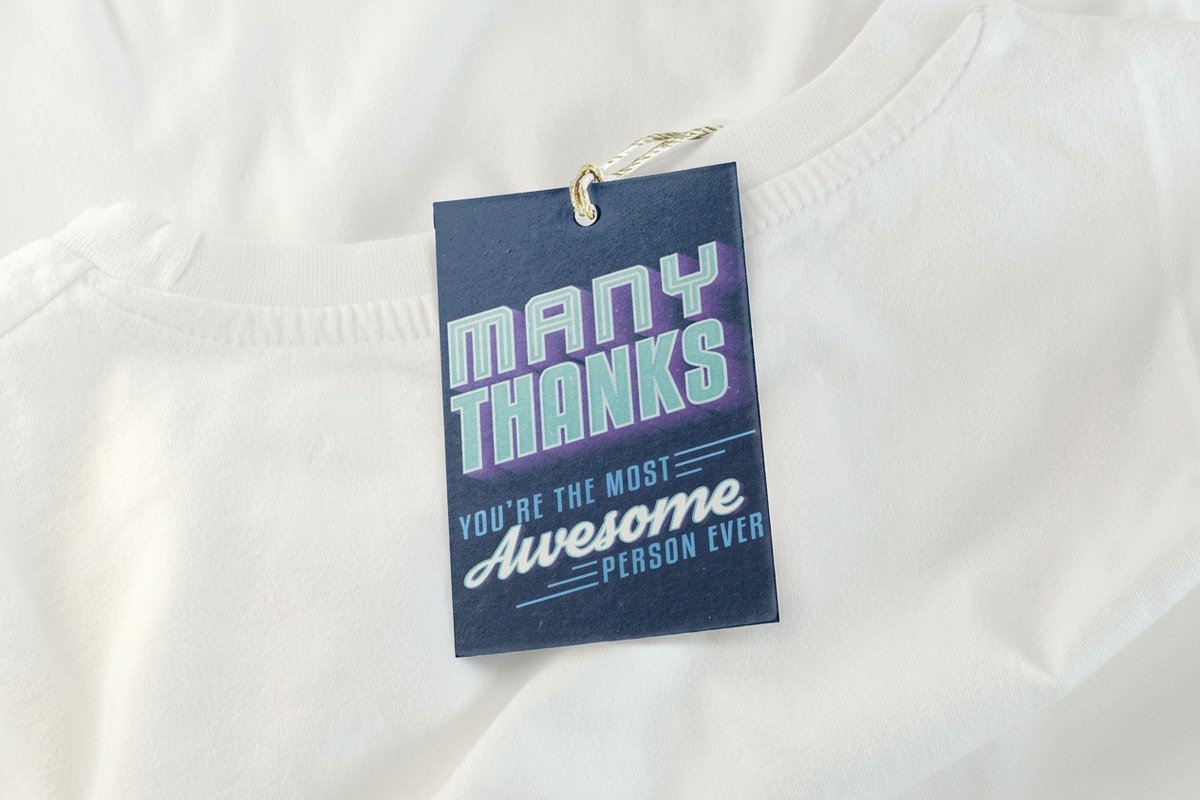
| Quantity | Price Per Unit | Total |
|---|---|---|
| 50 | 50.5¢ | $25.27 |
| 100 | 28.6¢ | $28.56 |
| 200 | 15.9¢ | $31.86 |
| 300 | 12.4¢ | $37.35 |
| 400 | 10.2¢ | $40.64 |
| 500 | 8.79¢ | $43.94 |
| 600 | 8.24¢ | $49.43 |
| 700 | 7.53¢ | $52.73 |
Print it
Make your jewelry brand look established

See it in use
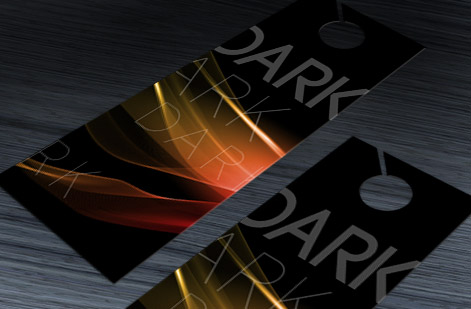
Custom hang tags, printed in-house

Explore more
Where to go next

By the numbers
Branded print you can count on at 4OVER4
Common Questions
Common questions about starting a home jewelry business
How do I start a jewelry business from home?
Start by studying the market and choosing a single niche you can own, then define exactly who your buyer is. Name and brand the business, price your pieces to cover materials, labor, and overhead with a real profit margin, and handle the basics like registration and a separate bank account. Source your materials, set up a small dedicated workspace, and make everything look professional with custom hang tags, product labels, business cards, and thank-you cards. Finish by building a storefront, whether that is Etsy, an Instagram shop, or your own site, then launch to your existing circle and market consistently. The whole path can start on a kitchen table with a modest budget.
How much does it cost to start a home jewelry business?
A home jewelry business is one of the cheaper businesses to start, because you skip rent and staff. Your real costs are materials and tools, a storefront or marketplace fee, and the branding that makes you look established. Materials scale with what you make, marketplace fees are usually a small cut per sale, and branded print like hang tags and labels can start as a small run and grow as you sell. At 4OVER4.COM you set quantity, size, stock, and finish in the configurator and the price updates live, so you can order a starter run of tags and cards that fits an early budget and reprint larger, cheaper runs once orders climb.
What printed items does a home jewelry brand actually need?
Five printed pieces cover almost every home jewelry brand. Hang tags carry your logo, price, and care line on the piece itself. Product labels seal and brand your boxes or pouches. Business cards go in every order and every market booth. Thank-you cards turn a first order into a repeat customer. Custom tissue and a printed mailer box make the unboxing feel like a gift. You do not need all five on day one, but hang tags and business cards are the two that most quickly make a handmade line look like a real brand.
How do I price handmade jewelry so I actually make money?
Add up three things: the cost of materials in each piece, your labor at a real hourly rate, and a share of your overhead like tools, packaging, and fees. That total is your base cost. Multiply it to set a wholesale price, then multiply again for retail, so you stay profitable whether you sell direct or through a stockist later. The most common mistake is charging only for materials and giving your time away. Price for profit from the first piece, because it is far harder to raise prices on existing customers than to start at the right number.
Do I need custom packaging to sell jewelry online?
You can sell without it, but branded packaging is what separates a hobby from a business in a buyer eyes and in their unboxing photos. A custom hang tag, a clean product label, and a thank-you card cost little per unit and dramatically raise how premium your pieces feel. They also earn the social posts and repeat orders that grow a small brand. Because print gets cheaper per unit at higher quantities, many makers start with a small branded run and scale up as sales prove the demand.
Where should I sell my handmade jewelry first?
Start with one channel and do it well rather than spreading thin. An Etsy shop gives you a built-in audience of buyers looking for handmade. An Instagram or TikTok shop lets you sell straight from the content you already post. Your own website keeps all the margin and your customer list. Local markets and pop-ups build in-person fans and test which pieces sell. Pick the one where your ideal customer already spends time, master it, then add a second channel once the first is running smoothly.
Is a home jewelry business profitable?
It can be, and pricing decides it long before volume does. A home jewelry business carries almost no fixed cost: no rent, no staff, no factory minimum, so the profit on each piece is whatever survives after materials, your labor at a real hourly rate, and overhead like tools, packaging and marketplace fees. Build the base cost from all three, then apply the multiples, double for wholesale and double again for retail, and every sale contributes. Leave one out, usually your own time, and you can be busy all year while working for free. The second lever is perceived value: the same earrings that feel overpriced at $40 in a plastic bag feel like a deal on a branded card in a printed pouch, which is why hang tags and packaging belong in the pricing math from the first piece.
Can I legally sell jewelry from home?
Yes, in every US state. Register for a sales tax permit with your state revenue, taxation or comptroller agency before your first sale. File a DBA with your county clerk or Secretary of State to trade under your brand name, or form an LLC with your Secretary of State once you want your personal savings separated from the business. Ask your city or county planning and zoning department whether a home occupation permit is needed, and check your lease or HOA covenants and your insurer, since a standard home policy usually excludes business inventory. On the product itself, the FTC Jewelry Guides (16 CFR Part 23) control terms like sterling silver, gold filled and gold plated, the National Stamping Act requires your registered trademark next to any quality stamp, and the Consumer Product Safety Commission sets the lead and cadmium limits for anything made for children. Confirm the details with each agency, because fees and thresholds vary by state.
Get Started
Ready to make your jewelry look like a real brand?
Order custom hang tags, product labels, and thank-you cards at 4OVER4.COM. Set the shape, stock, and quantity, and watch your price update live as you build a starter run that fits your budget.
Legal Disclaimer
Gold Standard guarantees apply to all standard orders placed through 4over4.com. Price match requires verifiable proof of a competitor's published price for an equivalent product with matching specifications and turnaround time. Satisfaction guarantee covers manufacturing defects and print quality issues. Contact support with order number and documentation. On-time delivery rate based on tracked orders 1999 to 2026. Individual results may vary based on shipping carrier performance.
