
Print Advertising Types, Benefits, and Real Examples That Convert


Print advertising is the trusted, hard-to-ignore half of a modern marketing mix. Here is the complete map: what it is, how it beats and complements digital, every ad type and its job, and how to create and measure a campaign that converts.
Print advertising is any paid message delivered on paper: flyers, brochures, direct mail, posters, and more. It is tangible, trusted, and hard to skip, which makes it the ideal partner to digital. Pick the ad type that fits your goal, lead with one offer and one clear action, and build in tracking so every response ties back to the campaign.
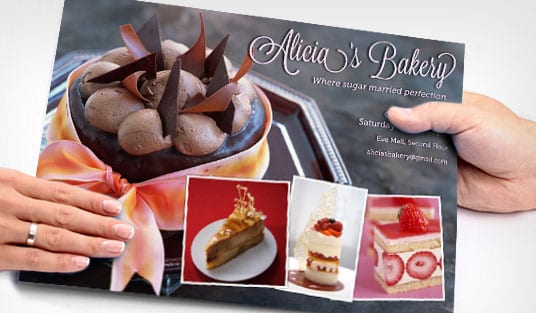
Start here
Print advertising in one paragraph
Print advertising is any paid message delivered on a physical, printed medium. Flyers, brochures, direct mail, magazine ads, posters, billboards, door hangers, packaging, and coupons each do a different job. Print is tangible, trusted, and hard to skip, which makes it the perfect partner to digital. Match the format to your goal, lead with one offer and one action, build in tracking, and print with 4OVER4.COM. The workflow below maps a campaign end to end.
What print advertising is, and why it still works
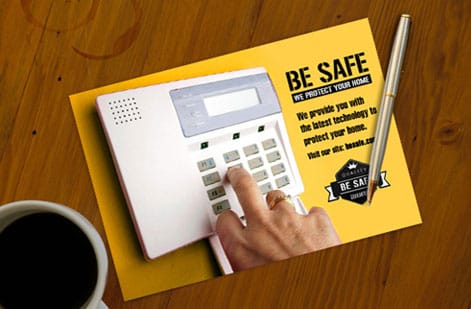
Print advertising is any paid marketing message delivered on paper rather than a screen: flyers, brochures, direct-mail postcards, magazine and newspaper ads, posters, billboards, door hangers, packaging, and coupons. What unites them is that the message is physical. It arrives as something a person can hold, keep, and come back to, which gives print a permanence and a claim on attention that a scrolling feed rarely earns.
In a world saturated with digital ads, that tangibility has become an advantage rather than a relic. A postcard on a fridge or a brochure on a desk keeps working for days with no ad blocker to skip it, and readers consistently report trusting printed material more than online ads. Print is not a replacement for digital, it is the trusted, hard-to-ignore half of a modern marketing mix.
This guide is the complete map of print advertising: what it is, how it compares to digital, its real benefits, every major type and the job each does, how to create an ad that works, and how to measure it. Along the way each format links to the exact product to order, from flyers to brochures and direct-mail postcards. When you want it designed for you, our free online designer makes it fast.
Print vs digital advertising: partners, not rivals

The instinct is to frame print and digital as competitors, but they solve different problems and work best together. Digital is fast to launch, cheap to test, and precisely targetable, yet it is also easy to block, skip, and scroll past, and it fights for attention in a crowded, distracting feed where the average ad is seen for a fraction of a second.
Print is the opposite profile. It takes more lead time and cannot be edited once it runs, but it is physical, harder to ignore, longer-lasting, and consistently more trusted in reader surveys. A printed piece does not compete with a hundred others in the same instant, and its very solidity signals a level of commitment that a banner ad cannot.
The strongest campaigns use both, and the bridge between them is a trackable link. Put a QR code or a dedicated URL on a printed piece and you get print’s trust and staying power plus digital’s measurability and instant follow-up. Print builds the impression, digital captures the action.
The real benefits of print advertising
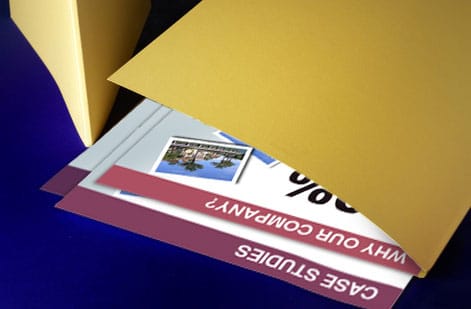
Print earns its place in a marketing budget through a handful of durable advantages. It is tangible and lasting: a brochure or postcard can sit in a home or office and keep advertising for days or weeks, long after a digital impression would have vanished. It commands attention because there is no ad blocker, autoplay skip, or endless scroll to bury it.
It also carries higher trust and recall. Study after study finds that people treat printed material as more credible and remember it better than online ads, partly because handling something physical engages the reader more deeply. And print reaches audiences digital misses, including people who are hard to target online or fatigued by screens.
Finally, print strengthens a brand. A well-designed, quality-printed piece signals substance in a way a cheap banner never can, and it pairs naturally with online campaigns to reinforce the same message across channels. For local and direct-response marketing especially, these benefits make print one of the most effective tools a business has.
The main types of print advertising and their jobs
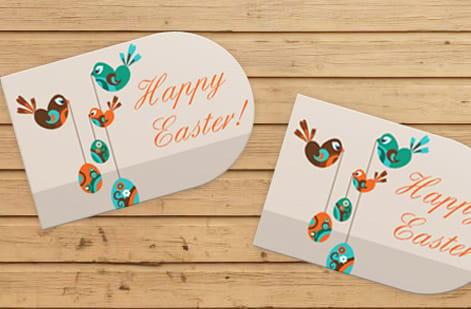
Print advertising is not one thing but a toolkit, and choosing well starts with matching the format to the goal, audience, and budget. Here is what each major type does best:
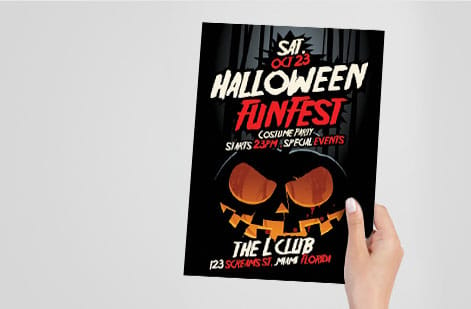
- Flyers: cheap, fast, single-sheet ads for local reach, handed out or posted where foot traffic is.
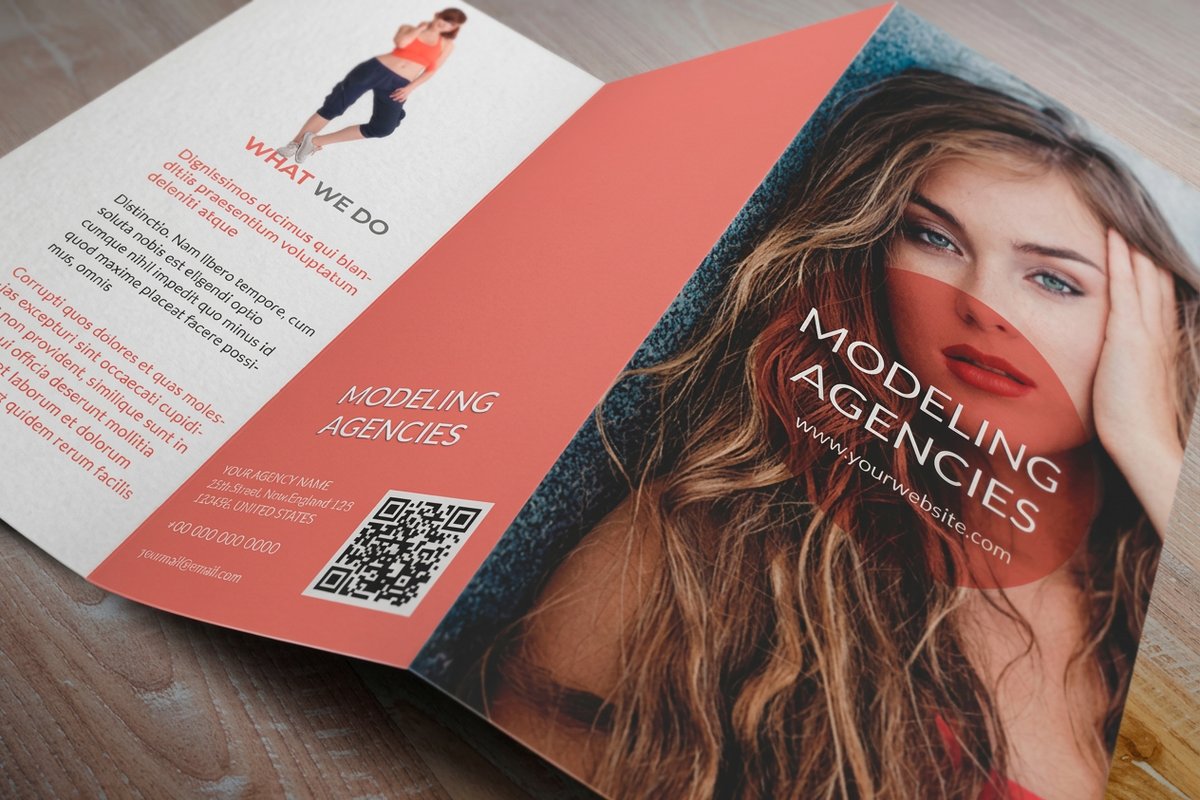
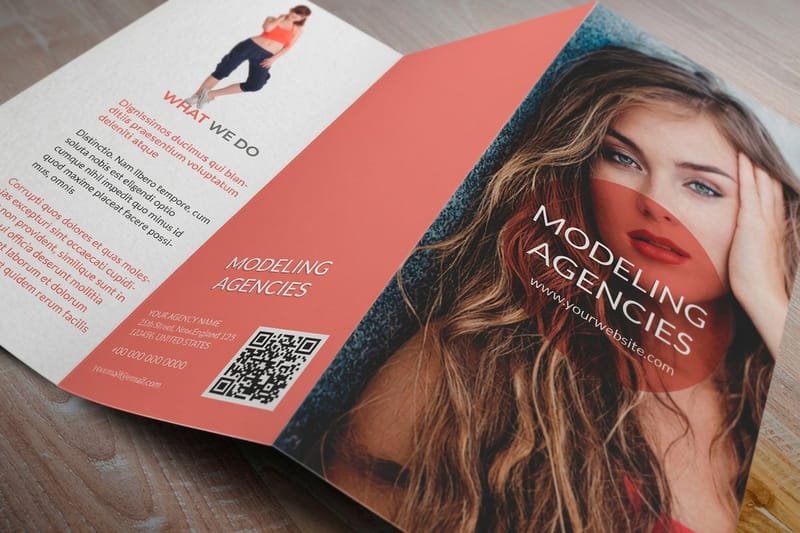
- Brochures: folded panels that explain and persuade, ideal for products, services, and destinations that need a fuller story.
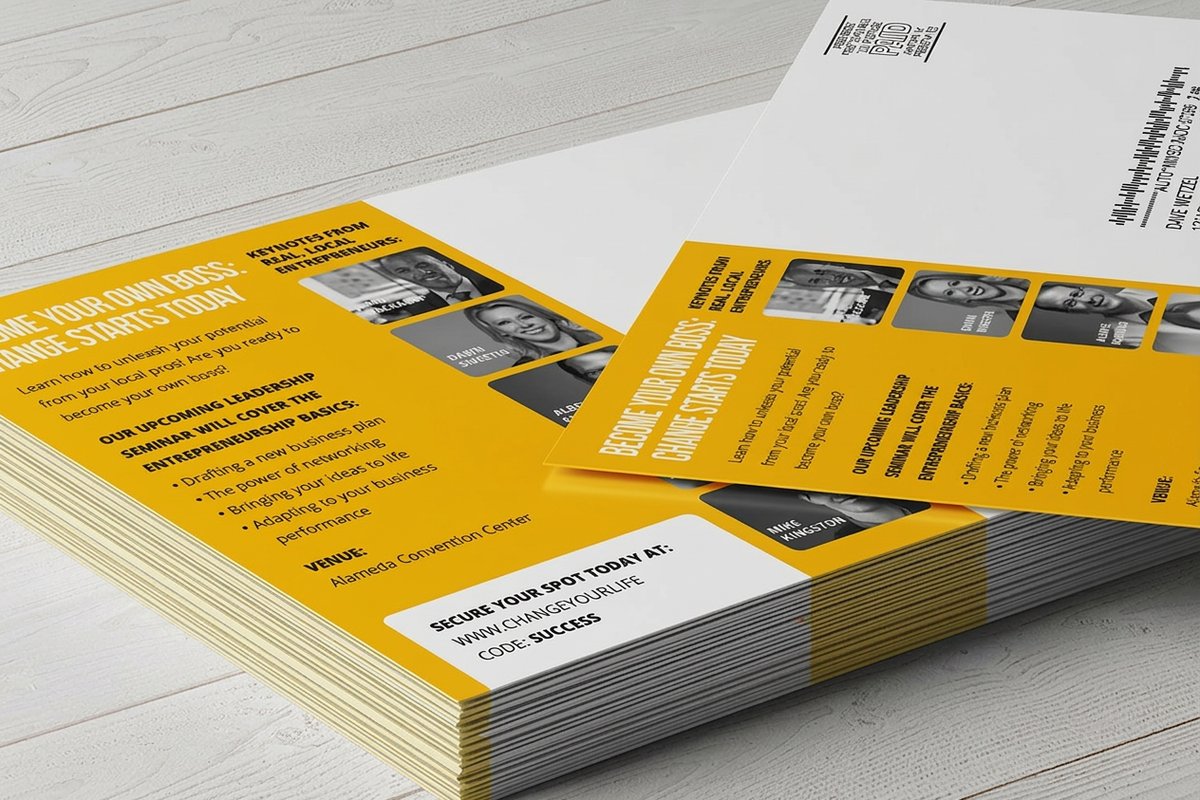
- Direct mail: postcards and letters targeted to specific households or ZIP codes for measurable, personal reach.
- Magazine and newspaper ads: placements that borrow the trust and readership of an established publication.
- Posters: large-format print that builds awareness in high-traffic indoor and outdoor spaces.
- Billboards and out-of-home: mass-awareness placement in front of large moving audiences.
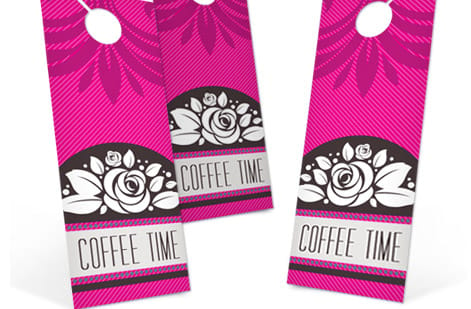
- Door hangers: hyper-local offers delivered straight to the door for high visibility.
- Packaging and coupons: print at the point of purchase and the deal that closes the sale.
Most campaigns combine a few of these. A local launch might pair flyers for foot traffic with direct-mail postcards for nearby homes and a brochure to hand serious prospects. Our guides on designing flyers and direct-mail postcards go deep on the two workhorses.
How to create an effective print ad
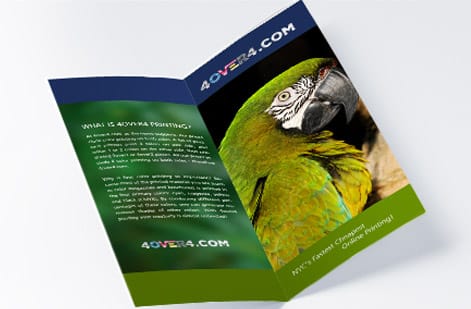
The best print ads share a discipline: they say one thing clearly. Start with one goal and one audience, since a piece trying to reach everyone with every message reaches no one. Then lead with one strong offer and a headline that states the benefit fast, so a reader grasps the value in the first second of contact.
Design clean. A clear visual hierarchy guides the eye from headline to offer to action, high-quality images sell the product, and brand colors set in CMYK keep everything on-brand and print-accurate. Prepare the file print-ready with proper bleed and safe margins so it comes back looking professional, exactly as our guide on brochure design elements lays out.
Above all, give the reader one obvious call to action and make it effortless: a phone number, a short URL, a QR code, or a coupon they can act on right away. A print ad with a single clear next step beats a crowded, clever one every time, because the point of the ad is not to be admired but to be acted on.
How to measure print advertising results
The myth that print cannot be measured comes from not planning the tracking in advance. Build it into the piece before you print and every response ties back to the campaign. The most reliable methods attach a unique element to each ad: a promo or coupon code used only there, a dedicated phone number or landing-page URL, or a QR code that links to a trackable page.
Beyond direct-response tracking, watch for lift in the metrics that matter, sales, foot traffic, or web visits, in the area and time window the ad ran. And never underestimate simply asking new customers how they heard about you, which surfaces attribution that codes miss.
Assign a distinct tracking element to each campaign and format, and over a few rounds you learn which ad types and offers actually drive response for your business. That feedback loop is what turns print advertising from a hopeful expense into a measurable, improvable channel you can scale with confidence.
Plan and print your campaign with 4OVER4
Once you have chosen your formats and offer, the last step is production, and doing it in one coordinated order keeps the campaign consistent and the timing tight. Flyers, brochures, postcards, posters, and door hangers all live in one marketing materials range, so you can build the whole campaign in a single pass.
Set the size, stock, finish, and quantity for each piece in the configurator and the price updates live as you go, so you can build the campaign to your budget and see exactly how a heavier stock or a larger run changes the number. Because advertising ties to launch and seasonal dates, order with lead time and use the delivery options to hit your schedule.
A run of business flyers is priced live in the panel below, with brochures and direct-mail postcards alongside it. Design each piece in our free online designer or upload your artwork, add your tracking, and launch the campaign.
Wally makes print advertising measurable
One offer, one action, one tracked result
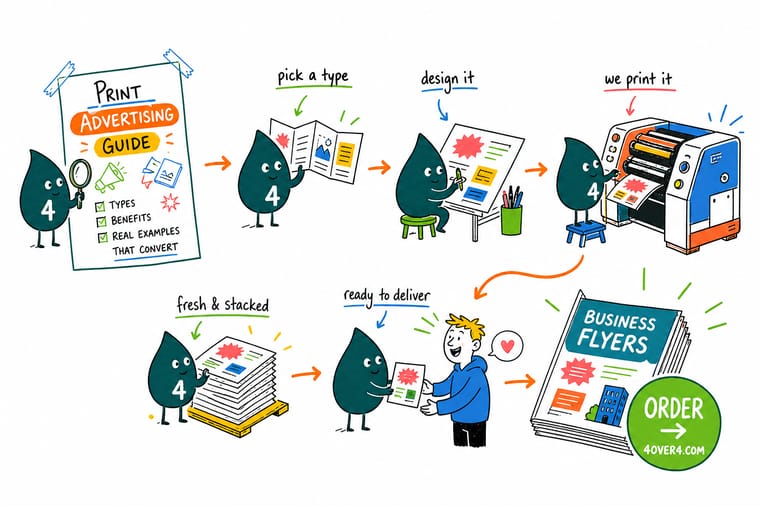
Wally treats every printed ad like a test he can score: pick the format that fits the goal, lead with a single offer and a clear next step, and stamp on a code or QR link so every response ties back. Print earns the trust and attention digital cannot, and the tracking proves what worked. 4OVER4 prints the whole campaign to hit your dates.
Shop marketing materials →Quick reference
The print advertising formats, at a glance
Each format has a natural job. Match the type to your goal, audience, and budget, and the campaign builds itself.
| Format | Best for | Why it matters |
|---|---|---|
| Flyers | Local, fast, low cost | Hand out or post single-sheet offers to reach foot traffic and local audiences quickly. |
| Brochures | Explain and persuade | Folded panels give room to tell a fuller story about a product, service, or place. |
| Direct mail | Targeted to the home | Postcards and letters land a message directly in a chosen household or ZIP code. |
| Posters | Awareness at a distance | Large-format print builds recognition in high-traffic indoor and outdoor spots. |
| Magazine and newspaper | Reach an established audience | Placed ads borrow the trust and readership of the publication they run in. |
| Door hangers | Neighborhood targeting | Hang an offer directly on the door for hyper-local, high-visibility delivery. |
| Billboards and signage | Mass awareness | Out-of-home placement puts a brand in front of large moving audiences. |
| Packaging and coupons | Point of purchase | Print on the product and the deal that closes the sale where buying happens. |
Step by step
Run a print advertising campaign in 7 steps
- Set one clear goal and audience Decide what the ad should make happen, a call, a visit, a purchase, and who it is for, since the goal and audience shape every other choice.
- Pick the format that fits the job Match the ad type to the goal: a flyer for local reach, direct mail for targeted homes, a brochure to explain, or a poster for awareness.
- Lead with one offer and one headline Give the reader a single, strong offer and a headline that states the benefit fast, rather than crowding the piece with competing messages.
- Design clean and print-ready Use a clear hierarchy, high-quality images, brand colors in CMYK, and proper bleed and margins so the piece looks professional and prints right.
- Add one obvious call to action Tell the reader exactly what to do next and make it easy, with a phone number, a short URL, a QR code, or a coupon they can act on immediately.
- Build in tracking before you print Add a unique code, a dedicated URL or phone number, or a QR link so every response ties back to the campaign and you can measure results.
- Print, distribute, and measure Order the run, get it in front of your audience through the right channel, then track responses and refine the next campaign from what you learn.
Specs and pricing
Business flyer specs and live pricing
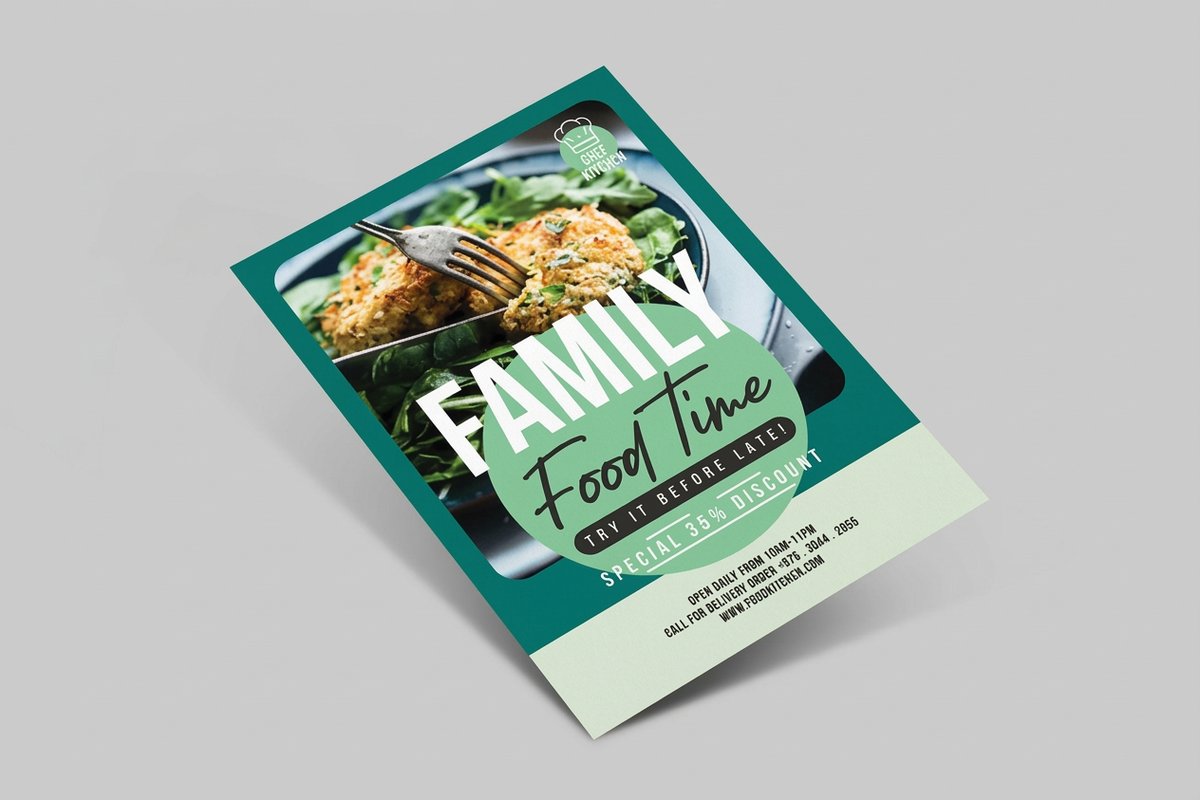
The flyer is the workhorse of print advertising. Here are the live specs and price-per-unit for business flyers at 4OVER4.COM, straight from the configurator.
| Quantity | Price Per Unit | Total |
|---|---|---|
| 50 | $1.14 | $57.11 |
| 100 | 82.4¢ | $82.38 |
| 200 | 53.3¢ | $106.55 |
| 300 | 41.0¢ | $123.02 |
| 400 | 34.9¢ | $139.49 |
| 500 | 31.2¢ | $155.97 |
| 600 | 26.7¢ | $160.36 |
| 700 | 23.5¢ | $164.75 |
Print it
Order your print advertising from 4OVER4
See it in use
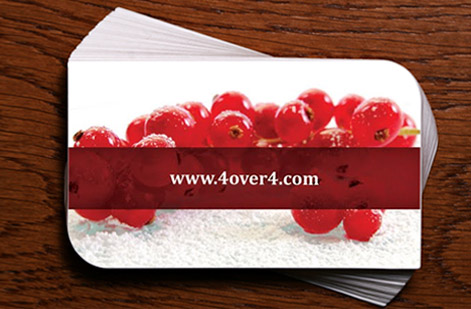
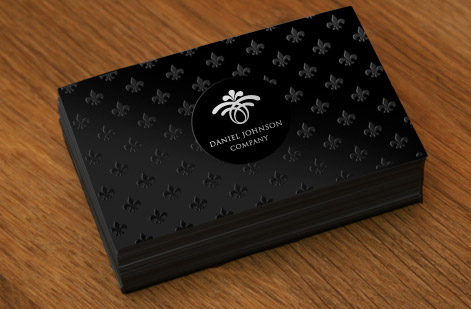
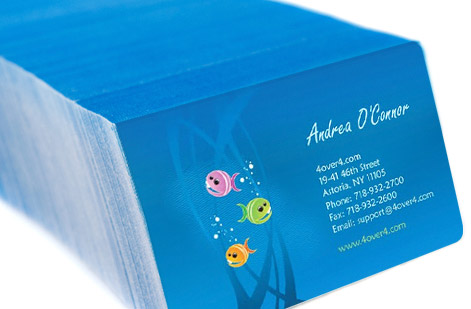
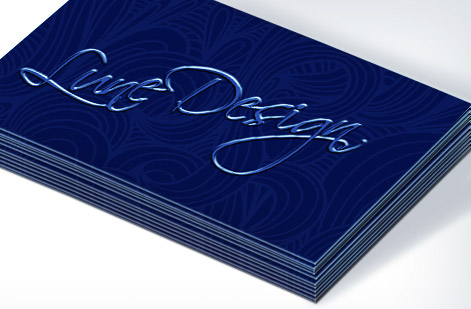
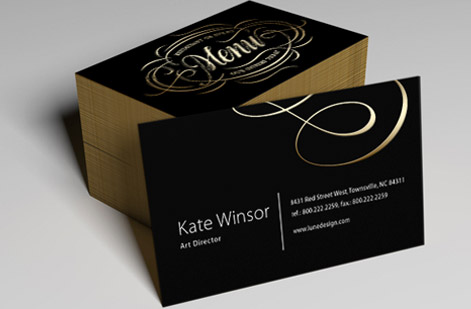
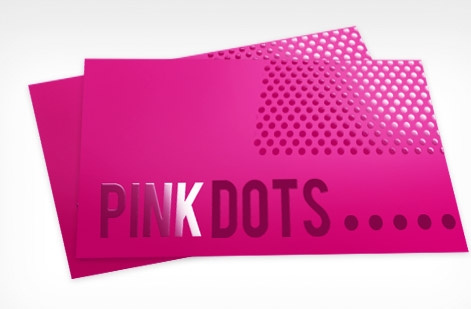
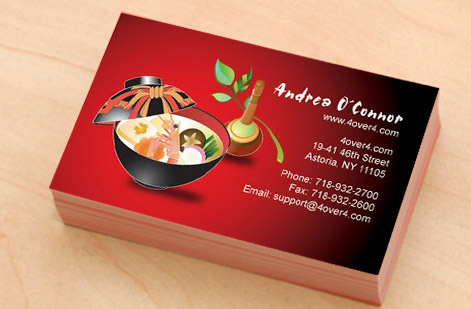
Real print advertising, printed in-house
Explore more
Where to go next

By the numbers
Print advertising you can count on at 4OVER4
Common Questions
Common questions about print advertising
What is print advertising?
Print advertising is any paid marketing message delivered on a physical, printed medium rather than a screen. It includes flyers, brochures, direct-mail postcards and letters, magazine and newspaper ads, posters, billboards, door hangers, product packaging, and coupons. The defining trait is tangibility: the message arrives as something a person can hold, keep, and revisit, which gives print a permanence and a level of attention that fleeting digital ads often struggle to earn. Businesses use print advertising to build awareness, drive local and direct response, and reinforce a brand in ways that complement their online marketing.
What is the difference between print and digital advertising?
The core difference is the medium and how people engage with it. Digital advertising is fast, cheap to launch, and precisely targetable, but it is also easy to skip, block, or scroll past, and it competes in a crowded, distracting feed. Print advertising is physical, which makes it harder to ignore, longer-lasting, and consistently more trusted in reader surveys, though it takes more lead time and cannot be edited once printed. The two are not rivals so much as partners: print builds trust, recall, and local presence, while digital adds reach, targeting, and instant measurement. The strongest campaigns use both, often linking a printed piece to an online action with a QR code or a dedicated URL.
What are the benefits of print advertising?
Print advertising offers several advantages that digital cannot fully replicate. It is tangible and lasting, so a brochure or postcard can sit on a desk or fridge and keep working for days or weeks. It commands attention because there is no ad blocker or scroll to skip it, and it carries higher trust and recall in study after study, since readers treat printed material as more credible. Print also reaches audiences that are hard to target online, cuts through digital fatigue, and pairs naturally with online campaigns. For local and direct-response marketing especially, a well-designed printed piece delivered to the right audience remains one of the most effective tools available.
What are the main types of print advertising?
The main types of print advertising each suit a different goal. Flyers are cheap, fast, single-sheet ads for local reach. Brochures fold out to explain a product, service, or destination in depth. Direct mail, including postcards and letters, targets specific households or ZIP codes. Magazine and newspaper ads borrow the trust and readership of an established publication. Posters build awareness in high-traffic spaces, and billboards do the same at mass scale outdoors. Door hangers deliver hyper-local offers straight to the door, packaging advertises at the point of purchase, and coupons drive the final action. Choosing among them starts with your goal, audience, and budget.
How do I create an effective print ad?
An effective print ad starts with one clear goal and one audience, then leads with a single strong offer and a headline that states the benefit fast. Keep the design clean with a clear visual hierarchy, high-quality images, and brand colors set in CMYK, and prepare it print-ready with proper bleed and safe margins. Most important, give the reader one obvious call to action and make it effortless to take, whether that is a phone number, a short URL, a QR code, or a coupon. Finally, build tracking into the piece before you print so you can measure the response. Simplicity and a single clear next step beat a crowded ad every time.
Can you measure the results of print advertising?
Yes, and planning the measurement before you print is what separates a guess from a campaign. The most reliable methods tie a response directly to the printed piece: a unique promo or coupon code, a dedicated phone number or landing-page URL used only on that ad, and QR codes that link to a trackable page. You can also measure lift in foot traffic, sales, or web visits in the area and window the ad ran, and simply ask new customers how they heard about you. By assigning a distinct tracking element to each campaign or ad type, you learn which formats and offers drive response and can invest the next budget where it performs.
How long does print advertising take to produce and ship?
Turnaround depends on the format, the quantity, the paper and finish, and the shipping speed you choose at checkout. Simple pieces like flyers and postcards move quickly through production, while brochures with folds, large posters, and specialty finishes take a little longer. Direct-mail campaigns add distribution time on top of printing. Because advertising usually ties to a launch date or a seasonal window, it is worth planning lead time into the campaign. Once you set your specs in the configurator you will see the available production and delivery options, so you can schedule printing and distribution to hit your campaign dates.
Get Started
Ready to plan and print your advertising campaign?
Design each piece in our free online designer or upload your artwork, then print flyers, brochures, and direct mail as one coordinated campaign. Adjust every option and watch your price update live.
Legal Disclaimer
Gold Standard guarantees apply to all standard orders placed through 4over4.com. Price match requires verifiable proof of a competitor's published price for an equivalent product with matching specifications and turnaround time. Satisfaction guarantee covers manufacturing defects and print quality issues. Contact support with order number and documentation. On-time delivery rate based on tracked orders 1999 to 2026. Individual results may vary based on shipping carrier performance.
