
Packaging Sample Kits and Prototypes Explained


How a Packaging Sample Kit Actually Works
Sample packaging is a small, deliberately short run of the real thing. Same board, same dieline, same press path, same coating, only fewer units. It exists so you can hold the box, load your product into it, close the flaps, and find the problems while a fix still costs a few dollars instead of a full pallet.
Most packaging failures are not design failures. They are fit failures, color drift, a varnish that scuffs in transit, or a barcode printed too small to scan at the register. None of those show up on a screen. All of them show up in your hands within about ninety seconds of opening a sample.
4OVER4.COM has printed 10 billion+ print products since 1999 for more than 150,000 businesses, and the packaging orders that go smoothly almost always share one habit. The brand proofed a small quantity first, approved it in writing, then scaled the exact same file. The four steps below are that habit, written out.
Step 1: lock the dieline before anything prints
Start from a structural dieline sized to your actual product, not to a rounded guess. Measure the filled product at its widest point, add the tolerance your filling line needs, and confirm the fold and glue flaps. Everything downstream inherits this file.
Step 2: get a blank structural sample first
A plain white or kraft blank, cut and creased from the same board grade, answers the structural questions on its own. Does it stand on a shelf, does the closure hold, does the insert stop the product from rattling. Unprinted blanks are the fastest and cheapest part of any sample kit.
Step 3: print a short color run on the final stock
Once the structure is right, print a small quantity with the real artwork. Coated and uncoated board absorb ink differently, so a color you approved on paper can shift noticeably on kraft. This is also where you confirm coating, foil, and how the finish holds up to a thumbnail.
Step 4: load it, seal it, and ship it to yourself
The last step is the one brands skip. Fill the sample with real product, seal it the way your team will seal it, and send it through a carrier to your own address. Everything that survives that trip is ready for bulk. Everything that does not just saved you a production run.
Shop packaging
Packaging printing collection
Boxes, pouches, branded tape, and printed inserts, all worth sampling in a small run first.
What Belongs in a Packaging Sample Kit
A useful sample kit is not one box. It is a small set of pieces that together answer every question a buyer, a printer, or your own operations team will ask. Assemble it once and it becomes the reference you keep on the shelf for reorders.
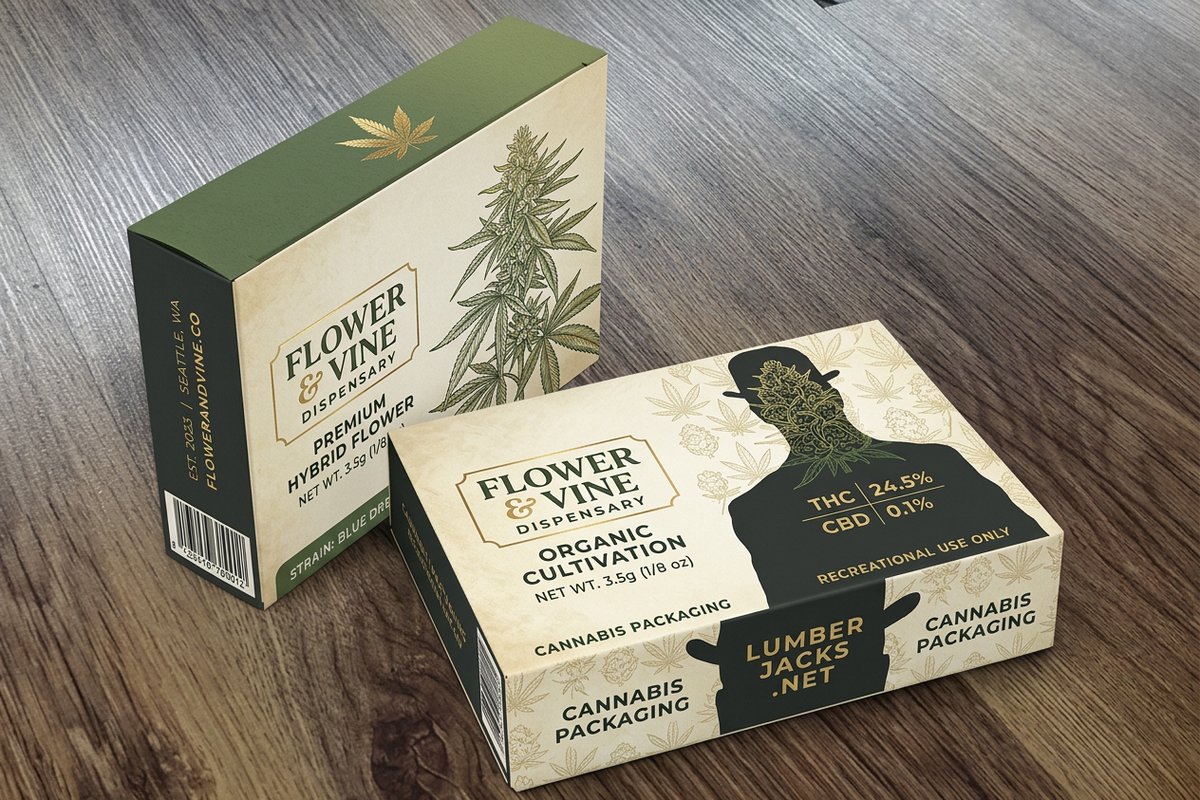
Order the pieces that carry the most risk first. For a regulated product, that is the primary carton, so Cannabis Packaging samples are worth pulling early. For a direct to consumer brand, the outer shipper and the seal usually matter more, which is where Printed Packaging Tape earns its place in the kit.
- The primary package. The carton, pouch, tin, or box that touches the product and carries the label copy.
- A blank structural version. Unprinted, same board, used to test fit and closure without waiting on artwork.
- Material swatches. Board grades and finishes side by side, so gloss, matte, and soft touch can be compared under real light.
- The shipper. The corrugated mailer or shipping box the primary package travels inside, with real void fill.
- Branded seal and closure. Printed tape, a sticker, or a belly band, since the seal is the first thing a customer touches.
- Inserts and printed extras. The thank you card, instruction sheet, or coupon that shares the same color system.
Keep one sealed control copy of every approved sample. When a reprint arrives twelve months later and something looks off, the control copy is the only honest way to settle whether the press drifted or your memory did.
Print picks
Three packaging pieces worth sampling first
Live prices, ready to configure at the quantity your sample round needs.
Cannabis Packaging From $711.78 Compliance-ready cartons and pouches you can proof before a regulated launch. 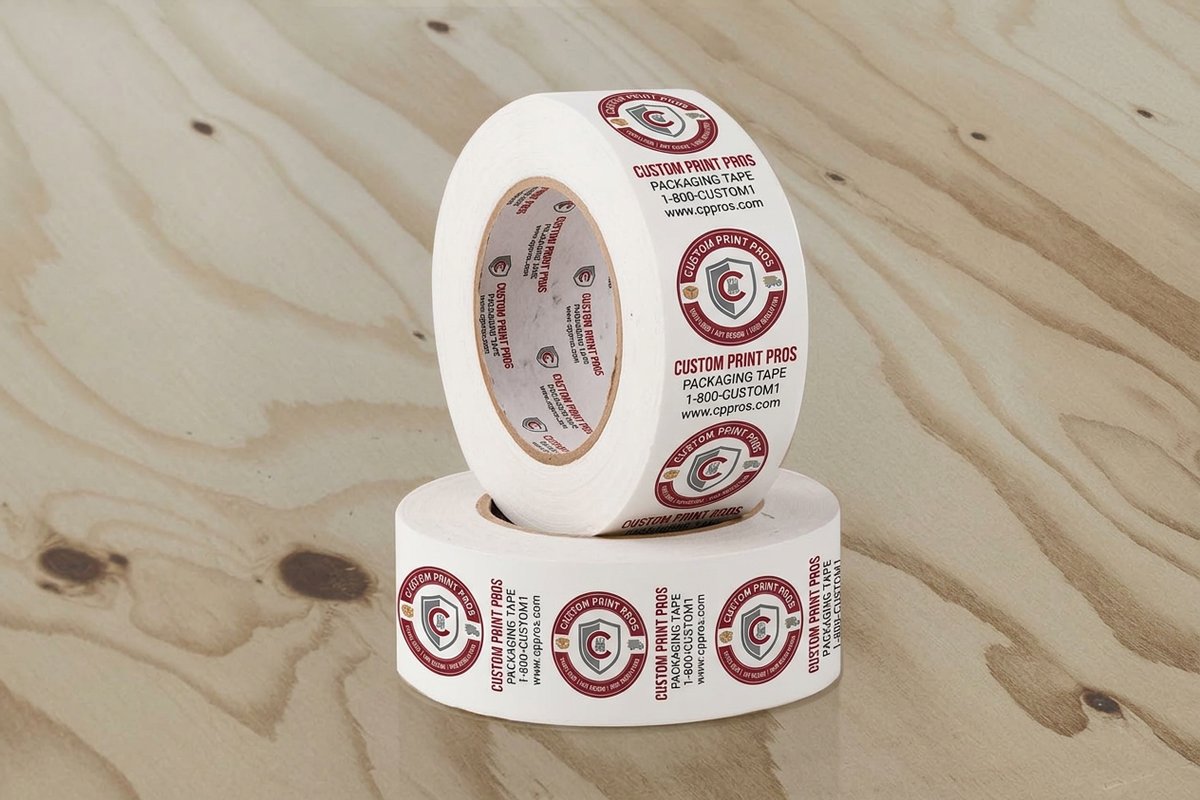 Printed Packaging Tape From $347.11 The cheapest way to put your brand on a plain box and test the look.
 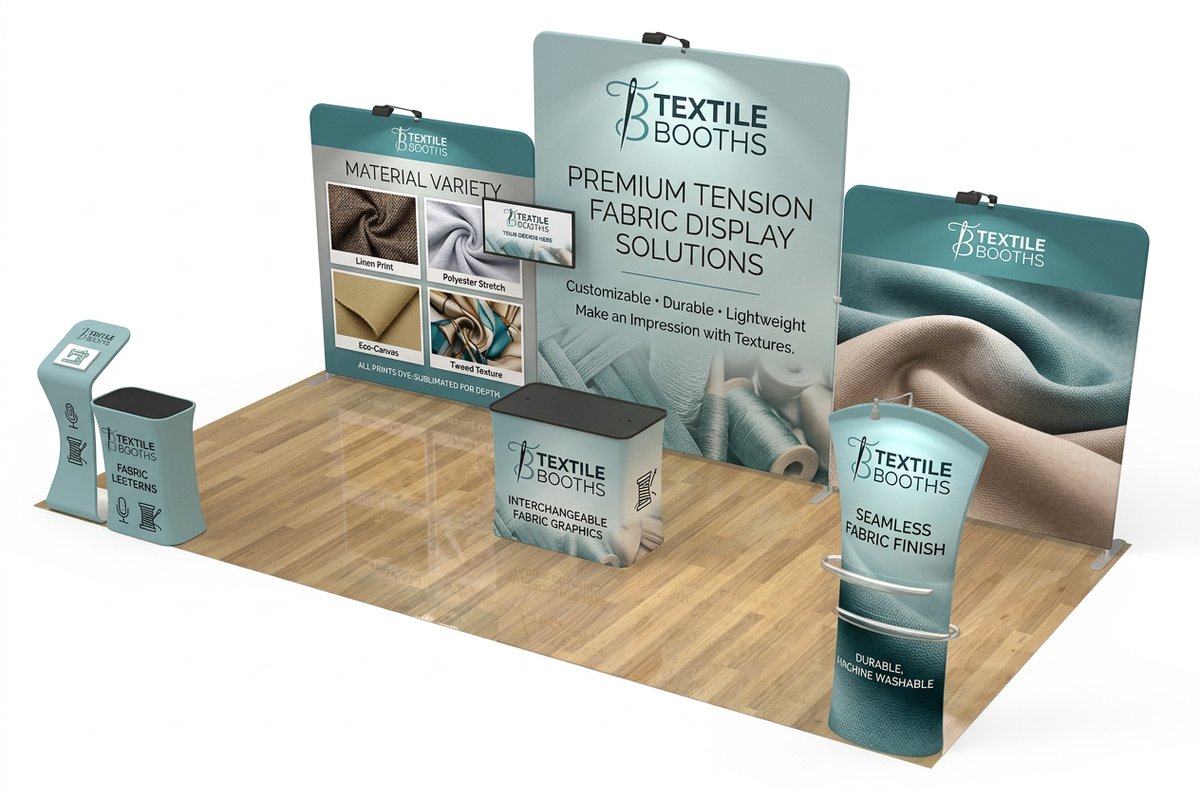 Fabric Booth Kits From $2599.00 Show your finished sample kit on a branded stand at retail and trade shows.
 Prototypes, Proofs, and Production Samples Are Not the Same Thing
These three words get used interchangeably, and that is how brands end up approving the wrong thing. Each one answers a different question, and the order matters. Approving a color proof before the structure is settled means paying twice for the same artwork.
- Prototype. A hand cut or digitally cut mock of the structure. Usually blank or roughly printed. It answers whether the shape and size work at all.
- Digital proof. A PDF or on screen render checked for copy, placement, bleed, and dieline alignment. Fast and free to revise, but never trustworthy for exact color.
- Printed proof. A press or high fidelity digital print on the real stock. This is the color, coating, and finish approval that production is measured against.
- Production sample. A short run pulled through the same process as the bulk job, including folding and gluing. Closest to what your customer receives.
The practical rule is simple. Never approve color from a screen, and never approve structure from a flat print. Screens emit light and print reflects it, so a rich screen navy can land closer to slate on uncoated board. Look at every printed sample under the light where the product will actually be sold.
If your product is regulated, add one more check. Confirm that the warning panel, net weight, and any required symbols survive at final trim size, on the final stock, with the final coating over them. Legibility that works in a design file can quietly fail on textured kraft.
Custom Mailer and Shipping Box Samples
A custom mailer and shipping box sample is the outer layer of your packaging, printed and cut in a small quantity so you can pack it, seal it, and put it through real transit. It is the sample most likely to change your mind about a design, because shipping is where good ideas meet reality.
Corrugated behaves differently from folding carton board. Flute direction affects stacking strength, printing across flutes can show a subtle washboard texture, and heavy ink coverage on kraft never looks like it does on white. A sample tells you all three in one afternoon.
- Pack it the way a real order goes out. Same product, same void fill, same tape. A half packed sample teaches you nothing.
- Ship it to yourself, then to a friend in another state. Two trips reveal edge crush, corner scuffing, and print rub.
- Weigh and measure the sealed box. Dimensional weight decides your shipping cost, and shaving a half inch off a common size compounds across every order.
- Open it like a customer. Time how long it takes, note where hands go first, and see whether the branded seal reads before the box is even lifted.
- Check the seal in the cold. Tape adhesion drops on cold corrugated, so test in the season your product actually ships.
Branded tape is the cheapest upgrade in this whole category. A plain kraft shipper sealed with printed tape reads as intentional packaging from across a hallway, and it costs a fraction of a fully printed corrugated box. For many small brands, that is the first sample worth ordering.
What Sample Packaging Costs and How Printers Set the Price
Sample packaging costs more per unit than bulk, and that surprises people until they see where the money goes. Setup does not scale down. Cutting a die, mounting it, mixing ink, and running the press up to color costs roughly the same whether the job is fifty pieces or fifty thousand.
That is why the price curve is steep at the start and flattens fast. Once setup is absorbed, each additional unit adds only material and press time. The configurator below shows the real numbers for a packaging run so you can see exactly where your quantity sits on that curve.
- Tooling and dies. A custom shape needs its own cutting die. A standard size reuses an existing one and removes that line entirely.
- Setup and makeready. Plates, wash up, and running to color. Fixed per job, which is exactly why small quantities feel expensive.
- Substrate. Board grade, caliper, and whether it is coated, uncoated, kraft, or a barrier film for flexible packaging.
- Finishing. Lamination, spot gloss, foil, embossing, window patching, and gluing each add a pass through another machine.
- Turnaround. Compressed schedules cost more because they displace other work already on the press.
The honest way to judge sample cost is against the alternative. A bulk run with the wrong dimensions or an unreadable barcode is a total loss plus a reprint plus the delay. Measured that way, a sample is not an expense, it is the cheapest insurance in the entire project.
Quantity and price
Packaging pricing and specifications
Real configurator numbers. Watch the per unit price fall as setup spreads across more pieces.
| Quantity | Price Per Unit | Total |
|---|---|---|
| 250 | $2.85 | $711.78 |
| 500 | $1.42 | $711.78 |
| 1,000 | 79.7¢ | $797.02 |
| 2,500 | 53.5¢ | $1,338.30 |
| 5,000 | 44.6¢ | $2,231.42 |
| 10,000 | 40.4¢ | $4,044.70 |
Flexible Packaging Sample Kits and Low Cost Branded Proofs
A flexible packaging sample kit covers pouches, films, and wraps rather than rigid boxes. It usually arrives as a set of film swatches plus a few made up pouches, and it answers questions rigid samples cannot. How opaque is the barrier, how does the seal hold, and does the finish scuff when bags rub together in a case.
Handle every flexible sample the way a customer will. Squeeze it, reopen the zipper a dozen times, leave one in a warm car for a day, and hold a printed swatch against a window to judge opacity. Metallized and matte films read completely differently under store lighting.
If a full flexible kit is more than your project needs right now, start with printed tape as a proof of the brand system itself. It tests your logo at small scale, your color on a real substrate, and the repeat of a pattern across a continuous roll, all for a fraction of a custom pouch order.
Low cost proof
Custom printed packaging tape
Test your logo, your color, and a pattern repeat on a real substrate before ordering printed boxes.
Sending Product Sample Packaging to Buyers and Retailers
Once your samples are approved, they stop being an internal tool and become a sales asset. Retail buyers, distributors, and investors all decide quickly, and a physical sample does more in ten seconds than a deck does in ten minutes. Package the samples themselves with the same care as the product.
Ship a buyer the complete story. The primary package filled with real product, the shipper it arrives in, and a short printed sheet with dimensions, case pack, barcode, and lead time. Anything a buyer has to email you for is friction between them and a purchase order.
At trade shows the same kit needs a stage. A clean branded backdrop keeps attention on the packaging in your hands instead of on the aisle behind you, which is why a fabric display frame is a standard part of a sampling program for growing brands.
Show the samples
Fabric booth kits
A clean branded backdrop so buyers look at the packaging in your hands, not the aisle behind you.
Choosing the Right Sample Packaging for Your Product
Choosing well comes down to matching the sample to the risk you are trying to retire. If the risk is fit, order blanks. If the risk is brand perception, order printed pieces on the final stock. If the risk is transit damage, order the shipper and abuse it. Very few projects need everything at once.
Weight, fragility, and shelf context drive the format. Heavy or breakable goods push you toward corrugated with an insert. Light, soft goods often ship better and cheaper in a mailer. Products sold on a shelf need a printed face that reads from several feet away, while ecommerce products are judged at arm’s length during unboxing.
Regulated categories add a layer that has nothing to do with taste. Child resistant closures, opacity requirements, mandated warning panels, and state specific label rules all constrain the structure before design begins. Confirm those rules first, then sample against them, because a beautiful package that fails compliance is scrap.
The comparison below lines up popular packaging formats by stock, finish, quantity, and turnaround so you can shortlist two or three to sample rather than guessing at one.
Compare formats
Popular packaging products, side by side
Stock, finish, size, quantity, turnaround, and price lined up so you can shortlist what to sample.
 Cd Covers | 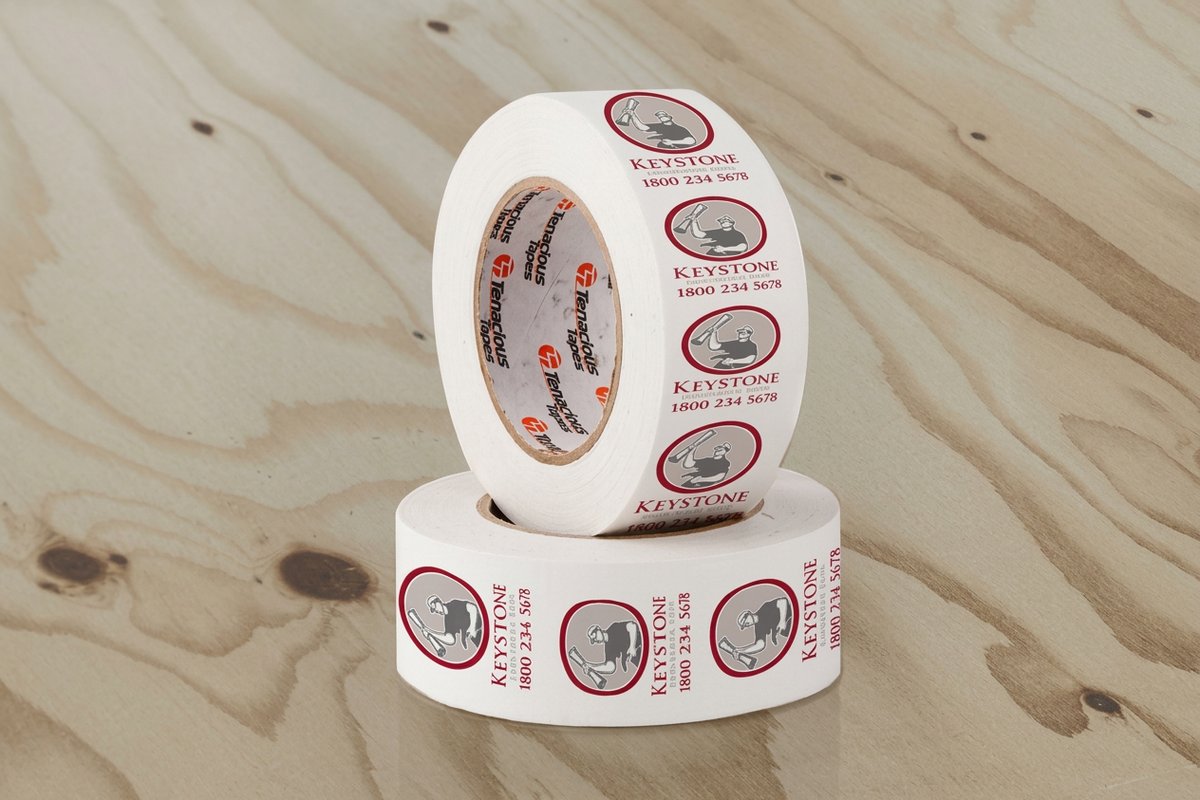 Packaging Tape | 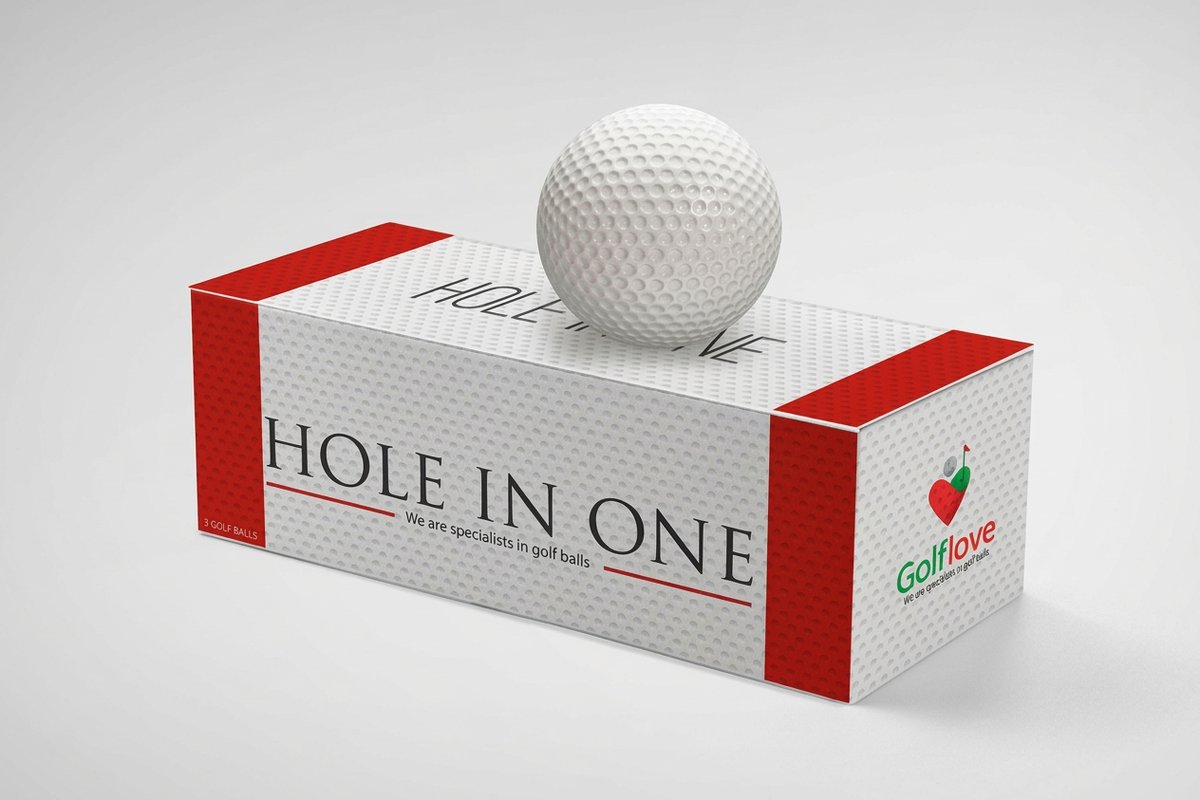 Golf Ball Boxes | 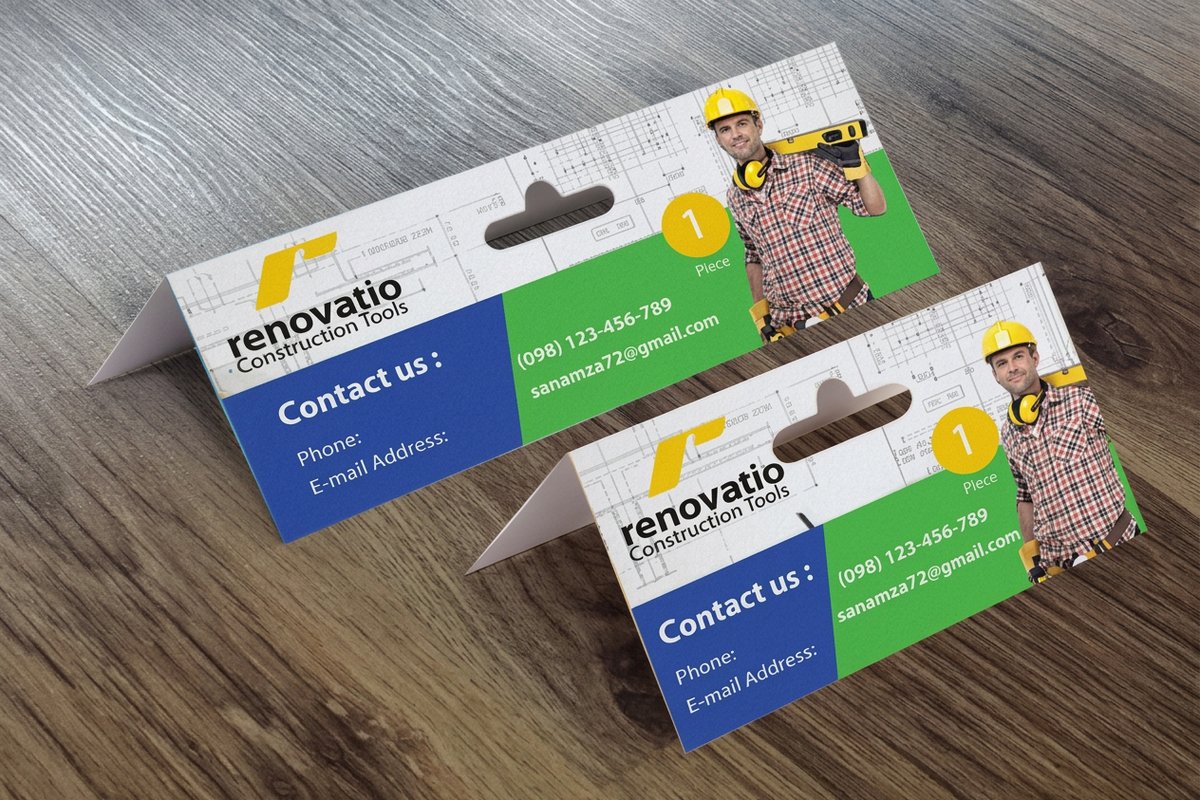 Header Cards | |
|---|---|---|---|---|
| Min price | $75.80 | $347.11 | $269.11 | $218.30 |
| Paper / stock | 100# Gloss Text | - | 14pt Uncoated Cover | 14pt Uncoated Cover |
| Finish | Standard Finish | - | Standard Finish | Standard Finish |
| Size | 4.75" x 4.75" Single Panel | 2" x 55 Yard Tape (36 rolls/case) | 1.7" x 1.7" x 5" | 3.5" x 4" scores to 3.5" x 2" |
| Default qty | 25 | 1 | 50 | 1,000 |
| Turnaround | 5 business days | 20 business days | 7 business days | 6 business days |
| Rating | ||||
| View & customize | View & customize | View & customize | View & customize |
Artwork, Dielines, and Getting the File Right the First Time
Most sample rounds get repeated for file reasons, not design reasons. Artwork built without the dieline underneath, images placed at screen resolution, or a barcode scaled down to fit a panel. Each one costs a full cycle of printing and shipping to discover.
Build on the supplied dieline as a locked layer, keep artwork at 300 dpi at final size, and extend bleed past every trim and fold edge. Keep critical copy well inside the safety margin, because folding cartons shift slightly during die cutting and a logo crowding the crease will look crooked on some pieces even when the file is perfect.
A short pre-sample checklist
- Dieline on its own layer, set to overprint, and removed or turned off in the final print file.
- Color built in CMYK with any spot colors named consistently across every panel and file.
- Barcode at full contrast, never smaller than the symbology allows, and never printed on a dark background.
- Fonts outlined or embedded, with linked images packaged rather than pasted in at low resolution.
- Panel copy proofread against the dieline, so back panel text does not end up on a side panel after folding.
Starting from a print ready layout removes most of this work. The template library and exact size blanks below give you correct trim, bleed, and fold marks from the first file, which usually turns two sample rounds into one.
Start fast
Packaging templates and print-ready blanks
Correct trim, bleed, and fold marks from the first file, so one sample round replaces two.
Wally explains the sample before bulk rule
Prove the structure, then the color, then the shipping trip
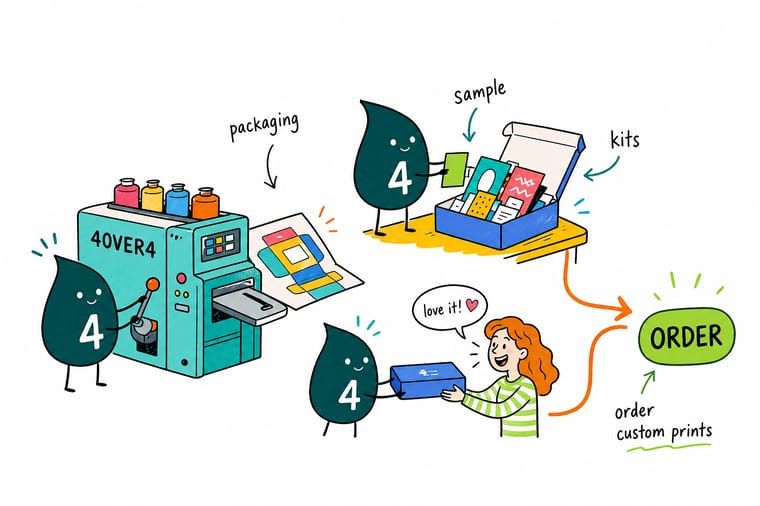
Treat a sample kit as four questions asked in order. Does the shape fit the filled product, does the color hold on the real stock, does the seal survive a carrier, and does the barcode still scan. Answer all four with a small run and the bulk order becomes a repeat of something you already approved. Skip them and the pallet becomes the experiment, which is an expensive place to learn.
Configure your packaging sample →What to settle before you order a bulk packaging run
Keep reading
Guides that pair with your sample round
Format choices, materials, and design direction to settle before the first sample prints.
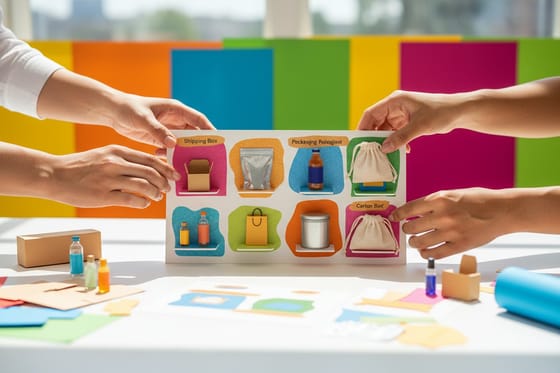 Guide 9 Types of Packaging The full breakdown of packaging formats and where each one fits.
  Guide Eco-Friendly Packaging Ideas Sustainable materials worth sampling before you scale.
 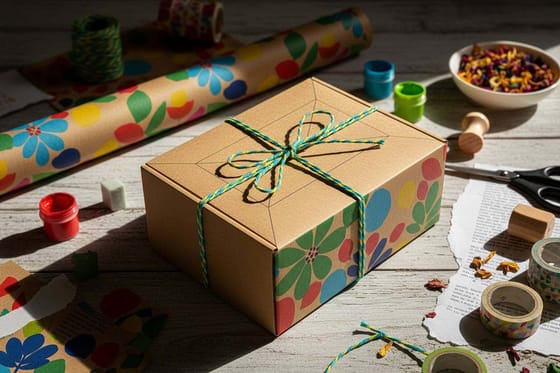 Guide DIY Kraft Packaging Box How kraft board prints and where it beats coated stock.
 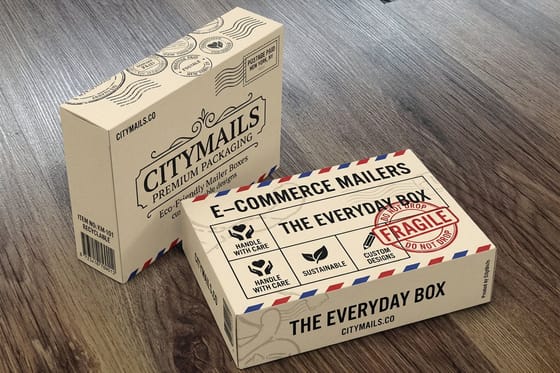 Guide Brand Packaging Examples Small business packaging that earns attention on a shelf.
 Explore more
More packaging printing across 4OVER4.COM
Related pages, one card each, so you can keep planning the whole packaging program.
Guide 9 Types of Packaging Every major packaging format explained in one guide. 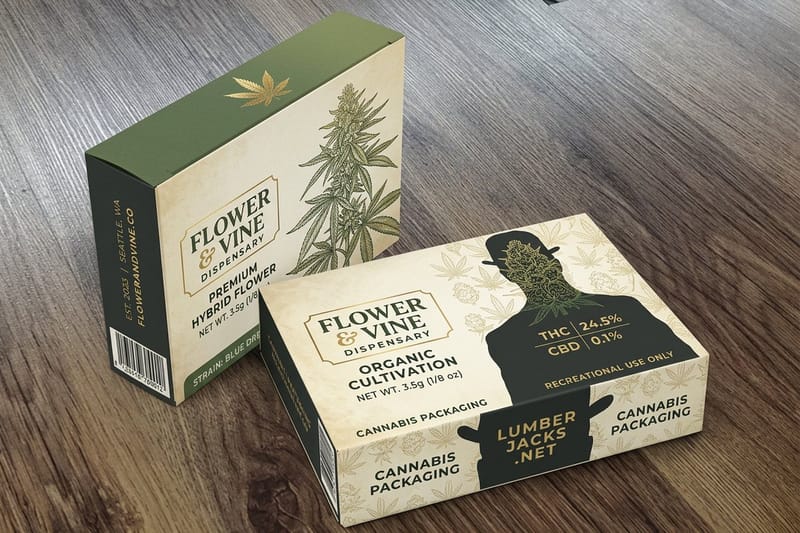 Product Cannabis Packaging Compliance-ready cartons and pouches from $711.78.
 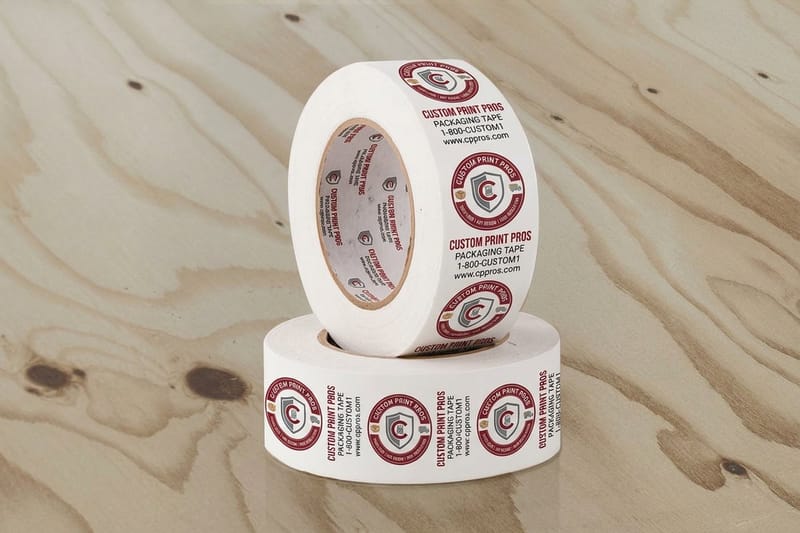 Product Printed Packaging Tape Brand a plain shipper for a fraction of a printed box.
 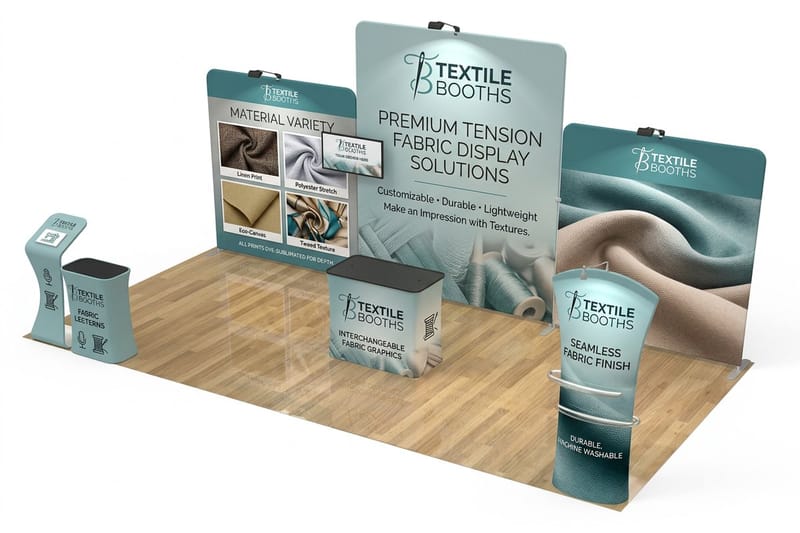 Product Fabric Booth Kits Show your sample kit on a branded trade show stand.
 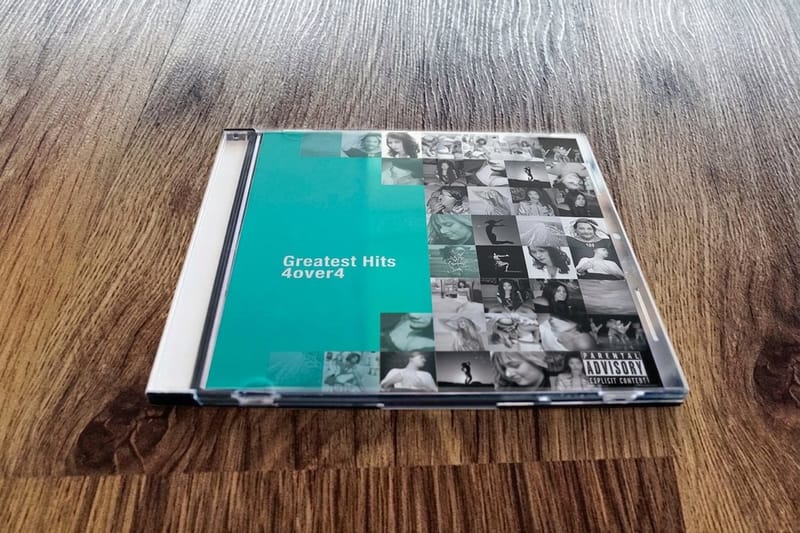 Collection Packaging Printing Boxes, pouches, tape, and inserts in one collection. Article Eco-Friendly Packaging Ideas Sustainable materials and how they print.
 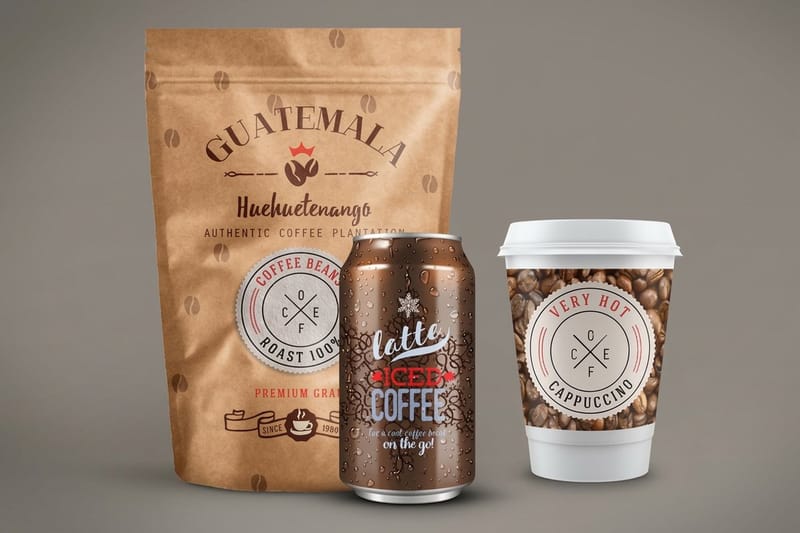 Article Packaging Design Trends Design directions worth testing in your next sample. Article Brand Packaging Examples Small business packaging that sells on a shelf. Article DIY Kraft Packaging Box How kraft board handles ink and coatings.
  Article Buckslips Printing The printed insert that rides along inside the box.
  Article Why Stickers Work Sticker seals and labels that finish a package.
  Article 3D Lenticular Printing A specialty finish to sample before you commit.
 Ready to prove your packaging before you print the pallet?
Pick the format, configure a small quantity, and hold the real thing in your hands. Approve it once, then scale the exact same file to full production.
Packaging sample questions, answered
What is sample packaging?
Sample packaging is a small paid run of your actual packaging, produced on the same board, dieline, and finishing path as a full order. It exists so you can hold the piece, load your product, and approve color and structure before committing to bulk quantities. It is different from a free swatch pack, which only shows materials. For a wider view of the formats you can sample, see our guide to the 9 types of packaging.
What is a custom mailer and shipping box sample?
It is a short run of the outer corrugated box or mailer that carries your product through the shipping network. You pack it with real product and void fill, seal it, and ship it to yourself so you can check edge crush, print rub on kraft, closure strength, and dimensional weight. It is the sample most likely to change a design, because transit is where theory meets a conveyor belt.
What is a flexible packaging sample kit?
A flexible packaging sample kit is a set of film swatches plus a few made up pouches or bags, rather than rigid boxes. It lets you judge barrier opacity, seal strength, zipper durability, and how metallized or matte films read under store lighting. Squeeze it, reopen it repeatedly, and leave one in heat for a day, since flexible packaging fails in ways rigid samples never reveal.
How do I choose the right sample packaging?
Match the sample to the risk you want to retire. If fit is uncertain, order unprinted blanks first. If brand perception is the question, print on the final stock and judge it in the light where it sells. If transit damage worries you, sample the shipper and abuse it. Weight, fragility, shelf context, and any compliance rules for your category narrow the format before design ever starts.
What does sample packaging cost and how are prices set?
Sample packaging costs more per unit than bulk because setup does not scale down. Dies, plates, makeready, and running to color are fixed per job, so a small quantity absorbs all of it. Price is driven by tooling, substrate, finishing passes such as lamination or foil, and turnaround. Cannabis Packaging starts at $711.78 and Printed Packaging Tape at $347.11, and the price per unit drops sharply as quantity grows.
