
Air Release Vinyl and Custom Vinyl Wraps, Explained


What Air Release Vinyl Actually Is

Air-release vinyl is printable adhesive film with a simple, clever feature built into the glue: a grid of tiny channels pressed into the adhesive layer. Those channels give trapped air a path to the edge as you squeegee the film down, so instead of forming a bubble, the air simply escapes. That is the whole trick behind a wrap that goes on clean the first time.
The face of the material is a standard printable vinyl that takes full-color graphics. The difference lives underneath, in how the adhesive meets the surface. Regular pressure-sensitive vinyl grabs the moment it touches, which locks in any air pocket you did not chase out. Air-release adhesive lets you position, press, and release the air in a controlled way, which is why it is the default choice for anything larger than a small sticker.
Here is the material at a glance, so you know exactly what you are ordering before you get anywhere near a squeegee:
- Face film. Printable adhesive vinyl in white, clear, perforated, or reflective, and every one of them takes full-color graphics on the printed side.
- Adhesive. Pressure-sensitive glue embossed with a repeating grid of air-release channels instead of one flat, continuous sheet of glue.
- Channel behavior. The grooves stay open under light pressure and collapse under a firm squeegee pass, so air vents to the nearest edge and the film still ends up bonded flat with no venting holes left behind.
- Size. Cut to the sheet or panel you configure, so a door logo, a window graphic, and a full wall panel all come off the same stock and match each other.
- Indoor and outdoor. The same film goes on interior walls, exterior glass, and vehicle panels; how long it holds up outside depends on which film you pick and how much sun, weather, and washing it takes.
- Removability. Repositionable while you are still squeegeeing, then permanent and gap-free once the channels close and the adhesive makes full contact.
- Starting price. Adhesive vinyl starts at $25, so a test piece costs less than a ruined install.
4OVER4.COM prints adhesive vinyl and decals on this kind of stock so a first-time installer gets a forgiving material, not a fight. If you are weighing cut lettering against a printed film, the cut vinyl graphics guide covers where each one wins.
Shop the range
Custom printing collection
Adhesive vinyl, decals, clings, and wraps printed on air-release stock for any surface.

How the Adhesive Air Channels Work
Picture the back of the film under a microscope. The adhesive is not a flat, continuous sheet of glue. It is embossed with a repeating pattern of narrow grooves that stay open until pressure closes them. When you lay the vinyl on a panel and run a squeegee across it, the air ahead of the blade is pushed into those grooves and travels out to the nearest edge instead of getting stamped into a dome.
As you apply firm, even pressure, the channels collapse and the adhesive makes full contact, so the film ends up bonded flat with no venting holes left behind. That is the payoff: you get the repositionable, air-clearing behavior during install, and a permanent, gap-free bond once the wrap is down. Here is the channel at work, step by step.
This is why professional installers reach for air-release stock on vehicles, walls, and floor graphics. A large panel has too much surface area to install perfectly by luck, and the channels turn a high-stakes job into a repeatable one. It is also why the same film covers a small decal and a full wall: the bigger the piece, the more the channels are doing for you.
Print picks
Three air-release stocks to start with
Live prices, printed on bubble-clearing adhesive and ready to customize.
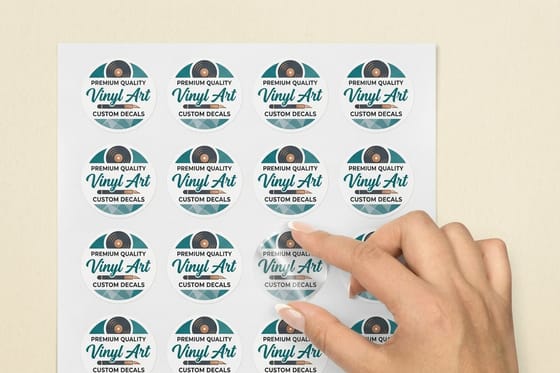
White Adhesive Vinyl From $25.00 The workhorse wrap stock. Full-color print on an air-release adhesive that lays down flat and bubble-free.  Custom Decals From $39.61 Cut to any shape for logos, lettering, and graphics on glass, walls, floors, and vehicles.
 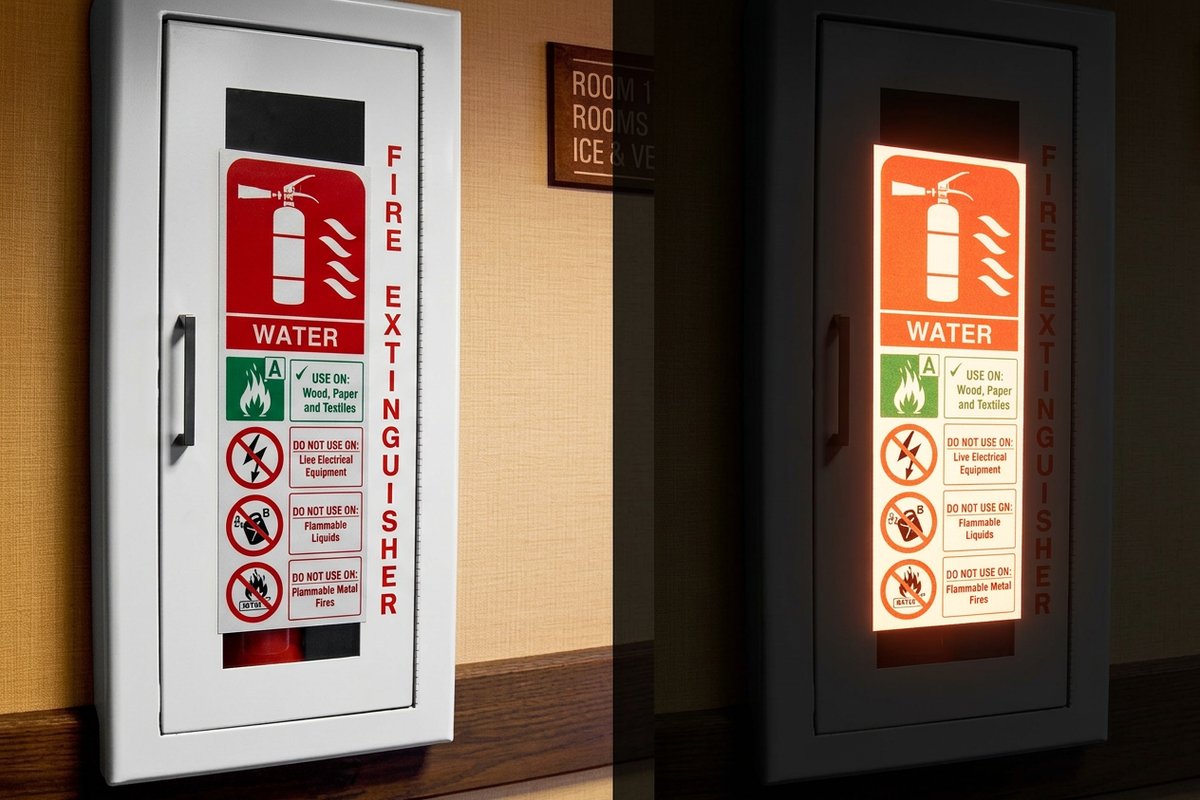 Reflective Adhesive Vinyl From $29.00 The same easy install with a reflective face that catches headlights for night-time visibility.
 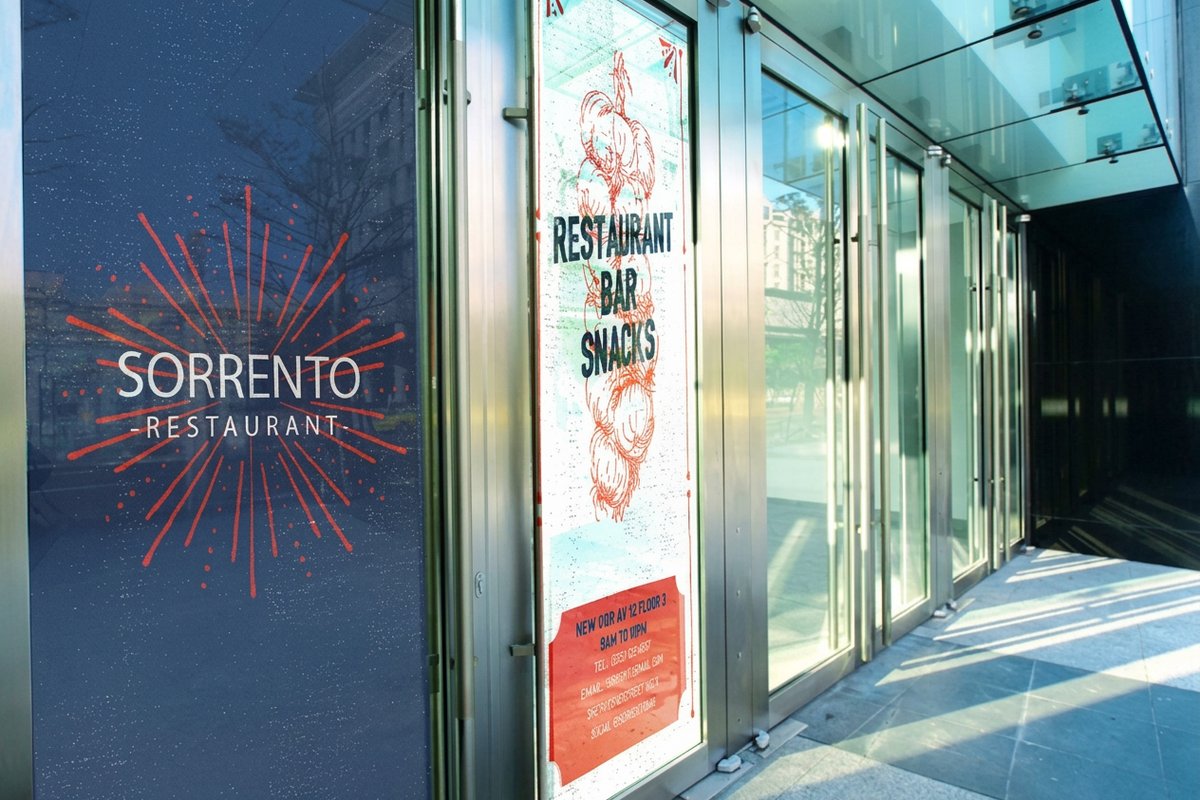 Clear Window Clings From $30.00 See-through storefront and glass graphics that peel clean.
 The Best Places to Use Custom Vinyl Wraps
Air-release vinyl earns its keep anywhere a graphic has to cover a big, visible surface and still look factory-clean. The three heavy-use categories are vehicles, walls, and windows, and each one asks slightly different things of the material.
- Vehicles. Partial and full wraps, door logos, fleet lettering, and boat and trailer graphics. The wrap has to flex over curves and rivets, so an air-release film that clears bubbles is close to mandatory.
- Walls. Feature walls, retail branding, murals, and office lobbies. Big flat spans show every trapped bubble, which is exactly what the channels prevent.
- Windows and glass. Storefront graphics, frosted-look privacy film, and promotions. Pair printed film with clear window clings or perforated vinyl when you need to see out from the inside.
- Floors and events. Directional graphics, logos, and trade-show branding that has to survive foot traffic and still peel clean afterward.
Reflective stock adds one more use case: safety and night visibility. A reflective wrap or decal reads in headlights, which matters for service vehicles, parking signage, and anything that lives outdoors after dark.
Not sure a full wrap is the right move? Sometimes a set of cut decals carries the brand for a fraction of the coverage and cost, and the cut vinyl graphics guide walks that call.
Quantity and price
Adhesive vinyl pricing and specs
Real configurator numbers. The more square footage you order, the lower the per-piece cost.
| Quantity | Price Per Unit | Total |
|---|---|---|
| 1 | $25.00 | $25.00 |
Install Tips That Keep the Finish Clean
Air-release adhesive does a lot of the work, but a clean install still comes down to prep and patience. The channels forgive small mistakes, not a dirty surface or a rushed pass. A few habits separate a wrap that lasts years from one that lifts at the corners in a month.
- Clean and de-grease first. Wipe the surface with isopropyl alcohol and let it dry fully. Any dust or wax under the film becomes a bump you cannot squeegee out.
- Hinge the piece before you commit. Tape the graphic in position, peel the liner back from one half, and squeegee out from that hinge so the film cannot drift while the channels vent.
- Work in overlapping strokes. Start in the center and push air toward the nearest edge with firm, overlapping squeegee passes so the channels have somewhere to vent.
- Use heat on curves. A little warmth from a heat gun makes the film relax and conform around mirrors, bumpers, and rivets without stretching thin.
- Post-heat the edges. Set the adhesive along every edge and recess with a final heat pass so the wrap remembers the shape and resists lifting.
Is air release vinyl repositionable? During the install, yes. The channels keep the adhesive from grabbing everything at once, so you can lift a corner, reset the panel, and lay it back down while the grooves are still open. Once you have made your firm squeegee passes and the channels have collapsed, the bond is permanent and gap-free, and that is the point where you stop adjusting and start post-heating.
How long does air release vinyl last outdoors? Longer than most people expect, and it depends on the film and the exposure rather than on the air channels. A wall graphic indoors is barely stressed. A vehicle panel in full sun, washed every week, works harder, and reflective film that has to stay visible after dark is judged on how bright it still reads. Prep and post-heat decide most of it: a wrap installed on a clean, de-greased surface with heat-set edges holds for years, while one laid over dust or wax lifts at the corners in a month.
For a full walkthrough of prepping and squeegeeing large panels, the vinyl installation walkthrough covers the technique in detail, and a small test piece from a $25 sheet is the cheapest way to practice before the real thing.
Choosing the Right Vinyl at 4OVER4.COM
The right stock depends on where the graphic lives and what it has to do. White adhesive vinyl is the everyday full-color wrap. Clear and translucent films let the surface behind them show through for glass and lightbox work. Reflective vinyl adds night visibility. Cut decals handle logos and lettering without a full-coverage panel.
A quick way to decide: match the material to the surface and the lighting. Opaque white for painted panels and walls, clear for glass you want to see through, perforated for windows you need to see out of, and reflective for anything that has to be seen after dark. When a job mixes surfaces, order a small piece of each and test before committing to a full run.
Because adhesive vinyl starts at $25, testing costs almost nothing. Configure a sheet, upload artwork, and 4OVER4.COM prints it on air-release stock so the install behaves the way this guide describes. Browse the full range in the custom printing collection.
Night visibility
Reflective adhesive vinyl
The same easy air-release install with a reflective face that reads in headlights.
From Wrap to Order
Air-release vinyl takes the scariest part of a wrap, the bubbles, off the table. The channels in the adhesive vent trapped air as you install, so a clean finish comes down to good prep and steady pressure instead of luck. That is what turns a DIY wrap from a gamble into a weekend project.
Start small and specific. A door logo, a window graphic, or a run of decals proves the material and your technique before you commit to a full vehicle. Once the first piece goes on clean, scaling up is just more of the same surface. Prep your file, pick the stock that matches the surface, and let 4OVER4.COM print it on the right material.
When you are ready, the online design templates studio lays your artwork inside the cut and bleed lines, and same-day options keep a rush job moving. Keep learning across the printing articles library.
Start small
Custom decals
Prove the material and your technique on a cut logo before you commit to a full wrap.
Wally lays a wrap down bubble-free
The channels in the adhesive do the hard part
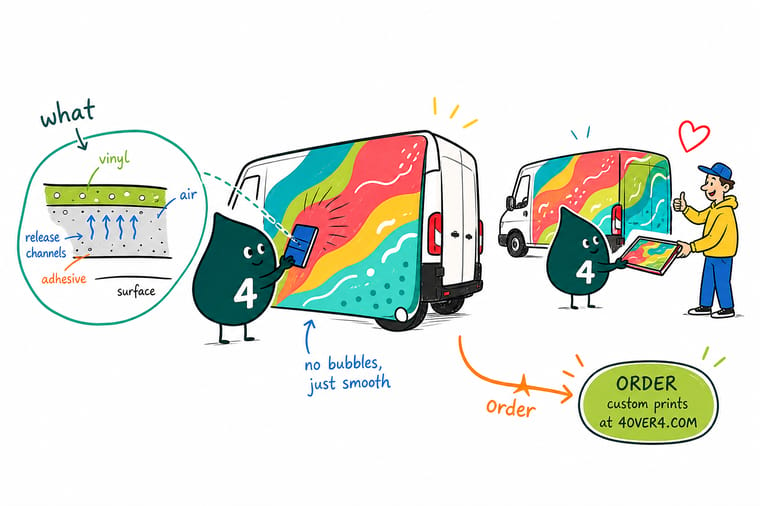
Air-release vinyl has tiny channels pressed into its glue, so as you squeegee, trapped air escapes to the edge instead of doming into a bubble. Clean the surface, work from the center out, and post-heat the edges. 4OVER4.COM prints adhesive vinyl, decals, and clings on this forgiving stock, so a first wrap goes on clean and stays down.
Order custom air-release vinyl →Why air release vinyl saves you the reapply
Explore more
More ways to wrap, cut, and stick
Related pages across 4OVER4.COM, one card each, so you can keep exploring vinyl, decals, and wraps.
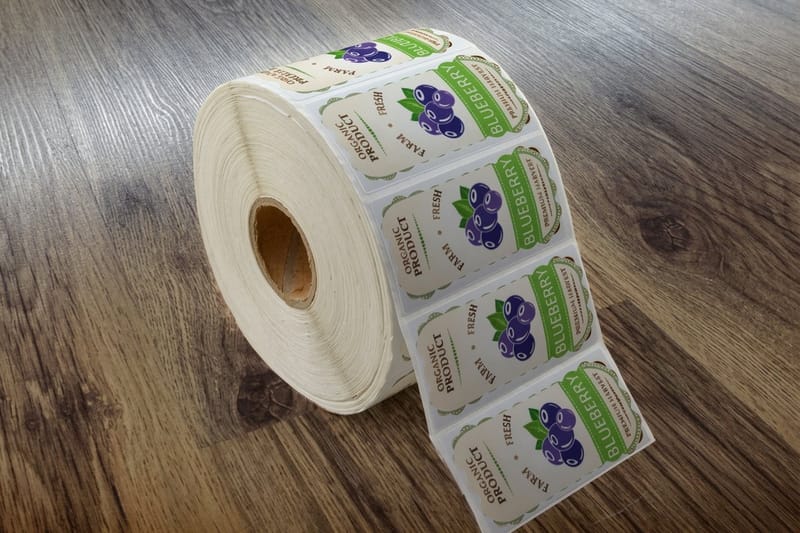 Collection Custom Printing Adhesive vinyl, decals, and wraps for any surface.
  Product White Adhesive Vinyl The full-color, air-release wrap workhorse.
  Product Custom Decals Cut to any shape for logos and lettering.
 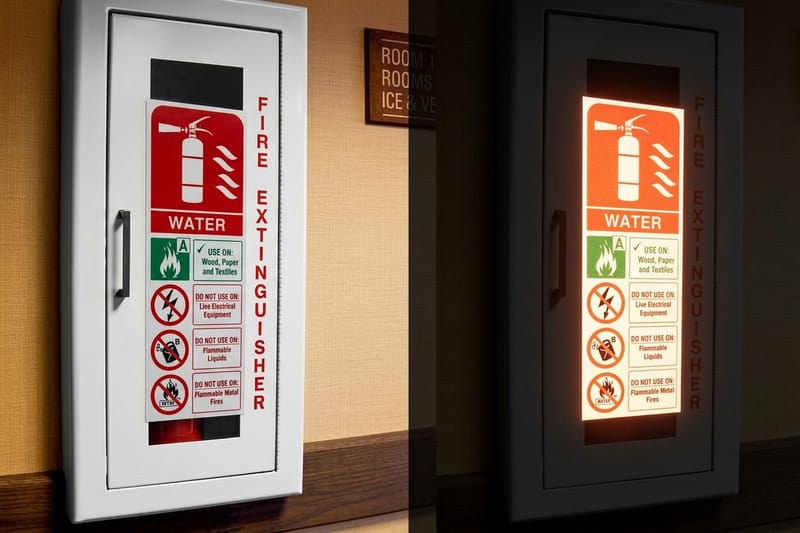 Product Reflective Vinyl Night-visible graphics for vehicles and signage.
 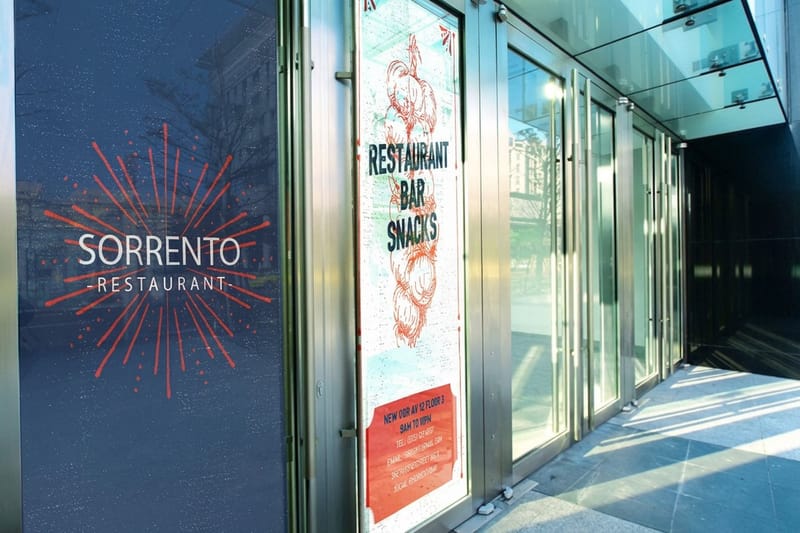 Product Clear Window Clings See-through storefront and glass graphics.
  Article Cut Vinyl Graphics When cut lettering beats a printed wrap.
 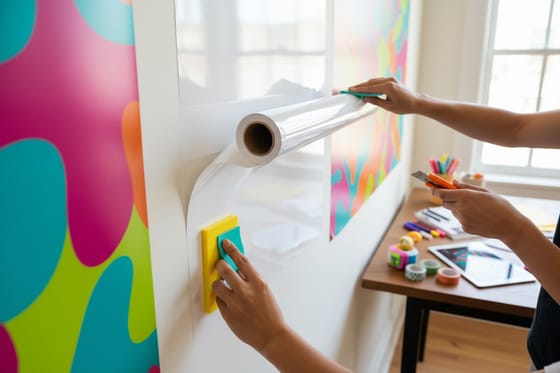 Article Installing Vinyl Wraps Prep and squeegee technique for a clean install.
  Service Online Design Templates Lay artwork inside the cut and bleed lines.
  Benefit Same Day Printing Order today, ship today when a job cannot wait.
 Ready to wrap something without the bubbles?
Pick the stock that matches your surface and 4OVER4.COM prints it on air-release adhesive so it lays down flat. Start with a small piece, then scale up.
Sorting out the vinyl wrap basics
What is air release vinyl?
Air-release vinyl is printable adhesive film with tiny channels embossed into its glue layer. As you squeegee the film onto a surface, trapped air travels through those channels to the nearest edge and escapes, so the wrap goes down flat instead of forming bubbles. The face is a standard full-color printable vinyl. The air-release feature lives in the adhesive, which is why it is the default stock for anything larger than a small sticker, from vehicle wraps to wall and floor graphics.
How do the adhesive air channels work?
The back of the film is embossed with a repeating grid of narrow grooves that stay open until you press them closed. When you lay the vinyl down and run a squeegee across it, the air ahead of the blade is pushed into the grooves and out to the edge rather than getting stamped into a dome. Firm, even pressure then collapses the channels so the adhesive makes full contact and bonds flat. You get repositionable, air-clearing behavior during the install and a permanent, gap-free bond once it is down.
Where should I use custom vinyl wraps?
Air-release vinyl works best on large, visible surfaces that need to look clean: vehicle wraps and fleet lettering, retail and office feature walls, storefront and glass graphics, and floor or event branding. Match the stock to the surface, opaque white adhesive vinyl for painted panels and walls, clear or perforated film for glass you want to see out of, and reflective vinyl for anything that needs to be seen after dark. For logos and lettering that do not need full coverage, cut decals carry the brand for less.
How do I choose the right air release vinyl?
Match the material to the surface and the lighting. Use white adhesive vinyl for painted panels, walls, and full-color wraps. Use clear or translucent film when you want the surface behind it to show through, such as glass or a lightbox. Use perforated window vinyl when you need to see out from the inside. Use reflective vinyl for night visibility on vehicles and safety signage, and cut decals for logos and lettering. When a job mixes surfaces, order a small test piece of each stock before committing to a full run.
What does air release vinyl cost and how are prices set?
At 4OVER4.COM, adhesive vinyl starts at $25, reflective adhesive vinyl at $29, and custom decals at $39.61. Price depends on the material, the printed size, and the quantity, and ordering more square footage brings the per-piece cost down. Because a small sheet is inexpensive, testing a stock and practicing your install technique costs almost nothing before you scale up to a full wrap. Check the exact configurator numbers on each product page for your size and quantity.
