




Your Complete Paper Stock Guide for Every Print Project
Printing paper types determine how your finished product looks, feels, and performs. The right stock turns a basic flyer into something people actually keep. The wrong one gets tossed before anyone reads it. 4OVER4 offers 60+ paper types across its catalog, giving you options from lightweight text stocks to rigid cardstock and specialty substrates.
"I ordered invitations on three different paper stocks before committing to a bulk run. The uncoated felt stock had this beautiful texture that made our wedding invitations feel handmade. Worth every sample."
- Rachel K. ★★★★★
Here's the thing most people get wrong about print material options - they pick paper based on price alone. A glossy coated stock works great for photo-heavy postcards but feels slippery and cheap for a law firm's business card. An uncoated stock absorbs ink differently, giving text a softer look that reads well on letterheads and Free Invitations. Cardstock types range from standard 14pt (about the thickness of a cereal box panel) to 32pt ultra-thick options that feel like a mini billboard in your hand.
Understanding these differences saves you money and gets better results. Coated papers come in gloss, matte, and satin finishes. Uncoated papers include smooth, linen, and felt textures. Then there are specialty stocks - kraft, pearl metallic, translucent, and synthetic options for outdoor use. Each one changes how colors reproduce, how ink dries, and how the piece holds up over time.
You don't need to guess. 4OVER4's Loyalty Program lets you earn rewards while testing different stocks. And if you're starting from scratch, browse the Design Templates library to see how your artwork pairs with different paper choices.
Below you'll find current pricing and full specifications to help you compare options side by side.
Browse by Material and Finish
Choosing the right printing paper types gets easier when you can filter by material category. 4OVER4 groups its 60+ paper types into collections so you can compare similar stocks without scrolling through everything. Each collection page shows available products, finishes, and thickness options specific to that material.
For eye-catching invitations and premium business cards, Metallic Printing adds a reflective shimmer that photographs beautifully. Want something subtler? Metallic Pearl Printing delivers a soft iridescent glow without overwhelming your design. Soft goods like banners and backdrops live in the Fabric Printing collection.
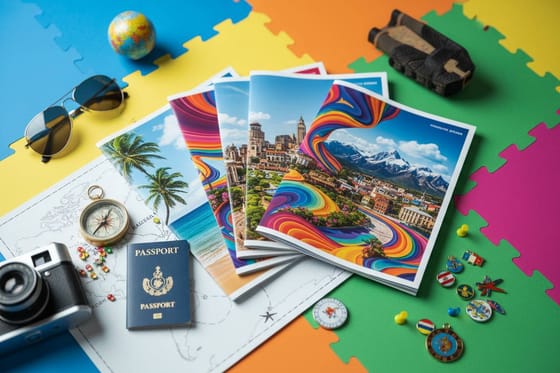
Need inspiration before you pick a stock? Read the Travel Brochure Printing Inspiration piece for real examples of paper choice in action. And for broader tips on print material options, the full Printing Articles library covers everything from paper weight to color accuracy.
How Paper Stock Shapes Your Print Results
Paper stock isn't just a checkbox on an order form. It's the single biggest factor in how people perceive your printed piece. A restaurant menu on thick uncoated stock feels established. The same menu on thin glossy paper feels like a takeout flyer. Printing paper types carry meaning before anyone reads a word.
"We switched our real estate listing sheets from 80lb gloss to 100lb matte and got compliments from clients the same week. People noticed the paper before they noticed the property photos."
- David L. ★★★★★
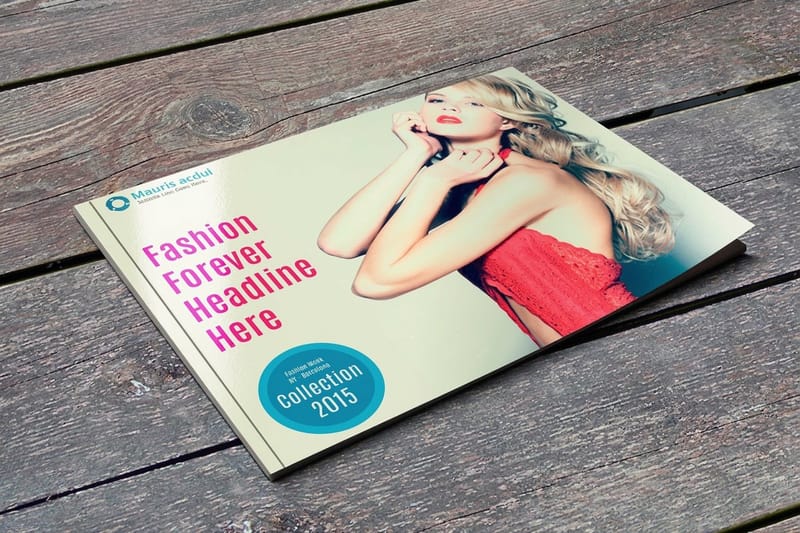
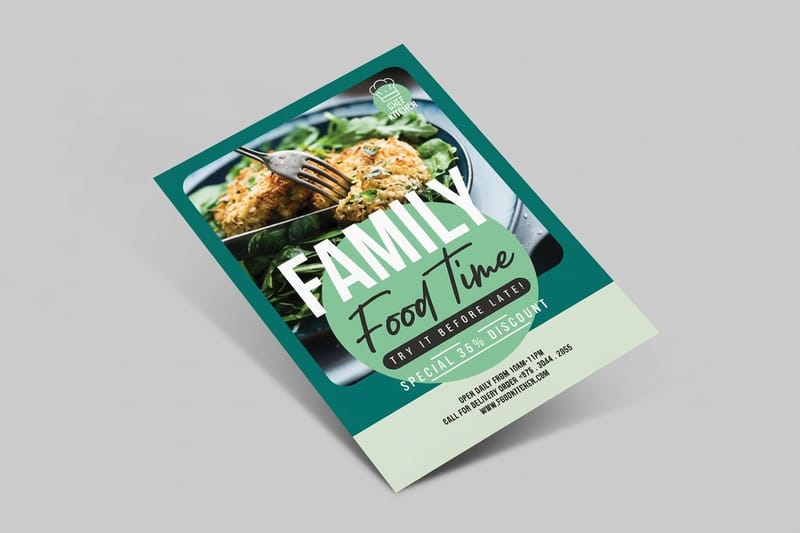
Here's a quick breakdown of the main cardstock types and where they perform best. Coated gloss stocks make colors pop - ideal for photo-heavy pieces like postcards, lookbooks, and product catalogs. Coated matte stocks reduce glare and feel smoother in hand, which works well for menus, presentations, and anything people read under direct light. Uncoated stocks absorb ink for a natural, organic look that's perfect for letterheads, envelopes, and artisan branding.
Then there are the specialty options. Kraft stock gives a rustic, eco-conscious vibe. Pearl metallic adds shimmer without being flashy. Synthetic stocks resist water and tearing, making them ideal for outdoor menus, maps, and event signage that might get rained on.
Weight matters too. Text-weight papers (70-100lb) fold easily for brochures and booklets. Cover-weight stocks (14pt-32pt) stand upright and resist bending - think business cards, hang tags, and table tents. If you're unsure which direction to go, 4OVER4's Design Templates show how different layouts work on various stocks.
For projects that involve vinyl elements or mixed-media finishes, the How To Apply Vinyl Stickers guide covers application techniques. And before you send files to print, the Online Proofing Software Guide walks through tools that catch color and layout issues early.
Why 4OVER4 for Your Paper and Print Needs
4OVER4 has been printing since 1999 - that's 25+ years of handling every printing paper type on the market. With 150,000+ businesses served, the operation runs on experience, not guesswork. Every order includes a free digital proof so you can see exactly how your design sits on your chosen stock before anything hits the press.
"I've tried four online printers over the past two years. 4OVER4 is the only one where the paper stock actually matched what I expected from the website description. The 16pt matte postcards were sturdy and the colors were spot-on."
- Monica T. ★★★★★
4OVER4 backs every order with five guarantees: Quality, Price Match, On-Time Delivery, Customer Service, and Ultimate Satisfaction. If the paper doesn't match what you ordered, 4OVER4 reprints it. No runaround.
The Price Match guarantee means you won't overpay for print material options. Find a lower price on an identical product from another printer, and 4OVER4 matches it. That's a straightforward promise with no hidden conditions.
Real Feedback on Paper Quality and Print Results
Don't take our word for it. 4OVER4 has earned 10,000+ reviews with a 4.8 out of 5 star average across its product catalog. Customers consistently highlight paper quality, color accuracy, and packaging as standout details. When it comes to printing paper types, the proof is in the unboxing.
Here's what recent customers had to say about their paper stock choices and finished prints.
Custom Tissue Paper Pricing
| Quantity | Price Per Unit |
|---|---|
| 100 | $1.26 |
| 300 | $1.08 |
| 600 | $0.96 |
| 800 | $0.91 |
| 2,000 | $0.80 |
Printed SIde
Ink Color 1
Ink Color 2
Folding
Proof Options
"Ordered paper types from 4OVER4 and the quality blew me away. Sharp colors, premium feel, arrived 2 days early."
"Been using 4OVER4 for paper types for a year. Consistent quality every time. The online designer made it easy."
"Switched to 4OVER4 and saved 40% on paper types. Better quality than my old printer. 60+ paper options."
"4OVER4's paper types helped us look more professional. Clients notice the difference."
Common Questions About Paper Stocks and Print Materials
What's the difference between coated and uncoated printing paper types?
Coated paper has a surface layer (gloss, matte, or satin) that prevents ink from absorbing into the fibers. Colors look sharper and more saturated. Uncoated paper lets ink soak in, producing a softer, more natural look. Use coated for photo-heavy pieces and uncoated for text-heavy documents like letterheads and stationery.
What does "14pt" or "32pt" mean in a paper stock guide?
Point size measures paper thickness. 14pt is roughly the thickness of a standard greeting card - sturdy enough for business cards and postcards. 32pt is about three times thicker, closer to a thin piece of chipboard. Thicker stocks feel more premium and hold up better in wallets and displays.
Which cardstock types work best for business cards?
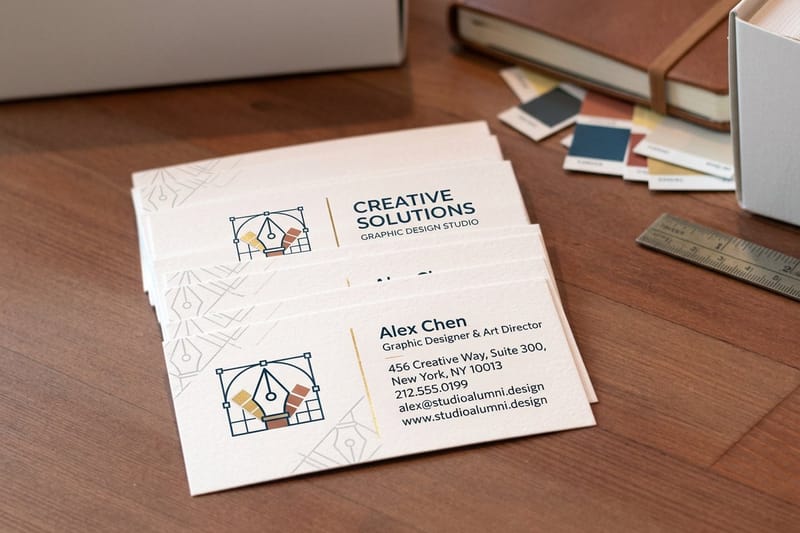
Most professionals choose between 14pt and 16pt coated or uncoated cardstock for standard business cards. If you want a luxury feel, 32pt Ultra Thick stock makes an immediate impression. 4OVER4 offers 60+ paper types so you can match your card stock to your brand personality - from smooth gloss to textured linen.
Can I print on specialty materials like metal or fabric?
Yes. 4OVER4's print material options go well beyond traditional paper. You can print on aluminum, canvas, fabric, dry erase surfaces, and Coroplast (corrugated plastic). Each substrate serves a different purpose - aluminum for modern wall art, fabric for trade show displays, and Coroplast for outdoor signage.
How do I choose between matte and gloss finishes?
Gloss finishes reflect light and make colors appear more vivid. They're great for product photos, postcards, and marketing flyers. Matte finishes reduce glare and feel smoother, which makes them easier to read under bright lighting. Matte also takes handwriting better if you need to personalize pieces with a pen.
Does paper weight affect printing cost?
Heavier and thicker stocks generally cost more because they use more raw material and require adjusted press settings. However, the price difference between a 14pt and 16pt stock is usually small per unit. The bigger cost jump happens when you move to specialty stocks like metallic pearl or synthetic waterproof paper.