
How Embossing Raises Artwork and What It Needs From Your File


Embossing is the one finish that changes the paper instead of what sits on it. Here is how the die pair works, what your artwork has to give it, and which stock weights hold the shape.
Embossing squeezes your sheet between a matched pair of metal dies so the artwork rises out of the paper itself, with no ink and no foil unless you add them. The pressure passes through the sheet, so every raised shape leaves a mirrored recess on the back, and that single fact drives the rules for artwork, for stock weight and for what you can print on the reverse. The die is cut from vector paths in one flat color, and it is a one-time charge that reorders reuse.
Quick answer
Two dies, one sheet, and a dent you have to plan around
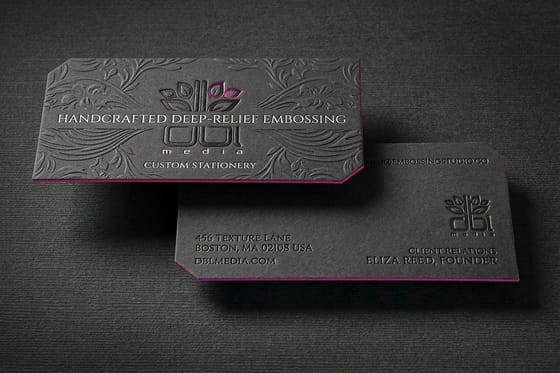
Embossing forms the paper, so nothing is added and nothing can be added back. A male die carries the artwork in relief, a female counter carries the cavity, and the press pushes your sheet into the shape between them. Debossing is the same tooling used the other way, pressing the artwork down instead of up. Because the impression goes clean through the sheet, an embossed panel on the front is a recess on the back, and that is what decides where the raised element can sit on a double-sided card.
How a Die Pair Raises the Paper Itself
An embossing die is a pair, not a single tool. The male half carries the artwork cut in relief, usually in brass for long runs or magnesium for shorter ones. The female half, the counter, carries the same shape as a cavity. The sheet goes between them and the press closes, often with heat, and the paper stretches into the cavity and stays there.
Because the shape is cut into metal, the edge of every raised element gets a bevel. A steep bevel gives a hard, crisp shoulder and works on simple bold shapes. A shallow bevel gives a rounded rise that suits scripts and seals. A multi-level die steps the artwork at two or three depths, which is how a crest or a rosette reads as sculpted rather than as a single flat plateau. Each extra level is more die-cutting time, so it shows up in the die charge rather than in the per-piece price.
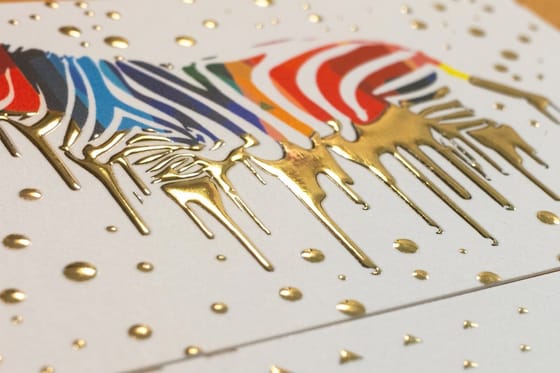
Three variants cover almost everything people order. A blind emboss is paper only, no ink, no foil, and it reads as light and shadow. A registered emboss lifts a shape that is also printed, so the ink and the raised edge have to line up within a hair. A combination die foils and embosses in one pass. If you are still deciding between the raised-paper look and a raised-ink look, our guide to embossing and stamping puts the two families side by side.
What the Diemaker Actually Needs From Your File
A die is cut by following a path, so the artwork has to be a path. Vector only: AI, EPS or a press-ready PDF with fonts outlined. A 300 dpi JPEG of the same logo is useless here, because there is no edge to follow, only a soft ramp of pixels that a machinist would have to guess at.
Flatten the design intent before you send it. The die knows one thing per level, so gradients, drop shadows, transparency effects, and any tonal fill have to become solid shapes or be dropped. Put the emboss artwork on its own layer, name it, and fill it 100 percent of a spot color that appears nowhere else in the file. If the same shape also prints, keep the printing art and the die art as separate layers in exact register rather than as one merged object.
Details that decide whether a die forms cleanly:
- Stroke weight. Hairlines and fine serifs below about half a point have too little surface to hold a shoulder and will look ragged or disappear.
- Spacing. Leave clear room between raised elements. Two heavy shapes very close together share one distorted area of paper instead of forming two.
- Distance from the trim. Keep the emboss back from the cut edge, roughly an eighth of an inch on a card, so the bevel is not sitting on the trim line.
- Text size. Small type embosses poorly. Raise the mark and the name, print the address block flat.
Everything else is ordinary print file prep. If you want the vector-versus-raster question settled properly, read choosing the right file type for printing, and start your layout at the correct trim size from the blank template library.
Stock: What Holds an Impression and What Springs Back
Paper has to stretch and stay stretched. That is a fiber question before it is a thickness question, which is why a soft uncoated cover often embosses better than a heavier coated sheet.
| Stock | How it forms | What to watch | Best use |
|---|---|---|---|
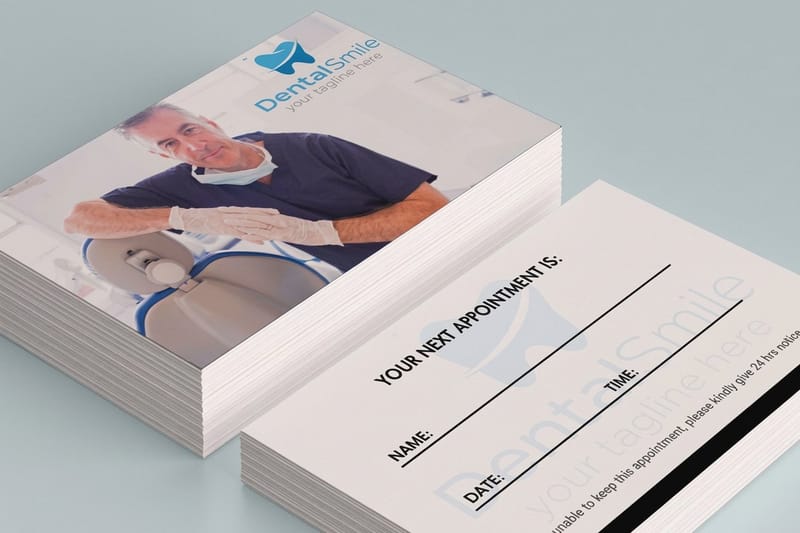
| 14pt uncoated cover | Forms easily, holds a clean shoulder. | Recess on the back is obvious under raking light. | Business cards, appointment cards, everyday raised marks. |
| 16pt coated cover | Forms well with heat, crisper edge. | The coating can craze along a steep bevel. | Larger raised areas and combination foil work. |
| Cotton or heavy uncoated | Best material for depth, takes multi-level dies. | Soft edges, so very fine detail rounds off. | Invitations, seals, crests, formal stationery. |
| 70lb to 80lb text | Takes a shallow single-level emboss only. | Deep impressions flatten again with handling. | Letterhead monograms, folded note cards. |
| Under 70lb text | Springs back or splits at the bevel. | Not worth a die charge. | Use a printed or foiled effect instead. |
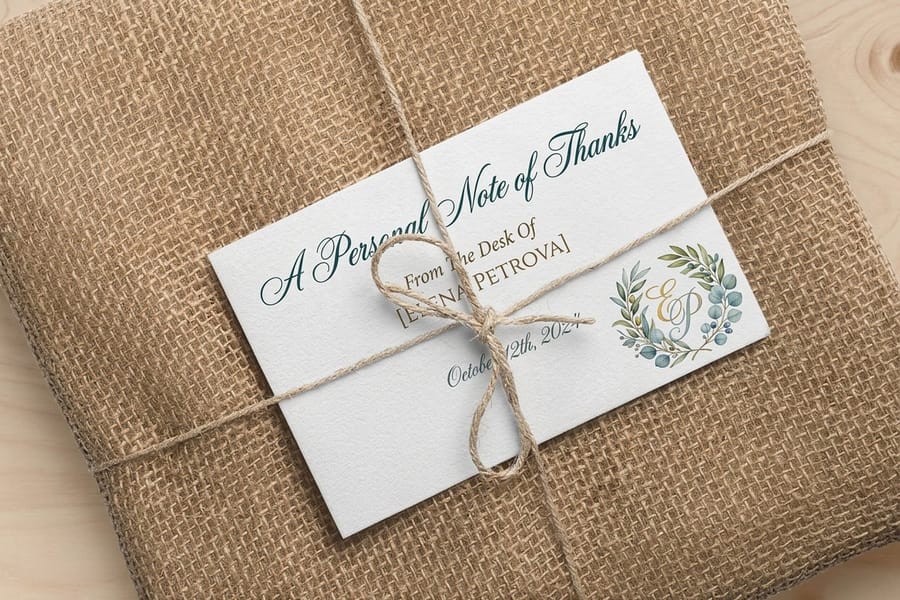
The second column is the one people skip and then regret. On any double-sided piece, decide early which side owns the emboss and keep the reverse of that area clear of small type. On a folded thank you card the recess hides neatly on the inside panel, which is one reason folded formats are the easiest place to start. Coordinating a whole set is a separate exercise, and building a branded stationery set walks through matching weights across cards, letterhead and envelopes.
Where Embossing Pays, and Where It Is the Wrong Spend
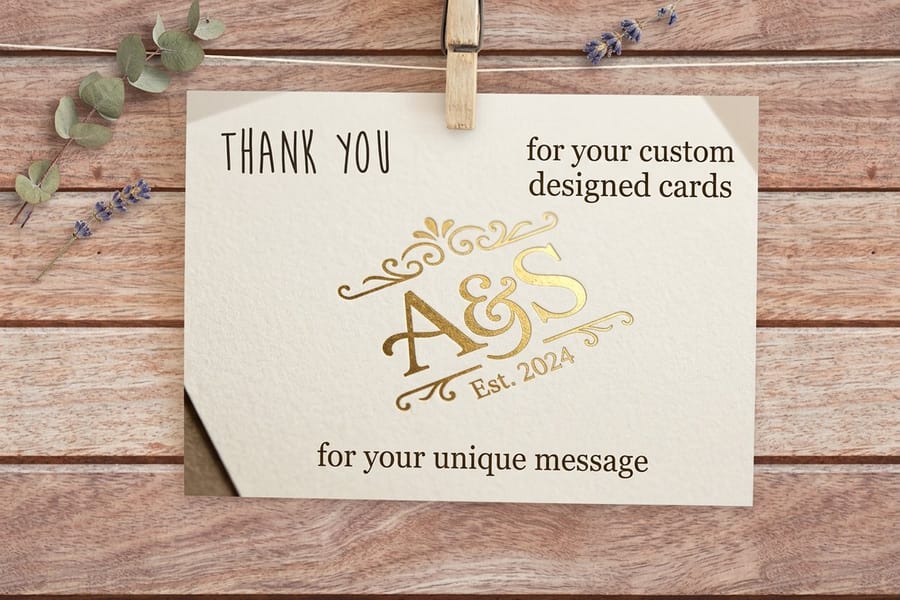
A raised mark works on anything that gets handled slowly. Cards handed across a counter, invitations opened at a kitchen table, a thank you note somebody keeps on a shelf for a week. The value is tactile, so it needs a moment of touch to be collected at all.
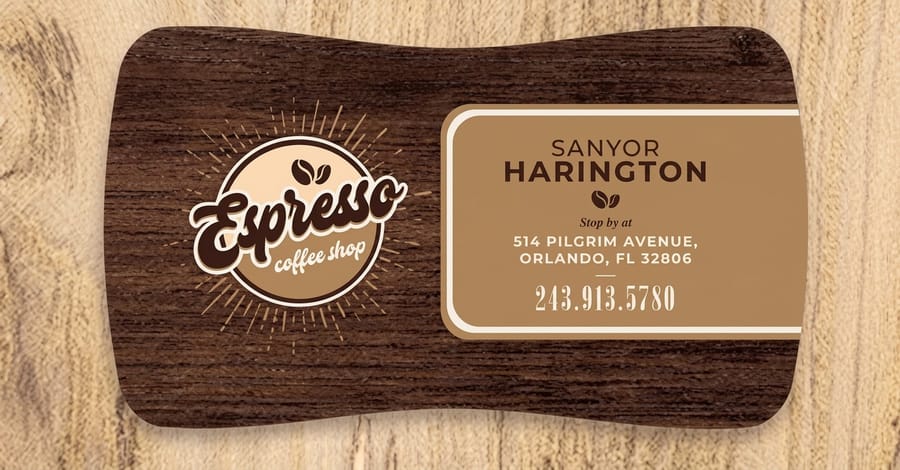
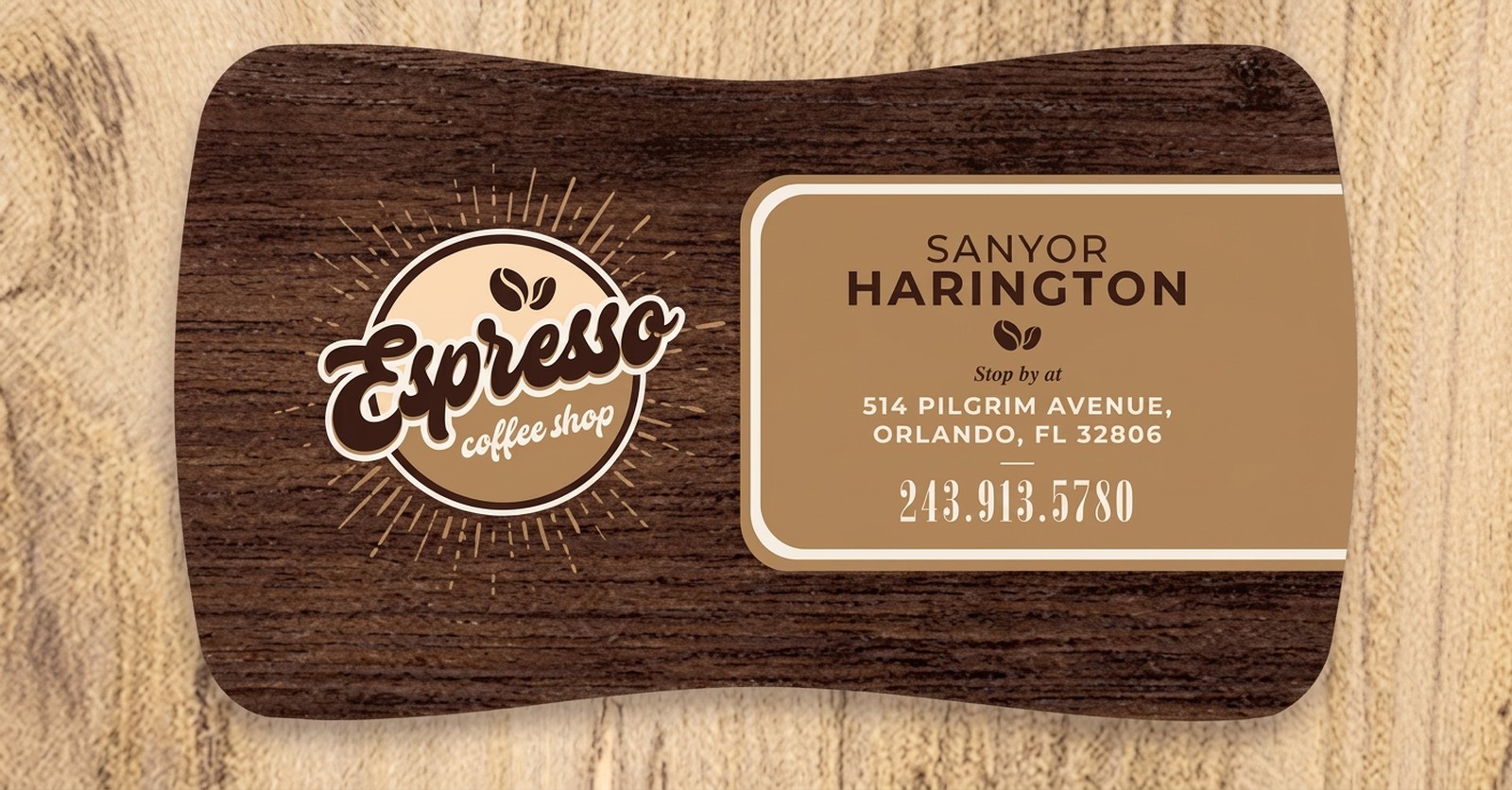
It is the wrong spend in three situations. High-volume mail that gets skimmed and binned never earns the die charge. Pieces that run through automated inserting or through an office printer afterward can catch on the raised edge. And a very small one-off run pays the whole die cost across a handful of pieces, which is when a printed or foiled treatment gets you further for the money. On a plain rectangle, custom business cards start at $17.57, while custom shaped business cards, which carry a cutting die of their own, start at $95.56. That gap is a fair picture of what any die-based step adds to a card job before the first impression is made.
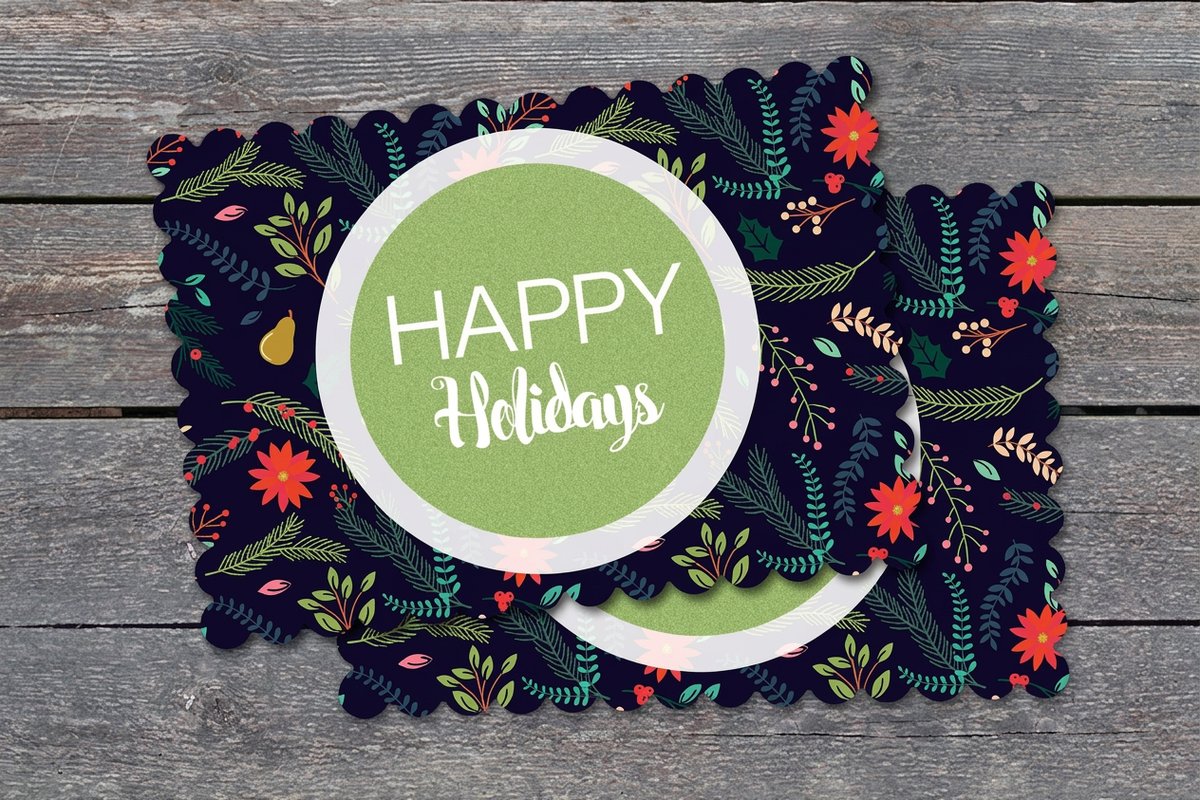
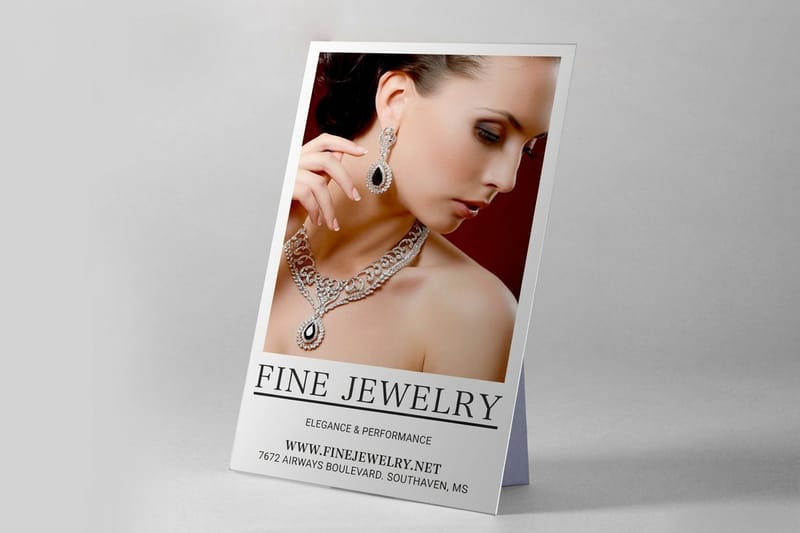
If the budget lands short of a die, spend it on the stock instead. A heavier uncoated cover with deep color and clean typography reads as expensive across a counter, and it costs nothing extra in setup. Browse the weights and finishes on business card printing, keep the same stock family for appointment cards so the set matches, and use rigid counter cards where the piece has to stand up on its own at the register. Retail work often solves the same problem with header cards, where the card is the packaging and the stock has to survive a hook. For seasonal work, Christmas cards start at $31.86 on folded stock that suits a shallow raised monogram.
Wally explains embossing
The paper does the work, so plan the back of the card
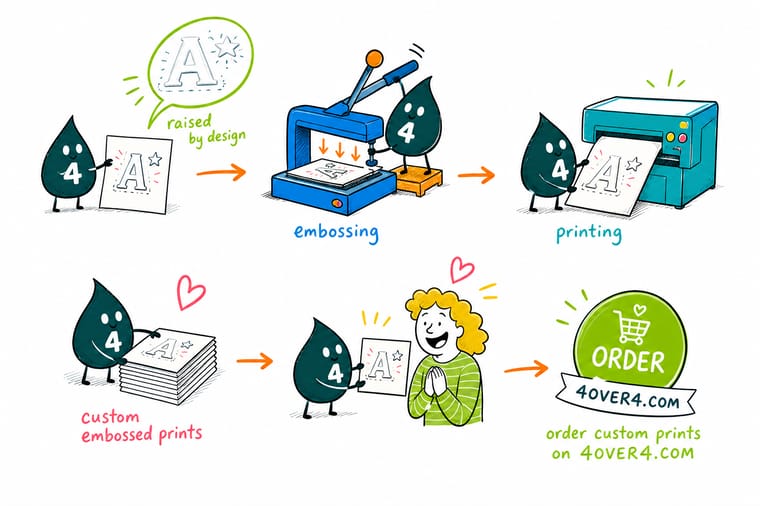
Wally puts your card between two pieces of metal. The top one has your logo cut in relief, the bottom one has the same shape hollowed out, and when the press closes the paper stretches into the hollow and stays there. No ink, no foil, just shape. Turn the card over and you can feel the other side of that shape, which is why he keeps small type off the back of a raised panel. Give him a vector logo, one flat color, nothing thinner than half a point, and a stock of 14pt or better, and it comes out crisp.
Configure custom business cards →Specs and pricing
Card and stationery stocks, sizes, and starting prices
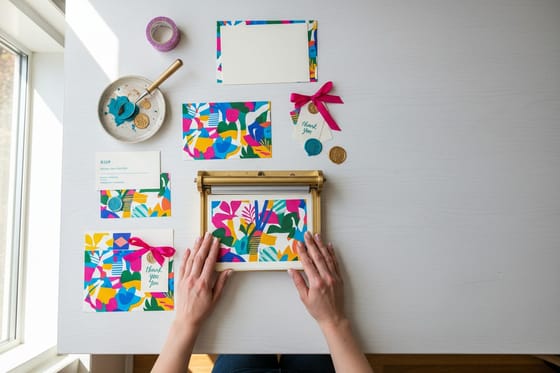
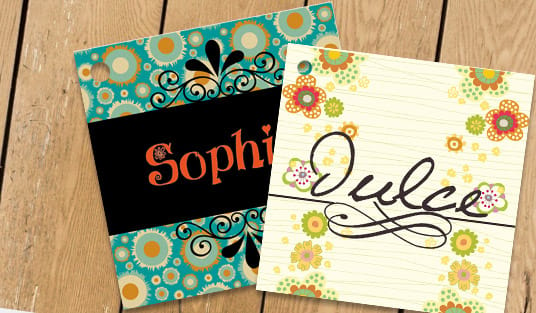
These are the formats an embossed mark usually lands on. Check the stock weights and starting prices straight from the 4OVER4.COM configurator before you commit to a finish.
Print it
Cards and stationery worth a raised mark
Explore more
Where to go next
By the numbers
Card and stationery printing you can count on at 4OVER4
Common Questions
Your embossing questions, answered
What is the difference between embossing and debossing?
The dies are the same pair, swapped. Embossing pushes the artwork up from the face of the sheet, so it stands proud and catches light along its edges. Debossing pushes it down into the sheet, so it sits below the surface and catches shadow instead. Debossing is the safer choice on thick uncoated stock because the fibers compress rather than stretch, and it is much more forgiving when the reverse side carries type you still need to read.
What file do I need to send for an embossing die?
Vector artwork in a single flat color, with every font converted to outlines and the die shape on its own clearly named layer. AI, EPS and press-ready PDF all work. A JPEG or PNG does not, because the diemaker has to follow a path, not a pixel edge. Keep the emboss art at final size, and if the raised shape also prints in ink, supply the ink art and the die art in perfect register in the same file.
Can you emboss both sides of a card?
Not in the same area. The impression travels through the sheet, so an emboss on the front is a recess on the back and a second emboss struggling to form in the opposite direction over the same spot. On a double-sided card, place the raised element where the reverse carries no small type, or move to a duplexed card with two sheets bonded together so the outer layers hide what happens inside.
What is the thinnest stock that will emboss?
As a working rule, 14pt cover is comfortable and 16pt is better, particularly on a larger raised area. A 70lb or 80lb text weight will take a shallow emboss for a letterhead monogram, but a deep multi-level impression on that weight either flattens under handling or splits along the bevel. Below about 70lb text you are fighting the material, and thermographed or foiled artwork is a more reliable way to get a tactile result.
Is foil stamping the same thing as embossing?
No, though they are often ordered together. Foil stamping presses a metallic film onto the sheet with a heated flat die, leaving the paper level. Embossing shapes the paper and adds nothing. A combination die does both in one hit, foiling and raising the same shape, which is the finish most people picture when they say they want an embossed gold logo.
Does embossing add much to the price of a card order?
It adds a die charge plus a press pass, and the die charge is what changes the math on small runs. For a rough sense of what die-based work costs on a card, custom shaped business cards, which need a cutting die of their own, start at $95.56 at 4OVER4.COM against $17.57 for custom business cards on a standard rectangle. Once the die exists, reorders are far cheaper, so the finish makes most sense on artwork you will keep printing.
Get Started
Ready to print stationery people keep?
Pick the stock first, because weight decides what a raised finish can do. Configure your cards, order free paper samples, and feel the difference between 14pt and 16pt before you commit.
Legal Disclaimer
Gold Standard guarantees apply to all standard orders placed through 4over4.com. Price match requires verifiable proof of a competitor's published price for an equivalent product with matching specifications and turnaround time. Satisfaction guarantee covers manufacturing defects and print quality issues. Contact support with order number and documentation. On-time delivery rate based on tracked orders 1999 to 2026. Individual results may vary based on shipping carrier performance.
