
How to Address and Stamp a Postcard So It Actually Arrives


The four zones on the address side, the sizes that keep the cheap postage tier, and the rules that change the moment you mail a batch instead of a single card.
Put the stamp in the top right corner of the address side, the return address in the top left, the delivery address on the right half, and leave the bottom 5/8 inch completely empty across the full width for the USPS barcode. A card earns the cheaper postcard rate only if it measures between 3.5 by 5 and 4.25 by 6 inches and is 0.007 to 0.016 inches thick. Anything larger mails at the letter rate, and anything over 6.125 by 11.5 inches mails as a flat.
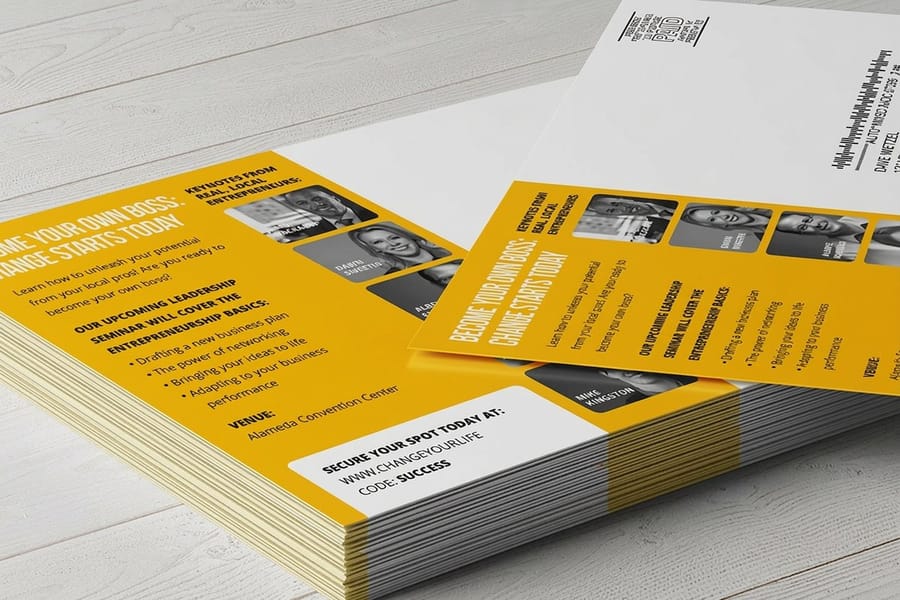
Quick answer
Four zones, one size limit, and a strip that has to stay empty
The address side is laid out the same way every time: stamp top right, return address top left, delivery address on the right half, bottom 5/8 inch clear for the barcode. Size decides price. Between 3.5 by 5 and 4.25 by 6 inches, and 0.007 to 0.016 inches thick, you pay the postcard rate. Go bigger and you pay the letter rate, which is not a penalty, just a different tier to plan around. Mailing a batch adds its own thresholds: 500 pieces for presorted First-Class, 200 pieces or 50 pounds for Marketing Mail, and a flat-size card for EDDM.
Where Everything Goes on the Address Side
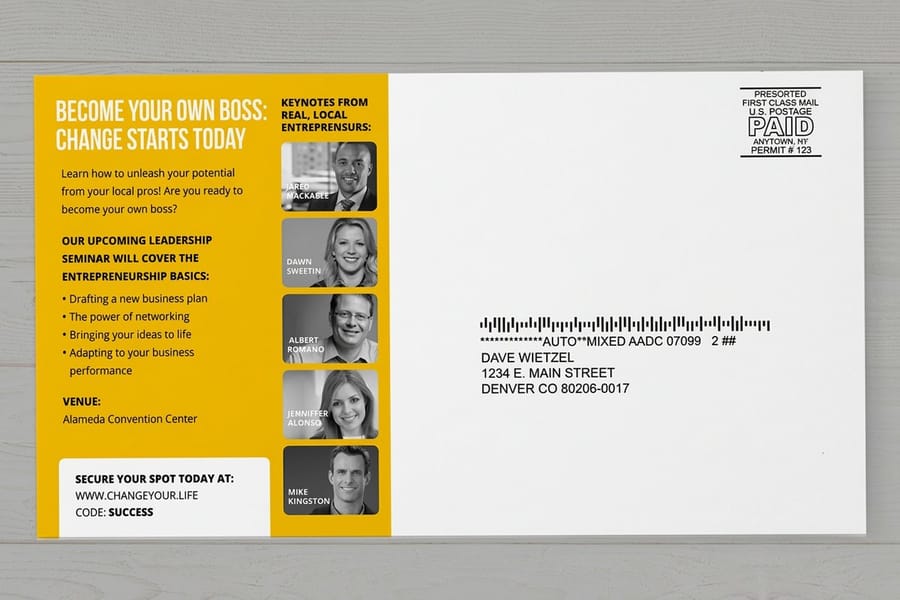
A postcard has one side you can do whatever you like with and one side USPS has opinions about. On the address side, four zones are fixed and the rest is yours.
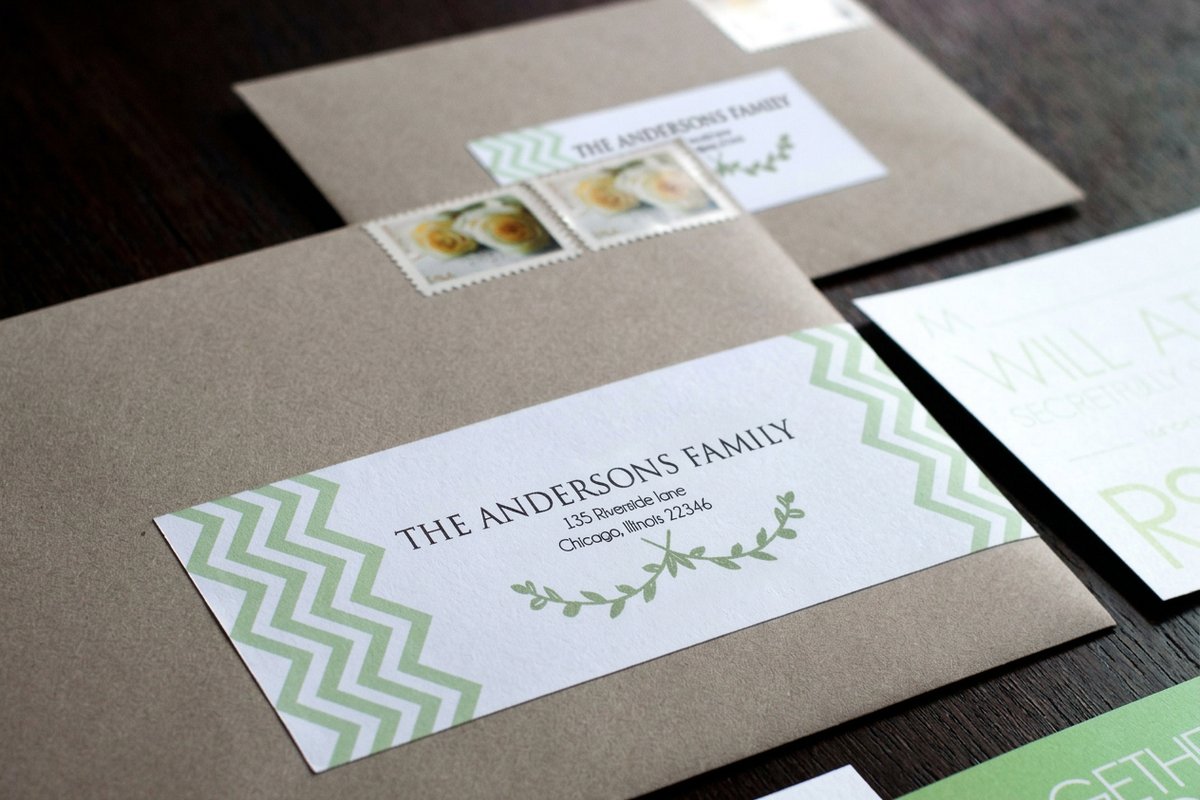
Stamp, top right. About a square inch. Keep the artwork underneath light so the cancellation mark reads.
Return address, top left. Optional in theory, worth including in practice: without it, an undeliverable card is destroyed rather than returned, and you never learn the address was bad. On a campaign that is the difference between cleaning your list and mailing the same dead address four times.
Delivery address, right half. Recipient name on the first line, street on the second, city, state and ZIP on the last. Left-align the block and keep at least a quarter inch of clear space around it.
Barcode clear zone, bottom 5/8 inch. Across the full width, nothing at all. USPS sprays the delivery point barcode into that strip, and a background tint counts as something. This is the rule people break most often, because a full-bleed colour wash looks harmless in a design file and is not.
The left half of the address side is the message area, and on a marketing card that is where the offer and the call to action live. If you want the zone measurements in detail, the postcard address side layout guide maps the clear zone and the OCR read area to the millimetre.
Which Sizes Qualify for Postcard Postage
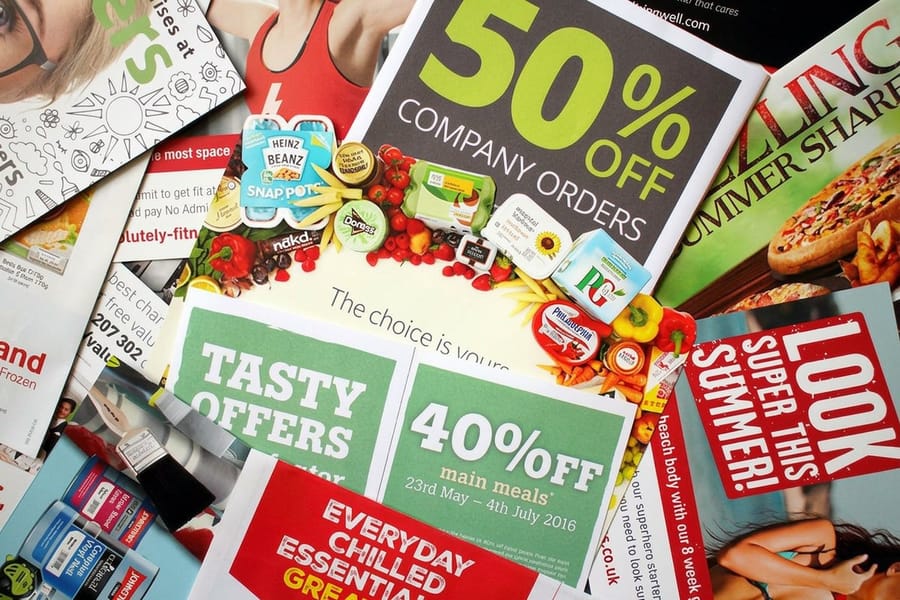
Postage is decided by dimensions and thickness, not by what the piece is called. A card that says postcard on it and measures 6 by 9 inches is a flat as far as USPS is concerned, and it is billed like one.
| Tier | Size range | Thickness | What it means for you |
|---|---|---|---|
| Card rate | 3.5 x 5 in minimum, 4.25 x 6 in maximum | 0.007 to 0.016 in | The cheapest First-Class tier. 4 x 6 is the safe workhorse size. |
| Letter rate | Over 4.25 x 6 in, up to 6.125 x 11.5 in | Up to 0.25 in | 5 x 7 and 6 x 9 land here. More room to sell, higher unit postage. |
| Flat rate | Larger than 6.125 x 11.5 in | Up to 0.75 in | 6.5 x 9 and up. The size band EDDM Retail requires. |
Two details catch people out. The first is thickness: 16pt cardstock measures 0.016 inches, which is exactly the card-rate maximum, so a 16pt card with a heavy laminate can measure over the limit and lose the tier. 14pt leaves room for a coating and still feels substantial in the hand. The second is shape. A card has to be rectangular, and a machinable piece wants its length divided by its height to land between 1.3 and 2.5, which is why a near-square card picks up a non-machinable surcharge even when it fits the size box.
Decide the size before the design, not after. Our direct mail postcards start at $89.68 including the mailing service, and the size you pick there sets the postage tier for the whole run. The postage cost by size guide works the same choice through per thousand pieces.
Addressing That a Sorting Machine Can Read
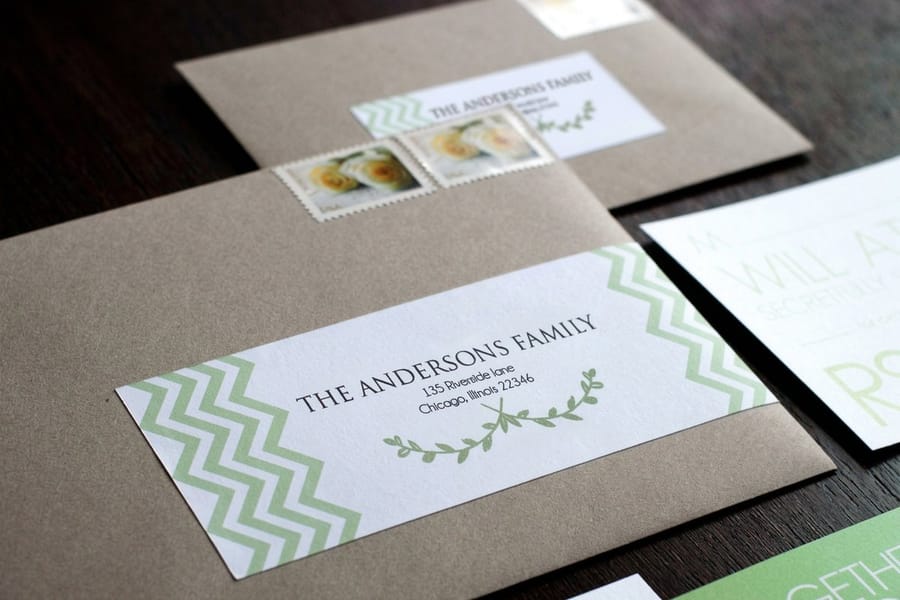
Your card is read by a camera before a human ever sees it, and the camera is unforgiving in specific ways. Meet these and the piece sorts itself.
- Dark ink, light background. Black on white or off-white. Reversed type in the address block fails.
- No decorative faces. Script, condensed and heavily stylised fonts confuse optical character recognition. A plain sans at 10 to 12 point is what the machine expects.
- Nothing printed behind the address. No pattern, no photo, no watermark, no tint.
- Parallel to the long edge. Angled or vertical address blocks get diverted to manual handling.
- ZIP+4 when you have it. The extra four digits resolve the delivery point and cut the odds of a misread.
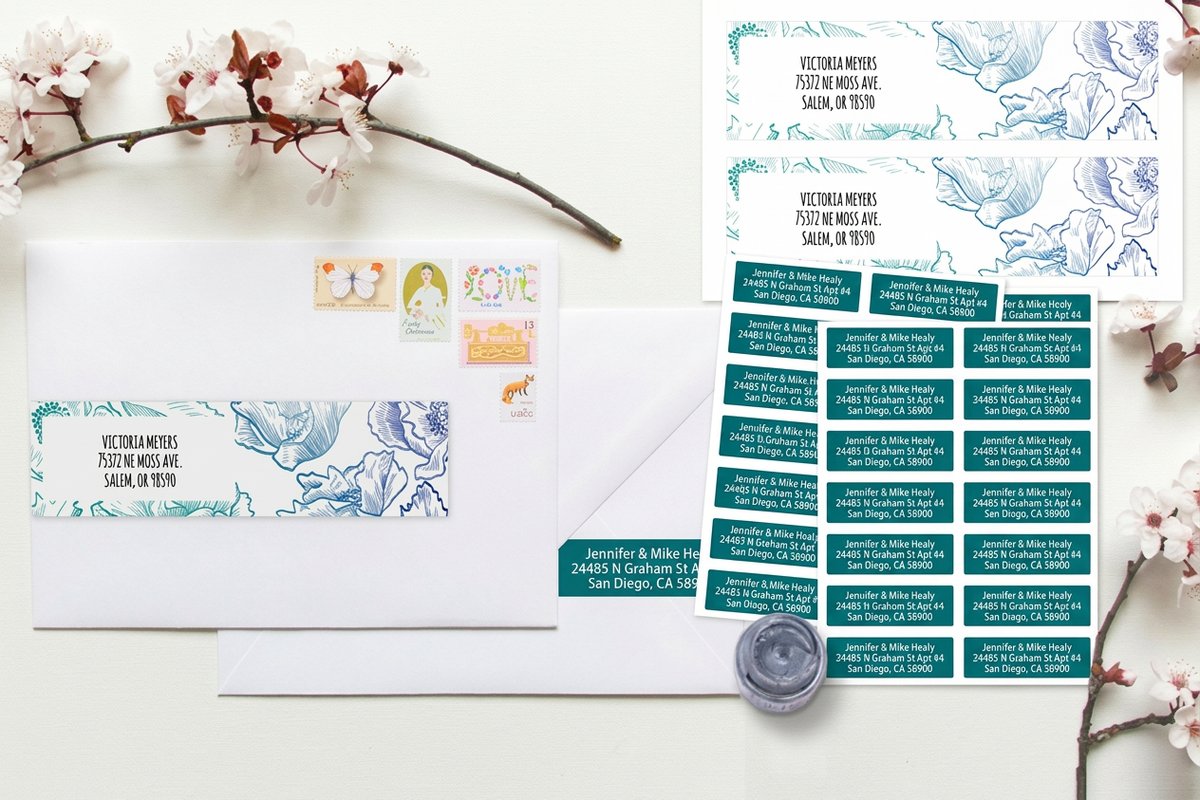
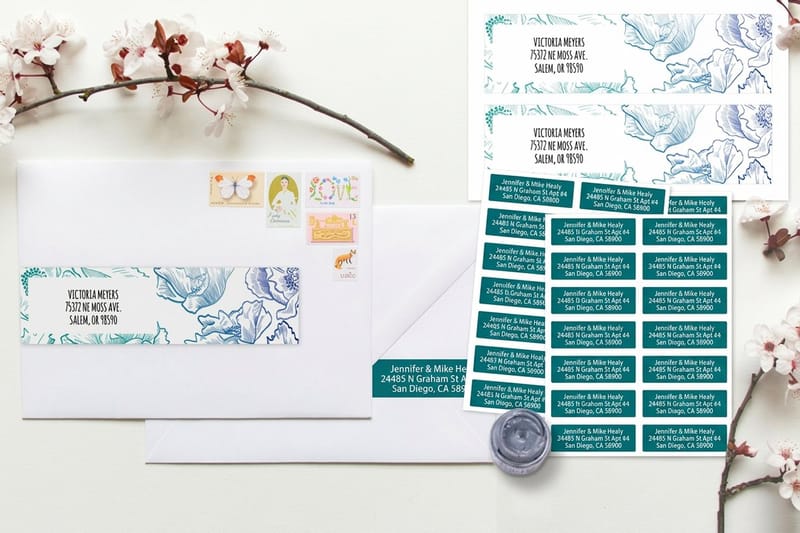
How you apply the address matters as much as how it looks. Inkjet printing straight onto a coated card can smear, which is why a lot of runs on gloss stock use a label instead: Standard Address Labels start at $23.88 and Premium Address Labels at $29.16, and the premium stock holds a sharper edge on small type. For the sender side, return address labels save you reprinting the card every time an office moves. The postcard addressing guide covers the line-by-line format, including apartment numbers and military addresses.
What Changes When You Mail Five Hundred Instead of Five
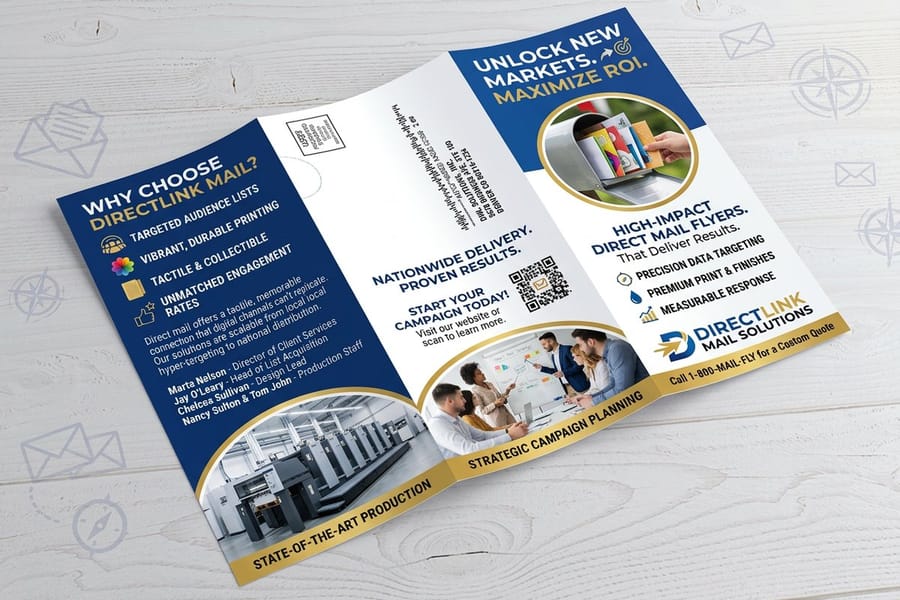
One postcard needs a stamp. Five hundred needs a decision, because the discount you qualify for depends on how much sorting work you do before USPS touches the mail.
Presorted First-Class Mail starts at 500 pieces. You keep First-Class speed and forwarding, and you pay for a mailing permit and for the list work: address standardisation, ZIP+4 coding, a delivery point barcode on every piece, and trays sorted the way USPS wants them.
USPS Marketing Mail starts at 200 pieces or 50 pounds. Cheaper per piece, slower, and undeliverable cards are not returned unless you pay for that service. For an offer with a deadline, build in the extra transit days rather than assuming First-Class timing.
EDDM Retail skips the list entirely. You pick carrier routes on a map, no permit is required, and you drop up to 5,000 pieces per ZIP code per day. The trade-off is a hard one: the piece has to be flat-size, so it must be bigger than a postcard-rate card, and you cannot target a household, only a route. It works for a pizzeria and fails for a specialist practice.
Whichever route you take, the presort work is what most people underestimate. Our direct mail services handle printing, addressing, sorting and the drop as one job, so the card leaves our floor already mail-ready. If the message needs more space than a card allows, direct mail brochures and direct mail flyers both start at $238.73 with the same mailing service attached. For campaign structure rather than mechanics, read how healthcare mailers earn a response and what political postcards do differently.
Wally posts a card
Stamp top right, address right half, bottom strip empty
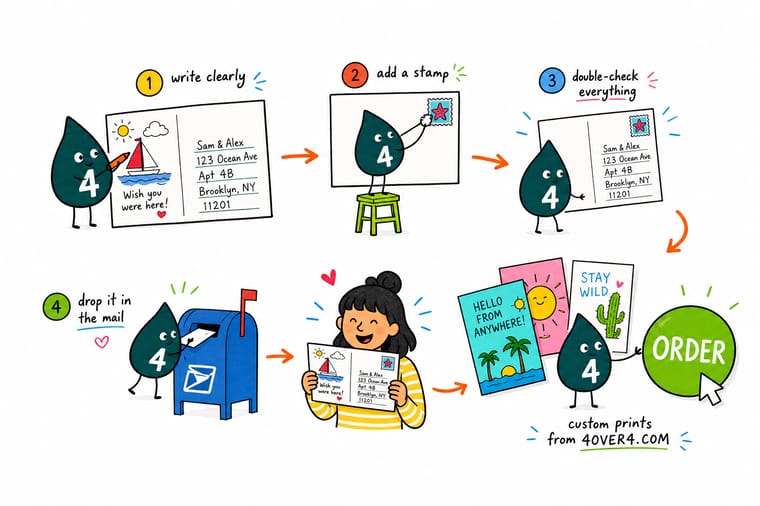
Wally puts the stamp in the top right, his own address in the top left, and the delivery address on the right half in plain black type on a light patch. Then he does the part everyone forgets: he keeps the bottom 5/8 inch of that side completely bare, because USPS sprays the barcode there and a background tint is enough to break the scan. Before he prints, he checks the trim. Up to 4.25 by 6 inches he pays the card rate. One size bigger and it is the letter rate.
Print and mail postcards →Specs and pricing
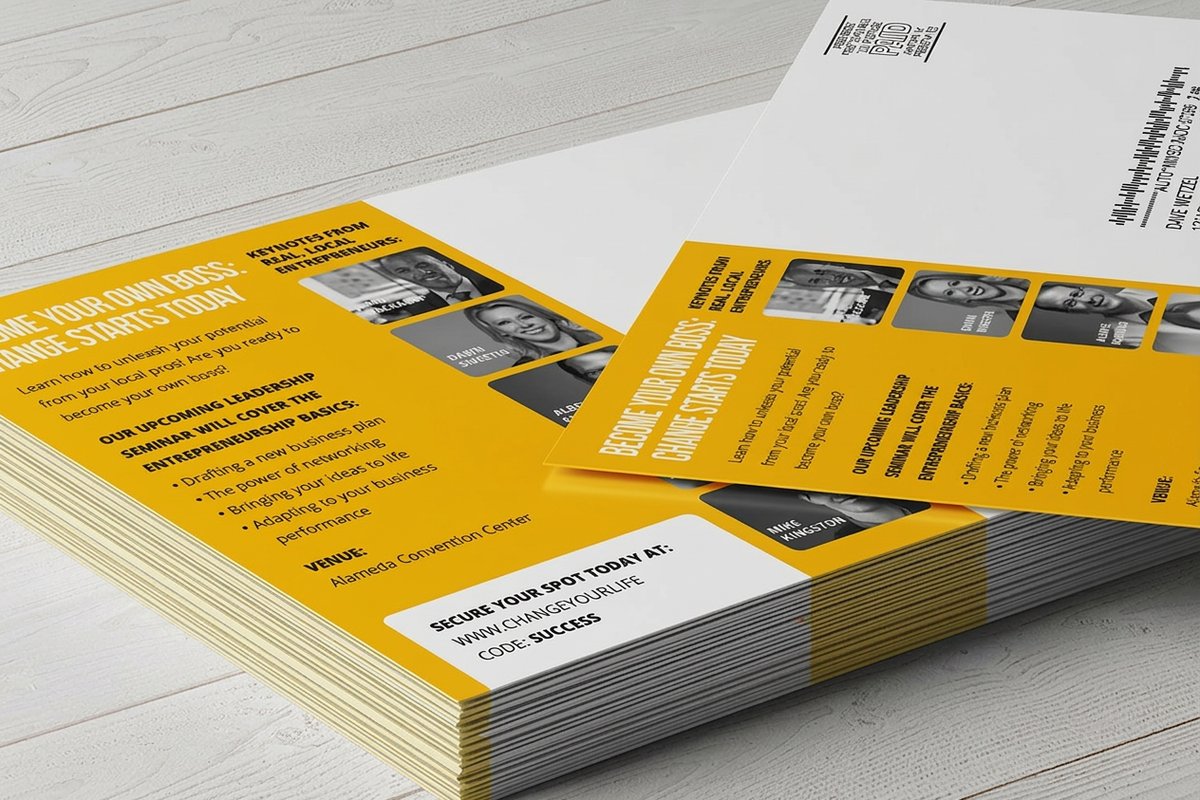
Postcards and address labels, sizes and starting prices
Configure the pieces this guide covers, with live size options and starting prices straight from the 4OVER4.COM configurator.
Print it
Order cards that clear the counter first time
Explore more
Where to go next


By the numbers
Direct mail you can count on at 4OVER4
Common Questions
Your postcard mailing questions, answered
Where does the stamp go on a postcard?
Top right corner of the address side, the same corner it would occupy on an envelope. Leave roughly a square inch clear there even if you are mailing in bulk with a permit imprint, because that is where the indicia prints instead. The one thing that causes trouble is a full-bleed photo running under the stamp corner: a dark, glossy area makes it harder to cancel cleanly, so keep that corner light.
Does a 5 by 7 postcard need extra postage?
It needs different postage rather than extra postage. The card rate covers pieces from 3.5 by 5 up to 4.25 by 6 inches, so a 5 by 7 card falls outside it and mails at the First-Class letter rate instead, which is a higher tier. Nothing goes wrong with the piece, it simply costs more per card. If you print an oversized card and hand it over with card-rate postage, it comes back marked for insufficient postage or gets billed to the recipient.
Can I use a regular Forever stamp on a postcard?
Yes, and it will be delivered, but you are overpaying. USPS sells a separate postcard stamp priced at the lower card tier, and a letter-rate Forever stamp is worth more than the card needs. On one card the difference is trivial. On five hundred cards it is real money, which is the point at which most people either buy postcard stamps in rolls or move the job to a presorted mailing.
What has to stay clear at the bottom of a postcard?
The bottom 5/8 inch of the address side, measured from the bottom edge, across the width of the piece. USPS sprays the delivery point barcode into that strip, and anything already printed there, including a light background tint or the tail of a logo, can defeat the scanner. Design the strip as dead space from the start. It is the single most common reason a mailer that looked fine on screen gets rejected at the acceptance counter.
Do I need a permit to mail postcards in bulk?
It depends on which discount you are chasing. Presorted First-Class Mail starts at 500 pieces and USPS Marketing Mail starts at 200 pieces or 50 pounds, and both need a mailing permit plus presorted, barcoded, address-standardised data. Every Door Direct Mail Retail is the exception: no permit, no mailing list, you pay online or at the counter and drop up to 5,000 pieces per ZIP code per day. The catch is that EDDM Retail requires a flat-size piece, so the card has to be bigger than postcard-rate dimensions on purpose.
Can I handwrite the addresses on a postcard batch?
For a handful of cards, yes, and a handwritten address genuinely gets opened and read more often. Past about fifty pieces it stops being practical and starts costing you accuracy, since a misread line means the card is either hand-sorted or returned. Printed address labels are the middle ground: Standard Address Labels start at $23.88 and Premium Address Labels at $29.16, both printed from your list so the ZIP+4 is correct on every piece.
Get Started
Ready to get the cards in the mail?
Pick a trim size that holds the postage tier you want, upload your list, and we print, address, sort and drop the whole run for you.
Legal Disclaimer
Gold Standard guarantees apply to all standard orders placed through 4over4.com. Price match requires verifiable proof of a competitor's published price for an equivalent product with matching specifications and turnaround time. Satisfaction guarantee covers manufacturing defects and print quality issues. Contact support with order number and documentation. On-time delivery rate based on tracked orders 1999 to 2026. Individual results may vary based on shipping carrier performance.
