
The 7 Best Print Finishes and Exactly When to Use Each


Seven finishes carry almost every premium printed piece: spot UV, foil, embossing, soft touch, die cutting, lamination, and custom folds. Here is what each one does, when to reach for it, and the exact 4OVER4 product that offers it.
The seven best print finishes are spot UV, foil stamping, embossing, soft touch, die cutting, lamination, and custom folds. Spot UV and foil add shine and metal, embossing and soft touch change texture, die cutting and folds change the shape, and lamination protects. Match the finish to your message, pick a heavier stock to hold it, and add it in the configurator at 4OVER4.
Start here
The seven finishes at a glance
A finish is the treatment applied after the ink, and the right one is what makes a piece feel premium. Spot UV and foil add surface shine, embossing and soft touch change how a piece feels, die cutting and custom folds change its shape, and lamination protects it. The map below shows which finish fits which goal, and every section names the exact 4OVER4 product that carries it.
What a print finish actually does
A print finish is everything that happens to a piece after the ink dries. The stock sets the feel in your hand and the ink carries the design, but the finish is the layer that decides whether a card reads as ordinary or premium. It is the shine on a logo, the metal on a name, the raised seal you run a thumb over, the soft velvet coat that mutes glare, the custom shape that makes a piece impossible to file away.
Finishes fall into four jobs. Some add surface interest, like spot UV and foil. Some change texture, like soft touch and embossing. Some change the shape, like die cutting and custom folds. And some protect, like lamination. Understanding those four jobs is how you stop guessing and start choosing the finish that fits the message.
Every finish below is a checkout option at 4OVER4, not a bespoke print run. You pick the product, add the finish in the configurator, and order online, or you lean on our print and finishing services when a job needs a hand. The seven that follow are the ones worth knowing, in the order most people reach for them.
1. Spot UV: selective gloss that makes one detail shine
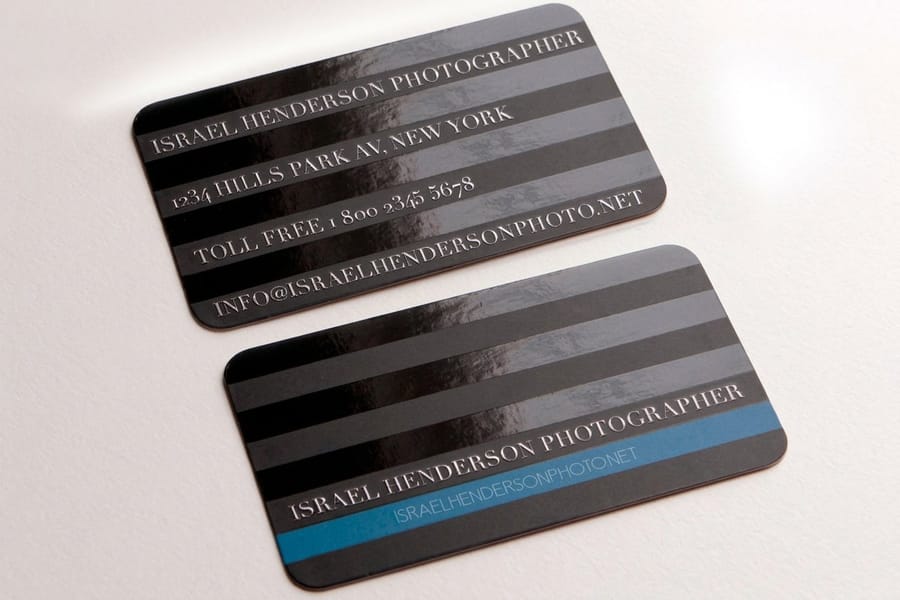
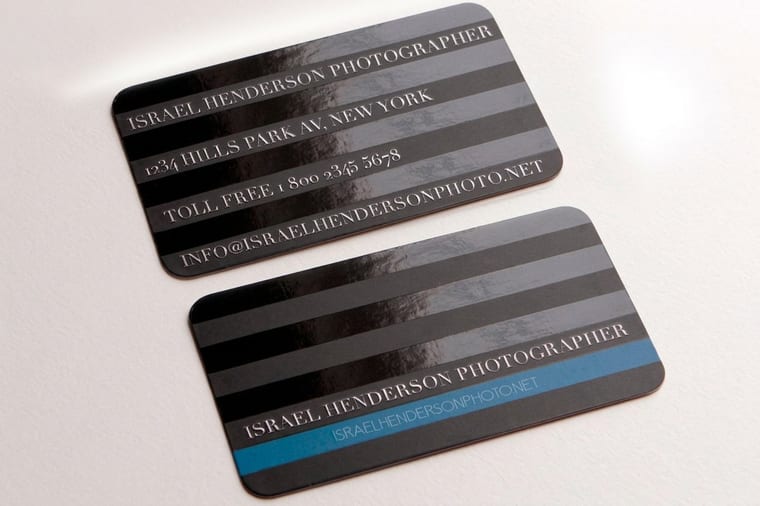
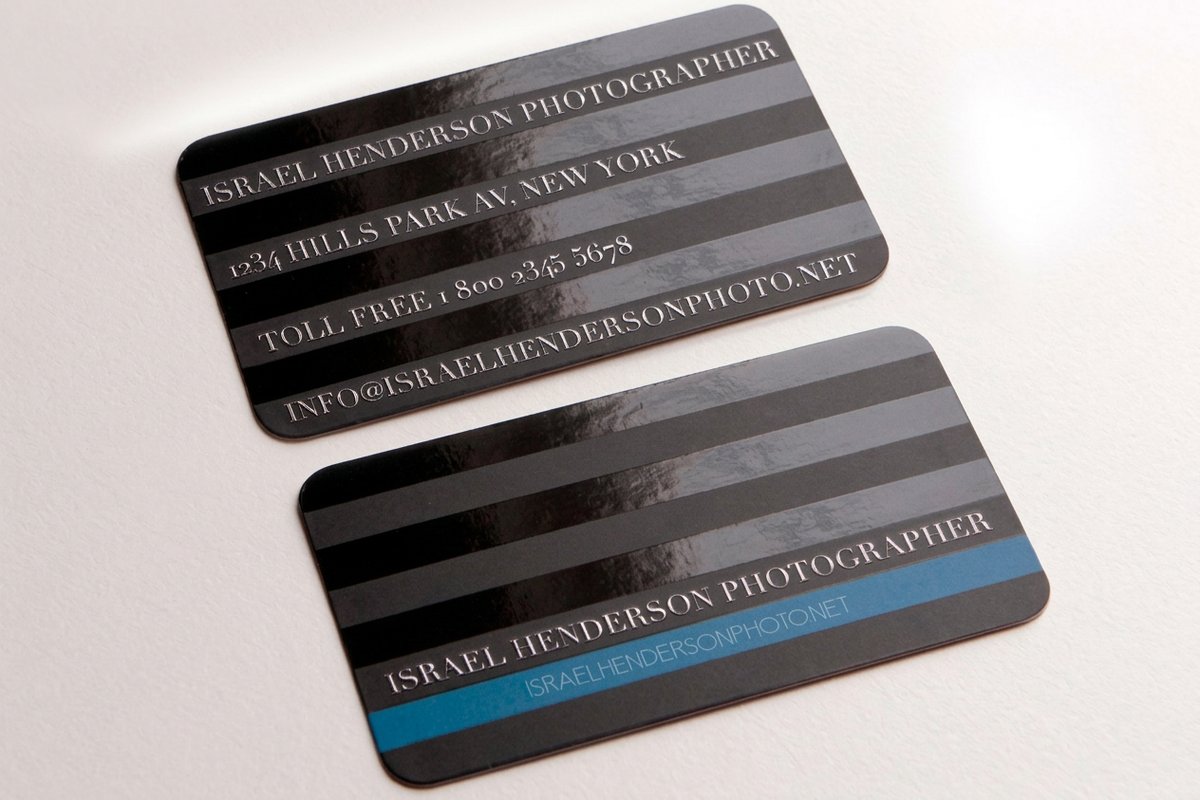
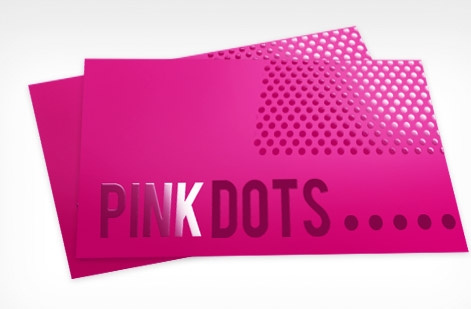
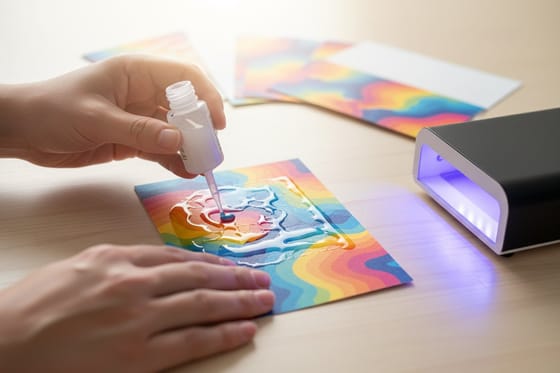
Spot UV is a clear, high-gloss coating applied to specific areas of an otherwise matte card. Because only the chosen shapes are shiny, the effect draws the eye straight to a logo, a monogram, or a headline, and the contrast between matte and gloss gives the whole card a designed, deliberate feel. Tilt the card under light and the pattern appears, then vanishes, which is exactly what makes people look twice.
Use spot UV when you want one element to lead: a mark on a business card, a title on a folder, a pattern that only shows at an angle. It is a favorite for modern brands that want polish without the full weight of metal. For an even bolder version, raised spot UV builds the coating up so you can feel it, adding a tactile ridge to the gloss.
Spot UV needs its own artwork layer marking exactly where the gloss lands, and it reads best over a matte or soft touch base so the shine has something to contrast against. Add it in the configurator on spot UV business cards and see the price update as you go.
2. Foil stamping: real metal for instant luxury
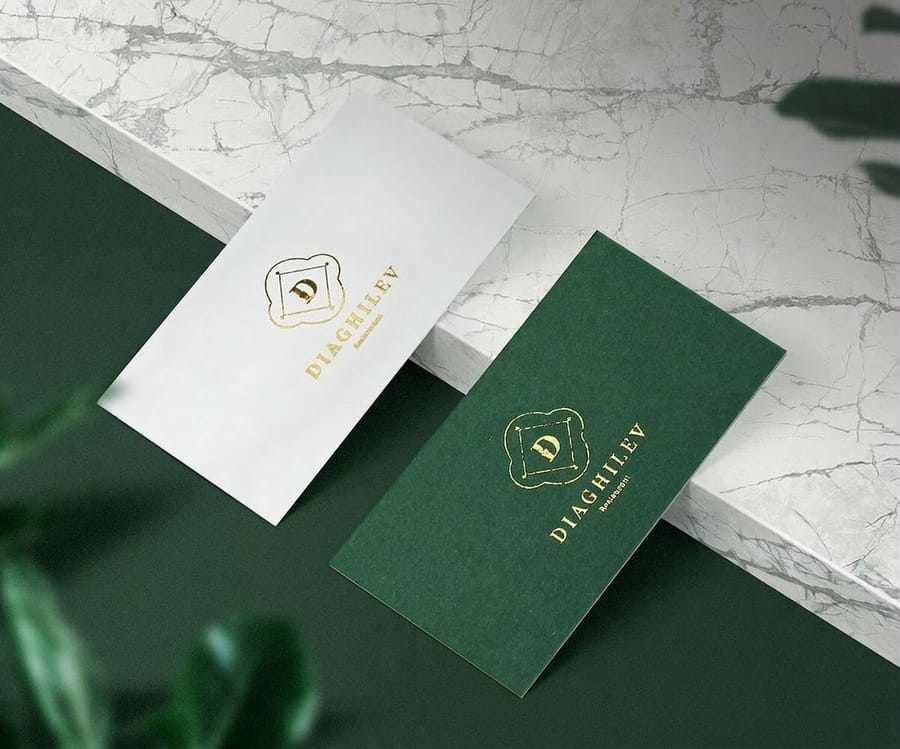
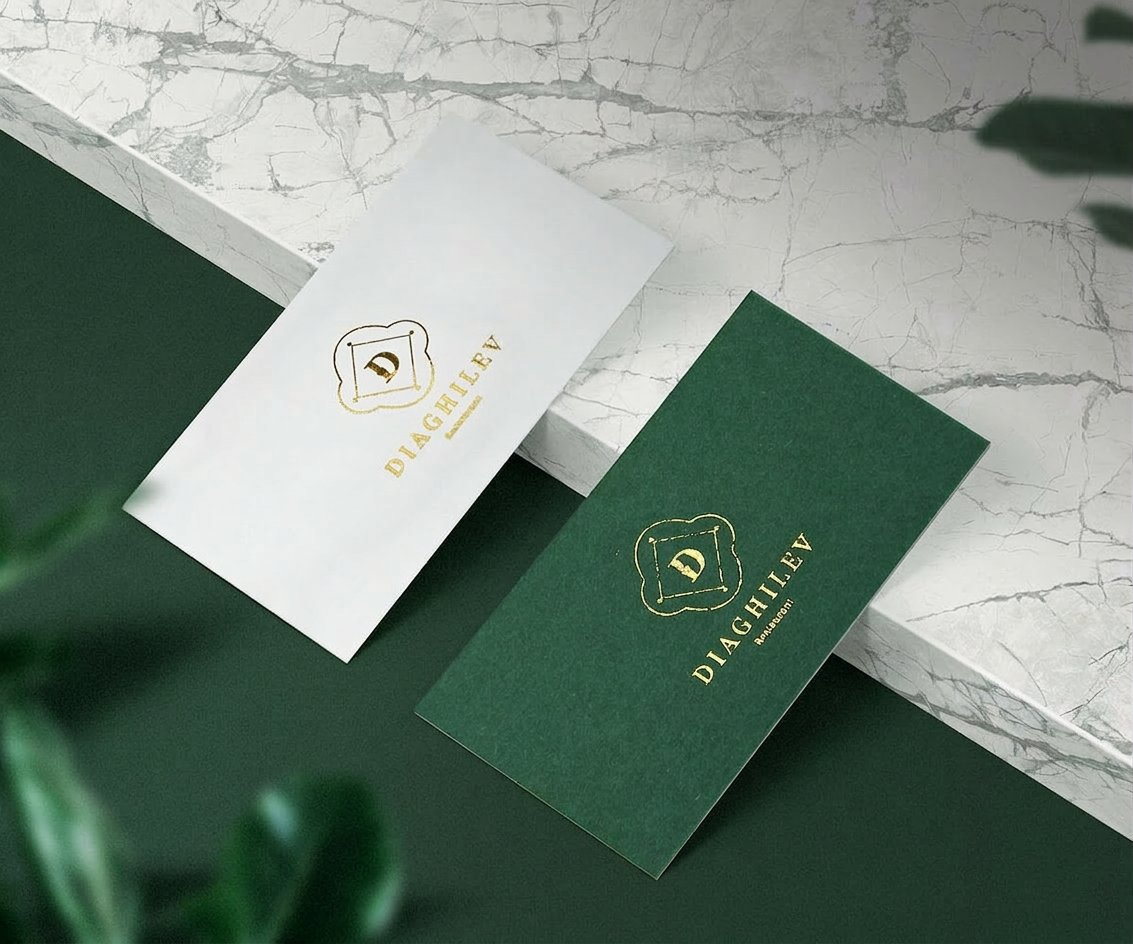
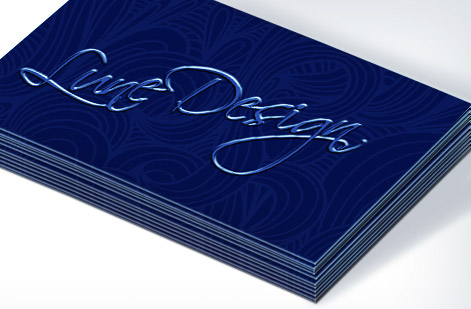
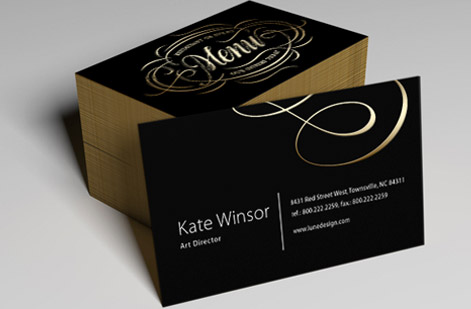
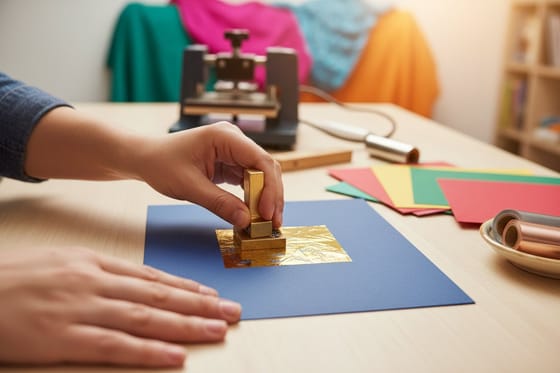
Foil stamping presses a thin metallic film onto the paper with heat and pressure, leaving a solid, reflective layer of gold, silver, copper, colored, or holographic foil. Unlike printed metallic ink, real foil has depth and mirror-bright shine, which is why it reads instantly as premium on foil business cards, invitations, menus, and folders.
Reach for foil when the brand leans elegant, celebratory, or high-end, and when you want a single element, a name or a logo, to carry that message. It is the finish that makes a card feel like an object rather than a handout. Pair it with an emboss and the mark lifts off the card in metal, the classic luxury move, and raised foil pushes that dimension even further.
Foil sits best on heavier stocks that hold the pressure cleanly, and like spot UV it needs its own layer telling the press where the metal goes. Browse the full foil printing collection to see every product that offers it.
3. Embossing: raised relief you can feel
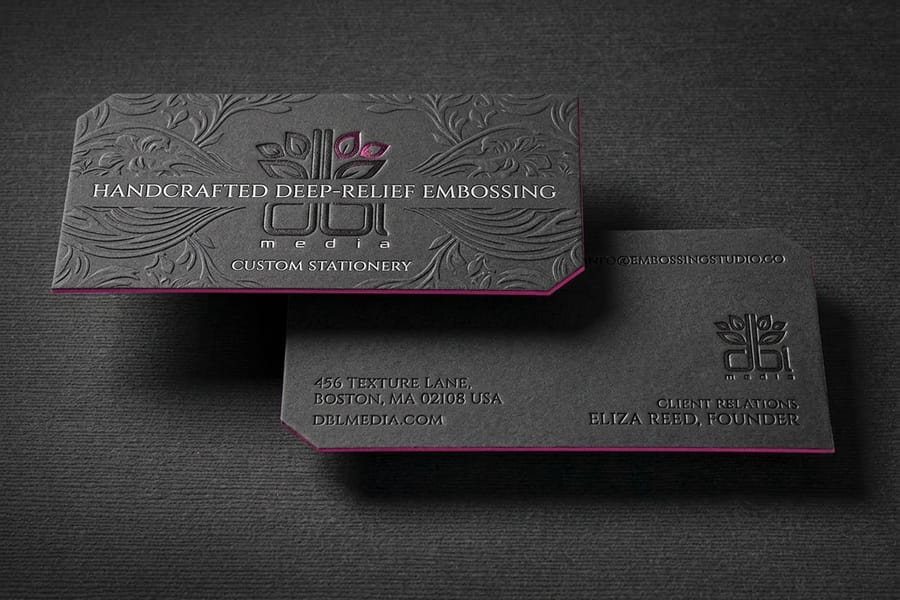
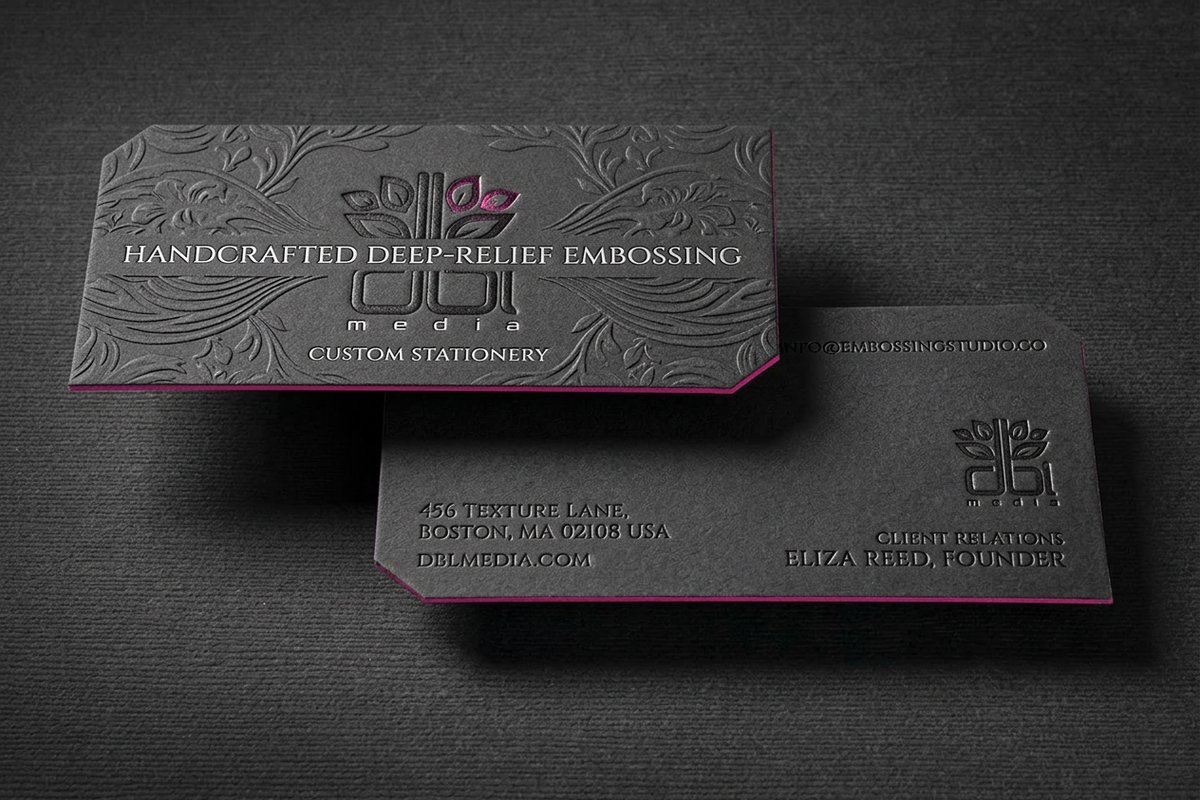
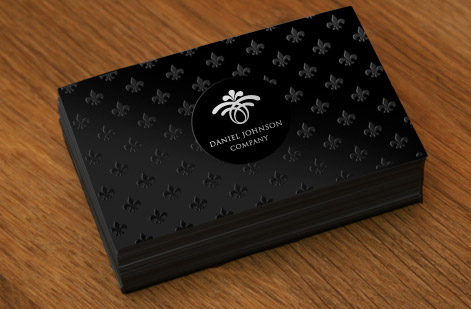
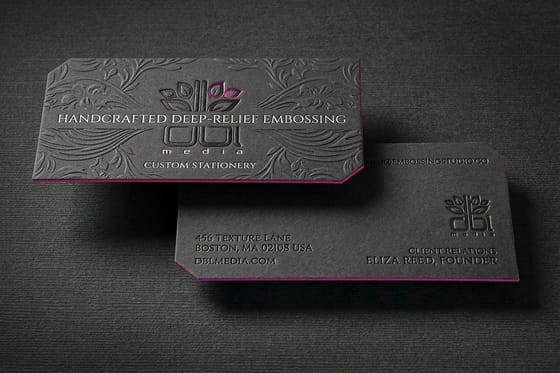
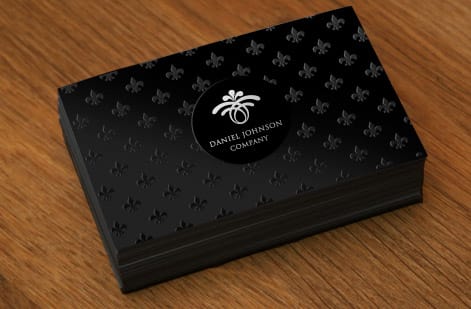
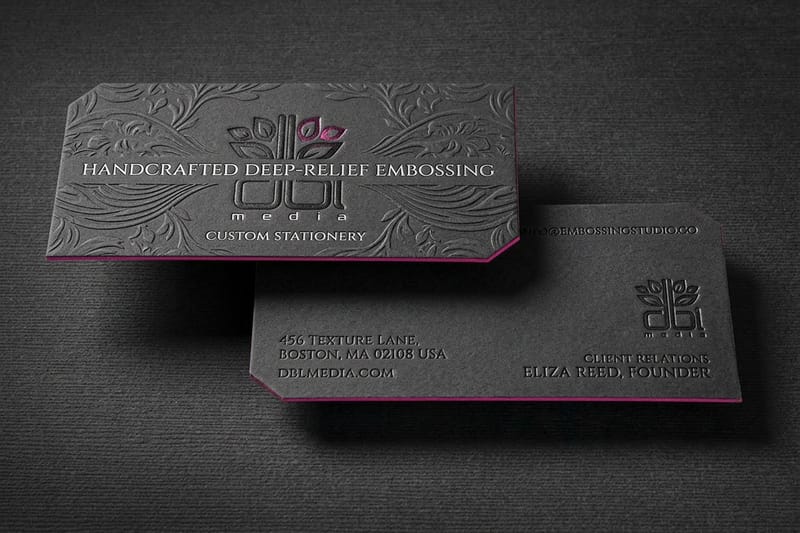
Embossing shapes the paper itself. A metal die and its mirror press the sheet so the design rises up toward the viewer, while debossing presses it down for a recessed, stamped-in look. A blind emboss uses no ink at all, relying only on the raised shape and the shadows it casts, which is the quiet, tactile effect that reads as craftsmanship.
Use embossing for logos, monograms, seals, and covers you want people to feel as much as see. It shines on embossed business cards, presentation folders, and invitations, and it holds a deeper, cleaner impression on heavier stock. Combine it with foil for a raised metallic mark, or with spot UV for gloss on the relief.
For the full mechanics of dies, depths, and registration, pair this section with our dedicated guide on embossing and debossing, then explore the embossing collection to order.
4. Soft touch: a velvety, modern matte
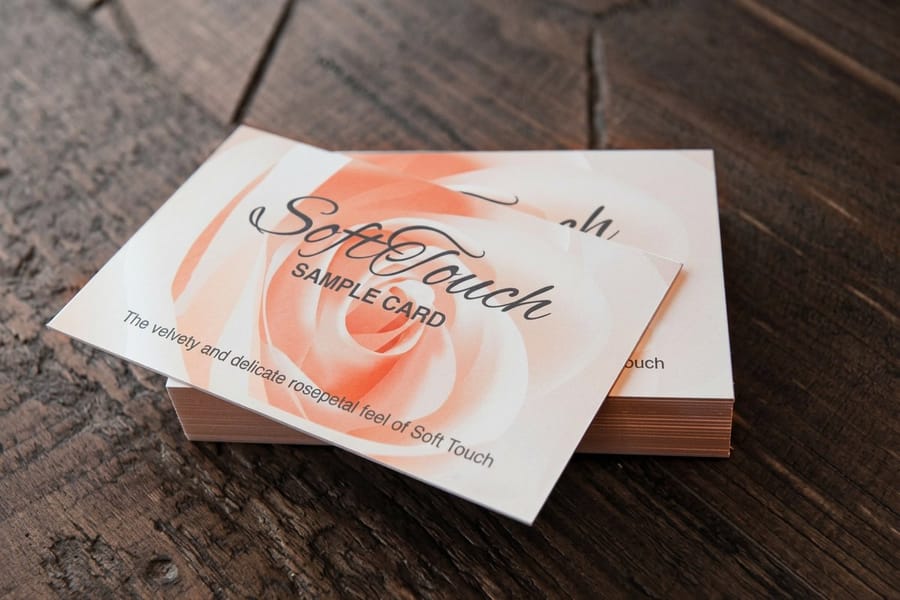
Soft touch is a laminate that feels like suede or velvet under your fingers and mutes glare to a smooth, even matte. It is the finish people notice the instant they hold the card, before they read a word, and that warm, tactile surface is why understated modern brands lean on it so hard.
Use soft touch when you want calm confidence rather than flash: consultancies, studios, wellness brands, anything that should feel considered and premium without shouting. It also makes a perfect base for other finishes, since glossy spot UV or bright foil pops hardest against that deep matte. See it on soft touch business cards or the closely related suede business cards.
Because it is a full-surface laminate, soft touch also adds durability and a fingerprint-resistant feel, so cards stay looking new through months of handling. Add it in the configurator and compare it against a gloss finish before you decide.
5. Die cutting: any shape you can imagine
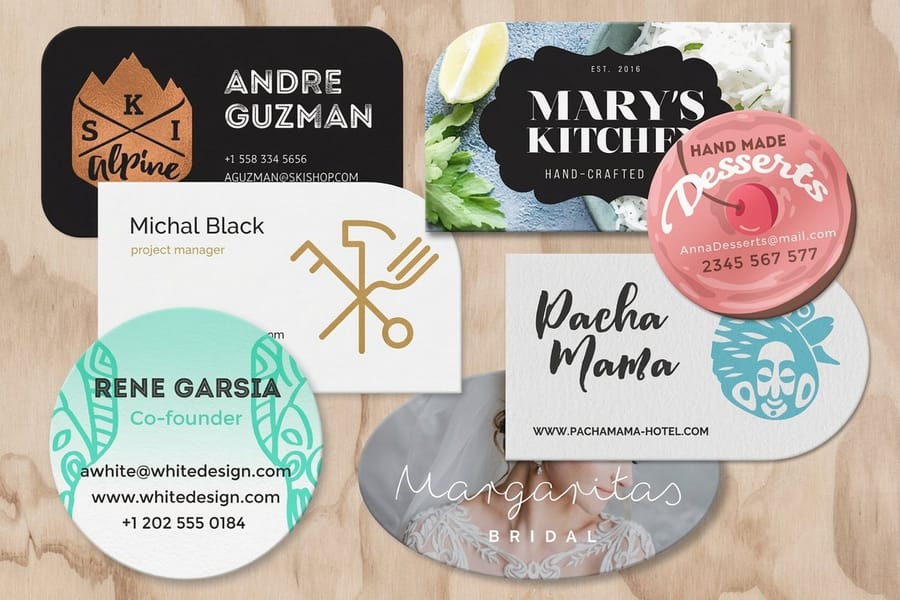
Die cutting uses a custom steel die to trim a piece to any outline you want, beyond the usual rectangle. That means rounded corners, circles, arches, cutout windows, and shapes that echo your logo or product. A die cut piece is physically different from everything else in a stack, which is exactly why people keep it.
Use die cutting when memorability matters more than convention: die cut business cards, die cut postcards, hang tags, and mailers that need to stand out in a pile. A simple rounded corner already softens and elevates a card, while a bold custom silhouette turns the shape into part of the brand.
Die cutting needs a clean vector outline marking the cut path, and it pairs naturally with lamination so the trimmed edges stay crisp. Explore the die cutting collection for every product that supports a custom shape.
6. Lamination: protection plus a chosen surface
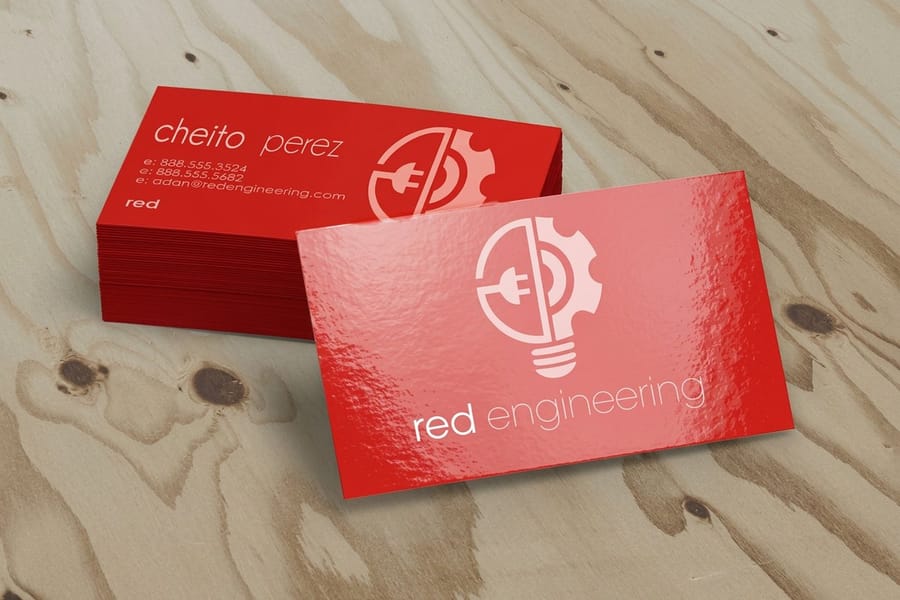
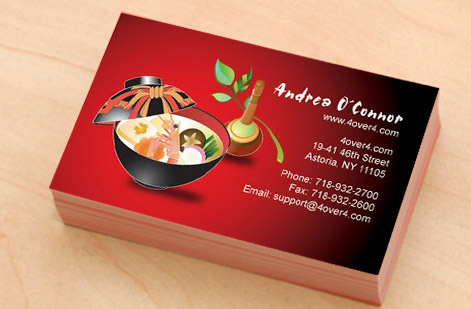
Lamination seals a printed piece under a thin protective film that comes in gloss, matte, or silk. Gloss deepens colors and adds shine, matte calms glare for an elegant read, and silk sits between the two with a smooth, slightly warm finish. Beyond looks, lamination makes a piece tougher, more water-resistant, and far more resistant to fingerprints and wear.
Use lamination whenever a piece gets handled, mailed, or has to last: menus, cards, tags, and anything headed into the field. It also creates the ideal base for other finishes, since a laminated surface holds spot UV and foil cleanly. See it on gloss laminated cards and silk laminated cards.
Because it covers the whole surface evenly, lamination is also the most affordable way to make a standard print feel more finished. Browse the laminated printing collection to compare gloss, matte, and silk on the products you print most.
7. Custom folds: turn a flat sheet into an experience
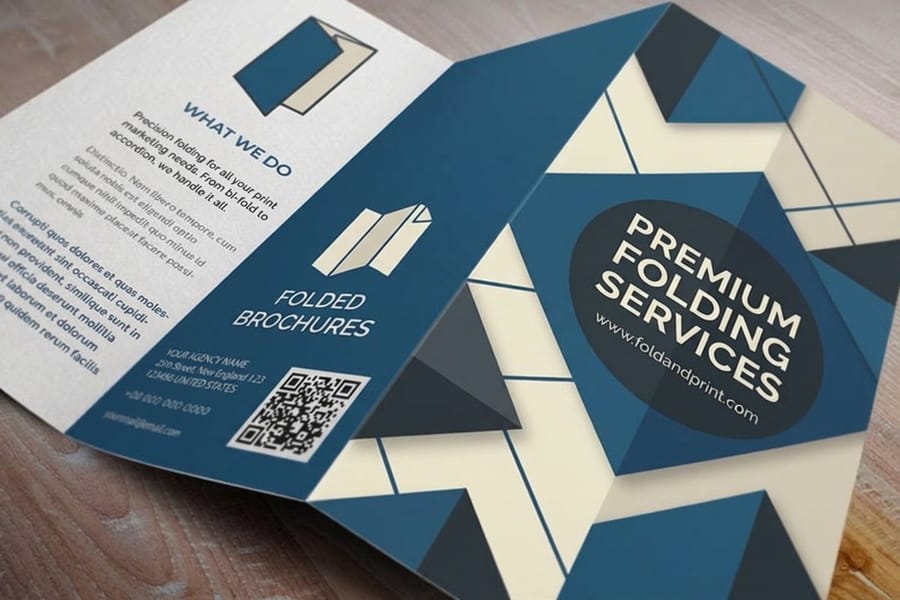
Folding is the finish that adds dimension without adding a coating. Scoring and folding turn a flat sheet into panels that open, reveal, and tell a story in sequence, from a simple tri-fold brochure to a gate fold, z-fold, or a folded card. The fold controls the pace at which someone takes in your message, which is a design tool in itself.
Use custom folds when you have more to say than one panel allows, or when the act of opening is part of the impression: folded brochures, folded flyers, folded cards, and mailers. Each panel behaves like its own small page, so plan the reading order and keep key content off the fold lines.
Because folded pieces think in panels, the file setup matters. Our guide to creating print-ready files covers measuring panels and setting fold guides so nothing creeps across a crease. Pair a fold with lamination or soft touch to finish the outside as nicely as the story inside.
Wally picks the finish that fits the message
One hero finish beats three fighting for attention
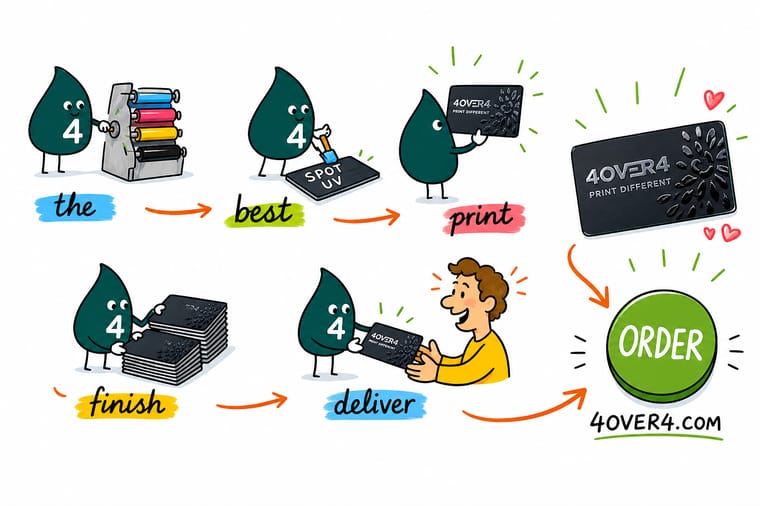
Wally treats a finish like the final flourish, not the whole show. Foil for luxury, soft touch for calm and modern, die cutting for memorable, spot UV to make one detail catch the light. Pick the effect that matches what you want to say, put it on a heavier stock so it holds, and add it right in the configurator. 4OVER4 prints it with the finish built in.
Add a premium finish →Quick reference
The seven finishes and when to use each
Every finish has a job and a best-fit moment. Match the effect to your message, then order the product that offers it.
| Finish | The effect | When to use it |
|---|---|---|
| Spot UV | Selective gloss shine | A clear high-gloss coat on chosen areas over a matte card. Best for logos, monograms, and text you want to catch the light. |
| Foil stamping | Metallic gold, silver, color | Heat presses a metallic film onto the sheet. Best for luxury cards, invites, and any brand that leans elegant. |
| Embossing | Raised, tactile relief | A die pushes the design up off the surface. Best for logos and seals you want people to feel, with or without ink. |
| Soft touch | Velvety matte coat | A suede-like laminate that feels warm and mutes glare. Best for modern, understated, premium brands. |
| Die cutting | Custom shape or window | A steel die trims the piece to any outline. Best for standout shapes, rounded corners, and cutout details. |
| Lamination | Gloss, matte, or silk seal | A protective film over the whole piece. Best for durability, water resistance, and a consistent surface for other finishes. |
| Custom folds | Panels and reveals | Scoring and folding turn a flat sheet into a brochure or mailer. Best for storytelling across panels and pieces that open. |
Step by step
How to choose and add a finish in 7 steps
- Start from the message, not the effectDecide what the piece should say about you first. Luxury and craft point to foil or emboss, calm and modern point to soft touch, playful and memorable point to die cutting.
- Pick one hero finishLet a single finish carry the piece so it feels intentional rather than busy. Spot UV on the logo, or foil on the name, usually does more than three effects fighting for attention.
- Choose the stock that supports itHeavier cards hold embossing, spot UV, and die cutting far better. Soft touch and laminate work across weights, but the premium look still favors thicker stock.
- Design a separate layer for the finishSpot UV, foil, and emboss each need their own artwork layer that tells the press exactly where the effect goes. Keep those shapes crisp and vector.
- Add a second finish only if it earns its placeStacking works when the effects contrast, like glossy spot UV over a matte soft touch card, or foil registered to an emboss. Skip it if the two just blur together.
- Proof on the real stockA finish reads differently on paper than on screen. Order free paper samples or a printed proof so you can see the shine, feel the texture, and confirm the color on the actual card.
- Add the finish at checkout and orderOpen the product, select the finish in the configurator, watch the price update live, and place the order online. No minimums, no custom quote.
Specs and pricing
Spot UV business card specs and live pricing
See how a premium finish prices out. Here are the live specs and price-per-unit for spot UV business cards at 4OVER4, straight from the configurator.
| Quantity | Price Per Unit | Total |
|---|---|---|
| 500 | 15.4¢ | $76.88 |
| 1,000 | 8.96¢ | $89.63 |
| 2,500 | 5.36¢ | $133.98 |
| 5,000 | 4.30¢ | $214.84 |
| 10,000 | 3.43¢ | $342.67 |
| 15,000 | 3.32¢ | $497.53 |
| 20,000 | 3.26¢ | $652.41 |
| 25,000 | 3.21¢ | $802.87 |
Order it
Add a finish to your next print job
See it in use
Finished cards, printed in-house
Explore more
Where to go next
By the numbers
Premium printing you can count on at 4OVER4
Common Questions
Common questions about print finishes
What is foil stamping?
Foil stamping is a finish that uses heat and pressure to press a thin metallic or pigmented film onto the paper, leaving a shiny, solid layer exactly where the die touches down. Unlike printed metallic ink, real foil has depth and reflectivity, which is why it reads as luxury on business cards, invitations, and folders. It comes in gold, silver, copper, holographic, and colored foils, and it pairs beautifully with an emboss so a logo lifts off the card in metal. You add foil as a finish option in the configurator, and it works best on heavier stocks that hold the pressure cleanly.
What is embossing?
Embossing is a finish that shapes the paper itself rather than adding ink. A metal die and its mirror press the sheet from both sides so the design rises up off the surface toward the viewer, while debossing presses it the other way for a recessed, stamped-in look. A blind emboss uses no ink at all, relying on light and shadow across the raised shape, which is the subtle, tactile effect that reads as premium. It shines on logos, monograms, seals, and covers, holds a deeper impression on heavier stock, and combines with foil for a raised metallic mark.
What is a print finish?
A print finish is any treatment applied after the ink that changes how a printed piece looks, feels, or holds up. Some finishes add shine or metal to the surface, like spot UV and foil. Some change the texture, like soft touch lamination or a raised emboss. Some change the shape, like die cutting and custom folds. And some protect the piece, like gloss, matte, or silk lamination. The right finish is the difference between a card that gets glanced at and one that gets kept, and each one is a checkout option you select before you order.
How do I choose the right print finish?
Start from the message the piece should send, then match the finish to it. For luxury and craft, reach for foil or embossing. For a calm, modern, understated brand, soft touch is hard to beat. For something people remember and pass around, die cutting into a custom shape stands out. Consider durability too, since lamination protects pieces that get handled or mailed. Let one hero finish lead so the piece feels intentional, choose a heavier stock to support it, and order free samples so you can feel the finish on the real card before committing to a full run.
What does a print finish cost and how are prices set?
A finish is priced as an add-on to the base print job, so the total scales with the same levers as any order: quantity, size, stock, and the specific finish you choose. More elaborate effects like foil, embossing, and spot UV cost more than a straight print because they involve extra tooling and passes, while lamination is a smaller upgrade. You set the finish in the configurator and the price updates live as you go, so you can compare a soft touch card against a foil one before you commit, with no quote or minimum order required.
Can I combine two print finishes on one piece?
Yes, and combining finishes is where the most memorable pieces come from. The trick is contrast: glossy spot UV over a matte soft touch card, or shiny foil registered on top of a raised emboss, each let one effect set off the other. Combinations that blur together, like a subtle finish over a subtle finish, add cost without adding impact, so stack only when the two effects clearly play against each other. Heavier stocks hold multiple finishes best, and each effect needs its own artwork layer so the press knows exactly where it goes.
Get Started
Ready to give your print the finish it deserves?
Pick your product, add spot UV, foil, embossing, soft touch, or a custom shape in the configurator, and watch the price update live. Order online with no minimums.
Legal Disclaimer
Gold Standard guarantees apply to all standard orders placed through 4over4.com. Price match requires verifiable proof of a competitor's published price for an equivalent product with matching specifications and turnaround time. Satisfaction guarantee covers manufacturing defects and print quality issues. Contact support with order number and documentation. On-time delivery rate based on tracked orders 1999 to 2026. Individual results may vary based on shipping carrier performance.
