
DIY Scratch Off Card Tutorial to Make Cards Fast


How to make DIY scratch off cards that actually work
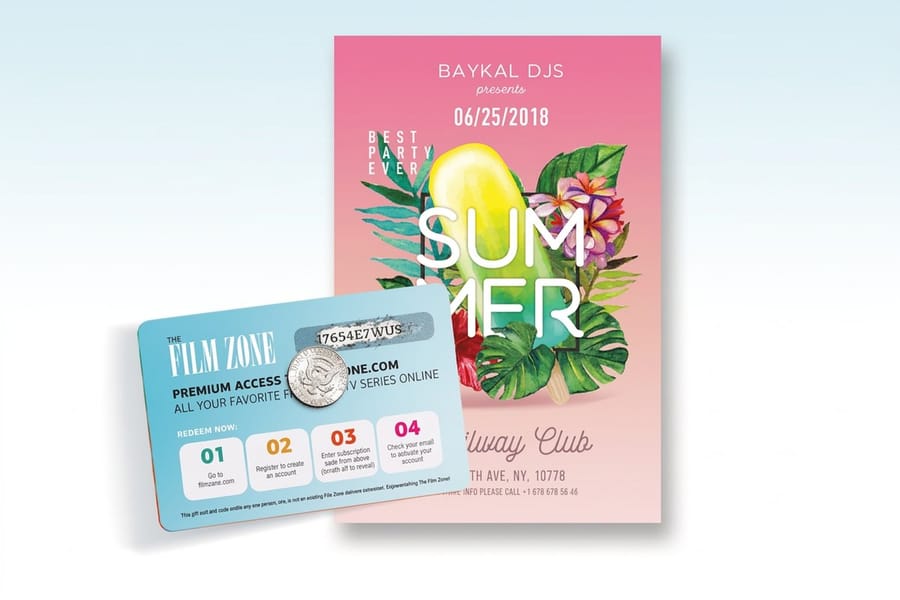
A DIY scratch off card tutorial walks you through building an interactive card with a hidden message tucked under a scratchable coating. 4OVER4.COM has printed 10 billion+ cards across 1,000+ product types, and scratch off cards stay one of the most engaging formats for promotions, events, and gifts. Whether you are running a retail campaign or planning a party game, this guide covers every step from design to print.
Scratch off cards turn a passive piece of print into something people actually want to touch. That little moment of scratching and revealing triggers the same reward response as opening a gift. Businesses use them to drive repeat purchases, teachers use them to make quizzes fun, and party planners use them for gender reveals and prize games. The format is flexible, affordable, and simple to pull off yourself.
Why scratch off cards beat standard promotions
Think about the last flyer someone handed you with a discount printed right on it. Did you keep it? Probably not. Now imagine a card where you have to scratch to find out what you won. That is a completely different experience. The hidden element creates anticipation, and anticipation drives action.
Businesses across restaurants, salons, and retail shops use scratch off cards because they work. They lift redemption rates over traditional coupons, they get people talking, and they give your brand a playful edge a plain postcard cannot match. For more interactive print ideas, the DIY gift card scratch off guide shows another way to build the reveal, and these logo sticker design ideas pair well with a scratch off campaign.
The psychology is straightforward. People value something more when they feel they earned or discovered it. A scratch off card turns a passive recipient into an active participant, and that shift in behavior is what makes these cards so effective for marketing, education, and entertainment.
Gathering your materials for DIY scratch off cards
Before you start designing, gather the right supplies. The good news is that most of what you need is cheap and easy to find. A basic build starts with heavy cardstock, at least 80lb cover weight, because thinner paper buckles when you apply the coating. You also need clear packing tape or contact paper, acrylic craft paint in silver or gold, and regular dish soap. That is the classic homemade scratch off recipe.
If you want professional results without the mess, 4OVER4.COM scratch off printing applies precision coatings on premium card stock, so the finish scratches off cleanly every time. For a small batch or a personal project the homemade method works great, and if you want to compare finishes, the scratch off printing collection lays out the durable options side by side.
Optional supplies that level up your cards include metallic markers for hand lettering, rubber stamps for patterns, sticker paper for custom shapes, and a craft knife for clean edges. For a business promotion, print your base design digitally for a polished look, then apply the scratch off layer by hand.
The scratch off coating formula
Here is the recipe that actually works. Mix two parts acrylic paint with one part dish soap and stir gently, do not whip it into a foam. The dish soap stops the paint from bonding permanently to the surface beneath it, which is exactly what makes it scratchable.
Apply the mixture over clear packing tape, never straight onto paper or ink. The tape creates a barrier that protects your hidden message. Without it the paint soaks into the cardstock and will not lift cleanly. This is the step most tutorials skip, and it is the difference between a card that works and a smudgy mess.
You need two to three thin coats. Let each coat dry completely before adding the next, because rushing leads to streaky coverage. A foam brush gives the smoothest finish, while bristle brushes leave visible stroke marks.
The coating sits on tape, never on the card itself. That single layer is why the paint lifts off cleanly instead of taking your printed message with it.
Step by step: building your first scratch off card
Ready to build one? Here is the full sequence, from laying out the front of the card to trimming the final piece. Follow it in order and your first card will scratch off like the real thing.
Step 1: design your card base
Decide what goes on the front, such as branding, instructions, and graphics, and what gets hidden under the scratch area. Keep the hidden message short and punchy. 20% off your next visit works, a full paragraph does not. Use a tool like Canva, Adobe Illustrator, or even Google Slides, and set your document to the card size you want. Standard business card size, 3.5 by 2 inches, suits most promotions, while a 4 by 6 inch postcard size gives party games more room.
Print your design on heavy cardstock with a laser printer if you can. Laser toner sits on top of the paper, which works better with the tape and paint method, and inkjet prints can smear if moisture seeps through the tape edges.
Step 2: apply the tape barrier
Cut a piece of clear packing tape slightly larger than your scratch area and press it firmly over the hidden message, smoothing out any air bubbles. The tape has to lie completely flat, since wrinkles create weak spots where paint peels off early. For shaped areas like circles, stars, or hearts, use contact paper cut to shape with a craft knife. Contact paper is thicker than tape, so it leaves a slightly raised area that looks more professional.
Step 3: apply the scratch off coating
Using your foam brush, apply the first coat over the taped area and brush in one direction for even coverage. The first coat looks thin and streaky, which is normal. Wait 15 to 20 minutes, then apply a second coat brushing perpendicular to the first so the cross hatching fills in gaps. Two coats cover most cards, and if you can still read the hidden text, add a third. Let the final coat dry for at least an hour before handling, and lay the cards flat on wax paper so they do not stick together.
Step 4: test and trim
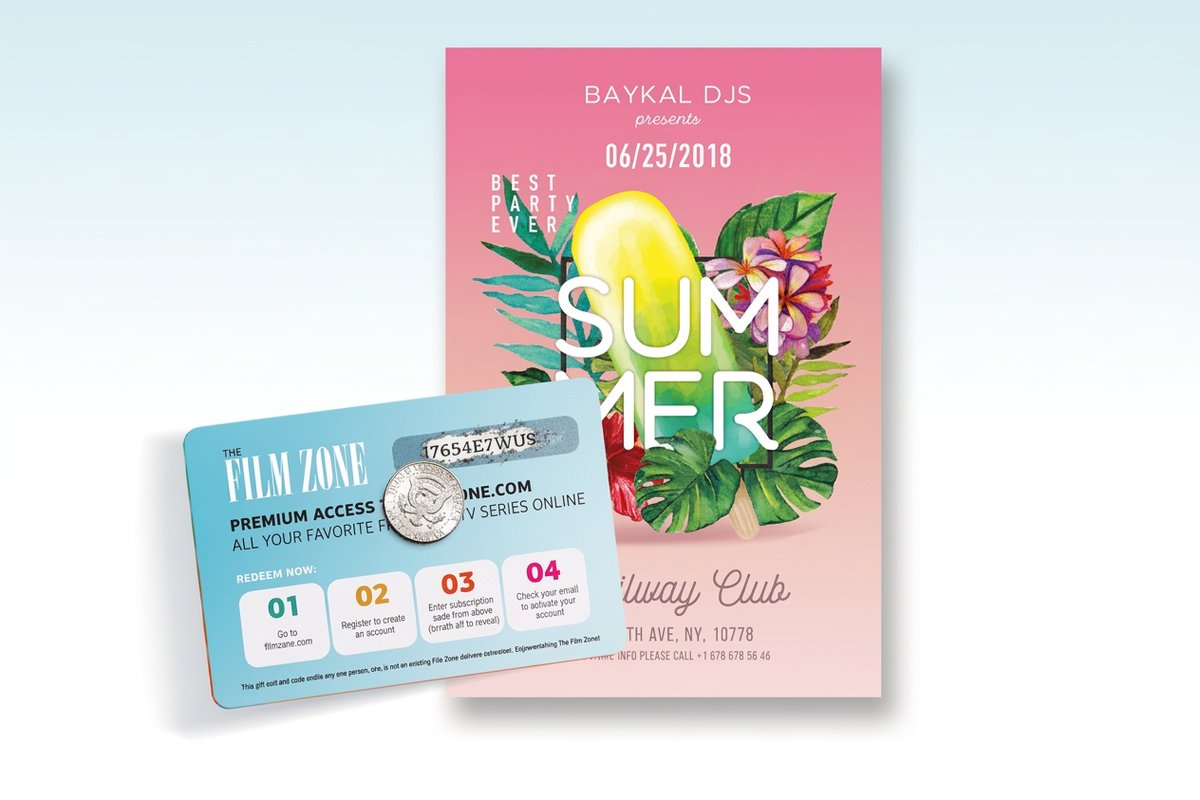
Before you make 200 cards, test one. Scratch the coating with a coin, and it should come off in satisfying curls without tearing the paper. If it is too hard to scratch, add more dish soap. If it flakes off too easily, add more paint. Trim your cards to final size with a paper cutter or craft knife, and round the corners with a corner punch for a polished look. For a larger run with a truly clean finish, 4OVER4.COM scratch off printing handles design, die cutting, and coating in one go, and the how to make scratch off cards guide walks through the print-ready version.
Print it instead
Scratch off cards, professionally coated
Machine-applied coatings on premium stock, the clean finish you cannot get with a brush.
Common scratch off card mistakes to avoid
After helping 150,000+ businesses with their print projects, 4OVER4.COM has seen every scratch off card mistake in the book. Here are the ones that trip people up most often.
Skipping the tape layer
This is the number one mistake. Without a barrier between the paint and the printed surface, the coating bonds to the ink, and when someone scratches it off they tear the paper instead. Always lay clear packing tape or contact paper as your barrier first.
Using the wrong paint ratio
Too much soap and the coating slides off. Too little and it will not scratch. The sweet spot is two parts paint to one part soap. Measure it out, do not eyeball it, especially on your first batch.
Printing on thin paper
Regular 20lb copy paper warps when you apply tape and wet paint. Use at least 80lb cardstock, preferably 100lb or heavier. The thicker the card, the more professional it feels in someone hand, and for business promotions the weight signals quality.
Making the hidden area too large
A scratch area that covers the whole card front is tedious to scratch. Keep it around 1 by 1.5 inches on business card sized pieces, or about a quarter of the card face on larger formats. Small enough to scratch in a few seconds, large enough to build anticipation.
Creative ideas for events, retail, and loyalty
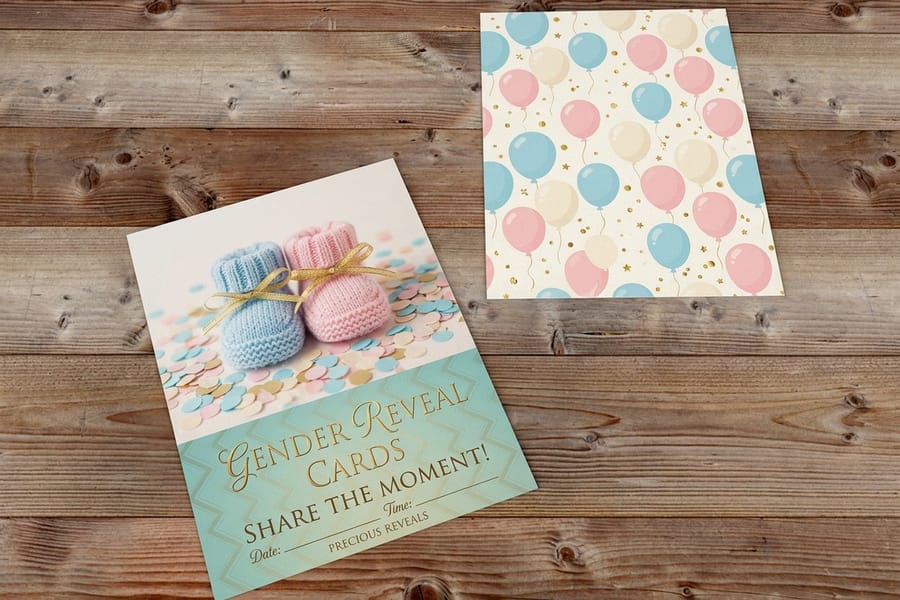
The format is versatile. Here is what works across different industries and occasions, and why each one lands.
Retail and restaurant promotions
Hand out a scratch off card with every purchase and hide different discount tiers, from 10% to a free item. The randomness keeps customers engaged. A coffee shop can run scratch to reveal your free upgrade cards during a slow week, and a boutique can tuck them into shopping bags over the holidays. To carry the branding further, these logo sticker design ideas pair neatly with a scratch off campaign.
Events and parties
Gender reveal scratch off cards are a hit. Print It is a boy or It is a girl under the coating and mail them to family. Baby showers, wedding receptions, and birthday prizes all work in scratch off format. Ready made gender reveal cards give you a clean base, and you can pair them with 3D lenticular greeting cards for a reveal that shifts as it tilts.
Classroom and education
Teachers use scratch off cards for vocabulary quizzes, math problems, and reward systems, where students scratch to reveal whether their answer is correct. It turns a flat worksheet into something kids want to do, and scratch off reward cards let students earn points toward prizes.
Loyalty programs
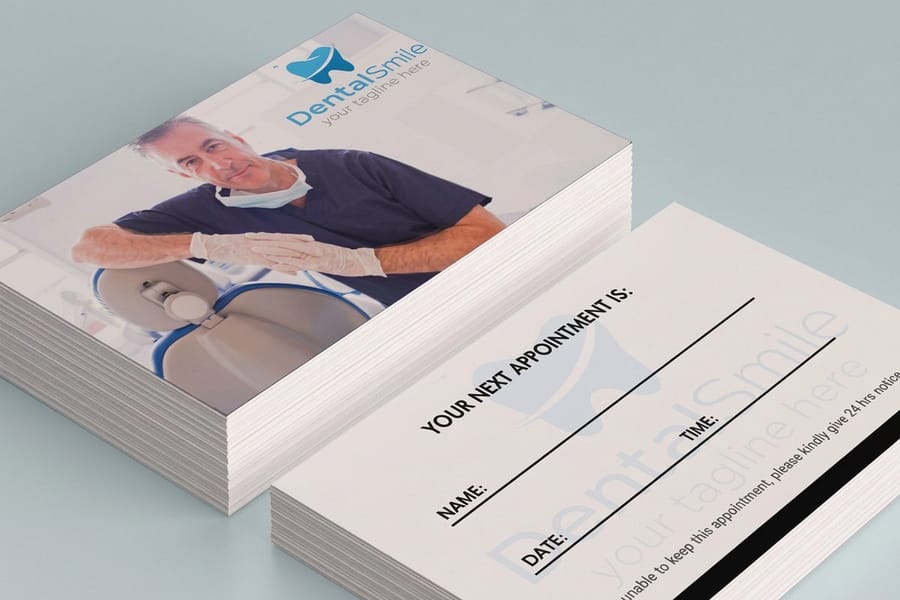
Build a scratch off loyalty card where each visit reveals a small reward, and after a set number of scratches the customer earns a bigger prize. It blends the fun of a scratch off with the retention of a punch card. Pair it with custom appointment cards to keep customers coming back on schedule.
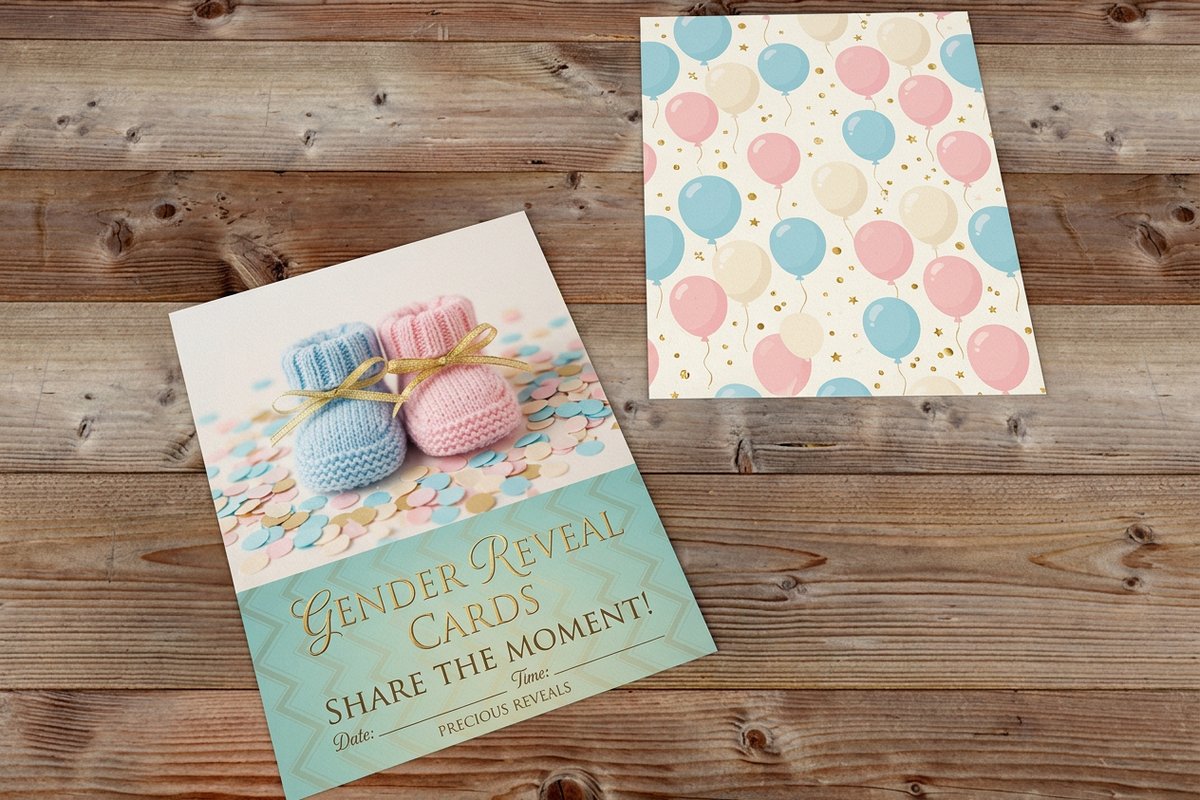
Party ready
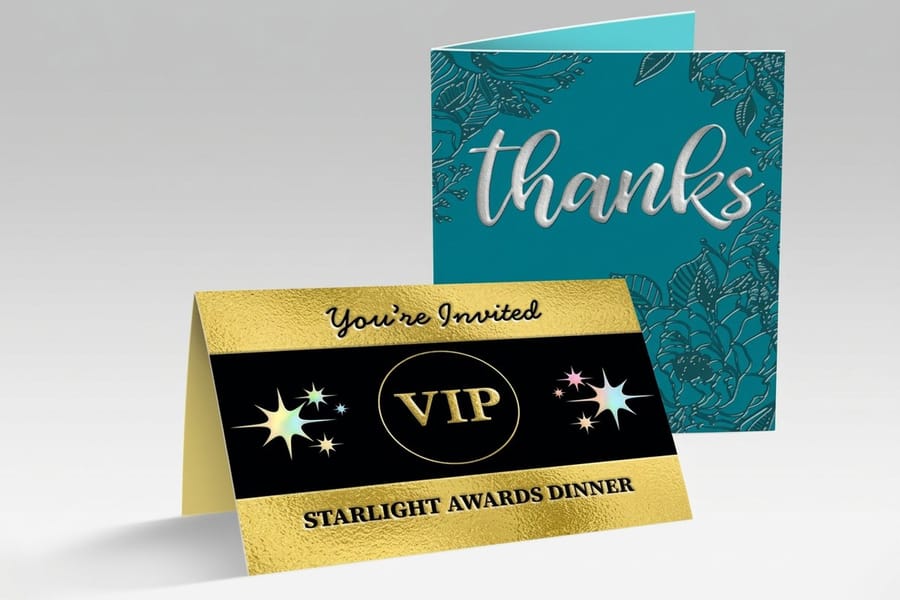
Gender reveal and event cards
A clean printed base for reveals and prizes, ready for your hidden scratch off message.
When to go professional instead of DIY
The DIY method shines for small batches of 50 cards or fewer. Once you pass 100 cards, the time adds up fast, because each card takes roughly 3 to 5 minutes to coat by hand. That is over 8 hours for a batch of 200.
Professional scratch off printing from 4OVER4.COM uses machine applied coatings that are perfectly even, precisely placed, and available in silver, gold, or custom colors. The scratch layer is thinner and smoother than anything you can brush on, and you gain premium card stocks, custom die cutting, and full color printing on both sides.
For a business promotion, professional printing also gives you consistency, so every card looks identical and every scratch area behaves the same way. That reliability matters when your brand is on the line. For seasonal campaigns, pair scratch off promotions with custom Christmas cards or dual raised greeting cards to keep one look across every printed touchpoint.
If the run is big enough that hand coating stops making sense, custom scratch off card printing takes the same artwork and applies the panel by machine, in silver, gold, or a color you pick.
Machine applied panelEven coverage across the whole panel and a hard edge where the DIY brush leaves a soft one. 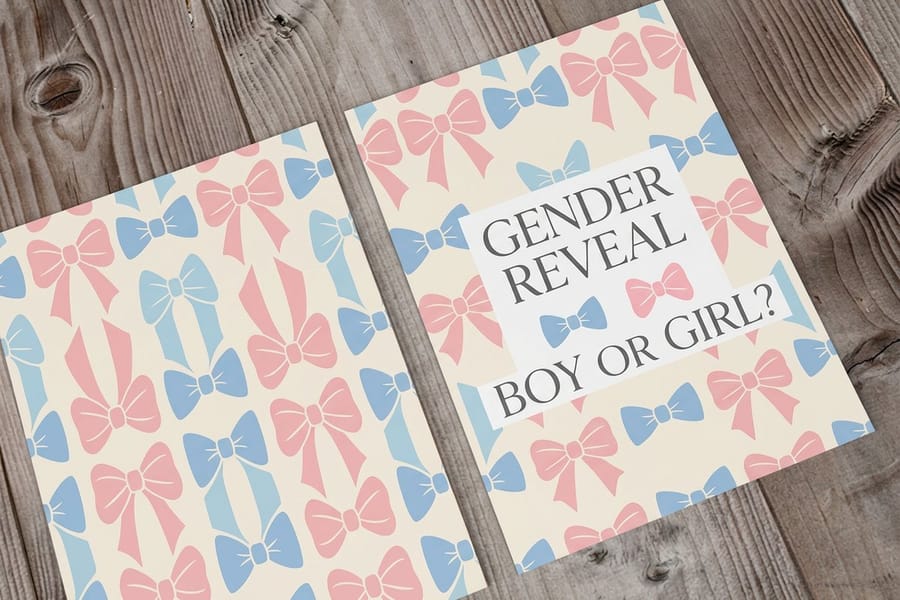
Full color under the panelThe hidden side prints like any other card, so the reveal can carry artwork rather than one word. 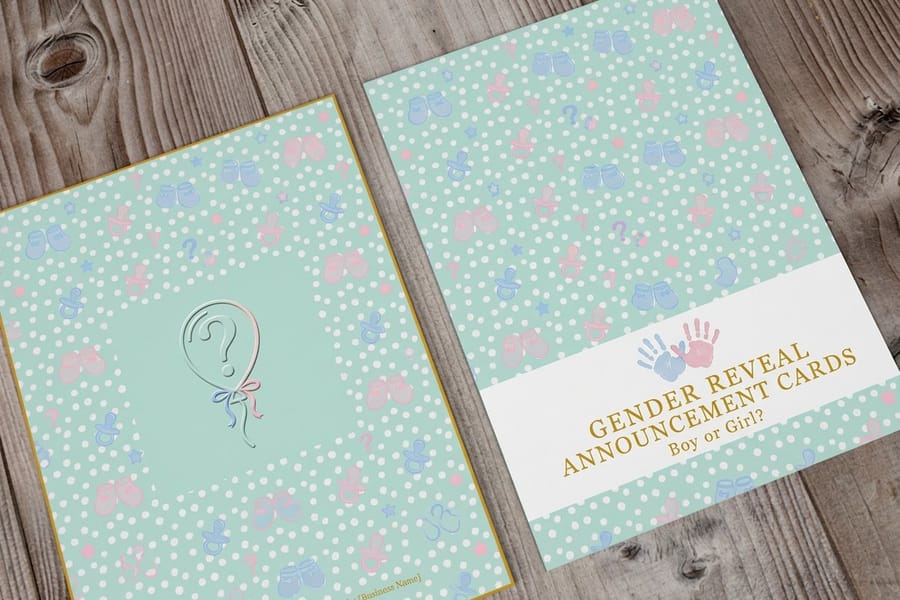
After the scratchThe coating lifts in flakes and the print underneath comes up clean, with no lifted ink.
Quantity and price
Scratch off pricing and specs
Real configurator numbers, the more you order the lower the per unit cost drops.
| Quantity | Price Per Unit | Total |
|---|---|---|
| 100 | $2.37 | $237.25 |
| 200 | $1.49 | $297.66 |
| 300 | $1.14 | $340.50 |
| 400 | 95.8¢ | $383.34 |
| 500 | 84.1¢ | $420.68 |
| 600 | 75.4¢ | $452.53 |
Design tips that make scratch off cards irresistible
You do not need a design degree to make a scratch off card people want to scratch, but a few rules separate amateur from professional.
Use action oriented language
Do not just print a silver box and hope people know what to do. Add a clear prompt like Scratch here to reveal your prize or Use a coin to uncover your discount, and make the call to action impossible to miss.
Create visual contrast
The scratch area should stand out from the rest of the card. Use a different color, add a border, or place it on a contrasting background. Silver and gold coatings draw the eye on their own, but the surrounding design still needs to guide attention to the right spot.
Brand every card
Your logo, colors, and fonts belong on the card. A scratch off card without branding is a missed chance, even for a wedding or birthday. If you are building a brand and need affordable printed pieces to start, 4OVER4.COM free business cards help you get your name out there.
Make the reveal worth it
What people find under the coating matters as much as the card itself. Use bold, large text for the hidden message, add a small icon, and make the reveal feel like a celebration rather than an afterthought. The hidden content is the payoff for the scratch, so make it count.
Compare specialty formats
Specialty cards, side by side
Stock, finish, quantity, turnaround, and from-price across our most-ordered specialty cards.
Scratch Off | 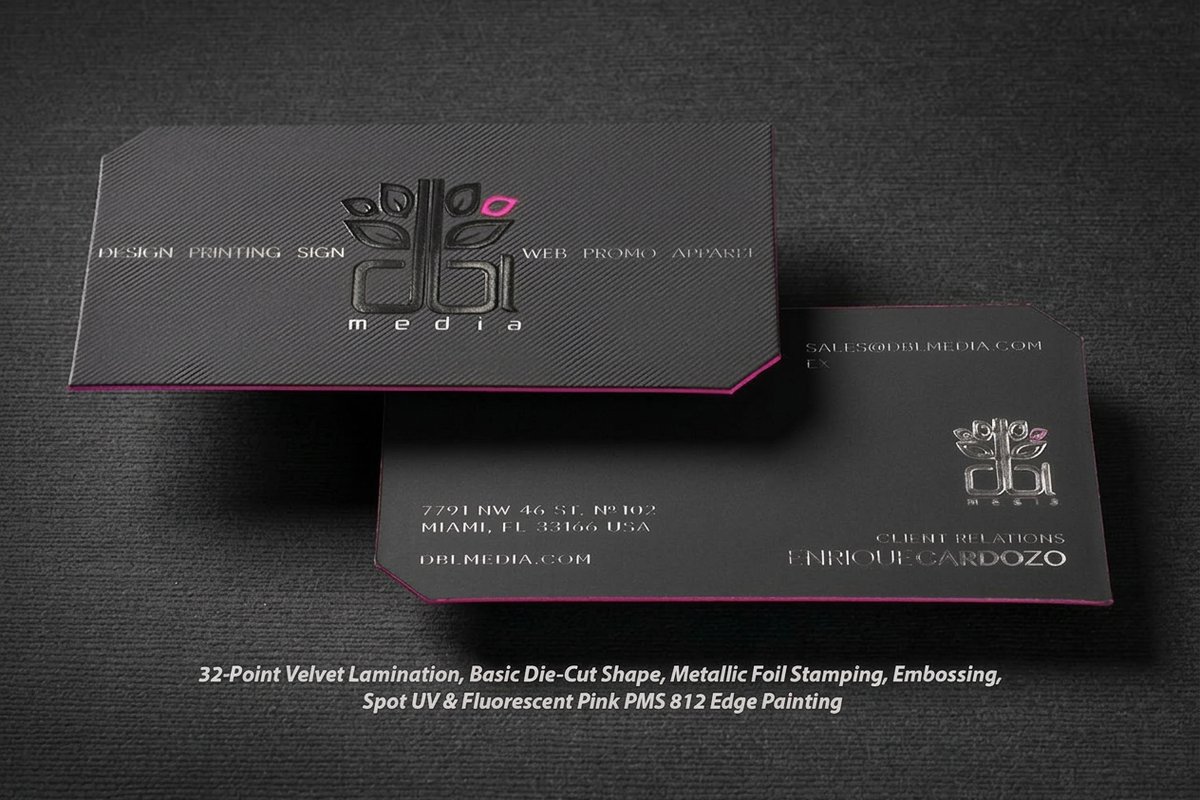 Majestic Business Cards | 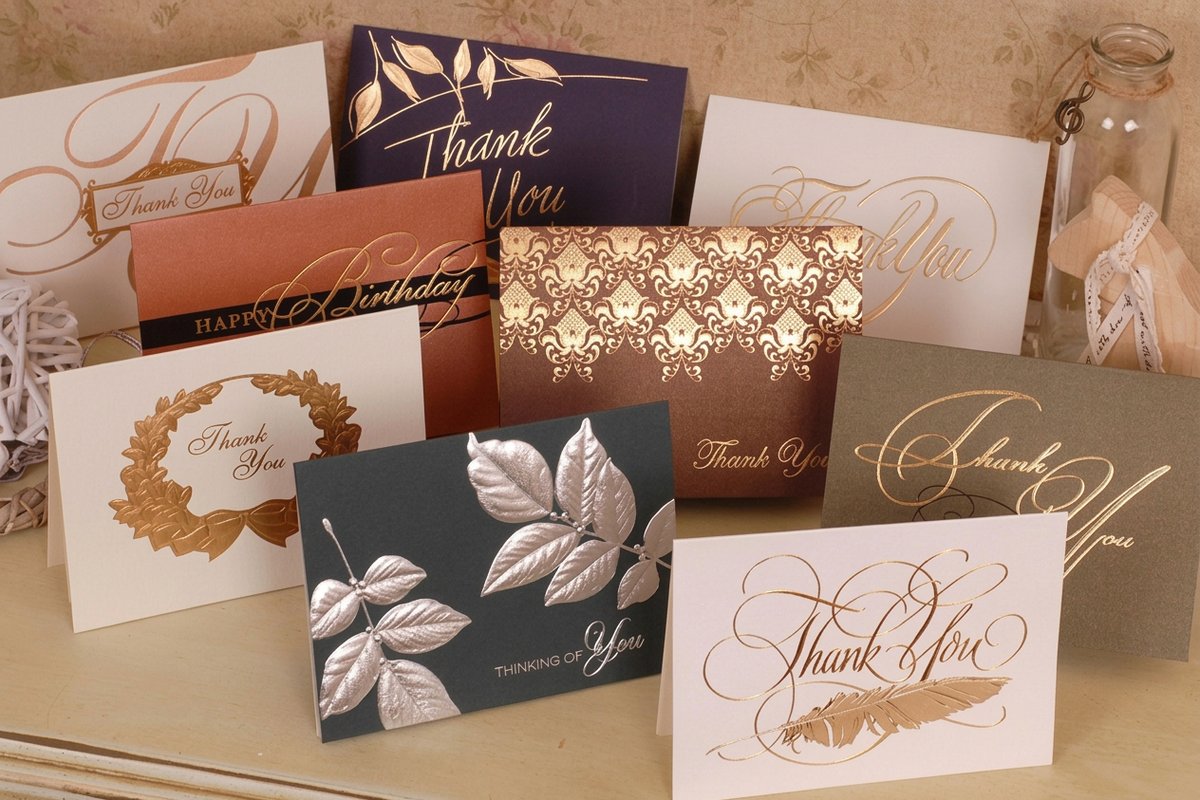 Majestic Greeting Cards |  Majestic Postcards | |
|---|---|---|---|---|
| Min price | $237.25 | $251.36 | $367.82 | $220.20 |
| Paper / stock | 14pt Gloss Cover | 32pt Silk Laminated | 16pt Silk Laminated | 16pt Silk Laminated |
| Size | 2" x 2" | 2" x 3.5" | 10" x 7" scored to 5" x 7" | 4" x 6" |
| Default qty | 100 | 250 | 100 | 100 |
| Turnaround | 10 business days | 15 business days | 10 business days | 10 business days |
| Rating | ||||
| View & customize | View & customize | View & customize | View & customize |
Templates and design resources for scratch off cards
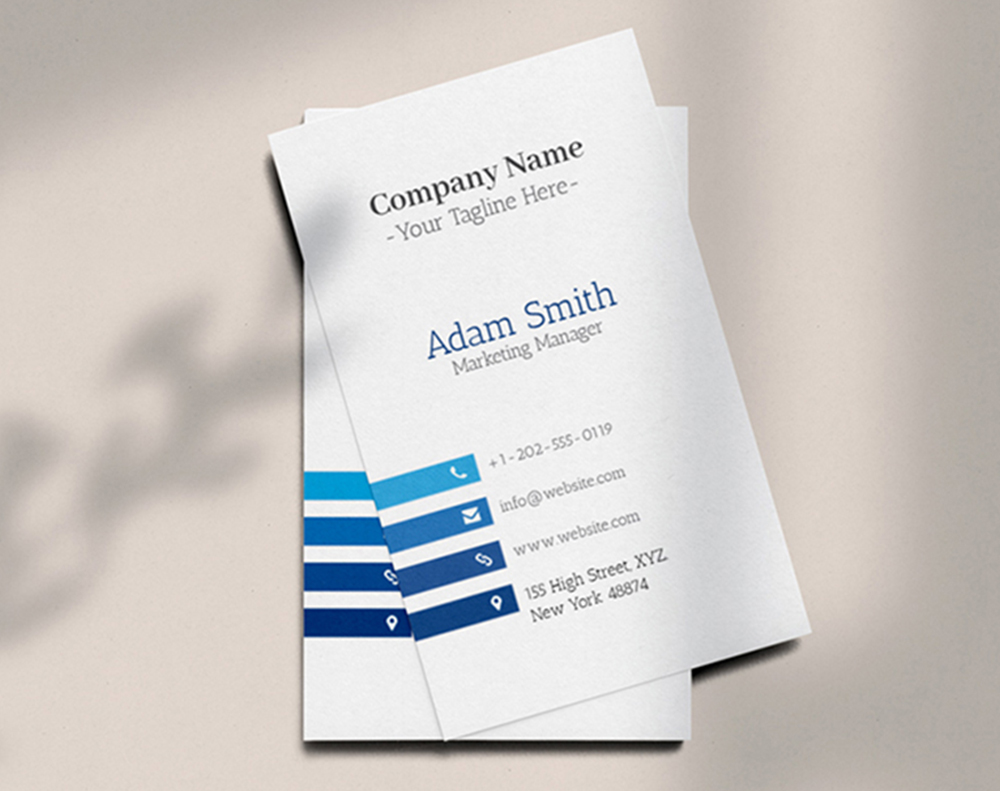
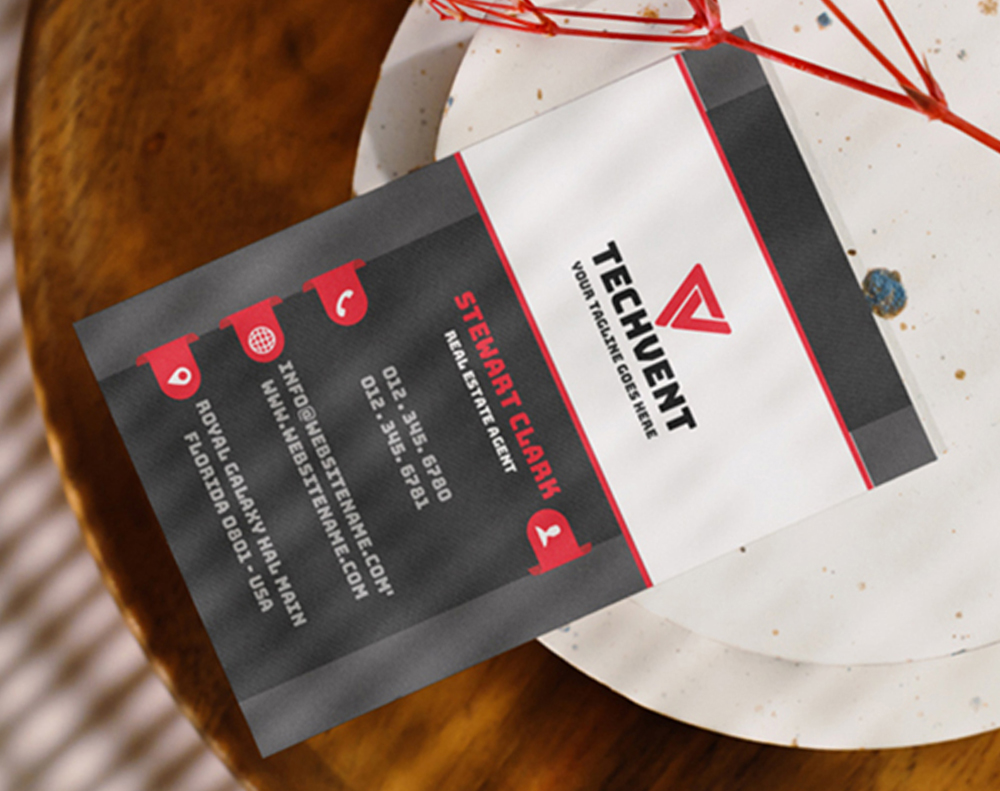
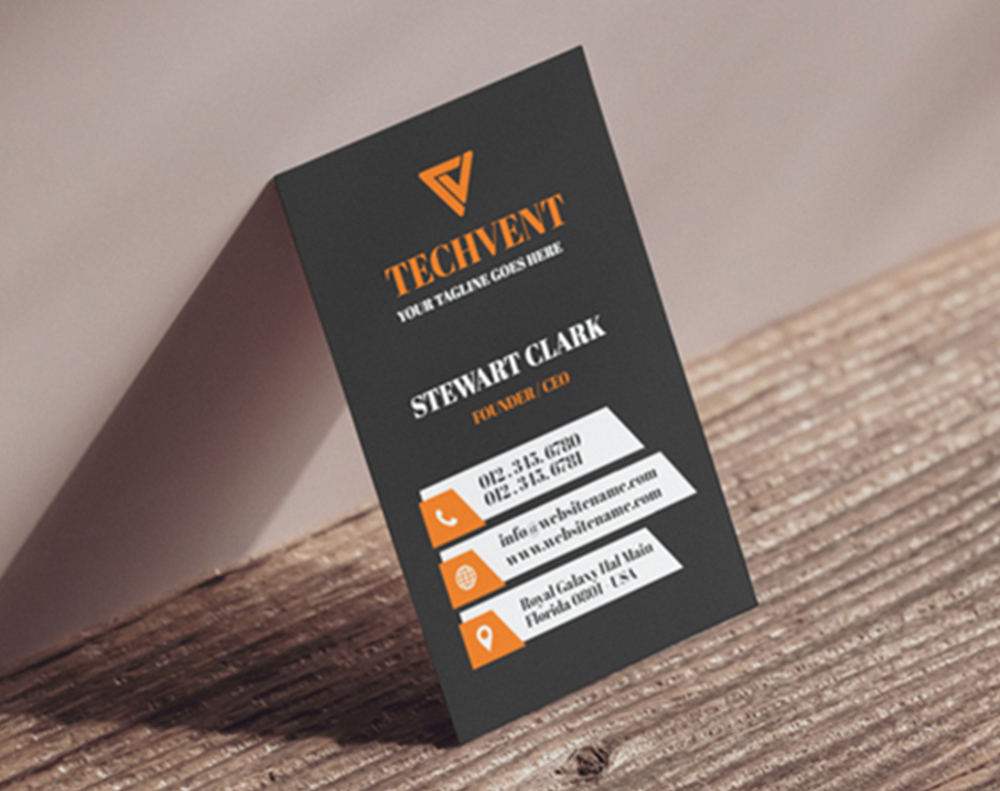
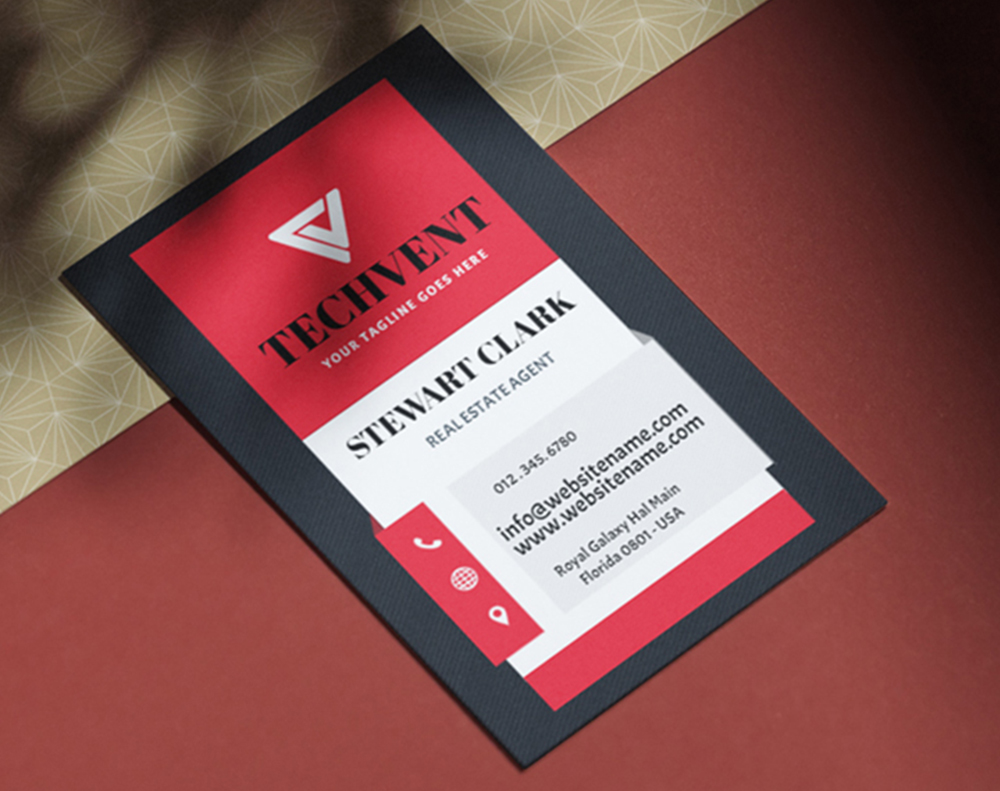
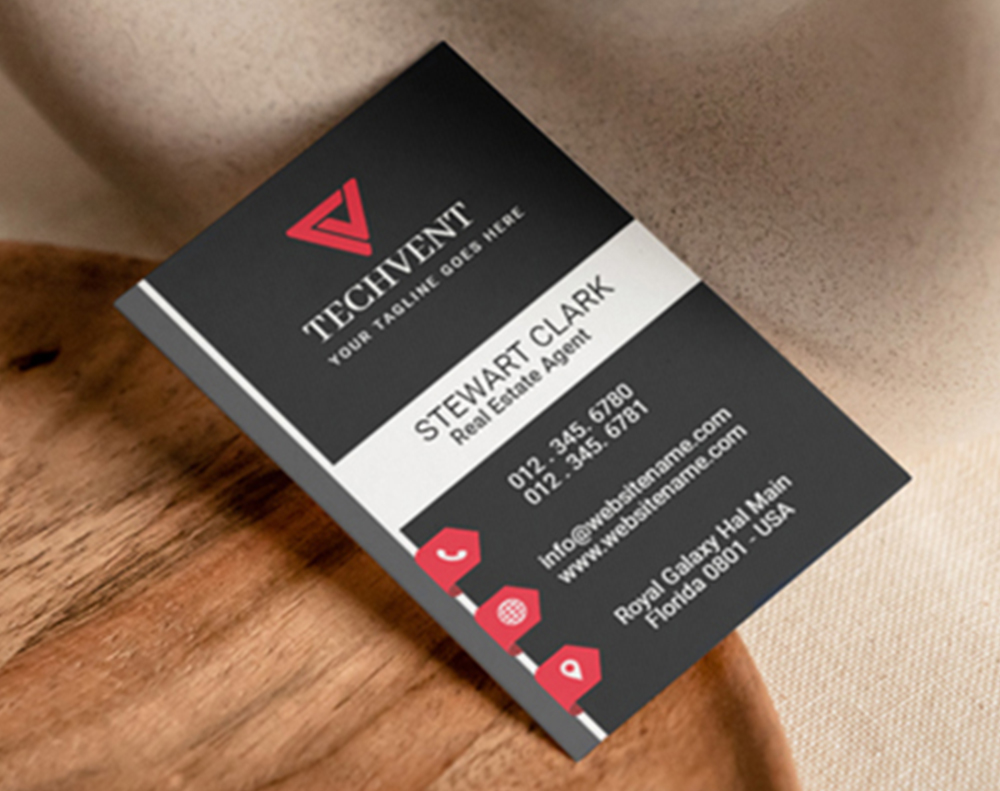
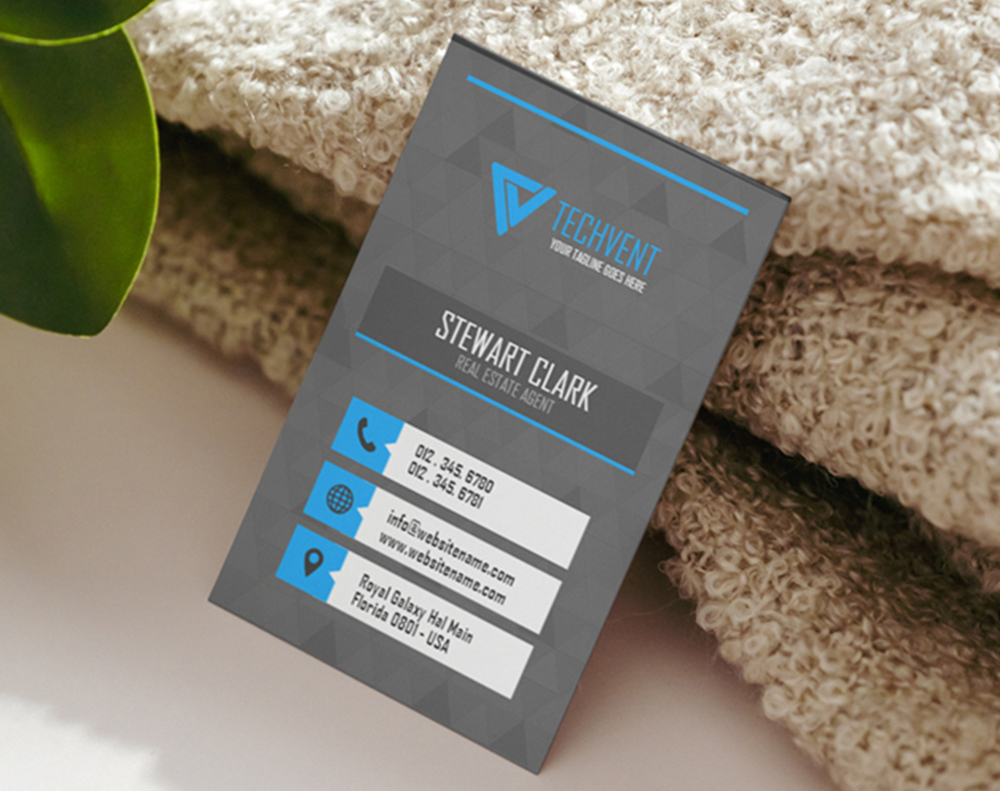
Starting from scratch is not always necessary. 4OVER4.COM provides ready to use templates that speed up design and keep your files print ready, from full card layouts to exact size blanks. Browse the full design templates library, then drop your art onto a blank sized to the product so everything lands inside the cut line.
Blank templates and design starters
Blank templates include proper bleed areas, safe zones, and placement guides, so your scratch area sits exactly where you want it. Sturdy stocks like plastic cards give a premium base for reusable loyalty or reveal cards, and the design starters below let you swap in your colors and copy without opening a blank page.
Start fast
Card templates and print-ready blanks
Pick a card design template or an exact size blank so your logo and scratch area land inside the cut line.
Scratch off card pricing and value
Understanding the cost helps you decide between DIY and professional printing. A basic homemade batch of 50 cards runs roughly 10 to 20 dollars for cardstock, acrylic paint, dish soap, and tape. Professional scratch off cards start at 95.56 dollars, and the per unit cost falls hard as the run grows, from about 2.37 dollars each at 100 down to roughly 15 cents each at 10,000.
For a small personal project, DIY stays the most budget friendly path. As quantities climb, professional printing wins on cost per unit while delivering far better consistency and durability. To see live numbers for your own run, open the scratch off printing configurator, or explore the wider scratch off printing collection for more finishes.
Wally builds the scratch off reveal
Tape, coat, and scratch, the whole trick in three moves
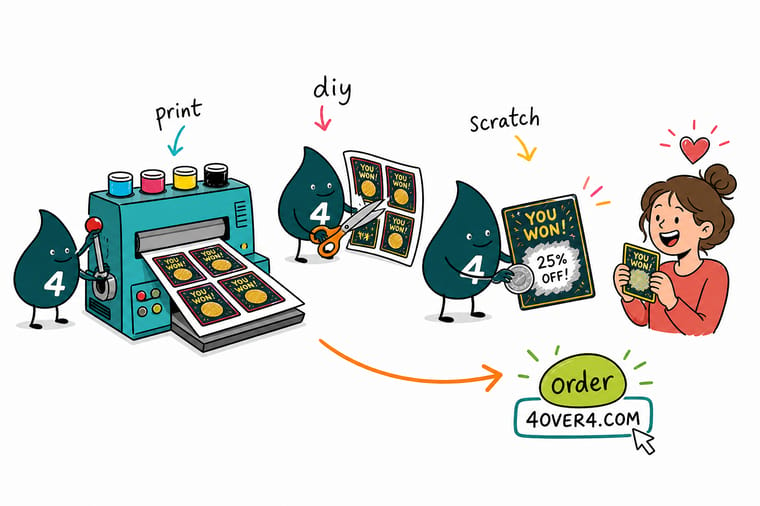
The magic is the barrier. Lay clear packing tape over your hidden message, brush on two parts acrylic paint to one part dish soap, and let it dry. Scratch with a coin and it lifts in clean curls. For 100 cards or more, 4OVER4.COM prints and coats them for you with an even, machine-applied finish.
Order scratch off cards →What to remember before you start scratching
Why scratch off card templates work
- Time-saving. Drop your art into a ready card layout instead of starting from a blank page.
- Consistency. Every card matches your brand, so the reveal feels intentional across a batch.
- Professional look. Pre-built layouts give clean, cut-ready results without hiring a designer.
- Cost-effective. You skip design fees while still getting a custom scratch off card.
- Flexibility. Scale from small loyalty cards to large promo mailers from one starting point.
- Print ready. Bleed, safe zones, and scratch placement are built in, so files pass preflight.
Explore more
More ways to print, reveal, and brand with cards
Every related page in the scratch off and cards cluster, one card each, so you can keep exploring.
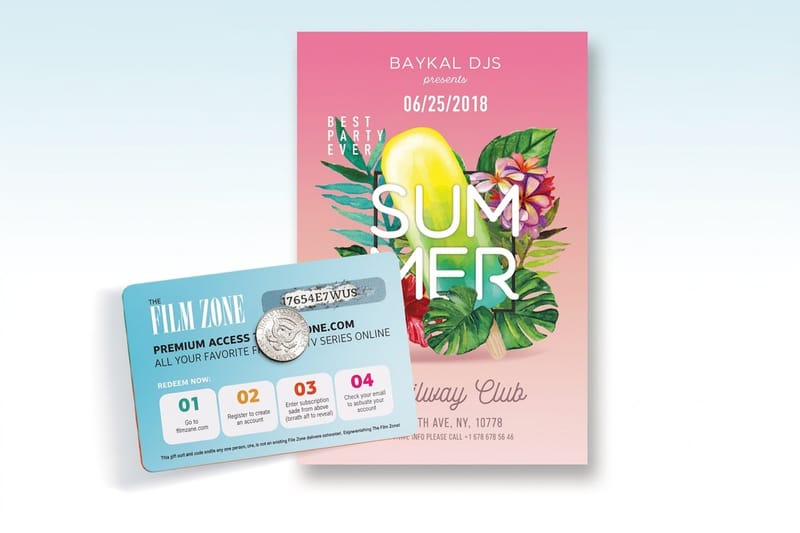 Product Scratch Off Printing Machine-coated custom scratch off cards from $95.56.
 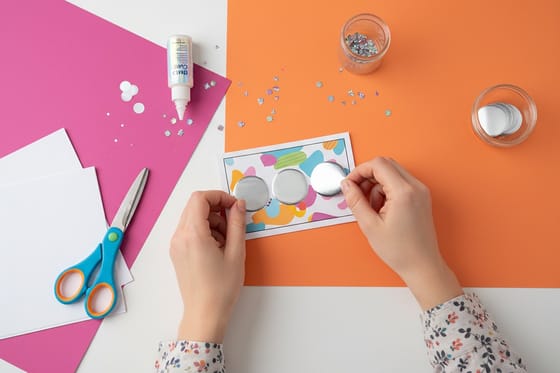 Guide How to Make Scratch Off Cards The print-ready version, start to finish. Collection Scratch Off Printing Collection Every scratch off finish in one place.
 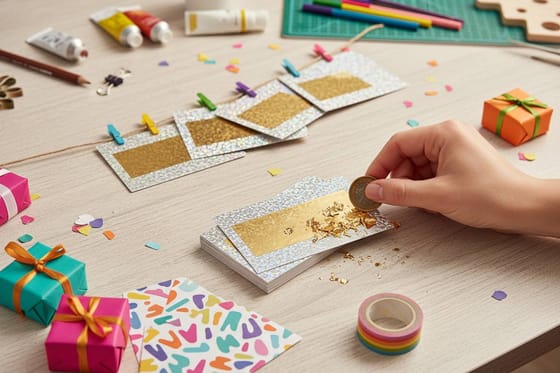 Article DIY Gift Card Scratch Off Guide Add a scratch reveal to gift cards.
 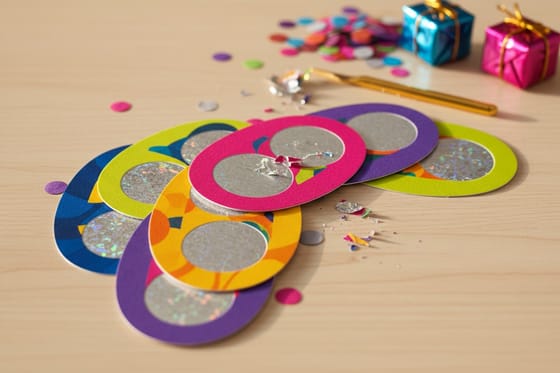 Article Gift Card Scratch Off Examples Design ideas that inspire your layout.
 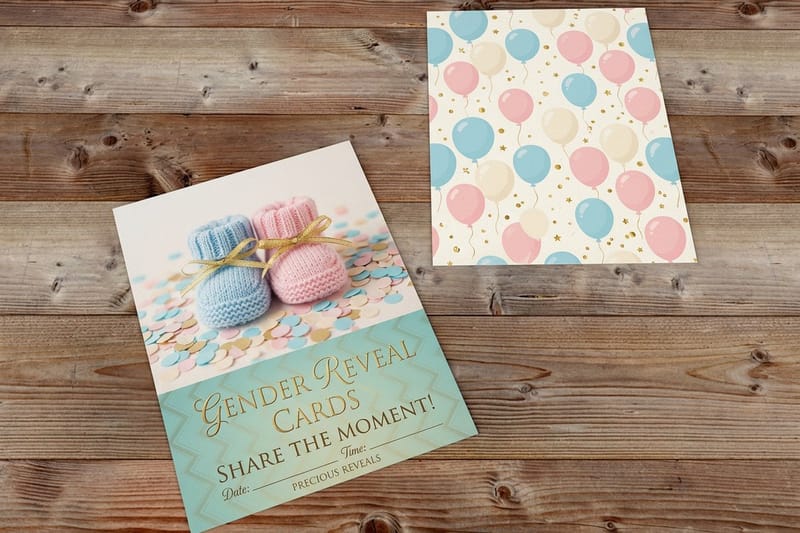 Product Gender Reveal Cards Custom reveal cards from $16.48.
 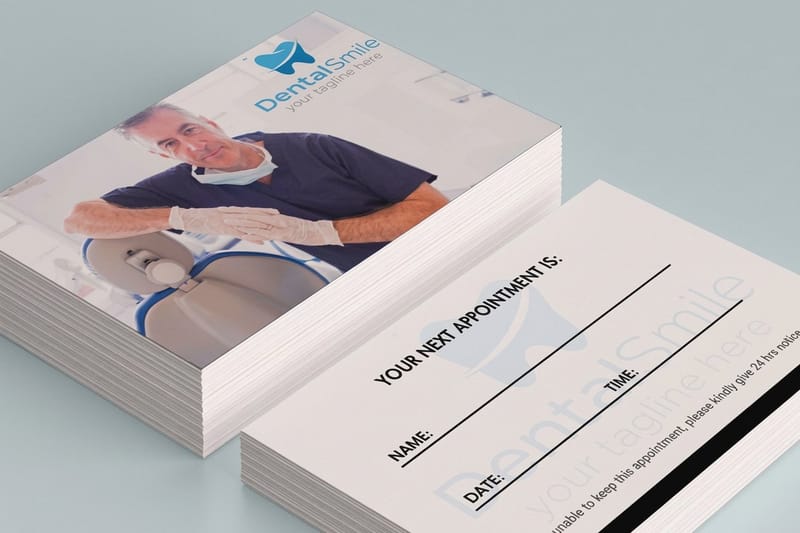 Product Appointment Cards Loyalty and appointment cards from $17.57.
 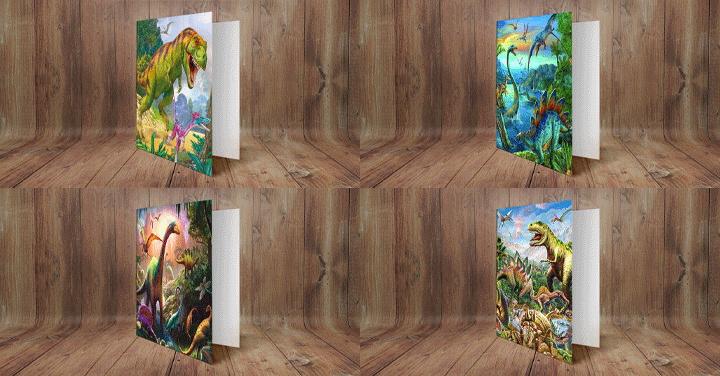 Product 3D Lenticular Greeting Cards Motion-effect cards for a memorable reveal.
 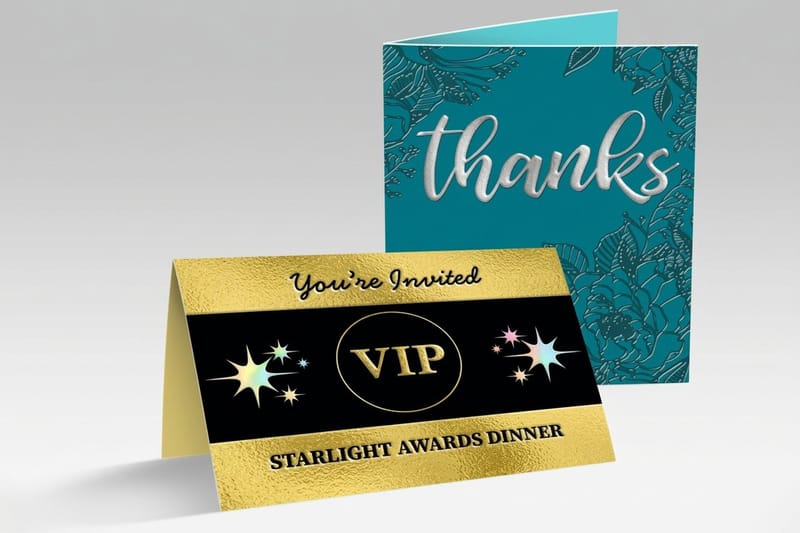 Product Dual Raised Greeting Cards Premium raised-texture greeting cards.
  Product Custom Christmas Cards Seasonal cards to match your campaign.
  Product Free Business Cards Affordable branded cards to get started. Hub Invitations & Cards The full invitation and card printing hub.
 Ready to print your scratch off cards?
Design the front, hide your reveal, and 4OVER4.COM coats and cuts it clean, from a small run to thousands.
Your DIY scratch off card questions, answered
What are the best practices for a DIY scratch off card tutorial?
Apply clear packing tape over your hidden message before you paint the scratch layer, and mix two parts acrylic paint to one part dish soap. Brush on two to three thin coats with a foam brush, letting each dry fully, then test one card before making the whole batch. Those steps prevent the most common failures. For more creative print projects, see these funny print ad examples.
How do I choose the right approach for my scratch off card project?
Match the method to your batch size and timeline. For personal projects under 50 cards, the homemade paint and tape method works perfectly. For a business promotion that needs 100+ cards with consistent quality, professional scratch off printing delivers cleaner results and saves hours, since DIY runs 3 to 5 minutes per card by hand.
What makes scratch off cards effective for marketing?
Scratch off cards create an interactive moment a standard coupon cannot match. The hidden element sparks curiosity and lifts redemption rates, which is why brands use them for surprise discounts, contest entries, and loyalty rewards. The physical act of scratching makes customers feel invested in the outcome, and that strengthens recall and repeat visits.
How much should I budget for a scratch off card project?
A homemade batch of 50 cards costs roughly 10 to 20 dollars for cardstock, acrylic paint, dish soap, and tape. Professional scratch off cards start at $95.56 and drop toward 15 cents each at higher volumes, with machine applied coatings on premium stock. Your budget comes down to volume and quality. For layout inspiration, browse these graphic design portfolio examples.
