
Custom Flags vs Banners: Which One Should You Print?


Flags or Banners: The Quick Answer
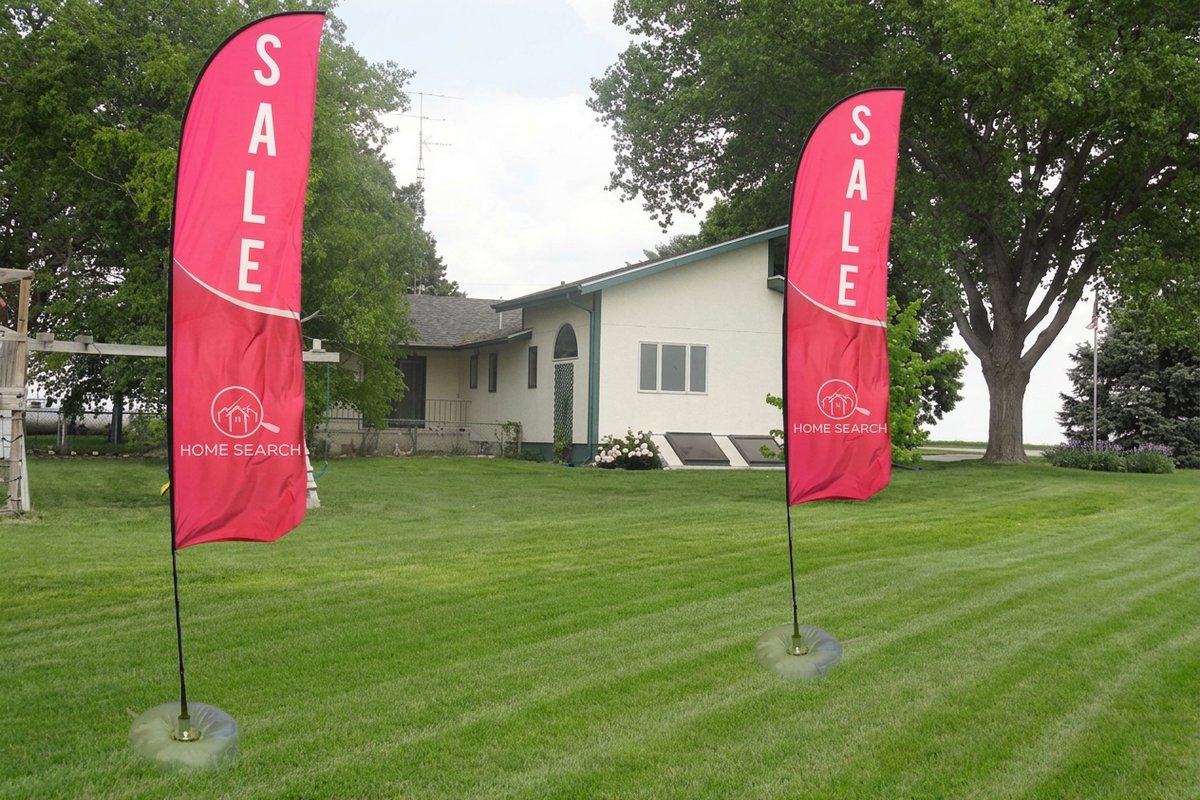
Short version, all three options: print a flag when you need height and movement on open ground, print a banner when you already have a flat wall or fence to carry a full message, and buy a flag standard, the pole and base, when there is nothing on site to hold anything up. Flags win motion and height. Banners win space and readability. The standard is what makes a flag work where a banner has nothing to hang from. Almost every real decision falls out of those three.
A flag is tall, vertical, and built to move, so it pulls the eye along a road or across a parking lot the way a still sign never can. A banner is wide and flat, so it holds a headline, an offer, and a logo where people can actually read all of it. A flag standard is the piece people forget to price: the pole the sewn flag sleeve slides over, and the base that keeps the whole thing upright on grass, on pavement, or on an indoor floor. They are not competitors so much as different tools, and plenty of setups use both: a row of flags to stop traffic, a banner at the door to close the message.
4OVER4.COM prints both, from feather flags with hardware to vinyl banners in any size, plus teardrop flags for windy sites and mesh banners for exposed fences. This guide gives you a clear framework for picking the right one, plus the materials, placement, and cost details that make the call obvious. Browse the full lineup in the banners and flags collection.
Shop the range
Banners and flags
Feather and teardrop flags, vinyl and mesh banners, and portable stands in one place.
Flags vs Banners at a Glance
Before we dig into each, here is the whole decision on one screen. Read down the two columns and the pattern is clear: flags are for being seen, banners are for being read.
Most of the time your context answers the question for you. A busy road wants motion and height, which means flags. A storefront wall or an event stage wants a legible message, which means a banner. When the situation is genuinely mixed, that is the signal to use both.
Print picks
The formats behind the comparison
Live prices for the flags and banners this guide weighs against each other.
Feather Flags From $108.75 Tall, moving verticals that catch the eye along a roadside or storefront, hardware included. 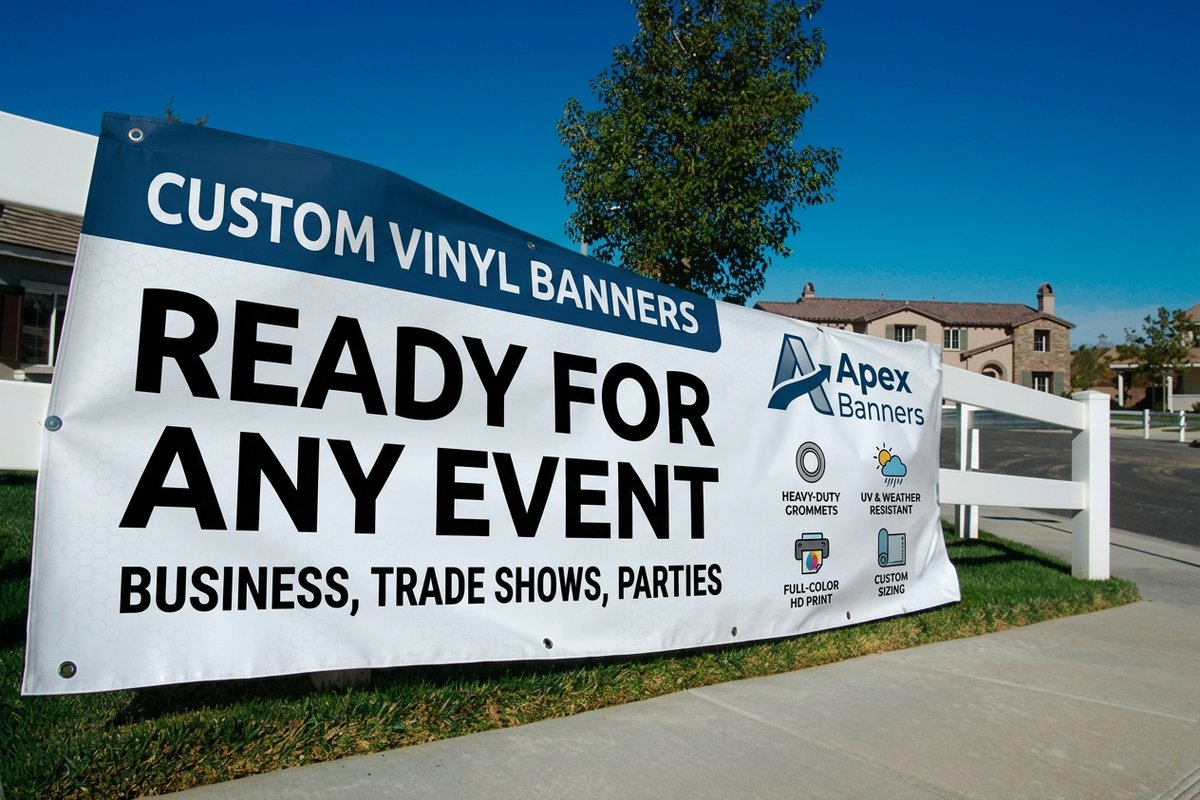 Vinyl Banners From $79.00 The flat, message-heavy workhorse for walls, fences, and stage backdrops.
 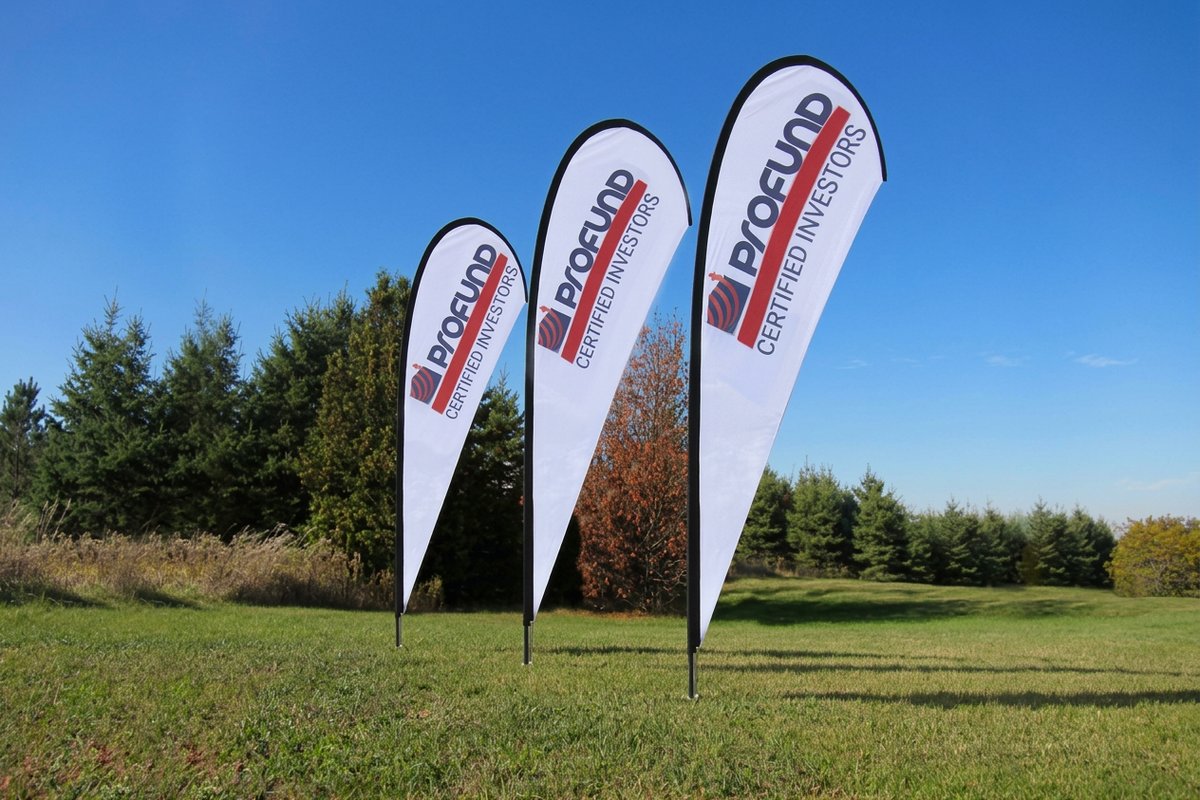 Teardrop Flags From $108.75 A tighter, wind-stable flag shape that stays readable even on a breezy day.
 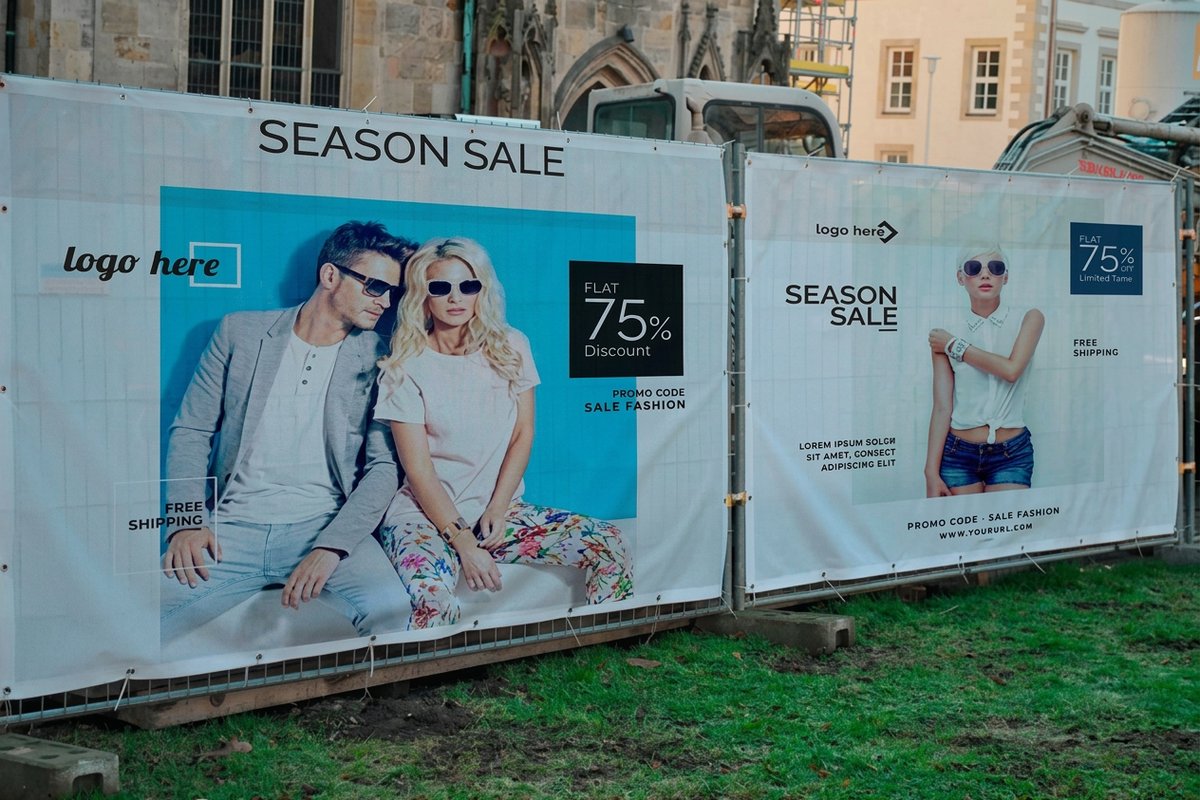 Mesh Banners From $75.00 The outdoor banner that lets wind pass through on a fence.
 Banner versus flag versus flag standard, the three way comparison
Most people weighing this are really comparing three things, not two. A banner is a printed sheet with hemmed edges and grommets that borrows its structure from whatever is already there: a wall, a fence, a railing, a stage frame. A flag is printed on lightweight knitted polyester so it keeps catching air and swaying. A flag standard is the pole and base set that turns a flag into a free standing sign in the middle of a parking lot. That third item is the reason a flag costs more than a banner doing a similar job.
What is a flag standard
A flag standard is the hardware, not the print: a sectional or telescoping pole that slides into the sewn sleeve along the edge of the flag, plus a base that anchors the pole. The usual bases are a ground spike that screws into grass or soil, a cross base for hard surfaces, a water or sand fillable base for pavement and windy days, a flat weighted plate for indoor floors and trade show carpet, and a wall or vehicle mount for a permanent install. Order the flag and the standard together and it flies the day it lands. Order the print on its own and you have fabric with nowhere to go.
- Feather flag on a spike or cross base. The tall curved feather flag gives the most height and the most sway, so it is the roadside and parking lot pick. Spike it into grass, or use a cross base with a weight on asphalt.
- Teardrop flag on a fillable base. A teardrop flag pulls the fabric tight against the pole, so the artwork stays readable on a day when a feather shape is whipping. Pair it with a water or sand fillable base on exposed pavement.
- Rectangle or pole flag on a mount. A straight rectangle holds the most legible layout of the three flag shapes, and a pole flag flies it traditionally from a mounted pole for a fixed, formal setting.
- Banner on what is already standing. A vinyl banner ties to a sheltered wall or railing, and a mesh banner lets wind pass through an exposed fence instead of turning into a sail. No standard needed, which is the whole cost difference.
Placement picks the hardware faster than the artwork does. Indoors, on carpet or a polished floor, use a flat weighted plate and leave the spike at home. Outdoors on grass or soil, the spike is the cheapest, steadiest anchor you can carry. On pavement, a sidewalk, a lot, a fair midway, use a fillable base and actually fill it on site, because a dry base on concrete is the one setup that ends with the flag flat on the ground. Where something solid already exists, a wall, a fence, a stage frame, skip the standard entirely and print a banner.
When a Custom Flag Wins
Flags earn their keep anywhere attention is scarce and distance is the enemy. Their height and motion do the work of stopping a moving eye, which is exactly what a flat sign struggles to do.
- Roadside and drive-by traffic. A tall flag swaying above the parking lot reads from a moving car, where a low banner disappears.
- Storefront lineups. A row of matching flags creates a rhythm that pulls foot traffic toward the door.
- Events and grand openings. Flags set up in minutes, travel easily, and mark an entrance or a booth from across a field.
- Repeat use. Portable hardware means the same flags work at this weekend's market and next month's expo.
Shape matters too. A feather flag is the tall, dramatic option, while a teardrop flag holds a tighter shape that stays readable on a windy day. For a fixed, formal setting, a pole flag flies traditionally from a mounted pole.
When a Banner Wins
Banners win the moment the message is the point. A flat, wide surface gives you room for a headline, an offer, supporting copy, and a logo, all readable at a glance. That is why banners own walls, fences, entrances, and stages.
The material choice is the key detail outdoors. A standard vinyl banner is the durable everyday workhorse. A mesh banner has tiny perforations that let wind pass through, which is why it is the right call on a fence or building face where a solid banner would catch the wind like a sail. Here is what real banner pricing and specs look like so you can plan a run.
Because banners live in a fixed spot, size them for the viewing distance: bigger type and a shorter message for far-away reads, more detail for an entrance people walk right up to.
Quantity and price
Vinyl banner pricing and specs
Real configurator numbers. Size and quantity move the per-banner cost.
Materials, Wind, and Placement
Wind is the deciding factor outdoors, and flags and banners handle it in opposite ways. A flag is engineered to move with the wind on a flexible pole, so gusts are a feature, not a problem. A banner is a flat sheet, so the trick is either mounting it somewhere sheltered or choosing a material that lets the wind through.
- Flags in wind. The sway is the selling point. Feather and teardrop shapes stay legible while they move.
- Solid banners. Best on a protected wall or indoors, where they stay taut and flat.
- Mesh banners. The outdoor answer for fences and building faces, since the perforations release wind pressure.
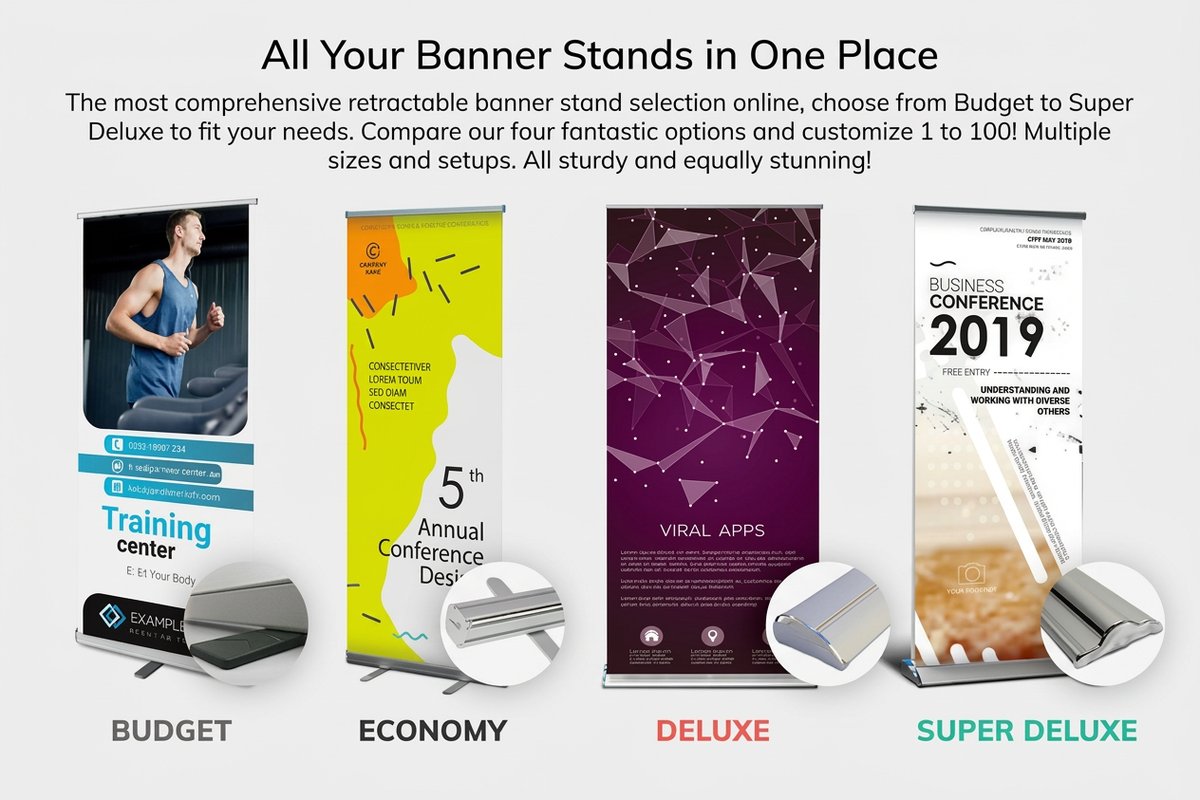
- Stands and hardware. A retractable stand makes a banner portable for indoor events, closing the gap with a flag's easy setup.
Match the piece to the spot and the weather and the rest is easy. When a banner needs to travel like a flag, a retractable banner stand sets up in seconds and packs away just as fast.
Portable message
Retractable banner stands
A banner that sets up in seconds and packs away just as fast, closing the gap with a flag.
What They Cost and How to Choose
Price often settles a close call. Banners are the lower-cost entry: mesh banners start at $75 and vinyl banners at $79, with the per-piece cost dropping as size and quantity change. Feather and teardrop flags start at $108.75 because the price includes the pole hardware and base that a banner does not need.
Read that gap for what it actually is. You are not paying more for printed fabric, you are paying for the flag standard: the pole set, the sleeve that fits it, and the base that holds the flag upright with no wall in sight. A banner borrows its structure from the building. A flag brings its own, and that hardware outlives the graphic, so a replacement print for a standard you already own costs you the fabric only, while a fresh site for a banner means finding something to tie it to.
So the honest framing is this. If you need maximum message for minimum spend in a fixed spot, print a banner. If you need portable, eye-catching motion you can reuse at multiple events, invest in a flag and its hardware. Many businesses end up with both, because they solve different problems, and buying them together keeps the branding consistent.
Ready to decide? Compare the full lineup in the banners and flags collection, and start with a feather flag or a vinyl banner depending on which job comes first. On an exposed fence, look at mesh banners, and in steady wind at teardrop flags.
Compare formats
Popular banners, side by side
Material, size, quantity, turnaround, and from-price across our most ordered banners.
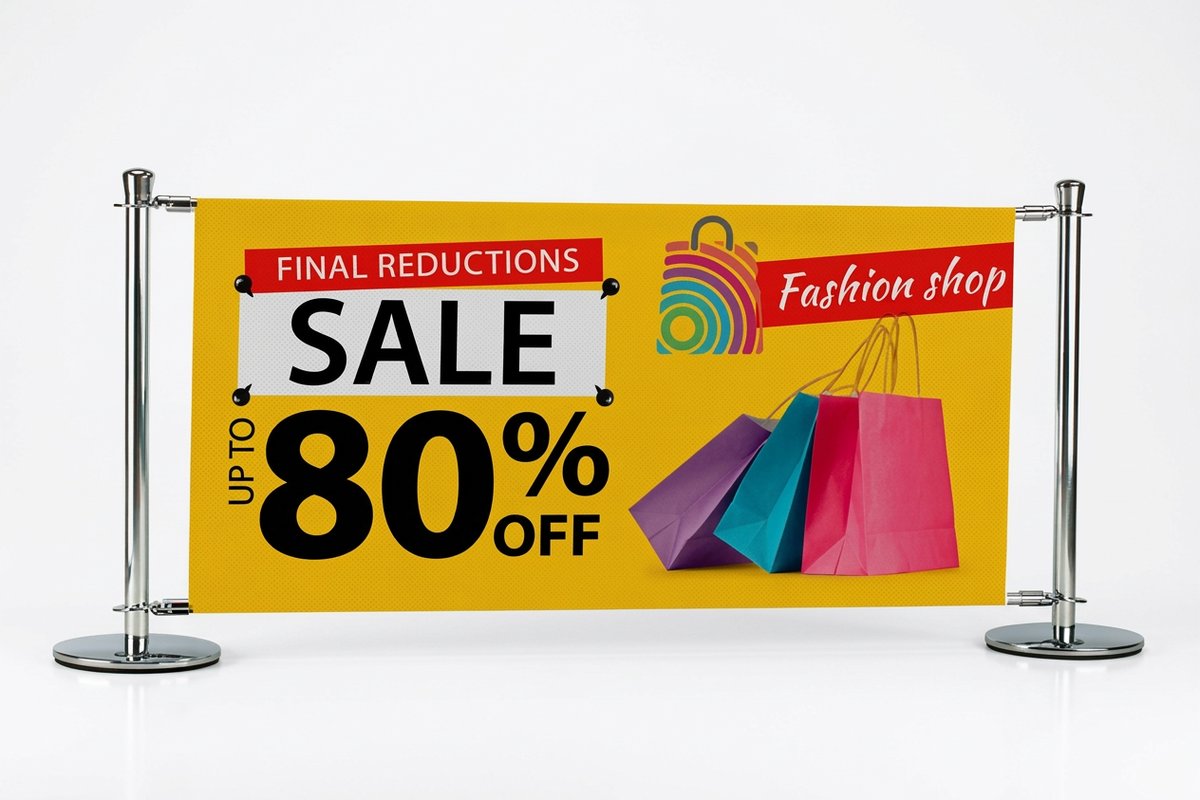 Indoor Banners | 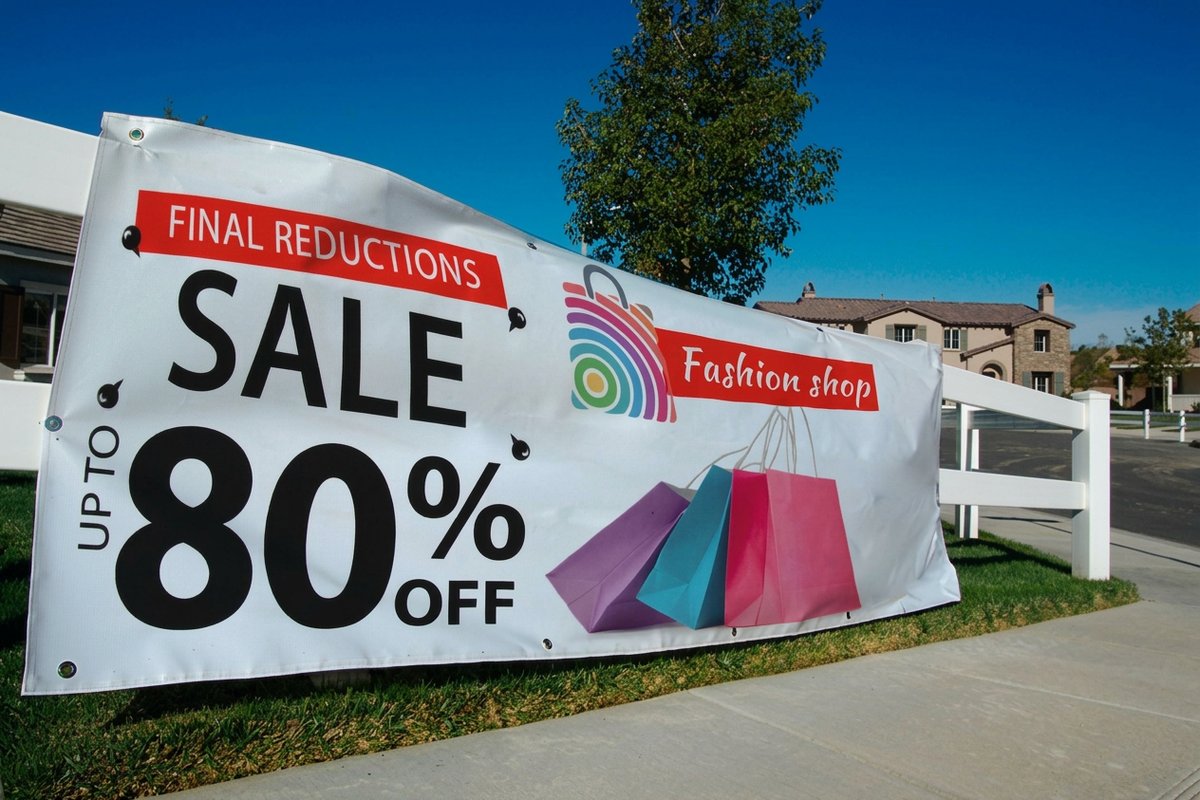 Outdoor Banners | 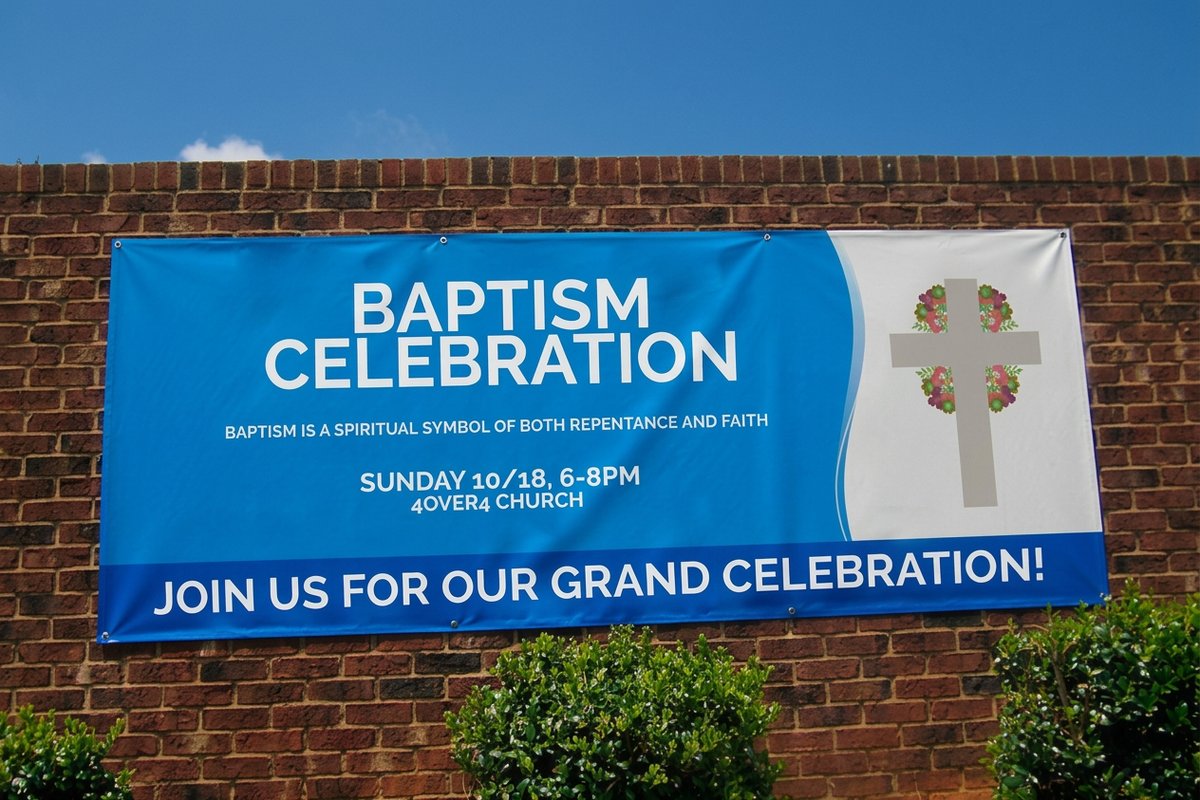 Business Banners |  Fabric Banners | |
|---|---|---|---|---|
| Min price | $25.00 | $79.00 | $43.92 | $57.20 |
| Paper / stock | 13oz. Smooth Blockout Vinyl | 13oz. Outdoor Vinyl | 13oz. Scrim Vinyl | 5oz Economy Polyester |
| Size | 12" x 24" | 2' x 4' | 2' x 6' | 24" x 72" |
| Default qty | 1 | 1 | 1 | 1 |
| Turnaround | 2 business days | 3 business days | 2 business days | 4 business days |
| Rating | ||||
| View & customize | View & customize | View & customize | View & customize |
Wally weighs the flag against the banner
Seen from afar, or read up close
Flags are for being seen and banners are for being read. A flag's height and motion pull the eye along a road, while a banner's flat surface carries a full message on a wall or stage. Match the piece to the placement and the wind: flags sway with it, mesh banners let it pass through. 4OVER4.COM prints both, so you can even use one of each.
Print flags and banners →Choosing between a flag and a banner
Explore more
More ways to display your brand outdoors
Related pages across 4OVER4.COM, one card each, so you can keep planning your signage.
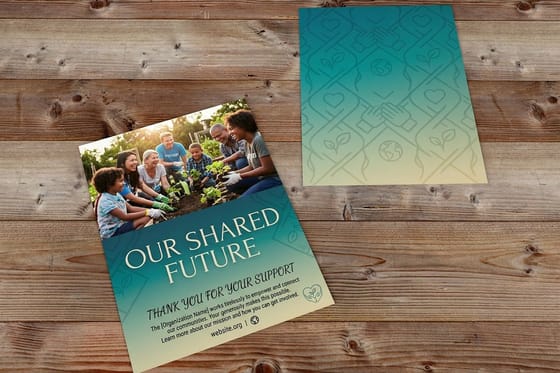 Article 10 Print Products That Power Nonprofit Marketing Campaigns Ten print products nonprofits use to raise funds and awareness, from donor mailers and event banners to volunt
 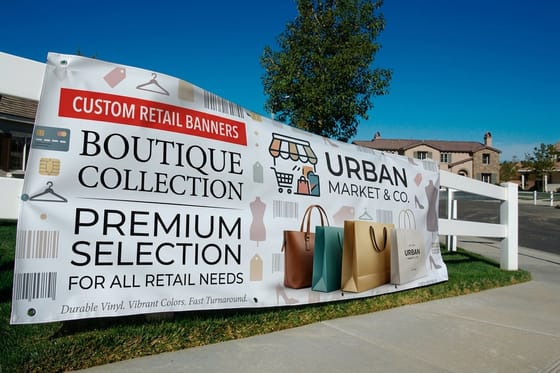 Article Where to Print Custom Banners for Retail Campaigns Where to print custom banners for retail promotions: local shops, office stores, and online printers compared
 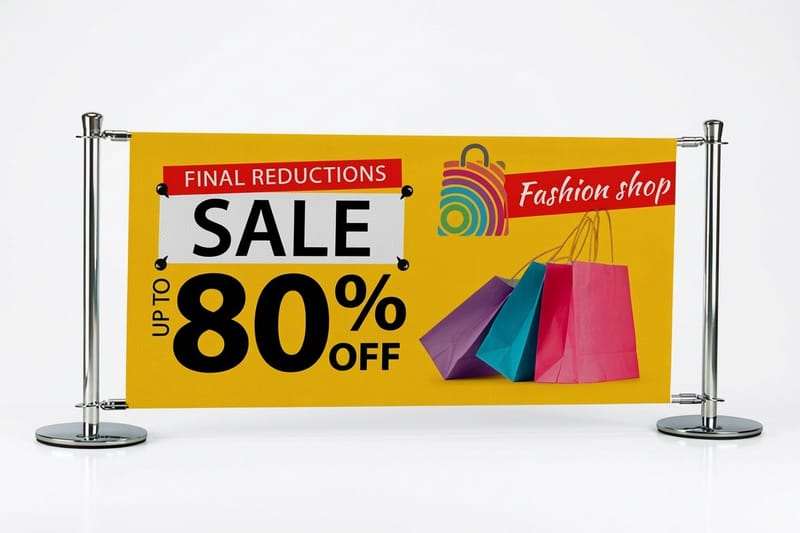 Collection Banners and Flags Every outdoor display format in one place.
 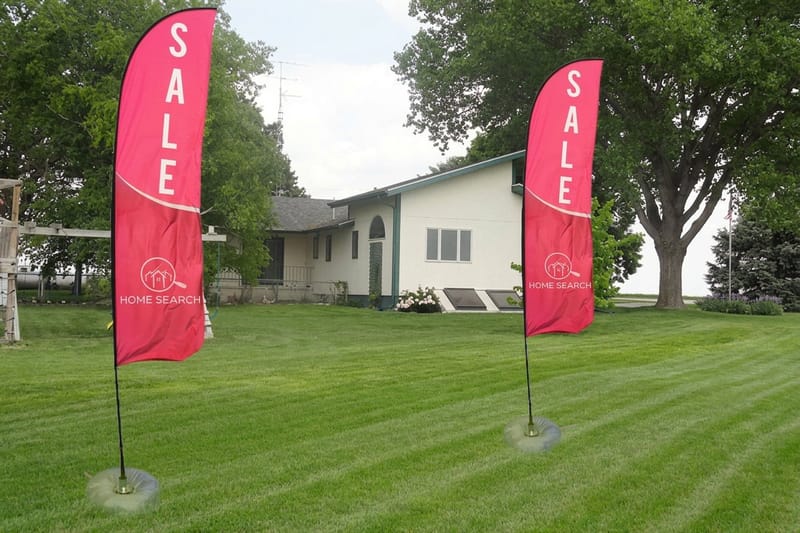 Product Feather Flags Tall, moving verticals that catch the eye.
 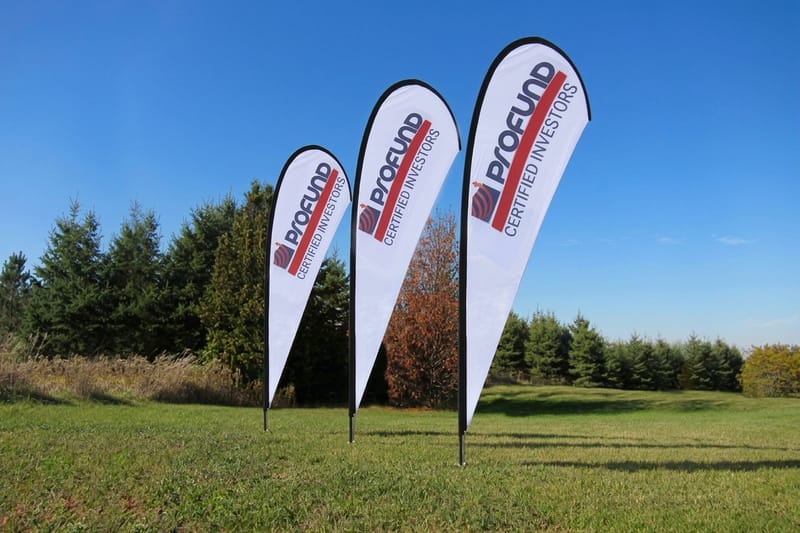 Product Teardrop Flags A wind-stable flag that stays readable.
  Product Vinyl Banners The flat, message-heavy outdoor workhorse.
 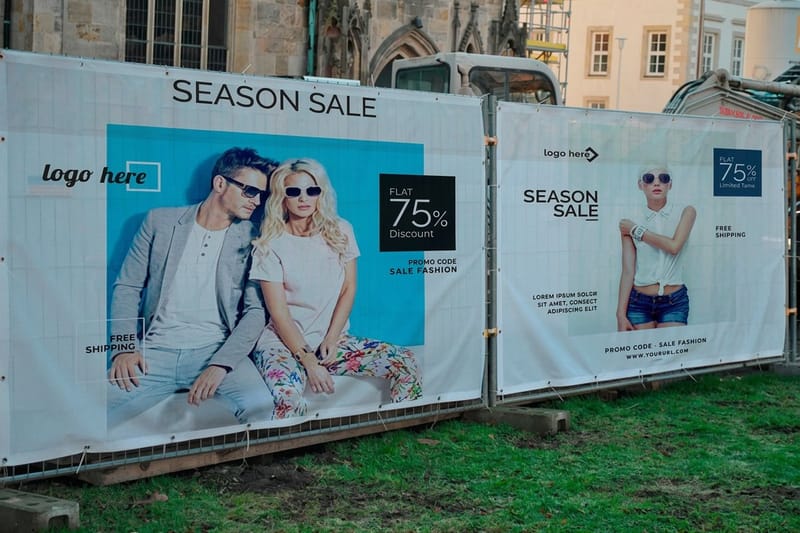 Product Mesh Banners Perforated banners that let wind through on a fence.
 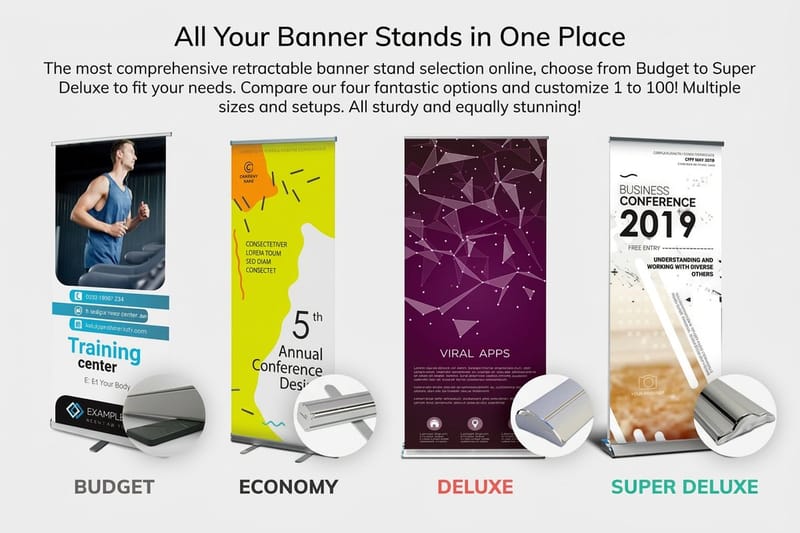 Product Retractable Stands A portable banner that sets up in seconds.
 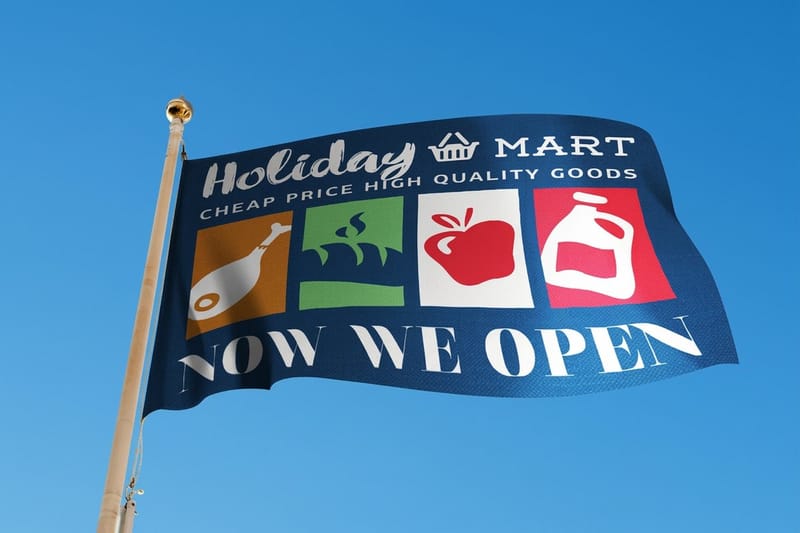 Product Pole Flags A traditional flag flown from a mounted pole.
  Service Online Design Templates Lay artwork inside the cut and bleed lines.
  Benefit Same Day Printing Order today, ship today for a last-minute event.
 Ready to pick the right display?
Choose a flag to be seen from a distance or a banner to be read up close, and 4OVER4.COM prints both to order. Many businesses buy one of each.
Flags versus banners, questions answered
Should I print a flag or a banner?
Choose a flag when the job is to grab attention from a distance, and a banner when the job is to deliver a full message up close. Flags are tall, vertical, and built to move, so they pull the eye along a road or across a parking lot. Banners are wide and flat, so they hold a headline, an offer, and a logo where people can read all of it. Your context usually decides: a busy roadside wants a flag, a storefront wall or event stage wants a banner. When the situation is mixed, use both.
Which holds up better outdoors in wind?
Flags and banners handle wind in opposite ways. A flag is engineered to move with the wind on a flexible pole, so gusts are a feature rather than a problem, and feather and teardrop shapes stay legible while they sway. A solid banner is a flat sheet that catches wind like a sail, so it belongs on a sheltered wall or indoors. For an exposed spot like a fence or building face, choose a mesh banner: tiny perforations let wind pass through, which keeps it from tearing or pulling loose in a gust.
What are custom flags and banners best used for?
Flags excel at roadside and drive-by visibility, storefront lineups, and events, where their height and motion stop a moving eye and their portable hardware makes setup and reuse easy. Banners excel at walls, fences, entrances, and stage backdrops, where a flat surface delivers a full message with a headline, offer, and logo. A common setup uses both: a row of flags to stop traffic and pull people toward the door, and a banner at the entrance to deliver the detailed offer once they arrive.
How do I choose the right custom flags and banners?
Work from the job, the placement, and the weather. If you need to be seen from a distance or along a road, choose a flag, and pick a feather shape for drama, a teardrop for wind stability, or a pole flag for a fixed formal setting. If you need to deliver a readable message, choose a banner, and use standard vinyl for a sheltered wall or mesh for an exposed fence. Size a banner for the viewing distance with bigger type for far reads. When both jobs apply, order both and keep the branding consistent.
What do custom flags and banners cost and how are prices set?
At 4OVER4.COM, mesh banners start at $75 and vinyl banners at $79, while feather and teardrop flags start at $108.75 because the price includes the pole hardware and base. Banner pricing scales with size, material, and quantity, and larger quantities lower the per-piece cost. Flags cost a little more up front for the reusable hardware, but that hardware is exactly what makes them portable across multiple events. If you need maximum message for minimum spend in a fixed spot, a banner is the value pick.
What is a flag standard?
A flag standard is the hardware that holds a custom flag up, not the printed part. It is a sectional or telescoping pole that slides into the sewn sleeve on the flag, plus a base that anchors the pole: a ground spike for grass and soil, a cross base for hard surfaces, a water or sand fillable base for pavement and wind, a flat weighted plate for indoor floors and trade show carpet, or a wall or vehicle mount for a permanent install. At 4OVER4.COM the pole hardware and base are included in the flag price, which is why feather and teardrop flags start at $108.75 while mesh banners start at $75 and vinyl banners at $79 with no standard involved.
Is a feather flag better than a banner outdoors?
It depends on what is holding the sign. On open ground with nothing to tie to, a feather flag wins, because it brings its own pole and base and its height and sway read from a moving car where a low banner disappears. On a wall or fence, a banner wins, because it stays flat and carries a headline, an offer, and a logo people can read, and a mesh banner lets wind pass through instead of fighting it. In steady wind a teardrop flag holds its shape better than a feather flag, since the fabric stays tight against the pole and the artwork stays readable.
What base do I need for a custom flag?
Match the base to the ground you are standing on. Grass or soil takes a ground spike, the lightest and steadiest anchor to carry. Pavement, sidewalks, parking lots, and fair midways take a cross base or a water or sand fillable base, filled on site so it does not tip. Indoor floors and trade show carpet take a flat weighted plate. A permanent spot on a building takes a wall mount, and a pole flag flies from a mounted pole for a fixed, formal setting. If the flag is moving between all of these, the fillable base is the one that covers the most sites.
