
Custom Flat Pouches, the Cheapest Printed Package That Sells


What a Flat Pouch Is and Why Brands Keep Choosing One
A flat pouch is a two panel bag sealed on three sides, printed on film or laminate, and filled through the open fourth edge before that edge is closed with heat. There is no bottom gusset and no side gusset, so the package lies flat, stacks flat, and ships flat. That single structural decision is why a flat pouch costs less per unit than almost every other printed package on the market.
Flat pouches carry coffee samples, spice blends, tea, protein powder, bath salts, seed packets, screws and washers, replacement parts, jewelry, socks, face masks, wipes, and every kind of single serve product. If the contents are light and the buyer opens the package once, a flat pouch is usually the right answer.
The catch is that a flat pouch has almost no shelf presence on its own. It leans, it slumps, and it disappears between rigid competitors. That is why the printing matters more here than on any other package. A full bleed printed face panel is the entire brand experience, so the artwork has to carry the shelf, the unboxing, and the reorder. The custom printed pouches guide walks through the artwork side in more depth.
Where the flat pouch beats a box
Sample programs, subscription inserts, trade show giveaways, and any product under about eight ounces. A pouch cuts void fill, drops dimensional weight, and lets a fulfillment team pack a mailer in seconds instead of folding a carton first.
Where a box still wins
Anything rigid, anything fragile, anything sold standing upright on a shelf, and anything with a gift moment attached to it. If the customer needs to see the product standing at eye level, a stand up pouch or a printed carton earns its higher unit cost.
Shop packaging
Packaging printing collection
Pouches, printed tape, boxes, and inserts that all run from one artwork system.
Heat Seal Options and How Each One Changes the Package
Every flat pouch is a heat seal package. Three edges are sealed at the converter, and the fourth is sealed by whoever fills it. What changes from job to job is the seal width, the seal temperature the film tolerates, and what gets added to that final edge so the buyer can open it without scissors and, sometimes, close it again.
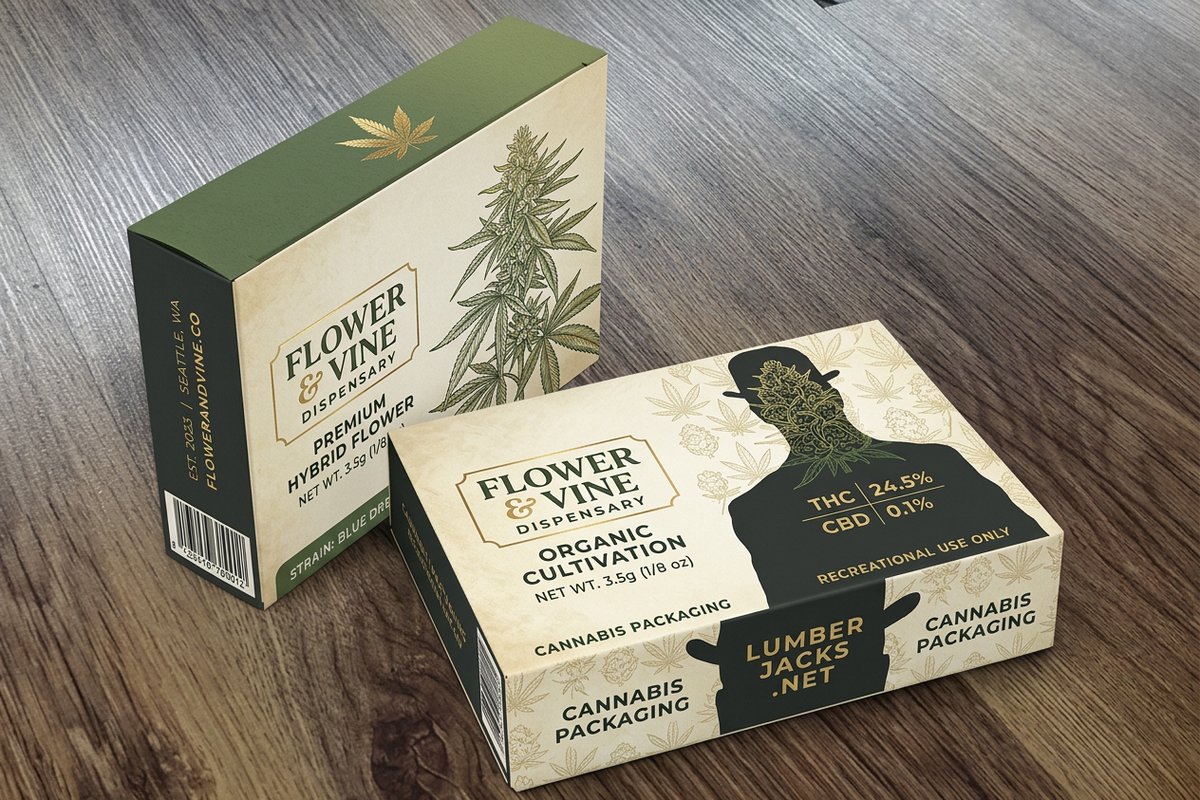
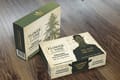
Pick the closure before you pick the artwork, because a zipper, a tear notch, and a hang hole all steal space from the print area. Our Cannabis Packaging line runs the same barrier films and seal structures used across food, supplement, and sample pouches, so it is a useful reference build even if your product has nothing to do with that category.
- Straight heat seal. The cheapest and strongest closure. The buyer tears or cuts it open, and the pouch is done. Right for single use products.
- Tear notch. A small V cut in the seal edge that starts a clean tear by hand. Costs almost nothing and removes the most common complaint about pouches.
- Resealable zipper. A press to close track under the top seal, for anything used across several sittings. Adds material cost and about a quarter inch of dead print space.
- Tamper evident top seal. A heat seal above the zipper that has to be torn off first, so the zipper stays usable while the first opening is still obvious.
- Hang hole or euro slot. Punched in the top seal so the pouch can hang on a peg board instead of lying in a bin.
One practical rule saves a lot of scrapped inventory. Whoever seals the pouch needs a sealer that reaches the film structure temperature and holds it long enough. A tabletop impulse sealer handles thin poly. Foil laminates and high barrier structures usually want a constant heat bar sealer, and the converter can tell you the exact window before you print a single unit.
Print picks
Three packaging formats worth pricing out
Live prices, ready to configure with your size, quantity, and artwork.
Cannabis Packaging From $711.78 Printed pouches and barrier bags built for compliance labeling and shelf appeal. 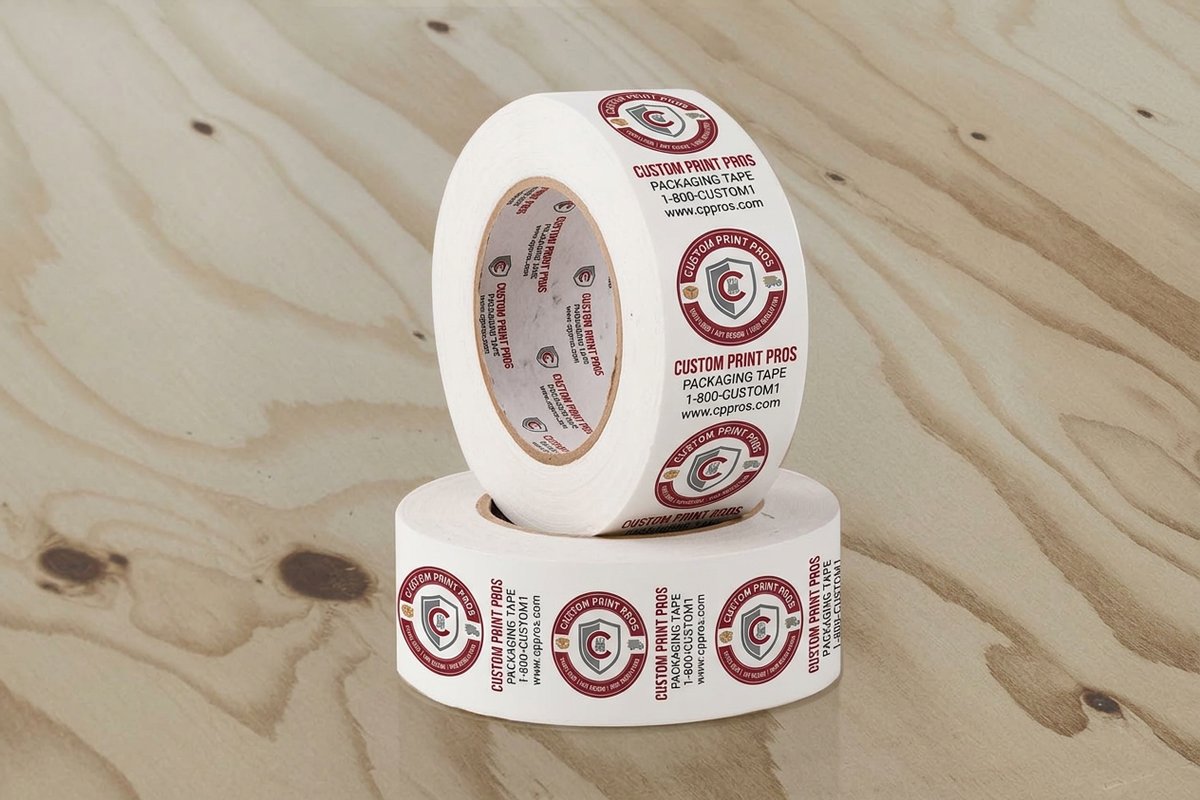 Printed Packaging Tape From $347.11 Brand the outer carton so the pouches arrive inside a package that already sells.
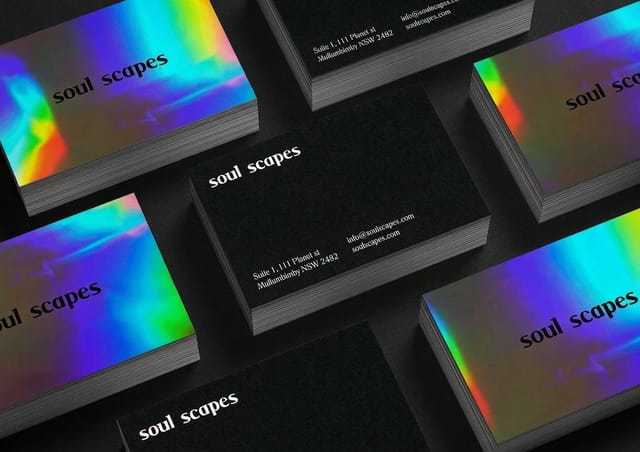
 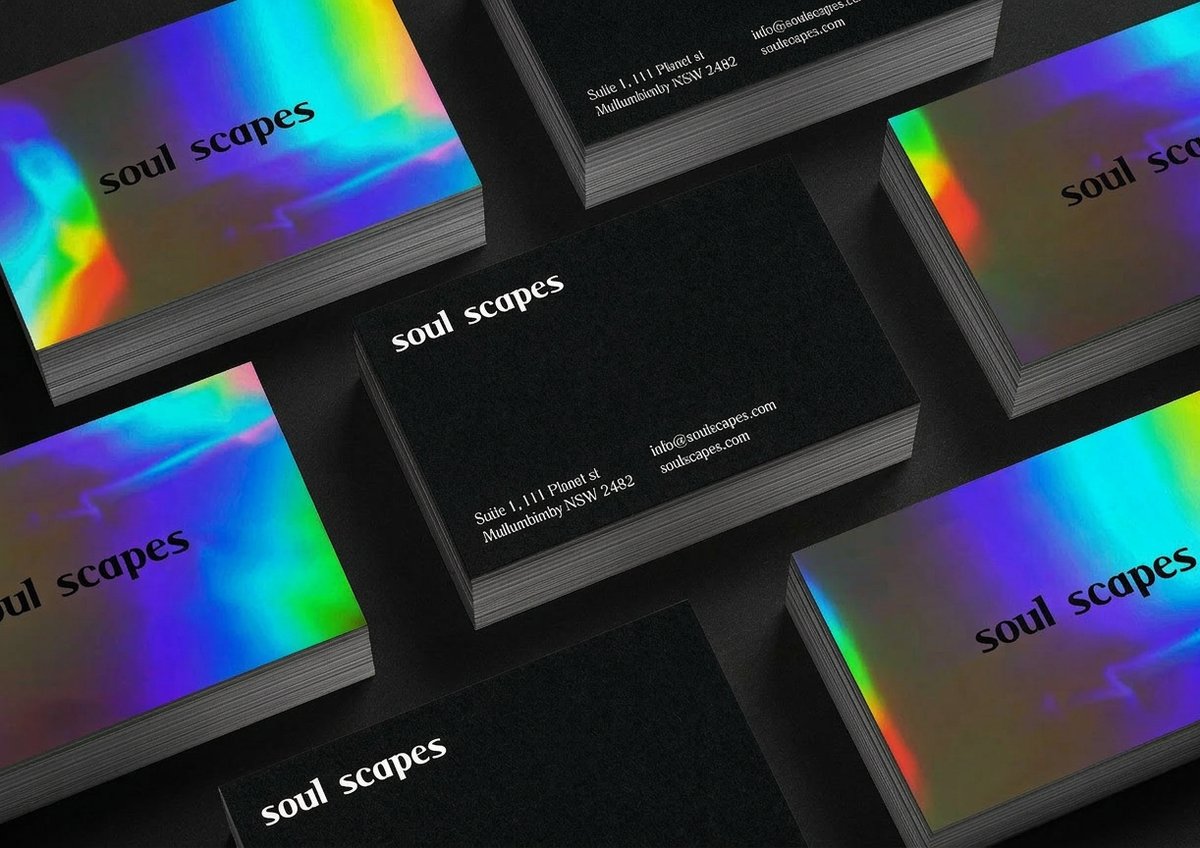 Custom Business Cards From $17.57 Drop a card in every pouch shipment so reorders never depend on memory.
 Sizes, Films, and Finishes for Printed Packaging Pouches
Flat pouches are ordered by flat width and flat length, measured edge to edge on the finished bag, with the seal included. Sizing works backward from the product: measure the filled contents at rest, add the headspace the sealer needs, then add the seal allowance on every closed edge. A pouch that is half an inch too short jams the fill line, and a pouch that is an inch too tall looks half empty on the shelf.
Material is the second decision, and it is the one that decides shelf life. Clear poly shows the product and costs the least. Metallized and foil laminates block light and oxygen for anything that goes stale or fades. Kraft paper laminates read as natural and take print beautifully, though they hide the contents completely, which is why so many kraft pouches carry a clear window.
- Sample and single serve. Roughly 3 by 5 inches up to 4 by 6 inches, for a shot of coffee, a supplement dose, or one bath soak.
- Retail small. Around 5 by 7 inches up to 6 by 9 inches, the standard for jerky, candy, tea, and hardware kits.
- Retail large. Roughly 8 by 10 inches and up, where a flat pouch starts to need a hang hole or a shelf tray to stay upright.
- Finish options. Gloss lamination for saturated color, matte for a premium quiet look, and soft touch when the package is meant to feel expensive in the hand.
- Windows and spot effects. A die cut clear window, a spot gloss over a matte field, or a metallic accent that only reads on the foil layer underneath.
If your product is edible, ask for food contact rated film and keep the ink on the outside of the laminate structure or reverse printed between layers. That is standard practice for printed food packaging, and it is the difference between a package that passes a buyer audit and one that gets pulled.
Quantity and price
Printed packaging tape pricing and specs
Real configurator numbers. The more you order, the lower every unit lands.
| Quantity | Price Per Unit | Total |
|---|---|---|
| 1 | $347.11 | $347.11 |
| 2 | $302.40 | $604.80 |
| 5 | $272.53 | $1,362.67 |
| 10 | $233.28 | $2,332.75 |
| 20 | $189.39 | $3,787.89 |
| 30 | $176.79 | $5,303.65 |
Artwork Setup That Survives the Press and the Seal
Pouch artwork fails for predictable reasons, and all of them are fixable in the file. The most common one is copy that ends up inside a seal. Anything within the seal allowance on the top, bottom, or side edges will be crushed, distorted, or hidden once the bag is closed, so treat those bands as unprintable and design the panel inside them.
Build the file at full size with bleed on every edge, keep live text well inside the safe area, and remember that a pouch flexes. Fine hairlines and four point legal copy that look crisp on a proof turn muddy on a filled bag that curves in the customer hand. Set your barcode on a flat, uninterrupted field, never across a zipper track or a gusset fold.
- Color. Supply CMYK plus any spot colors you need matched, and expect film to shift slightly darker than the same ink on paper.
- Type. Keep body copy at six points or larger, and avoid reversed out type under eight points on a busy photographic background.
- Barcode. Place it on a solid light field with quiet zones intact, and print it in a single dark ink rather than a build of four.
- Legal and nutrition panels. Lock them on the back panel first, then design the front around whatever room is left, not the other way around.
- Proof. Approve a digital proof at 100 percent, then check the seal bands, the tear notch position, and the barcode one last time before release.
Barrier packaging
Custom packaging specifications
The film structures, sizes, and finishes behind a printed barrier pouch.
Turning One Pouch Into a Branded Packaging System
A pouch on its own is packaging. A pouch that matches the tape on the shipper, the card inside it, and the paper around it is a brand. The cheapest upgrade any small product company can make is to stop buying packaging one item at a time and start printing a matched set from one artwork system: one palette, one typeface pairing, one logo lockup, applied everywhere the customer sees you.
Start with the outside. Printed Packaging Tape turns a plain brown carton into a branded delivery before anyone opens it, and it costs less per shipment than a printed box. Inside, a business card with a reorder code does the work a receipt cannot. From there the same system extends into the rest of your presentation: printed deli paper and food wrap, custom napkins, branded paper cups, and printed notebooks for the gift and event side of the business.
- Lock the artwork system once. Palette, type, logo placement, and photo treatment, saved as a master file every future package pulls from.
- Print the pieces the customer touches first. Tape, pouch face, and the card inside, in that order of visibility.
- Keep one reorder path. A short URL or QR code that appears on every printed piece and always resolves to the same page.
- Reprint on one calendar. Group your pouch, tape, and card runs so the artwork never drifts out of sync between reprints.
Close the loop
Put a reorder card in every shipment
A printed card inside the pouch shipment turns a one time sample into a repeat order.
Flat Pouch Compared With Stand Up Pouches and Cartons
The honest comparison comes down to three numbers: unit cost, shelf presence, and shipping volume. A flat pouch wins the first and the third by a wide margin and loses the second to almost everything. A stand up pouch costs more per unit and ships in more space, but it stands on a shelf, holds more, and reads as a finished retail product. A folding carton costs the most and protects the most.
In practice most growing brands run both. Flat pouches handle samples, subscription inserts, and multipacks that live inside a larger box. Stand up pouches and cartons handle the hero product on the retail shelf. Printing both from the same artwork system keeps the family recognizable even when the structures are different.
- Lowest cost per unit. Flat pouch, by a clear margin, especially under six inches wide.
- Best shelf presence. Stand up pouch or carton, since either one holds its own shape at eye level.
- Lowest shipping cost. Flat pouch again, because flat stock nests and adds almost no dimensional weight.
- Best protection. Carton, for anything rigid, breakable, or sold as a gift.
- Fastest to fill by hand. Flat pouch with a tabletop sealer, which is why sample programs default to it.
Compare formats
Popular packaging products, side by side
Stock, finish, size, quantity, turnaround, and price lined up in one table.
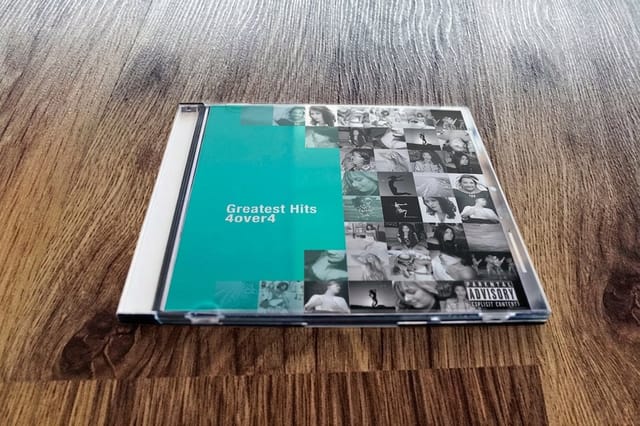 Cd Covers | 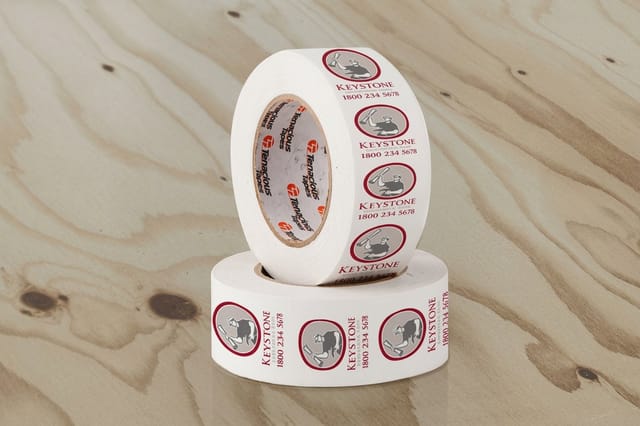 Packaging Tape | 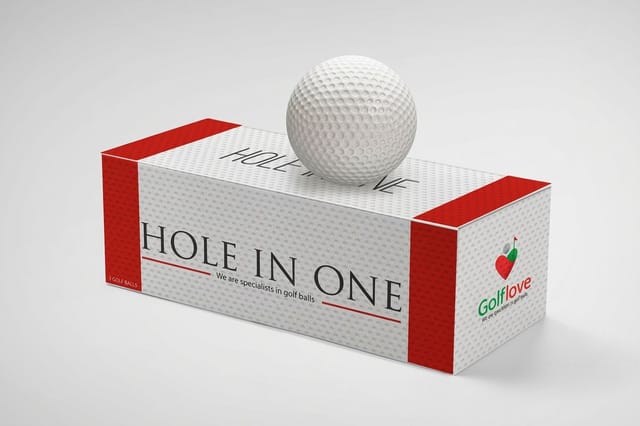 Golf Ball Boxes | 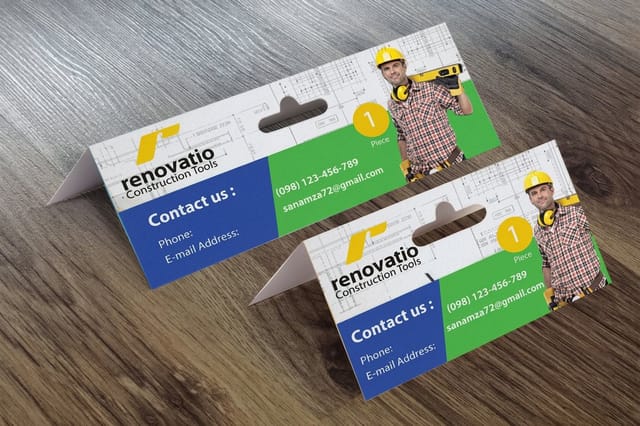 Header Cards | |
|---|---|---|---|---|
| Min price | $75.80 | $347.11 | $269.11 | $218.30 |
| Paper / stock | 100# Gloss Text | - | 14pt Uncoated Cover | 14pt Uncoated Cover |
| Finish | Standard Finish | - | Standard Finish | Standard Finish |
| Size | 4.75" x 4.75" Single Panel | 2" x 55 Yard Tape (36 rolls/case) | 1.7" x 1.7" x 5" | 3.5" x 4" scores to 3.5" x 2" |
| Default qty | 25 | 1 | 50 | 1,000 |
| Turnaround | 5 business days | 20 business days | 7 business days | 6 business days |
| Rating | ||||
| View & customize | View & customize | View & customize | View & customize |
Ordering Custom Pouches, Proofs, and Turnaround
Ordering runs in a fixed sequence, and skipping a step is what turns a two week job into a six week one. Confirm the size against a filled sample, confirm the film structure against the shelf life you need, confirm the closure, then build artwork to the template for that exact size. Only after those four are locked does price per unit mean anything, because every one of them moves it.
Quantity is the biggest lever on unit cost. Printed packaging always drops sharply from the first break to the second, so if the artwork is stable and the product is proven, ordering the next tier up usually costs less per pouch than reprinting the same small run twice. Seasonal work needs more lead time than you expect, which is why the holiday packaging guide pushes artwork approval weeks ahead of the sell window. For beauty and personal care, the cosmetic packaging guide covers the regulated panels that have to be on the file before it goes to press.
A short pre press checklist
- Fill a sample first. Use a stock bag at the size you plan to order and confirm the product actually sits well in it.
- Check the seal bands. No live text, no barcode, and no logo inside the seal allowance on any edge.
- Match the sealer. Confirm your equipment reaches the temperature your chosen film structure needs.
- Approve the digital proof. Read the legal panel out loud, then check the barcode with a scanner app before you release the job.
Start fast
Packaging templates and print ready blanks
Free layouts plus exact size blanks so your artwork lands inside the seal bands.
Keep reading
Guides that go deeper on printed packaging
Three walkthroughs covering pouch structures, cosmetic panels, and seasonal lead times.
Wally sizes up your flat pouch
Product first, then film, then closure, then artwork
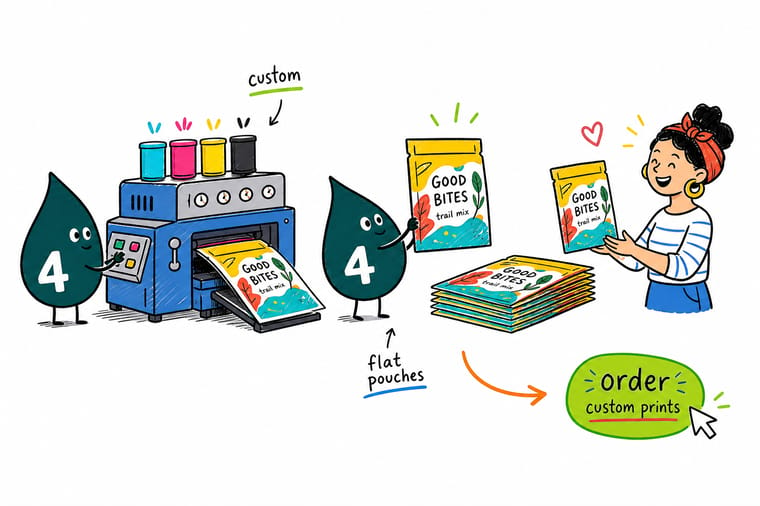
Start with a filled sample so the size is real, not a guess. Pick the film that protects your product for its full shelf life, then decide how the buyer opens it: a tear notch for single use, a zipper for anything used again. Keep every logo, barcode, and legal line outside the seal bands. Approve the digital proof at full size, and your first run comes back shelf ready.
Explore packaging printing →Flat Pouch Packaging in Six Takeaways
Explore more
More ways to brand what your product ships in
Related pages across 4OVER4.COM, one card per packaging format and guide.
 Collection Packaging Printing Pouches, tape, boxes, and inserts in one collection.
 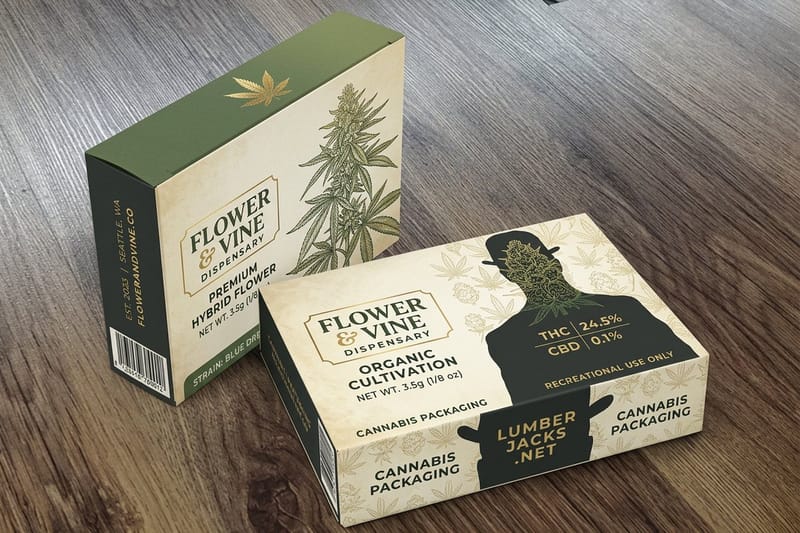 Product Cannabis Packaging Barrier pouches printed for compliance and shelf appeal.
 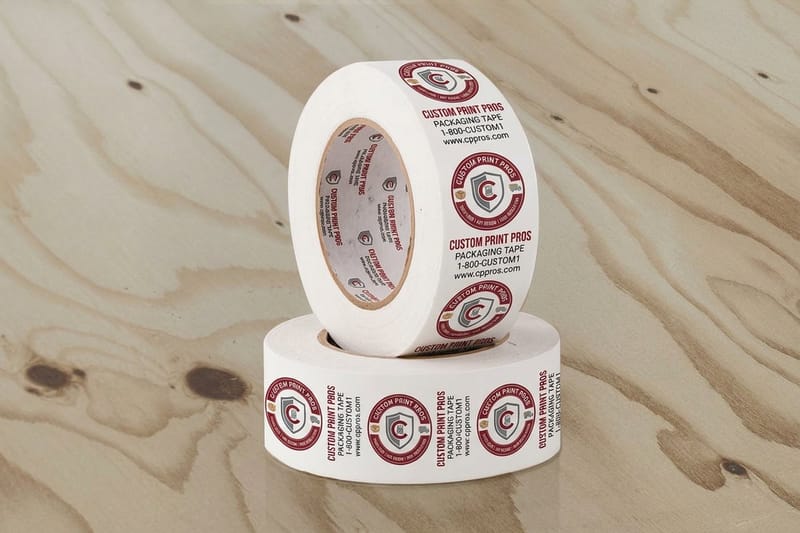 Product Printed Packaging Tape Brand the shipper your pouches travel inside.
 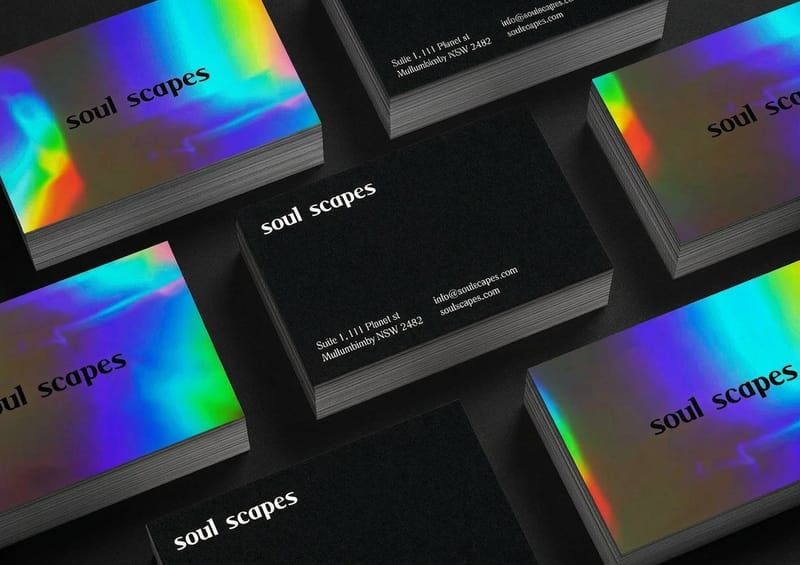 Product Custom Business Cards The reorder card that goes in every pouch shipment.
  Guide Custom Printed Pouches Guide The full walkthrough from structure to press file.
  Guide Cosmetic Packaging Guide Panels, finishes, and compliance for beauty brands.
  Guide Holiday Packaging Ideas Seasonal packaging that ships before the sell window. Article Deli Paper and Food Wrap Printed wrap that matches your pouch artwork.
  Article Custom Printed Napkins Small format branding for events and tasting rooms.
  Article Custom Paper Cups Cup branding built from the same artwork system.
 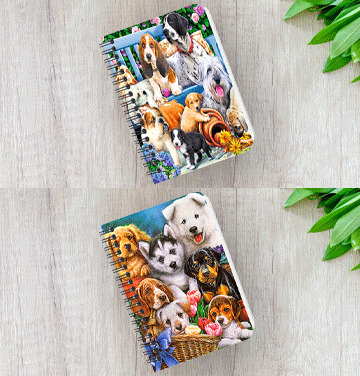 Article Printed Notebooks Branded notebooks for gifting and retail add ons.
 Ready to print packaging your product actually deserves?
Lock the size against a filled sample, pick your film and closure, upload the artwork, and approve a free digital proof before anything goes to press.
Custom Flat Pouch Packaging FAQs
What is custom flat pouch packaging?
A custom flat pouch is a printed two panel bag sealed on three sides and left open on the fourth so you can fill it and heat seal it closed. It has no bottom gusset, so it lies flat rather than standing up. Because there is less material and less converting involved, it is the least expensive printed package available for light products such as samples, powders, small hardware, and single serve foods. The whole face panel prints edge to edge, which makes the artwork the entire shelf presence. The custom printed pouches guide covers each structure in detail.
How do I choose the right custom flat pouch packaging?
Work in this order: product, then film, then closure, then artwork. Fill a stock bag with your actual product to confirm the size, choose a film structure that protects it for the shelf life you need, then decide whether the buyer opens the pouch once or many times. Single use products take a straight heat seal with a tear notch. Anything used over several sittings needs a resealable zipper, and anything hanging on a peg needs a punched hang hole. Only then should you build artwork, because every closure changes the usable print area.
What does custom flat pouch packaging cost and how are prices set?
Price is set by quantity first, then size, film structure, closure, and finish. Custom packaging runs at 4OVER4.COM start at $711.78, and unit cost drops sharply at each quantity break, so the second tier is often cheaper per pouch than reprinting a small run twice. Barrier films, laminations, windows, and zippers each add cost, while a plain heat sealed poly pouch sits at the bottom of the range. Configure the exact size and quantity on the packaging product page to see live pricing rather than an estimate.
What sizes, stocks and finishes are available for custom flat pouch packaging?
Flat pouches are measured by flat width and flat length including the seals, and typical retail sizes run from about 3 by 5 inches for samples up to 8 by 10 inches and larger for full retail packs. Materials include clear poly for product visibility, metallized and foil laminates for light and oxygen barrier, and kraft paper laminates for a natural look, often with a die cut window. Finishes include gloss lamination for saturated color, matte for a quiet premium feel, soft touch, and spot gloss or metallic accents over a matte field.
How long does custom flat pouch packaging take to print and ship?
Custom packaging is a made to order job, so the clock starts when you approve the digital proof rather than when you place the order. Expect proof turnaround in about one business day once print ready artwork is uploaded, then production time that varies with film structure, closure, and quantity. Barrier laminates and zippered pouches take longer than plain heat sealed poly. Build in extra lead time for seasonal work, and lock artwork early using the holiday packaging guide so approval never lands inside your sell window.
