
Eco Friendly Printing Practices That Cut Waste and Cost


The eco friendly printing practices that cut both waste and cost are the unglamorous ones: order to the date your information changes rather than to the price break, design to a standard trim, print in fewer inks, and combine jobs into one setup. Recycled stock and soy based inks matter, and they are worth specifying, but they are decisions you make once. Quantity is a decision you make on every single order, which is why it saves the most.
Eco friendly printing practices at a glance
| Practice | What it removes | Effect on cost | Where it backfires |
|---|---|---|---|
| Right size the run | Boxes of obsolete print thrown out at the next rebrand | Lower every time, because you pay for what you use | Unit price is higher on small runs, so the saving only shows across the year |
| Gang jobs on one order | Makeready sheets and separate setups | One setup instead of three | Everything has to share a stock and a deadline |
| Stick to standard trim sizes | Offcut trimmed away and binned | Standard sizes are the cheapest line on any configurator | A custom shape is sometimes the whole point of the piece |
| Print in fewer inks | Ink, wash up solvent and press time | Two spot colors on uncoated is usually cheaper than a full color build | Photography needs four color, so this suits identity work only |
| Recycled or uncoated stock | Virgin fiber demand, and coating that complicates recycling | Roughly level with comparable coated stock | Color sits duller and the sheet is less bright |
| Skip the laminate | A plastic layer that makes the piece hard to recycle | Cheaper, since lamination is an added pass | An unlaminated card scuffs faster in a wallet |
Work down the table in order. The first three cost you nothing to adopt and show up on the next invoice, while the material choices are worth specifying but rarely move the number much on their own. You can order standard labels in short runs straight from the configurator to test a design before committing to volume.
Where printing waste actually happens
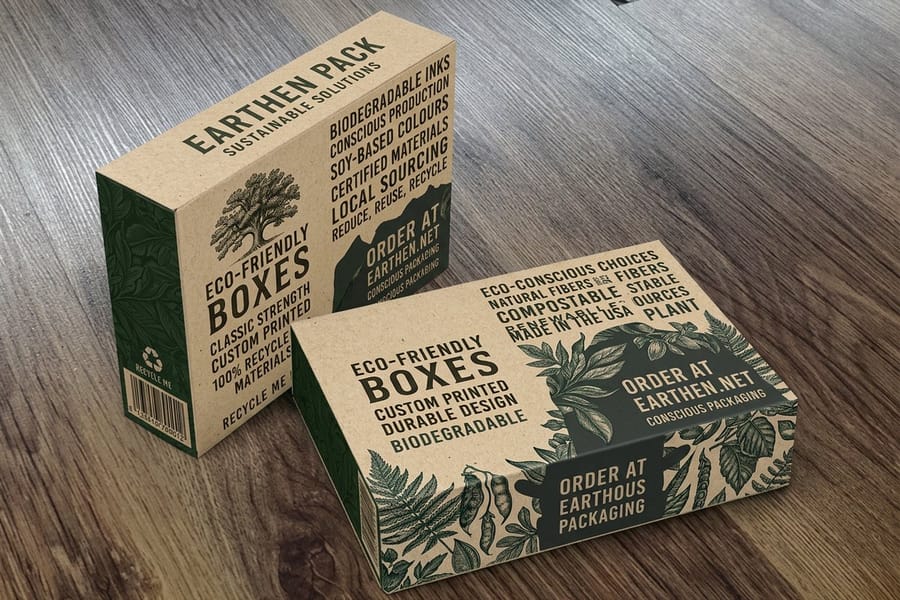
Most people picture waste as the paper itself. In practice, the bigger pile is print that was correct, well made, and never used: the 5,000 flyers ordered because 5,000 was the cheap tier, the case of business cards with a phone number that changed, the packaging printed for a product line that got renamed.
That waste is invisible on the invoice because it looks like a discount. You paid less per unit and more in total, then paid again in storage, then threw the difference away. A printer will happily quote you the bigger number, so the discipline has to come from your side.
The second source is the press itself: makeready sheets while color comes up to standard, trim offcut on non standard sizes, ink and solvent used washing between jobs. You do not control the press, but you control the decisions that make it run longer. Fewer inks, standard sizes, and one combined order instead of three scattered ones all shorten it.
If you want the material side of this in one place, our eco friendly printing collection groups the stocks and products where the greener option is genuinely available rather than a marketing label.
The quantity question, answered honestly
Order to the date your information changes, not to the price break. If your address, your team or your product names have moved in the last eighteen months, they will move again, and anything you print beyond that horizon is scrap with a delay on it.
The trade off is real and worth naming: short runs cost more per piece. A run of 250 will always look expensive next to a run of 2,500. The comparison that matters is not price per piece, it is total spend across the year including the portion you never hand out.
Proof on screen, not on paper
Every hard copy proof cycle is a sheet, a shipment and a day. A calibrated soft proof handles layout, copy and position perfectly well, and most errors caught at proof stage are typos and alignment, not color.
Keep the hard proof for the jobs where color is contractual: a brand red on an unfamiliar stock, a large packaging run, a piece that has to sit next to an existing printed item. For everything else the screen is enough, and skipping the cycle removes a real piece of waste from the process.
The practices that cut waste and cost at the same time
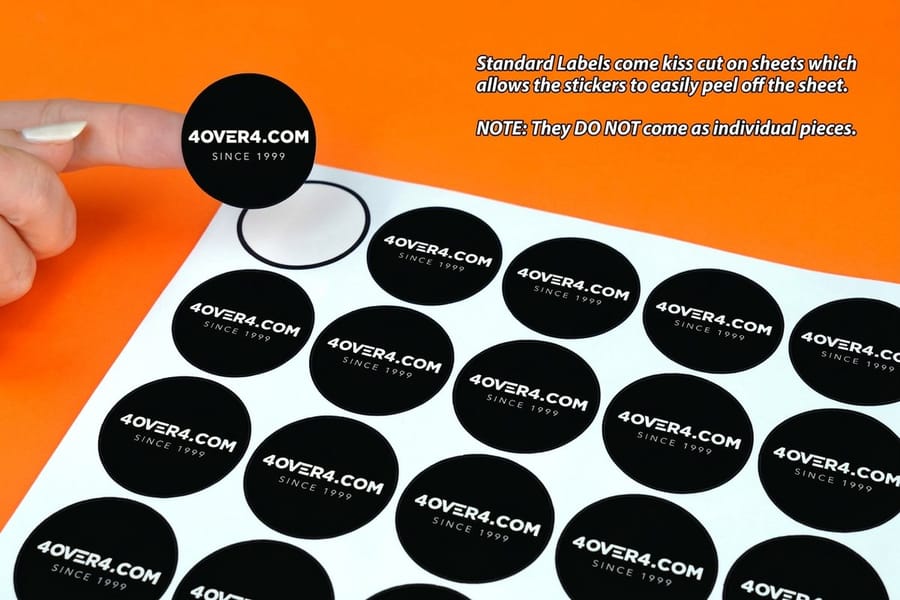
These are the changes worth making first, because none of them ask you to trade quality for conscience. They shorten press time, use less material, and land on a smaller invoice.
Start with size. A piece designed to a standard trim uses the sheet efficiently and leaves less offcut; a piece designed to an arbitrary size gets trimmed down from a larger sheet and the difference goes in the bin. Then look at ink count. Identity work built on two spot colors runs faster and washes up with less solvent than the same design built in four color process, and our explanation of two color and Pantone printing covers when that swap holds up and when it does not.
Then combine. If cards, labels and a set of inserts are all going to press within a few weeks of each other, ordering them together is one setup instead of three. It is the least glamorous saving on this page and usually the largest.
Design so the piece can be recycled
A paper piece stops being a paper piece the moment you add a layer that is not paper. Gloss lamination, soft touch film, foil stamping and metallic ink all make separation harder at the mill, and a laminated card is closer to plastic waste than to paper waste. Spot UV over an unlaminated sheet is the gentler option when you want contrast and shine in one area.
Where you do want a shaped piece, cutting is cleaner than coating. Die-cut business cards at $26.37 get their character from the cut line instead of a film layer, and our walkthrough of custom die cutting shows what shapes a die can hold without weakening the card.
Distribute less and place it better
Print that never reaches the right hand is waste no material choice can rescue. A stack of 10,000 flyers handed out indiscriminately produces more landfill than a targeted 2,000 that were placed where the audience already stands.
The practical version of this is boring and effective: fewer pieces, better locations, and a plan for what happens to the leftovers. Six best practices for flyer distribution covers the placement side, and it applies just as well to postcards and door hangers.
Materials: what recycled stock and soy inks really change
Recycled paper is not one thing. Post consumer waste content is the number that matters, because pre consumer content is mostly mill offcut that was never going to landfill anyway. A sheet described as recycled with no percentage attached is telling you very little.
What it changes on press is appearance. Recycled and uncoated sheets are less bright, absorb more ink, and hold slightly less detail in fine type and photography. Solid areas can look softer. None of that is a defect, and on the right design it reads as deliberate, but it is exactly why the proof matters more here than on a coated sheet.
Soy and vegetable based inks are the easier swap. They release fewer volatile solvents than petroleum based inks, they separate more readily during de inking at the mill, and they run at broadly comparable cost. They dry a little slower on coated stock, which affects scheduling on tight turnarounds more than it affects the finished piece.
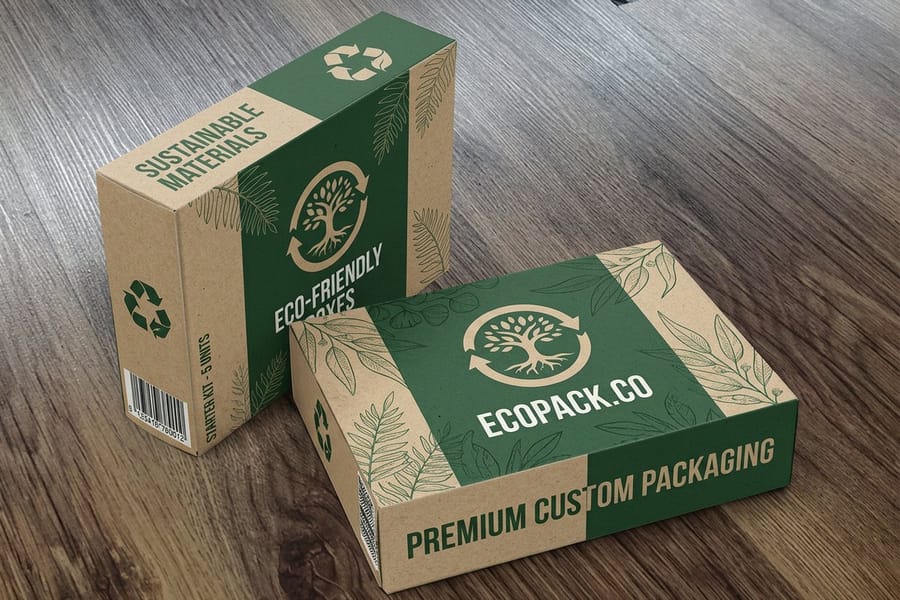
For packaging, the material choice is the whole decision. Eco friendly boxes list from $711.78, a packaging scale number rather than a stationery one, so scope the run before you order. If you are still deciding on format, seven eco friendly packaging ideas is a useful place to start.
Where the greener option genuinely costs more
Certified stocks with high post consumer content sit at the top of the paper range, and short runs on them lose the volume discount that makes recycled economics work. Compostable film and water based coatings on packaging carry a premium over standard poly. Anyone telling you the sustainable version is always cheaper is selling something.
The compensating saving comes from the quantity decision, not the material decision. Cutting an order from 5,000 to 1,500 saves more than any stock swap of the same job, and it is the change you can make today without asking anyone to approve a new material.
Merchandise, signage and the pieces that are not paper
Not every printed thing is paper, and the rules change when it is not. A printed t shirt at $21.96 has a much longer life than a flyer, so the sustainability question is durability rather than recyclability: a garment worn for three years beats a cheaper one replaced twice.
Signage sits in the same category. Die-cut window clings from $30 are static cling vinyl, so they are not a paper recycling story, but they reposition and reuse across seasons instead of being reprinted, and they leave no adhesive residue to clean off.
Short run pricing at 4OVER4.COM
Short runs are the practical heart of low waste printing, so it helps to see what they actually cost. The numbers below come straight from the live configurator for standard labels, and they show how the per unit price steps down as the quantity climbs. Read them as the price of flexibility: the higher unit cost on a small run is what you pay to avoid printing information that expires.
Quantity and price
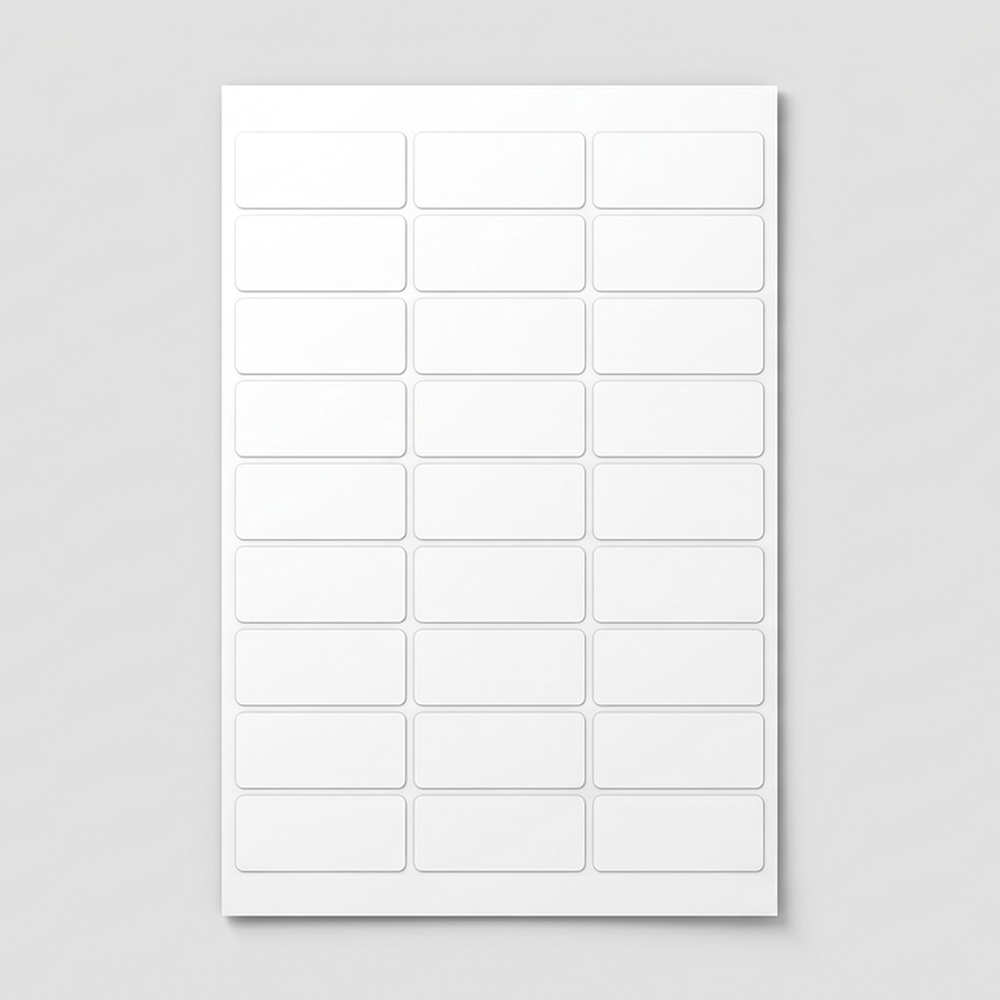
Standard label pricing and specs
Live configurator numbers, showing exactly what a smaller run costs you per unit and what it saves you in total.
| Quantity | Price Per Unit | Total |
|---|---|---|
| 25 | 95.5¢ | $23.88 |
| 50 | 72.9¢ | $36.44 |
| 100 | 42.7¢ | $42.72 |
| 150 | 32.7¢ | $49.01 |
| 200 | 27.6¢ | $55.29 |
| 250 | 24.6¢ | $61.57 |
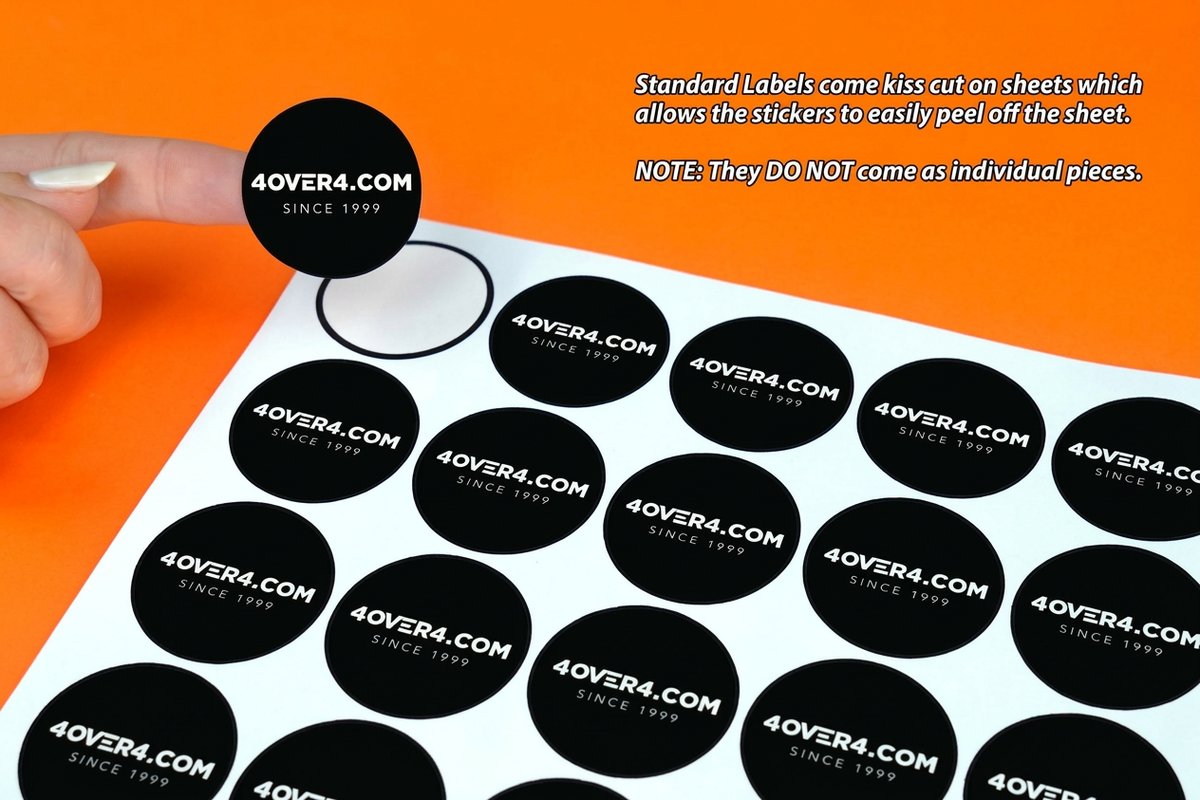
You can also earn coins on every order and redeem them against future printing, which softens the unit price penalty on smaller, smarter runs.
Stock, finish, and what survives recycling
Stock and finish decide whether the finished piece can be recycled at all. An uncoated or lightly coated sheet goes back into the paper stream without argument. Add gloss lamination, soft touch film or foil and the piece becomes a mixed material item, which most municipal streams reject. If recyclability is a stated goal, the laminate is the first thing to cut, and the honest cost is that an unlaminated card shows wear faster in a wallet or a bag.
Print it
Eco friendly boxes, ready to spec
Recyclable board packaging printed to your dimensions, with a proof before the run.
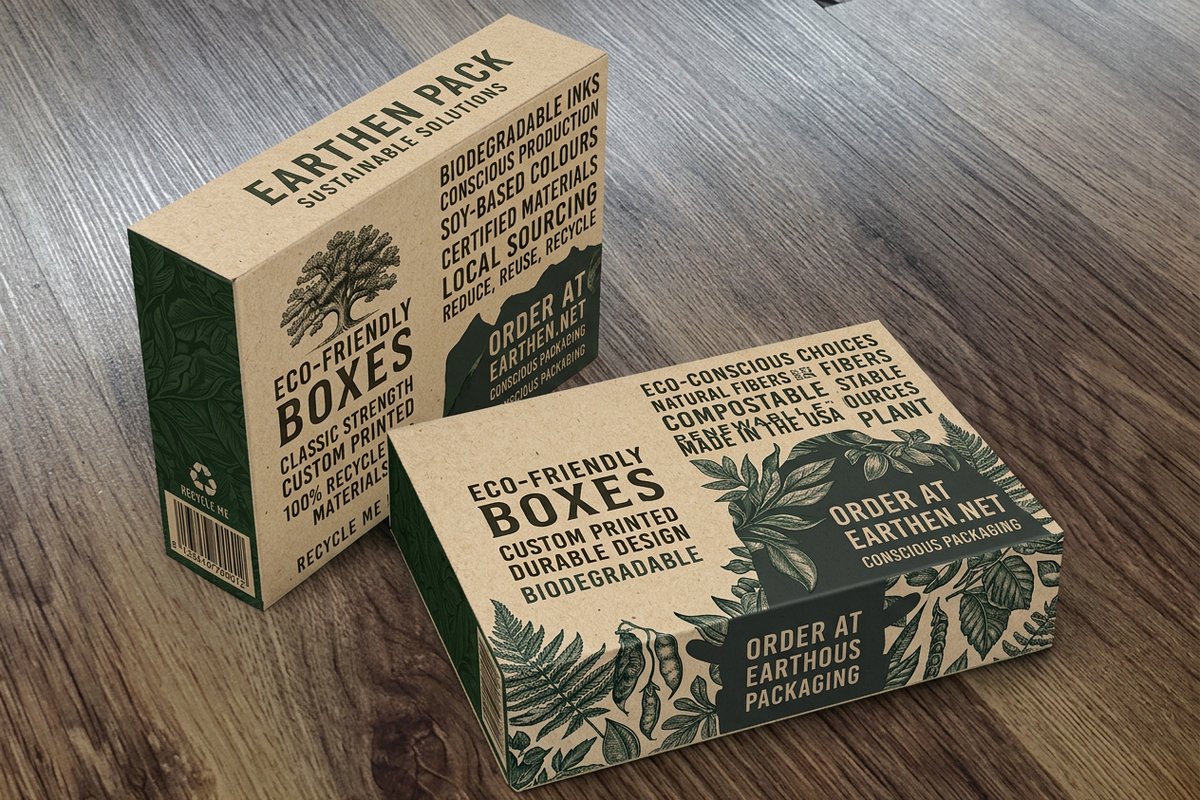
Where you want the piece to stand out without adding a layer, use the cut. A die cut shape, a rounded corner or a notch reads as considered and leaves the material single stream. Uncoated stock has a second advantage that gets overlooked: it stays writable, so a card or a tag can carry a handwritten note without a pen skating off the surface. For the fiber question, our explanation of bamboo and alternative fiber cards lays out what those stocks change on press.
What this looks like by industry
The right practice depends on how fast your information goes stale and what the printed piece has to survive.
- Retail and hospitality. Seasonal messaging changes four times a year, so print to the season and not to the annual price break. Reusable window clings carry the changing offer, permanent signage carries the brand.
- Ecommerce brands. Packaging is the biggest material line. Recyclable board with a printed exterior and no plastic window beats a laminated box that has to be separated by hand.
- Professional services. Small identity runs, two spot colors, uncoated stock. The information changes often enough that a five year supply of cards is guaranteed waste.
- Events and nonprofits. Undated print gets reused next year. Move the date to a sticker, an insert or a QR destination and the main run survives the event.
- Manufacturers and distributors. Labels and cartons in one combined order rather than scattered reorders, since setup is where both the cost and the material waste concentrate.
Templates and print-ready blanks
Files that are set up correctly the first time are the quietest waste saving there is, because every reprint caused by a bleed error is a whole run in the bin. 4OVER4.COM sizes its blanks to exact product specs so artwork lines up with the cut lines and bleed. Pull a print ready blank from the blank template library before you start laying out.
Start fast
Templates and print-ready blanks
Label design templates and exact size blanks, so your artwork lands inside the cut line the first time.
Wally sizes the run before he picks the paper
The cheapest sheet is the one you never had to print
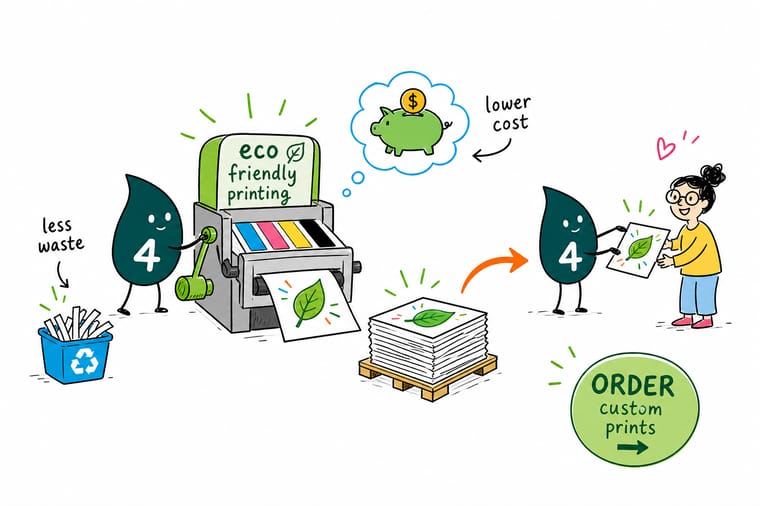
Order to the date your details change, not to the price break. Design to a standard trim so less of the sheet is trimmed away, build identity work in two spot colors instead of four color where you can, and leave the lamination off anything you want recycled. Then specify the post consumer percentage of your stock and ask for soy based inks. 4OVER4.COM prints short runs and recyclable packaging with a proof before the press run.
Order eco friendly boxes →What to remember about greener printing
Practices that hold up on every job
- Leave the date off the main run. Print the evergreen piece once and carry the changing detail on a label or an insert. One artwork change should not obsolete an entire stack.
- Design to a standard trim. Odd sizes get cut down from a larger sheet and the offcut is binned. A standard size uses more of the sheet and prices lower on every configurator.
- Ask for the post consumer percentage. Recycled with no number is not a specification. Ask what percentage is post consumer waste and put the answer in the job spec.
- Choose the cut over the coating. A die cut shape gives you distinctiveness without adding a plastic layer that stops the piece being recycled.
- Approve a proof on the real stock. Uncoated and recycled sheets shift color and soften detail. Approving on a bright coated proof and printing on a recycled sheet is how reprints happen.
Explore more
More ways to print with less waste
Related products and guides on 4OVER4.COM, one card each, so you can keep planning the next run.
 Product Eco Friendly Boxes Recyclable board packaging printed to your dimensions.
 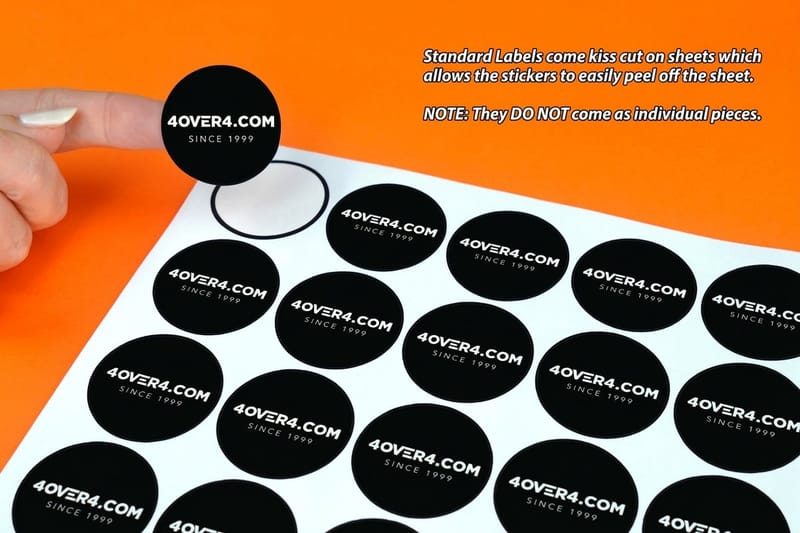 Product Standard Labels Short runs from $23.88, so artwork can change without waste.
 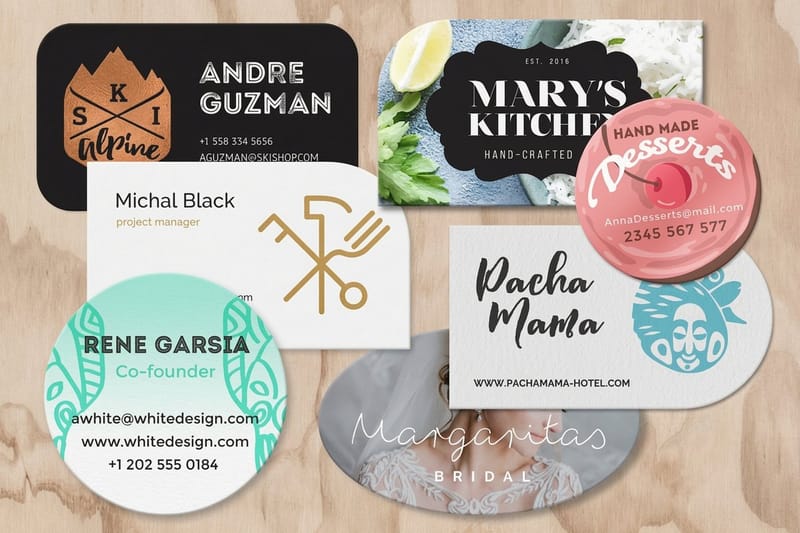 Product Die-Cut Business Cards Shape instead of lamination, from $26.37.
  Product T Shirt Printing A printed garment outlives a flyer by years.
 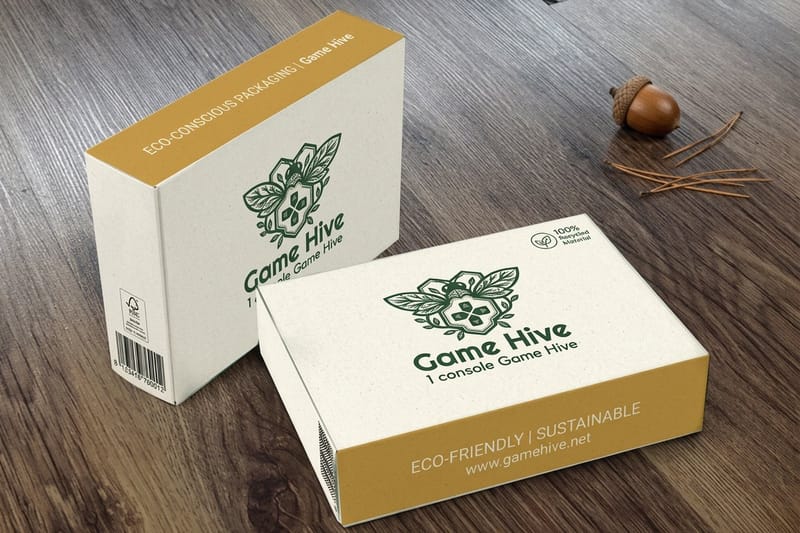 Category Eco Friendly Printing The stocks and products where the greener option is real.
 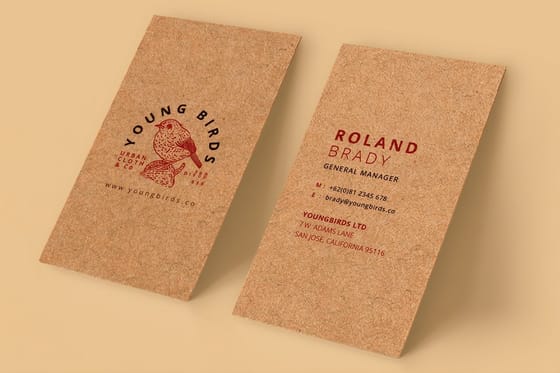 Guide Bamboo Business Cards Explained What alternative fibers change, and what they do not.
 Keep reading: green printing practices for an eco friendly office covers the day to day habits inside the building, eleven eco friendly brands worth studying shows how other companies handle the packaging question, and five brands built on sustainable products is the consumer side of the same idea.
Ready to print a smarter run?
Pick your quantity, drop in your design or a free template, and 4OVER4.COM prints it on the stock you specified with a proof before the press run.
Common questions about eco friendly printing
Is recycled paper more expensive than virgin stock?
Comparable recycled and virgin stocks sit close on price, and the gap is small enough that it rarely decides a job. Where recycled gets expensive is at high post consumer content on short runs, because you lose the volume that makes those stocks economic in the first place. The saving that actually offsets it comes from the quantity decision rather than the paper decision: cutting a run from 5,000 to 1,500 moves the invoice far more than any stock swap on the same job. Ask your printer for the post consumer percentage and the price on both stocks before you decide.
Do soy inks print as well as petroleum based inks?
Yes for the vast majority of commercial work. Soy and vegetable based inks carry color comparably, release fewer volatile solvents into the pressroom, and separate more cleanly during de inking at the recycling mill, which is the part that matters environmentally. The one practical difference is drying time on coated stock, where they can be slower, so a very tight turnaround on a heavily coated sheet is the case worth flagging to your printer in advance. On uncoated stock the difference is not something you would notice in the finished piece.
Can a laminated business card be recycled?
Not easily, and in most municipal streams it is treated as contamination rather than paper. Lamination bonds a plastic film to the sheet, and separating the two is not something a standard paper mill process handles, so a laminated card generally ends up in landfill even when the paper underneath was recycled stock with high post consumer content. If recyclability is the goal, skip the film and accept that an unlaminated card scuffs faster in a wallet, or use spot UV in one area instead of coating the whole sheet.
What is the smallest print run actually worth ordering?
Order to the horizon of your information rather than to a minimum. If your address, phone number, staff names or product names are likely to change inside a year, print roughly a year of supply and accept the higher unit price, because the alternative is a cheaper box you throw away half full. For stable, evergreen pieces the calculation flips and a larger run is genuinely the lower waste choice. Short runs at 4OVER4.COM start low enough to make this practical: standard labels from $23.88 and die-cut business cards from $26.37.
What should I ask a printer to check how green they really are?
Four questions separate a real answer from a marketing one. What is the post consumer waste percentage of the stock you are quoting. Are your inks soy or vegetable based. Is this piece recyclable as printed, including any coating or lamination. And what quantity would you recommend given that our details change every year or two. A printer who answers all four with specifics is telling you something; one who replies with the word sustainable and no numbers is not. Our note on working with an outsourced print supplier covers the rest of the vetting.
