
How Bulk Printing Price Breaks Actually Work


Print gets dramatically cheaper per piece as the quantity climbs. This guide shows you where the price breaks land, why they happen, and which 4OVER4 products scale cheapest in bulk.
Bulk printing lowers the per-unit price as quantity rises because fixed setup costs spread across more pieces. The savings come in steps called price breaks, not a smooth line, so ordering just past a break is far cheaper per piece. Cards, flyers, postcards, and stickers scale cheapest. Use the 4OVER4 configurator to find each product's breaks.

Start here
Bulk printing price breaks in one paragraph
Bulk printing is cheaper per piece because the fixed costs of a print run, setup and make-ready, spread across more units as the quantity grows. The savings arrive in steps called price breaks rather than a smooth line, so ordering just past a break gives the best per-unit deal. Flat, simple products like cards, flyers, postcards, and stickers scale cheapest. The 4OVER4 configurator reveals each product's breaks as you change the quantity.
What bulk printing is and why it saves
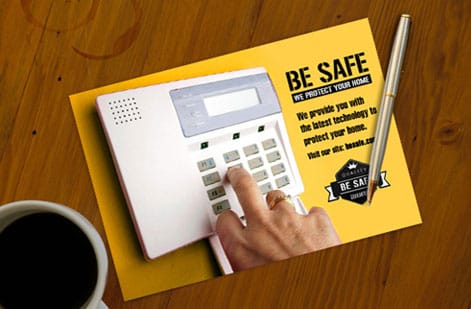
Bulk pricing for commercial printing rewards one thing: ordering a large quantity of the same piece in one run. Bulk printing simply means that, and the reason it costs less per unit is structural rather than promotional. A print job carries fixed costs, file setup, plates or digital setup, and press make-ready, that are paid once no matter how many pieces you print. Spread that fixed cost over 100 pieces and each one carries a lot of it; spread it over 5,000 and each carries almost none. The ink and the paper do not get cheaper, the setup simply gets divided by a bigger number.
That is why the per-unit price on a stack of flyers falls as the run grows, while the total bill rises more slowly than the quantity. Understanding this changes how you order: the question is not just how many you need today, but where the next price break sits.
How price breaks actually work
Price breaks are quantity thresholds where the per-unit price steps down. Between breaks the unit price is flat, then at the next tier, say 500, 1,000, or 2,500, it drops again. This is why the cost curve looks like a staircase, not a ramp. The practical upshot is powerful: ordering just past a break can cost barely more in total than stopping just short of it, while giving you many more pieces.
So if you need 900 business cards and the next break is at 1,000, pricing the 1,000 is often the smarter buy. The only way to see the exact thresholds is to change the quantity in the configurator and watch the per-unit number step down. Our guide to choosing a print service covers why transparent, live pricing like this matters.
Where the breaks land, and the early win

The steepest savings come early. Moving from a small run to a mid-size run, roughly hundreds to low thousands, produces the biggest per-unit drop, because that is where the fixed cost gets diluted fastest. Past that, the curve flattens: going from 10,000 to 20,000 still saves per unit, but far less dramatically than 250 to 1,000.
For most businesses that means the sweet spot is ordering enough to clear the early breaks, then holding at a quantity you will actually use before it dates. A run of postcards for a campaign is a good example: size it to the mailing plus a margin, landing on a break, rather than reordering small batches later.
Bulk pricing for commercial printing
Bulk pricing for commercial printing climbs the same staircase as any other order, the difference is which tier a business should be aiming for. Three products carry most commercial runs, and the table below maps each quantity to where it sits on the curve and what the smarter buy usually is. The per-unit price and the order total for your exact spec appear live in the configurator the moment you change the quantity, so price the number you want and the next break above it before you commit.
| Quantity | Where it sits on the curve | What to do |
|---|---|---|
| 250 | Opening tier, the highest per-unit price of the whole run | Price 500 as well. On club flyers the total moves very little while the piece count doubles. |
| 500 | First break on most flat products, the single sharpest drop | Almost always worth clearing. Compare the per-unit figure against 250 before you order, not the total. |
| 1,000 | The commercial baseline, per unit well below the opening tier | If you need 900 business cards, price 1,000 as well: the extra 100 usually cost very little. |
| 2,500 | Mid volume, a steady decline rather than a cliff | The value spot for a mailing. Size a postcard run to the list plus a margin and land on the break. |
| 5,000 | Per unit near its practical floor on common flat stocks | Buy it as one run rather than five reorders of 1,000, each of which pays the setup cost again. |
| 10,000 to 20,000 | Flattening, still cheaper per unit but the steps are small | Go here only if the artwork will not date before the pieces are used. |
Read that table as a shape, not a price list. The drop from 250 to 1,000 is far bigger than the drop from 10,000 to 20,000, so for commercial buying, clearing the early breaks matters more than chasing the largest number on the page. The honest question is how many pieces you will hand out, mail or display before the content dates, then which break sits just above that figure.
Which products scale cheapest in bulk

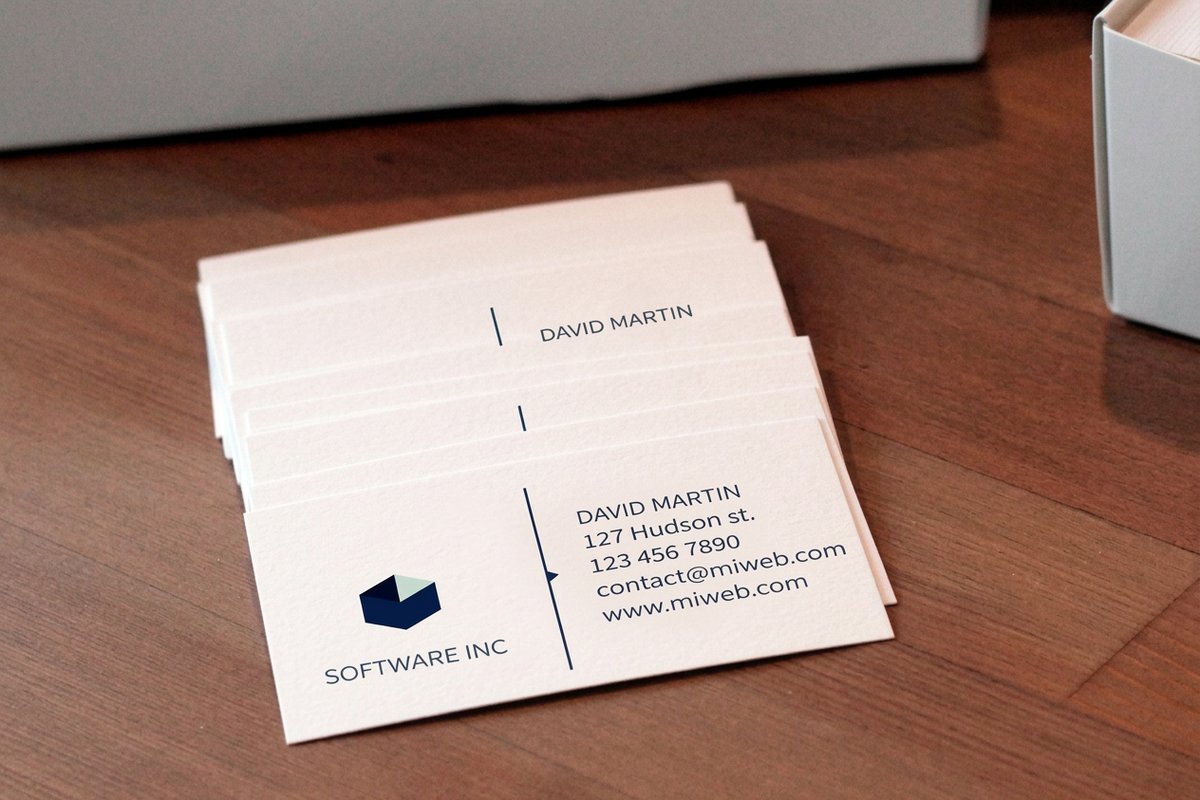
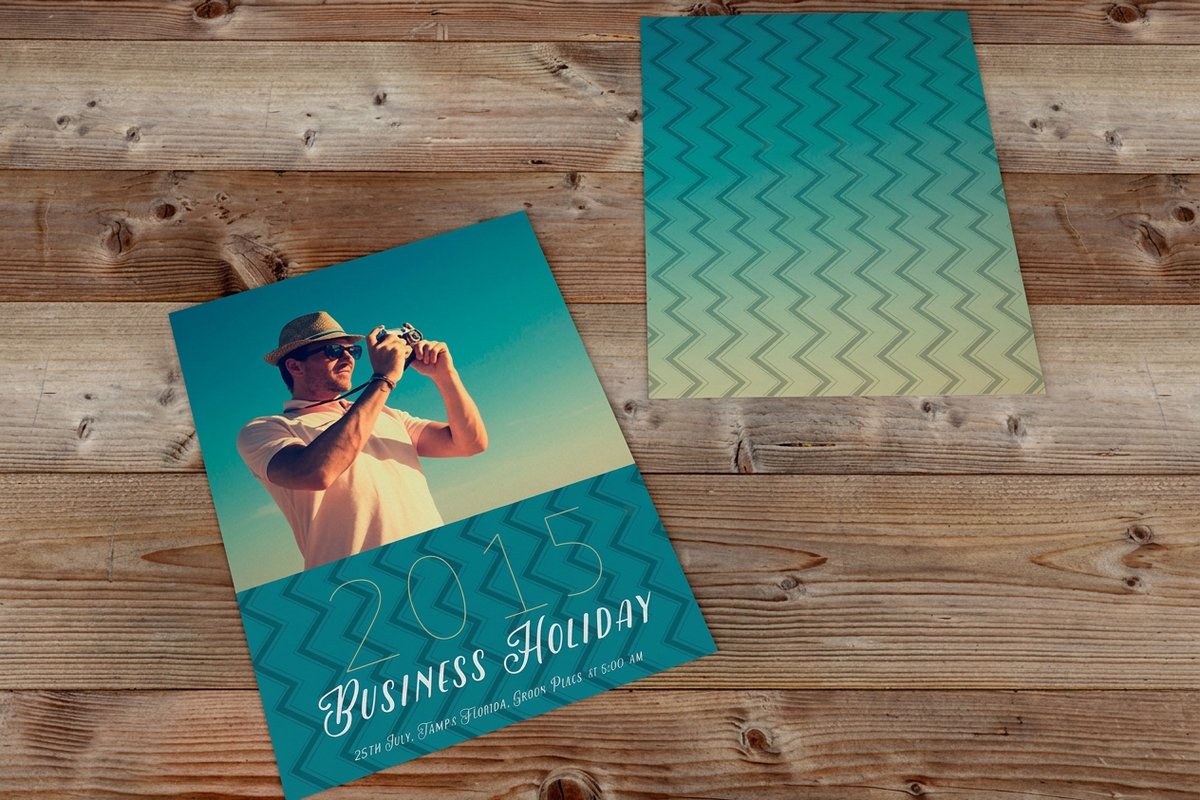
Not every product bulks equally. Flat, standard-size pieces gang up efficiently, many copies printed together on one large sheet, so they hit their price breaks fastest. That makes business cards, flyers, postcards, and stickers the champions of bulk value. Bulk sticker printing in particular gets remarkably cheap per piece at volume.
Large-format, specialty stocks, and heavily finished pieces scale more slowly because each carries more material and handling per unit. If your goal is the lowest possible cost per piece, lean toward the flat staples on common stocks, and design them to a standard size so they gang cleanly.
How to find your cheapest quantity

The fastest way to find your best buy is to price two or three quantities and compare the per-unit cost, not just the total. Enter the number you think you need, then the next break above it, and see how little extra total it takes to get many more pieces. Often the answer is to round up to the break.
Balance that against waste: the cheapest unit price is worthless if half the run expires unused. Size to real demand plus a sensible margin. Design online in the Designer to keep art costs at zero, then let the live pricing panel below show you where each break sits for your product.
Common bulk-ordering mistakes to avoid
Three mistakes cost people money on bulk. First, stopping just short of a break and paying nearly the same total for far fewer pieces. Second, splitting one need into several small reorders, each paying the setup cost again at a worse unit price. Third, over-ordering perishable, dated material that expires before it is used.
Avoid all three by planning the full quantity up front, ordering once past the relevant break, and keeping dated content in shorter runs while bulking evergreen pieces like stickers and generic labels. A little planning turns bulk from a gamble into a reliable discount.
When bulk is worth it, and when it is not

Bulk pays off when the piece is evergreen or the demand is real: business cards you hand out for a year, flyers for an ongoing offer, stickers you include in every order. In those cases the price break is pure savings. Bulk hurts when the content is dated or the demand is uncertain, because unused pieces erase the discount.
The rule of thumb: bulk what stays current, and keep short runs for what changes. When you are ready, configure your product below to see its price breaks, or read our fast printing guide if you need a large run quickly.
Wally rounds up to the price break
A few more pieces, a lower price per piece
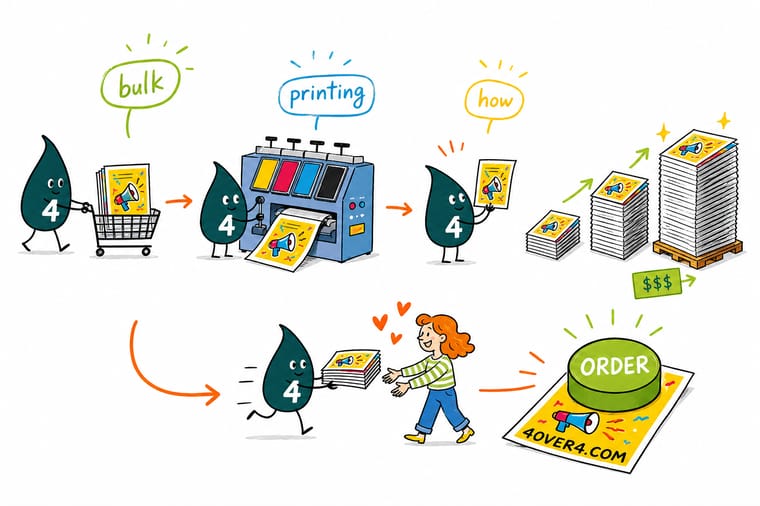
Wally reads the cost curve like a staircase. He prices the quantity he needs, then the next break above it, and when clearing the break costs barely more in total for many more pieces, he rounds up and pockets the lower unit price. He bulks the evergreen stuff and keeps dated art short. Watch the live price step down at 4OVER4 and you will spot your own best quantity in seconds.
See your bulk price breaks →Quick reference
How the per-unit price falls with quantity
Exact numbers vary by product and spec, but the shape is always the same. Use it to decide where to land your order.
| Quantity band | Per-unit trend | What it means for you |
|---|---|---|
| Small run | Highest per unit | Fixed setup cost is spread thin, so each piece is expensive. A run of 100 to 250 carries the whole make-ready on very few pieces. |
| First break | Sharp drop | The biggest early savings, usually at the 500 tier; clearing this tier is almost always worth it. |
| Mid volume | Steady decline | Per-unit keeps falling through 1,000 and 2,500; the value sweet spot for most businesses. |
| High volume | Flattening | Still cheaper per unit at 5,000 and beyond, but the drops get smaller with every tier. |
| Just past a break | Best value | A few more pieces for barely more total; round up to the break, 900 up to 1,000 being the classic case. |
Step by step
Find your cheapest bulk order in 6 steps
- Estimate honest demand Decide how many pieces you will realistically use before the content dates, then add a sensible margin for handouts, damage and the copies that never come back.
- Price your target quantity Enter that number in the configurator and note the per-unit cost, not just the total.
- Price the next break up Enter the next threshold and compare. Often a small total increase buys many more pieces, which is the whole point of ordering at a break rather than under one.
- Round up to the break when it pays If clearing the break costs little extra per total, take the larger quantity and the lower unit price.
- Keep dated content in shorter runs Bulk evergreen pieces; hold time-sensitive or campaign-specific art to what you will use now.
- Order once, not in small batches Place a single larger run rather than repeated small reorders that pay setup again each time.
Specs and pricing
Flyer specs and live bulk pricing
Flyers are a textbook bulk product. Here are the live specs and per-unit pricing for flyers at 4OVER4, so you can watch the price step down as the quantity climbs.

| Quantity | Price Per Unit | Total |
|---|---|---|
| 50 | 79.1¢ | $39.54 |
| 100 | 57.1¢ | $57.11 |
| 200 | 37.3¢ | $74.69 |
| 300 | 28.6¢ | $85.68 |
| 400 | 24.4¢ | $97.76 |
| 500 | 21.8¢ | $108.75 |
| 600 | 18.7¢ | $112.03 |
| 700 | 16.5¢ | $115.33 |
Print it
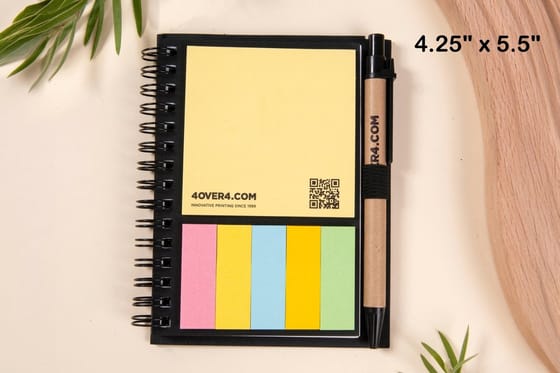
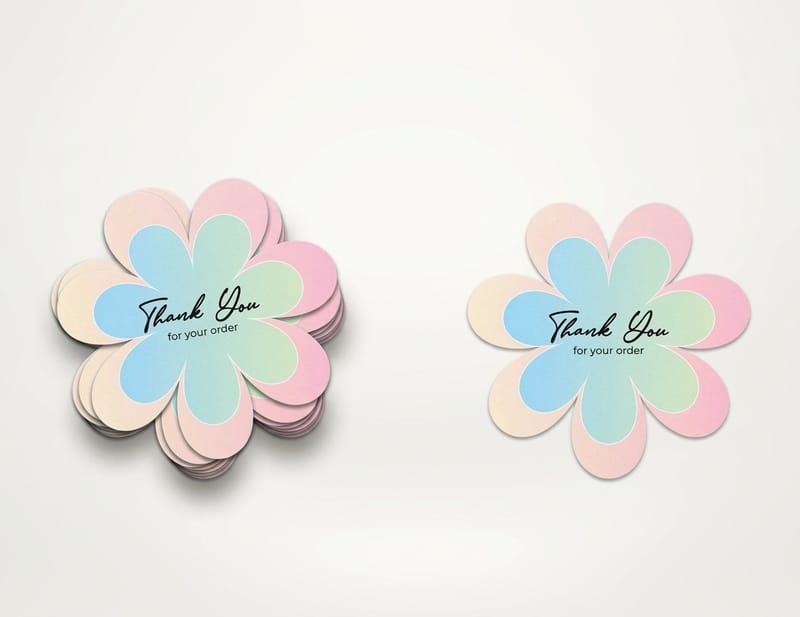
Products that scale cheapest in bulk

See it in use
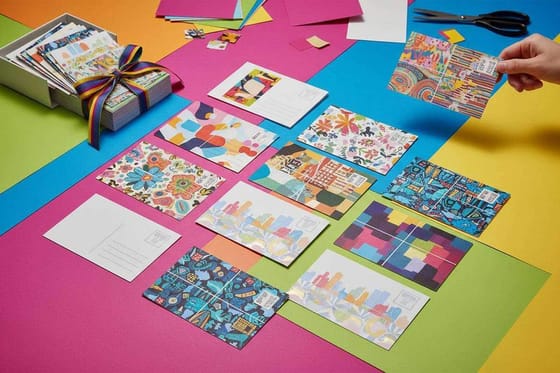
Bulk work printed at 4OVER4







Explore more
Where to go next





By the numbers
Bulk printing priced in the open
Common Questions
Common questions about bulk printing
What is bulk printing?
Bulk printing means ordering a large quantity of the same piece in one run, which lowers the cost per unit. The savings come from spreading the fixed costs of a print job, file setup and press make-ready, across more pieces. Because those fixed costs are paid once no matter the quantity, each additional piece carries less of them, so the per-unit price falls as the run grows.
How do I choose the right bulk quantity?
Estimate how many pieces you will actually use before the content dates, then compare the per-unit price at that number and at the next price break above it. If clearing the break costs little extra in total for many more pieces, round up. Balance the lower unit price against waste, since the cheapest per-unit cost means nothing if half the run expires unused.
What does bulk printing cost and how are prices set?
Price is driven by quantity, size, stock, and finish, with quantity as the dominant lever. Savings arrive in steps called price breaks, quantity thresholds where the per-unit price drops. Between breaks the unit price is flat, then it steps down at the next tier. The 4OVER4 configurator shows the live per-unit price as you change the quantity, revealing each product's breaks.
What sizes, stocks, and finishes are best for bulk printing?
Flat, standard-size pieces on common stocks scale cheapest because they gang efficiently on press, many copies printed together on one sheet. Business cards, flyers, postcards, and stickers are the strongest bulk performers. Large-format, specialty stocks, and heavy finishes cost more per unit because each carries more material and handling. Design to a standard size to gang cleanly.
How long does bulk printing take to print and ship?
Larger runs take longer on press than small ones, so bulk orders generally have a longer production time. That said, staple products on common stocks still move efficiently. Read the production time and shipping transit separately, and if you need a large run quickly, confirm the quantity fits any rush lane. The 4OVER4 configurator shows timing for your quantity and product.
Which products get the cheapest per unit in bulk?
Flat, simple, standard-size products that gang efficiently on press, business cards, flyers, postcards, and stickers, reach their price breaks fastest and get cheapest per piece. Bulk sticker printing in particular becomes very economical at volume. Specialty and large-format items scale more slowly. For the lowest cost per piece, choose a staple product on a common stock and a standard size.
Get Started
Ready to see where your price breaks land?
Configure your product at 4OVER4 and change the quantity to watch the per-unit price step down. Round up to the break and get more pieces for barely more total.
Legal Disclaimer
Gold Standard guarantees apply to all standard orders placed through 4over4.com. Price match requires verifiable proof of a competitor's published price for an equivalent product with matching specifications and turnaround time. Satisfaction guarantee covers manufacturing defects and print quality issues. Contact support with order number and documentation. On-time delivery rate based on tracked orders 1999 to 2026. Individual results may vary based on shipping carrier performance.
