
Cardstock Weights Explained From 10pt to 16pt for Every Print Project


Cardstock is rated in points, not pounds, and the common range runs 10pt to 16pt. Here is what every weight feels like, the right pick for cards, postcards, and brochures, and how to compare them before you print.
Cardstock weight is measured in points (pt), where one point equals one thousandth of an inch of thickness. The common range runs from a light 10pt to a thick, premium 16pt. A 14pt card is the everyday standard, 16pt reads as premium, and ultra-thick stocks go beyond. Coating changes the surface separately, so pair a weight with a finish and order free samples to feel the difference.
Start here
Cardstock weight in one paragraph
Cardstock is measured in points, where one point is one thousandth of an inch of thickness. The common range runs from a light 10pt to a premium 16pt, with 14pt as the everyday standard for cards and postcards. Points measure how thick a card feels, pounds measure the weight of a ream, and coating changes the surface on top of the weight. The chart below compares every weight at a glance.
What cardstock weight means: pt versus lb
Cardstock weight is really a measure of thickness, and for cards it is written in points, or pt. One point equals one thousandth of an inch, so a 16pt card is 0.016 inches thick and a 10pt card is 0.010 inches. Because points measure caliper directly, they tell you exactly how substantial a card will feel, which is why the print industry rates cardstock in points rather than pounds.
Pounds (lb) measure something different: the weight of a full ream of paper at a standard size. That system works well for text and cover papers, but it does not convert cleanly to thickness because different stocks have different densities. A 100lb cover and a 14pt card can feel alike or quite different depending on the paper. For cards, trust the point number, since thickness is what your hand registers first.
The practical range runs from a light, flexible 10pt to a thick, premium 16pt, with ultra-thick specialty stocks going beyond. The rest of this guide walks each weight, when to reach for it, and the exact 4OVER4 product it belongs on, from classic business cards to postcards and brochures.
The weight range, from 10pt to ultra-thick
Think of cardstock weight as a ladder. At the bottom, 10pt is light and flexible, good for high-volume flyers on cardstock and inexpensive cards. A 12pt stock adds a little body while still bending easily, which suits postcards and tickets. Then comes 14pt, the everyday standard: thick enough to feel professional, practical enough for daily use, and the most popular weight for business cards.
Step up to 16pt and the card feels noticeably premium, holding a clean edge and supporting finishes like embossing and spot UV beautifully. Beyond that, ultra-thick and multi-layer stocks (18pt, 32pt, and up) turn heft itself into the statement, ideal for executive cards, luxury invitations, and stiff covers. Each rung up the ladder reads as a little more considered in the hand.
The comparison table further down lays out every weight, its feel, and its best use in one place. Pair it with our business card thickness chart for a quick weight-by-weight reference.
How to pick a weight by project
The fastest way to choose is to start from the piece and how it will be used, then match the weight to that. A business card that lives in a wallet wants enough body to survive months of handling without feeling like a slab, which is why 14pt to 16pt dominates. A postcard that goes through the mail needs to hold up in a sorting machine, so 14pt is the reliable baseline, with 16pt for a premium mailer.
Brochures and folded pieces flip the logic: covers can go heavier for a substantial feel, while inside panels often use a lighter text stock so they fold cleanly. High-volume flyers printed on cardstock lean toward 10pt to 12pt to keep costs down and handling easy. And when weight is the whole point, an executive card or invitation earns 16pt or an ultra-thick stock.
If your project mails, our direct mail services handle printing and delivery together, and the same weight rules apply to the mail piece you send. Whatever the project, decide the weight for how the piece is handled, not just how it looks.
Coating and finish: the surface on top of the weight
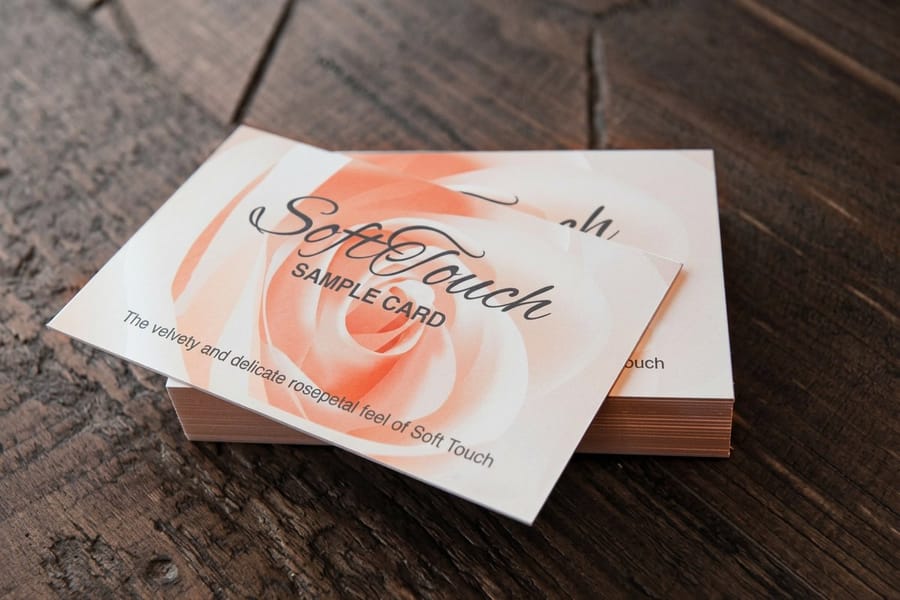
Weight sets the body of a card, but the coating sets its surface, and the two are separate decisions. The same 16pt card feels completely different depending on how it is finished. A gloss coat deepens colors and adds shine, a matte coat calms glare for an elegant read, and a soft touch laminate adds a velvety, suede-like feel that people notice before they read a word.
That means you can dial in exactly the impression you want by pairing a weight with a finish. A heavy 16pt stock under a soft touch coat reads as understated luxury. A 14pt card with a bright gloss reads as bold and energetic. For the most tactile surface of all, suede business cards combine a premium weight with a deep, warm coating.
Finishes also add durability, so a coated card stays looking new longer. For a full tour of the surface options and how they change a card, see our guide to the seven best print finishes, then compare weights and coatings together in the configurator.
Why free samples settle the weight question
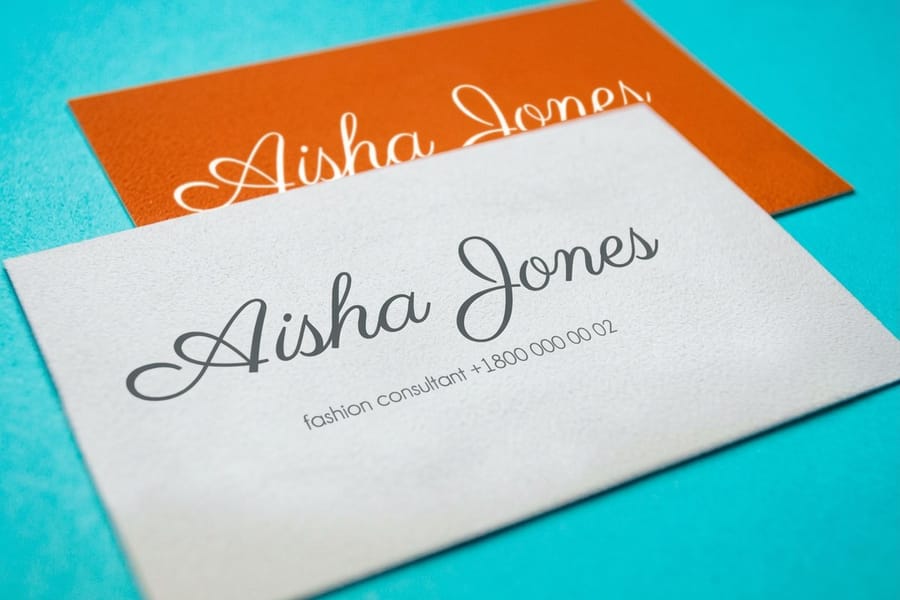
Thickness is a physical property, and no screen can show it to you. A 12pt card and a 16pt card look identical in a photo, but the moment you hold both, the difference is unmistakable. That gap is exactly the thing you are choosing between, so the smartest move before a full run is to feel the weights in hand.
Ordering free paper samples lets you compare the common weights directly: bend a 10pt against a 16pt, run a thumb across a soft touch coat, and see how a heavier stock holds a crisper edge. It turns an abstract number into a decision you can make with confidence, and it is the single best way to avoid ordering a stock that feels thinner or thicker than you expected.
Once the weight is settled, the rest is quick: pick your product, set the stock and finish, and order. Use the live specs and pricing panel below to see every weight available for classic business cards and what each one costs per unit.
Wally weighs 10pt against 16pt
Points measure thickness, and thickness is what you feel
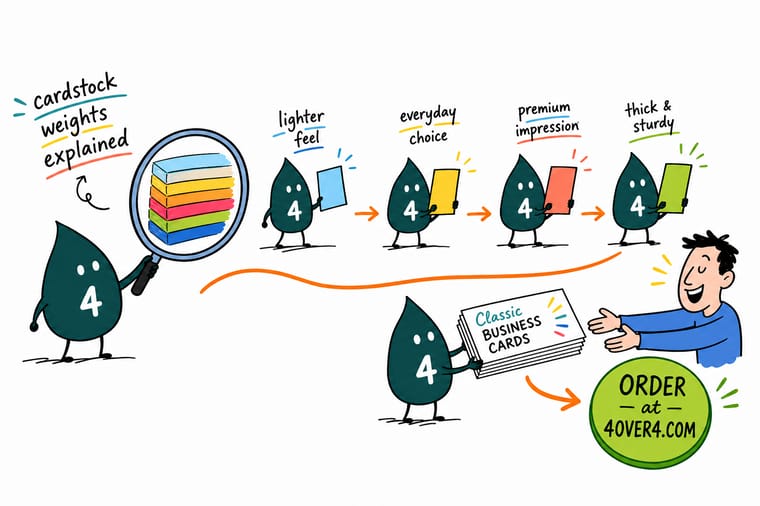
Wally makes the point simple: a point is one thousandth of an inch, so a 16pt card is clearly heavier than a 10pt one the moment you hold it. Fourteen point is the everyday standard, sixteen reads premium, and lighter stocks keep volume runs affordable. Pick the weight for how the piece gets handled, add the finish you want, and order free samples so nothing surprises you.
Print on your stock →Weight comparison
Every cardstock weight, from 10pt to ultra-thick
Match the weight to how the piece will be used. Here is what each point weight feels like and where it fits best.
| Weight | How it feels | Best for |
|---|---|---|
| 10pt | Light and flexible | The thinnest common card stock. Best for high-volume flyers on cardstock, inexpensive cards, and pieces where flexibility helps. |
| 12pt | Light-medium | A step up in body that still bends easily. Good for postcards, tickets, and mailers that want a little more substance. |
| 14pt | The everyday standard | The most popular business-card weight. Feels professional and sturdy while staying practical. The default for cards and postcards. |
| 16pt | Thick and premium | Noticeably substantial in the hand. Best for premium business cards, invitations, and covers that should feel high-end. |
| 18pt to 32pt+ | Ultra-thick and rigid | Multi-layer and specialty stocks for luxury cards, hang tags, and stiff covers. Best when heft itself is the statement. |
Step by step
How to pick the right weight in 7 steps
- Start from the piece and how it will be usedA card that lives in a wallet, a postcard that gets mailed, and a brochure cover that gets handled all have different weight needs. Name the use first.
- Pick 14pt as your baselineFor most business cards and postcards, 14pt is the safe, professional default. Move up or down from there only if the use calls for it.
- Go heavier for a premium feelIf the piece should signal quality the instant someone holds it, step up to 16pt or an ultra-thick stock. Weight is the fastest way to read as high-end.
- Go lighter for volume and flexibilityFor high-quantity flyers on cardstock or pieces that need to bend, 10pt to 12pt keeps costs down and handling easy.
- Layer the finish on top of the weightDecide the coating separately. Gloss brightens color, matte calms it, and soft touch or suede add a velvety surface without changing the body.
- Order free samples to compareThickness is physical, so request free paper samples and hold the weights side by side. The difference between 12pt and 16pt is obvious in hand and invisible on screen.
- Set the stock at checkout and orderChoose the weight and finish in the product configurator, watch the price update live, and place the order online with no minimum.
Specs and pricing
Business card stocks and live pricing
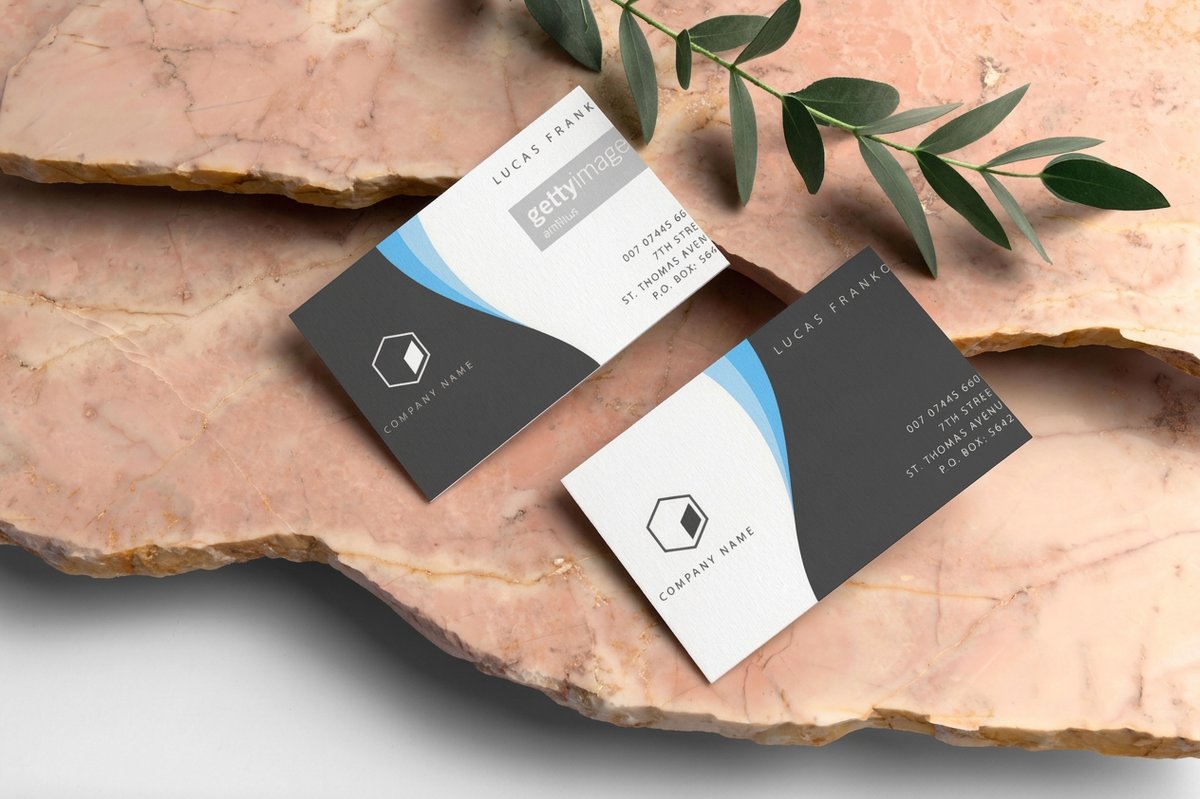
See every weight and finish available, with the price-per-unit for classic business cards at 4OVER4, straight from the configurator.
| Quantity | Price Per Unit | Total |
|---|---|---|
| 100 | 17.6¢ | $17.57 |
| 200 | 11.5¢ | $23.07 |
| 300 | 9.15¢ | $27.46 |
| 400 | 7.96¢ | $31.86 |
| 500 | 7.25¢ | $36.26 |
| 600 | 6.77¢ | $40.64 |
| 700 | 6.43¢ | $45.04 |
| 800 | 6.18¢ | $49.43 |
Order it
Print on the weight that fits
See it in use
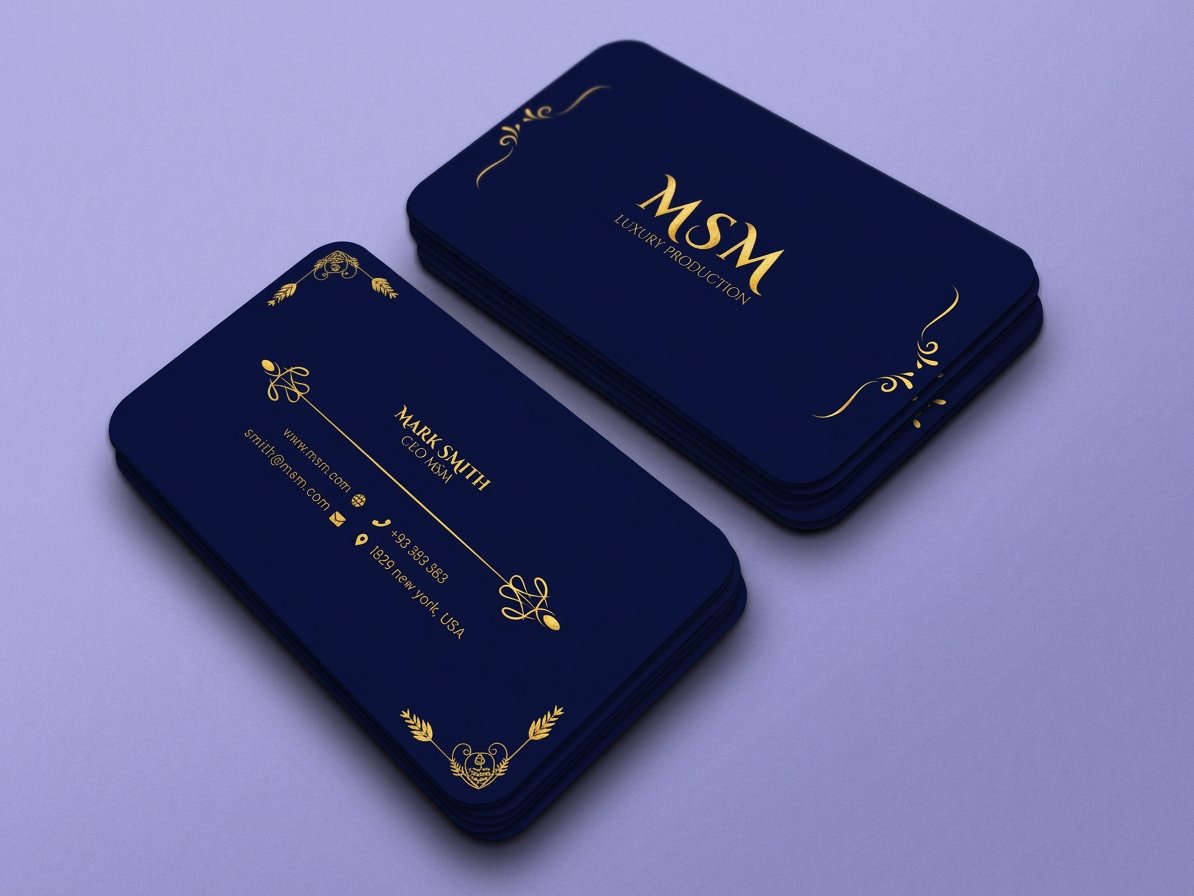
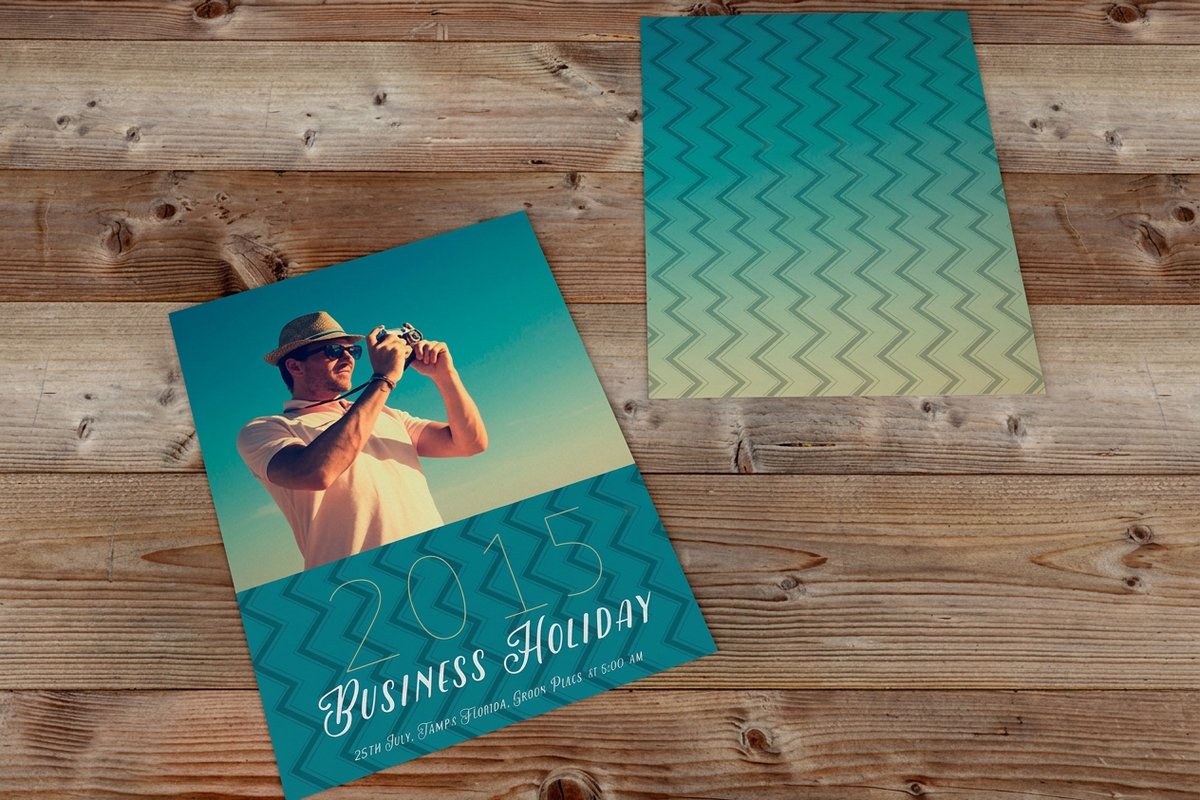
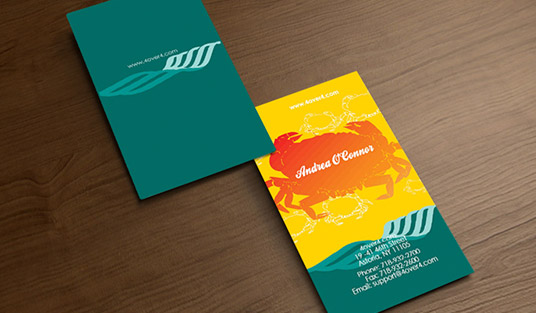
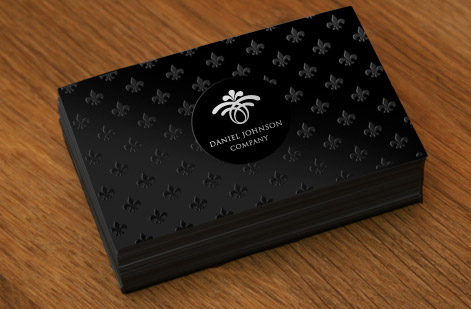
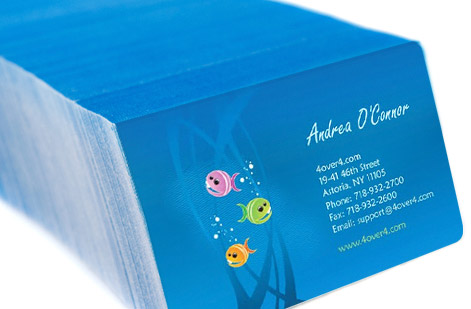
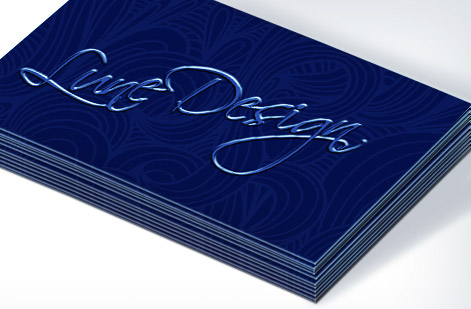
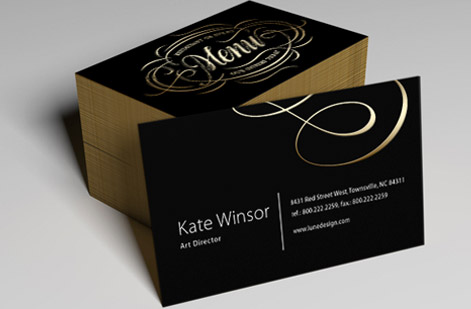
Cards printed across every weight
Explore more
Where to go next


By the numbers
Stock you can count on at 4OVER4
Common Questions
Common questions about cardstock weights
What are cardstock weights?
Cardstock weight describes how thick and substantial a card feels, and for cardstock it is measured in points, written as pt. One point equals one thousandth of an inch of thickness, so a 16pt card is 0.016 inches thick and clearly heavier in the hand than a 10pt card at 0.010 inches. Points measure caliper (thickness) directly, which is why the print industry prefers them for cards over the pound system used for text papers. The common range runs from a light, flexible 10pt up to a thick, premium 16pt, with ultra-thick specialty stocks going well beyond.
What is the difference between pt and lb?
Point (pt) measures thickness, and pound (lb) measures weight. A point is one thousandth of an inch of caliper, so it tells you exactly how thick a card is. A pound refers to the weight of a 500-sheet ream at a standard size, which is how text and cover papers are commonly rated. The two do not convert cleanly because different papers have different densities: a 100lb cover and a 14pt card can feel similar or quite different depending on the stock. For cardstock, points are the more useful number because thickness is what you feel when you hold the piece.
How thick is 16pt cardstock?
A 16pt card is 0.016 inches thick, roughly 0.41 millimeters, which is about the thickness of two stacked standard business cards from many other printers. It reads as premium the moment someone picks it up, holds a clean edge, and supports finishes like embossing and spot UV beautifully. In pound terms it lands in the heavier cover-weight range, though the exact pound figure varies by paper. If you want a card that signals quality through heft alone, 16pt is the go-to weight, and stepping to an ultra-thick stock pushes that impression even further.
How do I choose the right cardstock weight?
Match the weight to the job. For everyday business cards and postcards, 14pt is the professional default: sturdy, practical, and widely used. Step up to 16pt or an ultra-thick stock when the piece should feel premium the instant it is held, such as executive cards, invitations, and covers. Drop to 10pt or 12pt for high-volume flyers on cardstock or pieces that need to flex. Decide the coating separately, since gloss, matte, and soft touch change the surface without changing the body. When in doubt, order free samples and compare the weights in hand before committing.
What does cardstock cost and how are prices set?
Heavier stock generally costs more than lighter stock because it uses more material, but weight is only one lever in the total price. Quantity has the biggest effect, since more pieces lower the unit price, followed by size, the specific stock, and any finish you add. You set the weight and finish in the configurator and the price updates live as you go, so you can compare a 14pt card against a 16pt one, or a plain stock against a soft touch upgrade, and see exactly what each choice does to the number before you order, with no quote or minimum required.
Get Started
Ready to print on exactly the right weight?
Pick your product, set the stock and finish in the configurator, and watch the price update live. Order online with no minimums, or request free samples first.
Legal Disclaimer
Gold Standard guarantees apply to all standard orders placed through 4over4.com. Price match requires verifiable proof of a competitor's published price for an equivalent product with matching specifications and turnaround time. Satisfaction guarantee covers manufacturing defects and print quality issues. Contact support with order number and documentation. On-time delivery rate based on tracked orders 1999 to 2026. Individual results may vary based on shipping carrier performance.
