
How to Make Stickers Sticky and Reusable Again


Clean the adhesive, peel with heat, and transfer with tape to give a sticker a second life. Here is the safe, step-by-step way to make a sticker sticky again, plus how to choose stock built to be reused.
To make a sticker sticky again, clean the adhesive side with warm soapy water and let it dry fully. If tack is still weak, add a thin strip of double-sided tape. To reuse a sticker elsewhere, warm it with a hair dryer, peel slowly from a corner, and transfer it with clear tape. When the glue is washed out or torn, reorder durable vinyl or die-cut stickers for full, lasting tack.
Quick answer
The fastest way to revive a sticker
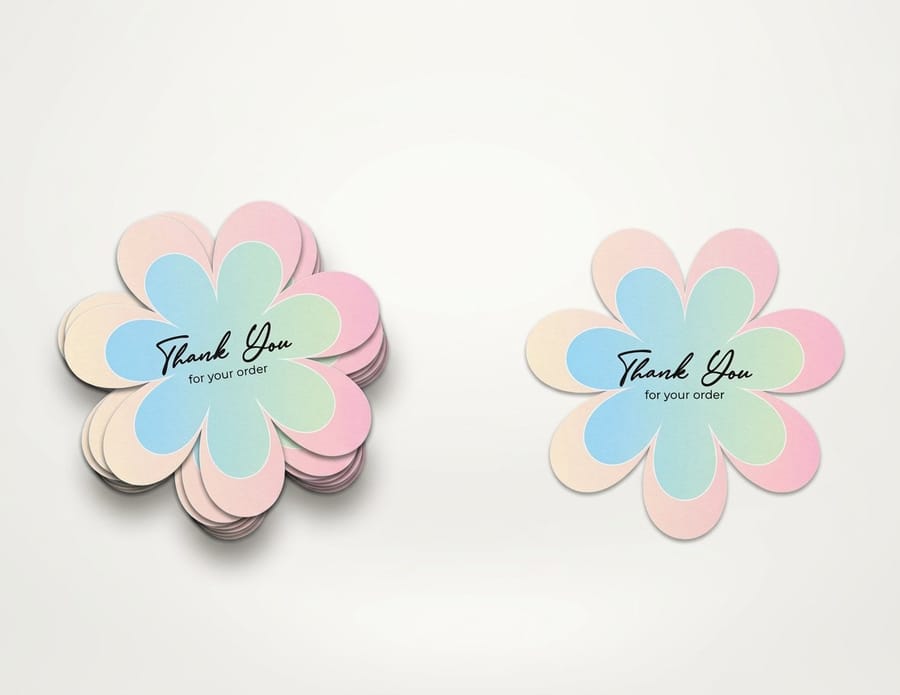
Clean the sticky side, dry it, and press it back down firmly. If the tack is gone, add a thin strip of double-sided tape or a repositionable glue stick. To move a sticker, warm it, peel from a corner at a low angle, and carry it on clear tape to the new surface. For stickers you plan to reuse often, print on static cling or removable vinyl instead of permanent stock.
Why a sticker stops sticking
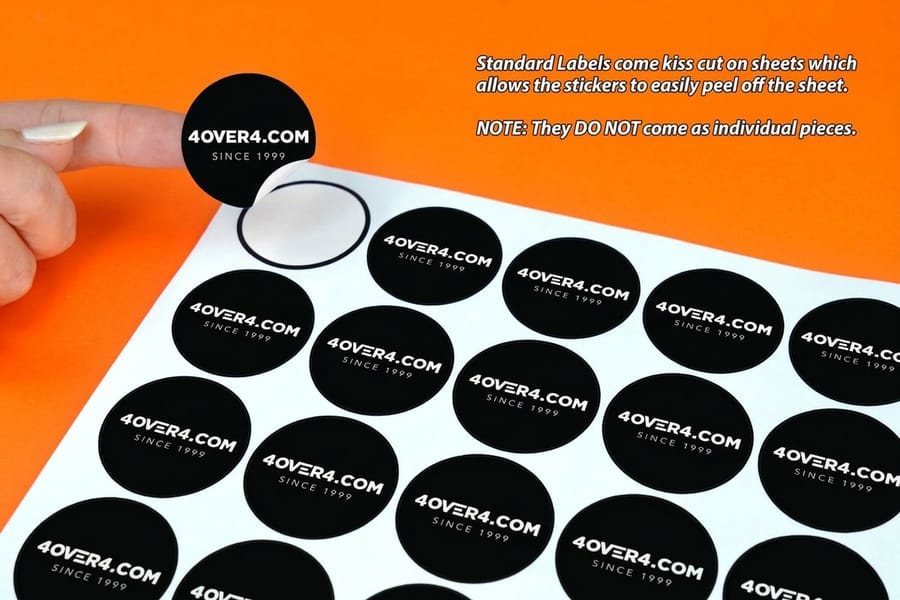
A sticker holds through a thin, tacky layer of adhesive that grips whatever it touches. That layer is doing its job right up until something gets in the way. The three usual culprits are dust and lint, skin oil and grease, and moisture. Each one coats the glue so it can no longer make full contact, and the sticker starts to lift at the edges.
The good news is that a weak sticker is often not a dead one. If the adhesive is simply dirty, cleaning it can bring much of the tack back. If the sticker has been washed, soaked, or peeled too many times, the glue itself is worn out and no amount of cleaning will fully restore it. Knowing which situation you have decides whether you revive the sticker or reorder a fresh one.
Material matters too. A paper sticker gives up after a move or two, while a vinyl or laminated die-cut sticker takes far more handling. If you are printing new stickers and want them to survive being repositioned, our guide on choosing the right sticker material walks through every stock.
How to clean a sticker so it sticks again
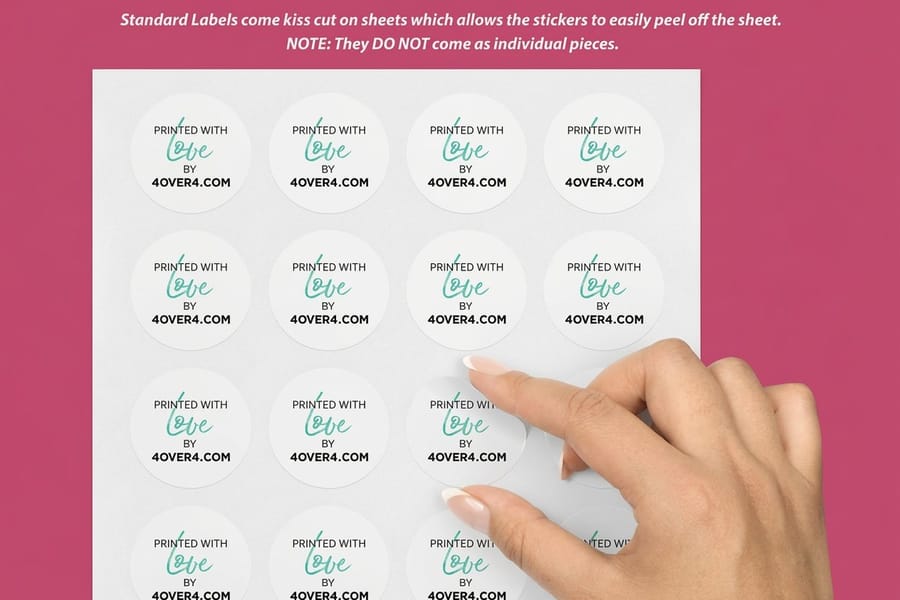
Most weak stickers just need a bath. This is the first thing to try before you reach for new glue.
- Dampen a soft cloth with warm water and a drop of dish soap.
- Wipe the sticky side gently to lift dust, lint, and oil. Do not scrub, which can stretch the sticker.
- Rinse with a clean, barely damp cloth to remove any soap film.
- Let it dry fully face up on wax paper. Adhesive grips best when it is clean and completely dry.
For a vinyl sticker that has picked up grease, a quick dab of rubbing alcohol on the adhesive side cuts the oil where soap struggles. Skip alcohol on paper stickers, since it can bleed the ink. Once the sticker is clean and dry, press it firmly onto the new spot and hold for a few seconds so the adhesive can bond.
How to remove a sticker without ruining it
Reuse starts with removal. Rip a sticker off and you tear the design or leave half the glue behind. Take it slow and it comes up whole.
- Warm it first. Aim a hair dryer at the sticker for thirty to sixty seconds. Heat softens the adhesive so it releases instead of splitting.
- Start at a corner. Slide a fingernail, a plastic gift card, or a length of dental floss under one edge and work across at a low angle.
- Peel toward yourself, evenly. A steady, shallow pull keeps the sticker in one piece.
- Set it face up. Rest the removed sticker on wax paper or a glossy page so the adhesive stays clean until you re-apply it.
Vinyl and laminated stickers survive this far better than uncoated paper. If a sticker keeps tearing no matter how careful you are, that is a sign the material was never built to move, and a durable reorder is the smarter fix. Our guide on removing old stickers covers the toughest cases.
How to transfer a sticker to a new surface
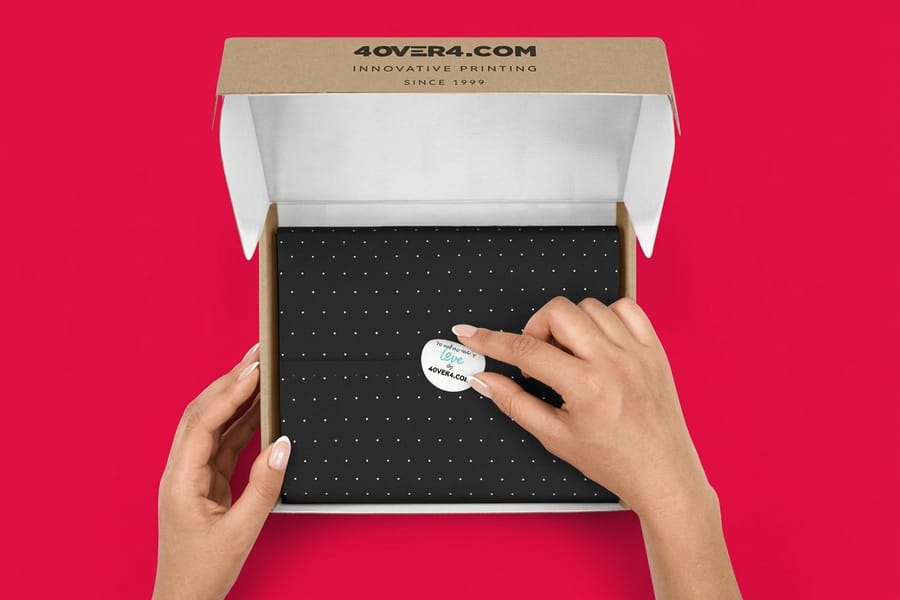
Sometimes you do not want to re-stick the same spot. You want to move the sticker to a laptop, a water bottle, or a window. The transfer-tape method carries the design safely.
- Cover the sticker with a piece of clear packing tape or proper transfer tape, pressing out any bubbles.
- Lift the tape slowly. The sticker peels up stuck to the tape, design facing you.
- Place it on the clean new surface and burnish it down with a card.
- Peel the tape away at a sharp angle, leaving the sticker behind.
This is the same technique sign makers use for vinyl lettering, and it is the cleanest way to reposition a sticker with fine detail. Smooth, non-porous surfaces like glass and metal accept a transferred sticker best. For bottles that get wet often, our tips on sealing and protecting stickers keep the moved design in place.
How to make stickers that are meant to be reused
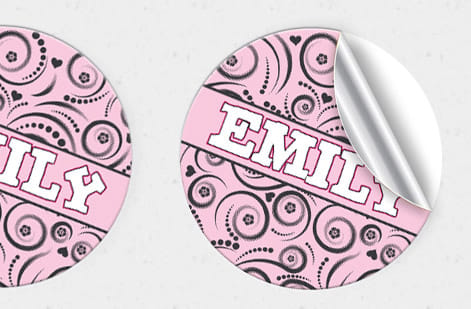
If you know from the start that a sticker needs to move again and again, choose a material built for it rather than fighting a permanent adhesive.
- Static cling uses no glue at all. It clings to glass and other smooth surfaces through static, so it peels and re-places endlessly. It is the pick for window displays and seasonal signage.
- Removable vinyl carries a light adhesive that lifts clean with no residue, ideal for wall decals, laptop art, and rentals.
- Low-tack labels restick a handful of times, good for price tags, planners, and organizing.
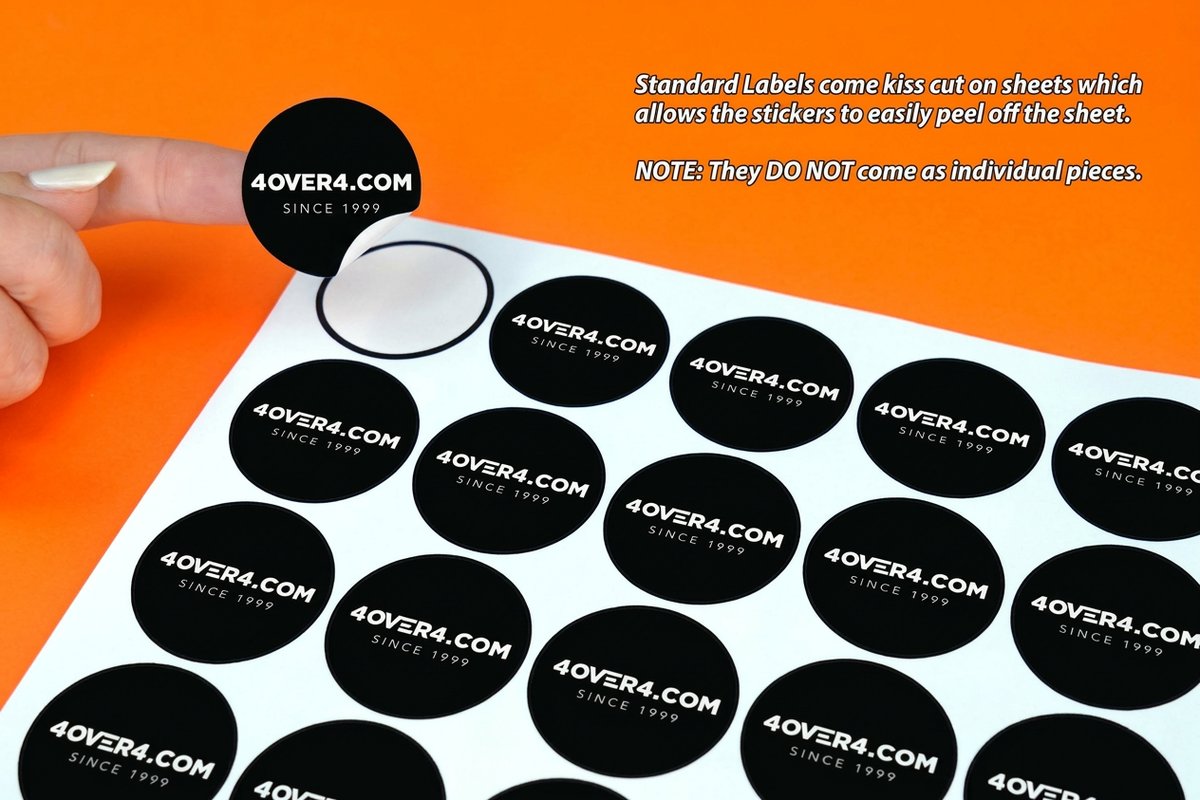
At 4OVER4.COM you can order custom die-cut stickers and clear stickers in materials that match how often you plan to move them. Choosing the right stock upfront saves the cleaning and transfer work later, and our guide on how to make stickers shows how to prep a print-ready design.
When a sticker is not worth reviving
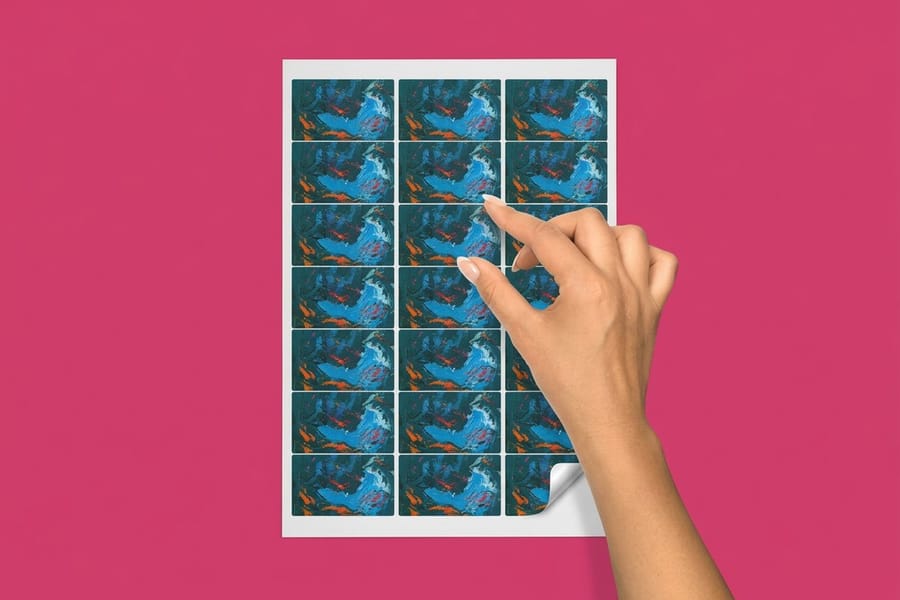
Cleaning and transfer tricks stretch a sticker a little further, but there is a point where reviving it costs more effort than it is worth. Reorder instead of reusing when:
- The adhesive has been washed out or soaked and no longer tacks even after cleaning.
- The sticker is torn, curled, or faded from sun and weather.
- You need many matching stickers, where hand-reviving each one is slower than a fresh print run.
- The design has changed, such as a new logo, phone number, or promotion.
A fresh run of durable vinyl or die-cut stickers restores crisp color and full tack, and it scales to any quantity you need. Because 4OVER4.COM prints in-house, reordering the same artwork is quick, and you can upgrade to a weatherproof laminate so the next set outlasts the last.
Surfaces and care that keep a restuck sticker holding
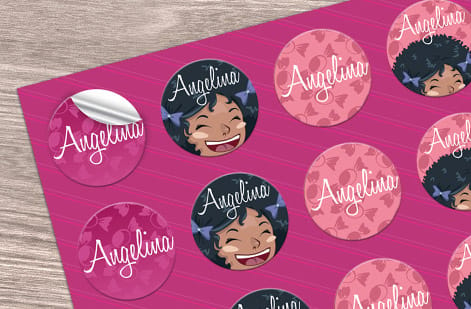
Even a perfectly cleaned sticker fails on the wrong surface. Give your revived sticker the best chance with a little prep.
Clean the target first. Wipe the laptop, bottle, or window with rubbing alcohol and let it dry, so the adhesive meets a grease-free surface. Favor smooth, non-porous materials like glass, metal, and hard plastic, which grip far better than fabric or raw wood. Press and wait. Firm pressure for ten seconds, then twenty-four hours before exposure to water, lets the bond set.
Avoid re-applying a sticker in cold or humid conditions, where adhesive is at its weakest. A little warmth from your hands or a brief pass of a hair dryer over the finished sticker helps it seat. These same habits protect brand-new stickers too, so the first placement lasts as long as possible.
Common sticker reuse mistakes to avoid

A few habits ruin more stickers than dirt ever does. Skip these and your reuse rate climbs.
- Peeling cold and fast. No heat plus a quick rip equals a torn sticker. Warm it and go slow.
- Soaking paper stickers. Water saves vinyl but destroys uncoated paper and its ink.
- Touching the adhesive. Fingerprints leave oil that kills tack. Handle by the edges.
- Re-sticking on dust or fabric. A dirty or porous surface never lets the glue grip.
- Expecting permanent stickers to be reusable. They are designed to stay put. For repeat placement, print on cling or removable stock.
When reuse runs out, a fresh order is the reset button. Browse durable options in the custom sticker range and pick a material matched to how the sticker will live.
Wally explains sticker reuse
Clean it, warm it, and know when to reprint
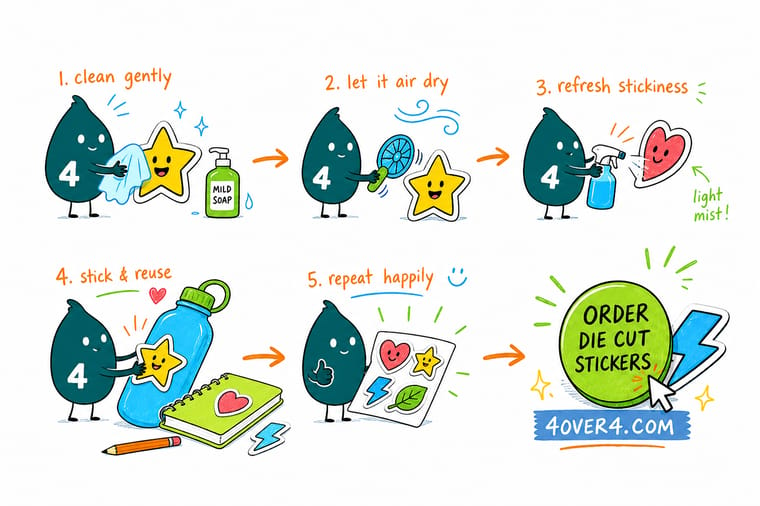
Wally treats a tired sticker like a scuffed shoe: a little cleaning brings back the shine, but past a certain point new is the only fix. Wipe the adhesive, peel with a warm dryer, and transfer on clear tape for a second life. When the glue is washed out or the design has changed, print a fresh set of durable die-cut stickers at 4OVER4 and skip the fuss.
Order custom stickers →Specs and pricing
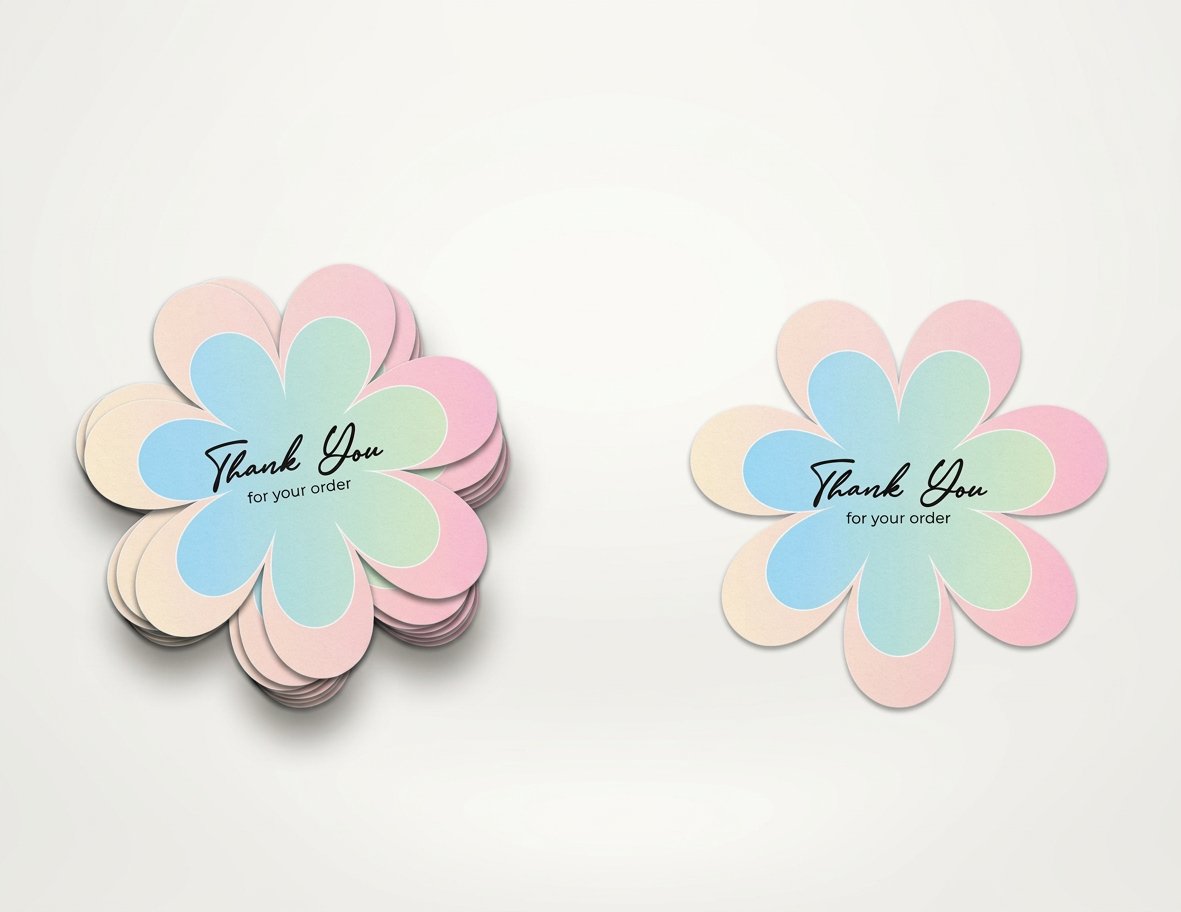
Custom die-cut sticker specs and pricing
Here are the live materials, sizes, and price-per-quantity for die-cut stickers at 4OVER4.COM, straight from the configurator, so you can compare durable stocks and what they cost before you reorder.
| Quantity | Price Per Unit | Total |
|---|---|---|
| 25 | $3.73 | $93.37 |
| 50 | $1.91 | $95.56 |
| 100 | 100.0¢ | $99.95 |
| 200 | 56.3¢ | $112.59 |
| 300 | 41.4¢ | $124.13 |
| 400 | 33.9¢ | $135.65 |
| 500 | 29.2¢ | $146.10 |
| 600 | 26.4¢ | $158.17 |
Print it
Reorder durable stickers at 4OVER4
See it in use
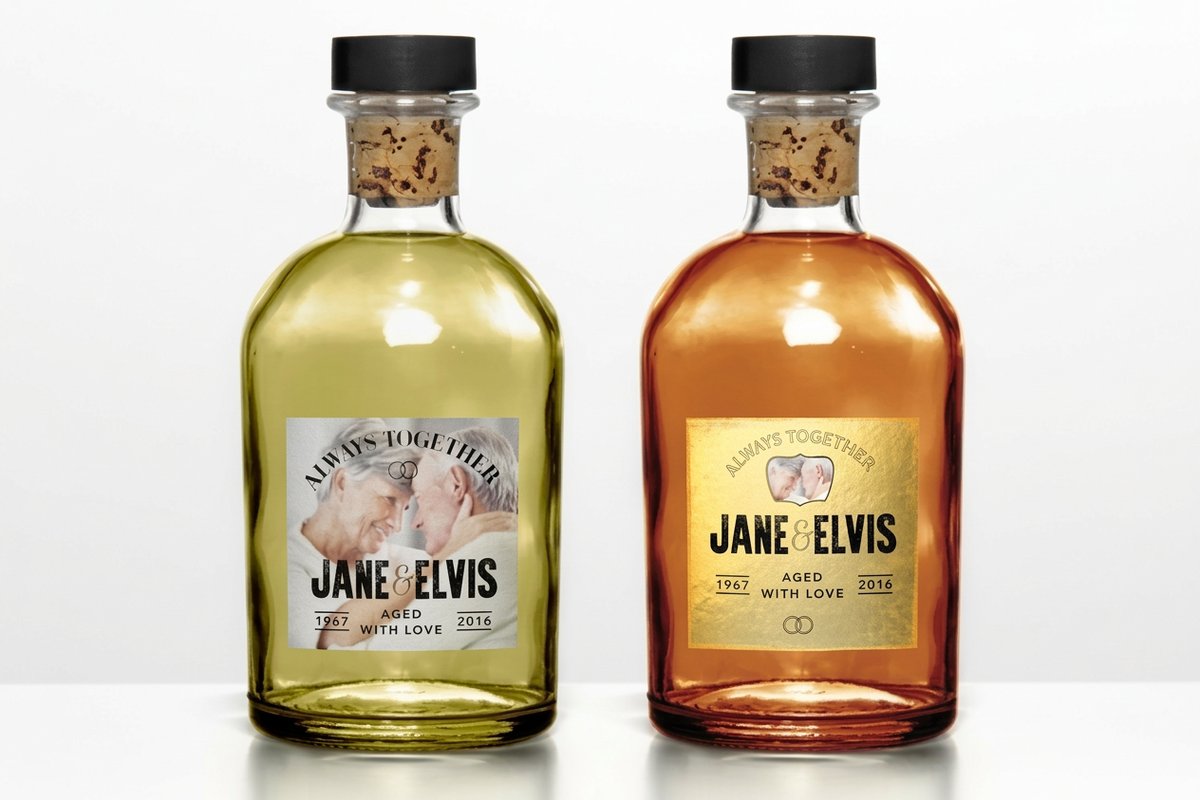
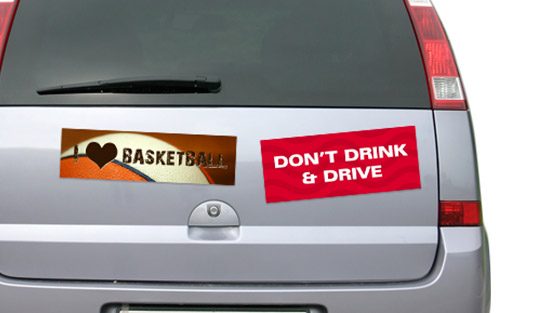
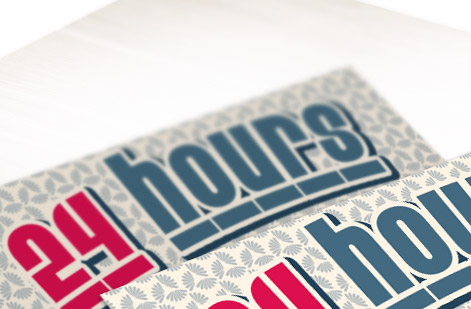
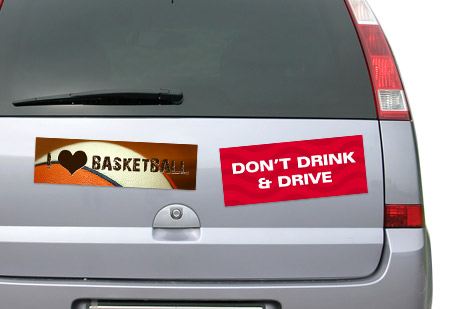
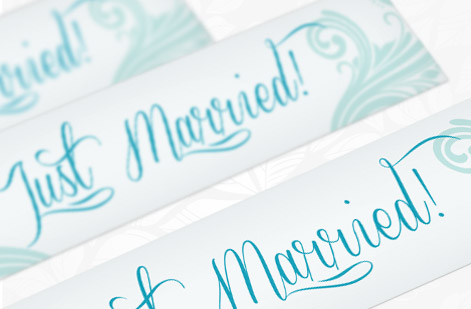
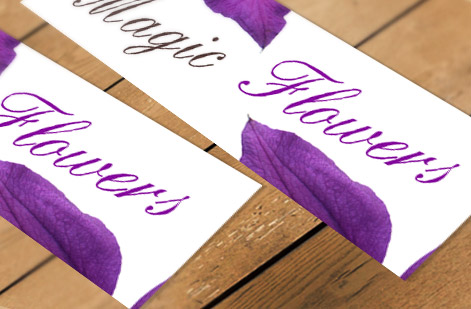
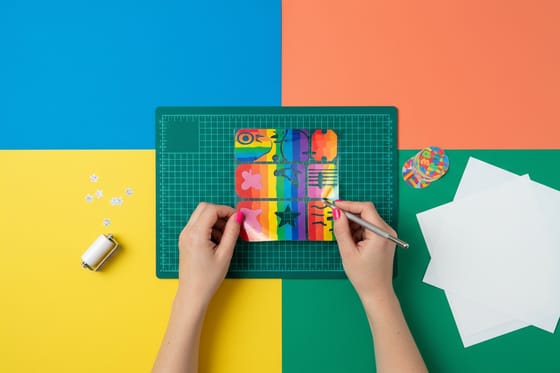
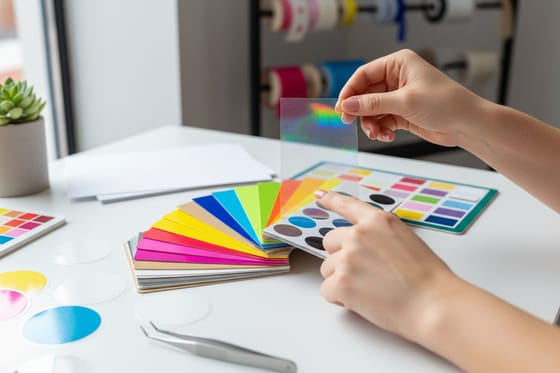
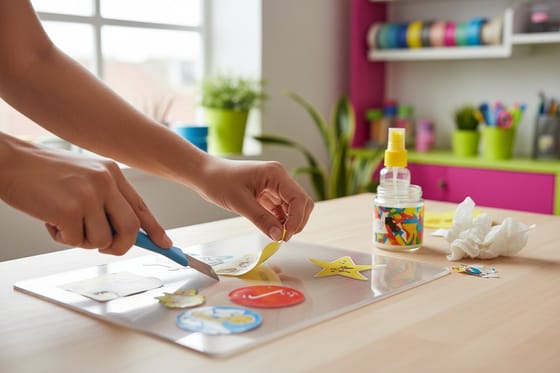
Real custom sticker work, printed in-house


Explore more
Where to go next

By the numbers
Printing you can count on at 4OVER4
Common Questions
Common questions about reusing stickers
How do you make a sticker sticky again?
Start by cleaning the adhesive side. Wipe it with a cloth dampened in warm soapy water to lift dust and oil, then let it dry fully. If the tack is still weak, add a very thin layer of a repositionable glue stick or double-sided tape to the back. For a sticker that has to hold on a hard surface, a small strip of clear double-sided tape restores a firm bond without changing how the front looks.
Can you reuse a sticker after peeling it off?
Often, yes, if you remove it carefully. Warm the sticker first with a hair dryer, peel it slowly from one corner at a shallow angle, and set it face up on a clean, smooth surface such as wax paper or a glossy magazine page. Kept clean and flat, the adhesive stays usable for a second placement. Paper stickers survive fewer moves than vinyl ones.
How do you remove a sticker without ruining it?
Apply gentle heat from a hair dryer for thirty to sixty seconds to soften the glue, then slide a fingernail, a plastic card, or a length of dental floss under one edge. Work slowly and keep the peel angle low. Avoid soaking paper stickers in water, since that breaks down the paper and the ink. Vinyl and laminated stickers handle removal far better than uncoated paper ones.
What makes a sticker reusable in the first place?
Truly reusable stickers use a cling or low-tack adhesive designed to release cleanly. Static cling clings to glass and other smooth surfaces with no glue at all, so it re-places endlessly. Removable vinyl uses a light adhesive that lifts without residue. Standard permanent stickers are made to stay put, which is why they resist a second life unless you help the adhesive along.
How can I transfer a sticker to a new surface?
Lay a piece of clear packing tape or transfer tape over the sticker, press it down, and lift. The sticker comes up on the tape with its design intact. Position the tape on the new surface, smooth it flat, then peel the tape away and leave the sticker behind. This is the same transfer-tape method used for vinyl decals and lettering.
Are reusable stickers as durable as permanent ones?
They trade a little longevity for flexibility. Cling and removable materials are perfect for seasonal displays, rental spaces, and anything you rotate often, but they are not meant for years of outdoor exposure. When you need a sticker that survives weather, washing, and daily handling, a permanent vinyl or die-cut sticker is the better call, and it is easy to reorder as your design evolves.
Get Started
Ready for stickers that restick and last?
Pick your shape, choose a durable vinyl or removable material, and we print vivid custom stickers that hold their tack through move after move.
Legal Disclaimer
Gold Standard guarantees apply to all standard orders placed through 4over4.com. Price match requires verifiable proof of a competitor's published price for an equivalent product with matching specifications and turnaround time. Satisfaction guarantee covers manufacturing defects and print quality issues. Contact support with order number and documentation. On-time delivery rate based on tracked orders 1999 to 2026. Individual results may vary based on shipping carrier performance.
