
3D Lenticular Postcard Trends Shaping Print in 2026


Lenticular postcard specs, effects, and how to order
Here is the short version before the detail. A lenticular postcard is a printed card with a ribbed 31pt lens bonded over interlaced artwork, so the image changes as the card tilts. You pick one of four effects, 3D depth, flip, morph, or animation, supply layered art at 300 DPI or higher, and the production team handles the interlacing and lamination.
Two decisions drive everything else: the effect and the frame count. A flip needs two distinct, high-contrast images. A 3D depth effect needs roughly 8 to 12 layers stacked from foreground to background. Morph blends one image into another and animation plays a short motion sequence, so both want frames that change in small even steps rather than all at once.
Cost works on quantity, because the interlacing and lamination setup is spread across the run, so the price per card falls as the run grows. Live pricing for every quantity, along with the full option list and the same on-time guarantee that covers any other order, sits on the 3D lenticular postcards page.
Lenticular specs
31pt lens, four effects, one upload
Effect type, frame count, stock and finishing options for 3D lenticular postcards, priced live by quantity.

What makes 3D lenticular postcards impossible to ignore
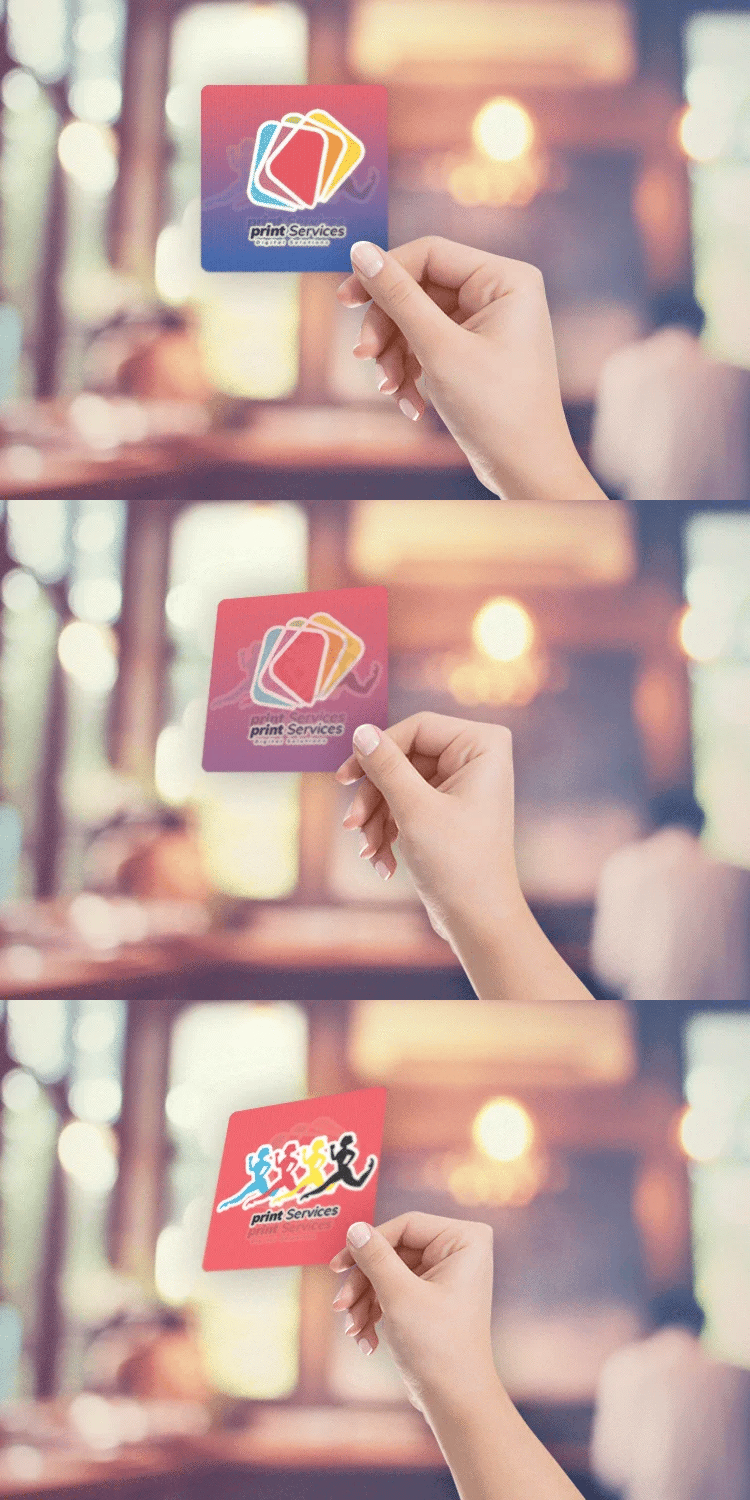
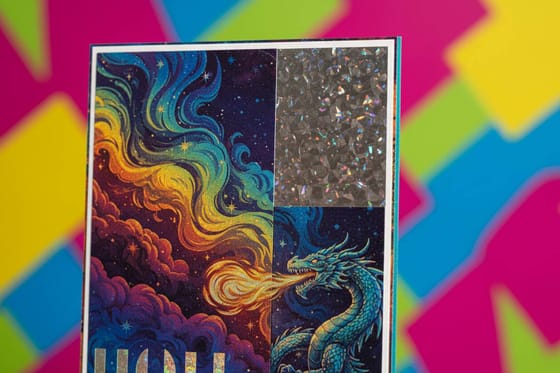
3D lenticular postcard trends all start with one simple truth. These cards move. A ribbed 31pt lens bonds over a specially interlaced print, so tilting the card reveals depth, a clean flip between two images, or a short burst of motion. A flat postcard cannot do any of that, and that single difference is why people stop, tilt, and hand the card to a coworker.
That interaction is gold for recall. 4OVER4.COM has printed over 10 billion cards since 1999, and lenticular formats sit among the most requested specialty products for exactly this reason. The effect is not a gimmick either. It triggers a tactile response that flat print cannot match, so recipients spend more time with the card and are far less likely to drop it in the recycling bin.
The lenticular lens effect, how it actually works
The magic is in the interlacing. A designer builds two or more image frames, then software slices them into thin vertical strips and weaves them together. The lens sheet on top acts like a row of tiny magnifying glasses, and each lens shows a different strip depending on your viewing angle. Tilt the card one way and you see the first image. Tilt it back and the second image appears, or a smooth 3D depth effect where elements seem to float above and behind the surface.
There are four effects worth knowing. 3D depth places layers of the image at different distances. Flip switches between two completely different images. Morph blends one image into another. Animation plays a short motion sequence. Each effect needs specific file prep, so deciding which one you want before you design saves both time and money.
How 3D lenticular postcards differ from traditional postcards
A traditional postcard is flat cardstock with a printed image on one side and space for a message on the other. It is static. A lenticular postcard adds a physical lens layer that changes the whole viewing experience. The card is thicker, more rigid, and feels premium in hand, and that weight communicates quality before the recipient even reads a word.
Production differs too. Standard postcards run on offset or digital presses, while lenticular postcards need interlacing software, precise alignment between the print and the lens, and careful lamination. That extra work is why they count as a specialty product, and the payoff in engagement is worth it. Browse the full 3D lenticular printing collection to see every format the lens works on.
Why lenticular postcards keep growing in popularity
Print is not dying. It is getting smarter. As digital ad costs climb and inboxes overflow, physical mail with a genuine wow factor cuts through the noise. 4OVER4.COM has served over 150,000 businesses, and more of them reach for specialty formats like lenticular to stand out. The technology has grown more affordable in recent years, so you no longer need an enterprise budget to run a lenticular campaign.
Independent artists drive demand as well. Lenticular postcards double as collectible art pieces that sell at conventions, pop-up shops, and online stores. The postcard marketing numbers back this up, and the response-rate data in these postcard marketing statistics shows why a card that appears to move rarely ends up in the trash.
The product
Premium 3D lenticular postcards, ready to move
A 31pt lens bonded over an interlaced print, built for flip, depth, morph, and animation effects.
Choosing the right 3D lenticular postcard for your project
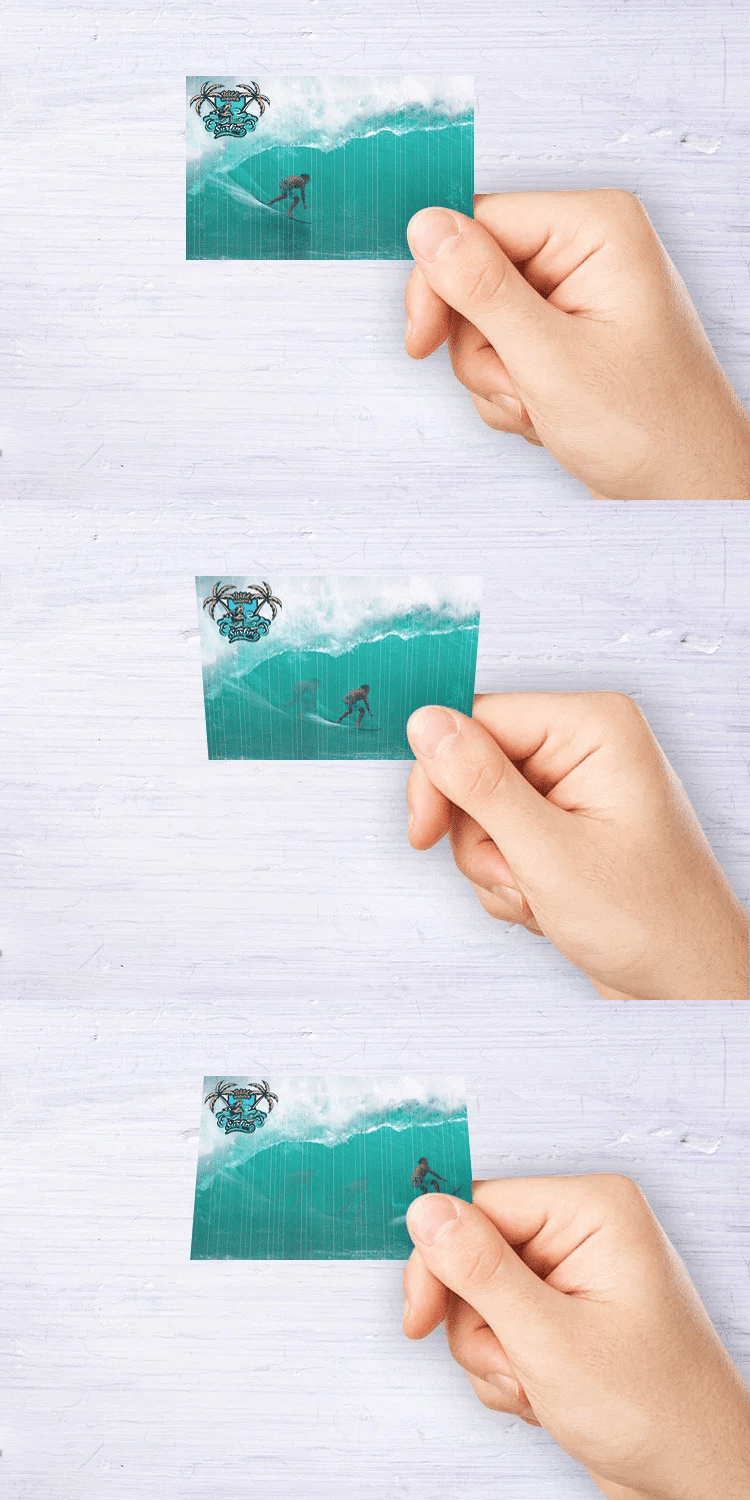
Picking the right lenticular postcard starts with the goal, not a cool picture. Are you promoting a launch, sending holiday greetings, or selling art at a convention? The occasion, the audience, and the effect you want all shape the choice. Plan the effect around the message first, then pick the image that carries it.
Get that order right and the card does the work for you. Choose an effect that reinforces the story, match it to a clean high-contrast image, and the postcard reads instantly from arm length. Choose at random and even a beautiful photo can look muddy through the lens.
Match the lenticular effect to your message
If you want a before and after transformation, say a renovation or a fitness result, the flip effect is your best bet. It switches cleanly between two images and tells a clear story. For product photography where items should feel like they pop off the card, reach for 3D depth. If you are an illustrator or animator, the animation effect showcases a short motion sequence that brings your art to life.
The morph effect works beautifully for brand reveals. Picture a postcard where your old logo smoothly becomes the new one, which is a rebrand announcement people actually keep. For more layered-print inspiration, these 3D lenticular business card design ideas show how the same effects translate across formats.
Popular themes driving 3D lenticular postcard trends
Nature and wildlife stay strong sellers. National parks, ocean scenes, and animal portraits look stunning with 3D depth, because the layers of foreground, subject, and background build a miniature diorama. Seasonal themes like Christmas, Halloween, and Valentine's Day remain perennial favorites for mailings.
Pop culture and fan art have exploded in the lenticular space. Artists at comic conventions use flip and animation to make characters come alive, real estate agents use 3D depth to make property photos immersive, and restaurants use morph to show a dish being plated. The themes are as wide as your imagination, and the right theme paired with the right effect creates something genuinely memorable.
Personalizing your 3D lenticular postcard
Personalization takes a lenticular card from impressive to unforgettable. Add a recipient's name, a custom message, or a photo that means something to them. Variable data printing lets you personalize each card in a run with different names or images while keeping the lenticular effect consistent across the batch, which is powerful for direct mail where personalization lifts response rates.
The premium feel carries into other stationery too. Once buyers see the lens work, many pair it with matching 3D lenticular business cards so the whole brand kit moves in the same way. Even a short note on the back of a 3D postcard makes the recipient feel seen.
Quantity and price
Lenticular postcard pricing and specs
Real configurator numbers. The more you order, the lower the per-card cost drops.
| Quantity | Price Per Unit | Total |
|---|---|---|
| 500 | $2.19 | $1,097.28 |
| 1,000 | $1.32 | $1,316.96 |
| 2,000 | 93.3¢ | $1,866.15 |
| 3,000 | 69.5¢ | $2,085.82 |
| 5,000 | 57.1¢ | $2,854.69 |
| 10,000 | 54.9¢ | $5,490.79 |
How businesses use 3D lenticular postcards for marketing
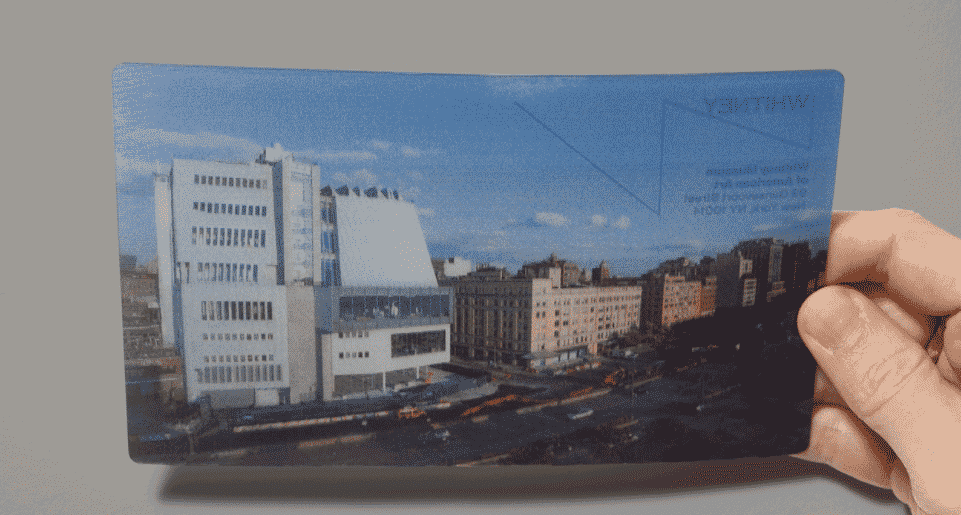
Direct mail still works when it is done right. The problem with most mail is that it looks like every other piece in the stack. A 3D lenticular postcard breaks that pattern the instant it leaves the mailbox, because the moving image grabs the eye first. That is your opening win, and the second win comes when the recipient flips it over to read your offer.
The trick is discipline. Match the effect to the offer instead of adding motion for its own sake. Used well, the lens makes your product look more real, more desirable, and more tangible, so the wow factor reinforces the message rather than distracting from it.
Direct mail campaigns that actually get opened
A restaurant mails a card of a dish that appears to steam when you tilt it. A gym sends a flip card showing a transformation. A dealership sends a card where the car seems to drive toward you. These are not hypotheticals, they are everyday campaigns run with 3D lenticular postcards.
Pair the effect with a strong layout and a clear call to action and the numbers follow. If you want the full production path from artwork to mailbox, the guide on how to make postcards walks through sizes, stocks, and mailing setup step by step.
Event marketing and trade show giveaways
At trade shows everyone hands out business cards and brochures, and most end up in the hotel trash. A lenticular postcard gets kept. It gets shown to coworkers back at the office and sits on a desk because it is interesting to look at. For event marketers that shelf life is priceless.
Round out the giveaway with matching print. These logo sticker design ideas extend your brand beyond the postcard, and for budget handouts alongside the lenticular pieces, black postcards and direct mail postcards make a bold impression at a lower price point.
Gifting and special occasions
Lenticular postcards are not only for marketing. They make genuinely thoughtful gifts. A custom lenticular card for a wedding, anniversary, or graduation feels more special than a standard greeting card, and the 3D effect turns a simple message into a keepsake.
Artists and photographers sell them as affordable art prints too. They ship easier than framed pieces, and the lens adds a premium feel that justifies a higher price than a flat print. For creators, it is a way to offer something unique in a crowded marketplace.
Compare formats
Popular lenticular formats, side by side
Stock, finish, quantity, turnaround, and from-price across the most-ordered lenticular products.
 3D Lenticular Business Cards | 3D Lenticular Postcards | 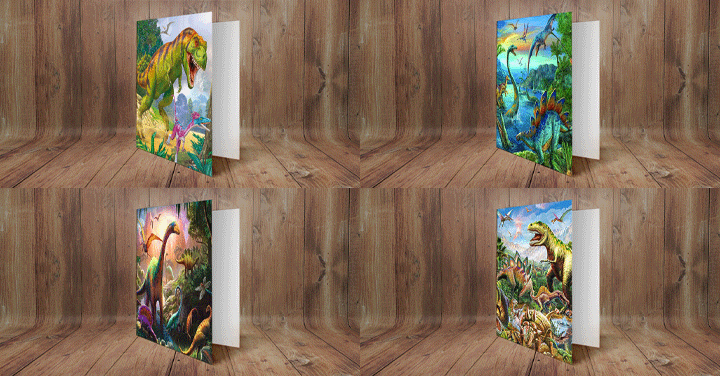 3D Lenticular Greeting Cards | 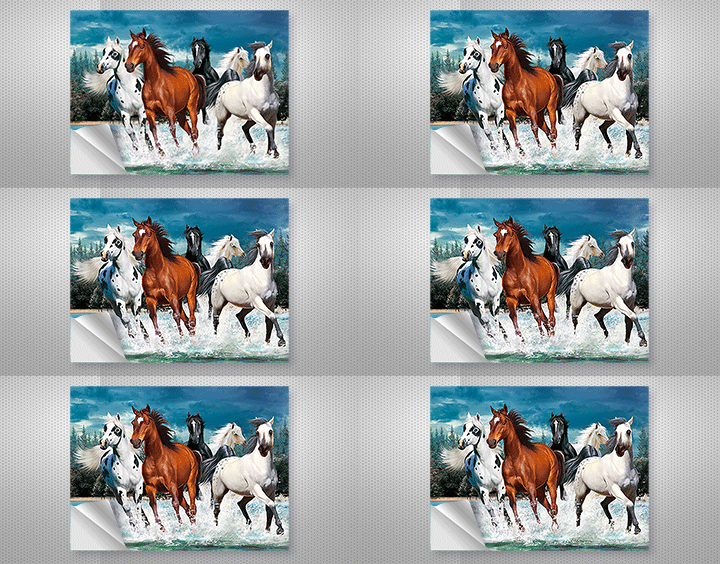 3D Lenticular Stickers | |
|---|---|---|---|---|
| Min price | $690.88 | $1,097.28 | $631.57 | $866.62 |
| Paper / stock | 31pt Lenticular Lens | 31pt Lenticular Lens | 31pt Lenticular Lens | Lenticular Sticker |
| Size | 2" x 3.5" - Vertical | 4" x 4" | 10" x 7" fold to 5" x 7" - Vertical | 2" x 3.5" - Vertical |
| Default qty | 500 | 500 | 50 | 500 |
| Turnaround | 22 business days | 22 business days | 22 business days | 22 business days |
| Rating | ||||
| View & customize | View & customize | View & customize | View & customize |
Design tips for getting the best lenticular results
Designing for lenticular printing is not the same as designing for flat print. The interlacing process and the lens sheet set specific rules, and ignoring them leaves you with a blurry or underwhelming effect. Get these basics right and the card looks sharp from every angle.
None of it is complicated once you know the constraints. Start with clean high-resolution art, separate your layers, and keep fine detail off the lens side. A little planning up front is the single biggest factor in a great final result.
Artwork requirements and file setup
Frame count comes first, because it decides how the file is built. A flip is two frames, two complete images that each read on their own. A morph or an animation is a short evenly spaced sequence, so the change between neighboring frames stays small. A 3D depth effect is not frames at all but 8 to 12 stacked layers, foreground to background, each on its own layer with its own transparency.
Name and order the layers the way you want them read, 01 foreground through 12 background for depth, frame-1 and frame-2 for a flip. Keep every layer on the same canvas at the same 300 DPI or higher resolution, flatten nothing, and supply a layered PSD, TIFF, or native Illustrator file. A single merged JPG cannot be interlaced, so it comes straight back to you.
Color has limits too. The lens sits between the ink and the eye, so it softens saturation slightly and hides fine detail. Work in CMYK, keep type large and bold on the lens side, and give neighboring layers or frames enough separation that the change is obvious at arm's length. Anything subtle on screen disappears once the lens goes on.
File preparation basics
Start with high-resolution images at 300 DPI minimum, though higher is better for lenticular work. Each layer of your design needs its own file or layer so the interlacing software can process it. A 3D depth effect usually needs 8 to 12 layers arranged from foreground to background, while a flip effect needs two distinct high-contrast images.
Keep fine text and thin lines off the area the lens covers, because the lens can distort small details. Put important text on the non-lens side or use bold large type if it must appear on the lens side. Pull the right dimensions and bleed from blank templates, and if you want the mechanics behind it all, read what lenticular printing is and how it works.
Color and contrast considerations
High contrast between layers produces the most dramatic effect. If your foreground and background share color and brightness, the 3D depth reads flat and disappointing. Use strong color separation, and remember that dark backgrounds with bright subjects work especially well.
The lens also softens saturation slightly compared to a standard print, so bump your saturation 10 to 15 percent during design to compensate. Always request a proof before a full run, because what looks great on screen does not always survive the trip through a lens sheet.
Choosing between effects
Not sure which effect fits? Here is the quick breakdown.
- 3D depth: best for landscapes, product photos, and portraits. It creates a window-like effect where elements sit at different distances, and it needs layered source files.
- Flip: best for before and after reveals, two-sided messages, or a surprise element. It uses exactly two images, and high contrast between them gives the cleanest flip.
- Animation: best for motion like a running animal, a spinning logo, or a pouring drink. It needs 8 to 20 sequential frames, and more frames mean smoother motion.
- Morph: best for transformations, one face into another or one product into the next. It needs two images with similar composition so the blend looks natural.
Start fast
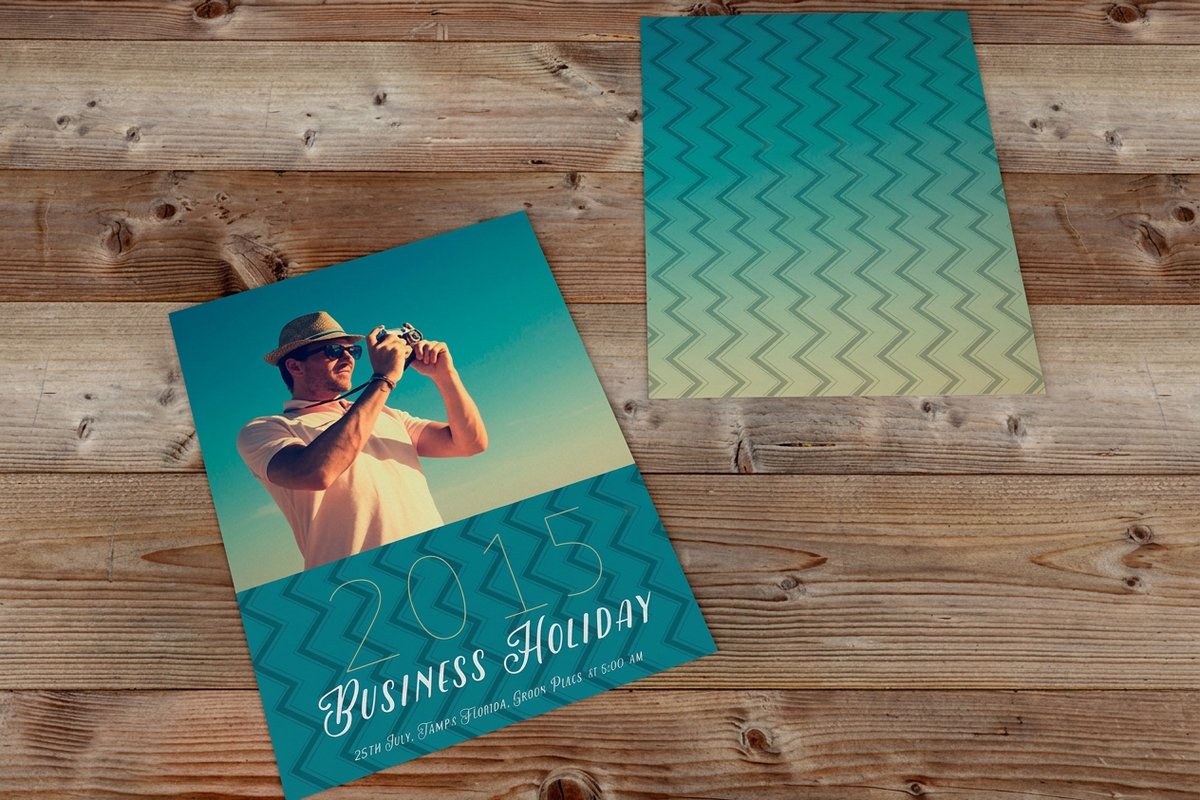
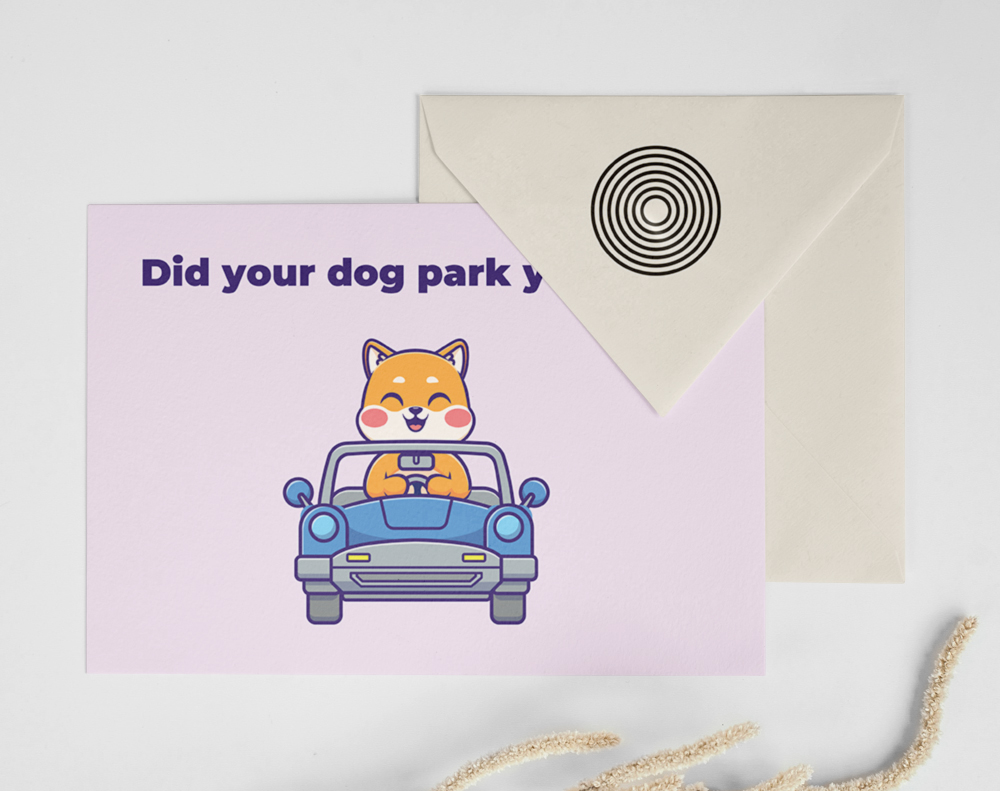
Postcard templates and print-ready blanks
Postcard design templates plus an exact-size lenticular blank so your art lands inside the cut line.
Caring for your 3D lenticular postcards
Lenticular postcards are durable but not indestructible. The lens is a plastic layer that can scratch under rough handling, so store your cards in a cool, dry place out of direct sunlight. UV exposure can slowly fade the printed image beneath the lens.
When mailing them, use a rigid mailer or cardboard backing to prevent bending. The lens is stiff, and extreme bending can crack it or separate it from the printed substrate. A little extra protection in transit means your recipient gets the full 3D experience. The same 31pt lens shows up on 3D lenticular bookmarks and other formats, so the storage rules carry across your whole lenticular kit.
If you display the cards at a counter, in a frame, or at a booth, position them where viewers can tilt them easily. The effect only works when the viewing angle changes, so a flat display under glass hides the motion. Prop them at a slight angle or use a stand that invites people to pick them up.
Lenticular specs
Lens, ink, effect, and finishing options
The real configurator options for 3D lenticular postcards, from the 31pt lens to flip counts and proofing.
Ordering 3D lenticular postcards from 4OVER4.COM
Ordering is straightforward. Upload your artwork, choose your effect type, select a quantity, and let the production team handle the interlacing and lamination. With over 10,000 reviews and a 4.8 out of 5 star rating, 4OVER4.COM has the track record to back the quality promise, and every lenticular order ships with the same on-time guarantee as any other product.
Not sure your design will land? Browse the showcase and the dedicated postcard printing showcase to see finished cards from real customers, then check the postcard reviews for print-quality and delivery feedback before you commit.
Want to compare the wider range first? The full postcards printing category lines up every stock and finish, so you can weigh a lenticular run against foil, matte, and standard options in one place.
Lenticular postcard specs at a glance
Everything production asks for, in the order you will be asked for it.
- Lens: a 31pt ribbed lenticular lens bonded over the printed sheet. It is thick and rigid, which is why the card feels closer to a plastic card than to paper stock.
- Effect: 3D depth, flip, morph, or animation, one per card face. Decide before you design, because each effect is interlaced differently and the file has to be built for it.
- Frames: two distinct images for a flip, roughly 8 to 12 layers for 3D depth, and a short evenly spaced sequence for morph or animation.
- Artwork: 300 DPI minimum at final size, layers kept separate, strong contrast between layers, fine text and thin lines kept off the lens side.
- Sides: the lens carries the moving image on the front, while the back prints flat, which is where the message, the address block, and the offer go.
- Quantity: priced by run size, since the setup is spread across the run, with live prices shown for each quantity before you check out.
- Proof: order one before a full run. Motion is the single thing a screen cannot preview honestly.
Mailing, durability, and cost, answered before you order
Lenticular postcards can be mailed. The lens is thicker and stiffer than ordinary postcard stock, so treat the piece as a hand-fed mailer rather than something a sorting machine should chew on: send it inside an envelope or a rigid mailer, and confirm the piece with your mail house before the drop rather than after it.
Durability is the reason people keep these cards. The plastic lens shrugs off handling that dog-ears a paper postcard, though it will scratch against keys in a bag and it will fade if it sits in direct sunlight for months. Stored flat and out of the sun, the effect looks the same years later.
On cost, a lenticular card prices above a flat postcard because of the lens, the interlacing, and the lamination. Quantity is the lever that brings the per-card number down, since that setup is paid for once and spread across the run. Check the price at your quantity on 3D lenticular postcards before you size the campaign.
Wally makes your postcard move
One card, four effects, printed to catch every eye
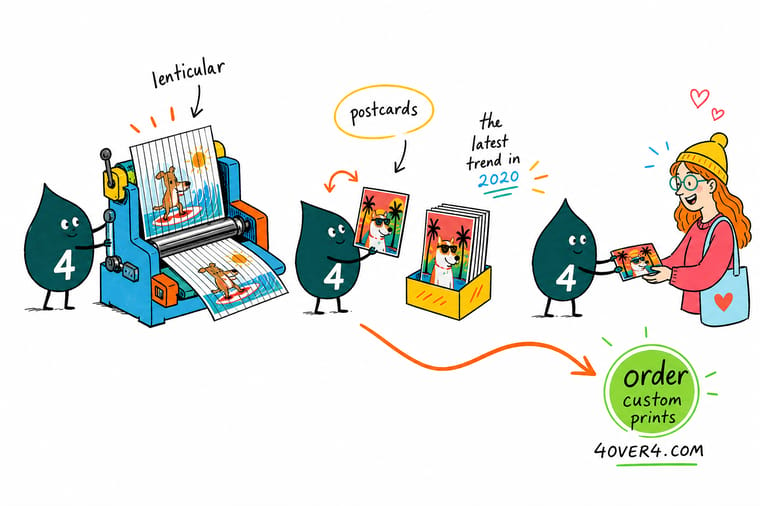
A lenticular postcard is the rare piece of mail people refuse to throw away. Pick your effect, depth for product shots, flip for a before and after, morph for a brand reveal, or animation for motion. Layer your art at 300 DPI, push strong contrast between layers, and 4OVER4.COM bonds it under a 31pt lens. Order a proof first, then let the card do the marketing.
Order 3D lenticular postcards →What to remember about 3D lenticular postcard trends
Why brands choose lenticular postcards
- Instant attention. Motion in the mailbox stops the eye before a single word is read, so your card gets picked up first.
- Longer shelf life. People keep cards that move, which means your brand stays on desks and shelves for months.
- Premium feel. The thick 31pt lens signals quality by weight and texture before the recipient even tilts it.
- Flexible effects. One format covers 3D depth, flip, morph, and animation, so the same product fits many campaigns.
- Personalization ready. Variable data printing keeps the lens effect consistent while every card carries a different name or photo.
- Proven ROI. Specialty mail cuts through inbox fatigue and lifts response rates over flat postcards.
Explore more
More ways to print with motion and depth
Every related page type on 4OVER4.COM, one card each, so you can keep exploring lenticular and postcard printing.
 Product 3D Lenticular Postcards Flip, depth, and motion postcards from $1,097.28.
  Collection Lenticular Printing Collection Every lenticular format, from cards to magnets.
  Category Postcards Printing Every postcard stock and finish in one place.
 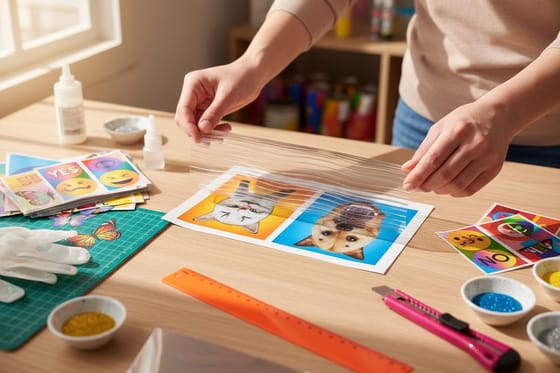 Guide How Lenticular Printing Works Interlaced images and lens sheets explained.
  Guide How to Make Lenticular Prints File setup, interlacing, and lens selection.
 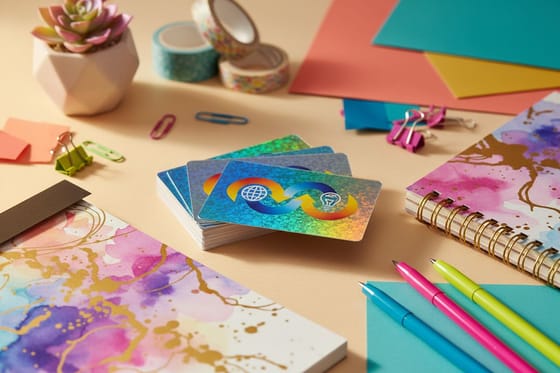 Article 3D Lenticular Business Cards The same motion effect on business cards.
  Article 3D Lenticular Cup Design How motion prints jump onto drinkware.
 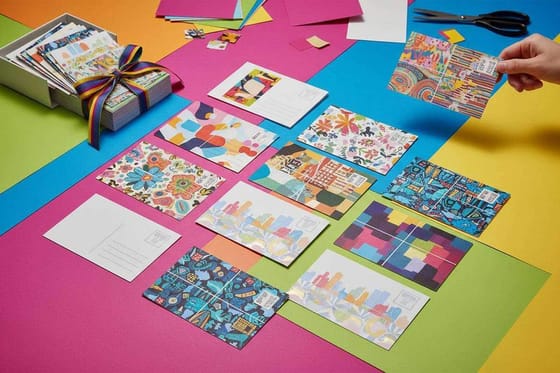 Showcase Postcard Showcase Real customer postcard designs for inspiration.
  Statistics Postcard Marketing ROI Response rates and benchmarks that prove ROI.
  Service Wonderfoil Metallic Effects Metallic 3D motion without a lenticular lens.
  Alternative 4OVER4.COM vs PostcardMania How the two stack up for postcard printing.
  Location Postcard Printing NYC Local postcard printing with same-day pickup.
 Ready to send a postcard people keep?
Pick an effect, upload your layered art, and 4OVER4.COM bonds it under a 31pt lens for depth, flip, morph, or animation.
Common questions about 3D lenticular postcard trends
What are the best practices for 3D lenticular postcard trends?
Start with high-resolution images at 300 DPI or higher and use strong color contrast between layers for maximum impact. Keep fine text off the lens side of the card, and always order a proof before a full production run to verify the effect looks sharp. Match your effect, depth, flip, animation, or morph, to the specific message. For design ideas that translate well to lenticular, see these graphic design portfolio examples.
How do I choose the right 3D lenticular postcard style?
Pick the effect based on your content. 3D depth works best for landscapes, product photos, and portraits with clear foreground and background separation. Flip is ideal for two-image reveals like seasonal promotions. Animation suits short motion sequences, and morph blends one image into another for brand transitions. Consider your audience too, since trade show crowds respond to bold animation while gift recipients appreciate the subtlety of 3D depth.
What makes 3D lenticular postcard trends effective for marketing?
Lenticular postcards demand physical interaction. Recipients tilt, turn, and study the card, spending more time with your message than they would with flat mail, and that engagement boosts brand recall. The novelty also drives word of mouth, because people show these cards to coworkers and friends. To pair them with other collateral, 4OVER4.COM also prints custom booklets for more detailed product information.
How much should I budget for 3D lenticular postcard trends?
Lenticular postcards cost more per unit than standard postcards because of the specialized lens lamination. Pricing varies by quantity, size, and effect complexity, and larger runs bring the per-card cost down sharply, from about $2.19 each at 500 to roughly $0.55 each at 10,000. Check the pricing table above for current tiers, and factor in design time if you need a pro to prepare layered files, since proper file prep is the single biggest factor in a great result.
